Lightweighting and recyclability have moved from optional marketing claims to core engineering specifications for every PET packaging producer. The fastest, most controllable route to a lighter and greener bottle is not the blow mold alone — it is the resin formula that feeds the preform injection and the stretch blow process. By adjusting intrinsic viscosity, the recycled PET ratio, nucleating agents, chain extender, barrier strategy and masterbatch let-down, a bottle maker can strip grams from a container while protecting top-load, carbonation retention and taste. This article explains the polymer science behind an optimized PET bottle formula and shows how that formula is turned into consistent, high-yield production on YuDa PET blow molding machines.
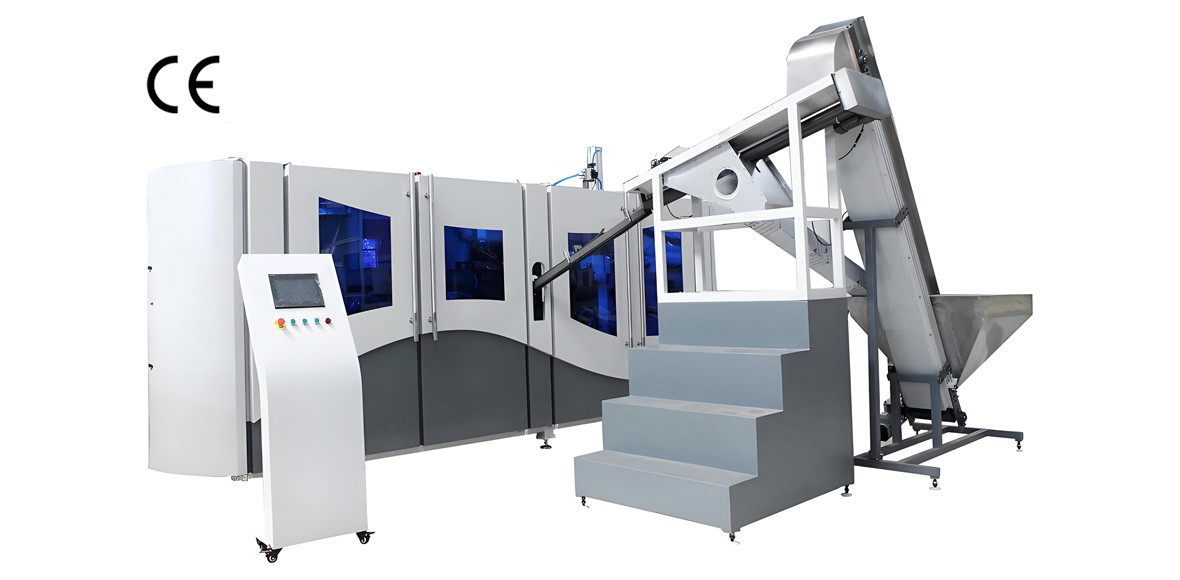
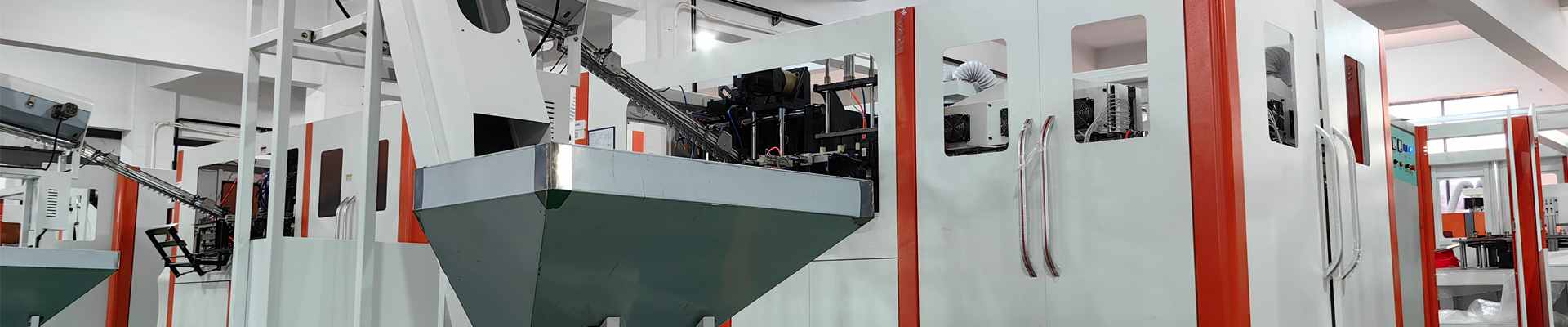
YuDa is a Wanplas factory specializing in PET bottle blow molding machines, with more than 20 years of experience, exports to 60-plus countries, a position among the top two manufacturers in China, and 20-plus patents in high-speed blowing, servo drive and energy-saving oven design. The YuDa product range covers high-speed FGX series machines at 8,000 to 15,000 bottles per hour, standard full-automatic lines from 1,000 to 7,000 bottles per hour, semi-automatic machines for smaller operations, and integrated blow-fill-capping combiblocks. Because a formula change always stresses the blowing window, the machine and the resin must be tuned together — which is exactly the discipline this guide addresses.
Readers who operate a PET bottle factory, specify preform resin, or plan a new lightweighting project will learn how each additive and property target changes wall thickness, cycle time and shelf life, and which YuDa machine configuration best matches a given formula strategy. The companion article in this batch covers standard workshop construction requirements for a PET packaging bottle factory; the present article deliberately stays on resin formula optimization so the two guides do not overlap.
Why PET Bottle Formula Optimization Is the Key to Lightweighting
A PET bottle carries its mechanical strength in a thin, biaxially oriented sidewall. The wall must survive top-load stacking, internal pressure from carbonation, drop impact, and the torque of a capped finish, yet use as little polymer as possible. Two paths reduce gram weight: redesign the bottle geometry, and improve the material so a thinner wall performs the same job. Geometry has practical limits set by ergonomics and base design. The material path — formula optimization — has far more headroom and is the focus here.
The levers available to a formulator are intertwined. Raising intrinsic viscosity lets you thin the wall, but recycled PET usually arrives with lower IV and must be rebuilt with a chain extender. A thinner wall crystallizes faster and can warp, so a nucleating agent stabilizes the structure. A thinner wall also transmits oxygen and carbon dioxide more readily, so a barrier strategy may be needed for sensitive fills. Every change shifts the thermal budget in the injection and reheat ovens, which is why the blow molding machine must be part of the equation from day one.
Environmentally, the formula decides how much virgin polymer is consumed, how much recycled content is incorporated, and whether the finished bottle stays mono-material and recyclable. A bottle that is 20 percent lighter and contains a high recycled ratio directly cuts raw material demand, transport emissions and post-consumer waste. But the environmental gain collapses if the formula introduces non-recyclable multilayer structures or contaminants that break the recycling stream. The art of modern PET formulation is to capture the lightweighting and recycled-content wins while keeping the bottle inside a clean recycling loop.
Intrinsic Viscosity — The Structural Backbone of a Lighter Bottle
Intrinsic viscosity, expressed in deciliters per gram, measures the hydrodynamic volume of the PET chain in solution and therefore the molecular weight. For bottle-grade PET it typically ranges from 0.70 to 0.85 dl/g. Higher IV means longer chains, higher melt strength, and greater resistance to creep and bursting at a given wall thickness. This is the single most reliable knob for lightweighting: a small IV increase often allows a measurable sidewall reduction with no loss of top-load or explosion resistance.
Different fills demand different IV floors. Still water needs only modest pressure resistance, so it runs at the lower end and is the easiest to lighten. Carbonated soft drinks must resist internal pressure of several bar, so they need higher IV and a robust base. Hot-fill and heat-set bottles need still higher IV because the panel must survive pasteurization temperatures without paneling or deformation. The table below maps typical IV windows to application, noting that every value is a typical range and the exact target depends on bottle size, base design and fill condition.
Typical PET intrinsic viscosity by application
| Application | Typical IV (dl/g) | Lightweighting headroom | Notes |
|---|---|---|---|
| Still water, 0.33-1.5 L | 0.72 – 0.78 | High | Lowest pressure load; best candidate for thin wall |
| Carbonated soft drink | 0.78 – 0.84 | Medium | Needs base support and higher orientation |
| CSD, large 2-3 L | 0.80 – 0.85 | Low | Base and grip band carry most load |
| Hot-fill / heat-set | 0.82 – 0.86 | Low | Crystallinity and panel design dominate |
| Preform for wide-mouth jar | 0.78 – 0.84 | Medium | Short, stiff walls; orientation limited |
When you raise IV to lighten a bottle, watch two failure modes. First, higher IV resin needs a longer, hotter reheat in the blow oven to reach the same stretch temperature, which costs energy and can raise acetaldehyde if uncontrolled. Second, over-thinning without enough biaxial stretch leaves unoriented material that whitens and cracks. The remedy is a balanced process: maintain stretch ratio, use a well-tuned oven such as the compact 38.1 mm pitch heater design on YuDa FGX machines that cuts reheat energy by more than 30 percent versus conventional ovens, and verify wall distribution on the first production run.
The practical workflow is to set the IV floor from the fill condition, then reduce preform gram weight in small steps while measuring top-load, burst pressure and base clearance. A typical still-water preform that once weighed 12 grams can often move to 9 or 10 grams at slightly higher IV and correct orientation. Those grams compound across millions of bottles into meaningful resin savings and freight reduction.
Recycled PET Ratio — Closing the Loop Without Losing Performance
Recycled PET, commonly called rPET, is the clearest environmental win in bottle formulation. Food-grade rPET flakes or pellets are produced from post-consumer bottles through washing, sorting, decontamination and reprocessing, and when properly decontaminated they meet food-contact requirements under regulations such as FDA and EU 10/2011. Blending rPET into virgin bottle-grade resin directly displaces virgin polymer and supports circularity claims.
The complication is molecular weight. Each melt history shortens PET chains, so rPET typically arrives with lower IV than virgin resin — often in the 0.55 to 0.70 dl/g range depending on source and process. If you blend low-IV rPET directly into a bottle recipe, the effective IV drops, wall strength falls, and the bottle can only be made heavier to compensate, erasing the lightweighting goal. The formulator therefore has two connected tasks: choose a food-grade rPET grade with the highest practical IV, and rebuild the blend IV with a chain extender (covered in the next section).
The safe rPET ratio depends on the fill. Still water and personal-care bottles tolerate very high recycled content when the blend IV is restored. Carbonated drinks and hot-fill products need a more conservative ratio or a verified barrier and IV, because pressure and temperature leave less margin. The table below gives a planning guide; the final ratio must be validated by top-load, burst and taste tests on the actual machine.
Planning guide for rPET blend ratio by product type
| Product type | Suggested rPET ratio | IV restoration needed | Validation focus |
|---|---|---|---|
| Still water bottle | High ratio, source-quality dependent | Recommended | Top-load, appearance, taste |
| Personal care / detergent | High ratio acceptable | Optional | Color consistency, haze |
| Carbonated soft drink | Moderate ratio, verified | Required | Burst pressure, CO2 retention |
| Hot-fill beverage | Conservative ratio | Required | Paneling, heat-set stability |
| Edible oil | Moderate ratio | Recommended | Oxygen barrier, flavor |
Source quality dominates the result. rPET from well-sorted, single-use beverage streams with low polyvinyl chloride and low polyolefin contamination decontaminates cleanly and keeps a higher IV. Mixed or dirty feedstock forces aggressive reprocessing that degrades the chain further. Producers should specify food-grade, super-clean rPET from a qualified supplier and request an IV certificate and a contamination report with every lot. For downstream pelletizing of in-house scraps and post-industrial regrind, the Wanplas network supplies matched pelletizing systems that keep the recycle stream clean and consistent, which protects the bottle formula.
A subtle but important point: recycled content tends to carry a slightly yellow cast. In a clear water bottle this is masked with a light blue tint from the masterbatch, but the tint must not push the bottle outside its intended appearance spec. This is where color and let-down control (section 7) intersect with rPET strategy.
Chain Extenders — Rebuilding Molecular Weight in rPET-Rich Recipes
A chain extender is a low-molecular-weight reactive additive that couples the chain ends of degraded PET, lengthening the polymer and lifting IV back toward virgin levels. Without it, high rPET ratios are hard to bottle. With it, a formulator can use a meaningful recycled ratio and still hit the IV floor for carbonated or hot-fill applications, preserving the lightweighting target.
Common chain extender chemistries include multifunctional epoxy compounds, pyromellitic dianhydride, bis(2-oxazoline) and tris(2-hydroxyethyl) isocyanurate. They react with the carboxyl and hydroxyl end groups of PET during melt compounding or direct reheat, forming longer chains or slight branching. The dosage is small, usually a fraction of a percent up to a few percent by weight, but the effect on IV and melt strength is large. Over-dosing can raise viscosity too far, slow cycle time and risk gel formation, so precise metering and good dispersion are essential.
Comparing chain extender approaches for rPET bottle resin
| Chain extender type | Typical dose | Effect on IV | Caution |
|---|---|---|---|
| Multifunctional epoxy | 0.1 – 1.5 percent | Moderate to strong | Food-contact approval required |
| Bis(2-oxazoline) (BOZ) | 0.2 – 1.0 percent | Strong, clean coupling | Thermal sensitivity; tight residence time |
| Pyromellitic dianhydride | 0.1 – 0.8 percent | Strong | Moisture must be controlled |
| Tris(2-hydroxyethyl) isocyanurate | 0.2 – 1.5 percent | Moderate | Dispersion and metering critical |
The chain extender is normally introduced during compounding or an inline reconditioning step, not at the blow molding machine. The blow molder receives a preform or a ready resin blend with the target IV already set. Still, the blow process is sensitive to the reconditioned resin: a higher IV raises reheat demand, and any residual reactive groups can accelerate thermal degradation if the oven runs hot. YuDa machines address this with servo-controlled, short-pitch ovens and recipe management in the PLC, so a new reconditioned resin can be run with a saved heating profile and monitored remotely during the first shifts.
From an environmental view, chain extension is enabling technology for high rPET content, but it does add a processing step and a small additive mass. The net benefit is positive when it lets a bottle reach a high recycled ratio and a lower gram weight. The formulator should document the additive and its food-contact clearance so the finished bottle stays certifiable.
Nucleating Agents — Faster Crystallization, Stable Thin Walls
PET is a slow-crystallizing polymer. In a stretch blow bottle, a little surface crystallization is normal, but bulk crystallization during cooling or heat-setting can cause haze, brittleness and cycle-time penalty. A nucleating agent supplies a fine, uniform distribution of crystal initiation sites, so crystallization happens faster and at a more controllable rate. For a lightweight bottle this matters in three ways: it shortens the heat-set or cooling cycle, it stabilizes a thin wall against warpage, and it supports warm-fill and heat-set designs that would otherwise need a heavier panel.
Typical PET nucleators include sodium benzoate, certain organic phosphates, talc and barium sulfate, used at low loadings. The goal is not to maximize crystallinity but to control it: a nucleated bottle reaches the target crystallinity in less residence time, so the machine throughput stays high even with a heat-set or hot-fill recipe. Faster, more uniform crystallization also reduces the risk that a thin sidewall distorts when it leaves the mold hot.
Nucleator selection for PET bottle applications
| Nucleator | Typical loading | Best use | Watch-out |
|---|---|---|---|
| Sodium benzoate | 0.05 – 0.3 percent | Heat-set, hot-fill bottles | Can affect haze if overused |
| Organic phosphate | 0.05 – 0.2 percent | Fast cycle, clear bottles | Thermal stability of additive |
| Talc | 0.1 – 0.5 percent | Cost-sensitive, opaque fills | Haze and recyclability impact |
| Barium sulfate | 0.1 – 0.4 percent | Dimensional stability | Density and recyclate compatibility |
For lightweight bottles, nucleation is a quiet hero. A thin wall has less thermal mass, so it can cool fast, but it also has less margin against uneven crystallization that produces local stress and a weak spot. A well-nucleated preform gives the blow machine a predictable, repeatable crystallization behavior, which translates into fewer rejects and a stable wall even at 8 to 10 grams. Because the effect is process-coupled, the mold temperature and blow timing should be tuned together with the nucleator level; YuDa’s modular mold design makes changeovers and timing adjustments quick when switching between nucleated and non-nucleated recipes.
Barrier Strategies for Thin-Wall PET Containers
Lightweighting shrinks the polymer path that oxygen and carbon dioxide must cross. A still-water bottle barely needs a barrier, but a carbonated drink loses fizz, and juice, beer or sensitive dairy lose shelf life as the wall thins. The formulator must decide whether the base PET is enough or a barrier boost is required, and choose a route that does not destroy recyclability.
The simplest route is a higher IV base with strong biaxial orientation, which already improves gas resistance somewhat. Beyond that, common strategies are: blending a high-barrier polymer such as MXD6 nylon into the preform resin; applying a thin plasma or diamond-like carbon coating to the inside of the bottle; or using a multilayer preform with a barrier core. For a mono-material recycling loop, a blend like MXD6 is easier to handle than a true multilayer, but it is still a second polymer and must be disclosed. Coatings can preserve mono-material status if they are thin and compatible with the recycle stream. Nano-clay or other platelet fillers are sometimes used but raise recyclability questions and must be validated.
Barrier options versus lightweighting goals
| Barrier approach | Barrier gain | Lightweighting impact | Recyclability note |
|---|---|---|---|
| Base PET, high IV, oriented | Baseline | Best | Mono-material, fully recyclable |
| MXD6 nylon blend | Moderate to high | Good | Second polymer; declare in spec |
| Plasma / DLC coating | High | Excellent (thin wall kept) | Mono-material if coating is compatible |
| Multilayer preform | Very high | Excellent | Hardest to recycle; separate stream |
The environmentally responsible choice is to add barrier only where the product needs it, and to prefer routes that keep the bottle recyclable. For most lightweight water bottles, no barrier additive is required at all, which is the greenest answer. For carbonated and sensitive fills, a blend or a compatible coating protects shelf life without forcing a heavy wall back on. YuDa blow molding lines handle standard mono-material preforms directly; where a coated or multilayer preform is specified, the blowing window is tuned through the PLC recipe so stretch and cooling remain stable.
Color Masterbatch, Let-Down Ratio and Acetaldehyde Control
Color and additives reach the bottle through a masterbatch — a concentrated carrier resin loaded with pigment, UV stabilizer or other functions — metered into the base PET at a let-down ratio. For clear water bottles the masterbatch is usually a light blue tint at a very low let-down, often around 1 to 3 percent, just enough to mask the yellow cast of rPET and give a crisp, clean look. For colored personal-care or detergent bottles the ratio is higher and the pigment load heavier. Getting the let-down right protects appearance, cost and recycle quality: too little and the color is off; too much and you waste masterbatch and risk additive buildup that hurts the resin.
The carrier resin of the masterbatch should match PET so it blends cleanly and stays recyclable. A mismatched carrier such as polyolefin or polystyrene creates incompatibility, gels and weak spots, and contaminates the recycle stream. The formulator should specify a PET-compatible carrier and a food-contact-cleared pigment system for any bottle that touches beverage or edible product.
Acetaldehyde is the hidden enemy of lightweighting. PET generates acetaldehyde when it is overheated during drying, plasticizing or reheat, and acetaldehyde imparts a sweet, off taste to water. A thinner wall and higher rPET content raise the thermal risk because there is less polymer to dilute the compound and more recycled chain ends to degrade. Control starts in the formula — choose a stable IV, avoid over-processing — and continues in the process: dry the preform resin to low moisture, keep melt and reheat temperatures in the validated window, and avoid long residence time in the oven. The table below links formula choices to acetaldehyde risk.
Formula and process factors affecting acetaldehyde
| Factor | Effect on AA | Control action |
|---|---|---|
| Preform moisture content | Higher moisture raises AA | Dehumidify dry to specification |
| Reheat oven temperature | Hotter oven raises AA | Use efficient short-pitch heater, tune profile |
| rPET content | More degraded chain ends raise AA | Use clean food-grade rPET, restore IV |
| Masterbatch let-down | Excess additive can degrade | Minimize to color spec, PET carrier |
| Oven residence time | Longer exposure raises AA | Optimize line speed and lamp layout |
Taste testing on the actual filler is the only real confirmation. A lightweight, high-rPET water bottle that passes mechanical tests can still fail on flavor if acetaldehyde creeps up, so the formula and the blow profile must be validated together and rechecked when the resin lot changes.
How YuDa PET Blow Molding Machines Process Optimized Formulas
A beautifully optimized formula is only as good as the machine that blows it. YuDa PET blow molding machines are built to run the full range of modern bottle recipes — from light, high-IV still-water preforms to rPET-rich, nucleated, heat-set containers — with the control and energy efficiency needed to keep the formula’s gains intact on the factory floor. The defining design features matter directly to formula optimization.
The energy-saving oven uses a minimized 38.1 mm heater-to-heater pitch, which cuts electricity consumption by more than 30 percent compared with conventional heating ovens. For high-IV and nucleated resins that need more reheat, this efficiency means you can supply the extra thermal energy without a punishing power bill. A unique cam linking system integrates mold-opening, mold-locking and bottom-mold elevation in one movement, driven by a high-speed servo system, so cycle time stays short even when the process window tightens. Modularized design keeps maintenance and changeovers fast when switching between formulas or bottle sizes. A remote monitoring system lets engineers at the YuDa headquarters read PLC data from the customer site, so a new resin recipe can be supervised and adjusted without a long on-site learning curve.
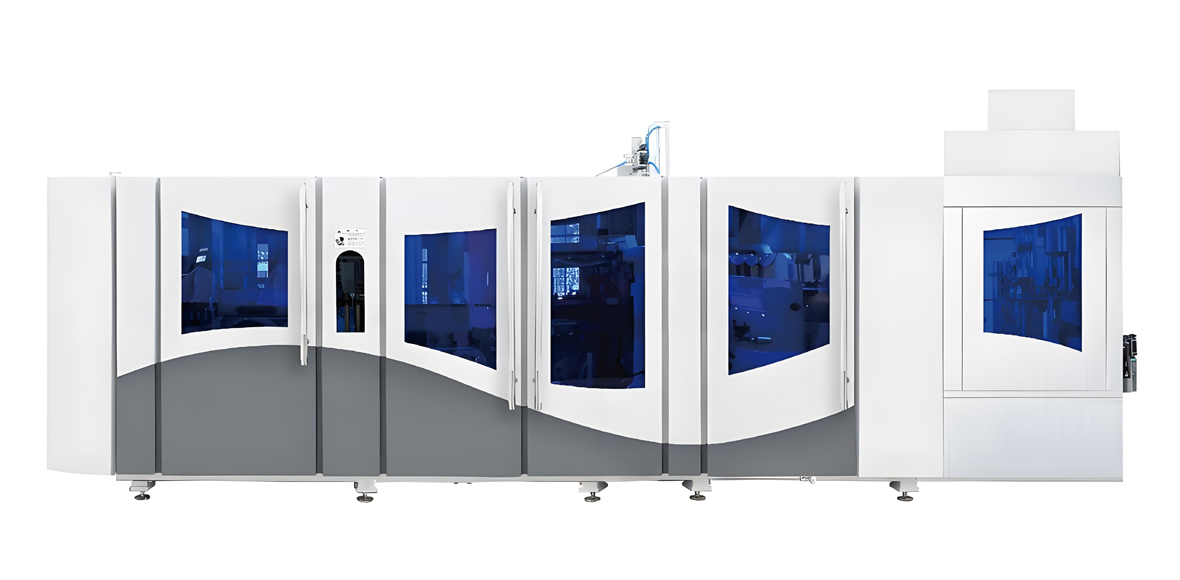
YuDa FGX high-speed PET blow molding series
The FGX series is the high-speed workhorse for still-water and CSD bottles at 8,000 to 15,000 bottles per hour. Cavity count and output scale with bottle size, and the series is the natural home for light, high-IV, rPET-rich preforms that need efficient, uniform reheat.
| Model | Cavities | Output (BPH) | Max bottle volume (L) | Heater modules | Installed power (kW) |
|---|---|---|---|---|---|
| FGX-4 | 4 | 9,000 | 2.0 | 1 | 50 |
| FGX-6 | 6 | 13,500 | 1.5 | 2 | 72 |
| FGX-8 | 8 | 15,000 | 1.0 | 2 | 88 |
YuDa standard full-automatic PET blow molding series
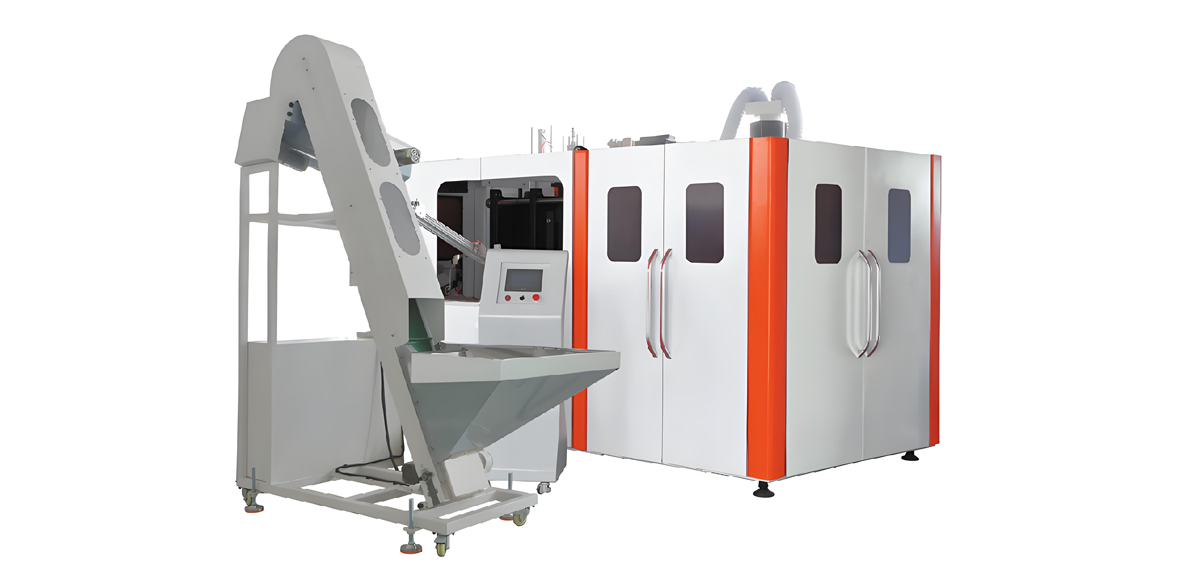
The standard speed series covers 1,000 to 7,000 bottles per hour and suits mixed SKUs, moderate volumes and formulations that need flexible changeovers, including nucleated hot-fill preforms and colored personal-care bottles.
| Model | Cavities | Output (BPH) | Max bottle volume (L) | Installed power (kW) |
|---|---|---|---|---|
| YD-2A | 2 | 1,200 | 3.0 | 26 |
| YD-4A | 4 | 3,500 | 2.0 | 42 |
| YD-6A | 6 | 6,500 | 2.0 | 58 |
YuDa semi-automatic and integrated blow-fill-capping modules
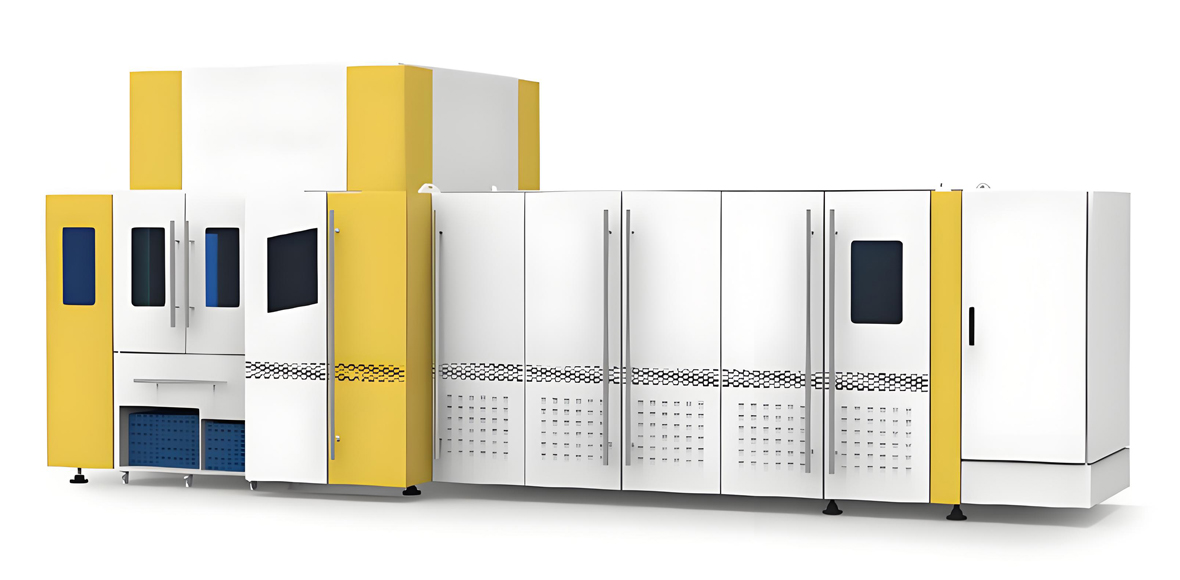
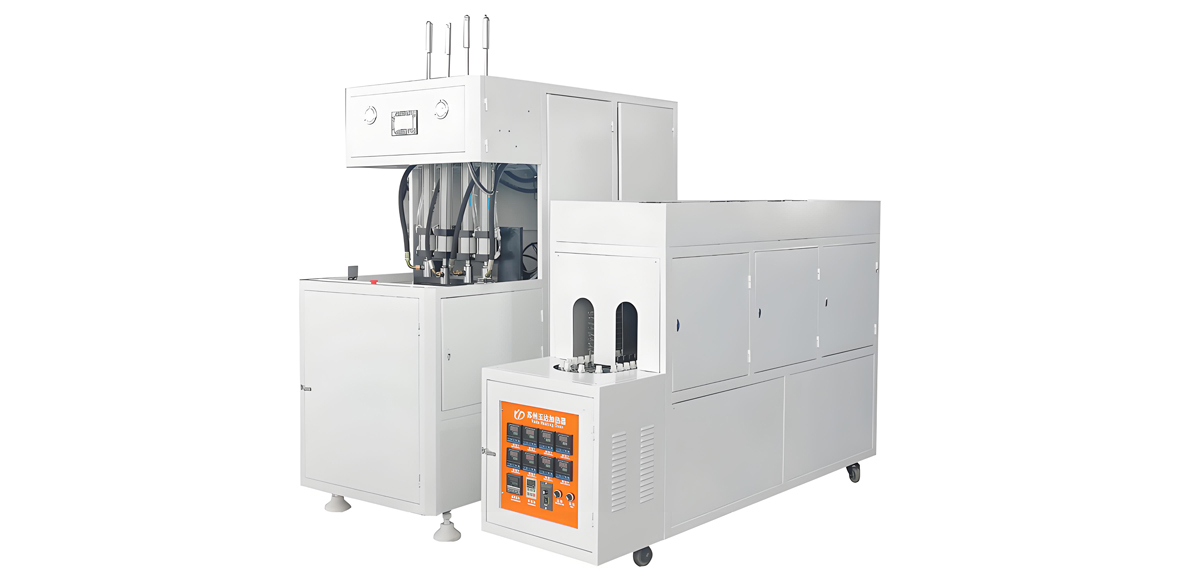
For lower volumes, pilot runs and compact plants, the semi-automatic series offers lower procurement cost and ships fast. For plants that want blowing, filling and capping in one footprint, YuDa supplies a linear blowing-filling-capping combiblock specialized in a mini linear layout that saves plant area, plus a bottle blow-fill-capping machine that forms, fills and caps water in one process.
| Model / module | Function | Output (BPH) | Bottle volume (L) | Layout benefit |
|---|---|---|---|---|
| Semi-auto series | Manual load, automatic blow | Low volume | 0.1 – 3.0 | Low cost, fast delivery |
| Linear BFC combiblock | Blow + fill + cap | 2,000 – 4,000 | 0.2 – 2.0 | Compact, saves area |
| BFC machine | Blow-fill-cap water | 6,000 – 10,000 | 0.33 – 1.5 | Integrated one process |
Across all these machines, the formula is carried by the preform. YuDa machines do not compound resin; they blow it. But the blowing window — reheat profile, stretch timing, blow pressure and cooling — determines whether the optimized formula delivers its promised lightweighting and clarity on the line. That is why YuDa treats every new resin recipe as a joint development job: the customer sends preform specs and the target bottle, and the engineering team tunes the machine recipe and runs a trial before handover.
Application Industries for Lightweight Eco PET Bottles
Optimized lightweight, eco-friendly PET bottles serve a wide set of industries, and YuDa machines are specified across them. The formula emphasis shifts by segment.
- Still water and bottled water: The flagship lightweighting case. High rPET content, high IV, minimal barrier, light blue tint. Runs on FGX high-speed lines at thousands of bottles per hour.
- Carbonated soft drinks: Needs higher IV, a robust base, and a verified rPET ratio with chain extender. Burst pressure and CO2 retention are the validation metrics.
- Edible oil: Oxygen barrier and light stability matter; amber or green tint and a moderate rPET ratio are common. Larger volumes suit the standard and high-speed series.
- Dairy and juice: Sensitive to oxygen and light, so barrier and low acetaldehyde are critical. Heat-set or protected designs may be used.
- Personal care and household: Detergent, shampoo, lotion and cleaner bottles tolerate high rPET and heavier pigment loads, with appearance and haze as the main checks.
- Pharmaceutical and nutraceutical: Small, precise bottles where food-contact and low-extractable specs dominate; clean, controlled formulations are mandatory.
Each industry also has its own certification and labeling expectations, covered next. The point for a bottle maker is that one machine platform — from semi-auto pilot to FGX high-speed mass production — can serve all of these once the preform formula is set for the product.
Selection Recommendation — Matching Resin Strategy to Machine
Choosing the blow molding machine should follow the formula, not the other way around. The table below maps a typical resin strategy and output need to a recommended YuDa configuration. These are starting points; the final choice is confirmed by a trial run on the customer’s preform and bottle.
Resin strategy to YuDa machine recommendation
| Customer need (resin / output / size) | Recommended YuDa model | Why |
|---|---|---|
| Light, high-IV water preform, 8,000-15,000 BPH | FGX high-speed series | 38.1 mm efficient oven and servo drive keep reheat cost low |
| High rPET, chain-extended CSD, 1,000-7,000 BPH | Standard full-automatic series | Flexible changeover and recipe storage for variable lots |
| Nucleated hot-fill, mixed SKU, pilot scale | YD-2A / YD-4A or semi-auto | Low risk trial; fast mold change and commissioning |
| Compact blow-fill-cap water plant | Linear BFC combiblock | One footprint, less area, integrated capping |
| High-volume water with filling line | BFC machine | Blow-fill-cap in one process at 6,000-10,000 BPH |
| New formula validation, small batch | Semi-auto series | Low capital, ready to ship, easy to learn |
Process Window, Trial Run and Quality Control
An optimized formula only pays off if the blowing window is controlled. The key process variables are preform temperature at the blow station, stretch rod timing and speed, pre-blow and final blow pressure, mold temperature and cooling time. A light, high-IV or nucleated preform needs a precise reheat profile so every cavity reaches the same temperature; uneven reheat causes thick-thin wall variation and weak spots.
Representative blow process window for lightweight PET
| Parameter | Typical window | Why it matters for formula |
|---|---|---|
| Preform reheat temp | 100 – 115 deg C | Higher IV / nucleated needs more, but watch AA |
| Stretch rod speed | Fast, tuned to preform | Sets orientation that carries thin wall |
| Pre-blow pressure | 8 – 15 bar | Shapes base before final blow |
| Final blow pressure | 25 – 40 bar | Pushes thin wall to mold, defines clarity |
| Mold temperature | 10 – 20 deg C (or heat-set higher) | Controls crystallization with nucleator |
| Cycle time | As short as process allows | Nucleator and oven efficiency raise throughput |
YuDa recommends a structured trial: receive the customer’s preform and target bottle, set a baseline recipe on the machine, blow a sample batch, then measure top-load, burst, wall thickness distribution, base clearance, haze and taste. Adjust the reheat profile and stretch timing, repeat, and lock the recipe into the PLC with remote monitoring enabled. Because the remote monitoring system reports PLC data to YuDa engineers, early production on a new formula gets a safety net: abnormal trends are flagged and corrected before they become scrap.
Quality control should also track the resin lot. IV, moisture, color and contamination vary between rPET batches, so incoming inspection plus a retained sample of each lot protects the line. A small on-site lab for IV by dilute solution viscosity, moisture by analyzer, and color by spectrophotometer is enough for most plants; full food-contact migration testing is done by an accredited laboratory per the relevant standard.
Standards, Certifications and Food-Contact Compliance
An eco-friendly bottle is only marketable if it is safe. The formulator and the bottle maker must respect the food-contact framework that applies to the destination market. For the United States, FDA compliance for food-contact PET and recycled content is the baseline; for Europe, EU 10/2011 sets the migration and recycled-PET rules, including the requirement that mechanical recycling uses an approved process. In China, GB 4806 series governs food-contact materials. General quality systems such as ISO 9001 and product safety marks such as CE apply to the machinery, while material health frameworks such as RoHS and REACH govern substance restrictions in components and additives.
Compliance checklist for lightweight eco PET bottles
| Requirement | Applies to | Action for the bottle maker |
|---|---|---|
| FDA food-contact PET | United States | Use cleared resin and rPET source |
| EU 10/2011 | European Union | Approved rPET process, migration test |
| GB 4806 series | China | Domestic food-contact declaration |
| REACH / RoHS | Substance restriction | Document additive substances |
| ISO 9001 / CE | Machine and system | Qualified production and equipment |
Note that standards such as CE, ISO, FDA, EU 10/2011, GB, RoHS and REACH stay as plain-text references in this article; they are cited to frame compliance, not as hyperlinks. The bottle maker should always confirm the current edition and the specific migration limits with an accredited laboratory and the destination-market authority, because requirements change and the exact threshold depends on food type and contact conditions.
Cost Tiers for Formula and Equipment Investment
Cost in this domain is best expressed as relative tiers, not absolute figures. The formula and the machine each carry an investment profile.
- Resin and additive cost — Low to Medium: A standard virgin PET formula is at the lower end. Adding food-grade rPET can be cost-neutral or slightly favorable depending on virgin resin price; chain extender and specialty nucleators or barrier blends move the formula to Medium or High.
- Machine capital — Low to High: The semi-auto series sits at the Low end and suits pilots. The standard full-automatic series is Medium. The FGX high-speed series and integrated BFC combiblocks are High to Premium because of throughput and automation, but they earn back through output and saved resin.
- Operating cost — Low to Medium: The 38.1 mm short-pitch oven on YuDa machines keeps reheat electricity low, and lightweighting cuts resin and freight. Higher IV and nucleated resins may raise energy slightly but are offset by material savings.
- Quality risk cost: Skipping trial runs and incoming inspection is cheap upfront but can cost far more in recalls and rejects. Budgeting for validation is the lowest-risk path.
The financial logic of lightweighting is simple: every gram removed from the preform is saved on every bottle, every truckload and every ton of purchased resin. A formula that lightens a still-water bottle by two or three grams, run on a high-speed line for years, returns the machine investment many times over. The chain extender and nucleator spend is small next to that recurring saving.
Service and Support from YuDa and the Wanplas Network
YuDa backs every machine with the shared Wanplas group service promise. Before shipment, each line is built, wired and tested, and the customer’s preform and bottle can be run as a trial so the process recipe is proven, not assumed. Installation and commissioning are handled by YuDa engineers, including mold fitting, oven tuning and PLC recipe loading. The modular design keeps changeovers and field maintenance straightforward.
The spare-parts policy includes USD 500 free parts every year, with warranty replacement for damaged parts inside the warranty period. Training covers machine operation, recipe management and basic maintenance so the customer team can run new formulas confidently. Remote monitoring lets YuDa engineers read PLC data and support the line from headquarters, which is especially valuable when a new rPET-rich or nucleated formula is first run. The open-factory policy welcomes customer visits for audit, sample trial and production review at the YuDa plant.
Because YuDa is a Wanplas factory, customers also gain access to the broader Wanplas group capability — from matched pelletizing systems that keep a recycle stream clean to application know-how across the packaging value chain. The 20-plus years of PET blowing experience, 60-plus export countries and 20-plus patents translate into practical support, not just hardware.
Frequently Asked Questions
How high can the rPET ratio go in a food-grade PET bottle without losing performance?
With properly reconditioned, food-grade recycled PET and a chain extender to restore intrinsic viscosity, non-carbonated water and personal-care bottles can run at very high rPET ratios, while carbonated and hot-fill applications need a conservative blend and verified barrier. The exact ceiling depends on the source flake quality and the blow process window of the machine, so it must be validated by top-load, burst and taste tests rather than assumed from a number.
Does raising PET intrinsic viscosity really let me make a lighter bottle?
Yes. Higher IV means longer polymer chains and greater load-bearing capacity at the same wall thickness, so you can thin the sidewall while keeping top-load and explosion resistance. Most bottle-grade PET sits between 0.72 and 0.85 dl/g, and moving up the range is the single most reliable lever for lightweighting still water bottles. The trade is a slightly higher reheat demand, which an efficient oven handles without a large energy penalty.
What is the role of a nucleating agent in a lightweight PET bottle formula?
PET crystallizes slowly. A nucleating agent provides many small crystal initiation sites, shortening the heat-set or cooling cycle and stabilizing the wall. Faster, more uniform crystallization lets you run thinner, more uniform walls on a high-speed line without warpage, and it supports warm-fill and heat-set container designs that would otherwise need a heavier panel. Loading is low, typically a few tenths of a percent, and over-use can cause haze.
Why is acetaldehyde control important in lightweight PET bottles?
Thermal degradation of PET during drying, plasticizing and reheat generates acetaldehyde, which gives water a sweet, off flavor. Thinner walls and higher rPET content raise the processing risk because there is less polymer to dilute the compound and more degraded chain ends. You need lower melt and reheat temperatures, tight drying, and a verified masterbatch let-down ratio to keep acetaldehyde within taste thresholds, confirmed by flavor testing on the filler.
Which YuDa machine series should I choose for a high-rPET lightweight water bottle line?
For still water at 8,000 to 15,000 bottles per hour, the FGX high-speed series with its 38.1 mm heater pitch and servo drive is the natural choice. For 1,000 to 7,000 BPH or mixed SKUs, the standard full-automatic series offers flexible changeovers, and the linear BFC combiblock suits compact blow-fill-cap layouts. A semi-automatic line is ideal for pilot batches and formula validation before scaling up.
Can the same PET formula run on both linear and rotary blow molding machines?
A well-balanced formula with stable IV, controlled moisture and consistent masterbatch let-down will run on both architectures, but linear and rotary ovens differ in reheat residence time and lamp layout. YuDa recommends a trial run on the target machine and remote monitoring of PLC data during the first production runs on any new resin recipe, so the heating profile is tuned to the specific oven before full-rate production.
Is a barrier additive necessary for a lightweight PET bottle?
For still water, usually not. For carbonated drinks, beer, juice or sensitive dairy, a thinner wall reduces the oxygen and carbon-dioxide barrier, so you may need a blend such as MXD6 nylon, a coated monolayer, or a higher IV base. The choice should protect shelf life without breaking mono-material recyclability, and the barrier level should match the product risk rather than be added by default.
How do I validate a new lightweight formula before full production?
Send YuDa your preform spec and target bottle, run a sample batch on the chosen machine, and measure top-load, burst pressure, wall thickness distribution, base clearance, haze and taste. Lock the confirmed reheat and stretch recipe into the PLC with remote monitoring on, and keep a retained sample of each resin lot for incoming inspection. This structured trial avoids costly recalls and rejects once the line runs at full rate.
Conclusion
Formula optimization is the most powerful, most controllable way to make PET bottles lighter and greener. By setting the intrinsic viscosity to the fill condition, blending clean food-grade rPET and rebuilding its molecular weight with a chain extender, nucleating for fast and stable crystallization, choosing a barrier only where the product needs it, and controlling color let-down and acetaldehyde, a bottle maker can strip grams from every container while keeping it recyclable and safe. The resin and the blow molding machine are two halves of one process: an optimized formula only delivers its promise when the line blows it with a precise, monitored window.
YuDa, a Wanplas factory with more than 20 years in PET blow molding, 60-plus export countries and 20-plus patents, builds the machines that turn these formulas into consistent output — from the FGX high-speed series and standard full-automatic lines to semi-automatic pilots and integrated blow-fill-capping combiblocks, all supported by the energy-saving 38.1 mm oven, servo cam-linking, modular design and remote monitoring. If you are planning a lightweight or high-rPET bottle project, send YuDa your preform specification and target bottle for a tailored machine configuration, arrange a factory audit, or book a trial run to prove the formula on the line before you commit.