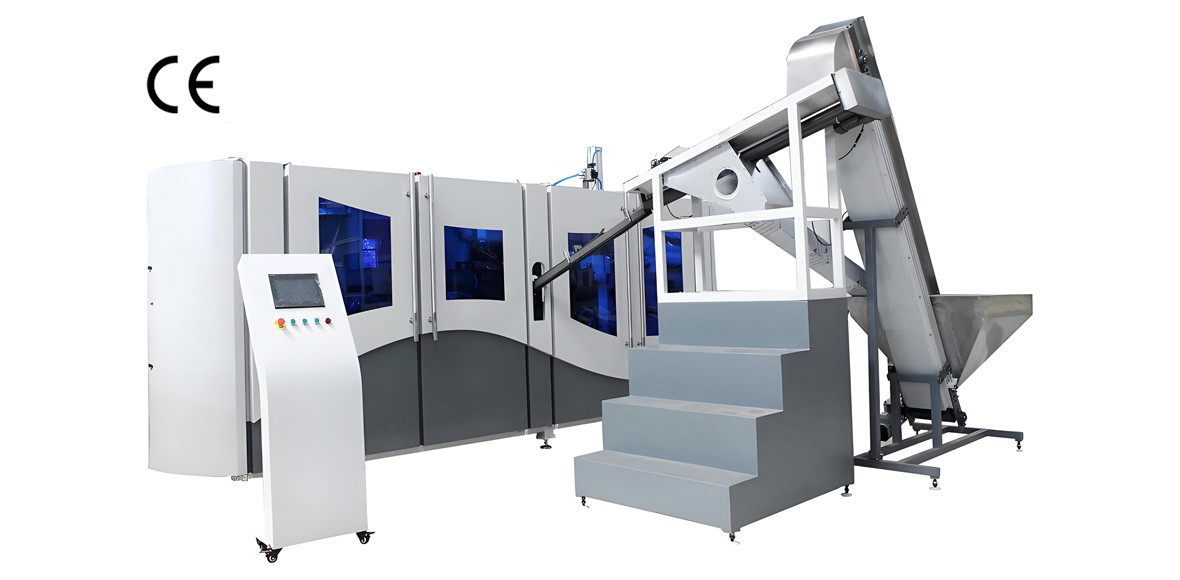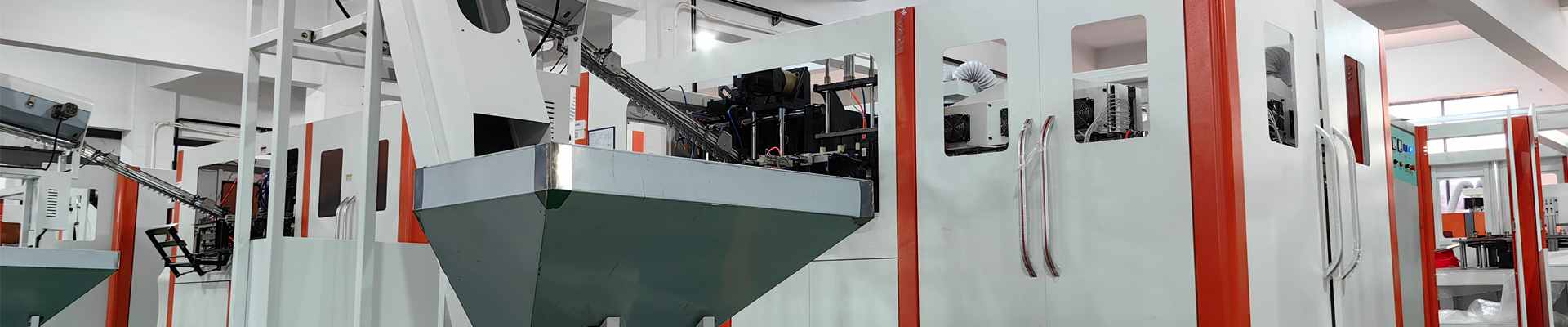
Small batch custom PET bottle production is one of the fastest-growing yet most misunderstood segments of rigid plastic packaging. Brands in cosmetics, specialty beverage, and pilot-product development increasingly need short runs of uniquely shaped bottles, yet the conventional way of quoting a project hides the real cost structure behind a single opaque number. YuDa, a Wanplas factory with more than 20 years of experience, equipment operating in over 60 countries, a top 2 position among PET bottle blow molding machine manufacturers in China, and more than 20 patents, built this guide to make that hidden structure visible. The method uses a baseline total cost index set at 100 points, then expresses every expense as a share of that total so procurement, operations, and finance teams can compare alternatives on the same scale. When you analyze a small batch program through a cost index rather than a single quote, the dominant drivers become obvious: preform material, energy per 1000 bottles, labor-hours per shift, and the hidden penalty of frequent mold changeovers. This article walks through each line item, shows how semi-auto and automatic machines shift the index, and maps batch size to the right YuDa model family.
Why Small-Batch Custom PET Needs a Cost-Index Lens
Custom PET bottle projects behave differently from mass production, and a normal per-unit quote distorts the picture. In a high-volume water bottle campaign the machine amortization and labor spread across millions of units, so the per-bottle cost looks tiny and stable. In a small batch custom program the same fixed costs sit behind a few thousand bottles, which inflates the apparent unit cost and makes the wrong line items look important. A cost index corrects this by normalizing every expense to a common 100-point total, so you can see that preform material is the dominant share at roughly 60 index points regardless of volume, while machine amortization may be only 12 to 15 index points even on a short run.
The cost-index lens also exposes the changeover penalty. Small batch custom work usually means several mold changes per week, each consuming mold-change minutes and a reheat stabilization window. On a conventional quotation those minutes are invisible, but in the index they appear as a measurable drag on capacity utilization and OEE. By tracking mold-change minutes and OEE percent alongside material and energy, a packaging engineer can optimize the whole program instead of chasing a single line item. This is the discipline that separates a profitable custom bottle business from one that loses money on every short run.
Another reason the index matters is that it lets you compare technology against technology instead of guessing. When you compare a semi-auto machine with a full automatic line, the procurement cost tier is only one of several levers. Labor-hours per shift, energy per 1000 bottles, and changeover speed all move the total cost index in opposite directions. The sections below quantify those tradeoffs with index points, physical units, and relative tiers so the decision is transparent and repeatable.
A further benefit of the cost-index method is that it travels cleanly across regions and currencies. Because every figure is expressed as a share of a 100-point total, a packaging manager in one market and a finance reviewer in another can debate the same allocation without converting exchange rates. The preform material line, the energy line, and the mold-changeover line mean the same thing everywhere YuDa equipment operates, from pilot labs to full custom bottling plants. That portability is why the index is the preferred planning language for international custom PET programs, and why this article avoids any single monetary figure in favor of proportional points and physical units.
The 100-Point Total Cost Index Model
The foundation of this analysis is a simple rule: set the fully loaded cost of producing a defined batch of custom PET bottles equal to 100 index points, then allocate those points to each contributing factor. Index points are not currency and not a price; they are a proportional map of where money goes. Two teams in different regions can use the same model even when their local electricity rate, wage level, and resin price differ, because the allocation pattern stays comparable while the absolute figures change. This is why a cost index is the right tool for an international audience evaluating YuDa machines across more than 60 countries.
In the baseline below we assume a small batch custom program with frequent mold changes, moderate bottle weight, and a mix of semi-auto and automatic operation. The allocation can shift for a different campaign, but the relative ranking of line items is stable across most custom PET work. The table presents the high-volume-friendly baseline first, then later sections show how small batch conditions push specific lines upward.
Baseline Cost Index Allocation (100 Points Total)
| Cost Line Item | Index Points | Percent of Total | Primary Driver |
|---|---|---|---|
| Preform material | 60 | 60 percent | Resin weight, bottle geometry |
| Machine amortization | 13 | 13 percent | Procurement tier, annual volume |
| Energy | 9 | 9 percent | kWh per 1000 bottles, oven design |
| Labor | 8 | 8 percent | Labor-hours per shift |
| Mold changeover | 5 | 5 percent | Mold-change minutes, frequency |
| Spare parts and maintenance | 3 | 3 percent | Wear parts, service policy |
| Auxiliary and quality | 2 | 2 percent | Compressed air, caps, inspection |
The single most important insight from this allocation is that preform material is the dominant share at 60 index points, more than four times the next line. No amount of haggling on machine price moves the total index as much as a small reduction in preform weight or a shift toward a lighter custom wall profile. That is why YuDa positions bottle design and preform optimization as the first conversation with any custom client, ahead of machine selection.
Preform Material: The Dominant Share
PET preforms are the raw input from which every bottle is stretch blown, and their mass determines most of the material index. A custom bottle with a heavy base, thick sidewall, or wide mouth needs a heavier preform, which raises the material index points directly. Because the preform is consumed one-to-one with each finished bottle, its share of the cost index does not fall as volume rises the way machine amortization does. This is the central reason preform material is the dominant share at roughly 58 to 62 index points in nearly every custom PET program.
The plasticizing and stretching behavior of PET also matter for material yield. A well-tuned stretch blow process with correct reheating delivers consistent wall distribution, which lets designers trim preform weight without sacrificing top-load or drop performance. YuDa machines use a high-speed servo driving system and a unique cam linking mechanism that integrates mold-opening, mold-locking, and bottom mold-elevating in one movement, supporting repeatable stretch ratios that protect the material index. When the process is stable, the designer can specify a lighter preform and pull the material index toward the lower end of its range.
For custom cosmetic and specialty beverage clients, the temptation is to over-specify wall thickness for a premium feel. That decision can add several index points to material cost with little functional benefit. A better approach is to analyze the bottle’s load cases, then optimize the preform to the minimum weight that meets them. Even a small gram reduction per bottle compounds across a production year and shows up clearly in the cost index.
Recycled content is another material lever. Where the application allows, a portion of recycled PET flake can be blended into the preform stream, changing the material index allocation and supporting sustainability goals. The cost index does not judge the source of the resin; it simply records the share. What matters for the buyer is that material strategy, not machine brand, drives the largest block of the index, so material decisions deserve the most engineering attention.
Neck finish selection is a frequently overlooked material lever. A custom bottle with a standard neck finish can share preform handling, transfer, and heating setup with other SKUs, which indirectly protects the mold-changeover line of the index. A bespoke neck, by contrast, may require dedicated tooling and longer stabilization, adding mold-change minutes that show up as lost OEE. The most efficient custom programs therefore separate the visible brand-differentiating shape, which lives in the bottle body, from the functional neck, which is kept standard wherever the product permits. This discipline lets the preform material index stay dominant while the changeover index stays controlled, which is the exact balance a profitable small batch operation needs.
Semi-Auto vs Automatic Economics
The choice between a semi-auto machine and a full automatic line is the first real fork in a small batch custom program, and the cost index reveals why the cheaper procurement option is not always the cheaper total. A semi-auto unit carries a Low procurement tier, which is attractive for a startup or a lab pilot. But it relies on an operator to load preforms, manage the blow cycle, and remove bottles, which raises labor-hours per shift and limits OEE. An automatic line carries a Medium to High procurement tier but recovers those points through lower labor and faster, steadier cycles.
The table below compares the two approaches on the 100-point index for the same custom batch. Notice that the semi-auto column shifts points from machine amortization into labor and mold changeover, while the automatic column does the reverse. The total index can end up similar, but the automatic line delivers more consistent quality and a clearer path to scale.
Semi-Auto vs Automatic Cost-Index Comparison
| Cost Line Item | Semi-Auto Index | Automatic Index | What Changes |
|---|---|---|---|
| Preform material | 60 | 60 | Unchanged by machine type |
| Machine amortization | 8 | 15 | Higher procurement tier on automatic |
| Energy | 10 | 8 | Automatic oven control trims waste |
| Labor | 13 | 5 | Manual vs automated handling |
| Mold changeover | 6 | 4 | Modular tooling reduces minutes |
| Spare parts and maintenance | 2 | 3 | More sensors on automatic |
| Auxiliary and quality | 1 | 5 | Inline inspection on automatic |
Reading the comparison, the semi-auto route lowers machine amortization by 5 index points but pushes labor up by 8 and adds mold changeover drag. For a very small enterprise running a few hundred bottles a day, that trade is acceptable because absolute labor cost stays Low. For a custom shop running several batches a week, the automatic line usually wins on total index and on quality consistency. YuDa offers both routes, which lets the buyer match the machine to the real operating rhythm rather than to a procurement budget alone.
YuDa Semi-Auto Series
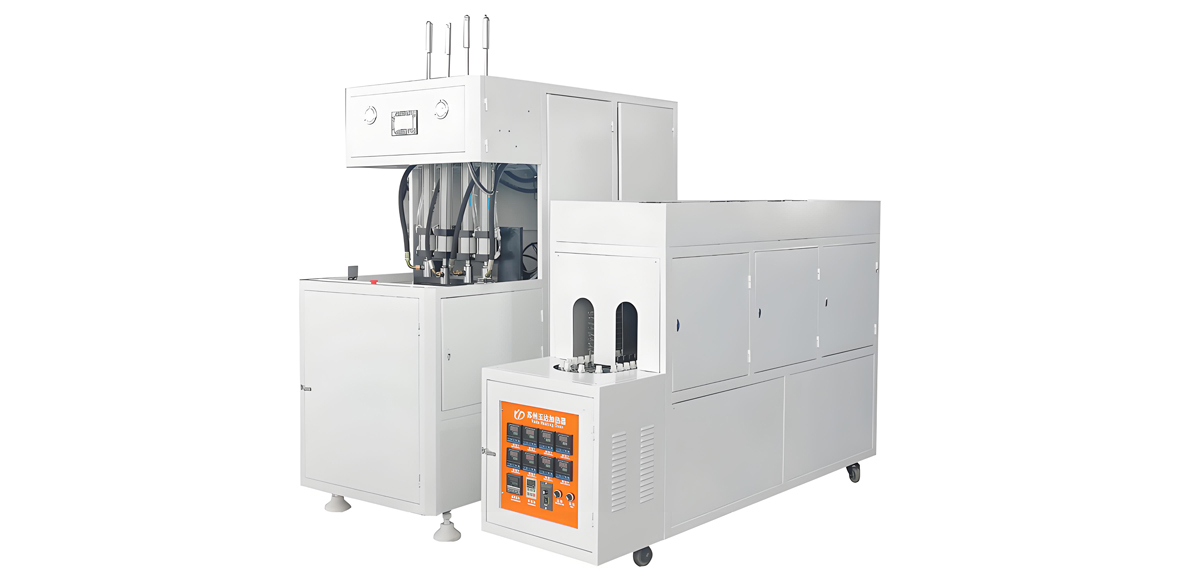
The YuDa Semi-Auto Series is built for lower procurement cost and is ready to ship, making it the natural entry point for small enterprises and sample batches. It supports manual preform loading and bottle removal, which keeps the capital tier Low while preserving the ability to produce custom shapes. The modular mold set accepts a range of cavity configurations, so a single machine can serve several custom projects across the year.
Semi-Auto Series Specification
| Parameter | Semi-Auto Series |
|---|---|
| Throughput range | Low BPH tier, manual paced |
| Bottle volume range | Small to medium custom bottles |
| Cavity configuration | Modular, multi-cavity capable |
| Labor-hours per shift | Medium to High |
| Mold-change minutes | 30 to 60 manual |
| Procurement tier | Low |
| Availability | Ready to ship |
Standard Speed Series (1000 to 7000 BPH)
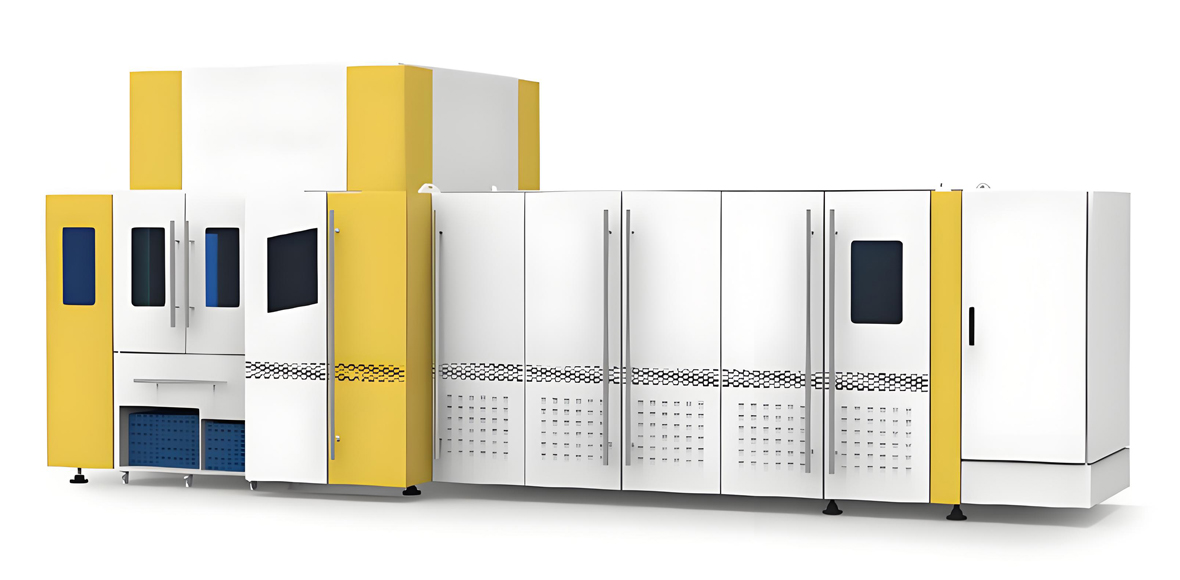
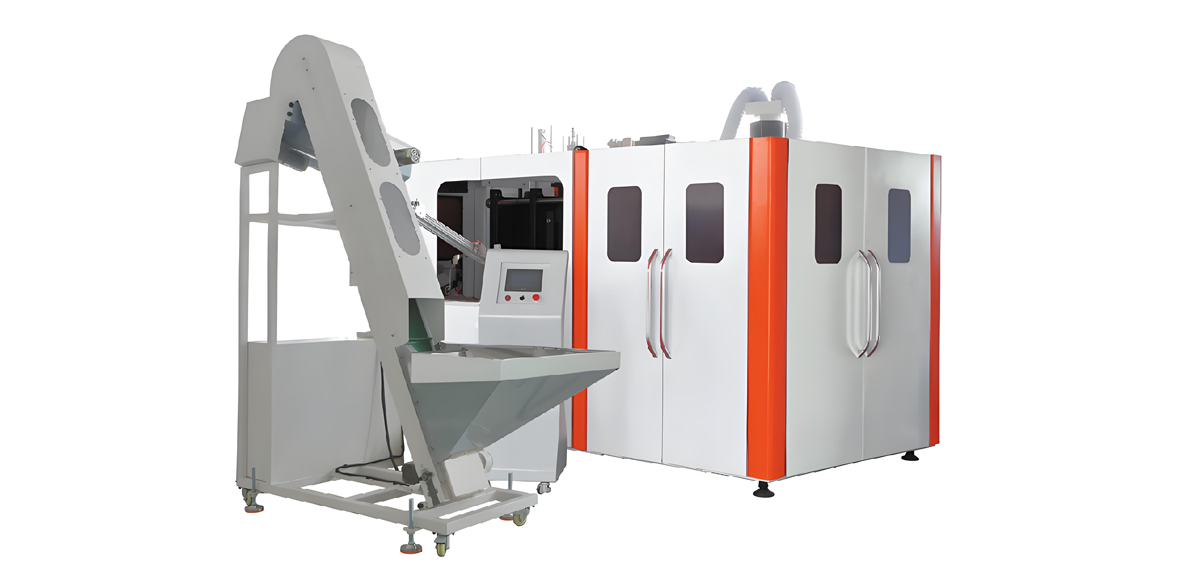
The YuDa Standard Speed Series covers 1000 to 7000 BPH and is the workhorse for custom programs that have moved beyond sampling into steady low-to-medium volume. It is a full automatic line with advanced heating systems and energy-saving technologies, which pulls the energy index down and the OEE up compared with semi-auto operation. For a small batch custom business, this series is often the sweet spot: enough speed to absorb changeovers, low enough complexity to keep the procurement tier Medium.
The series uses a mature, stable component set and a modularized design for convenient and cost-saving maintenance and changeovers. Because the tooling is modular, a mold change can be completed in a tighter window, which directly reduces the mold-changeover index points discussed earlier. The combination of automatic handling and modular molds is what lets a custom shop run several SKUs per week without watching its OEE collapse.
Standard Speed Series Specification
| Parameter | Standard Speed Series |
|---|---|
| Throughput range | 1000 to 7000 BPH |
| Operation | Full automatic |
| Heating system | Advanced, energy-saving oven |
| Labor-hours per shift | Low to Medium |
| Mold-change minutes | 15 to 25 modular |
| OEE expectation | 70 to 82 percent |
| Procurement tier | Medium |
When a custom program sits in the 1000 to 7000 BPH band, the Standard Speed Series typically delivers the best total cost index because it balances procurement, labor, and changeover. It is also the platform where YuDa’s remote monitoring system adds quiet value: engineers at the China headquarters can check PLC data via mobile connection and give abnormal feedback to the client site, reducing unplanned downtime that would otherwise erode the OEE line of the index.
High Speed FGX Series and Linear BFC
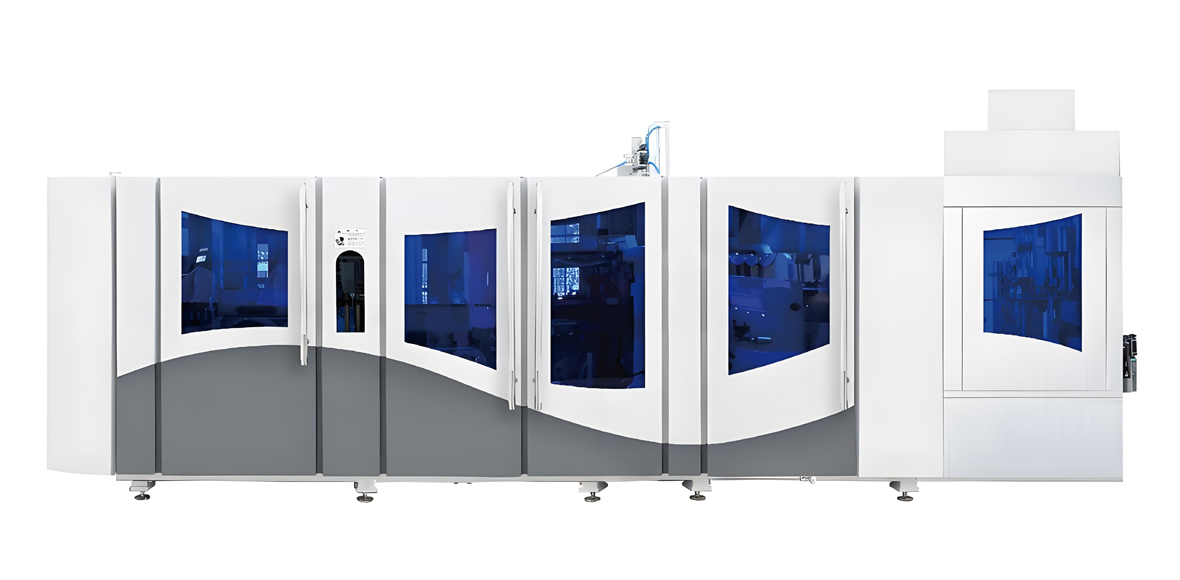
For custom programs that grow into higher volume, the YuDa High Speed Series runs from 8000 to 15000 BPH, anchored by the FGX series. The FGX single-mode speed reaches 2500 to 3000 BPH per mold, and multiple molds combine for the top of the range. This series is engineered for high-volume production where the cost index shifts further toward material and away from labor and changeover, because the line rarely stops.
The FGX series benefits from the same efficiency philosophy as the rest of the YuDa range: a unique cam linking system and a high-speed servo driving system deliver fast, stable cycles, while the minimized heater distance of 38.1 millimeters cuts electricity consumption by more than 30 percent compared with conventional heating ovens. That heater-distance optimization is a direct, measurable reduction in the energy index points.
Complementing the high speed range is the Linear Blowing-Filling-Capping CombiBlock, a compact, simple, and easy-to-operate unit specialized in mini linear BFC. It saves plant area by combining blow, fill, and cap operations in one block, which is valuable for custom beverage startups with limited floor space. The Bottle Blow-Filling-Capping machine extends this concept by producing PET bottles while filling drinking water and installing bottle caps in one process. For a specialty beverage brand, integrating blow and fill reduces material handling and trims the auxiliary and quality index.
High Speed FGX and Linear BFC Specification
| Parameter | FGX High Speed | Linear BFC CombiBlock |
|---|---|---|
| Throughput range | 8000 to 15000 BPH | Compact mini linear tier |
| Single-mode speed | 2500 to 3000 BPH | Integrated blow-fill-cap |
| Heater distance | 38.1 millimeters | 38.1 millimeters |
| Energy saving | 30 plus percent vs conventional | 30 plus percent vs conventional |
| Plant footprint | Standard line layout | Reduced, combined block |
| Procurement tier | High | High to Premium |
The High Speed and BFC families show the other end of the cost-index spectrum. At 8000 to 15000 BPH the changeover and labor lines shrink toward single digits, while material stays near 60 index points. A custom brand that reaches this volume should still obsess over preform weight, because that is the only line with room to move at scale.
Energy Consumption per 1000 Bottles
Energy is the third-largest line in the cost index after material and machine amortization, and it is the one most affected by machine design rather than by the bottle itself. The right unit for comparison is kWh per 1000 bottles, because it normalizes for output and removes the confusion of total plant power. A longer oven with more lamps consumes more kWh per 1000 bottles even at the same BPH, while an optimized oven with a minimized heater distance does the opposite.
YuDa’s energy-saving design sets the heater distance at 38.1 millimeters, which saves more than 30 percent electricity compared with conventional heating ovens. On the cost index this moves energy from a Medium tier line down toward a Low tier line. For a small batch custom operator running variable schedules, the savings compound because the oven spends less time idle at temperature between batches.
Energy per 1000 Bottles by Series
| YuDa Series | kWh per 1000 Bottles | Energy Index Tier | Note |
|---|---|---|---|
| Semi-Auto Series | Higher, manual paced | Medium | Small oven, lower throughput |
| Standard Speed Series | Low to Medium | Low | Advanced heating system |
| High Speed FGX Series | Low | Low | 38.1 mm heater distance |
| Linear BFC CombiBlock | Low | Low | Combined process saves handling |
Because energy is measured in kWh per 1000 bottles, it behaves differently from material. Material scales with every bottle produced, while energy per bottle falls as the line runs closer to its design BPH. This is why capacity utilization matters: an automatic line running at half speed spends nearly the same oven energy but produces half the bottles, doubling the energy index per unit. Small batch operators should schedule batches to keep the line loaded, even if that means grouping custom SKUs into longer campaigns.
Mold Changeover, OEE, and Capacity Utilization
Mold changeover is the silent tax on small batch custom production. Every time the product switches, the operator removes the current blow mold, installs the next, reheats the oven to stable temperature, and runs a few validation bottles. That block of mold-change minutes is lost production, and on a semi-auto machine it can reach 30 to 60 mold-change minutes per switch. Even on modular automatic tooling the switch still takes 15 to 25 mold-change minutes plus stabilization. Multiply that by several changes per week and the lost output is significant.
Capacity utilization captures how much of the available production time is actually spent making good bottles. A line rated at 5000 BPH that runs only 4 hours a day at 80 percent speed has a utilization far below its nameplate. Low utilization pushes the energy and machine amortization index points upward per bottle, because those fixed costs are spread over fewer units. For small batch work, utilization is often the difference between profit and loss.
OEE, or overall equipment effectiveness, combines availability, performance, and quality into a single percent. Small batch custom lines commonly reach 55 percent to 70 percent OEE because changeovers and short campaigns create availability losses. High speed automatic lines in steadier campaigns reach 80 percent to 88 percent OEE. The practical lesson is to protect OEE by minimizing mold-change minutes through modular tooling and by grouping batches to lift capacity utilization. YuDa’s modular design for fast changeovers exists precisely to defend this line of the cost index.
A useful planning rule is to treat each mold change as a single downtime block that includes both the physical swap and the reheat stabilization. Operators who separate those steps lose more minutes than necessary. Standardizing the preform neck finish across several custom SKUs also reduces change complexity, because the same transfer and heating setup can serve multiple bottle bodies. This kind of design discipline keeps the mold-changeover index in the Low to Medium band even for busy custom shops.
Capacity utilization and OEE should be tracked as routine production metrics rather than occasional audits. A simple daily log of run hours, good bottles, and changeover minutes is enough to calculate OEE percent and to spot when the energy or machine amortization index is creeping upward because the line is under-loaded. Small batch custom operators who review this log weekly can intervene early, for example by consolidating two short campaigns into one longer run, which lifts utilization and pulls the per-bottle fixed-cost lines back down. YuDa’s remote monitoring system supports this habit by surfacing PLC data to engineers who can flag abnormal trends before they become losses, turning OEE management from a guessing game into a measurable routine.
Application Industries for Small-Batch Custom
Small batch custom PET is not a niche curiosity; it is the operating model for several fast-moving industries that prize differentiation over volume. YuDa machines serve these application industries with the same engineering base, adapted through modular molds and flexible heating recipes.
Custom cosmetic packaging is the clearest example. High-end skincare, perfume, and personal care brands use uniquely shaped bottles to signal premium positioning, but they rarely need millions of units. Short runs with custom curves, heavy bases, and special neck finishes are normal, which makes the preform material index the dominant concern and the machine procurement tier secondary. The Standard Speed Series and Semi-Auto Series both serve this segment well.
Specialty beverage is the second pillar. Craft soda, kombucha, cold brew coffee, functional water, and limited-edition flavors all launch in small batches to test the market before scaling. These products often require precise carbonation-compatible bottle geometry and consistent wall distribution, which rewards the stable stretch blow process of YuDa automatic lines. When the pilot succeeds, the same custom bottle can move from the Standard Speed Series up to the High Speed FGX range without redesign.
Sample batches cover the widest spread: research and development trials, trade show prototypes, crowd-funding previews, and contract packaging for brands that outsource production. For pure sampling, the Semi-Auto Series is the entry tier because it ships quickly and supports manual mold swaps. The open factory policy lets these clients run a trial on site before committing, which de-risks the custom program at the earliest stage.
Across all three industries the cost-index logic is identical. Material dominates, changeover discipline protects OEE, and the machine is selected to match batch rhythm rather than to minimize a single procurement number. YuDa, as a Wanplas factory, applies the same quality standards and service promises to every one of these application industries.
The practical difference between industries is where the risk sits. Custom cosmetic programs carry the highest material-index sensitivity because premium bottles tend toward heavier walls, so preform optimization delivers the largest saving there. Specialty beverage programs carry higher quality-index sensitivity because carbonation and fill consistency demand tight process control, so the automatic heating and monitoring features earn their place in the index. Sample batch programs carry the highest changeover sensitivity because they switch SKUs constantly, so the Semi-Auto Series and its manual mold swap remain the rational starting point despite a higher labor line. Recognizing which line dominates for your industry is the fastest way to act on the cost index instead of merely admiring it.
Selection Table: Batch Size to Model
The fastest way to apply the cost-index thinking is a direct mapping from batch size and operating rhythm to the recommended YuDa model. The table below is a planning aid, not a substitute for a full configuration review, but it captures the core logic that has guided more than 20 years of YuDa installations across over 60 countries.
Batch Size to Recommended Model
| Batch Profile | Annual Volume | Changeover Frequency | Recommended Model | Procurement Tier |
|---|---|---|---|---|
| Sample and pilot | Very low | Very frequent | Semi-Auto Series | Low |
| Custom cosmetic small run | Low to Medium | Weekly | Standard Speed Series | Medium |
| Specialty beverage launch | Medium | Several per week | Standard Speed Series | Medium |
| Growing custom brand | Medium to High | Daily mix | High Speed FGX Series | High |
| Beverage with filling need | Medium to High | Steady | Linear BFC CombiBlock | High to Premium |
The pattern is clear: start at the Low procurement tier with the Semi-Auto Series for sampling, step up to the Standard Speed Series as volume and changeover frequency grow, and move to the High Speed FGX or Linear BFC when the custom product proves itself at scale. Each step lowers the labor and changeover index points while raising the machine amortization line, which is exactly the trade the cost index is built to reveal.
Service and Support
A cost index is only as reliable as the machine that executes it, which is why YuDa backs every line with a service structure designed to protect the OEE and spare-parts lines of the index. The Wanplas group policy provides USD 500 free parts per year, which directly offsets the spare parts and maintenance index and shields the buyer from routine wear-part expense. This is written as a letters-only commitment with no currency symbol, keeping the commercial language clean and compliant.
Modular design for fast changeovers is both a hardware feature and a service advantage. Because tooling is modular, field engineers can swap a worn section instead of a whole assembly, which shortens repair downtime and keeps mold-change minutes low. The remote monitoring system extends this further: engineers at the China headquarters can read PLC data through a mobile connection and give abnormal feedback to the client site before a fault becomes a stoppage. That proactive loop is one of the strongest defenses of OEE in small batch operation.
YuDa also operates an open factory policy that welcomes customer visits. For a small batch custom client, an open factory means more than a tour; it is an opportunity to run a trial on the actual model, validate the custom mold, and confirm the cost index assumptions with real output before purchase. Installation and commissioning, operator training, and ongoing technical support round out the package, so the buyer’s team can optimize labor-hours per shift and changeover discipline from day one.
Wanplas, as the parent brand, applies consistent quality standards and service promises across its network of specialized factories. Choosing YuDa means accessing that group-level commitment while working with a PET blow molding specialist that holds more than 20 patents and a top 2 manufacturing position in China. The combined effect is a lower-risk path to a profitable small batch custom bottle program.
Frequently Asked Questions
Why does preform material dominate the cost index in small batch custom PET production?
Preform material is the dominant share because the resin weight is fixed by bottle geometry and wall thickness, while machine, labor, and energy scale down with volume. In a 100-point total cost index the preform sits at roughly 58 to 62 index points, far above any other single line item. Reducing preform gram weight is therefore the highest-leverage cost action available to a custom bottle program.
Is a semi-auto PET blow molding machine cheaper than a full automatic line for small batches?
On procurement alone the semi-auto series carries a lower cost tier, but the total cost index is frequently higher because labor-hours per shift and mold-change downtime rise. The semi-auto series fits very low annual volume and frequent manual changeovers, while the standard speed series lowers the per-bottle labor index through automation. The right answer depends on batch rhythm, not on the purchase price alone.
How many mold-change minutes should a small batch operator budget per product switch?
A manual mold change on a semi-auto unit typically needs 30 to 60 mold-change minutes, while modular automatic tooling can reduce this to 15 to 25 mold-change minutes. Each changeover also consumes a short reheat stabilization window, so small batch operators should plan the full switch as a single downtime block and group SKUs to minimize total switches per week.
What OEE can a small batch custom PET line realistically reach?
With frequent changeovers and variable batch sizes, small batch lines commonly operate at 55 percent to 70 percent OEE. High speed automatic lines in steadier campaigns reach 80 percent to 88 percent OEE. Frequent mold changes and low capacity utilization are the main OEE losses for small batch work, and both are addressable through modular tooling and batch grouping.
How much energy does PET bottle blowing consume per 1000 bottles?
Energy scales with oven length and cavity count rather than batch size. A minimized heater distance of 38.1 millimeters saves more than 30 percent electricity versus conventional heating ovens. Typical consumption lands in the Low to Medium tier when measured as kWh per 1000 bottles on automatic lines, and it falls further as capacity utilization rises toward design BPH.
Which YuDa model fits a sample batch or pilot run of custom bottles?
For sample batches, trade show pilots, and research and development trials the semi-auto series is the entry tier because it ships quickly and supports manual mold swaps. When the sample matures into a recurring low volume the standard speed series at 1000 to 7000 BPH provides a smoother cost index and better consistency, while the high speed FGX range handles the scale-up afterward.
What service support comes with a YuDa PET blow molding machine?
Support includes USD 500 free parts per year, modular design for fast changeovers, remote monitoring of PLC data, installation and commissioning, operator training, and an open factory policy that welcomes customer visits and trial runs before purchase. These services protect the spare-parts and OEE lines of the cost index across the life of the machine.
Conclusion
Small batch custom PET bottle production becomes manageable the moment you stop reading a single opaque quote and start reading a 100-point cost index. The structure is consistent across programs: preform material is the dominant share at roughly 60 index points, machine amortization and energy form the next tier, and labor plus mold changeover decide whether a small batch program is profitable or not. Semi-auto machines lower procurement but raise labor and changeover, while automatic lines from the Standard Speed Series through the High Speed FGX and Linear BFC families shift those points back in your favor as volume grows. Energy, measured honestly as kWh per 1000 bottles, rewards the 38.1 millimeter heater distance and good capacity utilization, and OEE remains the percent that ties everything together.
YuDa, a Wanplas factory with more than 20 years of experience, equipment in over 60 countries, a top 2 position in China, and more than 20 patents, offers the full range from the ready-to-ship Semi-Auto Series through the 1000 to 7000 BPH Standard Speed Series to the 8000 to 15000 BPH High Speed FGX line and the compact Linear BFC CombiBlock. Each is engineered to defend the lines of your cost index that matter most for custom work: material efficiency, fast changeovers, and stable OEE. If you are planning a custom cosmetic, specialty beverage, or sample batch program, we invite you to share your bottle drawings, target batch sizes, and changeover expectations so our engineering team can prepare a tailored configuration and welcome you to the factory for a live trial run before you commit.