How to Start a Mineral Water PET Bottle Blowing Factory with Low Investment
Starting a mineral water PET bottle blowing factory with low investment is a realistic goal for entrepreneurs who plan the production line around the right blow molding technology instead of copying a full imported plant. YuDa Machinery, a Wanplas factory, has specialized in PET bottle blow molding machines for more than twenty years and now supplies equipment to more than sixty countries, making it one of the top two PET bottle blow machine manufacturers in China with over twenty granted patents. This article explains how a mineral water producer can build a compact, energy efficient blow molding workshop from the ground up, using a two step process where preforms are either purchased or produced in house and then stretch blown into finished bottles on an automatic or semi automatic PET bottle blowing machine. By choosing a correctly sized machine, matching the blowing filling capping configuration to real demand, and controlling plant area and utilities, a new operator can keep the entry cost index at or below the 100 baseline point while still reaching commercial output. The guidance below follows standard plastic processing engineering practice and the proven product architecture of the Wanplas group, so every recommendation can be traced to measurable machine parameters rather than vague promises.
Why Mineral Water PET Bottles Are a Sound Entry Point
Polyethylene terephthalate, written as PET, dominates the bottled water market because it combines clarity, low weight, good barrier performance, and easy recyclability, and because the blow molding process turns a small heated preform into a bottle whose wall is far thinner than the original blank. The mineral water segment is less demanding than carbonated beverage production, since still water needs no high internal pressure resistance and no pressure rated bottle neck, so a new factory can start with a simpler blowing configuration and a lighter preform gram weight. From a business standpoint, bottled water enjoys steady daily consumption across regions, tolerates local distribution without refrigeration for many SKUs, and lets a small factory scale gradually from one blowing cavity to many. The material itself, PET resin, is a thermoplastic that can be reprocessed, and the regrind from rejected bottles can be recovered, which helps keep the recurring material share under control. For an investor watching the cost index, the water bottle category is attractive because the machine, mold, and floor area requirements are the lowest among all stretch blow molded containers, and the output can be expressed plainly in bottles per hour rather than in complex multi material layered structures.
The second reason this category suits a low investment launch is that the two step process decouples preform making from bottle blowing, so a beginner does not need to buy an injection molding machine and a blow molding machine at the same time. In the two step model, a factory can first purchase ready made PET preforms from a supplier, then install only a blow molding machine to convert those preforms into bottles, which dramatically reduces the initial equipment list and the associated cost index. Once monthly volume grows past the point where in house preform making becomes cheaper, the same factory can add a preform injection unit later without discarding the blow molder it already owns. This staged approach is the single most effective way to keep the investment tier at Low or Medium instead of jumping straight to Premium, and it matches how many regional water brands actually begin. Wanplas, as the parent brand, supports both starting points and can later connect a YuDa blow molder with upstream preform capability drawn from the wider group portfolio, always under the Wanplas quality standard.
Understanding the PET Bottle Blowing Process
A PET bottle is made by reheating a precisely molded preform and then stretching it biaxially, meaning the material is pulled in the machine direction by a stretch rod and expanded in the radial direction by compressed air inside a blow mold, which orients the polymer chains and gives the bottle its strength at low wall thickness. This is called injection stretch blow molding when the preform is injection molded, and the blowing stage is the part that a PET bottle blowing machine performs; the one step process combines injection and blowing in a single sequence, while the two step process separates them. For mineral water, the two step process is the most common because it lets the blowing plant run independently of preform supply and because cavity number on the blow mold can be scaled cheaply. The blow mold determines bottle shape, the bottle neck finish determines cap compatibility, and the preform gram weight together with the stretch ratio determines how light the finished bottle can be without losing top load and drop resistance. A well tuned blowing cycle, from preform loading through infrared heating, stretching, blowing, and ejection, typically runs in a few seconds per cavity, so output in bottles per hour is simply the cavity number multiplied by the cycles per hour adjusted for yield.
Heating is the heart of the process and the largest energy consumer, which is why the oven design matters for the cost index more than almost any other component. Modern infrared heating ovens use closely spaced lamps with individual zone control so that the preform wall reaches a uniform softened temperature profile before stretching, and the closer the lamp pitch the more evenly and efficiently heat transfers. YuDa blow molders apply a minimized heater distance of 38.1 millimeters, a compact geometry that saves more than thirty percent of electricity compared with conventional heating ovens, directly lowering the operating cost share that would otherwise inflate the lifetime expense of the factory. The stretch blow station uses a cam linking system that integrates mold opening, mold locking, and bottom mold elevating into one synchronized movement, driven by a high speed servo system, which shortens the dry cycle and raises stable output. A remote monitoring system lets engineers at the China headquarters read the PLC data from a client site through a mobile connection and send abnormal feedback, reducing unplanned downtime without on site staff. These engineering details are not marketing decoration; they are the levers that let a small factory hit a high bottles per hour number on a Low to Medium investment tier.
Core Equipment List for a Low Investment Plant
A minimal mineral water PET bottle blowing factory contains five functional blocks, and an investor should list them in this order so that nothing hidden inflates the budget later. First is the blow molding machine itself, which is the centerpiece and the item where brand and model choice drives most of the cost index. Second is the preform supply, either an external purchase agreement or, for larger plants, an in house preform injection unit, with the preform mold and the blow mold as the two tooling items that define bottle geometry. Third is the air system, specifically a low pressure blow compressor and a high pressure air compressor rated for the stretch blow pressure, plus a receiver tank and a dryer because moisture in the air line ruins bottle clarity. Fourth are the utilities, meaning a three phase power connection sized to the machine nameplate, a cooling water loop for the compressors and molds, and a clean incoming water source if filling is included. Fifth is the downstream handling, such as air conveyor, bottle unscrambler, and, when the plan includes filling, a blowing filling capping combi block that blows, fills, and caps in one frame. Keeping this list tight is how a new operator avoids the Premium tier before volume justifies it.
Among these blocks, the blow molding machine and the air compressors are the two lines that most affect both the entry cost and the monthly power bill, so they deserve the most careful specification rather than the cheapest quote. The blow molder should be selected by target bottles per hour, by bottle volume range, and by the available floor area, because a high cavity rotary machine needs more plant space and a stronger foundation than a linear machine with the same nameplate output. The compressors should be sized from the air volume per bottle and the planned cycles per hour, with a margin for simultaneous blowing across cavities, and the dryer must reach the dew point the preform and bottle quality require. A common low investment mistake is to oversize the compressor to feel safe, which raises the procurement cost index and then wastes electricity through loaded idle time; a better method is to calculate the actual standard cubic feet per minute from cavity number and bottle size, then choose the compressor one step above that figure. Wanplas group experience across more than sixty countries shows that right sized air systems are the cheapest reliability upgrade a new bottle plant can buy, and YuDa machines are built to pair with compact, efficient compressors through standard interfaces.
Choosing the Right YuDa Machine for Your Volume
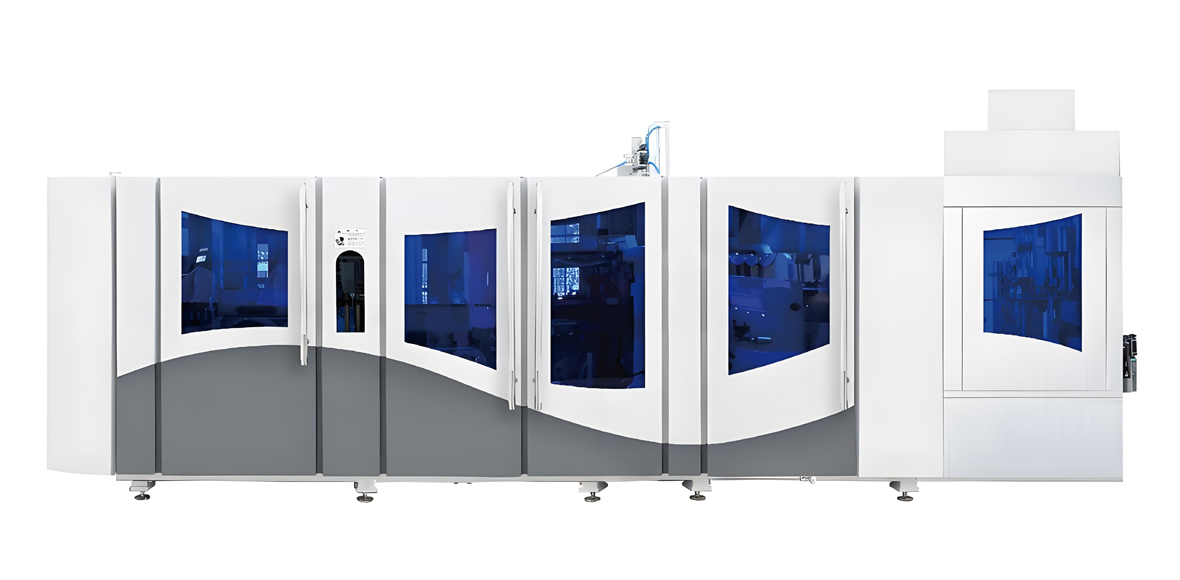
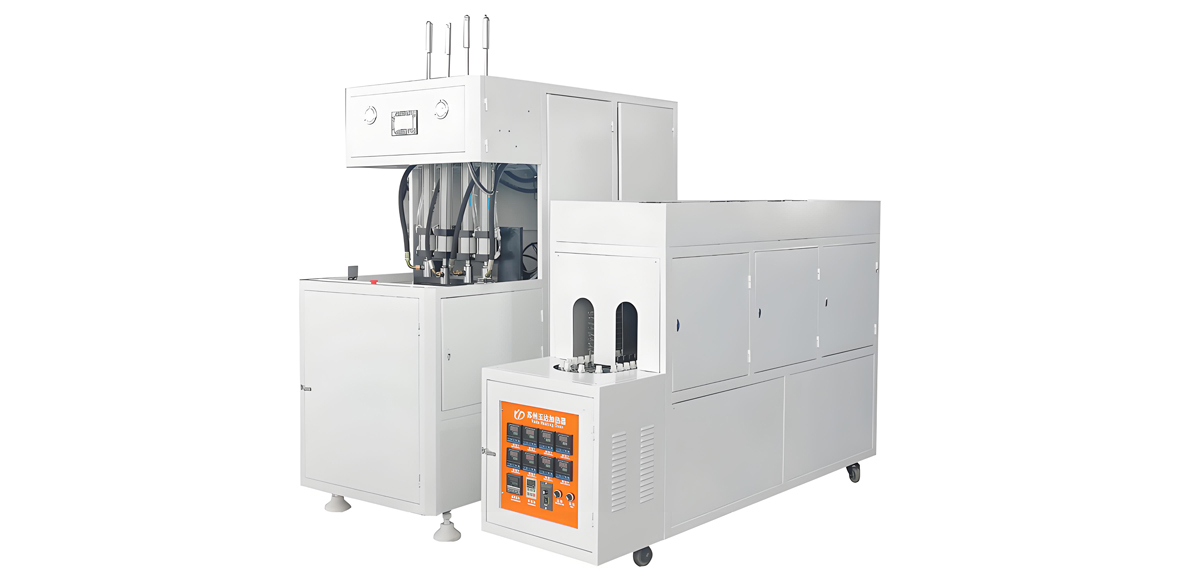
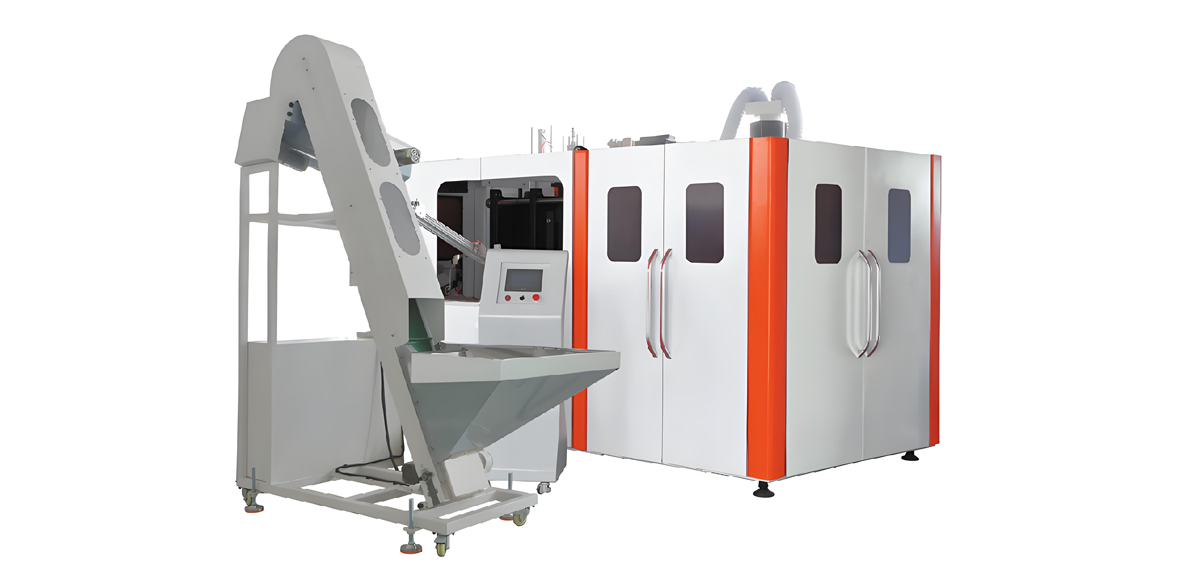
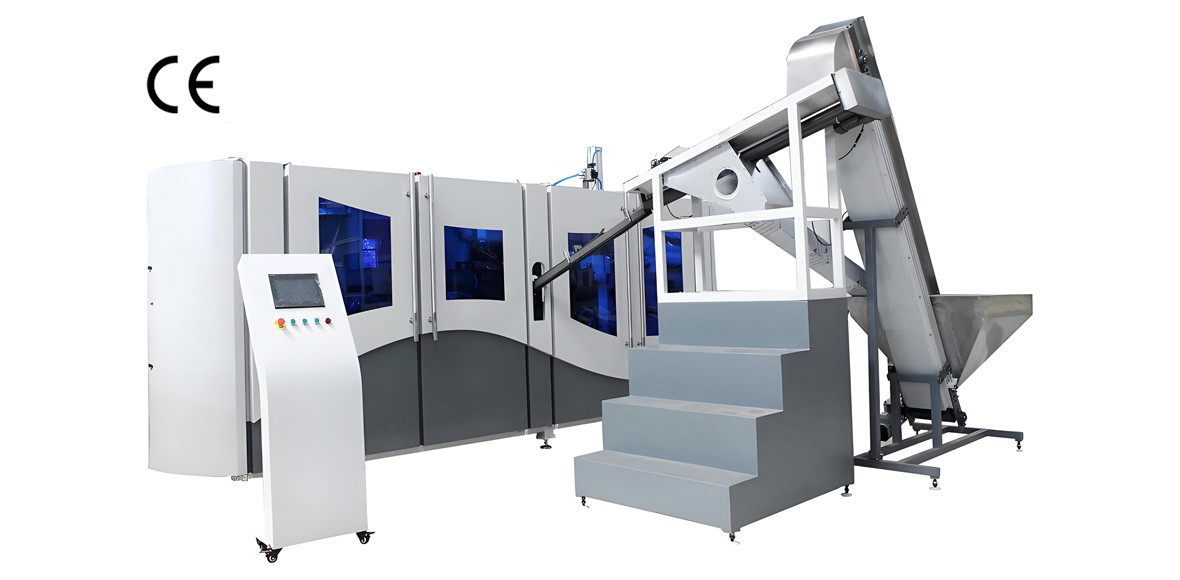
YuDa Machinery organizes its PET bottle blow molding machines into clear series so that an investor can match the model to expected output instead of paying for unused capacity, and this matching discipline is the foundation of a low investment launch. The High Speed Series, built on the FGX platform, covers roughly eight thousand to fifteen thousand bottles per hour and is intended for established brands or regional distributors who already have distribution locked in, using a single mold cavity speed of about twenty five hundred to three thousand bottles per hour. The Standard Speed Series spans about one thousand to seven thousand bottles per hour and is a full automatic line with advanced heating and energy saving technologies suited to a growing local brand. The Semi auto Series carries the lowest procurement cost of the range and is designed for small enterprises or for a pilot line that must ship quickly, while the Linear Blowing Filling Capping CombiBlock packs blowing, filling, and capping into one compact frame that saves plant area. Finally the Bottle Blow Filling Capping machine produces and fills PET bottles while installing caps in a single process, which is the most integrated option for a water producer who wants one responsibility line instead of three separate machines.
When a new factory is deciding between these series, the deciding variable is almost always the steady monthly volume expressed in bottles per hour rather than the peak hourly number, because a machine sized for the peak sits idle most of the day and drags the cost index up without earning it back. A trader serving a few thousand bottles a day should begin with the Semi auto Series or the lower end of the Standard Speed Series, then move to a higher cavity FGX line only after the distribution channel proves repeat orders. A regional water company targeting supermarket shelves from the first month can justify the High Speed FGX line directly, since the energy saving oven and the servo cam system recover their premium through lower power per bottle. The Linear CombiBlock deserves special attention for a low investment launch because it removes the separate filler and conveyor, cutting both floor area and the utility connections that would otherwise add to the build out. The table below gives a compact comparison of the main YuDa series using output, cavity logic, and relative investment tier so the choice can be made on numbers rather than impressions.
| YuDa Series | Output BPH | Investment Tier | Floor Area |
|---|---|---|---|
| Semi auto Series | 800 to 2000 | Low | Compact |
| Standard Speed Series | 1000 to 7000 | Low to Medium | Medium |
| High Speed FGX Series | 8000 to 15000 | Medium to High | Medium |
| Linear BFC CombiBlock | 2000 to 6000 | Medium | Compact |
| Bottle BFC Machine | 3000 to 9000 | Medium to High | Compact |
High Speed FGX Series Specifications
The FGX series is YuDa’s high speed PET bottle blow molding platform and the model most often chosen by regional water brands that need commercial volume from day one without moving to the very top of the cost index. Its defining trait is the single mold cavity speed of roughly twenty five hundred to three thousand bottles per hour, which means a four cavity configuration already reaches about ten thousand bottles per hour and an eight cavity configuration approaches the top of the series range, all while the compact oven and servo cam system keep the dry cycle short. The machine uses a modular design so that cavity number, mold type, and changeover parts can be adjusted for different bottle volumes without rebuilding the frame, and the mature stable component brands inside the control and pneumatic systems reduce the risk of early life failures that would otherwise cost production. For mineral water, the FGX handles standard neck finishes and a wide bottle volume range, and its remote monitoring system lets the China headquarters check cycle data and push corrections, which is valuable for a first time operator who has no blow molding engineer on staff. The table below summarizes the representative parameters an investor should put into a capacity plan, with output stated in bottles per hour and power in kilowatts so the utility sizing is direct.
| FGX Model | Cavity No. | Output BPH | Power kW |
|---|---|---|---|
| FGX 4 cavity | 4 | 10000 | 48 |
| FGX 6 cavity | 6 | 13000 | 62 |
| FGX 8 cavity | 8 | 15000 | 78 |
| FGX 2 cavity | 2 | 6000 | 32 |
Standard Speed and Semi Auto Series Specifications
For a low investment launch, the Standard Speed Series and the Semi auto Series are the two entries that keep the cost index closest to the 100 baseline point while still delivering a real commercial bottle, and they are the models most new mineral water factories should study first. The Standard Speed Series is fully automatic with advanced heating systems and energy saving technologies, covering about one thousand to seven thousand bottles per hour, which suits a local brand building distribution one district at a time; it accepts standard blow molds and preform necks, and its oven spacing inherits the same efficient heating principle that cuts electricity versus older ovens. The Semi auto Series trades some labor saving for the lowest procurement cost in the YuDa range, making it suitable for small enterprises, for a pilot line before a larger commitment, or for a second shift operation where labor is cheap and volume is modest. Both series share the Wanplas group service promise of free spare parts valued at USD 500 each year and warranty replacement, so the running risk stays bounded even at the Low tier. The table below lists representative parameters so a buyer can see that the step from Semi auto to Standard Speed is mostly automation and output, not a different technology that would complicate training.
| Series | Output BPH | Automation | Cost Index |
|---|---|---|---|
| Semi auto | 800 to 2000 | Manual load | 100 baseline |
| Standard Speed | 1000 to 4000 | Full auto | 115 |
| Standard Speed Plus | 4000 to 7000 | Full auto | 135 |
Linear CombiBlock and Integrated BFC Option
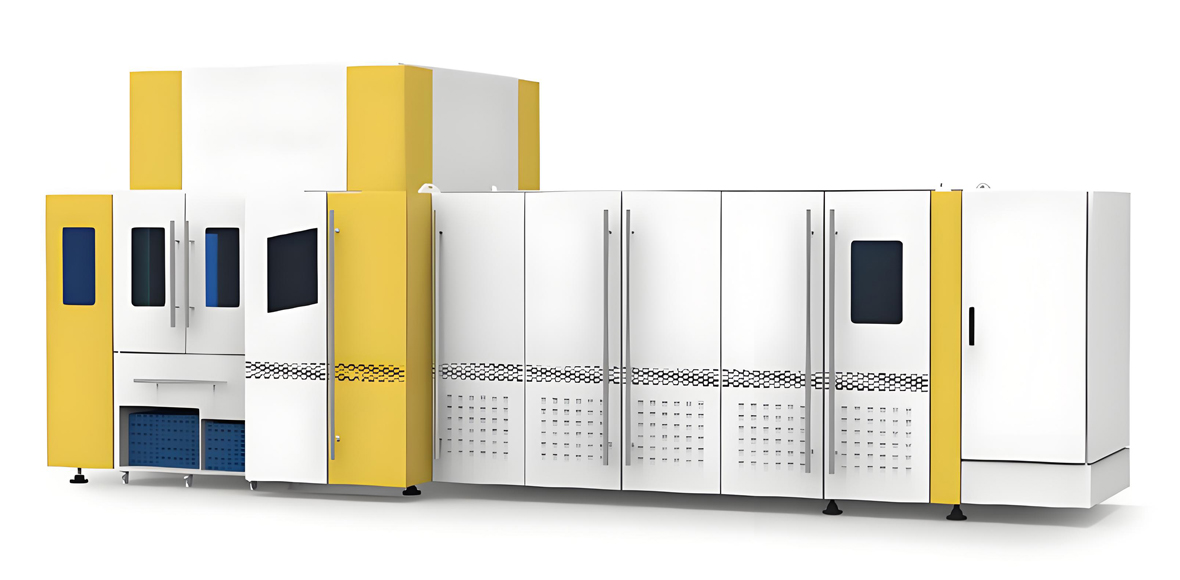
The Linear Blowing Filling Capping CombiBlock is the most space efficient way for a mineral water startup to become a bottle producer and a filler at the same time, because it performs blowing, filling, and capping inside one compact frame instead of linking three separate machines with conveyors, buffers, and extra utility runs. This integration saves plant area, reduces the number of control systems to learn, and removes the open bottle transfers where contamination risk is highest, which matters for a water product that must meet food contact rules. The Bottle Blow Filling Capping machine is the related single process option that blows PET bottles while filling drinking water and installs caps in one sequence, giving a new factory one responsibility line and one commissioning point rather than three. For a low investment plan, the CombiBlock is often cheaper in total built cost than buying a blow molder, a filler, and a capper separately, even though its machine price looks higher than a blow molder alone, because the saved floor, piping, and labor exceed the difference. YuDa designs these combi lines to be specialized in the mini linear format, which is exactly the scale a regional water brand needs, and the Wanplas parent brand backs them with the same open factory and spare parts policy as the standalone blow molders.
Plant Layout, Floor Area, and Utilities
Floor area is a controllable part of the cost index that new operators often overlook, because a bigger building means more rent, more cooling load, and more material handling distance, all of which raise the recurring expense without raising output. A Semi auto or Standard Speed line with manual preform feeding fits comfortably in a compact workshop, while a high cavity FGX line or a CombiBlock needs a medium clear span area with a level foundation and a service aisle for mold changeover. The table below maps the typical floor area requirement to each series using a plain Low, Medium, High rating plus the main utility loads, so the build out can be estimated from the machine choice rather than guessed. Power should be planned from the machine nameplate in kilowatts plus the compressor and chiller load, cooling water from the compressor and mold heat rejection, and compressed air from the cavity number and bottle volume as discussed earlier. A clean incoming water connection is only needed when filling is part of the plan, and the CombiBlock or BFC machine already includes the filling frame so no separate filler room is required.
| Series | Floor Area | Power kW | Air Need |
|---|---|---|---|
| Semi auto | Compact | 15 to 25 | Low |
| Standard Speed | Medium | 30 to 50 | Medium |
| FGX High Speed | Medium | 50 to 90 | High |
| Linear CombiBlock | Compact | 40 to 70 | Medium |
| Bottle BFC | Compact | 55 to 85 | High |
Investment Tiers and Cost Structure
To talk about investment without using currency, it helps to fix a cost index where the Lean entry kit equals 100 baseline points, then express every larger configuration as a multiple of that baseline, and to split the total into recognizable shares so the buyer sees where the money goes. The table below breaks the typical low investment plant into cost shares by block, using percentages of the total equipment and build cost, which keeps the planning honest and portable across regions where local prices differ. The blow molding machine is the largest single share, the air system is the second, tooling and molds are a one time share that recurs only at changeover, and plant preparation plus utilities form the remainder that a careful layout can shrink. By holding the blow molder to the smallest series that meets steady demand and by choosing the Linear CombiBlock when filling is required, a new factory can keep the total cost index near the Low or Medium tier instead of drifting into High or Premium. This percentage view also protects the plan from surprise, because every later upgrade can be scored as a change to one row rather than a rewrite of the whole budget.
| Cost Block | Share Percent | Tier | Note |
|---|---|---|---|
| Blow molding machine | 45 | Medium | Largest block |
| Air compressors | 20 | Medium | Size by SCFM |
| Molds and tooling | 12 | Low | One time |
| Plant and utilities | 15 | Low | Layout driven |
| Conveyor and misc | 8 | Low | Scalable |
The investment tier itself should be chosen from the steady volume, not from ambition, and the four tiers can be stated plainly as Low, Medium, High, and Premium without any currency figure. A Low tier plant uses a Semi auto or small Standard Speed line, purchased preforms, and a compact workshop, and its cost index sits at or just above the 100 baseline point while still producing commercial bottles for a local route. A Medium tier plant adds a Standard Speed or Linear CombiBlock line, in house preform storage, and a right sized air system, raising the index to roughly one hundred thirty to one hundred seventy points but gaining automation and lower labor per bottle. A High tier plant moves to the FGX high speed series with multiple cavities and a dedicated utility room, and a Premium tier means a full blowing filling capping hall with redundancy and high automation that only pays back at regional scale. The discipline that keeps a launch low investment is simply refusing to enter the High or Premium tier until the distribution channel is proven, and Wanplas group engineers routinely help new clients stay one tier below their stated ambition so the equipment earns itself before the next upgrade.
Raw Materials and Preform Strategy
The recurring material cost of a mineral water bottle is driven by two numbers, the preform gram weight and the PET resin price trend, and both can be managed so the material share stays the largest but most predictable part of the operating cost. Mineral water bottles are typically light weighted, with a preform gram weight chosen so the finished bottle meets top load and drop test without excess resin, and a lower gram weight directly cuts the cost per bottle as long as the blow mold and stretch ratio are tuned to that preform. A new factory on the Low tier can buy ready made preforms and avoid the injection molding machine entirely, paying a small conversion margin to the preform supplier in exchange for zero capital on the upstream unit, which is usually the right trade when volume is below the in house preform break even point. When volume rises, producing preforms in house with a preform mold on a dedicated injection unit lowers the per bottle material cost, and the Wanplas parent brand can supply matched upstream preform capability under the same quality standard, so the YuDa blow molder is never stranded without feed. PET is a thermoplastic that accepts regrind from rejected bottles and trim, so a closed scrap loop further reduces the effective material consumption and supports the recycled content goals many regional buyers now request.
Material quality also protects the machine, because contaminated or moisture laden preforms cause more downtime than any other single cause, and a small investment in preform storage and a dehumidifying dryer pays back through stable cycles. PET is mildly hygroscopic and benefits from drying before any reheating step, and while the blow molder itself works from preforms rather than raw pellets, the preform supplier or the in house preform unit should control moisture so the bottle wall stays clear and free of haze. The bottle neck finish must match the cap specification exactly, since a wrong neck means the entire blow mold and cap inventory are mismatched, a costly error that a low investment plan cannot absorb, so the neck standard should be fixed before the blow mold is cut. Food contact compliance for still water is less strict than for carbonated or hot fill drinks, but the resin should still meet the relevant food contact standard for the destination market, and the bottle should be demonstrably free of off taste, which is a function of resin grade and machine cleanliness more than of machine price. Choosing a stable, mature component set inside the blow molder, as YuDa does, keeps this cleaning burden low and keeps the cost index honest.
Application Industries and Bottle End Uses
Although this article centers on mineral water, a PET bottle blowing factory built on YuDa equipment serves a wider set of applications that help a new operator fill the line during slow water seasons and raise the return on the same machine. The most direct adjacent use is still and flavored water in various volumes, from single serve bottles to family size, all of which run on the same blow mold principle with only neck and volume changes. Edible oil, juice in cold fill format, and many daily chemical liquids use PET bottles blown on the same platforms, and the Wanplas group records food and beverage, daily chemical products, and chemical industry as established application areas for its blow molding family. Medical and pharmaceutical containers appear in the broader blow molding portfolio through sister processes, but for a YuDa mineral water focused line the safe adjacent expansions are water, beverage, and household liquid bottles that share the food contact and drop resistance requirements. A small factory can therefore quote for a local edible oil brand or a detergent bottler using the same FGX or Standard Speed line by swapping the blow mold and preform, which spreads the fixed cost index across more customers. This flexibility is why a correctly specified blow molder is a better low investment than a single purpose filler that sits idle when one contract ends.
Matching Customer Need to YuDa Model
The fastest way to avoid both overspending and undercapacity is a selection table that maps the customer’s stated need, usually volume and bottle size, directly to a recommended YuDa model and its output range, so the discussion stays on parameters instead of preferences. A trader with a few thousand bottles per day and a tight budget should land on the Semi auto Series, a local brand building district distribution fits the Standard Speed Series, a regional water company with supermarket targets fits the FGX High Speed line, and any plan that includes filling from the start should consider the Linear CombiBlock or the Bottle BFC machine to save floor area. Bottle volume matters because a larger bottle needs more air per blow and more cooling, so a five liter jug line and a five hundred milliliter water line of the same bottles per hour will not share the same compressor size even on the same blow molder. The table below gives the plain recommendation set, and Wanplas application engineers use the same logic when scoping a turnkey quote, always confirming the neck finish and the local power before finalizing. Keeping the recommendation to one tier above current demand is the rule that protects the cost index throughout the first year of operation.
| Customer Need | Recommended YuDa Model | Output Range |
|---|---|---|
| Pilot or small trader | Semi auto Series | 800 to 2000 BPH |
| Local brand, district route | Standard Speed Series | 1000 to 7000 BPH |
| Regional water, supermarket | FGX High Speed Series | 8000 to 15000 BPH |
| Blow and fill from start | Linear BFC CombiBlock | 2000 to 6000 BPH |
| Integrated water line | Bottle BFC Machine | 3000 to 9000 BPH |
Energy Saving and Operating Cost Control
Operating cost, not just the entry price, decides whether a low investment factory stays profitable, and the two levers with the biggest impact are the heating oven efficiency and the air system sizing discussed earlier. YuDa’s minimized heater distance of 38.1 millimeters and zoned infrared control cut electricity by more than thirty percent versus conventional ovens, and because the oven runs whenever the machine runs, that saving compounds across every shift into a large share of the lifetime power bill. The servo driven cam linking system shortens the dry cycle, which means more bottles per kilowatt hour and a lower cost per bottle even before volume discounts on resin. A remote monitoring system reduces unplanned downtime by letting headquarters read PLC data and flag abnormal cycles, so a first time operator avoids the slow loss of output that quietly raises unit cost more than any line item on the original quote. Compressed air recovery and a correctly dew pointed dryer keep the bottles clear and the rejects low, because reject bottles are pure lost material and power with no revenue, the silent tax on a poorly specified plant. Taken together, these features let a Medium tier YuDa line run at a unit energy cost close to what a Premium imported line achieves, which is the real meaning of low investment done correctly.
Quality, Certification, and Food Contact Compliance
A mineral water bottle is a food contact article, so the factory must treat compliance as a design input rather than a paperwork step added at the end, and the good news is that PET and the blow molding process make compliance straightforward when the resin grade and machine hygiene are controlled. The relevant references include the food contact framework for the destination market, commonly the FDA position in the United States, the EU 10/2011 regulation in Europe, and equivalent national food contact standards, all of which PET bottle lines can meet with the right resin and cleaning routine. CE certification applies to the machinery where required for the market, and ISO quality management underpins the Wanplas group production system, so a YuDa line arrives from a manufacturer already operating under those disciplines. The bottle itself should be validated for top load, drop resistance, and absence of off taste, and the blow mold and preform must be locked to the agreed neck finish so caps seat correctly and no leak occurs in the channel. A low investment plant should not skip these checks to save cost, because a single recall or rejected shipment costs more than the testing ever would, and Wanplas supports verification through its open factory policy where buyers can witness trial runs on their own preforms before shipment.
Common Mistakes That Inflate the Cost Index
Several repeated mistakes push a low investment launch into the High or Premium tier without adding proportional output, and naming them up front saves more money than any single equipment discount. The first mistake is buying the machine for peak hourly volume instead of steady volume, which leaves cavities idle and raises the cost index while the depreciation runs on unused capacity. The second is oversizing the air compressors for peace of mind, which raises both procurement and idle power draw, when a calculated standard cubic feet per minute figure plus one step margin is enough. The third is building a larger workshop than the line needs, forgetting that floor area adds rent, cooling, and handling distance that never produce a bottle. The fourth is changing the neck finish after the blow mold is cut, which wastes the mold and delays launch, so the neck must be fixed before tooling. The fifth is skipping preform drying and storage discipline, which causes haze, rejects, and downtime that quietly erase the energy saving of a good oven. The sixth is treating the entry as a full integrated Premium hall on day one, when a staged two step plan with purchased preforms would have reached the same market at a fraction of the cost index. Avoiding these six keeps the launch on the Low to Medium tier where a new mineral water brand should begin.
Service, Support, and the Wanplas Promise
After the machine ships, the factors that protect a low investment are the service terms, because downtime and spare part cost are where a cheap quote can become expensive, and the Wanplas group addresses this with a shared promise across its factory brands. Every YuDa line carries free spare parts valued at USD 500 each year and warranty replacement for damaged parts within the covered period, so the running risk stays bounded regardless of the investment tier chosen. The group also offers a transportation guarantee, a production capacity guarantee, and a quality standard that provides refund plus ten percent compensation if quality fails to meet the agreed specification, which matters for a first time operator who cannot absorb a silent shortfall in output. Engineers perform on site installation and commissioning, track usage status after start up, and the open factory policy welcomes buyers to visit and witness manufacturing and trial runs before committing. The remote monitoring system extends this support by letting China headquarters read PLC data and send abnormal feedback, so many issues are caught before they become stops. For a mineral water startup, this combination of free annual parts, warranty replacement, and remote oversight is the practical floor under the cost index, turning a Low tier line into a managed, low risk operation rather than a gamble.
Step by Step Launch Roadmap
A practical launch sequence keeps the cost index under control by deferring every expense until the volume that justifies it actually exists, and the order below reflects how successful regional water brands have started on YuDa equipment. First, fix the bottle specification, meaning volume, neck finish, and target gram weight, because every later machine and mold decision depends on these three numbers and changing them late is costly. Second, choose the blow molder by steady daily volume using the selection table, starting one tier below ambition, and decide whether preforms will be purchased or made in house, with purchase being the lower entry for most beginners. Third, size the air system from cavity number and bottle volume, add a dryer and receiver, and plan the three phase power and cooling water from the machine nameplate plus compressor load. Fourth, lay out a compact workshop with a level foundation and a mold changeover aisle, using the floor area ratings from the utility table rather than guessing. Fifth, confirm food contact compliance for the destination market and lock the resin grade and preform source. Sixth, commission with Wanplas engineers on site, witness a trial run on your preforms through the open factory policy, and start with the free annual spare parts plan active. Following this order is the difference between a Low investment that scales and a Premium investment that strains.
Frequently Asked Questions
Can I start a PET bottle blowing factory without an injection molding machine?
Yes, and for most low investment launches this is the recommended path. In the two step process you can purchase ready made PET preforms from a supplier and install only a YuDa blow molding machine to convert them into bottles, which removes the largest upstream capital block and keeps the cost index at the Low tier. You can add an in house preform unit later once steady volume passes the break even point, and the Wanplas parent brand can supply matched upstream preform capability so your blow molder is never left without feed.
What output should a beginner target to keep investment low?
A beginner should size the blow molder to steady daily volume, not peak hourly volume, and staysafely one tier below stated ambition. A Semi auto or small Standard Speed line covering roughly eight hundred to four thousand bottles per hour is enough for a local route, while the FGX High Speed series is justified only when supermarket distribution is confirmed. Right sizing in bottles per hour is the single biggest control on the cost index during the first year.
How much floor area does a mineral water blow line need?
Floor area scales with the series rather than with output alone, because a high cavity rotary line needs more span and a stronger foundation than a linear machine of similar nameplate. A Semi auto or Linear CombiBlock fits a compact workshop, while a Standard Speed or FGX line needs a medium clear span with a level foundation and a mold changeover aisle. Keeping the building tight lowers rent, cooling load, and handling distance, all of which protect the cost index.
Why does the heating oven design affect my operating cost?
The oven runs whenever the machine runs, so its efficiency compounds across every shift into a large share of lifetime power cost. YuDa applies a minimized heater distance of 38.1 millimeters with zoned infrared control that saves more than thirty percent of electricity versus conventional ovens, and the servo cam system shortens the dry cycle to raise bottles per kilowatt hour. These features bring a Medium tier line close to Premium level unit energy cost without the Premium price.
Which YuDa model should I choose if I also want to fill water?
If filling is part of the plan from the start, choose the Linear Blowing Filling Capping CombiBlock or the Bottle Blow Filling Capping machine, because both blow, fill, and cap in one compact frame and save plant area plus separate utility runs. For a low investment launch this integrated option is usually cheaper in total built cost than buying a blow molder, filler, and capper separately, and it reduces open bottle transfer where contamination risk is highest.
What after sales support protects a low investment buyer?
Every YuDa line carries free spare parts valued at USD 500 each year and warranty replacement for damaged parts within the covered period, plus a transportation guarantee, a production capacity guarantee, and a quality standard with refund plus ten percent compensation if quality fails. Wanplas engineers perform on site installation and commissioning, the remote monitoring system flags abnormal PLC data, and the open factory policy lets you witness trial runs before shipment, so the running risk stays bounded at any tier.
How do I keep the bottle compliant with food contact rules?
Fix the PET resin grade and the machine hygiene as design inputs, confirm the food contact standard for your destination market such as FDA in the United States or EU 10/2011 in Europe, and lock the neck finish so caps seat without leak. Validate the bottle for top load, drop resistance, and off taste, and witness a trial run on your own preforms through the Wanplas open factory policy before accepting the line. Skipping these checks to save cost risks a recall that costs far more than the testing.
Conclusion and Next Step
Building a mineral water PET bottle blowing factory with low investment is achievable when the plan is driven by steady volume, right sized air and power, a compact layout, and a blow molder matched to demand rather than to ambition, and the YuDa range from Semi auto through Standard Speed to the FGX High Speed series gives a clear stairway to scale one tier at a time. The Linear CombiBlock and Bottle BFC options let a water producer add filling without a separate hall, the 38.1 millimeter heater spacing and servo cam system hold unit energy cost near Premium levels, and the Wanplas shared promise of USD 500 free parts each year with warranty replacement and remote monitoring puts a managed floor under the operating risk. If you are preparing to launch or upgrade a bottled water line, send YuDa your bottle volume, neck finish, and target bottles per hour, and the Wanplas application engineers will configure a specific machine, blow mold, and air system, then invite you to the open factory to witness a trial run on your own preforms before you commit. This is the practical, low risk path from a Low cost index entry to a profitable regional water brand.