Table of Contents
- Introduction: 2026 Global PET Beverage Packaging & Blow Machinery Market Overview
- Current Global Plastic & Carbon Drink Packaging Industry Major Trends 2026
- 1.1 Carbon Neutral & Plastic Reduction Policy Reshaping Equipment Standard
- 1.2 Sparkling Drinks Maintain Steady Global Consumption Growth
- 1.3 Small-Spec 330ml PET Bottles Become Fast-Growing Packaging Segment
- 1.4 Mid-Tier Beverage Factories Drive Demand For Cost-Effective Automatic Blow Machines
- 1.5 Regional Import Demand Difference For Carbonated Drink Production Equipment
- YuDa Product Line Introduction: Standard Speed Automatic PET Blow Molding Machine Series
- 2.1 Official Standard Series Technical Parameters & Core Configurations
- 2.2 Exclusive Design Optimized For Mass 330ml Carbonated PET Bottles
- 2.3 Unique Structural & Energy-Saving Advantages Of YuDa Standard Blow Equipment
- 2.4 Real Overseas Case: Southeast Asia Medium Soda Plant Production Line Project
- Independent Deep Dive: 330ml Carbonated Beverage PET Bottle Full Industrial Chain Analysis
- 3.1 Global Market Scale & Consumer Demand Of 330ml Soda Bottles (2026)
- 3.2 Special Raw Material & Blow Molding Requirements For Carbonated PET Containers
- 3.3 Per Unit Production Cost Breakdown Using YuDa Standard Blow Machine
- 3.4 Anti-Pressure Bottle Molding Technology For Carbon Dioxide Filling Needs
- 3.5 Comparison Between YuDa Standard Machine & Peer Equipment For Soda Bottle Production
- Complete YuDa PET Blow Machine Product Layout For Different Beverage Packaging Needs
- 4.1 Semi-Automatic Blow Machine: Small Beverage Brand Startup Solution
- 4.2 FGX High-Speed Series: Large Mineral Water Mass Production Equipment
- 4.3 Linear Blowing-Filling-Capping CombiBlock Integrated Production Unit
- Target Customer Pain Points & Matching YuDa Equipment Solutions
- 5.1 Southeast Asia Carbonated Drink Factory Core Demands
- 5.2 Latin American Beverage Manufacturer Equipment Selection Needs
- 5.3 Africa Local Small Soda Brand Budget & Operation Requirements
- 2026-2031 Industry Growth Outlook & Foreign Trade Traffic Opportunities
- Final Summary & Global Buyer Purchase Guidance
Introduction: 2026 Global PET Beverage Packaging & Blow Machinery Market Overview
By 2026, the worldwide PET packaging market has exceeded USD 95 billion, and carbonated soft drink packaging takes up 21% of the total PET container consumption, among which 330ml small-capacity PET soda bottles record a year-on-year growth rate of 9.6%, far higher than large-size water bottle segments. Small portable carbonated beverage bottles are favored by convenience stores, catering channels and young consumer groups, pushing medium-sized beverage manufacturers to upgrade their blow molding production lines continuously.
YuDa, a Chinese professional PET blow molding machine manufacturer with 20 years of export experience and clients across over 60 countries, has developed the Standard Speed Automatic Blow Machine series specifically tailored to the stable mass production of 330ml carbonated beverage PET bottles. Different from the FGX high-speed series oriented to large-volume mineral water factories, YuDa standard automatic blow machines target mid-tier soda, juice and carbon drink manufacturers with moderate daily output. This article combines the latest 2026 international plastic industry policies, downstream beverage factory operation pain points and real Southeast Asian customer projects, independently dissect the whole industrial chain of 330ml carbonated PET bottles, analyze the unique technical advantages of YuDa standard blow equipment, and provide high-value reference for overseas beverage factory investors, packaging factory procurement managers and plastic machinery distributors, meanwhile generating organic search traffic for YuDa’s PET blow molding foreign trade business.
Key market shifts in 2026: Many countries raise standards for carbonated bottle pressure resistance and food-grade PET raw materials; small portable beverage packaging becomes the mainstream growth track; mid-sized factories prioritize equipment with balanced cost, energy efficiency and flexible mold switching capacity; regional soda brands in ASEAN and Latin America expand production lines massively, creating massive import demand for cost-effective automatic blow molding machines.
Current Global Plastic & Carbon Drink Packaging Industry Major Trends 2026
1.1 Carbon Neutral & Plastic Reduction Policy Reshaping Equipment Standard
Countries all over the world implement stricter plastic waste management and carbon emission regulations in 2026. The EU requires all beverage containers to contain at least 25% recycled PET (rPET); ASEAN nations release plastic reduction roadmaps to cut single-use plastic weight; Latin America imposes carbon tax on high-energy industrial equipment. For carbonated drink producers, old blow molding machines cannot adapt mixed rPET preforms and consume excessive electricity, which leads to increased production costs and compliance risks.
330ml carbonated bottles have special anti-pressure wall thickness standards, requiring blow machines to achieve ultra-precise temperature and stretch control. YuDa standard automatic blow machine optimizes multi-stage infrared heating system and servo stretch curve, which can process mixed virgin and rPET raw materials without weak bottle walls, bulges or pressure leakage issues, fully meeting global carbon reduction and food packaging regulatory standards.
1.2 Sparkling Drinks Maintain Steady Global Consumption Growth
Global carbonated soft drink consumption grows at an annual rate of 4.2% in 2026. Although large 1L-2L family soda bottles show flat sales, portable small-size 330ml PET bottles gain explosive growth in urban convenience retail, campus, travel and catering channels. In Southeast Asia, per capita carbonated beverage consumption rises 11.3% annually; Latin America’s young consumer market drives 8.7% growth of small soda bottles; Middle East and Africa’s emerging convenience store networks also boost demand for mini carbon drink packaging.
Compared with aluminum cans and glass bottles, 330ml PET carbonated bottles own obvious competitive edges: lightweight to cut logistics expenses, strong impact resistance to avoid transport breakage, transparent body to display beverage colors, and adjustable bottle pressure resistance design to hold carbon dioxide gas stably, which makes them the preferred packaging choice for regional medium soda brands without ultra-large capital investment.
1.3 Small-Spec 330ml PET Bottles Become Fast-Growing Packaging Segment
Consumer portable demand is the core driver of 330ml PET bottle market expansion. Modern consumers tend to buy single-serve small carbonated drinks instead of large family packs, so local medium beverage factories focus on 330ml soda bottle production as their core product line. Industry survey data shows that newly invested blow molding production lines worldwide in 2026, 43% are configured to produce 330ml carbonated bottles, while only 31% target 500ml mineral water bottles.
Unlike static mineral water bottles, carbonated PET containers need to bear internal CO2 pressure, which raises higher technical thresholds for blow molding equipment. Ordinary low-cost blow machines cannot control bottle wall thickness evenly, resulting in high leakage defective rate during filling, which directly increases factory loss and after-sales complaints. This creates differentiated market space for YuDa standard automatic blow machines optimized for 330ml carbonated bottle molding.
1.4 Mid-Tier Beverage Factories Drive Demand For Cost-Effective Automatic Blow Machines
The global carbonated beverage market forms two distinct manufacturer groups in 2026: Multinational soda giants adopt ultra-high-speed integrated BFC combiblock lines; thousands of regional mid-sized beverage factories prioritize mid-range automatic blow machines with moderate investment, flexible mold switching and low operation threshold. Most medium soda factories have daily output between 80,000 and 350,000 330ml bottles, which does not require FGX 8-cavity ultra-high-speed equipment, making YuDa standard speed automatic series the most cost-efficient procurement option.
Medium beverage factories usually produce mixed products including 330ml soda, 500ml fruit juice and 1L tea drinks, so they need blow machines that can switch molds quickly without long downtime. YuDa standard blow machine adopts modular mold installation structure, completing mold replacement within 2 hours, which perfectly matches multi-spec small-batch production schedules of regional carbonated drink brands.
1.5 Regional Import Demand Difference For Carbonated Drink Production Equipment
Based on 2024-2026 China HS 84772010 plastic machinery export customs statistics, regions with the largest demand for 330ml carbonated bottle blow machines rank as follows:
1. Southeast Asia (Thailand, Vietnam, Indonesia, Malaysia): Local medium soda brands expand rapidly, demand standard automatic blow machines as mainstream equipment.
2. Latin America (Mexico, Brazil, Colombia): Carbonated drink market huge, strict rPET and carbon tax rules, require energy-saving automatic blow equipment.
3. Middle East: High-temperature climate pushes portable soda sales, both standard and high-speed blow machines are in demand.
4. Sub-Saharan Africa (Nigeria, Kenya): Small startup soda factories prefer semi-automatic blow machines for trial production of 330ml bottles.
YuDa has delivered multiple standard automatic blow machine projects to Thailand and Vietnam medium carbonated drink factories, accumulating mature application experience of 330ml soda bottle mass production, verifying the equipment’s regional market adaptability.
YuDa Product Line Introduction: Standard Speed Automatic PET Blow Molding Machine Series
2.1 Official Standard Series Technical Parameters & Core Configurations
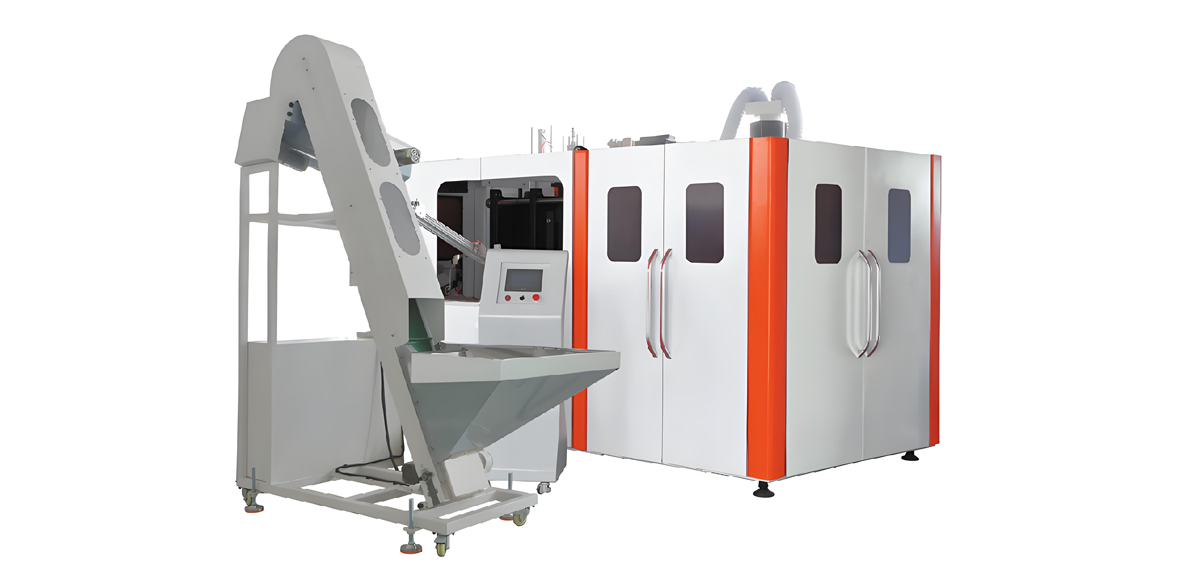
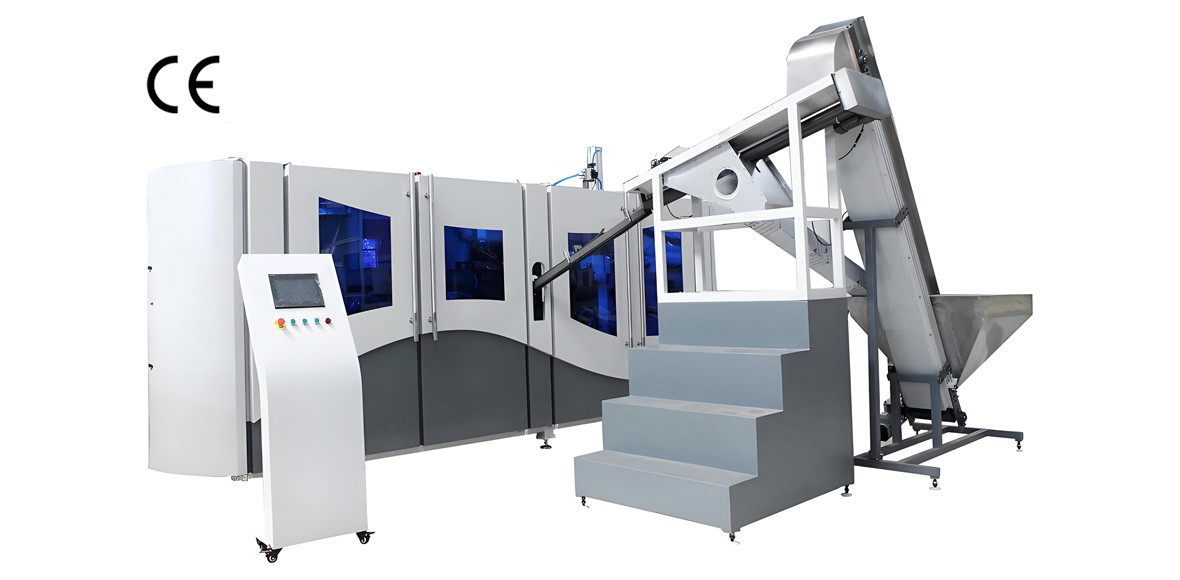
YuDa Standard Speed Automatic Blow Molding Machine is the flagship mid-range product of the brand, designed for hourly output of 1000-7000 bottles, specially calibrated for 330ml carbonated beverage PET bottles, also compatible with 250ml, 500ml, 1000ml juice and water preforms. The series holds complete CE certification and adopts mature servo drive and energy-saving heating systems from YuDa’s independent R&D:
- Hourly Production Capacity Range: 1000 ~ 7000 BPH, 2-cavity / 4-cavity two mainstream configurations for clients to select.
- Heating Oven Core Advantage: Optimized heating lamp layout, heating distance controlled at 38.1mm, reduces power consumption by over 30% compared with ordinary domestic blow equipment.
- Control System: Independent PLC intelligent operation panel, optional cloud remote data monitoring module for real-time production status checking.
- Mold System: Quick-disassembly modular mold frame, supports fast switch between 330ml soda, fruit juice and mineral bottle molds.
- Raw Material Compatibility: Adapt 0-40% food-grade rPET mixed preforms, meets global sustainable packaging standards.
- Applicable Preform Weight: 8g ~ 15g, fully covers standard 330ml carbonated bottle preform specifications.
2.2 Exclusive Design Optimized For Mass 330ml Carbonated PET Bottles
330ml carbonated beverage bottles have unique production requirements that ordinary universal blow machines cannot satisfy stably. YuDa standard automatic blow machine carries targeted structural upgrades focusing on anti-pressure bottle molding:
1. Customized Stretch-Blow Pressure Curve: Preset parameter mode for 330ml carbonated bottles, balance top, shoulder and bottom wall thickness, ensure uniform pressure resistance of finished bottles to avoid CO2 leakage after filling.
2. Zoned Independent Heating Control: The heating oven is divided into 8 independent temperature zones, precisely adjust the heating degree of preform bottom and shoulder, solve the common defect of thin bottle shoulder which easily bursts under carbon pressure.
3. High-Pressure Air Recycling Circuit: Special air recovery pipeline for carbonated bottle blow molding, recycle 28% high-pressure air, stabilize blow pressure while lowering air compressor load and power cost.
4. Low-Vibration Mold Locking Mechanism: Reinforced mold locking cylinder design, avoid bottle wall unevenness caused by vibration during mass continuous production of 330ml soda containers, keep finished product qualification rate above 99%.
2.3 Unique Structural & Energy-Saving Advantages Of YuDa Standard Blow Equipment
Three core competitive strengths distinguish YuDa standard automatic blow machine from generic mid-range equipment on the market, fully supporting long-term stable production of 330ml carbonated bottles:
1. Optimized Servo Transmission System: Abandon complicated split transmission structure, adopt integrated servo stretch and mold locking module, shorten single bottle blow cycle by 15%, improve hourly output without expanding workshop floor space.
2. Optional Remote IoT Monitoring Module: Clients can add YuDa cloud monitoring system to view real-time heating temperature, blow pressure, defective rate data via mobile phones; technical support engineers conduct remote parameter adjustment and fault elimination without on-site travel, reduce production downtime loss for soda bottle lines.
3. Modular Maintenance Layout: Heating tubes, servo motors, blow valves and wearing parts adopt standardized modular design, ordinary factory operators can complete replacement without senior professional technicians, greatly cut daily maintenance labor expense for medium beverage factories producing 330ml bottles.
2.4 Real Overseas Case: Southeast Asia Medium Soda Plant Production Line Project
Project Background: A medium carbonated beverage manufacturer based in Thailand started factory expansion in late 2024, its core product is 330ml lemon soda and cola-flavored PET bottles, daily target output 220,000 bottles. The client previously used unbranded domestic blow machines with frequent bottle leakage problems and high electricity bills, so they looked for upgraded stable equipment with rPET compatibility.
YuDa Customized Solution: Recommend 4-cavity standard speed automatic blow machine, matched dedicated 330ml carbonated bottle mold, multi-zone precise heating system and optional remote monitoring function. After equipment installation and trial run: Continuous production of 330ml soda bottles achieves 6500 BPH stable output, bottle wall thickness error controlled below 0.07mm, carbon leakage defective rate drops to less than 0.8%, power consumption reduced 31% compared with original old machines.
Client Feedback: The machine runs stably 24 hours daily without frequent shutdown maintenance; mold switching between 330ml soda and 500ml juice only takes 1.5 hours; remote online technical support solves minor faults quickly, and rPET mixed raw material production fully complies with Thailand’s environmental packaging regulations, laying foundation for subsequent second production line repurchase.
Independent Deep Dive: 330ml Carbonated Beverage PET Bottle Full Industrial Chain Analysis
3.1 Global Market Scale & Consumer Demand Of 330ml Soda Bottles (2026)
2026 global annual output of 330ml carbonated beverage PET bottles reaches 780 billion units, with compound annual growth rate 9.6% for the next five years. Portable single-serve packaging becomes the core growth engine: Offline convenience stores, fast food restaurants, airport and station retail channels continuously expand, pushing regional soda brands to increase 330ml bottle production capacity.
Different regional market characteristics of 330ml carbonated bottles:
1. ASEAN Region: Young population base huge, low-price portable soda products sell well, mainstream specification 9-11g 330ml PET bottles, medium automatic blow machines are most popular.
2. Latin America: Carbonated drink culture mature, consumers prefer ultra-light 8g 330ml bottles, demand high-precision heating blow equipment to guarantee pressure resistance.
3. Africa: Local small soda brands use thick 12-14g bottles to reduce burst risk, semi-automatic blow machines fit their limited budget.
All regional medium carbonated beverage factories share the core demand: stable, low-cost blow equipment that can produce qualified pressure-resistant 330ml PET bottles, which forms huge market demand for YuDa standard automatic blow series.
3.2 Special Raw Material & Blow Molding Requirements For Carbonated PET Containers
Different from static mineral water bottles, 330ml carbonated PET bottles need to bear internal carbon dioxide pressure of 0.3-0.5MPa, which puts forward stricter raw material and molding standards:
1. Raw Material Limit: Mixed rPET proportion cannot exceed 40%, and the preform must have uniform material viscosity; overheating during blow molding will cause bottle wall weakness and burst risk.
2. Wall Thickness Standard: Bottle shoulder and bottom thickness must reach above 0.3mm, the thinnest part cannot be lower than 0.22mm, otherwise gas leakage will happen after filling and sealing.
3. Molding Temperature Window Narrow: Preform heating temperature fluctuation must be controlled within ±1.5℃, temperature deviation will lead to uneven stretching and defective pressure resistance.
Ordinary cheap blow machines fail to meet the above three standards simultaneously, while YuDa standard automatic blow machine’s multi-zone independent heating and preset carbonated bottle blow curve perfectly match the special production thresholds of 330ml soda containers, helping factories avoid mass product scrap losses.
3.3 Per Unit Production Cost Breakdown Using YuDa Standard Blow Machine
Take the 4-cavity YuDa standard blow machine producing 10g 330ml carbonated PET bottles as calculation sample, based on Southeast Asia industrial electricity price 0.13 USD/kWh and local worker monthly salary 220 USD:
1. Electricity Cost: 0.93 kWh per thousand bottles, 0.121 USD cost; generic blow machine consumes 1.82 kWh, extra 0.116 USD per thousand bottles, annual electricity saving reaches over 11,000 USD for a factory producing 80 million 330ml bottles annually.
2. Labor Cost: Only one full-time operator is required for the blow station, while semi-automatic machines need three workers, cutting labor expenditure by two-thirds.
3. Maintenance Expense: Modular wearing parts design reduces replacement frequency, annual maintenance cost per thousand bottles is only 0.035 USD, ordinary equipment reaches 0.082 USD.
4. Comprehensive Cost Advantage: Summing electricity, labor and maintenance expenditure, using YuDa standard blow machine to produce 330ml carbonated bottles cuts total manufacturing cost by more than 19% per thousand units compared with traditional generic blow molding equipment, greatly improving beverage factory profit margin of small portable soda products.
3.4 Anti-Pressure Bottle Molding Technology For Carbon Dioxide Filling Needs
The core technical difficulty of 330ml carbonated bottle production is balanced wall thickness distribution to resist internal gas pressure. YuDa standard automatic blow machine solves this pain point through two core technical designs:
1. Multi-Segment Servo Stretching: The stretching rod executes slow-fast three-stage movement according to preform heating status, evenly pull PET material to cover bottle shoulder, body and bottom, avoid local thin areas.
2. Gradient Blow Air Supply: Initial low-pressure pre-blow + high-pressure forming dual air circuit, slowly expand preform first then complete molding, prevent shoulder material over-stretching and thinning, effectively reduce bottle burst rate during carbon filling process.
After mass production test by Thai soda factory, bottles produced by YuDa standard machine pass 0.5MPa air tightness test with zero burst rate, fully meeting local food and beverage packaging safety inspection standards.
3.5 Comparison Between YuDa Standard Machine & Peer Equipment For Soda Bottle Production
Three types of mainstream blow equipment on the market are compared from the perspective of 330ml carbonated bottle production efficiency, cost and stability:
1. European Brand Blow Equipment: Advantages: ultra-precise molding; Disadvantages: Purchase price 2.2 times higher than YuDa standard machine, spare parts delivery cycle 30-60 days, energy consumption high, not cost-effective for medium soda factories with 200,000 daily 330ml bottle output.
2. Low-Cost Generic Domestic Blow Machines: Advantages: Low initial investment; Disadvantages: Single heating zone without independent temperature control, cannot process rPET stably, high bottle leakage defective rate, no remote monitoring, long-term power and scrap loss offset the cheap machine price.
3. YuDa Standard Automatic Blow Machine: Advantages: Multi-zone precise heating for anti-pressure soda bottles, 30% energy saving, 99% finished product pass rate, modular maintenance, optional IoT remote system, CE certified, price only 1/3 of European counterparts; Minor limitation: Not suitable for over 7000 BPH ultra-large-scale soda factories, fully cover medium brand production demands.
Complete YuDa PET Blow Machine Product Layout For Different Beverage Packaging Needs
4.1 Semi-Automatic Blow Machine: Small Beverage Brand Startup Solution
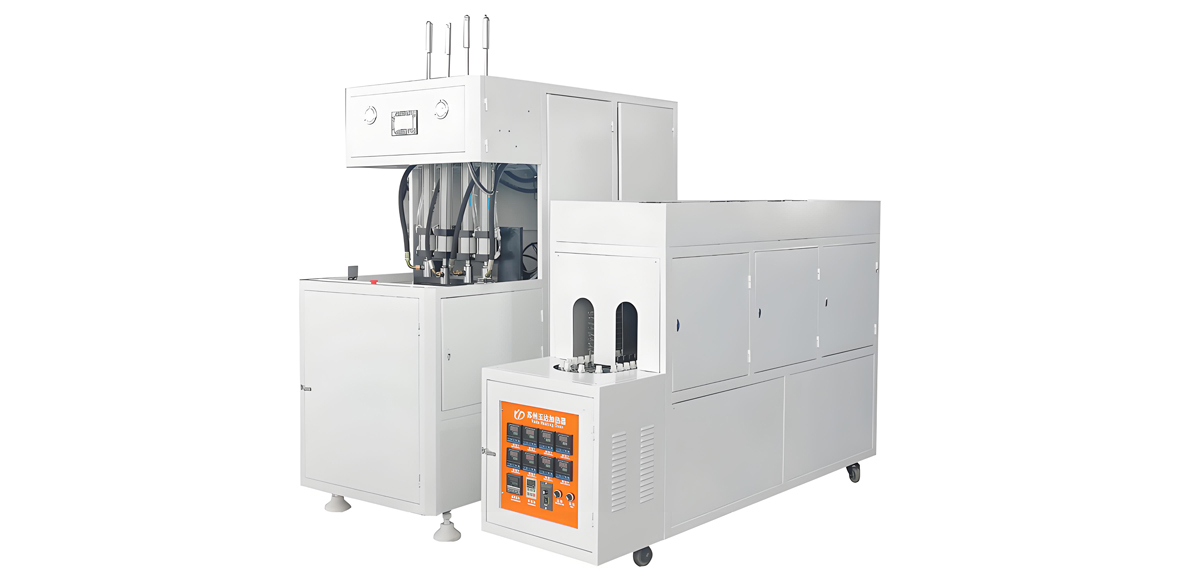
YuDa semi-automatic blow molding machine targets newly established small beverage startups with limited capital, hourly output 1000-3000 bottles, ready stock for fast shipment. Workers manually load PET preforms, the machine automatically finish heating and blow forming processes, can produce small batches of 330ml soda, cosmetic bottles and edible oil containers. The operation threshold is low for local unskilled workers, which becomes the preferred equipment for African and Central Asian emerging soda brands with small trial production volume.
4.2 FGX High-Speed Series: Large Mineral Water Mass Production Equipment
Different from the standard series focusing on medium carbonated drink factories, YuDa FGX full-automatic high-speed blow machine (FGX4/FGX6/FGX8) is designed for large mineral water manufacturers with hourly output above 12000 BPH, optimized for lightweight 500ml static water bottles, matched with large-scale filling production lines, widely sold in Middle East and Latin America big mineral water industrial parks.
4.3 Linear Blowing-Filling-Capping CombiBlock Integrated Production Unit
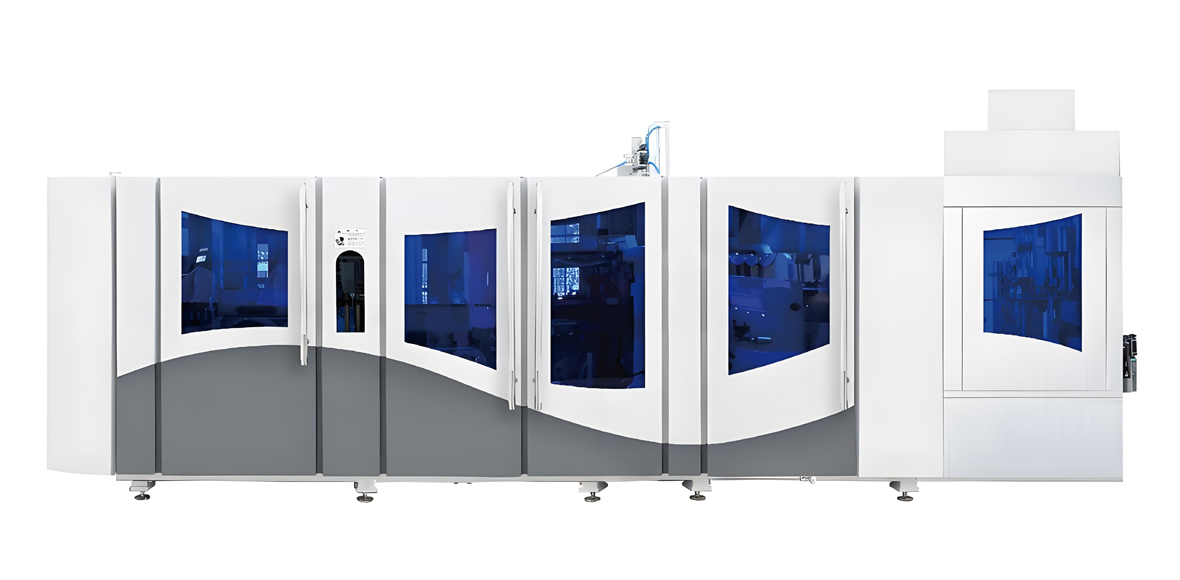
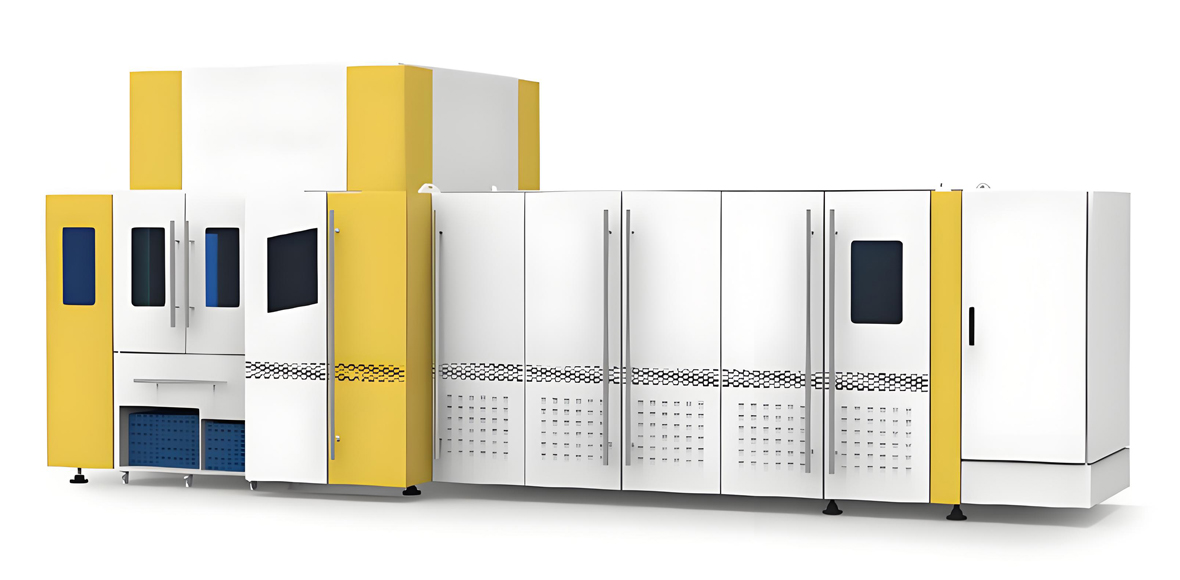
For large beverage groups pursuing fully unmanned production, YuDa provides integrated linear blowing-filling-capping combiblock equipment, integrating preform heating, blow molding, liquid filling and capping procedures into one compact unit. It can match both FGX high-speed host and standard blow host, support simultaneous production of 330ml carbonated bottles and 500ml water bottles, save 25% workshop space and cut labor input significantly, suitable for large multinational beverage factory new plant projects.
Target Customer Pain Points & Matching YuDa Equipment Solutions
5.1 Southeast Asia Carbonated Drink Factory Core Demands
Pain points: Dense factory layout with limited workshop space, need mixed production of soda and juice bottles, local rPET environmental policies. Corresponding Solutions: YuDa standard blow machine compact structure, fast mold switching modular frame, multi-zone heating system compatible with mixed recycled PET preforms, lower overall operation cost for medium soda plants.
5.2 Latin American Beverage Manufacturer Equipment Selection Needs
Pain points: Strict carbon tax and lightweight packaging requirements, high local electricity prices. Corresponding Solutions: 38.1mm energy-saving heating oven reduces power consumption over 30%, precise stretch technology produces ultra-light 330ml pressure-resistant soda bottles, lower raw material and electricity expenditure long term.
5.3 Africa Local Small Soda Brand Budget & Operation Requirements
Pain points: Limited startup funds, lack professional equipment maintenance technicians. Corresponding Solutions: Choose YuDa semi-automatic blow machine for small-batch 330ml soda trial production, simple mechanical structure, standardized wearing parts easy to source locally, low daily maintenance difficulty.
2026-2031 Industry Growth Outlook & Foreign Trade Traffic Opportunities
In the next five years, the global PET blow machinery industry will witness three major development trends, bringing stable inquiry traffic for YuDa’s foreign trade business:
1. Small portable beverage packaging demand sustained surge: 330ml carbonated bottles will maintain over 9% annual growth, medium automatic blow machine order volume will keep rising year by year.
2. rPET mandatory policy popularization: Old blow machines without multi-zone precise heating function will be eliminated, YuDa standard series with recycled raw material adaptability will seize replacement market share.
3. Energy-saving and intelligent equipment become procurement threshold: High power-consuming traditional blow machines will be phased out by carbon tax restrictions, YuDa’s energy-saving heating and optional IoT remote function form differentiated competitive barriers against peer manufacturers.
Regional medium carbonated beverage factories will remain core target customer groups, optimizing content around 330ml carbonated bottle production and YuDa standard automatic blow machine can capture high-intent overseas buyer search traffic from Google and B2 industrial platforms.
Final Summary & Global Buyer Purchase Guidance
2026 global small portable carbonated beverage packaging market enters a rapid growth cycle, 330ml PET soda bottles become the fastest-growing single PET product, bringing steady import demand for medium cost-effective automatic blow molding machines. YuDa Standard Speed Automatic Blow Molding Machine, independently optimized for anti-pressure 330ml carbonated bottle mass production, owns unique advantages in precise zoned heating, energy saving, flexible mold switching and low maintenance cost, filling the market blank of mid-tier soda factory dedicated blow equipment between low-end semi-automatic models and ultra-high-speed FGX series.
Supported by a complete product matrix covering semi-automatic, high-speed FGX and integrated combiblock lines, YuDa can provide targeted production solutions for beverage factories of different scales and product positioning across Southeast Asia, Latin America, Middle East and Africa. For overseas medium carbonated drink manufacturers planning to build or upgrade 330ml bottle production lines, YuDa standard automatic blow machine balances initial investment and long-term manufacturing cost, fully meets global food safety, carbon reduction and recycled packaging regulatory requirements, helping brands improve product market competitiveness and stable profitability in the portable carbonated beverage track.