Table of Contents
- Executive Overview: RTD Coffee Packaging and PET Blow Molding Equipment Demand
- 2026 Global Ready-to-Drink Coffee Packaging Industry Trends
- 1.1 RTD Coffee Becomes One of the Fastest-Growing Beverage Categories
- 1.2 500ml PET Coffee Bottle Enters Mainstream Retail Channels
- 1.3 Heat Resistance, Light Shielding and Flavor Stability Drive Quality Requirements
- 1.4 Cold Brew and High-End Coffee Increase Packaging Standards
- 1.5 Regional Demand Differences for RTD Coffee Blow Machines
- YuDa Standard Automatic PET Blow Machine Product Profile
- 2.1 Standard Automatic Series Configuration for 500ml RTD Coffee Bottles
- 2.2 Machine Advantages for Heat-Resistant Coffee Bottle Production
- 2.3 Neck Finish, Clarity and Uniform Wall Thickness Control
- 2.4 Typical Overseas RTD Coffee Factory Application Scenario
- Independent In-Depth Analysis: 500ml PET RTD Coffee Bottle Industrial Chain
- 3.1 Global Market Size and Growth Drivers of 500ml Coffee Bottles
- 3.2 Material, Heat Resistance and Flavor Protection Requirements
- 3.3 Production Cost Structure for 500ml PET Coffee Bottles
- 3.4 Thermal Stability, Transparency and Shelf-Life Technology
- 3.5 Equipment Comparison for Medium-Scale RTD Coffee Production
- YuDa Blow Machine Portfolio for Different RTD Coffee Factory Scales
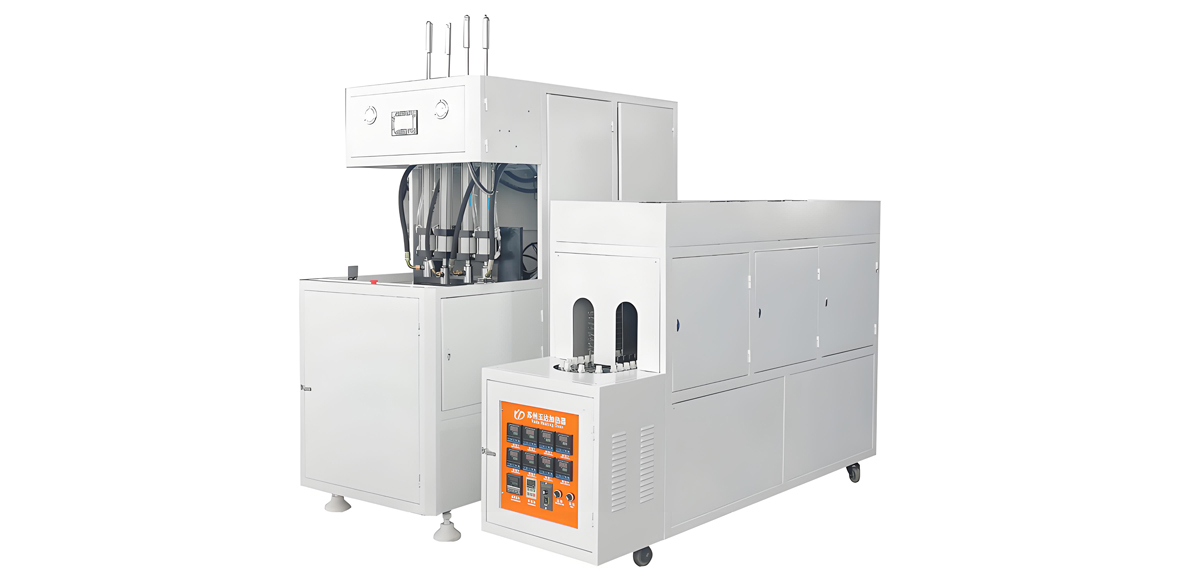
- 4.1 Semi-Automatic Series: Small Coffee Brand Trial Production
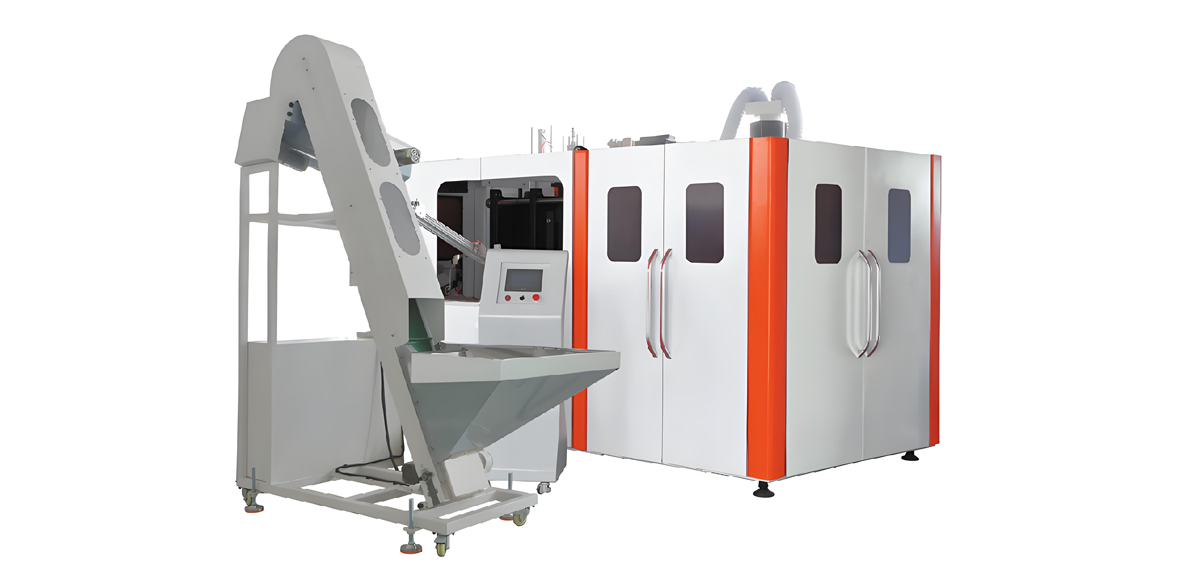
- 4.2 Standard Automatic Series: Mainstream 500ml Coffee Bottle Production
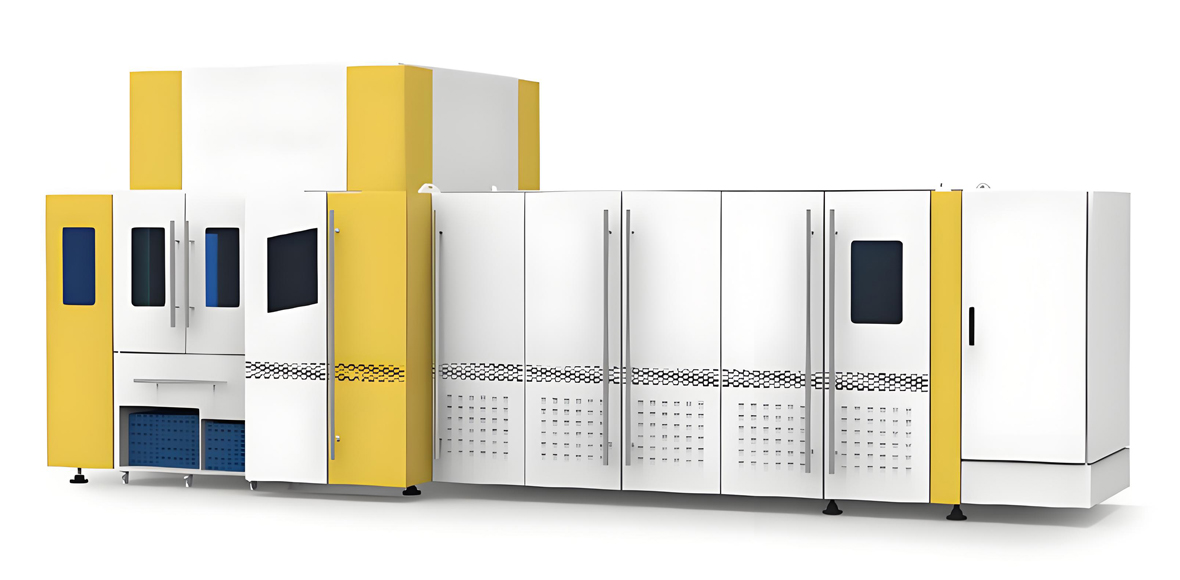
- 4.3 FGX High-Speed Linear Blow Machine: Large-Scale Coffee Production
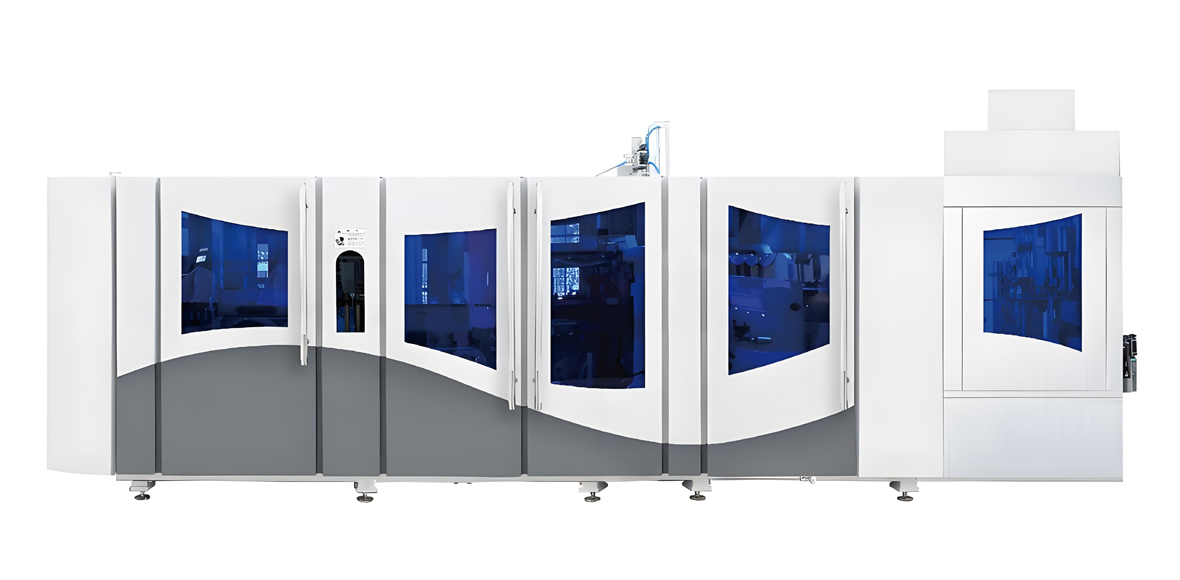
- 4.4 Blowing-Filling-Capping CombiBlock: Integrated RTD Coffee Lines
- Global RTD Coffee Factory Buyer Pain Points and YuDa Solutions
- 5.1 Southeast Asia Coffee Culture and RTD Brand Expansion
- 5.2 Europe and North America Specialty Coffee Packaging Requirements
- 5.3 East Asia Convenience Store Coffee Demand
- 5.4 Coffee Roasters Entering Ready-to-Drink Segments
- 2027–2032 Market Outlook for RTD Coffee Blow Molding Equipment
- Procurement Guidance for Global RTD Coffee Packaging Investors
Executive Overview: RTD Coffee Packaging and PET Blow Molding Equipment Demand
In 2026, the global ready-to-drink coffee market continues to expand at a high growth rate, driven by rising coffee culture, convenience store channels, and consumer demand for premium, low-sugar, and functional beverages. Among RTD coffee packaging formats, the 500ml PET coffee bottle has become one of the most important mainstream specifications, balancing single-serve convenience, retail shelf appeal, and production cost efficiency. These bottles are widely used for iced coffee, cold brew, latte, black coffee, and flavored coffee products, creating steady demand for specialized blow molding equipment.
This article provides an independent analysis focused specifically on 500ml PET ready-to-drink coffee bottles as a distinct beverage packaging category. It examines the industrial chain, heat resistance requirements, cost structure, quality control challenges, and equipment selection logic for RTD coffee factories. It also explains how YuDa standard automatic PET blow machines can serve coffee beverage producers, roaster-owned brands, and contract packaging manufacturers worldwide. Unlike high-speed FGX linear blow machines designed primarily for large-volume water production, and unlike semi-automatic machines suitable for small-batch specialty containers, the YuDa standard automatic series offers a reliable and flexible solution for medium to large-scale 500ml RTD coffee bottle production.
The analysis further covers 2026 global RTD coffee packaging trends, regional market differences, and practical procurement guidance for factory investors. It is intended to help B2 buyers, packaging engineers, plastic machinery distributors, and coffee beverage production managers make more informed decisions when selecting blow molding equipment for 500ml PET RTD coffee bottle production.
2026 Global Ready-to-Drink Coffee Packaging Industry Trends
1.1 RTD Coffee Becomes One of the Fastest-Growing Beverage Categories
Global coffee consumption is no longer limited to cafes and home brewing. Ready-to-drink coffee has become a fast-growing category in supermarkets, convenience stores, vending machines, and online grocery platforms. Young consumers, office workers, and urban lifestyles are driving demand for high-quality, convenient, and visually appealing coffee products.
For beverage factories and coffee brands, this trend means growing demand for high-speed, stable, and attractive packaging. Unlike ordinary water bottles, RTD coffee bottles must protect flavor, resist light, and maintain a clean, premium appearance. Therefore, blow molding quality directly affects both product shelf life and brand image.
YuDa standard automatic blow machines are designed to support this requirement through stable preform heating, precise stretching, and consistent blow molding pressure. This helps RTD coffee factories produce clear, dimensionally stable 500ml PET coffee bottles.
1.2 500ml PET Coffee Bottle Enters Mainstream Retail Channels
The 500ml PET coffee bottle has become a mainstream format because it fits multiple consumption scenarios. It is large enough to provide a satisfying coffee serving, yet small enough to be carried conveniently. In convenience stores and vending machines, 500ml transparent PET bottles offer strong visual appeal because consumers can see the coffee color and clarity inside.
However, RTD coffee packaging places higher demands on bottle clarity than many other beverages. Coffee is a premium product, and consumers often associate transparent, glossy bottles with higher quality. Any haze, stretch marks, neck deformation, or uneven wall thickness can reduce perceived value and affect sales.
Therefore, RTD coffee factories need blow molding equipment that can consistently produce high-clarity bottles with accurate neck dimensions and stable bases. The YuDa standard automatic series helps achieve this through automated production and precise process control.
1.3 Heat Resistance, Light Shielding and Flavor Stability Drive Quality Requirements
RTD coffee is more sensitive to environmental factors than water or carbonated drinks. Light, oxygen, and temperature changes can affect coffee flavor, color, and shelf life. Therefore, PET coffee bottles must maintain good transparency while also providing sufficient barrier performance to protect flavor quality.
Heat resistance is another critical factor. Some RTD coffee products are filled at higher temperatures or exposed to high-temperature logistics and storage environments. If the bottle is not thermally stable, it may deform, shrink, or become uneven after filling. This can cause serious production losses and brand damage.
YuDa standard automatic blow machines help control these quality factors through stable heating, precise stretching, and consistent blow air pressure. These technical features contribute to better thermal stability, more uniform wall thickness, and more reliable neck finishes.
1.4 Cold Brew and High-End Coffee Increase Packaging Standards
In 2026, cold brew, nitro coffee, low-sugar lattes, and premium black coffee are gaining market share. These products often require higher packaging standards than traditional mass-market beverages. Brand owners demand bottles that look clean, premium, and consistent across thousands of production units.
High-end RTD coffee brands also pay more attention to label appearance. If the bottle body is curved, wavy, or uneven, labels may appear misaligned, which directly affects shelf presentation. Therefore, bottle straightness and surface smoothness have become important quality indicators.
YuDa standard automatic blow machines help meet these requirements through automated production and stable mold clamping. The equipment helps produce bottles with straighter bodies, smoother surfaces, and more consistent dimensions.
1.5 Regional Demand Differences for RTD Coffee Blow Machines
The global demand for RTD coffee blow molding equipment varies significantly by region. In East Asia, Japan and South Korea have mature RTD coffee markets with strong demand for premium packaging. In Southeast Asia, coffee culture is expanding rapidly, creating demand for both local and international coffee brands. In Europe and North America, specialty coffee and cold brew brands require high-quality, sustainable packaging solutions.
For most medium to large RTD coffee factories, the YuDa standard automatic blow machine is often the most suitable choice. It offers higher output than semi-automatic machines, better quality consistency, and enough flexibility to support multiple coffee bottle designs.
YuDa Standard Automatic PET Blow Machine Product Profile
2.1 Standard Automatic Series Configuration for 500ml RTD Coffee Bottles
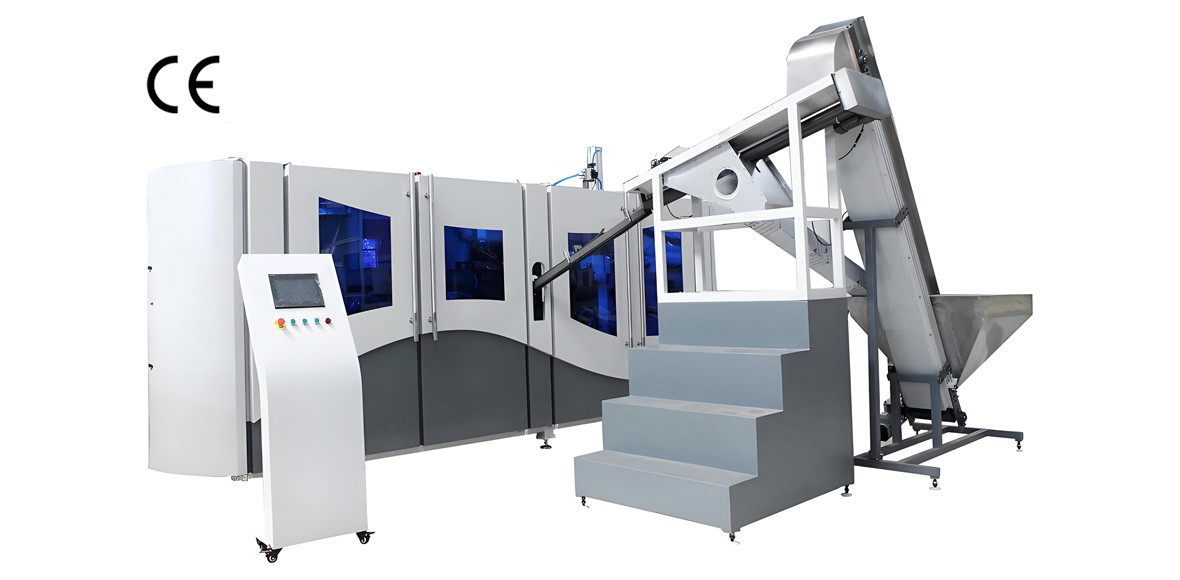
YuDa standard automatic PET blow machine series is designed for medium to high-capacity bottle production, covering a wide range of food, beverage, and premium packaging applications. The equipment is suitable for factories that require stable mass production but do not yet need the extremely high output of large linear systems. The standard automatic series typically supports multiple cavity configurations and can be adjusted according to bottle shape, preform weight, and production requirements.
Key configuration features include automatic preform feeding, automatic heating, automatic stretching and blowing, and stable mold clamping. The machine is built with a focus on durability, easy maintenance, and consistent bottle quality. It supports the production of PET bottles for water, carbonated drinks, juice, dairy products, and ready-to-drink coffee.
For 500ml RTD coffee bottle production, the standard automatic series offers a balanced output range that fits many medium to large coffee factories. It can help manufacturers achieve higher production efficiency compared with semi-automatic equipment while maintaining a reasonable capital expenditure level.
2.2 Machine Advantages for Heat-Resistant Coffee Bottle Production
Producing 500ml RTD coffee bottles is different from producing ordinary water bottles. Coffee bottles require higher thermal stability, better clarity, and more reliable flavor protection. The bottle must resist deformation during filling, storage, and transportation while maintaining a premium transparent appearance.
YuDa standard automatic blow machines are suitable for 500ml RTD coffee bottle production because they provide stable stretching and blowing control. The equipment helps distribute material more evenly across the bottle body, which is important for thermal stability and flavor protection.
Additionally, the machine’s heating system can be adjusted to match preforms commonly used for 500ml coffee bottles. This reduces the risk of underheating, overheating, or uneven crystallization, which can cause bottle defects and production losses.
2.3 Neck Finish, Clarity and Uniform Wall Thickness Control
RTD coffee bottles must perform reliably under filling, capping, storage, and transportation conditions. The neck finish must be accurate to ensure proper cap sealing and prevent flavor leakage. The bottle body must be clear and free of streaks or haze. The wall thickness must be uniform to maintain thermal stability and flavor protection.
YuDa standard automatic blow machines help control these quality factors through stable mold clamping, precise stretching, and consistent blow air pressure. These technical features contribute to more uniform material distribution, which is essential for neck strength, clarity, and shelf stability.
For RTD coffee producers, this means fewer sealing problems, fewer flavor complaints, and more consistent packaging quality. In the long run, these improvements help protect brand reputation and reduce after-sales losses.
2.4 Typical Overseas RTD Coffee Factory Application Scenario
A typical application scenario is a medium-sized RTD coffee factory in Southeast Asia that produces iced coffee, cold brew, and flavored latte for local convenience stores and supermarket chains. The factory previously used older semi-automatic blow machines to produce 500ml PET bottles. As order volume increased, the factory faced problems such as low output, high labor demand, inconsistent bottle clarity, and frequent thermal deformation after filling.
By introducing YuDa standard automatic blow machines, the factory can increase production capacity, reduce manual intervention, and improve the consistency of 500ml RTD coffee bottles. The equipment can be integrated with existing preform feeding, filling, labeling, and packaging systems, allowing the factory to upgrade gradually without replacing the entire production line at once.
In this scenario, the standard automatic series becomes a practical midpoint between small semi-automatic production and large high-speed production. It allows RTD coffee factories to scale up capacity while maintaining control over investment, operation, and maintenance.
Independent In-Depth Analysis: 500ml PET RTD Coffee Bottle Industrial Chain
3.1 Global Market Size and Growth Drivers of 500ml Coffee Bottles
The global demand for 500ml PET RTD coffee bottles is driven by several long-term factors. First, coffee culture continues to expand worldwide, increasing demand for convenient ready-to-drink products. Second, convenience stores and vending machines prefer small to medium-sized coffee bottles. Third, premium cold brew and low-sugar coffee products are attracting higher consumer spending.
Among all RTD coffee packaging sizes, 500ml bottles are particularly suitable for single-serve and office consumption. They offer lower cost per serving than canned coffee and better transparency than carton packaging. For coffee brands, this makes 500ml PET bottles an excellent format for mass distribution.
As a result, 500ml PET RTD coffee bottles are expected to remain one of the fastest-growing segments in the global beverage packaging industry over the next five years. This sustained demand creates stable opportunities for blow molding equipment manufacturers that can deliver reliable, efficient, and high-clarity packaging solutions.
3.2 Material, Heat Resistance and Flavor Protection Requirements
500ml RTD coffee bottles require careful attention to material quality and thermal performance. Coffee is a flavor-sensitive product, and poor packaging quality can lead to flavor changes, discoloration, and reduced shelf life. Therefore, the bottle must maintain good barrier performance and uniform wall thickness.
Heat resistance is also critical. If the bottle is exposed to high-temperature filling or tropical storage conditions, it must not deform or shrink. Even minor deformation can cause labeling problems, capping failures, and product rejection.
YuDa standard automatic blow machines support this requirement through precise preform heating, controlled stretching, and stable air pressure. These functions help reduce common defects such as haze, stretch marks, uneven wall thickness, and thermal deformation.
3.3 Production Cost Structure for 500ml PET Coffee Bottles
The production cost of 500ml PET RTD coffee bottles consists mainly of preform cost, energy cost, labor cost, mold cost, maintenance cost, and rejection loss. Preform cost is usually the largest single expense, followed by energy and labor. For this reason, even small improvements in machine efficiency can lead to significant cost savings over large production volumes.
Energy efficiency is especially important in medium-capacity beverage production because 500ml bottles require careful heating control. Older semi-automatic machines often consume more electricity per thousand bottles because of less optimized heating structures and lower automation levels. In contrast, modern automatic blow machines can improve heating efficiency and reduce energy waste through better oven design and process control.
Labor cost is another important factor. Semi-automatic machines require more manual loading, unloading, and quality inspection, while standard automatic machines reduce labor dependence. For RTD coffee factories operating 24-hour production lines, this difference can have a substantial impact on overall production cost.
Maintenance cost and rejection loss also affect long-term profitability. Reliable equipment with modular components can reduce downtime and maintenance expenses. Lower defect rates mean fewer wasted preforms, less rework, and faster order fulfillment.
3.4 Thermal Stability, Transparency and Shelf-Life Technology
Thermal stability is one of the most critical technical challenges in RTD coffee bottle production. The bottle must maintain its shape after filling, during pasteurization, and under high-temperature storage. If the material distribution is uneven, the bottle may shrink, warp, or become wavy.
Transparency is equally important. RTD coffee is often sold based on visual appeal, so the bottle must be clear and glossy. Any haze, oil streaks, or stretch marks can reduce the premium feel of the product.
Shelf-life stability depends on both material quality and blow molding consistency. Uniform wall thickness helps maintain barrier performance, which protects coffee flavor and color. If the bottle wall is too thin in certain areas, oxygen and light may affect the product more quickly.
YuDa standard automatic blow machines help control these quality factors through stable mold clamping, precise stretching, and consistent blow air pressure. These technical features contribute to better thermal stability, more uniform wall thickness, and higher bottle clarity.
3.5 Equipment Comparison for Medium-Scale RTD Coffee Production
When selecting blow molding equipment for 500ml RTD coffee bottle production, factories usually consider three main options: semi-automatic machines, standard automatic machines, and high-speed linear machines. Each option has different advantages depending on production volume, budget, and product mix.
Semi-automatic machines are suitable for small RTD coffee factories with limited capital and low daily output. They are more affordable but require more labor, and their output is relatively low. Standard automatic machines are suitable for medium to large RTD coffee factories that need higher output, better consistency, and lower labor dependence. High-speed linear machines are suitable for very large production lines, but they require higher investment, larger factory space, and more complex maintenance.
For most medium to large RTD coffee factories, the YuDa standard automatic blow machine offers the best balance. It provides enough automation to improve efficiency, enough flexibility to support multiple bottle sizes, and enough capacity to meet growing convenience store demand without overinvesting in unnecessary high-speed infrastructure.
YuDa Blow Machine Portfolio for Different RTD Coffee Factory Scales
4.1 Semi-Automatic Series: Small Coffee Brand Trial Production
YuDa semi-automatic blow machines are suitable for small RTD coffee factories, new brand launches, or low-volume contract packaging work. These machines require lower initial investment and are easier to install in limited workshop spaces. They are ideal for factories that produce 500ml coffee bottles in small batches or that frequently switch between different brand designs.
However, semi-automatic machines are not the best choice for large-scale mass production. They require more manual operation, and their output per hour is lower. Therefore, they are more suitable for early-stage RTD coffee brands or regional producers with relatively small order volumes.
4.2 Standard Automatic Series: Mainstream 500ml Coffee Bottle Production
The YuDa standard automatic blow machine series is the most recommended option for medium to large RTD coffee factories producing 500ml PET bottles. It balances output, quality, automation, and cost. This series can handle stable mass production while still allowing factories to adjust for different bottle designs and preform specifications.
For RTD coffee factories that have outgrown semi-automatic machines but are not yet ready for full large-scale high-speed lines, the standard automatic series provides a practical upgrade path. It helps factories improve production capacity, reduce labor intensity, and enhance overall bottle quality.
4.3 FGX High-Speed Linear Blow Machine: Large-Scale Coffee Production
YuDa FGX high-speed linear blow machines are designed for large-volume production environments. These machines are more suitable for major beverage groups, large RTD coffee factories, and very large packaging plants that require extremely high output and continuous operation. For RTD coffee factories with daily output of hundreds of thousands of bottles, FGX series equipment can be considered as part of a long-term large-capacity expansion plan.
However, for most medium to large RTD coffee producers, the FGX series may exceed actual production needs and budget. Therefore, it is usually evaluated only when the factory has already achieved stable large-volume orders and requires a fully automated high-speed production system.
4.4 Blowing-Filling-Capping CombiBlock: Integrated RTD Coffee Lines
YuDa blowing-filling-capping combiblock systems integrate bottle blowing, filling, and capping into a more compact and automated production unit. This type of solution is suitable for modern RTD coffee factories that want to reduce manual handling, lower contamination risk, and improve line efficiency. For coffee brands with high-end positioning or strict flavor protection requirements, combiblock technology can enhance overall production automation and quality control.
Nevertheless, combiblock systems require higher investment and more careful production planning. They are most suitable for mature factories with stable product formulas, standardized bottle designs, and continuous large-volume orders.
Global RTD Coffee Factory Buyer Pain Points and YuDa Solutions
5.1 Southeast Asia Coffee Culture and RTD Brand Expansion
Southeast Asia is one of the fastest-growing coffee markets in the world. Countries such as Indonesia, Thailand, Vietnam, and the Philippines have strong coffee cultures and growing demand for ready-to-drink coffee. Many local RTD coffee factories are upgrading from traditional semi-automatic equipment to more automated blow molding systems.
Common pain points include limited workshop space, high electricity cost, inconsistent bottle clarity, and thermal deformation after filling. YuDa standard automatic blow machines can help these factories increase output, improve bottle quality, and reduce labor dependence. For many medium to large RTD coffee producers, this upgrade directly improves competitiveness in both local and regional markets.
5.2 Europe and North America Specialty Coffee Packaging Requirements
In Europe and North America, specialty coffee and cold brew brands demand high-quality packaging, clear visual presentation, and sustainable material usage. Bottles must not only look premium on retail shelves but also protect coffee flavor during storage.
YuDa standard automatic blow machines, when installed and operated according to good manufacturing practices, can help RTD coffee factories produce PET bottles with consistent quality and reliable thermal stability. The equipment’s automated operation helps reduce manual handling, while its stable heating and blowing system helps maintain consistent bottle quality.
5.3 East Asia Convenience Store Coffee Demand
Japan, South Korea, and other East Asian markets have mature convenience store coffee channels. Consumers expect high-quality RTD coffee with clean and attractive packaging. Therefore, bottle clarity, label straightness, and production consistency are extremely important for brand image.
YuDa standard automatic blow machines can support this requirement through precise heating and stable stretching. The equipment helps produce bottles with fewer visible defects, which is important for RTD coffee brands competing in highly saturated retail markets.
5.4 Coffee Roasters Entering Ready-to-Drink Segments
Many traditional coffee roasters are expanding into the RTD segment. They often have strong brand recognition but limited experience in large-scale beverage packaging. These brands need equipment that can produce high-quality coffee bottles without excessive operational complexity.
YuDa standard automatic blow machines are suitable for these customers because they balance automation and ease of use. The equipment allows coffee roasters to enter the RTD market with more reliable packaging quality and scalable production capacity.
2027–2032 Market Outlook for RTD Coffee Blow Molding Equipment
From 2027 to 2032, the global RTD coffee packaging market will continue to offer stable opportunities for PET blow machine manufacturers. Several trends will shape equipment demand during this period. First, global coffee culture will continue to expand, supporting steady demand for 500ml PET coffee bottles. Second, premium cold brew and low-sugar coffee products will increase packaging quality requirements. Third, energy efficiency and low-carbon production will become more important purchasing factors.
At the same time, competition in the RTD coffee industry will intensify. Factories will need to improve both product quality and production efficiency to remain profitable. This will drive demand for more reliable automatic blow molding equipment that can reduce production costs, lower defect rates, and support high-clarity coffee packaging requirements.
YuDa is positioned to benefit from these trends through its diversified product portfolio, which includes semi-automatic, standard automatic, FGX high-speed, and combiblock solutions. This allows the company to serve different customer segments, from small coffee startups to large beverage groups.
Procurement Guidance for Global RTD Coffee Packaging Investors
For RTD coffee factory investors planning to produce 500ml PET ready-to-drink coffee bottles, equipment selection should be based on daily production volume, budget, factory space, product mix, and long-term expansion plans.
If the factory is in the early stage of development and daily output is relatively low, a semi-automatic blow machine may be a suitable starting point. It requires lower initial investment and is easier to operate with limited technical staff.
If the factory already has stable orders and plans to increase 500ml RTD coffee bottle production, the YuDa standard automatic blow machine is usually the most recommended option. It provides a good balance between output, quality, automation, and investment control.
If the factory is a large-scale RTD coffee producer with daily output of hundreds of thousands of bottles and long-term expansion plans, FGX high-speed linear blow machines or combiblock systems may be considered. These solutions are more suitable for mature industrial production environments with stable capital and technical support.
In all cases, investors should evaluate not only the machine price but also energy consumption, labor requirement, mold compatibility, maintenance cost, after-sales support, and the ability of the equipment to produce clear, thermally stable 500ml PET RTD coffee bottles consistently. For coffee packaging, flavor protection and brand appearance are often more important than the lowest initial equipment price.