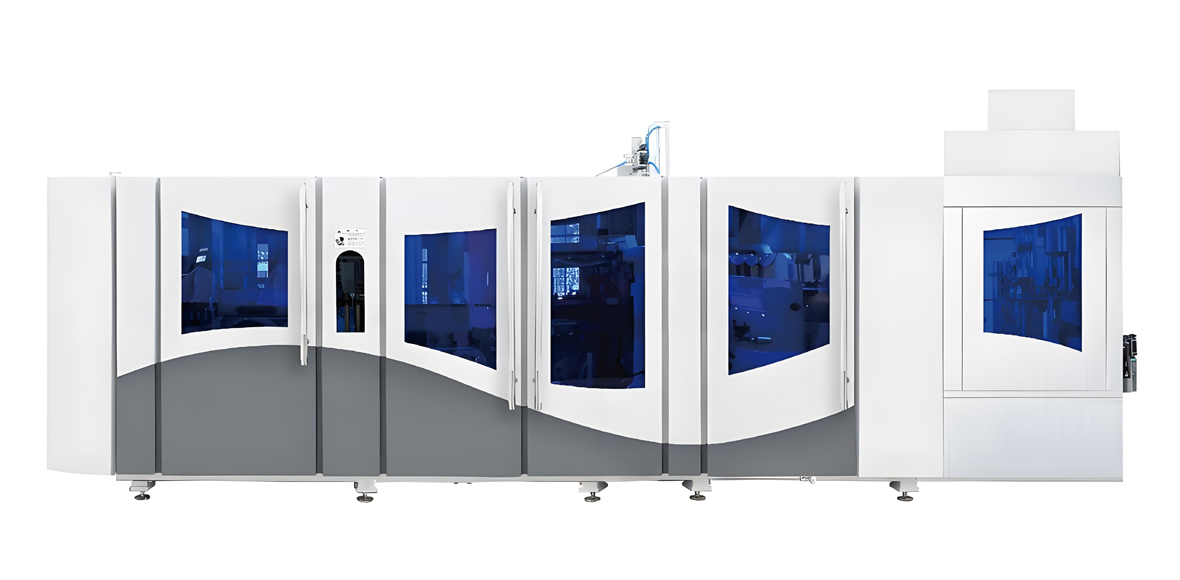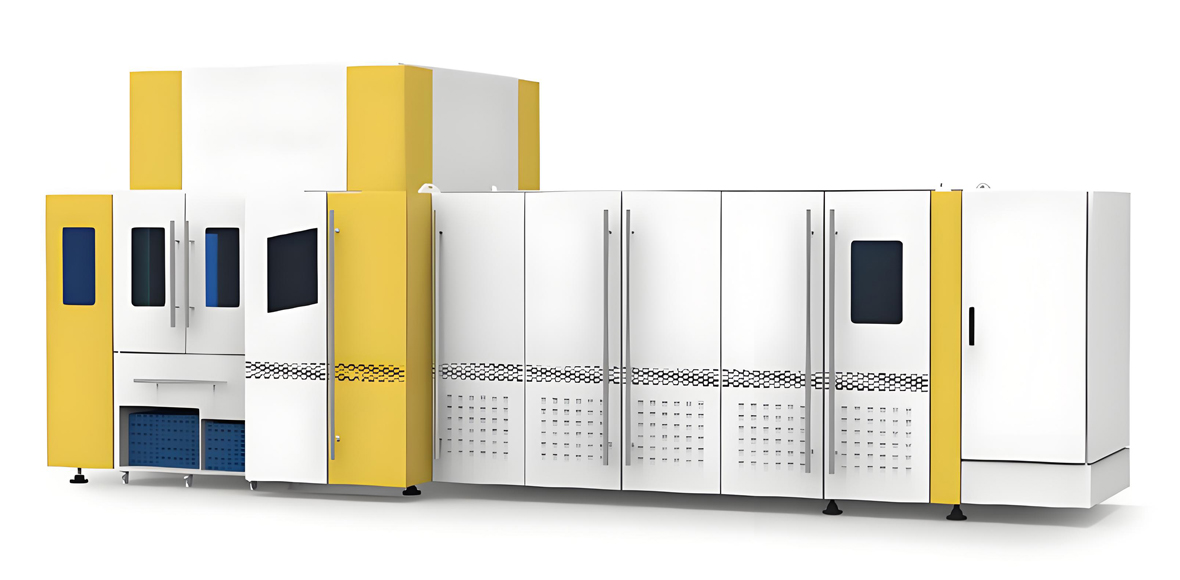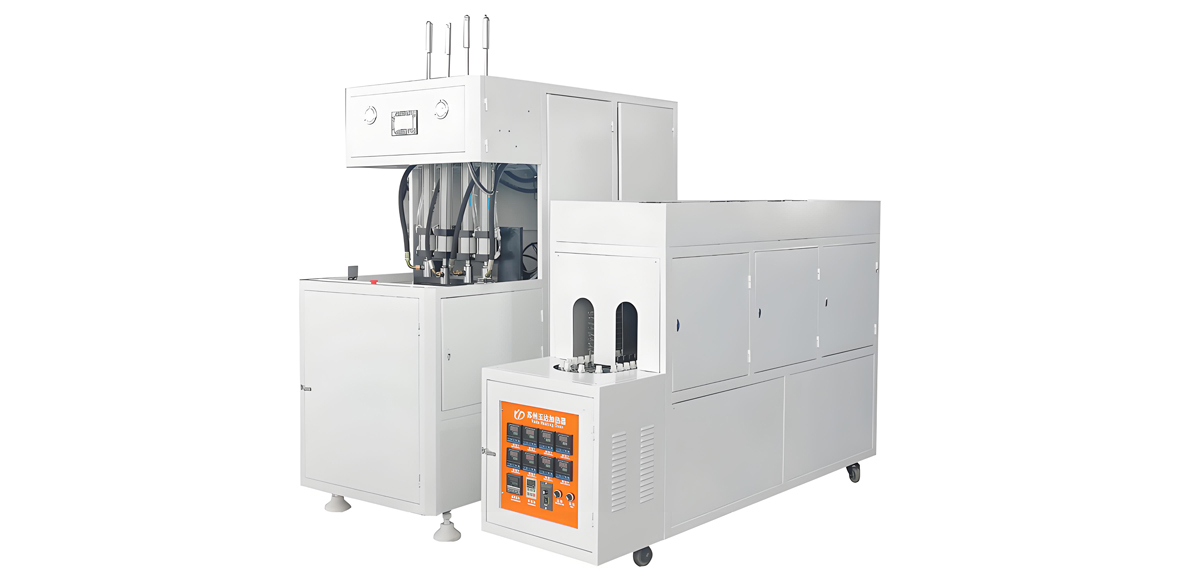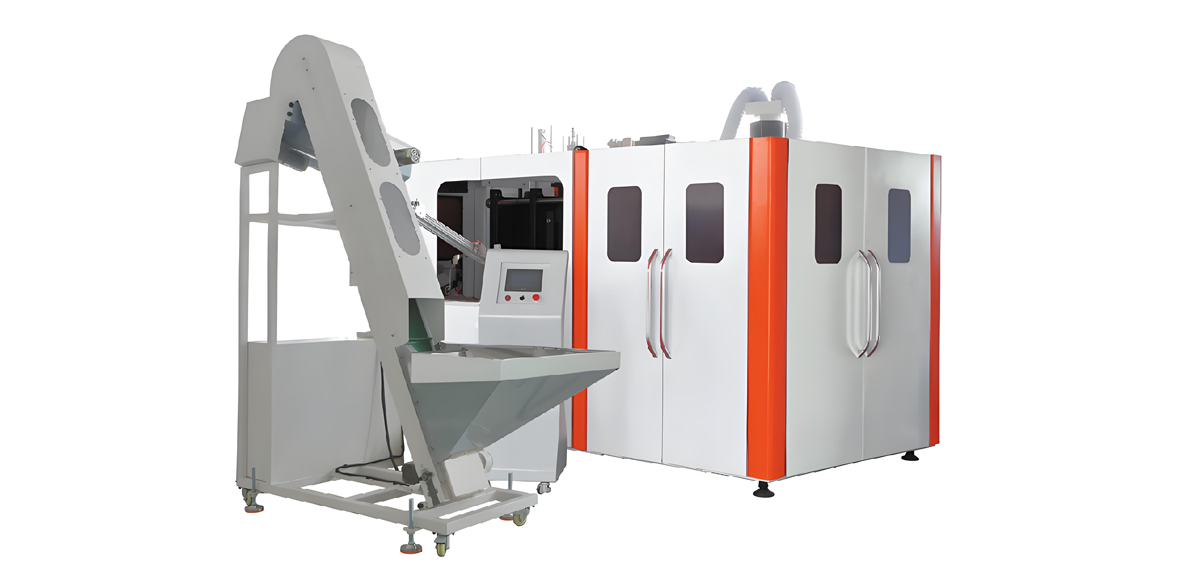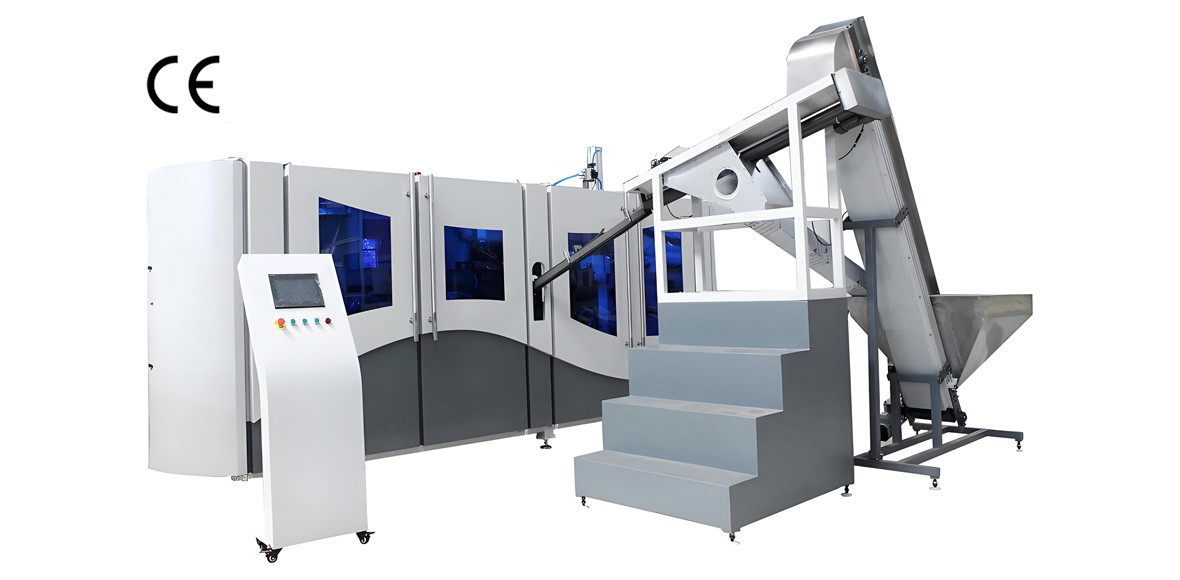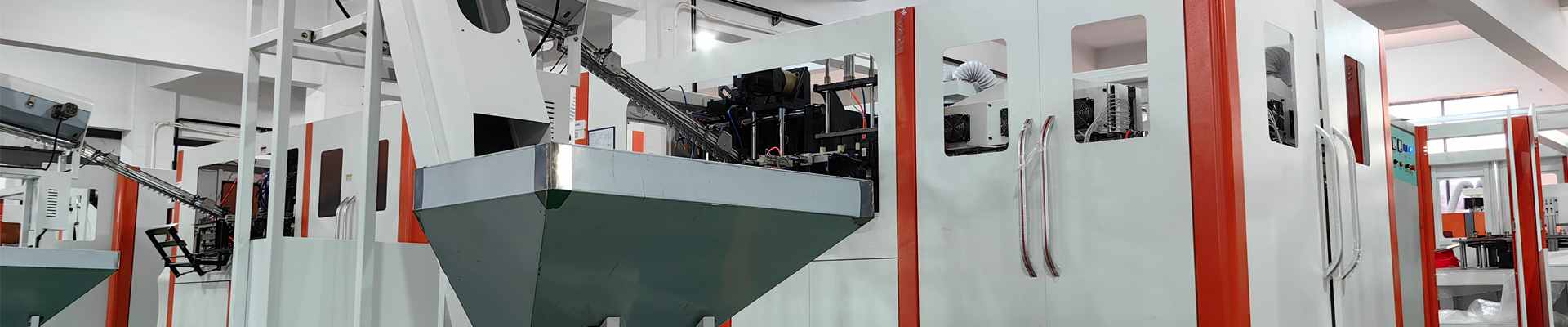
Pharmaceutical PET bottles are core packaging carriers for oral liquid, tablets, capsules, and medical disinfectant products, featuring strict standards in hygienic safety, dimensional accuracy, and chemical stability. With the continuous upgrading of pharmaceutical production supervision standards, fully automatic medicine PET bottle production lines have become the standard supporting equipment for modern pharmaceutical packaging factories. As a professional supplier of high-precision blow molding equipment, YUDA’s automatic medicine PET bottle blow molding production line is specially optimized for pharmaceutical-grade packaging production, with outstanding advantages in intelligent operation, hygienic molding, and stable mass production.
The reasonable factory area and workshop layout are the basic prerequisites for the stable operation of the automatic medicine PET bottle production line, directly affecting production efficiency, product qualification rate, workshop safety, and enterprise operation costs. Many pharmaceutical packaging enterprises face operational problems such as cramped workshop space, disorderly equipment layout, blocked material circulation, and failure to meet GMP purification standards due to unreasonable factory area planning in the early stage. This article comprehensively analyzes the factory area standards, functional zoning requirements, layout specifications, supporting facility conditions, and project cost estimation for YUDA automatic medicine PET bottle production lines, covering all core planning points for factory construction and renovation, providing systematic and professional reference for enterprise factory layout and equipment commissioning.
1. Overview of Pharmaceutical PET Bottle Production Line Factory Planning
1.1 Industry Standards for Pharmaceutical Packaging Workshop
Pharmaceutical PET bottle production belongs to the category of medical packaging material manufacturing, and the workshop construction must comply with national pharmaceutical production GMP purification standards and industrial safety production specifications. Different from ordinary plastic product workshops, medicine PET bottle production workshops have mandatory requirements for space layout, air purification, dust concentration, temperature and humidity, material flow separation, and personnel flow separation. The production workshop must realize independent zoning of raw material storage, production and processing, finished product inspection, finished product storage, and cleaning and disinfection areas to avoid cross-contamination.
In terms of space planning, the workshop needs to reserve sufficient equipment operation space, material handling channels, and inspection and maintenance channels to ensure the continuous and stable operation of the fully automatic PET bottle blow molding machine unit. Unreasonable factory area design will lead to frequent equipment failures, difficult daily maintenance, substandard product hygiene, and inability to pass pharmaceutical factory audits, bringing huge economic losses to enterprises.
1.2 Core Composition of YUDA Automatic Medicine PET Bottle Production Line
The complete YUDA automatic medicine PET bottle production line is composed of multiple core equipment and auxiliary systems, forming an integrated intelligent production system from raw material feeding to finished product output. The core equipment includes PET automatic preform feeding machine, high-speed PET bottle blow molding machine, bottle body detection system, automatic trimming and sorting machine, and finished product conveying system. The supporting auxiliary systems include raw material drying system, compressed air purification system, circulating cooling water system, and intelligent electrical control system.
The whole production line realizes unmanned automatic operation in the whole process, with high production efficiency and stable product quality. The overall equipment layout is compact but requires standardized reserved space for operation, heat dissipation, and maintenance. The factory area planning must fully match the overall dimensions, operation radius, and supporting pipeline layout of the complete production line to ensure the maximum production performance of the equipment.
1.3 Significance of Standardized Factory Area Layout
Scientific and standardized factory area planning for the automatic medicine PET bottle production line can effectively improve production efficiency by optimizing material handling routes, reducing handling time and labor costs. Independent and standardized functional zoning can meet pharmaceutical GMP purification requirements, avoid product cross-contamination, and improve the qualification rate of medical PET bottles. Reasonable equipment spacing and channel reservation facilitate daily equipment maintenance and fault troubleshooting, reduce equipment downtime, and extend the service life of PET bottle blow molding machine and supporting equipment.
In addition, standardized factory layout can optimize workshop ventilation, heat dissipation, and dust removal effects, improve the workshop production environment, meet safety production specifications, and help enterprises pass pharmaceutical packaging qualification audits smoothly, laying a foundation for long-term stable operation and market expansion.
2. Detailed Factory Area Parameter Standards for Automatic Medicine PET Bottle Production Line
2.1 Minimum and Recommended Workshop Area Specifications
Combined with the equipment dimensions, operation requirements, and functional zoning standards of YUDA automatic medicine PET bottle production line, the factory area is divided into minimum mandatory area and recommended optimal area to adapt to different production scale demands. For small-scale single-line production projects with daily output of 10,000 to 30,000 medical PET bottles, the minimum usable workshop area is required to be no less than 180 square meters. This area only meets the basic equipment placement, simple material storage, and personnel operation needs, which is suitable for small batch trial production and small factory supporting production.
For medium-scale standardized production projects with daily output of 30,000 to 80,000 medical PET bottles, the recommended optimal workshop area is 260 to 350 square meters. This area can realize independent zoning of production area, raw material temporary storage area, finished product sorting area, and equipment maintenance area, meeting basic GMP purification production standards.
For large-scale mass production projects with daily output of more than 80,000 medical PET bottles and multi-line parallel production, the factory area needs to reach more than 450 square meters. It can support the layout of 2 to 3 sets of YUDA automatic PET bottle production lines, equipped with independent purification systems, central feeding systems, and finished product temporary storage warehouses, fully meeting the high-standard production demands of large pharmaceutical packaging enterprises.
2.2 Workshop Height and Spatial Clearance Requirements
The installation and operation of the automatic PET bottle blow molding production line have clear requirements for workshop floor height. The minimum net height of the production workshop shall not be less than 4.5 meters, which can meet the installation and lifting requirements of blow molding equipment, cooling water pipes, air supply pipelines, and purification air ducts. The recommended optimal workshop height is 5 to 6 meters, which reserves sufficient space for equipment heat dissipation, pipeline layout, and later equipment upgrading and transformation.
In terms of spatial clearance, the distance between the outer edge of the production line equipment and the workshop wall shall not be less than 1.2 meters, which is convenient for personnel walking, daily equipment inspection, and maintenance operation. The spacing between multiple production lines shall be maintained at more than 1.5 meters to avoid mutual interference between equipment operation and facilitate material circulation and handling. The top of the equipment shall reserve a vertical clearance of not less than 0.8 meters to ensure unobstructed heat dissipation and pipeline maintenance.
2.3 Ground Bearing and Flatness Requirements
The YUDA automatic medicine PET bottle production line is equipped with high-rigidity mechanical structure and circulating water pipeline system, with stable equipment operation and certain ground bearing requirements. The workshop ground bearing capacity must be no less than 3 tons per square meter to avoid ground deformation and equipment tilt caused by long-term equipment operation. The ground flatness error shall be controlled within ±3mm per square meter to ensure the horizontal installation precision of the PET bottle blow molding machine, avoid equipment vibration, unstable mold clamping, and inaccurate bottle molding caused by uneven ground.
In addition, the pharmaceutical production workshop ground needs to adopt anti-static, dust-proof, and corrosion-resistant epoxy floor treatment, with seamless and easy-to-clean surface, meeting the hygienic and purification standards of medical bottle production. The ground shall be provided with anti-slip treatment and drainage grooves to facilitate workshop cleaning and sewage discharge.
3. Functional Zoning and Layout Standards of Production Workshop
3.1 Core Production Area Layout Requirements
The core production area is the main area for the operation of the automatic medicine PET bottle production line, covering the placement and operation area of the full set of blow molding equipment. This area needs to be arranged in the central position of the workshop, with smooth ventilation and sufficient light, avoiding dead corners of ventilation and dark areas. The equipment shall be arranged in a linear streamlined layout according to the production process sequence of feeding, preform conveying, blow molding, detection, sorting, and output, realizing the shortest material handling distance and no cross-flow of processes.
The core production area must maintain a closed and clean production environment, equipped with professional air purification equipment to control the indoor dust particle concentration and microbial content, meeting the hygienic production standards of medical packaging bottles. The area shall be equipped with independent temperature and humidity control equipment, keeping the workshop temperature at 18℃ to 26℃ and relative humidity at 45% to 65%, ensuring the stable plasticizing and molding effect of PET materials and avoiding product quality defects caused by environmental changes.
3.2 Auxiliary Functional Area Division Standards
To meet the standardized production requirements of pharmaceutical PET bottles, the workshop needs to be divided into multiple independent auxiliary functional areas, including raw material storage area, preform temporary storage area, finished product inspection area, finished product storage area, equipment maintenance area, and personnel dressing and buffer area. The raw material storage area is specially used for storing PET raw material particles and preforms, requiring dry and dust-proof environment, independent of the production area to avoid raw material pollution, with an area of about 30 to 50 square meters for single-line production.
The finished product inspection area is equipped with professional bottle body detection equipment and inspection tables, used for sampling inspection of finished medical PET bottles, with an area of 20 to 30 square meters, located at the end of the production line to facilitate real-time inspection of finished products. The finished product storage area needs to be isolated from the production area, with dust-proof and moisture-proof measures, to store qualified medical bottles, avoiding secondary pollution, and the area is configured according to the daily output of products.
The personnel buffer dressing area is a necessary functional area for pharmaceutical purification workshops, used for staff changing, disinfection, and air shower, to avoid external dust and bacteria entering the production workshop, with an area of 15 to 25 square meters, set at the workshop entrance. The equipment maintenance area is used for storing equipment accessories and maintenance tools, facilitating daily maintenance and fault handling, ensuring the long-term stable operation of the PET bottle blow molding machine production line.
3.3 Channel and Logistics Layout Specifications
The workshop needs to set up independent personnel channels and material handling channels to realize complete separation of personnel flow and material flow, which is a mandatory requirement for pharmaceutical GMP workshops. The personnel channel is dedicated to staff entry and exit, with a width of not less than 1 meter, and is equipped with disinfection and air shower facilities. The material channel is used for raw material entry and finished product delivery, with a width of not less than 1.5 meters, ensuring smooth handling of raw materials and finished products without congestion.
All channels shall be kept unobstructed without stacking sundries, and the logistics route shall follow the one-way flow principle of raw material entry-production processing-finished product delivery, avoiding cross-circulation of materials and secondary pollution. The channel ground is marked with clear division lines to distinguish functional areas and channels, standardizing workshop operation and management.
4. Supporting Facility and Environmental Construction Requirements
4.1 Power Supply and Electrical Layout Requirements
The YUDA automatic medicine PET bottle production line has stable power demand, requiring 380V three-phase industrial power supply, with a total supporting power of about 80 to 120KW for a single production line. The workshop power supply system needs to be equipped with independent voltage stabilization and overload protection devices to avoid equipment operation failure caused by voltage fluctuation. The electrical circuits shall be laid in a concealed manner, with standardized wiring and waterproof and dust-proof treatment, meeting industrial electrical safety standards.
Independent power distribution cabinets shall be configured for the production line, with separate power control for each equipment unit, facilitating single equipment maintenance and power-off operation. The workshop shall be equipped with emergency power supply equipment to ensure the safe shutdown of equipment and normal operation of purification facilities in case of sudden power failure, avoiding equipment damage and product pollution.
4.2 Water Supply and Circulating Water System Requirements
The PET bottle blow molding production line relies on circulating cooling water to realize container shaping and equipment cooling. The workshop needs to be equipped with a professional circulating water system, including cooling towers, water storage tanks, circulating water pumps, and filter equipment. The water quality needs to meet industrial pure water standards, with low impurity content, to avoid pipeline blockage and equipment scaling.
The workshop shall be equipped with independent tap water supply pipeline and drainage pipeline, with smooth drainage and no water accumulation. The circulating water equipment is placed in the special equipment area outside the production purification workshop to avoid noise and heat affecting the production environment, and the pipeline is laid along the wall to ensure neat and standardized layout.
4.3 Ventilation, Dust Removal and Purification Requirements
The pharmaceutical PET bottle production workshop must be equipped with a complete air purification and ventilation system to ensure indoor air cleanliness. The closed production area adopts top air supply and side air return purification mode, with multi-stage filtration of primary, medium and high efficiency filters to control indoor dust and microbial indicators within the standard range. The workshop is equipped with professional exhaust equipment to discharge the heat and tiny dust generated during the operation of the PET bottle blow molding machine, keeping the air fresh and circulating.
The purification system needs to operate continuously during production to ensure that the production environment always meets the hygienic standards of medical packaging products. The ventilation and dust removal equipment is placed in the reserved auxiliary space of the workshop, with no impact on the normal operation of the production line, and regular cleaning and maintenance are required to ensure the purification effect.
4.4 Noise Reduction and Safety Protection Requirements
During the operation of the automatic PET bottle production line, there will be certain mechanical operation noise and air compression noise. The workshop needs to be equipped with noise reduction and sound insulation facilities, such as sound insulation cotton and mute equipment, to control the workshop noise below 75 decibels, meeting industrial environmental protection standards. The equipment is equipped with safety protection baffles and emergency stop devices, and the workshop is marked with safety warning signs.
The workshop shall be equipped with fire extinguishing equipment, emergency lighting, and safety evacuation channels to meet fire safety standards. All functional areas are reasonably planned to avoid safety hazards such as equipment collision, electric leakage, and fire, ensuring safe and standardized production operation.
5. 2026 Factory Construction and Layout Cost Estimation Analysis
5.1 Workshop Basic Renovation Cost
Combined with the 2026 industrial workshop construction market price, the basic renovation cost of the pharmaceutical PET bottle production workshop includes ground treatment, wall ceiling purification, partition zoning, and door and window sealing. The cost of ordinary standard purification workshop renovation is 45 to 60 US dollars per square meter. For a 300-square-meter standard single-line production workshop, the total basic renovation cost is about 13,500 to 18,000 US dollars.
The high-standard GMP purification workshop suitable for high-end medical bottle production has higher requirements for materials and processes, with a renovation cost of 65 to 80 US dollars per square meter, and the total renovation cost of a 300-square-meter workshop is 19,500 to 24,000 US dollars. The main cost difference comes from high-grade anti-static dust-proof floor, high-efficiency purification ceiling, and sealed partition materials.
5.2 Supporting Facility Configuration Cost
The supporting facility cost of the production line includes power supply and voltage stabilization system, circulating water cooling system, air purification system, ventilation and dust removal equipment, and safety protection facilities. The supporting facility cost for a single YUDA automatic medicine PET bottle production line is 12,000 to 16,000 US dollars for standard configuration, meeting basic production and purification operation needs.
The upgraded and customized supporting system with intelligent constant temperature and humidity control, automatic dust monitoring, and remote equipment monitoring function costs 17,000 to 22,000 US dollars, which is suitable for high-standard pharmaceutical packaging factories with strict environmental monitoring requirements. The service life of all supporting facilities is more than 8 years, with low daily maintenance cost and high long-term cost performance.
5.3 Site Lease and Operation Comprehensive Cost
In terms of site lease cost, the industrial plant lease price varies according to regional differences. The average annual lease cost of standard industrial workshops in mainstream industrial zones is 3.5 to 5 US dollars per square meter. The annual lease cost of a 300-square-meter production workshop is 1,050 to 1,500 US dollars. The annual lease cost of a 450-square-meter large-scale multi-line workshop is 1,575 to 2,250 US dollars.
The daily operation cost includes workshop purification system operation, power consumption of supporting equipment, daily cleaning and maintenance, with an annual comprehensive operation cost of about 2,000 to 3,500 US dollars for a single production line workshop. Scientific factory layout can effectively reduce energy consumption and maintenance loss, saving 15% to 20% of annual operation costs for enterprises.
5.4 Investment Return Benefit Analysis
Standardized factory construction and layout can give full play to the production efficiency of YUDA automatic PET bottle blow molding machine production line, improve the product qualification rate to more than 99%, and reduce the defective rate and material waste caused by environmental and layout problems. Optimized logistics layout can save 10% to 15% of labor handling costs every year, and standardized GMP workshop can help enterprises pass pharmaceutical qualification audits smoothly, expand high-end customer orders, and significantly improve product profit margins.
The overall investment of workshop construction and layout can be recovered within 1.5 to 2.5 years with the profit growth of standardized production, and the long-term stable production environment can ensure the continuous and efficient operation of the PET bottle production line, bringing stable economic benefits to enterprises.
6. Common Factory Layout Mistakes and Optimization Solutions
6.1 Insufficient Reserved Operation and Maintenance Space
Many small and medium-sized enterprises ignore the equipment operation and maintenance space in the early factory planning, resulting in too narrow spacing of the PET bottle production line, inconvenient daily equipment inspection and maintenance, and easy heat accumulation of equipment, leading to increased failure rate. The optimization solution is to strictly reserve 1.2 meters of equipment side operation space and 0.8 meters of top heat dissipation space according to the standard layout requirements, and set up independent maintenance areas to ensure unobstructed equipment maintenance and heat dissipation.
6.2 Mixed Layout of Personnel Flow and Material Flow
Unreasonable workshop zoning leads to cross-mixing of personnel channels and material handling channels, which easily causes cross-contamination of medical PET bottles and fails to meet GMP standards. The optimization scheme is to redesign the workshop functional zoning, set up independent personnel buffer channels and material one-way flow channels, realize complete separation of personnel and materials, and standardize workshop access management.
6.3 Unreasonable Pipeline and Ventilation Layout
Disordered layout of production water, electricity, and gas pipelines and insufficient ventilation capacity lead to high workshop temperature, poor heat dissipation, and easy dust accumulation, affecting product molding quality and equipment stability. The optimization measure is to adopt unified wall-mounted concealed pipeline layout, reasonably configure ventilation and purification equipment according to the workshop area, and form a stable indoor air circulation system to ensure a clean and constant-temperature production environment.
6.4 Unmatched Ground Bearing and Purification Standards
Some workshops adopt ordinary cement ground without anti-static and dust-proof treatment, with insufficient ground bearing capacity, resulting in equipment vibration and easy dust generation, which affects the hygiene and dimensional accuracy of medical bottles. The optimization solution is to carry out professional anti-corrosion, anti-static, and dust-proof epoxy floor treatment, reinforce the ground bearing structure, and meet the equipment operation and pharmaceutical purification production standards.
7. Factory Layout and Equipment Matching Selection Guide
7.1 Factory Planning According to Production Scale
Enterprises with small-batch trial production demand can choose a 180 to 250 square meter standard workshop, matching a single set of standard YUDA automatic medicine PET bottle production line, which meets basic production and audit standards with low early investment cost. Medium-sized enterprises with stable order demand are suitable for 260 to 350 square meter standardized purification workshops, realizing complete functional zoning and stable mass production.
Large-scale pharmaceutical packaging enterprises with large order volume can choose workshops above 450 square meters, supporting multi-line parallel production, equipped with high-standard purification systems and intelligent supporting facilities, to realize large-scale, standardized, and intelligent production of medical PET bottles.
7.2 Key Points of Workshop Renovation and Equipment Installation Docking
In the early stage of workshop renovation, enterprises need to dock with YUDA professional technical team in advance, confirm the overall dimensions, power demand, water and gas pipeline layout, and equipment spacing standards of the PET bottle production line, and carry out targeted workshop construction and renovation according to the equipment installation parameters. After the completion of the workshop construction, the professional team will conduct on-site measurement and debugging to ensure that the factory layout fully matches the equipment operation requirements.
During equipment installation and commissioning, strictly follow the process layout principle of streamlined production, optimize the material handling route, and cooperate with functional zoning to realize the optimal matching of factory space and equipment performance, maximizing production efficiency and product quality stability.
7.3 Daily Workshop Operation and Maintenance Management Standards
After the completion of factory layout and equipment commissioning, enterprises need to establish standardized daily workshop management systems, including regular cleaning and disinfection, purification system maintenance, equipment daily inspection, and channel zoning management. Keep the functional areas and channels unobstructed, avoid random stacking of sundries, regularly detect workshop temperature, humidity, and air cleanliness, ensure that the production environment always meets pharmaceutical packaging standards, and ensure the long-term stable operation of the automatic PET bottle blow molding machine production line.
8. Industry Development Trend of Pharmaceutical Packaging Factory Layout
With the continuous improvement of pharmaceutical safety supervision standards and the rapid development of intelligent manufacturing technology, the factory layout of medical PET bottle production lines is developing towards intelligent purification, compact efficiency, green energy saving, and standardized integration. Traditional extensive workshop layout will be gradually eliminated, and refined functional zoning, intelligent environmental monitoring, and low-carbon energy-saving layout will become the mainstream of the industry.
The new generation of YUDA automatic PET bottle production line supports intelligent factory layout adaptation, with more compact equipment structure, lower energy consumption, and simpler supporting facilities, which can adapt to diversified workshop space conditions. The matching intelligent workshop management system can realize real-time monitoring of workshop environment, equipment operation status, and production data, helping enterprises realize unmanned and refined factory management.
9. Conclusion
Reasonable factory area planning and standardized workshop layout are the core foundation for the efficient and stable operation of the automatic medicine PET bottle production line, and also the key conditions for pharmaceutical packaging enterprises to meet GMP production standards, improve product quality, and reduce comprehensive operation costs. The factory construction of YUDA automatic PET bottle blow molding machine production line has clear standards in terms of area specification, spatial height, ground bearing, functional zoning, and supporting facilities, covering all links from early planning, construction and renovation to later operation and maintenance.
Enterprises need to carry out scientific factory layout according to their own production scale and industry standard requirements, avoid common layout mistakes, and realize the perfect matching of factory space and production line equipment. Standardized factory planning can give full play to the efficient and intelligent production advantages of YUDA PET bottle blow molding machine, effectively improve the qualification rate and production capacity of medical PET bottles, reduce long-term operation and maintenance costs, help enterprises improve market competitiveness, and achieve sustainable and standardized development in the pharmaceutical packaging industry.