1. Introduction to Food Grade PET Formula for Beverage Bottle Blow Molding
Food grade PET (Polyethylene Terephthalate) is the most widely used packaging material for beverage containers globally, favored by food and beverage manufacturers for its excellent transparency, chemical stability, lightweight performance, high tensile strength and superior food safety compliance. Unlike industrial-grade PET materials used for non-food packaging and plastic parts, beverage-grade PET raw materials and blended formulas must comply with strict food contact safety regulations, eliminating harmful substance precipitation, microbial contamination and chemical residue risks during high-temperature blow molding and long-term liquid storage.
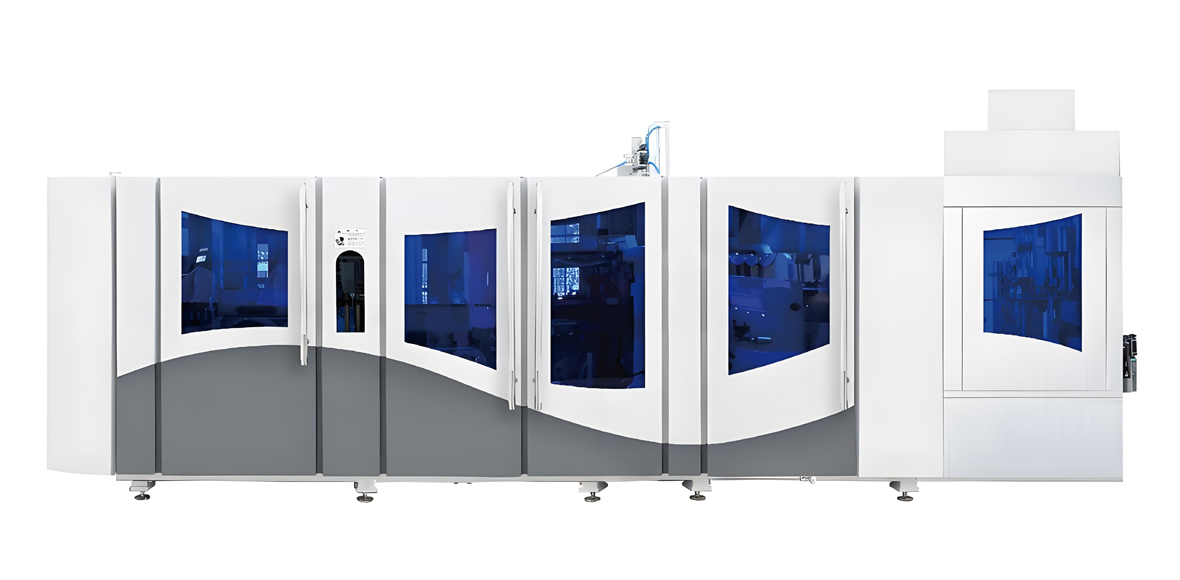
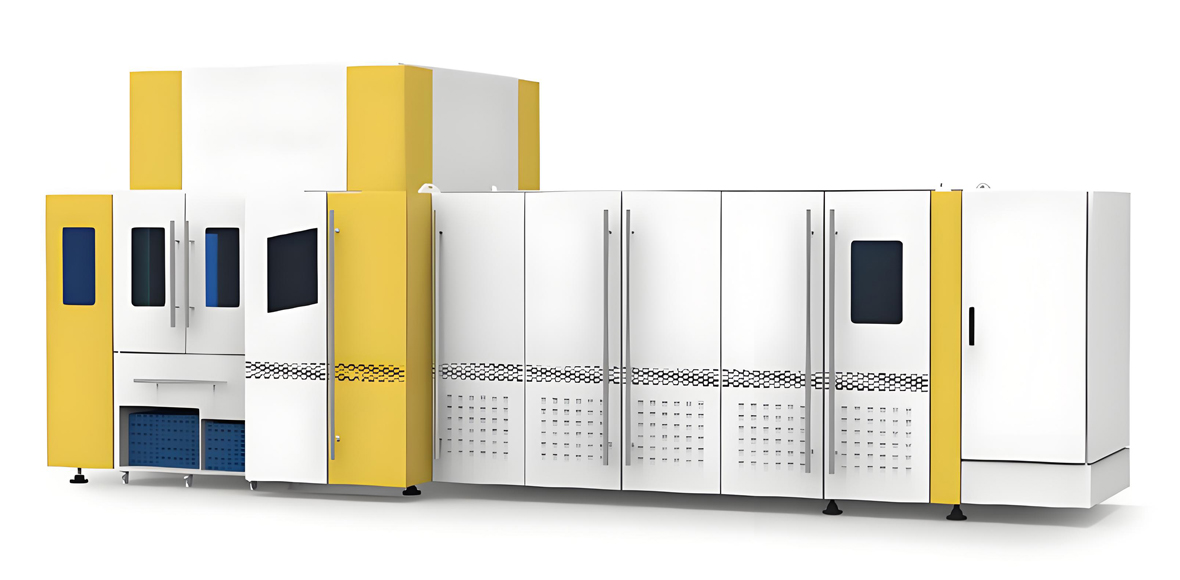
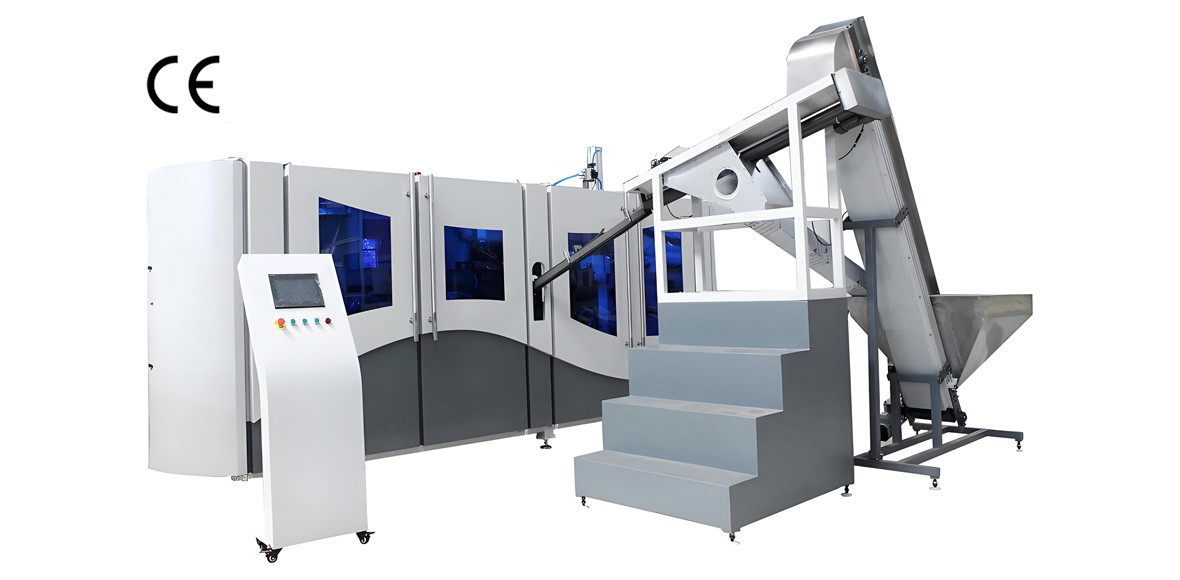
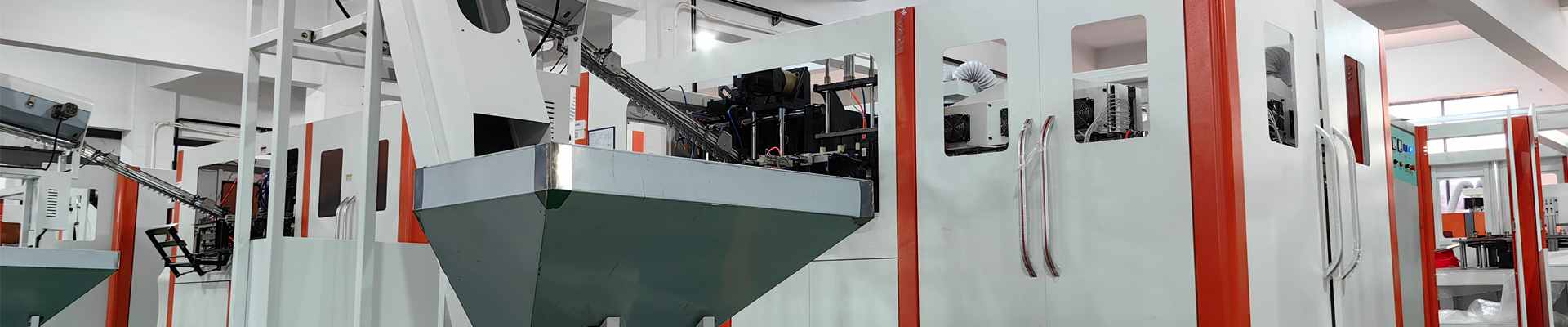
PET Bottle Blow Molding Machine serves as the core processing equipment for converting food-grade PET resin into finished beverage bottles. The final product safety, transparency, pressure resistance and shelf life of beverage bottles depend not only on precise blow molding equipment parameters but also on scientific and standardized food-grade PET blending formulas. Unreasonable formula proportioning, impure raw material selection or improper auxiliary material matching will lead to unqualified food safety indicators, bottle body haze, low pressure resistance, easy cracking and shortened product shelf life, causing batch product scrap and economic losses for beverage packaging enterprises.
Yuda professional PET Bottle Blow Molding Machine is fully optimized for food-grade PET formula molding characteristics, adapting to the melting, stretching and blowing requirements of pure PET and scientifically blended food-grade PET materials. The equipment’s precise temperature control, pressure stabilization molding and high-speed stretching technology can maximize the physical and safety performance of food-grade PET formulas. This article comprehensively elaborates the core components, standardized proportioning schemes, safety compliance standards, equipment matching parameters, production cost analysis and common formula defect optimization solutions of food-grade PET blending formulas for beverage bottle production, providing systematic technical guidance for standardized and safe beverage bottle blow molding production.
2. Core Differences Between Food-Grade PET and Industrial-Grade PET Materials
2.1 Raw Material Purity and Safety Indicators
Food-grade PET resin for beverage bottles adopts high-purity polymerization raw materials with strictly controlled impurity content, no heavy metal residues, no harmful monomer precipitation and no toxic additive components. It complies with international food contact material standards including FDA food safety regulations and EU food-grade plastic testing standards, as well as domestic food packaging material safety specifications. The residual ethylene glycol and terephthalic acid monomers in qualified food-grade PET are controlled below 0.4%, ensuring no chemical precipitation when contacting acidic, alkaline and neutral beverages such as mineral water, fruit juice, carbonated drinks and tea drinks.
Industrial-grade PET materials contain a certain proportion of recycled materials, impurity residues and non-food-grade auxiliary agents, with excessive harmful monomer content and unstable chemical properties. Long-term contact with liquid beverages will cause chemical precipitation, affecting food safety and failing beverage food safety testing. In addition, industrial-grade PET has poor high-temperature resistance, prone to decomposition and odor generation during blow molding high-temperature processing, which cannot meet beverage bottle production standards.
2.2 Physical Molding Performance Differences
Food-grade PET resin has uniform molecular weight distribution, stable melt fluidity and excellent stretching performance, suitable for high-precision blow molding of transparent beverage bottles. The finished bottles feature high light transmittance above 90%, uniform wall thickness, strong internal pressure resistance and good low-temperature and high-temperature adaptability, capable of adapting to beverage filling, sterilization, transportation and long-term storage environments. It maintains stable structural performance and transparent appearance without haze, deformation or cracking.
Industrial-grade PET has uneven molecular distribution, poor melt stability and large stretching differences. Blown products are prone to haze, crystal points, silver lines and uneven wall thickness, with low pressure resistance and poor impact resistance. Such products cannot meet the appearance quality and safety performance requirements of commercial beverage bottles and are only applicable to industrial non-food packaging fields.
2.3 Recycled Material Usage Restrictions
Food-grade beverage bottle PET formulas strictly restrict the use of recycled materials. For high-standard bottled water and pure beverage packaging, the formula must use 100% new food-grade PET raw materials without any recycled materials. For low-concentration beverage and ordinary drinking water packaging, a small proportion of food-grade certified clean recycled PET can be added, with a maximum proportion not exceeding 10%, and secondary recycled materials and industrial recycled materials are completely prohibited.
Industrial-grade PET formulas allow a large proportion of recycled material blending, even mixed use of industrial recycled materials, which greatly reduces production costs but completely fails food safety standards, making it unsuitable for any food and beverage packaging scenarios.
3. Core Components of Standard Food-Grade PET Blending Formula
3.1 Main Raw Material: Virgin Food-Grade PET Resin
The main component of the safe beverage bottle formula is virgin food-grade PET resin, accounting for 90%-100% of the total formula proportion, which determines the core safety and physical performance of beverage bottles. Conventional beverage bottle special PET resin has an intrinsic viscosity of 0.78-0.85 dl/g, with excellent stretching molding performance and transparent appearance. High-viscosity PET resin above 0.82 dl/g is suitable for large-capacity beverage bottles and carbonated beverage bottles requiring high pressure resistance, while medium-viscosity resin of 0.78-0.82 dl/g is applicable to ordinary mineral water and static beverage bottles.
Virgin food-grade PET resin undergoes strict polymerization purification and impurity removal treatment, with no toxic residue, good thermal stability and no decomposition precipitation during high-temperature blow molding processing. Matched with Yuda PET Bottle Blow Molding Machine’s precise temperature control system, it can complete uniform melting, stretching and blowing molding, producing fully transparent, odorless and safe food-grade beverage bottles.
3.2 Food-Grade Functional Auxiliaries
Food-grade auxiliary agents are added in a small proportion (0.1%-2%) to optimize formula molding performance and product quality, and all auxiliaries must have food safety certification. Common food-grade auxiliaries include food-grade anti-crystallization agents, transparent brighteners, high-temperature stabilizers and anti-aging agents. The anti-crystallization agent can effectively prevent PET melt crystallization and white fog defects during heating and stretching, improving bottle body transparency and surface smoothness.
The high-temperature stabilizer avoids local thermal decomposition of PET resin during long-term continuous blow molding production, preventing yellowing, odor generation and harmful substance precipitation. The food-grade anti-aging agent improves the UV resistance and storage stability of beverage bottles, avoiding bottle body embrittlement and transparency decline during long-term outdoor transportation and shelf placement. All auxiliaries are added in strict proportion to avoid excessive addition affecting food safety indicators.
3.3 Food-Grade Color Masterbatch (Optional)
For colored beverage bottles such as green tea bottles and amber juice bottles, food-grade environment-friendly color masterbatch can be added in a proportion of 0.3%-1%. Only food-grade masterbatch with FDA and food contact certification is allowed, eliminating heavy metal pigments and toxic dye components. The masterbatch features uniform dispersion, no precipitation and no color fading, ensuring stable bottle color and no food safety risks during beverage storage.
Transparent pure beverage bottle formulas do not need to add color masterbatch, adopting pure virgin PET resin molding to maximize product transparency and food safety.
3.4 Certified Food-Grade Recycled PET (Optional)
For cost-controlled medium and low-end beverage bottle production, food-grade clean recycled PET can be appropriately blended, with a maximum proportion not exceeding 10%. The recycled materials must be sorted, cleaned, purified and inspected strictly, with residual impurities and harmful monomers fully removed, and meet food contact safety standards. Mixed proportion exceeding the standard will lead to unstable product quality and unqualified safety indicators, which is prohibited in formal food beverage packaging production.
4. Classified Standard Blending Formulas for Different Beverage Bottle Types
4.1 Pure Water and Mineral Water Bottle Formula (Highest Safety Standard)
The pure water and mineral water bottle formula adopts 100% virgin food-grade medium-viscosity PET resin (0.78-0.82 dl/g), with 0.15% food-grade high-temperature stabilizer and 0.1% transparent brightener, no recycled materials and no color masterbatch. This formula has the highest safety level, zero harmful precipitation, ultra-high transparency and stable physical performance, fully meeting the long-term static storage requirements of pure water and mineral water.
Matched with Yuda full-automatic PET Bottle Blow Molding Machine, the formula can achieve ultra-stable melt fluidity, uniform stretching and wall thickness consistency. The finished bottle has high transparency, no crystal points, no silver lines, stable pressure resistance and no deformation during stacking and transportation, which is the mainstream standard formula for high-standard drinking water bottle production.
4.2 Carbonated Beverage Bottle Formula
Carbonated beverages contain carbon dioxide, requiring beverage bottles to have high internal pressure resistance and impact resistance. The dedicated formula adopts 100% virgin high-viscosity food-grade PET resin (0.82-0.85 dl/g), with 0.2% food-grade anti-crystallization agent and 0.15% high-temperature aging stabilizer. The high-viscosity resin improves the molecular tensile force of the bottle body, effectively resisting internal pressure expansion of carbonated drinks and avoiding bottle bulging and cracking.
This formula has strong melt stretching uniformity, adapting to the high-strength stretching and blowing process of carbonated beverage bottles. The finished product has uniform wall thickness, strong structural toughness and stable pressure resistance, capable of withstanding long-term internal pressure of carbonated beverages without deformation, fully meeting the production standards of cola, soda and other carbonated drink packaging bottles.
4.3 Fruit Juice and Tea Beverage Bottle Formula
Fruit juice and tea beverages are acidic and require high anti-aging and anti-oxidation performance of packaging bottles. The standard formula uses 95% virgin medium-viscosity PET resin + 5% food-grade certified recycled PET, with 0.2% food-grade anti-oxidation stabilizer and appropriate food-grade color masterbatch according to product appearance requirements. The formula balances safety performance and production cost, with excellent acid and corrosion resistance, avoiding chemical reaction between the bottle body and acidic beverages.
The formula has good thermal stability, adapting to the hot filling process of fruit juice and tea beverages. No decomposition and precipitation occur in high-temperature filling environments, ensuring beverage safety and long shelf life. Matched with Yuda PET blow molding equipment’s precise temperature zoning control, it effectively solves the problems of bottle body yellowing and deformation in hot filling production.
4.4 Large-Capacity Beverage Bottle Formula
For 1L-5L large-capacity beverage bottles and drinking water bottles, the formula adopts 100% high-viscosity virgin PET resin, with 0.25% anti-crystallization agent and 0.15% impact resistance modifier. The formula improves the overall structural strength and falling resistance of large bottles, solving the problems of easy deformation and cracking of large-capacity PET bottles during transportation and handling. The finished product has uniform load-bearing performance and stable dimensional accuracy, meeting the industrial packaging standards of large-capacity beverages.
5. Safety Compliance Standards for Food-Grade PET Blending Formulas
5.1 International Food Contact Safety Standards
All food-grade PET blending formulas for beverage bottles must pass international authoritative food safety certifications. The formula raw materials and finished products comply with FDA 21 CFR food contact material regulations, prohibiting any harmful substance precipitation in room temperature and high-temperature environments. Meanwhile, they meet EU LFGB food-grade testing standards, with strict limits on heavy metal content, volatile organic compounds and chemical precipitation indicators. Only formulas that pass standardized safety testing can be used for commercial beverage bottle production and market sales.
5.2 Domestic Food Packaging Safety Specifications
The formula must comply with national food safety standards for plastic packaging materials, ensuring that the PET resin and auxiliary materials meet food-grade contact requirements. The total migration amount of chemical substances, heavy metal precipitation and residual monomer content of the formula finished products are all controlled within the national standard limit range, avoiding food safety hazards caused by unqualified formula indicators. Regular formula sampling and testing are required in mass production to ensure long-term stable compliance of products.
5.3 Blow Molding Process Safety Matching Standards
Food-grade formula safety not only depends on raw material proportioning but also needs to match standardized blow molding process parameters. Excessively high processing temperature will cause local decomposition of PET formula and auxiliary agents, producing harmful substances and peculiar smells; excessively low temperature will lead to incomplete material plasticization, affecting product structural performance. Yuda PET Bottle Blow Molding Machine is equipped with multi-stage independent precise temperature control system, with temperature control accuracy up to ±1℃, which can accurately match the optimal molding temperature range of different food-grade formulas, ensuring formula safety and product stability throughout the production process.
6. Matching Process Parameters of Yuda PET Bottle Blow Molding Machine for Food-Grade Formulas
6.1 Formula Melting and Plasticization Temperature Parameters
Different food-grade PET blending formulas have corresponding optimal plasticization temperature ranges. For 100% virgin pure PET formula, the extrusion barrel zoning temperature is set at 245℃-260℃, the die head temperature is stabilized at 250℃-255℃, realizing full uniform plasticization of melt without thermal decomposition. For formulas containing a small proportion of recycled PET, the plasticization temperature is appropriately increased by 3℃-5℃ to ensure complete melting of mixed materials and uniform melt quality.
Yuda PET blow molding machine’s zoning temperature control system can independently adjust the temperature of each processing section, accurately adapting to the plasticization requirements of different food-grade formulas, avoiding formula aging, yellowing and precipitation risks caused by temperature deviation, and ensuring food safety and product appearance quality.
6.2 Stretching and Blowing Pressure Parameters
The stretching speed and blowing pressure of the equipment directly affect the molecular arrangement and structural stability of food-grade PET formulas. For transparent beverage bottle formulas, the primary blowing pressure is controlled at 0.7-0.8MPa, and the secondary blowing pressure is stabilized at 0.85-0.95MPa, matching the molecular stretching characteristics of food-grade PET, making the bottle wall molecular arrangement uniform and dense, improving bottle body transparency and pressure resistance.
The equipment’s servo stretching system adopts stepless speed regulation, adjusting stretching parameters according to formula viscosity and bottle type structure, effectively eliminating crystal points, silver lines and uneven wall thickness defects caused by unreasonable stretching, ensuring that food-grade formula advantages are fully reflected in finished products.
6.3 Cooling Shaping Parameters for Formula Stability
Food-grade PET formulas have strict cooling shaping requirements. Too fast cooling will cause internal residual stress of the bottle body, and too slow cooling will lead to bottle body deformation and transparency decline. Yuda PET blow molding machine’s constant-temperature circulating cooling system sets the mold cooling water temperature at 18℃-25℃, with graded cooling time adjusted according to formula proportion and bottle thickness, realizing stress-free stable shaping of food-grade formula products, ensuring long-term dimensional stability and safety of beverage bottles.
7. Production Cost and Project Price Analysis of Food-Grade PET Formula Production
7.1 Raw Material Cost of Different Food-Grade Formulas
The raw material cost of food-grade PET formulas varies significantly with proportioning schemes. The 100% virgin high-standard pure water bottle formula has the highest raw material cost, with a unit material cost of $1.85-$2.1 per kilogram, suitable for high-end beverage packaging production. The carbonated beverage high-viscosity pure PET formula costs $1.9-$2.15 per kilogram, with higher material cost due to high-purity high-viscosity resin.
The optimized formula with 5% food-grade recycled PET has a unit cost of $1.7-$1.9 per kilogram, reducing raw material cost by about 8%-12% on the premise of meeting food safety standards, which is the most cost-effective formula scheme for medium and ordinary beverage bottle mass production. The formula cost difference directly affects the overall profit margin of beverage bottle production projects, and enterprises can select matching formulas according to product positioning.
7.2 Equipment Matching Procurement Price Analysis
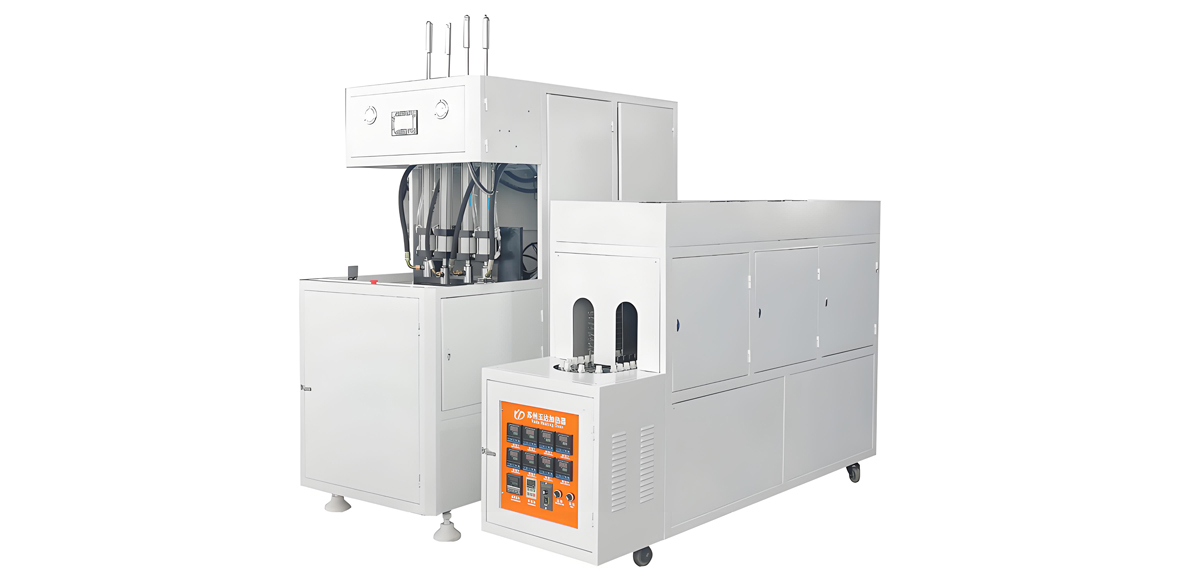
Stable production of food-grade PET formulas requires matched high-precision PET Bottle Blow Molding Machine. Yuda semi-automatic food-grade special blow molding equipment suitable for small-batch formula trial production and small-capacity beverage bottle production is priced from $32,000 to $40,000. The equipment has precise temperature control and stable blowing performance, fully meeting the safe molding requirements of all standard food-grade PET formulas, with low entry cost and suitable for start-up enterprises.
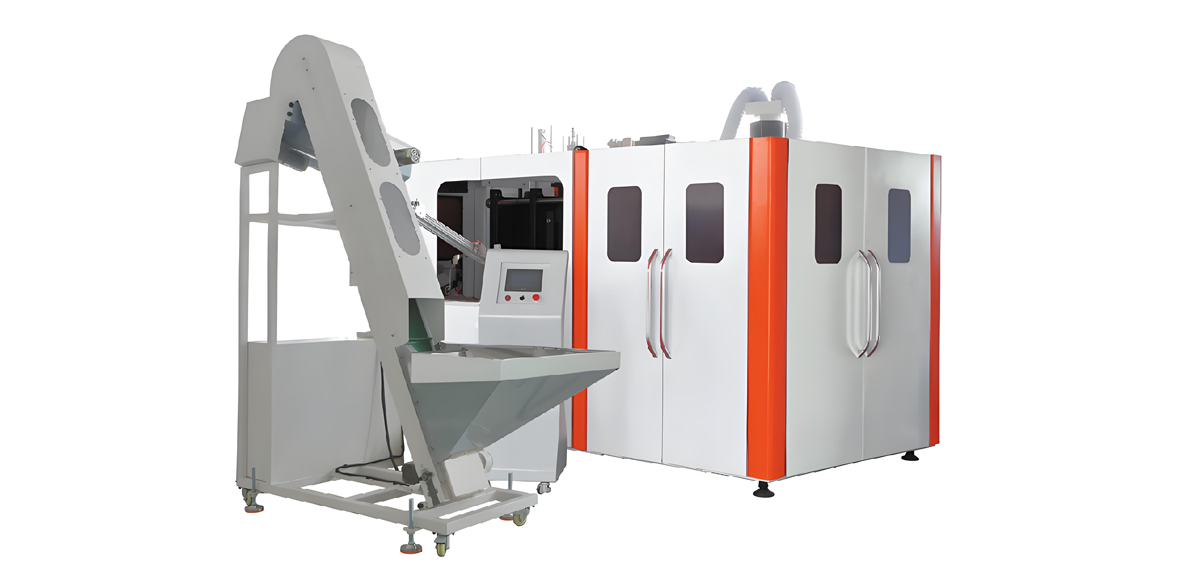
Yuda full-automatic high-precision PET blow molding production line for mass food-grade formula production is priced from $45,000 to $58,000. It supports continuous stable molding of various food-grade formulas, with high product qualification rate and stable batch safety indicators, suitable for medium and large beverage packaging enterprises’ standardized mass production. The high-end intelligent model with formula parameter self-optimization function is priced from $59,000 to $75,000, realizing intelligent matching of different formulas and automatic parameter adjustment.
7.3 Comprehensive Operating Cost Benefit Analysis
Adopting standardized food-grade PET formulas matched with Yuda professional blow molding equipment can effectively reduce comprehensive production costs. The precise equipment parameter control improves the formula raw material utilization rate by 10%-15%, reducing material waste caused by improper molding parameters. The stable molding performance reduces the defective rate of food-grade products to below 0.8%, far lower than the industry average defective rate of 3%-5% for non-standard formula and equipment matching.
In terms of long-term benefits, products produced by compliant food-grade formulas can pass all food safety certifications, meeting the procurement standards of formal beverage brands, with high product added value and stable market demand. The investment cost of professional equipment and standardized formula can be fully recovered within 1-1.5 years through cost saving and profit improvement, with outstanding long-term economic benefits.
7.4 Loss Risks of Non-Standard Formula Proportioning
Blindly adding excessive recycled materials, non-food-grade auxiliaries and uncertified masterbatch to reduce costs will lead to unqualified food safety indicators of products, facing the risk of product recall, market removal and safety supervision penalty. Non-standard formula matching will also increase product defects such as haze, deformation and cracking, resulting in a large number of defective products. Taking an annual output of 2 million beverage bottles as an example, non-standard formula production will cause direct economic losses of $20,000-$35,000 every year, plus invisible losses of brand reputation and customer resources.
8. Common Formula Molding Defects and Professional Optimization Solutions
8.1 Bottle Body Haze and Transparency Reduction
This defect manifests as unclear bottle body, foggy surface and reduced light transmittance, which is the most common problem in food-grade PET formula production. The main causes include excessive recycled material proportion, uneven auxiliary material dispersion, unreasonable plasticization temperature and melt crystallization during stretching. The optimization solutions are to strictly control the recycled material proportion within 10%, fully stir and mix formula raw materials before production, adjust the equipment’s zoning plasticization temperature to the optimal range of the matched formula, and appropriately increase the proportion of food-grade anti-crystallization agents to inhibit melt crystallization.
8.2 Bottle Body Odor and Trace Precipitation
Peculiar smell of finished beverage bottles and trace chemical precipitation after liquid filling are serious food safety hazards. The main inducements include unqualified auxiliary material safety certification, excessive addition of stabilizers, overheating and decomposition of formula melt, and unclean raw material storage. The solving measures are to uniformly adopt fully certified food-grade auxiliary materials, strictly control auxiliary addition proportion according to formula standards, calibrate the equipment temperature control system regularly to avoid local overheating, and standardize raw material drying and storage processes to prevent moisture and impurity pollution.
8.3 Uneven Wall Thickness and Insufficient Pressure Resistance
Unreasonable formula viscosity matching and mismatched equipment stretching parameters will lead to uneven bottle wall thickness and insufficient internal pressure resistance, causing bottle deformation and cracking during beverage storage and transportation. The optimization method is to select PET resin with matching viscosity according to bottle type requirements, fine-tune the equipment stretching speed and blowing pressure parameters, and ensure uniform melt stretching and stable mold fitting, improving the overall structural strength and pressure resistance of formula products.
8.4 Product Aging and Shortened Shelf Life
Finished beverage bottles are prone to embrittlement, color fading and performance attenuation after short-term placement, resulting in shortened beverage shelf life. The main reason is insufficient proportion of anti-aging and anti-oxidation auxiliaries in the formula, or unreasonable cooling shaping parameters leading to unstable molecular structure. The solution is to appropriately adjust the proportion of food-grade anti-aging auxiliaries, optimize the equipment cooling grading process, eliminate product internal stress, and improve the formula’s anti-aging and environmental adaptation performance.
9. Key Technical Points of Food-Grade PET Formula Production Management
9.1 Raw Material Screening and Proportioning Standardization
Establish a strict food-grade raw material incoming inspection system, check the food safety certification and performance indicators of each batch of PET resin, auxiliaries and masterbatch, and reject unqualified raw materials. Standardize the formula proportioning process, adopt automatic proportioning equipment for accurate weighing, and avoid manual proportioning errors that cause formula component imbalance and unqualified product performance. Before formal mass production, conduct small-batch trial mixing and trial blow molding to test product safety, transparency and structural performance, and confirm the formula meets production standards before putting it into continuous production.
9.2 Raw Material Drying and Preprocessing Specifications
Food-grade PET resin is prone to moisture absorption, and damp raw materials will produce bubbles, silver lines and internal cracks during high-temperature blow molding, which not only damage product appearance but also affect the overall structural strength and food safety of beverage bottles. Standard preprocessing procedures require drying PET raw materials at a constant temperature of 160℃-170℃ for 4-6 hours to control the raw material moisture content below 0.02%. For blended formulas containing recycled PET, extend the drying time appropriately to ensure thorough dehumidification and eliminate internal moisture impurities.
Yuda PET Bottle Blow Molding Machine supports matched raw material preprocessing parameter docking. The stable heating and plasticization system can fully adapt to dried high-purity PET raw materials, ensuring uniform melt quality and completely avoiding bubble defects caused by damp raw materials. Standardized drying and preprocessing are essential basic steps to stabilize food-grade formula molding quality.
9.3 Real-Time Production Parameter Monitoring
In the continuous mass production process of food-grade PET formulas, real-time monitoring of equipment operating parameters and product quality indicators is required. Monitor key parameters including extrusion temperature, stretching speed, blowing pressure and cooling temperature in real time, and lock optimal parameter values to avoid parameter drift leading to formula molding failure. Arrange special personnel to conduct regular sampling inspections of finished products, detect potential defects such as reduced transparency, uneven wall thickness and insufficient pressure resistance in advance, and adjust formula proportioning and equipment parameters in a timely manner.
For formulas with recycled materials added, strengthen sampling frequency of food safety indicators to ensure that chemical precipitation and harmful substance content always meet food-grade standards, avoiding batch quality and safety accidents.
9.4 Regular Equipment Maintenance and Calibration
The precision of PET blow molding equipment directly determines the stable molding of food-grade formulas. Daily equipment maintenance and regular precision calibration are key links to ensure long-term stable production of qualified products. Regularly clean the extrusion screw, die head and mold cavity to prevent residual material carbonization and impurity accumulation from polluting food-grade melt. Calibrate the temperature control system, pressure system and stretching system every month to ensure that equipment parameters are accurate and error-free, maintaining consistent molding conditions for food-grade formulas in each production cycle.
10. Industry Trends of Food-Grade PET Formula and Blow Molding Production
With the continuous upgrading of global food safety supervision standards and consumer demand for high-quality beverage packaging, the beverage bottle production industry is developing towards higher safety, higher transparency, low carbon and environmental protection. Traditional single pure PET formulas are gradually transitioning to optimized composite food-grade formulas with stronger stability and higher cost performance. Strict restrictions on non-standard recycled materials and inferior auxiliaries have become the industry norm, and standardized formula proportioning has become the basic threshold for beverage packaging enterprises to enter the market.
At the same time, the matching blow molding equipment is also developing towards intelligent precision control and energy-saving production. Modern PET Bottle Blow Molding Machine can realize intelligent formula identification and automatic parameter matching, which greatly reduces the technical threshold of food-grade formula production, improves the stability of batch product quality, and effectively reduces defective rate and production cost. Yuda always focuses on the technical integration of food-grade material formula optimization and blow molding equipment innovation, continuously upgrading equipment precision control systems to adapt to the iterative upgrading of food-grade PET formulas, helping enterprises achieve safe, efficient and low-cost beverage bottle production.
In the future, environmentally friendly and recyclable food-grade PET blended formulas will become the mainstream development direction. Under the premise of meeting food safety standards, rationally utilizing high-purity recycled PET materials to realize green circular production will help enterprises reduce raw material costs, meet environmental protection policy requirements, and enhance market core competitiveness.
11. Conclusion
Food-grade PET blending formula is the core foundation of safe, high-quality and standardized beverage bottle production. Different types of beverage bottles require targeted scientific proportioning of virgin resin, functional auxiliaries and recycled materials, which directly determines the food safety, appearance quality, structural strength and service life of finished packaging bottles. Distinguishing the performance differences between food-grade and industrial-grade PET materials, strictly implementing international and domestic food safety standards, and adopting classified matching formulas for different beverage products are the key to avoiding quality defects and safety hazards in production.
The excellent performance of Yuda PET Bottle Blow Molding Machine in precise temperature control, stable pressure blowing and uniform stretching provides reliable equipment support for the stable molding of various food-grade PET formulas. The perfect matching of standardized formulas and professional blow molding equipment can effectively reduce production defective rate, optimize raw material utilization, control comprehensive production costs, and produce high-quality food-safe beverage bottles that meet market certification standards.
For beverage packaging production enterprises, standardized food-grade PET formula management and matched high-precision blow molding equipment configuration are important ways to improve product qualification rate, ensure production safety, reduce operating costs and enhance market competitiveness. Adhering to scientific formula proportioning and standardized production processes can help enterprises maintain long-term stable operation in the increasingly stringent food safety supervision environment and high-quality market competition.