1. Introduction to PET Sauce Bottle Blow Molding Production Workshop Planning
PET sauce bottle blow molding production is a specialized packaging manufacturing process dedicated to producing food-grade PET hollow containers for tomato sauce, chili sauce, soybean sauce, jam and various condiment packaging. Unlike conventional beverage PET bottles, sauce bottles feature thickened bottle walls, high structural rigidity, special mouth diameter specifications and strict food safety molding standards, which put forward unique requirements for production equipment layout, workshop space, environmental control and operational spacing. Reasonable workshop size planning is the primary premise for stable production, standardized operation and qualified product quality of PET sauce bottle blow molding lines.
Many small and medium-sized packaging processing enterprises face common problems such as blind workshop construction, excessive space waste or insufficient spacing leading to equipment operation obstacles, low production efficiency and hidden safety hazards when investing in PET sauce bottle production projects. Excessively large workshop space will increase construction cost, rent cost and daily maintenance loss, while undersized workshops will cause crowded equipment layout, unsmooth material handling, failed safety spacing standards and unqualified product molding environments, seriously restricting long-term project operation benefits.
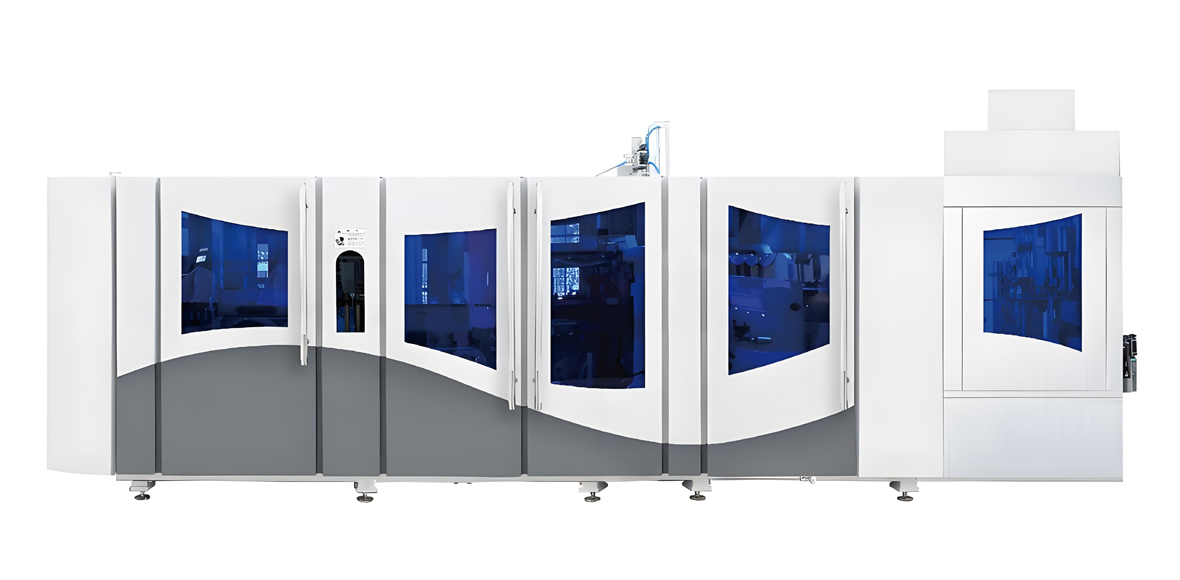
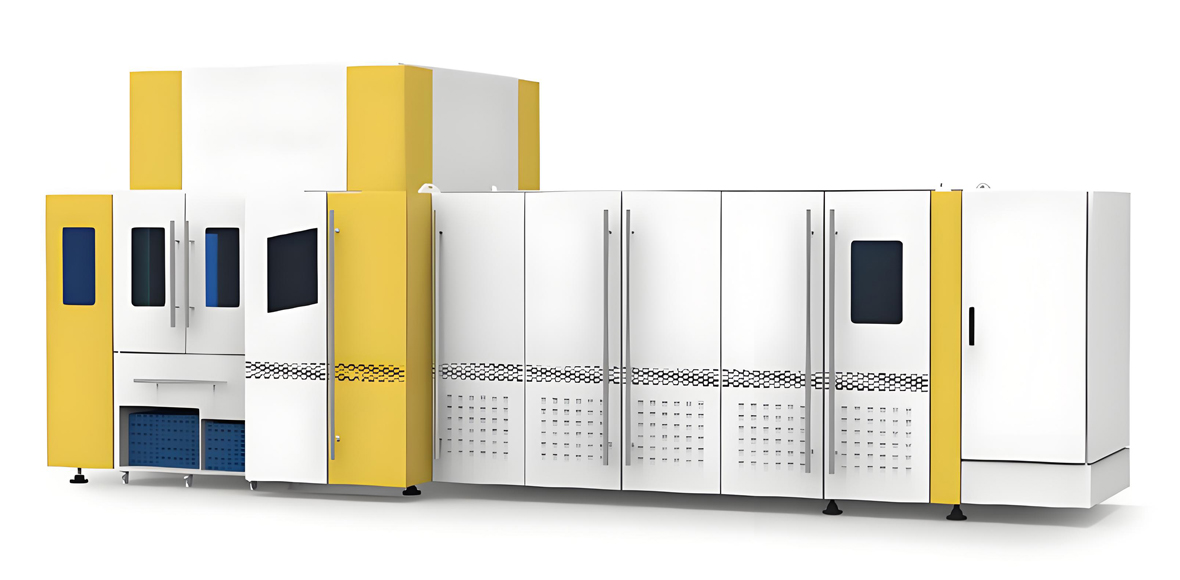
Yuda PET bottle blow molding machine, as professional food-grade PET blow molding equipment optimized for sauce bottle production, features compact structural design, integrated functional modules and flexible layout adaptability, which greatly reduces the minimum space demand of sauce bottle production lines. This article comprehensively analyzes the minimum workshop size standards for different automation configurations of PET sauce bottle blow molding production, elaborates equipment layout parameters, functional zone division, safety spacing specifications, supporting space requirements and project cost differences caused by workshop size, providing accurate and practical space planning guidelines for new, renovated and expanded PET sauce bottle production projects.
2. Core Factors Determining Minimum Workshop Size for PET Sauce Bottle Production
2.1 Equipment Structure and Operational Spacing Requirements
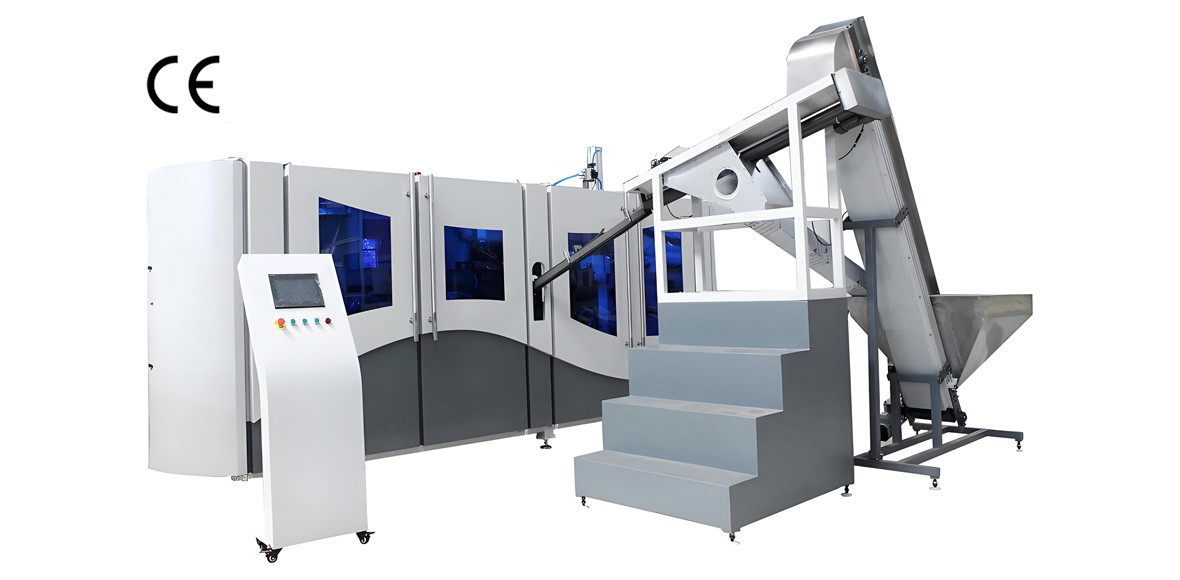
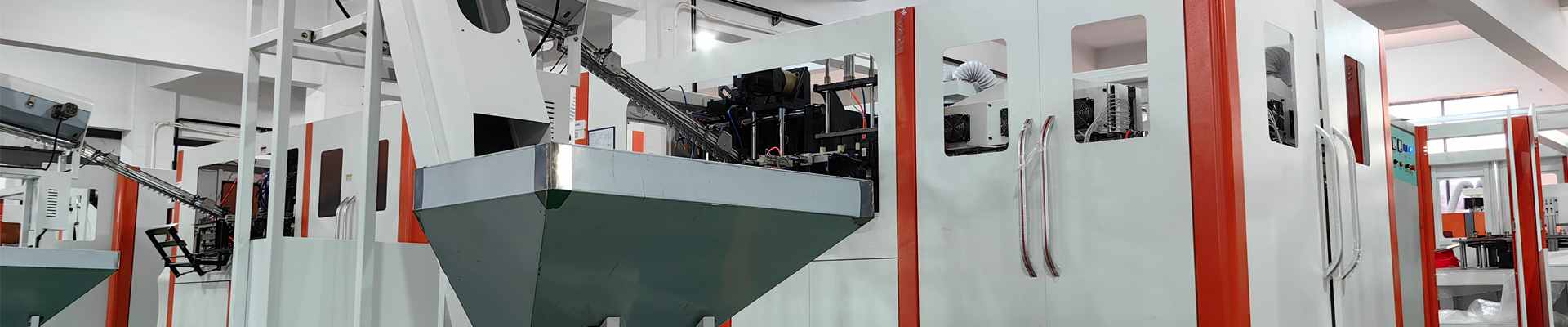
The overall dimension and operational stroke of PET blow molding equipment are the core factors determining the minimum workshop area. Different from water and beverage thin-walled PET bottle production lines, sauce bottle blow molding equipment needs to match thick-wall bottle molding, high-pressure blowing and stable cooling shaping functions, with slightly larger equipment body size and mold opening stroke. Yuda professional PET sauce bottle blow molding machine adopts optimized compact fuselage design, integrating heating oven, blowing platform, hydraulic system and control system, avoiding the scattered layout and large space occupation of traditional split equipment.
In actual production, the equipment cannot be placed closely against the wall or without reserved spacing. It is necessary to reserve fixed operational spacing for mold replacement, equipment maintenance, daily debugging and fault inspection. Meanwhile, the bottle embryo feeding and finished product discharging directions require smooth passage space. The minimum single equipment operation spacing includes front and rear operational maintenance space and left and right material handling space, which directly determines the basic length and width of the workshop.
2.2 Production Line Automation Configuration Differences
The minimum workshop size varies significantly according to different automation levels of PET sauce bottle production lines, including semi-automatic production configuration, standard full-automatic single-line configuration and multi-line parallel mass production configuration. Semi-automatic production lines require manual embryo placing and finished product picking, needing reserved manual operation channels and station space; full-automatic lines adopt automatic embryo feeding, automatic blowing and automatic discharging, saving manual operation space but needing reserved space for supporting conveying equipment.
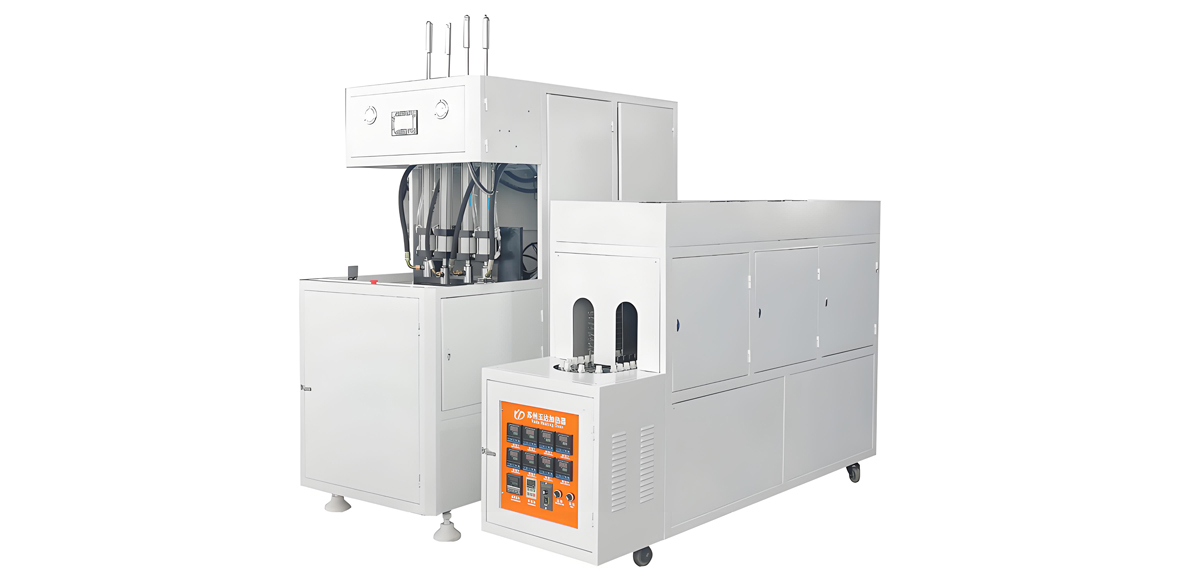
Yuda’s semi-automatic PET sauce bottle blow molding machine is suitable for small-batch and flexible production, with compact equipment layout and low space demand. The full-automatic intelligent production line realizes unmanned continuous production, with orderly supporting equipment layout and standardized space occupation. Enterprises can select matching workshop size standards according to their daily output demands and automation investment budgets.
2.3 Functional Supporting Zone Space Demand
A complete PET sauce bottle blow molding production workshop is not only equipped with main molding equipment area, but also needs to divide independent functional areas including raw material storage area, bottle embryo temporary storage area, finished product inspection and storage area, equipment maintenance area and passage area. As food-grade packaging container production, the workshop also needs reserved space for simple dust-proof and constant-temperature auxiliary facilities to ensure food production safety standards.
The raw material area is used for stacking PET raw material particles and color masterbatch, needing dry and independent small space; the bottle embryo temporary storage area is specially placed for pre-injected PET sauce bottle embryos, avoiding mixed placement with finished products; the finished product area is used for temporary storage and manual inspection of blown qualified sauce bottles. All functional areas need standardized minimum spacing division, which is an indispensable part of the minimum workshop size calculation.
2.4 Safety Production and Environmental Compliance Standards
PET blow molding production belongs to thermoplastic processing production, involving electrical equipment operation, high-temperature heating and hydraulic transmission systems, which must comply with industrial workshop safety production specifications. The workshop needs to reserve fire passage spacing, equipment heat dissipation space and electrical safety isolation space. Too narrow space will cause poor equipment heat dissipation, increased equipment failure rate and hidden fire hazards.
In addition, food-grade sauce bottle packaging production has environmental requirements for workshop cleanliness and ventilation. The minimum workshop size must meet the ventilation and dust removal layout space, ensuring that the production environment meets food packaging product production standards and avoids product contamination affecting food safety certification.
3. Exact Minimum Workshop Size Standards for Different Yuda PET Blow Molding Configurations
3.1 Minimum Size for Semi-Automatic PET Sauce Bottle Blow Molding Workshop
The semi-automatic production configuration is the most cost-effective choice for start-up enterprises and small-batch sauce bottle processing projects, suitable for daily output of 3,000 to 8,000 pieces of conventional specification sauce bottles (100ml to 1000ml). Equipped with Yuda semi-automatic PET sauce bottle special blow molding machine, the whole production line only includes main blow molding machine, small heating oven and manual operation stations, with fewer supporting equipment and compact layout.
After standardized layout optimization, the minimum effective workshop size for semi-automatic production is length 18 meters × width 10 meters, with a total floor area of 180 square meters. This minimum size covers all functional spaces required for normal production, including equipment main body placement area, front and rear maintenance spacing of 1.2 meters, left and right material handling passage of 1 meter, small raw material storage area, bottle embryo temporary storage area and finished product temporary storage area. The workshop floor height is required to be at least 3.2 meters, meeting the height demand of equipment heating oven and pipeline layout.
This minimum size completely abandons invalid space waste, fully adapts to the flexible production characteristics of semi-automatic equipment, and can realize orderly operation of all production links including feeding, heating, blowing, shaping and sorting. It is the smallest compliant workshop size that can meet formal food-grade sauce bottle production and safety standards.
3.2 Minimum Size for Standard Full-Automatic Single Production Line Workshop
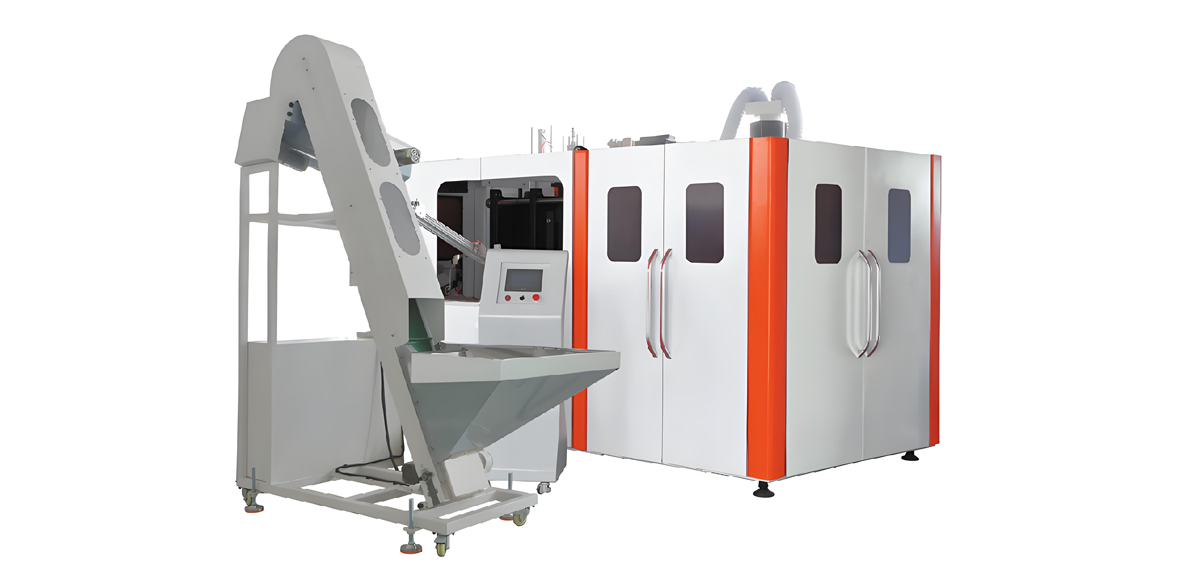
The standard full-automatic single line configuration is suitable for medium-sized processing enterprises with daily output of 8,000 to 25,000 PET sauce bottles, adopting Yuda full-automatic PET sauce bottle blow molding machine with integrated automatic embryo feeding, constant-temperature uniform heating, high-precision blowing and automatic discharging functions. The equipment operates continuously without manual intervention in the production process, with stable output and uniform product quality, and the supporting facilities are more complete than semi-automatic lines.
The minimum workshop size matched with the full-automatic single production line is length 25 meters × width 12 meters, with a total area of 300 square meters, and the minimum floor height is 3.5 meters. On the basis of main equipment placement, it is necessary to reserve 1.5 meters of maintenance spacing around the equipment to adapt to automatic equipment program debugging and mold replacement operations. The workshop needs to set up independent automatic conveying passage space, standardized raw material storage zone, finished product inspection zone and equipment electrical control isolation zone.
The 300-square-meter minimum space can fully meet the continuous and stable operation of the full-automatic production line, ensure unobstructed material circulation and equipment heat dissipation, meet food safety production environmental standards and industrial safety specifications, and avoid production efficiency reduction and quality fluctuation caused by insufficient space.
3.3 Minimum Size for Multi-Line Parallel Mass Production Workshop
For large-scale packaging enterprises with daily output exceeding 25,000 sauce bottles, multiple Yuda full-automatic PET blow molding production lines need to be arranged in parallel for mass production. The minimum workshop size for double-line parallel production is length 35 meters × width 18 meters, with a total area of 630 square meters, and the floor height is required to be more than 3.8 meters. This space ensures independent operation spacing and public passage spacing between the two production lines, avoiding mutual interference during equipment operation.
The multi-line workshop needs to divide centralized raw material storage warehouse, finished product finished inspection and stacking warehouse, special equipment maintenance room and centralized electrical control room. The reserved public fire passage and logistics passage meet large-scale continuous production and safety inspection standards, which is the minimum compliant space for standardized large-scale PET sauce bottle production projects.
4. Standard Functional Zone Layout of Minimum-Size PET Sauce Bottle Workshop
4.1 Main Equipment Production Zone
The main equipment production zone is the core area of the workshop, accounting for 45%-50% of the total minimum workshop area. According to the equipment operation direction, the Yuda PET blow molding machine is placed in a single row along the length direction of the workshop, with the heating oven and embryo feeding end on one side and the finished product discharging end on the other side. The front, rear, left and right sides of the equipment strictly reserve the minimum maintenance and operation spacing to ensure that the staff can complete daily debugging, mold cleaning and fault maintenance without dead angles.
For sauce bottle production, the main equipment zone needs to maintain a stable indoor temperature of 22℃-28℃ and good ventilation, avoiding dust accumulation on the bottle surface affecting food-grade appearance standards. The minimum space layout ensures uniform heat dissipation of equipment, effectively reducing the failure rate of heating and blowing systems.
4.2 Raw Material and Bottle Embryo Storage Zone
The raw material storage zone is independently set on the side of the workshop away from the equipment heat source, occupying 15% of the total workshop area, specially used for stacking PET raw material particles, food-grade auxiliary materials and color masterbatch. The minimum reserved space can meet the storage demand of raw materials for 7-10 days of continuous production, avoiding frequent external material handling affecting production efficiency.
The bottle embryo temporary storage zone is adjacent to the equipment embryo feeding end, which is convenient for rapid feeding operation. The independent storage space avoids direct contact between bottle embryos and external dust, ensuring the cleanliness of sauce bottle raw materials and meeting food packaging safety production requirements. The minimum space layout realizes the shortest material handling distance and improves production efficiency on the premise of meeting storage specifications.
4.3 Finished Product Inspection and Temporary Storage Zone
The finished product zone is set at the discharging end of the blow molding equipment, occupying 20% of the total workshop area, used for temporary placement, manual appearance inspection, dimensional detection and simple sorting of finished PET sauce bottles. The minimum reserved space can meet the temporary storage demand of finished products produced in 4 hours of continuous production, ensuring continuous operation of the production line without shutdown waiting for handling.
This zone keeps a safe distance from the high-temperature heating zone of the equipment to avoid finished product deformation caused by high-temperature baking. The flat and independent space ensures that the finished sauce bottles are not squeezed or contaminated, maintaining product appearance and structural integrity.
4.4 Passage and Safety Buffer Zone
The passage and safety buffer zone accounts for 15% of the total minimum workshop area, including production operation passage, logistics handling passage and fire safety passage. The minimum passage width is 1 meter for operation passage and 1.2 meters for logistics passage, meeting the walking of operators and the handling of raw materials and finished products.
The safety buffer zone is reserved around the equipment and at the corner of the workshop, meeting national industrial workshop fire safety specifications, ensuring unobstructed fire passage, and effectively avoiding safety accidents caused by crowded space and blocked passages.
5. Workshop Size Matching Principle for Yuda PET Sauce Bottle Blow Molding Machine
5.1 Compact Equipment Adaptability Reducing Space Demand
Different from traditional bulky PET blow molding equipment, Yuda professional PET sauce bottle blow molding machine adopts optimized integrated compact structural design. The heating oven and blowing platform are reasonably separated, which not only shortens the mold opening cycle and improves production efficiency, but also reduces the overall floor space of the equipment. The simplified fuselage structure and modular functional design make the equipment more adaptable to small and medium-sized minimum workshops, realizing high-efficiency production in limited space.
The equipment is equipped with a precise PLC intelligent control system, with concise and centralized operating components, no redundant auxiliary equipment, effectively saving workshop layout space. For users with limited plant area, Yuda equipment can maximize production capacity output under the minimum compliant workshop size, with extremely high space utilization rate.
5.2 Output and Space Dynamic Matching Standard
There is a clear dynamic matching relationship between workshop size and production output. The 180-square-meter minimum semi-automatic workshop is suitable for daily output below 8,000 sauce bottles, with space utilization rate up to 92% and no invalid space waste. The 300-square-meter full-automatic single-line workshop matches daily output of 8,000-25,000 pieces, with stable space load and no production congestion.
Blindly reducing the workshop size below the minimum standard will lead to a sharp drop in space utilization rate, equipment operation congestion, reduced production efficiency and increased defective rate. Properly matching the minimum workshop size according to output demand is the key to balance project investment cost and production benefit.
5.3 Expansion Reserve Space Reasonable Layout
The minimum workshop size defined in this article is the compliant bottom-line space for normal production. In the actual project construction, on the premise of meeting the minimum standard, a 10%-15% expansion reserve space can be appropriately reserved according to the later capacity expansion plan, avoiding secondary renovation and reconstruction cost caused by insufficient space after capacity upgrading. Yuda equipment has good expandability, and the reserved small space can meet the later mold upgrading and partial automation transformation demands.
6. Project Cost and Price Analysis of Minimum Workshop Production Scheme
6.1 Workshop Construction and Rental Cost Analysis
The minimum workshop size directly determines the initial investment and daily operating cost of the project. For the 180㎡ semi-automatic minimum workshop, the annual plant rental cost is controlled between $3,500 and $5,000 according to different regional industrial plant prices; the simple decoration and environmental transformation cost required for food-grade production is about $4,000-$5,500, with low initial site investment.
The 300㎡ full-automatic minimum single-line workshop has an annual rental cost of $6,000-$8,500, and the standardized food-grade workshop transformation cost is $7,000-$9,000. Compared with oversized workshop layout, the minimum compliant space scheme saves more than 30% of site investment cost, effectively reducing the fixed asset investment pressure of start-up and small and medium-sized enterprises.
6.2 Yuda Equipment Procurement Price Matching Minimum Workshop
The semi-automatic PET sauce bottle blow molding machine matched with 180㎡ minimum workshop is priced from $28,000 to $36,000. The equipment is complete with basic heating, blowing and control functions, fully meeting the small-batch production demand of sauce bottles, with low equipment entry threshold and high cost performance.
The standard full-automatic PET sauce bottle blow molding machine suitable for 300㎡ minimum workshop is priced from $42,000 to $55,000. It is equipped with automatic feeding, constant-temperature uniform heating, high-precision wall thickness control and automatic discharging systems, with stable batch production quality and high production efficiency, suitable for medium-scale standardized production projects.
The multi-line parallel equipment configuration matched with 630㎡ workshop is priced from $90,000 to $120,000, suitable for large-scale mass production and long-term brand order supporting projects.
6.3 Daily Operating Cost Optimization of Minimum Workshop
The minimum standardized workshop layout can effectively reduce daily operating costs. The compact and reasonable space reduces the workshop ventilation, temperature control and daily cleaning energy consumption, saving 12%-18% of daily energy consumption cost compared with scattered large workshops. The centralized functional zone layout shortens the material handling path, reduces labor intensity and saves manual handling costs.
The standardized safety spacing reduces equipment failure rate and safety hazard risks, lowering equipment maintenance costs and safety accident loss. The comprehensive operating cost of the minimum compliant workshop scheme is 15% lower than that of non-standard oversized workshops, with more prominent long-term economic benefits.
6.4 Loss Risk of Below-Standard Undersized Workshop
If the workshop size is lower than the minimum standard, although the initial site cost is saved, it will bring huge hidden loss risks. The crowded equipment layout leads to poor equipment heat dissipation, increasing the equipment failure rate by 20%-30% and shortening the service life of blow molding equipment and electrical components. The insufficient operation spacing leads to inconvenient mold replacement and equipment maintenance, reducing production efficiency by more than 15%.
In addition, the non-compliant safety spacing and unstandardized functional division will lead to failure in safety and environmental protection acceptance, resulting in production shutdown rectification and order delay losses. The narrow space is prone to product dust pollution and extrusion deformation, increasing the product defective rate by 5%-8% and causing serious raw material waste and economic losses.
7. Key Workshop Construction and Layout Specifications for PET Sauce Bottle Production
7.1 Workshop Basic Structural Specifications
On the basis of meeting the minimum size standard, the PET sauce bottle blow molding workshop needs to meet basic structural specifications. The workshop floor must be flat, wear-resistant and dust-proof, adopting industrial anti-skid floor treatment to avoid slipping and dust generation. The wall surface is smooth and easy to clean, meeting food packaging production cleaning standards.
The workshop floor height strictly meets the minimum height requirements of different production configurations to avoid the problem of equipment heating oven and pipeline installation being restricted by height. The workshop is equipped with independent ventilation and dust removal facilities to ensure clean production environment and stable product quality.
7.2 Environmental Control Standards for Food-Grade Production
As food condiment packaging container production, the workshop environment must meet food safety production standards. On the premise of minimum space, keep the production area dry, clean and dust-free, avoid humid environment leading to PET raw material moisture absorption and product bubble defects. The temperature and humidity of the workshop are kept stable to ensure consistent molding environment of sauce bottles and stable batch product quality.
The raw material and finished product zones are strictly separated to avoid cross-contamination, and the workshop is regularly cleaned and disinfected to meet the food packaging product production access standards.
7.3 Equipment Installation and Commissioning Space Specifications
When installing Yuda PET blow molding equipment in the minimum workshop, strictly follow the equipment installation spacing specifications. Reserve standard spacing for the equipment power distribution cabinet, hydraulic system and heating system to ensure safe power utilization and stable equipment operation. The equipment level is calibrated during installation to avoid equipment vibration affecting product dimensional accuracy during operation.
Reserve independent debugging space for later equipment program upgrading and mold testing, ensuring that the equipment can complete parameter debugging and product trial production in the original workshop without additional space expansion.
8. Common Workshop Layout Mistakes and Optimization Solutions
8.1 Excessively Compressed Equipment Maintenance Spacing
Many enterprises blindly compress the spacing around the equipment to save workshop area, resulting in insufficient maintenance space. The equipment cannot be thoroughly cleaned and maintained, and mold replacement and fault troubleshooting are difficult, leading to increased equipment failure rate and reduced production efficiency. The optimization solution is to strictly implement the minimum maintenance spacing standard of 1.2-1.5 meters around the equipment, prioritize ensuring equipment operation and maintenance space on the basis of meeting the total minimum workshop area, and avoid squeezing core functional space.
8.2 Confused Functional Zone Division
The mixed layout of raw material zone, production zone and finished product zone in small workshops leads to disorderly on-site management, easy cross-contamination of products and raw materials, and unqualified food production environment. The optimization method is to carry out fixed partition layout according to the minimum functional area proportion, mark each functional zone clearly, standardize material placement rules, and realize standardized and orderly workshop management.
8.3 Ignoring Ventilation and Heat Dissipation Space
Some minimum workshops only pay attention to equipment placement space and ignore ventilation and heat dissipation reserved space, resulting in high workshop temperature, poor equipment heat dissipation, easy aging of electrical components and unstable product molding temperature. The solution is to set up fixed ventilation and heat dissipation positions in the workshop layout, reserve special heat dissipation space for the equipment heating system, and ensure long-term stable operation of the production line.
9. Industry Workshop Development Trend for PET Sauce Bottle Blow Molding
With the continuous upgrading of food packaging safety standards and the increasing market competition of small and medium-sized packaging enterprises, refined and standardized small-space production workshops have become the industry development trend. Traditional extensive large-space workshops have high operating costs and low space utilization rate, which are no longer suitable for the flexible and low-cost production needs of modern sauce bottle packaging.
The minimum standardized workshop layout matched with high-efficiency compact PET blow molding equipment has become the preferred scheme for new projects. Through scientific space division, precise equipment matching and standardized environmental management, it realizes low investment, low consumption and high-efficiency production, helping processing enterprises reduce fixed costs and improve market competitiveness.
As a professional supplier of PET blow molding equipment, Yuda continues to optimize the compact structure and space adaptability of sauce bottle special blow molding machines, matching the minimum workshop production demand of small and medium-sized enterprises, and providing one-stop space planning, equipment matching and production scheme guidance for global food packaging production enterprises.
10. Conclusion
Scientific minimum workshop size planning is the foundation of stable operation, standardized production and cost control for PET sauce bottle blow molding projects. Different automation configurations of Yuda PET sauce bottle blow molding machines correspond to clear and compliant minimum workshop area standards, covering semi-automatic small-batch production, full-automatic single-line mass production and multi-line large-scale production scenarios. The reasonable space layout not only meets food safety production, industrial safety and environmental protection standards, but also maximizes space utilization rate and avoids invalid project investment waste.
Enterprises investing in PET sauce bottle production projects must select matching workshop size and equipment configuration according to their own output scale and budget, avoid blindly pursuing large space or excessively complying with space standards. The minimum compliant workshop scheme matched with Yuda professional blow molding equipment can effectively reduce initial investment and daily operating costs, ensure stable product quality and efficient production operation, and create stable and long-term economic benefits for food packaging processing enterprises.