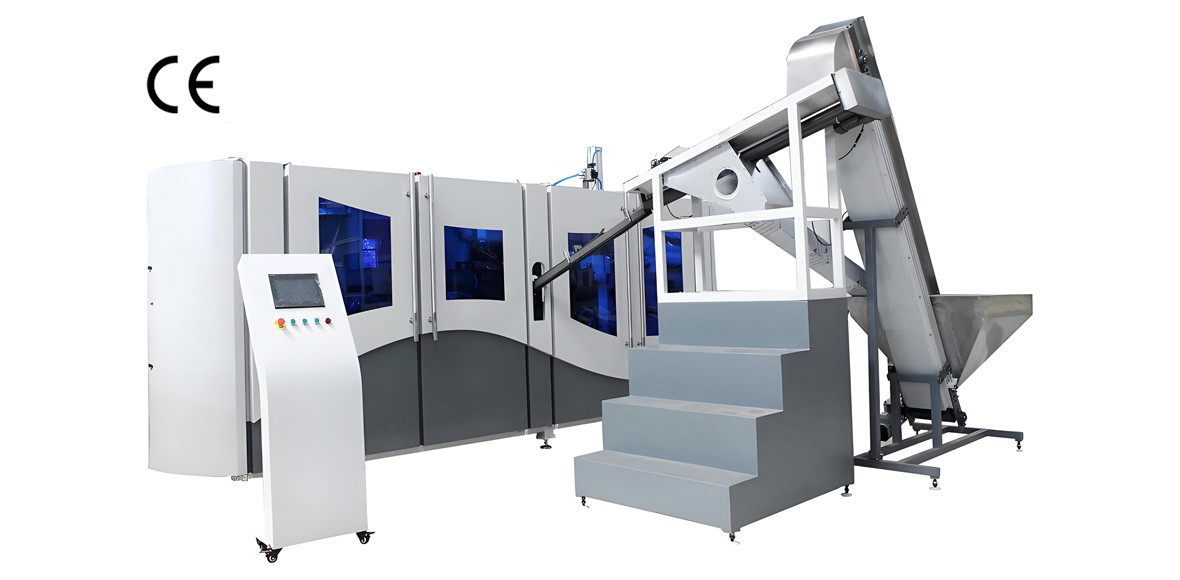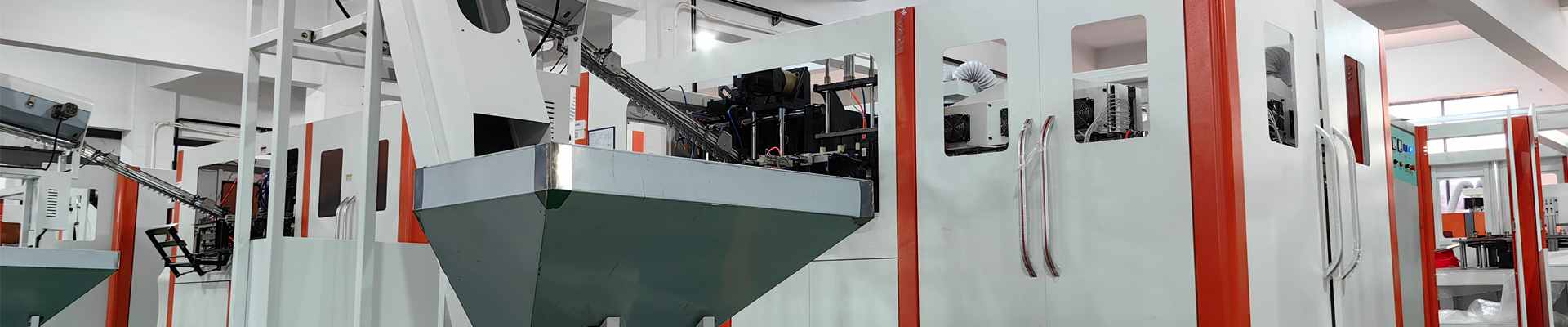
Planning the investment budget for a new PET bottle blowing factory in 2026 is less about finding a single number and more about building a defensible structure. YuDa, a Wanplas factory, has spent more than 20 years building PET bottle blow molding machines, exporting to 60 plus countries, and holding 20 plus patents as one of the top two PET blow molding manufacturers in China. This article gives plant owners, project engineers, and investors a complete planning framework that avoids the trap of quoting absolute currency amounts. Instead, we express every cost with a relative index system, a percentage cost structure, and physical operating metrics such as BPH, gram weight per bottle, and kWh per 1000 bottles. The result is a budget you can defend in any market and adapt to any local cost environment.
The core idea is simple. We set a 4000 BPH semi-automatic reference line equal to 100 index points. Every other configuration is then a multiple or a band of points. A fully automatic line costs 2.8 to 4.2 times a semi-automatic line of comparable output. The investment envelope is split into eight percentage shares. Payback is expressed in months at a stated capacity utilization. This method lets you plan a plant in Nigeria, Brazil, Vietnam, or Eastern Europe with the same logic while local prices, labor rates, and utility tariffs fill in the final conversion.
Why a 2026 Budget Needs an Index Method, Not a Price Tag
A budget built on a single currency figure ages badly and travels badly. Resin prices move with feedstock cycles, labor costs differ by region, and equipment quotes shift with exchange rates and freight. The discipline that protects a 2026 plan is to separate the engineering structure from the local price conversion. You decide the right configuration first, then convert the index band into local cost only at the procurement stage.
This article uses four linked tools. The first is the investment index, where the 4000 BPH semi-automatic baseline is 100 points and a 12000 BPH fully automatic line typically indexes at 320 to 420 points. The second is the percentage cost structure, which splits the envelope into eight shares from the blow molding main machine down to working capital. The third is the multiple relationship, where automatic lines run 2.8 to 4.2 times the semi-automatic equivalent. The fourth is the payback band, measured in months at a stated capacity utilization such as 70 percent.
Rule of thumb for this guide: a 4000 BPH semi-automatic line equals 100 index points; a 12000 BPH fully automatic line indexes at 320 to 420 points; a fully automatic line costs 2.8 to 4.2 times a semi-automatic line of comparable output; realistic payback lands in a 14 to 26 month band at 70 percent capacity utilization.
YuDa, as a Wanplas factory, applies this same index logic when helping customers scope a project. The exact local conversion is handled during quotation, but the engineering structure, the machine selection, and the risk checklist stay constant across every market. That consistency is what lets a first-time buyer avoid the most expensive mistake in this industry: buying the wrong tier of machine for the wrong bottle mix.
Lock the Three Planning Variables Before Any Spending
Every PET bottle blowing budget rests on three variables that lock together. Miss one and the whole plan drifts. The first variable is the target bottle type and its gram weight. The second is the target capacity in BPH. The third is the automation level: semi-automatic, fully automatic linear, or fully automatic rotary. These three choices determine the mold cavities, the oven power, the high pressure air volume, the building footprint, and the staffing plan.
The bottle type drives gram weight, which drives resin consumption and energy per bottle. A 500 ml water bottle in the 9.5 to 12.5 g range behaves nothing like a 5 L container at 95 to 110 g, and a carbonated PCO 1881 bottle at 18 to 22 g needs different preform design and higher burst resistance than a still water bottle. The capacity target sets how many cavities you need. The automation level sets how much labor and how much consistency you buy.
| Target Bottle Type | Typical Gram Weight | Recommended BPH Band | Automation Fit | Budget Tier |
|---|---|---|---|---|
| 500 ml still water | 9.5 to 12.5 g | 2000 to 12000 BPH | Semi to fully automatic | Low to High |
| 1.5 L still water | 32 to 38 g | 1500 to 9000 BPH | Semi to fully automatic | Low to High |
| 5 L jar or bucket | 95 to 110 g | 800 to 3000 BPH | Semi to linear automatic | Low to Medium |
| Carbonated PCO 1881 | 18 to 22 g | 3000 to 14000 BPH | Fully automatic preferred | Medium to Premium |
| Edible oil bottle | 25 to 30 g | 2000 to 8000 BPH | Semi to fully automatic | Low to High |
| Daily chemical or condiment | 18 to 28 g | 1500 to 7000 BPH | Semi to fully automatic | Low to Medium |
The decision table above is the first page of any credible budget. It forces the buyer to state the bottle before the machine. A common failure mode is to choose BPH first, then discover the chosen cavity count cannot hold the required gram weight or the preform neck finish. YuDa engineers always start a project conversation from the bottle drawing and the monthly volume target, because those two facts collapse the option space quickly.
Variable One: Bottle Type and Gram Weight
Stretch blow molding transforms a heated PET preform into a biaxially oriented bottle. The preform gram weight plus the stretch ratio sets the wall distribution. Lighter bottles save resin but demand tighter process control. For a 2026 budget, treat gram weight as a design variable, not a fixed fact, because lightweighting is the dominant recurring cost lever discussed later.
Variable Two: Target Capacity in BPH
BPH is the throughput language of the industry. Note that nameplate BPH is measured at a reference bottle; the same machine makes fewer BPH on a heavier or taller bottle. Budget on a realistic BPH at your actual bottle, not the catalog figure for a lightweight water bottle.
Variable Three: Automation Level
Semi-automatic lines use manual preform loading and manual bottle take-out. Fully automatic linear lines feed preforms from a hopper and convey bottles by air. Rotary machines integrate blowing on a rotating carrier for the highest BPH. The automation choice is the single biggest driver of the labor line and the consistency line in your operating budget.
Build the Capacity Calculation Chain
Once the three variables are locked, the capacity chain converts BPH into monthly bottle volume, then into resin tons per month, then into the good-bottle yield after losses. This chain is the backbone of the operating budget because it sizes resin inventory, preform supply, and downstream filling.
The chain is: BPH multiplied by effective hours per day, multiplied by shifts per day, multiplied by operating days per month, multiplied by OEE percent, equals bottles per month. OEE here blends availability, performance, and quality. A realistic OEE band for a new plant is 75 to 88 percent after the first stabilization quarter. Good rate, the share of bottles passing first inspection, typically runs 97 to 99.5 percent, and the gap between good rate and OEE captures changeover loss and micro-stops.
| Scenario | BPH | Hours x Shifts x Days | OEE | Bottles per Month | Gram per Bottle | Resin Tons per Month |
|---|---|---|---|---|---|---|
| Tier A water | 2000 | 20 x 1 x 26 | 78 percent | 1,040,000 | 11.0 g | 11.4 |
| Tier B water | 6000 | 20 x 2 x 28 | 84 percent | 5,638,000 | 10.5 g | 59.2 |
| Tier C water | 12000 | 22 x 3 x 30 | 87 percent | 20,674,000 | 9.8 g | 202.6 |
| Tier C carbonated | 12000 | 20 x 3 x 30 | 85 percent | 18,360,000 | 20.0 g | 367.2 |
The resin tons per month column is the operating budget anchor. For a carbonated line at 12000 BPH, resin demand nearly doubles versus a water line at the same BPH because the bottle is roughly twice the gram weight. This is why the bottle type must be fixed before the capacity chain is run. A monthly resin plan also drives the working capital requirement, because preform or resin inventory must be financed ahead of production.
The Eight-Part Investment Structure as Percentages
The cleanest way to control a PET bottle blowing budget is to split the total envelope into eight percentage shares. Each share has a typical band, and each is easy to under-budget if treated casually. The blow molding main machine is the headline purchase but never the whole story. The high pressure air system, cooling, molds, plant works, installation, and working capital together frequently exceed the machine itself in a complete plant.
| Investment Share | Typical Percent of Envelope | Why It Is Often Under-Budgeted |
|---|---|---|
| Blow molding main machine | 26 to 34 percent | Buyers focus here and forget the supporting shares that make it run. |
| High pressure air system | 14 to 20 percent | Sized on average rather than peak blow demand at 3.5 to 4.0 MPa. |
| Cooling and temperature control | 8 to 12 percent | Chiller tonnage underestimated; insufficient cooling caps the BPH. |
| Auxiliary and conveying | 10 to 14 percent | Air conveyors, loaders, and inspection get added late at premium cost. |
| Molds and preform tooling | 6 to 10 percent | Multi-SKU programs multiply mold count beyond the base bottle. |
| Plant modification and utilities | 12 to 18 percent | Floor loading, ceiling height, ventilation, and noise control surprise buyers. |
| Installation, commissioning, training | 3 to 5 percent | Treated as free; actually needs skilled labor and travel. |
| Working capital | 8 to 14 percent | Preform inventory, receivables, and spare parts are ignored entirely. |
These bands describe the fixed plus infrastructure envelope. The working capital band is frequently financed separately from the fixed-asset purchase, so a practical planning tip is to keep working capital as its own line rather than forcing the eight shares to sum to exactly 100 percent. The fixed portion without working capital then lands close to the equipment-plus-infrastructure envelope, while working capital protects the first months of operation before receivables arrive.
High Pressure Air Is the Silent Budget Killer
Stretch blow molding demands a sharp high pressure pulse at 3.5 to 4.0 MPa per cavity. The compressor, receiver, dryer, and recovery system can reach 14 to 20 percent of the envelope. The mistake is sizing on average flow. Real blowing is pulsed, so peak demand during simultaneous multi-cavity blows can exceed average by a wide margin. Size on peak, add a receiver, and consider high pressure air recovery to trim the operating cost.
Cooling Tonnes Cap Your Output
The blow mold and the preform oven both reject heat. Chilled water at 7 to 12 °C stabilizes the mold and protects bottle consistency. Undersized chilling forces longer cycle times, which silently reduces realized BPH. Treat chiller tonnage as a production parameter, not a comfort item.
Molds Scale With SKU Count
A single base bottle needs one blow mold set. A customer serving three bottle sizes and two neck finishes needs multiple sets. Multi-SKU programs push the mold share toward the top of its 6 to 10 percent band, and changeover time becomes an OEE factor.
Plant Works Hide in the Floor and Ceiling
Blow rooms need flat floors with rated loading, ceiling height for ovens and hoppers, ventilation for heat and acetaldehyde, and noise control for operator comfort. The 12 to 18 percent plant modification band is where unfinished buildings reveal expensive surprises.
Working Capital Is Not Optional
Preform or resin inventory must be bought before bottles are sold. Filling customers often pay on terms, so receivables lag. Spare parts sit in stock. The 8 to 14 percent working capital band is the difference between a line that starts and a line that stalls waiting for material.
Three Configuration Tiers Compared by Index Points
With the structure defined, the budget resolves into three tiers. Each tier carries a host machine spec, an auxiliary profile, a building area, an electrical demand, a staffing plan, a unit energy figure, an investment index band, and a payback band. The index uses the 4000 BPH semi-automatic line as the 100-point anchor.
| Parameter | Tier A Entry Semi-Automatic | Tier B Automatic Medium | Tier C High Speed |
|---|---|---|---|
| BPH band | 1200 to 2500 | 4000 to 8000 | 12000 and above |
| Cavities | 1 to 2 | 4 to 6 | 8 to 16 plus |
| Preform feed | Manual | Automatic hopper | Automatic with buffer |
| Bottle outfeed | Manual | Air conveyor | Air conveyor plus inspector |
| Building area | 300 to 500 m2 | 600 to 1000 m2 | 1200 to 2000 m2 |
| Electrical demand | 60 to 120 kVA | 180 to 320 kVA | 400 to 700 kVA |
| Staff per shift | 4 to 8 | 2 to 4 | 1 to 3 |
| Energy per 1000 bottles | 110 to 140 kWh | 70 to 95 kWh | 55 to 80 kWh |
| Investment index | 55 to 80 points | 180 to 300 points | 320 to 420 points |
| Payback band | 18 to 26 months | 15 to 22 months | 14 to 20 months |
| Budget label | Low | Medium to High | High to Premium |
The index bands make the scaling visible. Moving from Tier A to Tier B multiplies the index by roughly 2.5 to 4 times, which matches the 2.8 to 4.2 times rule for automatic versus semi-automatic of comparable output once you account for the automatic infeed, conveyor, and larger air system bundled into Tier B. Moving to Tier C adds servo blowing, high pressure air recovery, and in-line inspection, pushing the index to 320 to 420 points.
Notice the paradox: the higher tiers cost more in index points but deliver lower energy per 1000 bottles and fewer staff per shift. The payback band tightens as you climb tiers because labor and energy savings compound. The right tier is therefore not the cheapest; it is the tier whose BPH band matches your validated demand without over-building.
YuDa FGX High Speed Series in the Budget
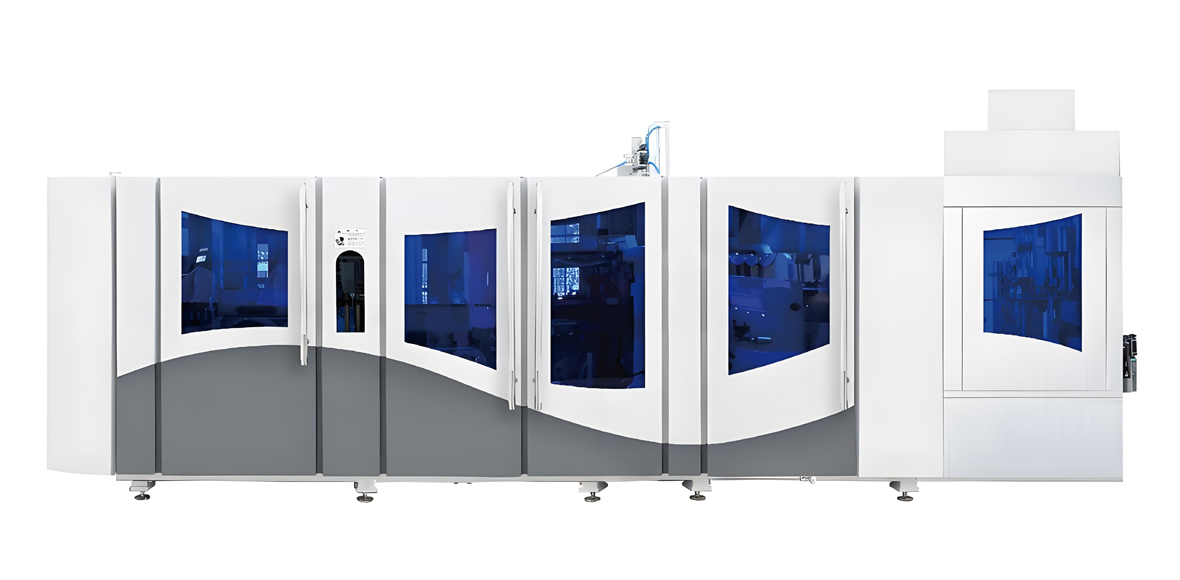
For the Tier C high speed slot, YuDa offers the FGX series high speed PET bottle blow molding machine. The FGX series is engineered for high-volume production, with a single-mode speed in the 2500 to 3000 BPH range that scales with cavity count to the 8000 to 15000 BPH band. It is the machine YuDa positions for customers moving from validation to mass supply.
The FGX series uses a unique cam linking system that integrates mold opening, mold locking, and bottom mold elevating into one movement, paired with a high speed servo driving system. Its energy-saving design minimizes the heater distance to 38.1 mm, which saves more than 30 percent electricity compared with conventional heating ovens. A remote monitoring system lets engineers at the China headquarters read PLC data from a mobile device and feed abnormal conditions back to the client site. Modular construction simplifies maintenance and mold changeovers.
| Specification | FGX High Speed (example 6-cavity) | FGX High Speed (example 8-cavity) |
|---|---|---|
| Cavity number | 6 | 8 |
| Output | up to 9000 BPH | up to 12000 BPH |
| Bottle volume range | 0.2 to 2.0 L | 0.2 to 2.0 L |
| Clamping force | medium-high servo clamp | high servo clamp |
| Installed power | around 80 to 110 kW | around 100 to 140 kW |
| High pressure air demand | 3.5 to 4.0 MPa, pulsed | 3.5 to 4.0 MPa, pulsed |
| Heater distance | 38.1 mm | 38.1 mm |
| Energy index | baseline 100, improved by 30 plus percent vs conventional oven | baseline 100, improved by 30 plus percent vs conventional oven |
In the budget, an FGX line typically sits in the Tier C index band of 320 to 420 points. The 38.1 mm heater distance and servo systems are the reasons the energy per 1000 bottles for Tier C lands at 55 to 80 kWh. For a carbonated or high-volume water program, the FGX series is the machine that justifies the Premium label in the budget matrix.
YuDa Standard Speed and Semi-Automatic Lines
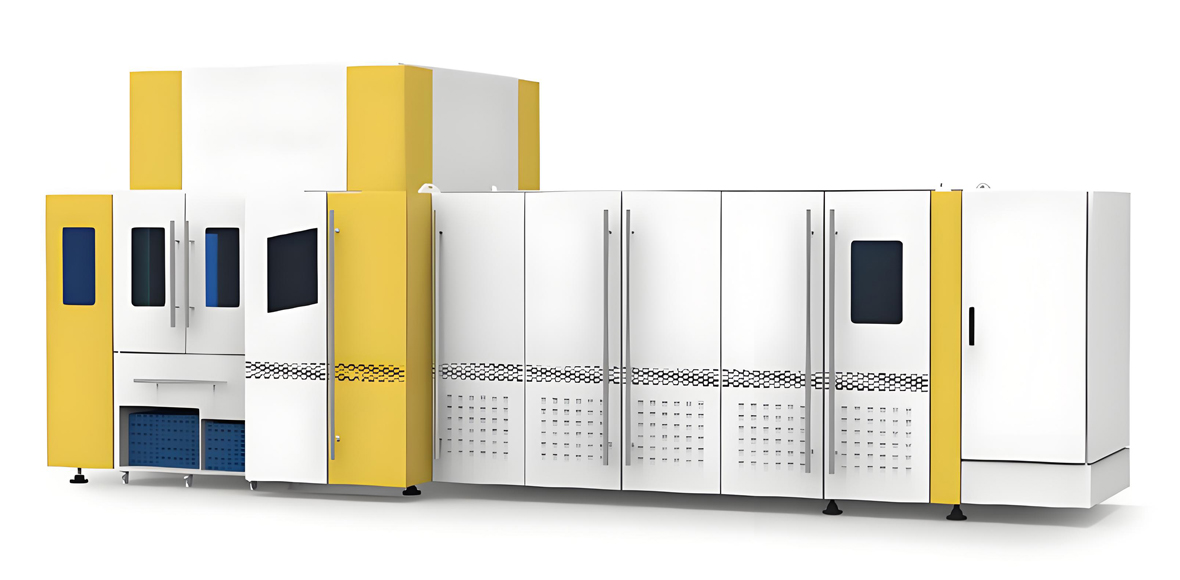
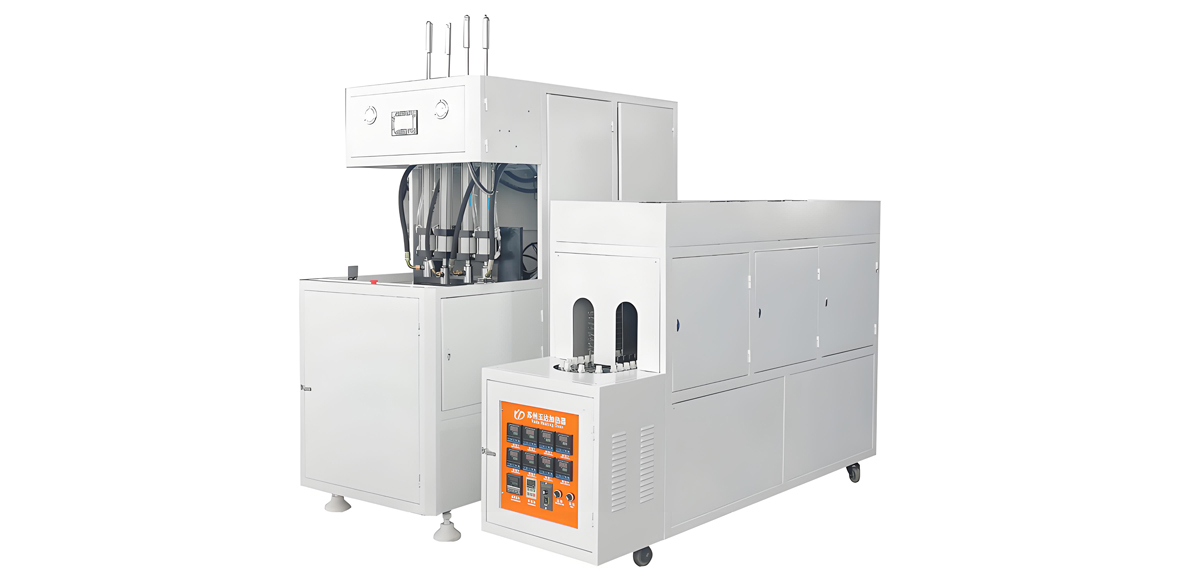
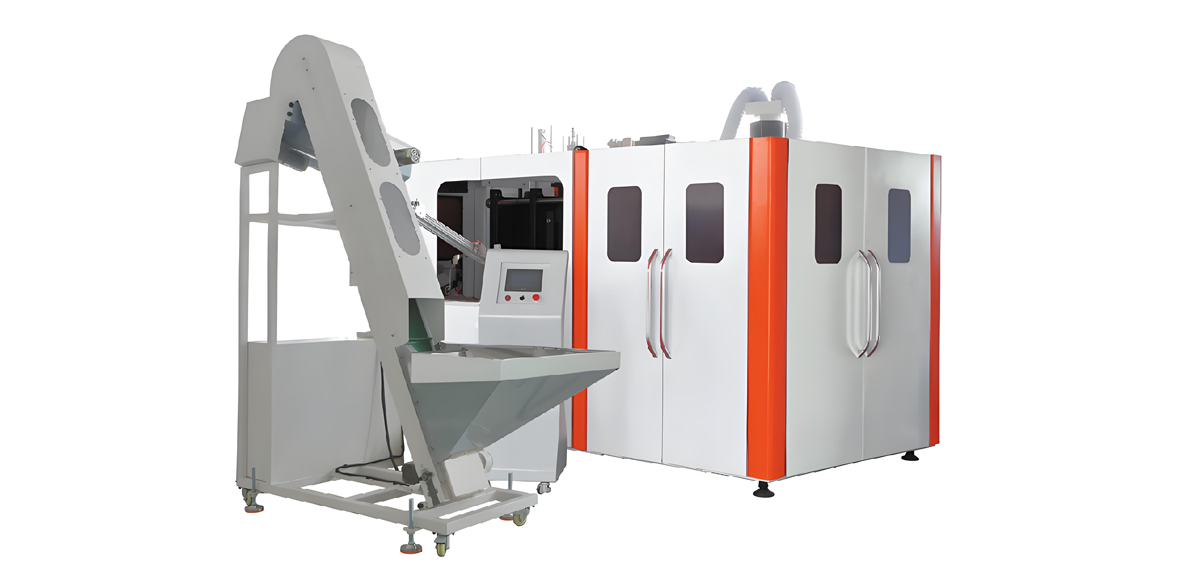
YuDa covers the Tier A and Tier B slots with a standard speed full automatic series and a semi-automatic series. The standard speed series runs from 1000 to 7000 BPH with advanced heating systems and energy-saving technologies, fitting the Tier B medium configuration. The semi-automatic series carries a lower procurement cost, suits small enterprises, and is ready to ship, fitting the Tier A Low budget entry.
The semi-automatic line is the simplest way to enter bottled water or edible oil: manual preform loading, manual bottle take-out, one or two cavities, and a small footprint. The standard speed automatic line adds the automatic preform hopper, oven control, and air conveyor that pull the energy per 1000 bottles down from the 110 to 140 kWh semi-automatic figure toward the 70 to 95 kWh automatic figure.
| Specification | Semi-Automatic (Tier A) | Standard Speed Automatic (Tier B) |
|---|---|---|
| Output band | 1200 to 2500 BPH | 1000 to 7000 BPH |
| Cavity number | 1 to 2 | 2 to 6 |
| Bottle volume range | 0.1 to 5.0 L typical | 0.2 to 2.0 L typical |
| Preform feed | Manual loading | Automatic hopper |
| Clamping force | pneumatic or small servo | servo clamp |
| Installed power | around 20 to 45 kW | around 50 to 90 kW |
| Air demand | 3.5 to 4.0 MPa, lower pulse count | 3.5 to 4.0 MPa, pulsed multi-cavity |
| Budget label | Low | Medium to High |
Both lines draw on the same YuDa engineering: mature and stable component brands, modular design for fast changeovers, and the option to upgrade to a blowing-filling-capping CombiBlock later. YuDa also supplies a linear blowing-filling-capping CombiBlock specialized in compact mini linear BFC that saves plant area, and a bottle blow-filling-capping machine that produces PET bottles while filling drinking water and installs caps in one process. These combi options are the bridge toward Tier C integration discussed in the phased roadmap.
Semi-Automatic Versus Fully Automatic Economics
The decisive budget comparison is semi-automatic against fully automatic at comparable output. The fully automatic line costs 2.8 to 4.2 times the semi-automatic equivalent, but it removes most manual handling, lifts good rate, cuts energy per bottle, and shrinks the changeover window. The trade is capital index points against operating cost and consistency.
| Metric | Semi-Automatic | Fully Automatic |
|---|---|---|
| Capital index (vs 100 baseline) | 55 to 80 | 180 to 420 depending on tier |
| Staff per shift | 4 to 8 | 1 to 4 |
| Energy per 1000 bottles | 110 to 140 kWh | 55 to 95 kWh |
| Good rate | 97 to 98.5 percent | 98.5 to 99.5 percent |
| Mold changeover time | longer, manual | shorter, assisted |
| Monthly output band | up to 1.5 million bottles | 5 to 20 plus million bottles |
| Unit conversion cost index | baseline 100 | 55 to 75 |
The unit conversion cost index is the operating mirror of the capital index. Set the semi-automatic reference at 100 points; the fully automatic line lands at 55 to 75 points per bottle because labor, energy, and scrap all fall. The budget therefore has two opposite slopes: capital rises with automation, while unit conversion cost falls. The crossover point is where your validated monthly volume is high enough that the lower unit conversion cost repays the extra capital within the 14 to 26 month payback band.
Application Industries and Bottle Types
A PET bottle blowing budget must be tied to the end market, because each industry has a different bottle, a different gram weight, and a different quality expectation. YuDa machines serve drinking water, carbonated beverages, edible oil, daily chemical products, and condiments. Each maps to specific bottle geometries and market scenarios.
| Industry | Typical Bottle | Market Scenario |
|---|---|---|
| Drinking water | 500 ml, 1.5 L, 5 L | Local brand, hospitality supply, bulk jar delivery |
| Carbonated beverage | PCO 1881, 18 to 22 g | Soft drink bottler, private label soda |
| Edible oil | 1 L, 2 L, 5 L | Cooking oil packer, private label oil |
| Daily chemical | shampoo, detergent, lotion | Household care, personal care contract packing |
| Condiment | sauce, vinegar, dressing | Food service supply, retail sauce brand |
Drinking water is the entry market for most new factories because the bottle is simple and the volume is high. Carbonated beverage demands stronger process control and pressures, which pushes the budget toward Medium to Premium. Edible oil bottles are heavier and shorter, needing different mold geometry. Daily chemical and condiment bottles are often non-standard shapes that reward modular machines and flexible mold changeovers. When you scope the budget, name the industry first, because it dictates the gram weight band and the inspection strictness.
Demand to Model Selection Recommendation
The selection table converts a customer requirement into a recommended YuDa model and a budget label. It is the practical output of everything above. Use your target BPH, your bottle type, and your budget tier to pick the line.
| Target BPH | Bottle Type | Budget Tier | Recommended YuDa Model |
|---|---|---|---|
| 1200 to 2500 | water, oil, daily chemical | Low | Semi-Automatic Series |
| 1000 to 4000 | water, condiment | Medium | Standard Speed Automatic Series |
| 4000 to 7000 | water, edible oil | High | Standard Speed Automatic Series, 4 to 6 cavities |
| 8000 to 12000 | water, carbonated | High to Premium | FGX High Speed Series |
| 12000 to 15000 | water, carbonated | Premium | FGX High Speed Series, 8 to 12 cavities |
| any, compact footprint | water, small SKU | Medium | Linear BFC CombiBlock |
The table is intentionally conservative. If your demand sits between two rows, choose the higher BPH row only when you have validated orders; otherwise choose the lower row and leave expansion headroom. YuDa, a Wanplas factory, can tune cavity count and oven zones to the exact bottle, so the recommended model is a starting point for a tailored configuration rather than a fixed catalog pick.
Energy Consumption and Operating Efficiency
Long-term competitiveness in PET bottle blowing is decided by energy per 1000 bottles, not by the headline purchase price. The biggest consumers are the infrared preform oven and the high pressure air compressor. Three design choices move the number most: oven lamp power share, servo versus pneumatic blowing valves, and high pressure air recovery.
The infrared preheat ovens dominate the heating load. YuDa minimizes heater distance to 38.1 mm on the FGX series, cutting oven electricity by more than 30 percent versus conventional ovens. Servo blowing valves replace continuously running pneumatic valves, trimming compressed air loss. High pressure air recovery captures the exhaust blow from each bottle and feeds it back into the low pressure loop or the next blow, recovering 20 to 35 percent of the high pressure volume on well-designed systems.
| Retrofit or Design Choice | Unit Energy Improvement | Payback Band |
|---|---|---|
| 38.1 mm tight heater spacing | 30 plus percent oven electricity | built into new line |
| High pressure air recovery | 20 to 35 percent air volume | 10 to 18 months |
| Variable frequency compressor | 12 to 22 percent compressor energy | 12 to 20 months |
| Servo blowing valves | 8 to 15 percent air loss | 8 to 16 months |
| Waste heat recovery to preheat resin or water | 5 to 10 percent site energy | 14 to 24 months |
| Standby and sleep management | 3 to 7 percent idle load | immediate |
The payback bands here are measured in months and are independent of local currency because they describe energy percentage improvement against the existing load. A 2026 budget should earmark a slice of the plant modification or auxiliary share for these efficiency options, because their payback bands of 8 to 24 months sit comfortably inside the overall 14 to 26 month project payback. YuDa’s remote monitoring system makes these savings measurable by logging oven zones and compressor duty cycle over time.
Lightweighting as the Strongest Cost Lever
If one lever deserves the top line of the operating budget, it is bottle lightweighting. Reducing the gram weight of a 500 ml water bottle from 12.5 g to 9.5 g lowers resin consumption per thousand bottles by roughly 24 percent. Because preform resin is the largest recurring material cost, lightweighting beats almost every capital efficiency project on payback.
The technical path combines four moves. First, optimize the stretch ratio so the material distributes to the wall without thinning weak spots. Second, tune the preheat curve so the preform heats evenly before stretching. Third, redesign the base mold structure to support a thinner base. Fourth, refine the preform geometry so the same resin yields a stronger bottle. Each move is mostly process and tooling, not new capital, which is why the payback is immediate on resin savings.
| Bottle | Old Gram Weight | New Gram Weight | Resin Reduction |
|---|---|---|---|
| 500 ml water | 12.5 g | 9.5 g | about 24 percent |
| 500 ml water | 11.0 g | 9.0 g | about 18 percent |
| 1.5 L water | 38.0 g | 32.0 g | about 16 percent |
| Carbonated PCO | 22.0 g | 19.0 g | about 14 percent |
Lightweighting also reduces energy per bottle because less PET must be heated and blown. The constraint is product performance: the bottle must still survive filling, stacking, drop, and carbonation pressure. YuDa’s process know-how, especially on the FGX series with precise oven control, is what lets a customer push gram weight down without sacrificing good rate. Budget a lightweighting trial into the commissioning phase rather than treating it as a later optimization.
New Variables to Budget for in 2026
A 2026 budget cannot ignore the regulatory and material shifts reshaping PET bottling. Four variables deserve explicit line items: recycled PET blending, lightweighting regulation, food contact compliance, and extended producer responsibility plus energy standards.
Recycled PET Blending Ratios
More markets require recycled content. Blending 25, 50, or 100 percent rPET changes the process. Recycled PET tends to show lower intrinsic viscosity after each cycle, so preform drying and the preheat curve must be corrected. Acetaldehyde control tightens because rPET can carry more residual. These are mostly recipe and oven-zone adjustments rather than new capital, but they must be scoped in commissioning and validated on the actual rPET grade you will buy.
Lightweighting and Material Regulation
Some regions set minimum recycled content or maximum gram weight per volume. Budget for the engineering time to redesign preforms to comply, and for the inspection to prove compliance. This is a process cost, not a machine cost, but it affects the mold and preform tooling share.
Food Contact Compliance
Bottles for drinking water, edible oil, and condiments must satisfy food contact rules. Relevant references include FDA in the United States, EU 10/2011 in Europe, and GB 4806 in China. These are documentation and material-traceability requirements rather than budget line items, but they shape resin sourcing and record keeping.
Extended Producer Responsibility and Energy Standards
EPR schemes make the producer responsible for recovery and recycling of the bottle. Energy efficiency standards may set site-level consumption caps. Neither directly changes the machine price, but both argue for the energy-saving options in the previous section, because lower energy per 1000 bottles and higher rPET capability protect the business against tightening rules.
Site Selection and Supply Chain Logic
Location is a hidden budget variable. The dominant logic for a blow molding plant is proximity to the filling customer. Empty PET bottles are voluminous and light, so transporting them is expensive relative to their value. Siting the blow line next to the filler can cut logistics cost by a multiple compared with blowing remotely and trucking empty bottles. The exact multiple depends on bottle size and distance, but the principle is constant: blow close to fill.
Beyond the filler, weigh four site factors. Power availability and cost set the energy per 1000 bottles conversion. Water supply and discharge matter for cooling and cleaning. Labor availability sets the staffing plan and training load. Distance to the export port matters if bottles or preforms are exported. A site that scores well on all four may justify a higher land or building cost because it protects OEE and cuts logistics.
A Phased Production Roadmap
The lowest-risk 2026 budget is phased rather than all-at-once. Phase 1 proves the market with a single line, usually a Tier A semi-automatic or a modest Tier B automatic. Phase 2 adds a second line and raises automation once demand is validated. Phase 3 evaluates in-line inspection and blowing-filling-capping integration.
Phase 1: Single Line Market Validation
Start with one YuDa line matched to your base bottle. Keep the building shell expandable. Train operators on the actual machine. Validate good rate, OEE, and real gram weight. The goal is a working cash cycle, not maximum BPH.
Phase 2: Capacity and Automation Scale-Up
Add a second line or upgrade cavities. Introduce automatic conveying and a larger high pressure air system. The index points added in Phase 2 are lower per BPH than Phase 1 because infrastructure is already in place. This is where the unit conversion cost index drops toward 55 to 75.
Phase 3: Inspection and CombiBlock Evaluation
With stable volume, evaluate in-line leak and vision inspection, then a blowing-filling-capping CombiBlock that saves plant area and labor. This phase is the Premium tier and should be funded from Phase 1 and 2 cash flow rather than initial working capital.
Risk List and Practical Hedging
Every PET bottle blowing budget should carry a risk register. The table lists the common risks and the practical hedge that protects the index plan.
| Risk | Impact on Budget | Hedge |
|---|---|---|
| Single customer dependency | Demand shock breaks payback | Multi-SKU molds, diversify bottle portfolio |
| Weak bottle changeover ability | OEE drops on small runs | Modular molds, quick-change tooling |
| Compressor failure | Whole line stops | Backup compressor or redundant station |
| rPET supply volatility | Compliance or cost swing | Dual-grade preform qualification |
| Seasonal demand swing | Low utilization in off-season | Flexible staffing, contract filling |
| Undersized utilities | BPH capped below nameplate | Size on peak, add buffer capacity |
The compressor risk deserves emphasis. Because stretch blow molding depends on a 3.5 to 4.0 MPa pulse, a compressor outage stops the entire line regardless of how good the blow mold is. The hedge is a standby compressor or a redundant air station sized into the high pressure air share. This small addition protects the whole investment index.
Eight Common Budget Mistakes
Most failed PET bottle blowing budgets repeat the same errors. Avoid these eight.
First, quoting only the blow molding main machine and forgetting the other seven shares. Second, sizing the high pressure air system on average rather than peak flow. Third, under-specifying chiller tonnage and silently capping BPH. Fourth, ignoring mold count for multi-SKU programs. Fifth, omitting working capital for preform inventory and receivables. Sixth, using nameplate BPH at a lightweight reference bottle instead of realistic BPH at the actual bottle. Seventh, over-building Tier C capacity before demand is validated. Eighth, skipping the energy-saving options whose payback bands sit inside the project payback.
Service and Support Commitment
A budget is only as good as the support that keeps the line running. YuDa, a Wanplas factory, backs every project with a concrete support chain. Machines are tested before shipment to verify performance at the agreed bottle and BPH. Engineers travel for on-site installation and commissioning, then train operators on the actual line. A remote monitoring system lets the China headquarters read PLC data and flag abnormal conditions early.
The Wanplas brand commitment includes an open-factory policy that welcomes customer visits for inspection and training, and a spare parts policy of USD 500 free parts per year within the group promise. Combined with warranty replacement and remote operation support, this protects the payback band by minimizing unplanned downtime. For a new factory, that uptime protection is worth as much as any single equipment discount.
Frequently Asked Questions
How should I express the investment for a new PET bottle blowing factory without using absolute currency amounts?
Use a relative index system where a 4000 BPH semi-automatic reference line equals 100 index points. Larger automatic configurations are then expressed as multiples or index bands, and the cost envelope is split into eight percentage shares covering the blow molding main machine, high pressure air, cooling, auxiliary equipment, molds, plant works, installation, and working capital.
Which configuration tier fits a first-time bottled water entrepreneur?
A Tier A entry semi-automatic line in the 1200 to 2500 BPH band indexes 55 to 80 points against the 100-point baseline, needs the smallest building footprint, and carries the shortest learning curve. It is the recommended Low budget entry before scaling to automatic tiers.
Why is the high pressure air system so often under-budgeted?
The high pressure air system operates at 3.5 to 4.0 MPa and can represent 14 to 20 percent of the total investment. Buyers frequently size the compressor on average rather than peak blow demand, so the system underperforms during simultaneous multi-cavity blows and forces production below rated BPH.
How does lightweighting the bottle change the operating budget?
Reducing a 500 ml water bottle from 12.5 g to 9.5 g lowers resin consumption per thousand bottles by roughly 24 percent. Because preform resin is the dominant recurring material cost, lightweighting is the single most effective recurring cost lever and also reduces energy per bottle.
What payback band should a realistic 2026 plan target?
At 70 percent capacity utilization a well-specified line typically falls in a payback band of 14 to 26 months. Capacity utilization, bottle gram weight, and mold changeover flexibility are the three variables that move that band most.
Does rPET blending require extra budget for process changes?
Yes. Higher rPET ratios such as 25, 50, or 100 percent require adjusted preform drying, corrected preheat curves, and tighter acetaldehyde control. These changes are mostly recipe and oven-zone tuning rather than new capital, but they should be scoped in the commissioning plan.
Should I start with one line or build the full plant at once?
A phased roadmap is lower risk. Phase 1 validates the market with a single line, Phase 2 adds capacity and automation, and Phase 3 evaluates in-line inspection and blowing-filling-capping integration. This protects working capital and avoids over-building for unproven demand.
How does YuDa support a new factory after delivery?
YuDa, a Wanplas factory, provides pre-shipment testing, on-site installation and commissioning, operator training, remote monitoring of PLC data, open-factory visits, and a spare parts policy of USD 500 free parts per year within the Wanplas brand commitment.
Conclusion
A 2026 budget for a new PET bottle blowing factory should be built on structure, not on a single price. Set the 4000 BPH semi-automatic line at 100 index points, split the envelope into eight percentage shares, apply the 2.8 to 4.2 times automatic multiplier, and target a payback band of 14 to 26 months at 70 percent capacity utilization. Lock the bottle type, the BPH, and the automation level before any spending, then run the capacity chain to size resin, air, and cooling.
YuDa, a Wanplas factory with more than 20 years of experience, 60 plus export countries, and 20 plus patents, offers the FGX high speed series for Tier C, the standard speed automatic series for Tier B, and the semi-automatic series for Tier A, plus CombiBlock options for compact integration. With the energy-saving 38.1 mm heater design, remote monitoring, and the Wanplas spare parts policy of USD 500 free parts per year, the plan stays defensible from first quote to full production.
If you are scoping a new PET bottle blowing factory for 2026, send your target bottle drawing and monthly volume to YuDa for a tailored configuration, arrange a factory visit to see the line running, and request a sample trial on your preform. The right budget is the one that matches the machine tier to validated demand and protects the payback with energy efficiency and uptime support.