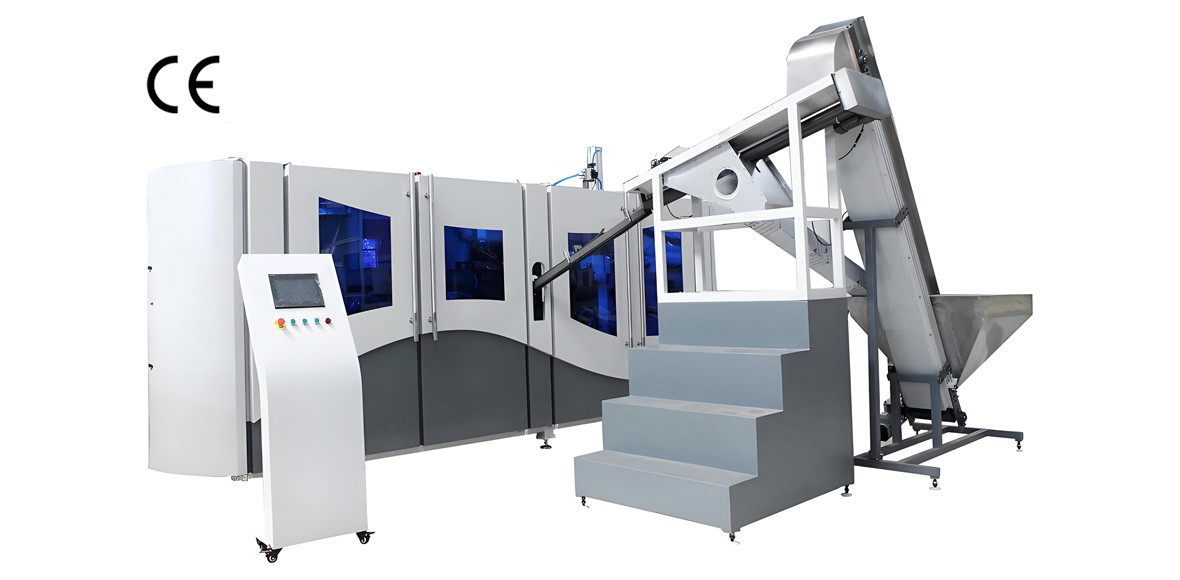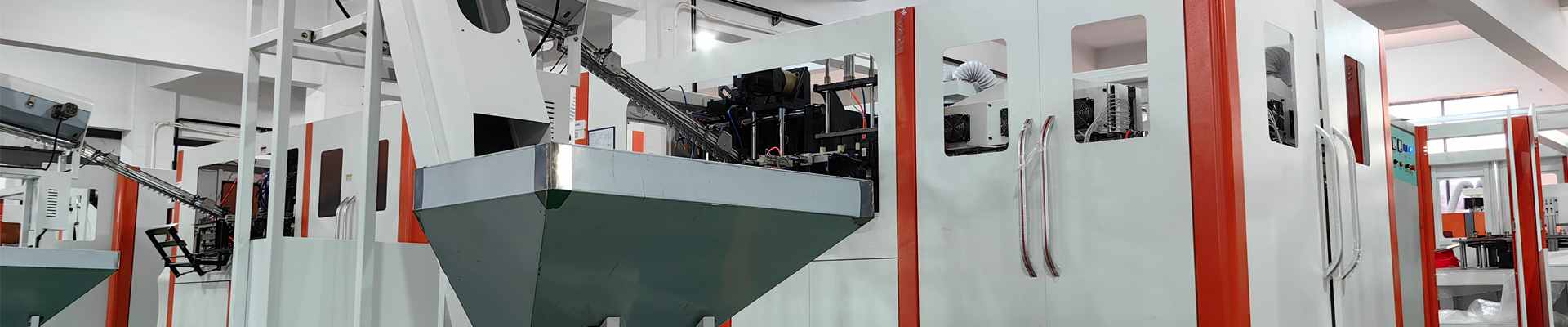
Special-shaped PET bottles are reshaping the rigid packaging economy. Brands across beverages, personal care, edible oil, condiments, and household chemicals now favor non-round contours to stand out on shelves and save material at the same time. YuDa Machinery, a Wanplas factory, is a top PET bottle blow molding machine manufacturer in China with over 20 years of experience, exports to 60 plus countries, and holds 20 plus patents as a top two domestic supplier. This article analyzes the profit potential of the PET special-shaped packaging bottle market and shows how the right blow molding equipment turns bottle design into unit margin. You will learn the demand drivers, the true cost structure, the equipment levers that protect profit, and how YuDa machine series match different production scales.
In 2026 the market context favors special shapes more than before. Resin cost pressure pushes brands to lightweight, while crowded retail pushes them to differentiate, and a well-chosen blow molding machine serves both goals at once. This article gives plant owners and brand managers a practical framework rather than a generic forecast, so the numbers used for budgeting stay traceable to real process variables.
What Defines a Special-Shaped PET Bottle
A special-shaped PET bottle is any bottle whose body cross-section deviates from a simple circle. Round water bottles remain the default, but oval, square, rectangular, triangular, contoured, and handle-equipped bottles all qualify as special shapes. These forms are produced by stretch blow molding, where a heated PET preform is inflated inside a blow mold and stretched in two directions to form the wall.
The shaping freedom comes from the blow mold rather than the preform alone. The preform is a thick-walled tube with a finished neck, and the blow mold defines the final contour. Biaxial orientation during stretching aligns PET molecules, delivering clarity, strength, and barrier performance even on thin walls.
Special shapes are not merely decorative. A square bottle packs tighter on a pallet, a contoured bottle improves grip, and a slim oval profile reduces material per filled volume. Each of these traits changes cost and margin, which is why the market treats special shapes as a profit strategy rather than a styling choice.
From a production view, special shapes demand tighter control of stretch ratio, blow pressure, and mold temperature. The same PET resin that runs cleanly on a round bottle can show wall thinning or stress marks on a complex contour if the machine and mold are mismatched. Equipment selection therefore sits at the center of profitability.
From a materials view, PET behaves predictably in stretch blow molding when the process window is respected. The preform must reach the right temperature and the blow pin must deliver even pressure, or the contour shows marks that no downstream step can fix. Investing in machine stability early prevents expensive rework later.
Market Demand Drivers and Profit Levers
Demand for special-shaped PET bottles grows because buyers reward visible differentiation. On a crowded shelf, a distinctive contour signals premium positioning and supports a higher retail price without changing the filled product. That price premium is the first and most direct profit lever.
Material savings form the second lever. Lightweighting through optimized wall distribution lets a special shape use less PET per bottle while keeping function. Because PET resin is the largest single production cost, even a small gram-weight reduction compounds across millions of units.
The third lever is operational. Equipment that stabilizes reject rate and lowers energy use protects margin on every shift. A line that runs at a low single-digit reject rate versus one that drifts into double digits can differ by a meaningful share of annual profit.
The table below maps each demand driver to the profit effect a bottle brand can expect, expressed in relative terms rather than fixed numbers because absolute values vary by market and format.
| Demand Driver | Profit Effect | Relative Impact |
|---|---|---|
| Shelf differentiation | Higher retail price per unit | High |
| Lightweighting | Lower PET resin cost per bottle | Medium to High |
| Pallet density | Lower logistics cost per case | Medium |
| Process stability | Lower reject and rework cost | Medium to High |
| Energy efficiency | Lower power cost per bottle | Medium |
Premium positioning only converts to profit when the bottle reaches the shelf intact and on time. That means the production line must be reliable as well as the design attractive, linking the demand side directly back to equipment selection discussed later.
Cost Structure of Producing Special-Shaped PET Bottles
Understanding the cost stack is the foundation of any profit analysis. For a PET bottle plant, the dominant cost is the PET preform resin, followed by energy, labor, mold depreciation, and rejection loss. Special shapes shift this balance because they often require more precise processing and can raise rejection if the line is unstable.
Resin cost is volume-driven and largely fixed by market resin price and gram weight. Energy cost is the largest controllable variable, dominated by the heating oven that conditions preforms before blowing. Labor and depreciation depend on automation level and machine count. Rejection loss is the silent margin killer because every scrapped bottle still consumed resin, energy, and machine time.
The table below presents a typical relative cost structure for special-shaped PET bottle production. Levels are expressed as Low, Medium, High, and Very High to avoid quoting market-sensitive figures, consistent with sound industry analysis.
| Cost Element | Relative Share | Controllability |
|---|---|---|
| PET preform resin | Very High | Low to Medium |
| Heating oven energy | High | High |
| Labor | Medium | Medium |
| Blow mold depreciation | Medium | Low |
| Rejection loss | Medium to High | High |
The practical conclusion is clear. Resin sets the floor, but equipment-driven variables, energy and rejection, decide whether the margin above that floor is captured or lost. A profit analysis that ignores machine efficiency will misstate the true earning power of a special-shaped bottle line.
Volume matters because fixed costs spread across more units. A plant running one stable special shape gains more from high speed, while a plant running many shapes gains more from fast changeover. The cost table above stays true in both cases, but the dominant saving shifts between energy and flexibility.
Rejection loss deserves extra attention because it hides in averages. A monthly report can show healthy output while a single defect type quietly burns resin. Tracking reject by cause is the first step to protecting the margin the special shape was designed to earn.
How Blow Molding Equipment Choice Drives Margin
Blow molding equipment influences margin through three measurable channels: output per labor hour, energy per bottle, and rejection rate. The first channel is throughput. A high-speed line produces more bottles per operator, spreading fixed labor and depreciation across more units and lowering cost per bottle.
The second channel is energy. Conventional heating ovens space lamps far apart and waste heat. YuDa minimizes heater distance to 38.1 millimeters and saves more than 30 percent electricity compared with conventional heating ovens. On a continuous line, that saving repeats every hour of every shift and becomes a structural cost advantage.
The third channel is stability. Modern servo-driven clamping and a cam linking system that integrates mold opening, mold locking, and bottom mold elevating into one movement reduce mechanical variance. Lower variance means fewer out-of-spec bottles and a tighter reject rate.
Equipment also affects changeover time. Modular machine design shortens mold swaps between SKUs, which matters when a brand runs several special shapes in one plant. Faster changeovers raise effective output and improve response to demand swings, both of which protect revenue.
Net effect: the machine is not a passive tool but an active profit variable. Selecting a blow molding machine on sticker price alone often hides higher lifetime energy and rejection costs that erode the very margin the special shape was meant to create.
Scale effects also apply to spare parts and training. A standardized YuDa line means one spare-parts list and one training curriculum across the plant, lowering the hidden overhead that eats profit on multi-machine sites. The Wanplas group policy of USD 500 free spare parts per year further steadies the service cost baseline.
YuDa FGX High-Speed Series for Volume Production
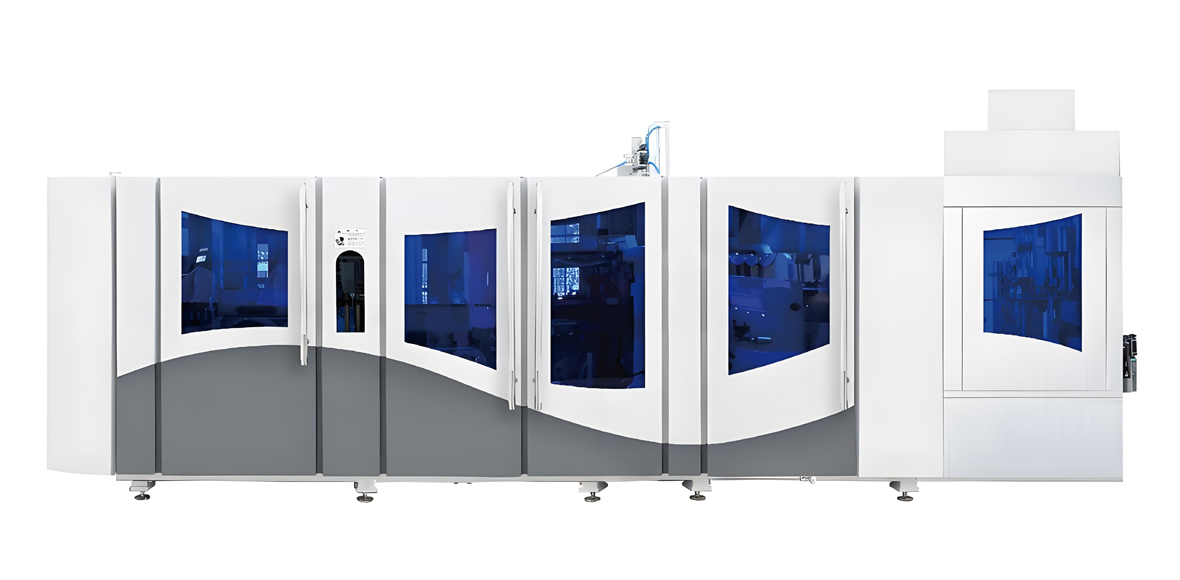
When production volume is high and the bottle shape is stable, the FGX high-speed series delivers the throughput that converts design advantage into scale profit. YuDa positions FGX for high-volume PET bottle production where every basis point of reject rate and every kilowatt hour counts.
The FGX series uses a high-speed servo driving system and the integrated cam linking mechanism described above. Single-mode speed reaches 2500 to 3000 bottles per hour, and the full series scales to 8000 to 15000 bottles per hour across multiple cavities. That range covers mid-size brands and large filling plants alike.
Speed alone is not the only benefit. The FGX platform also stabilizes the stretch sequence, which matters for special shapes where wall distribution decides both look and strength. Stable motion translates directly into fewer rejects on complex contours.
The specification table below summarizes representative FGX parameters. Exact cavity count, bottle volume, and output are configured to the customer bottle drawing during order engineering.
| Model Family | Output (BPH) | Heater Distance | Drive | Best For |
|---|---|---|---|---|
| FGX single mode | 2500 to 3000 | 38.1 mm | Servo | Stable high-volume SKU |
| FGX multi-cavity | 8000 to 15000 | 38.1 mm | Servo | Large filling plants |
Beyond raw speed, FGX supports remote monitoring. Engineers at the YuDa China headquarters can check PLC data via mobile connection and receive abnormal feedback from the client site. That capability shortens fault response and keeps rejection from creeping upward during unattended night shifts.
YuDa Standard and Semi-Auto Series for Flexible Runs
Not every plant needs maximum speed. Brands that launch new special shapes, run multiple small batches, or serve niche markets benefit more from flexibility than from peak throughput. YuDa covers this need with the standard-speed series and the semi-auto series.
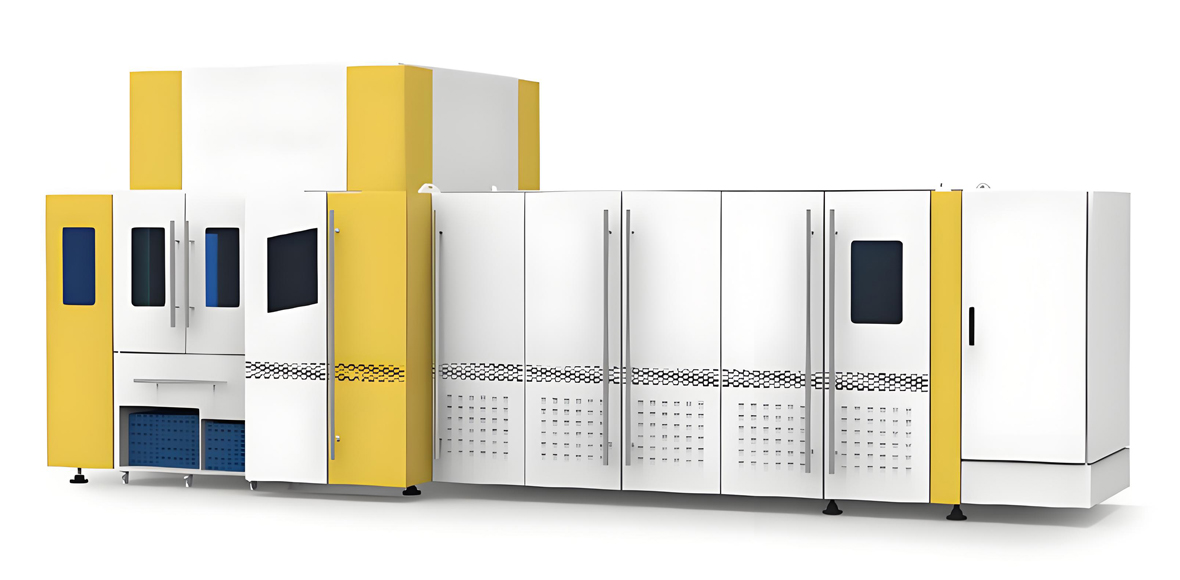
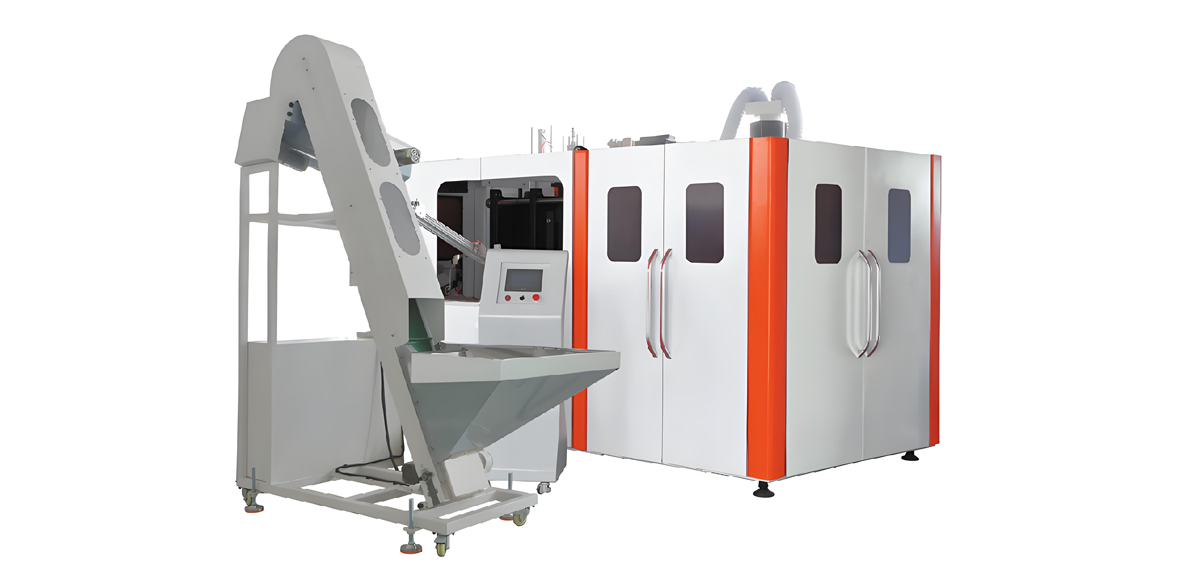
The standard-speed series is fully automatic with advanced heating systems and energy-saving technologies, covering 1000 to 7000 bottles per hour. It suits medium-volume production and frequent format changes where the FGX would be underused.
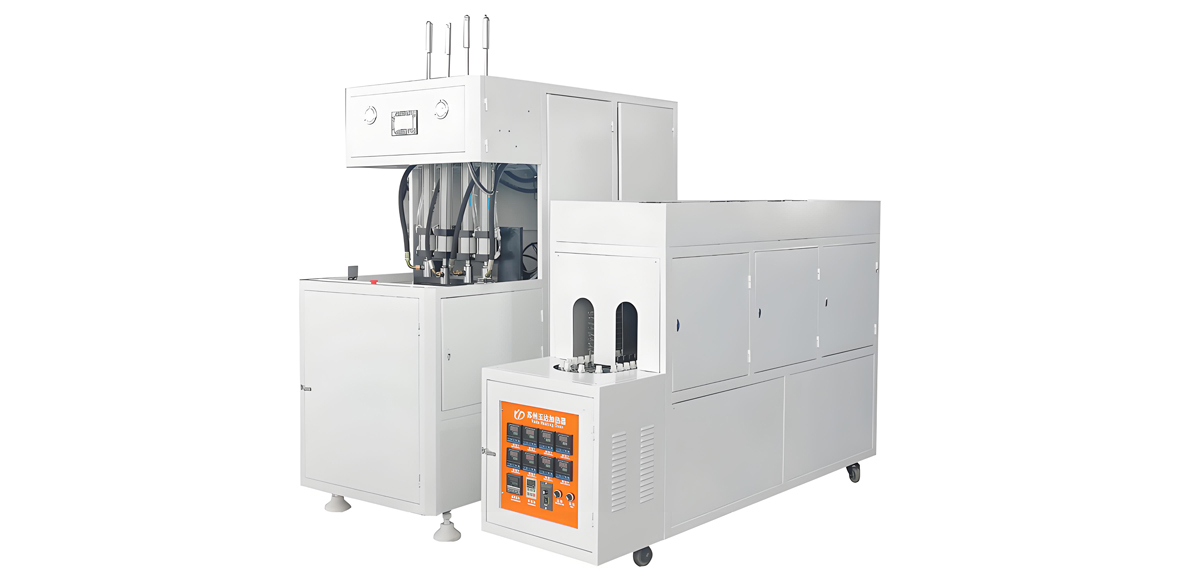
The semi-auto series offers lower procurement cost and is ready to ship, making it suitable for small enterprises and trial production of a new contour. It lets a brand validate shelf reaction before committing to a high-speed line.
| Series | Output (BPH) | Automation | Procurement Cost | Best For |
|---|---|---|---|---|
| Standard speed | 1000 to 7000 | Full auto | Medium | Medium batches |
| Semi-auto | Lower volume | Semi-auto | Low | Trial and small runs |
Choosing between these series is itself a profit decision. Overbuying speed wastes capital and floor space; underbuying forces overtime and outsourced filling. The selection guide later in this article connects output targets to the right YuDa model.
Flexibility also reduces risk during demand swings. When a new contour underperforms, the semi-auto line can pivot to another trial without stranding a high-speed asset. That option value is hard to quantify but real in volatile markets where trends shift from one season to the next.
The standard-speed series bridges the gap between trial and volume. It lets a growing brand scale on one machine family before committing to FGX, preserving capital while demand proves out. This staged path keeps the profit formula intact at every growth stage.
Application Industries for Special-Shaped PET Bottles
Special-shaped PET bottles serve industries where appearance, grip, and space efficiency matter. YuDa machines support a wide range of end products, and the contour choice usually follows the product category.
In beverages, contoured and slim bottles differentiate water, carbonated drinks, and functional beverages. In edible oil and condiments, square and rectangular bottles improve shelf and pallet density. In personal care, oval and ergonomic shapes aid grip and premium perception. In household chemicals, sturdy special shapes balance volume with stack stability.
| Industry | Typical Shape | YuDa Fit |
|---|---|---|
| Beverages | Contoured, slim oval | FGX, standard speed |
| Edible oil and condiments | Square, rectangular | Standard speed, FGX |
| Personal care | Oval, ergonomic | Standard speed, semi-auto |
| Household chemicals | Robust contoured | FGX, standard speed |
The breadth of applications explains why the special-shaped segment keeps expanding. A single YuDa line can serve several of these categories with mold changeovers, which improves asset utilization and spreads fixed cost across more revenue streams.
The same contour can serve several industries with only a mold change, which improves asset utilization. A plant that runs beverage bottles by day and personal care bottles by night spreads fixed cost and lifts return on the same machine investment.
Selection Guide: Output and Shape to YuDa Model
Matching the bottle requirement to the correct machine protects both capital and margin. The guide below translates common production targets into a recommended YuDa series. Final configuration depends on bottle volume, neck finish, and cavity count confirmed during engineering.
| Requirement | Output Target | Recommended YuDa Model |
|---|---|---|
| New shape trial | Low volume | Semi-auto series |
| Regional brand | 1000 to 7000 BPH | Standard speed series |
| High-volume SKU | 8000 to 15000 BPH | FGX high-speed series |
| Bottle plus filling | Integrated line | BFC or CombiBlock |
YuDa also supplies linear blowing-filling-capping CombiBlock and bottle blow-fill-capping machines for plants that want to produce and fill PET bottles in one compact process. These save plant area and reduce transfer contamination between blowing and filling.
Special-Shaped Versus Standard Round: A Margin View
Comparing special-shaped and standard round bottles clarifies where profit is won or lost. Round bottles are cheaper to tool and easier to process, but they surrender differentiation and pallet density. Special shapes reverse that trade, demanding better equipment to keep cost in check.
| Parameter | Standard Round | Special-Shaped |
|---|---|---|
| Shelf differentiation | Low | High |
| Tooling simplicity | High | Medium |
| Pallet density | Medium | High |
| Process sensitivity | Low | Medium to High |
| Price premium potential | Low | High |
The comparison shows that special shapes are not universally better. They win when the brand can capture the price premium and when the production line is stable enough to avoid penalty costs. The equipment decision is what converts the theoretical advantage into banked profit.
From a buyer view, the decision is not which shape is objectively better but which shape fits the brand’s channel and margin target. A private-label water brand may not need special shapes at all, while a premium tea brand may depend on them for shelf presence and price support.
Service and Support from YuDa
Profit does not end at machine delivery. YuDa, as a Wanplas factory, applies the group’s shared service promises to protect the customer’s uptime and output over the machine lifetime. These promises are part of the total cost equation that any profit analysis should include.
YuDa performs machine inspection and testing before shipment, so the line arrives validated rather than unproven. Engineers support on-site installation and commissioning, and the remote monitoring system lets the China headquarters track PLC data and respond to abnormal feedback quickly.
The Wanplas group policy includes USD 500 free spare parts every year and free replacement for damaged parts within warranty. YuDa also welcomes customer visits through an open-factory policy, so buyers can audit capability before purchase. Training is provided so local teams can run and maintain the line confidently.
Modular machine design keeps maintenance and mold changeovers convenient and cost-saving, which sustains the low reject rate and high availability that protect margin long after the initial sale.
Capital Planning and ROI Payback
Profit analysis is incomplete without capital planning. A special-shaped bottle project needs preform molds, blow molds, the blow molding machine, and often filling integration. The return comes from the price premium and material saving captured over the asset life, not from the machine alone.
A simple payback view compares the extra gross margin per bottle against the additional capital versus a round-bottle line. Because special shapes usually command a higher retail price, the premium often recovers the tooling difference within a defined volume, after which each additional bottle adds pure margin to the bottom line.
Energy saving compounds this return. YuDa minimizes heater distance to 38.1 millimeters and saves more than 30 percent electricity compared with conventional heating ovens, reducing the largest controllable cost on every shift and shortening payback further. Remote monitoring protects uptime, so the line earns rather than idles through faults.
Buyers should model payback at their real volume, resin price, and reject assumption rather than a vendor’s best case. YuDa engineers help size the model so capacity matches demand without over-investing in speed that would sit idle. The right-sized line is itself a profit decision, not merely a procurement one.
Working capital also matters. A faster line ties more preform inventory and finished goods, while a flexible line supports smaller batches with less stock. The financing cost of that inventory belongs in the profit formula alongside machine depreciation and labor.
Lightweighting Engineering for Complex Contours
Lightweighting is the most reliable cost lever after resin price. Special shapes make it harder because corners and curves stress the wall, but good engineering recovers the saving. The method is to place material where stress is high and remove it where stress is low across the bottle surface.
Even wall thickness comes from matching preform geometry to blow mold contour and tuning the stretch ratio during stretch blow molding. Biaxial orientation lets a thinner wall keep its strength, so gram weight drops without weakness. The bottle stays special in shape yet efficient in material consumed per filled unit.
YuDa modular design and servo control help repeat the optimized condition across millions of cycles. Once the wall map is set, consistent machine motion keeps every bottle near the target weight, avoiding the overweight drift that silently raises resin cost and erodes the margins the shape was meant to create.
Brands that lightweight successfully report meaningful resin savings across annual volume, and those savings fund the design work many times over. Lightweighting therefore becomes a core part of the profit formula rather than a one-time engineering tweak applied at launch and then forgotten.
The limit of lightweighting is wall integrity under filling, stacking, and transport. Simulation and trial runs define the floor weight, and YuDa sample trial runs let a brand confirm the lightweight bottle survives real handling before committing the full production change.
Regional Market Notes and Demand Patterns
Demand for special-shaped PET bottles varies by region. Mature markets favor premium contours in personal care and functional drinks, where shelf impact drives repeat purchase and the price premium is easiest to capture at retail.
Emerging markets adopt special shapes in edible oil and condiments, where square and rectangular bottles improve pallet density and cut distribution cost across long, fragmented supply chains. The profit logic there is logistics savings more than shelf flair.
Tea and juice categories show strong special-shape growth in Asia, where on-the-go formats use slim, grippable bottles. Carbonated and water categories remain round-heavy but adopt light contouring at the base for quiet differentiation without full re-tooling.
Equipment buyers should read these patterns against their export plan. A line sized for one region’s volume may need mold flexibility to serve another, and YuDa’s range from semi-auto to FGX lets a plant start narrow and expand as demand confirms rather than guessing at launch.
Understanding regional pull helps set the right output target, which in turn selects the correct machine and avoids both idle capacity and missed orders during peak season when the premium is largest and stockouts cost the most.
Risk Factors That Quietly Erode Profit
Several risks erode profit without obvious warning. The first is reject creep, where a drifting process parameter slowly raises scrap until margin vanishes into rework and material loss that the monthly report hides under volume growth.
The second is over-specification, buying speed the plant never uses, which strands capital and floor space that could serve another SKU. The third is under-specification, where peak demand forces overtime or outsourced blowing at a higher unit cost than owned capacity would have charged.
The fourth is mold mismatch, where a preform and blow mold are not engineered together, causing stress marks or weak walls that trigger recalls or rework. The fifth is energy neglect, leaving an inefficient oven running when a 38.1 millimeter heater design would cut cost on every shift.
A disciplined profit plan names each risk and the control that contains it. YuDa remote monitoring, pre-shipment testing, and engineering support map directly onto these controls, turning the analysis from theory into defended margin that survives contact with real production.
Currency and resin price swings sit outside the machine but inside the profit plan. Hedging resin, holding buffer inventory at the right level, and choosing energy-efficient equipment all reduce exposure to factors no bottle design can fix on its own.
Quality Control and Reject Management
Reject management is where profit is won or lost daily. A special-shaped bottle line should track reject rate by defect type, because a wall-thinning trend and a neck-finish fault need different fixes and different engineering responses from the team.
Statistical process control on wall thickness, top load, and burst pressure catches drift before it becomes scrap. YuDa remote monitoring feeds PLC data to the China headquarters, enabling fast correction when a parameter leaves its safe band during an unattended shift.
Mold maintenance discipline protects both quality and output. Scheduled cleaning, vent inspection, and cooling-channel checks keep the blow mold within tolerance, and YuDa modular design makes these tasks convenient enough to actually happen on the planned cadence.
Trial runs on the recommended model let a brand baseline the reject rate on its own bottle before full production. That baseline becomes the control limit, so any future climb is visible early and correctable while the cost is still small and contained.
Documented changeover procedures complete the system. When a plant switches between special shapes, a written, repeatable setup prevents the variance that otherwise appears as a batch of off-spec bottles after every product change.
Frequently Asked Questions
What counts as a special-shaped PET bottle?
Any PET bottle whose cross-section deviates from a simple circle qualifies. Oval, square, rectangular, triangular, contoured, and handle-equipped bottles are common special shapes that need dedicated blow molds.
Do special shapes need different preforms?
Special shapes usually need preform designs matched to the final bottle geometry, neck finish, and stretch ratio. YuDa engineers verify preform and mold compatibility during configuration.
Which YuDa machine suits low-volume runs?
The semi-auto series fits small enterprises and trial runs with lower procurement cost. The standard-speed series supports medium batches with faster changeovers.
How much energy can YuDa machines save?
YuDa minimizes heater distance to 38.1 millimeters and saves more than 30 percent electricity versus conventional heating ovens, lowering the largest variable cost in blow molding.
Are special-shaped bottles weaker than round ones?
No. Proper biaxial orientation and adequate wall distribution deliver strength comparable to round bottles. Correct stretch blow molding parameters and mold design are the deciding factors.
What reject rate should a well-run line target?
A stable line with matched preform, mold, and machine typically targets a low single-digit reject rate. YuDa remote monitoring helps detect drift before rejection climbs.
Can YuDa handle custom bottle molds?
Yes. YuDa configures blow molds and neck finishes to customer bottle drawings and supports mold changeovers through modular machine design.
How does equipment choice affect bottle margin?
Machine speed sets output per labor hour, energy design sets power cost, and process stability sets reject rate. All three directly change unit profit on every bottle produced.
Conclusion
The PET special-shaped packaging bottle market rewards brands that pair distinctive design with disciplined production. Profit comes from three equipment-driven levers: throughput, energy, and rejection. YuDa Machinery, a Wanplas factory with over 20 years of experience and 20 plus patents, delivers these levers through the FGX high-speed series, the standard-speed series, the semi-auto series, and integrated BFC and CombiBlock lines. Energy saving at 38.1 millimeter heater distance, servo-driven stability, and remote monitoring turn bottle design into reliable margin. If you are planning a special-shaped PET bottle project, send your bottle drawing and output target to YuDa for a tailored configuration, arrange a factory audit, and request a sample trial run on the recommended model.