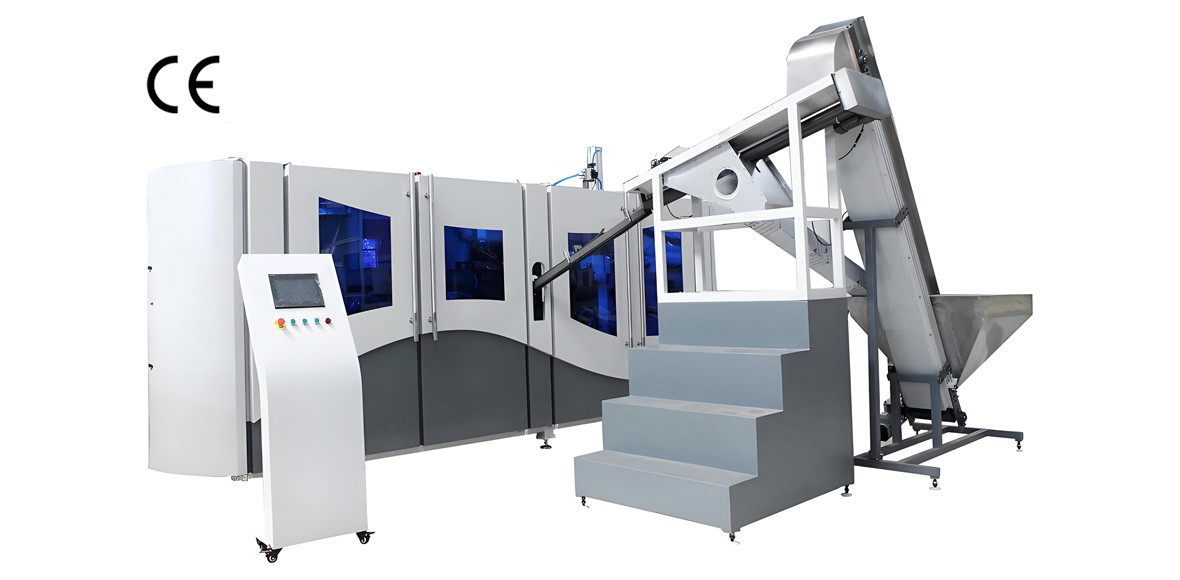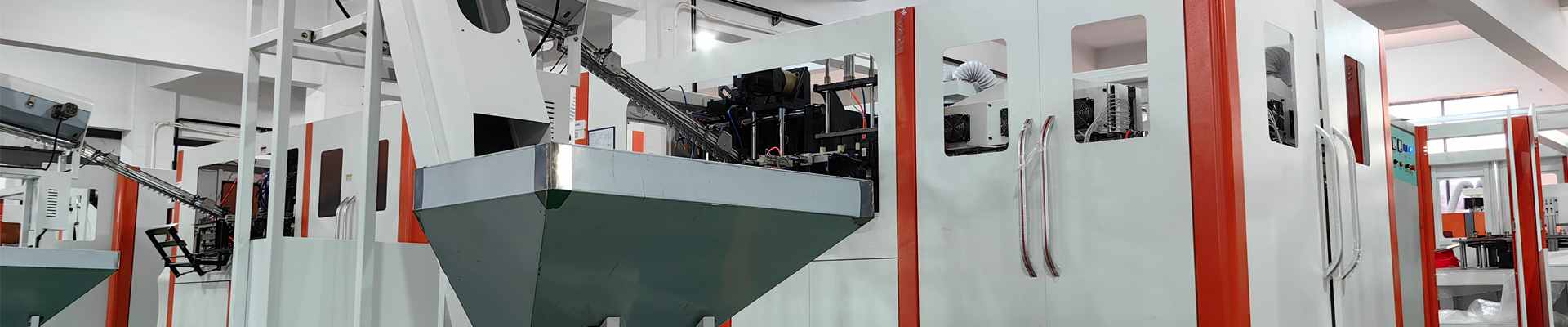
Yu Da Machinery, a Wanplas factory, has specialized in PET bottle blow molding machines for more than twenty years and now ships equipment to over sixty countries as one of the top two manufacturers in China with more than twenty granted patents. The edible oil segment has become one of the steadiest demand drivers for PET containers because the material combines clarity, impact resistance, and a tight oxygen barrier that protects unsaturated fats from rancidity. For an entrepreneur evaluating whether to enter bottle conversion, the central question is not whether PET works for edible oil, but how wide the profit margin is once raw resin, energy, labor, depreciation, and scrap are all accounted for. This analysis breaks the edible oil PET bottle business down into its cost stack, its efficiency levers, and the machine configurations that move a plant from thin margin to healthy return, using a normalized cost index with a baseline of one hundred so that every component can be compared on the same scale.
Why PET Keeps Winning the Edible Oil Aisle
Polyethylene terephthalate earns its place in edible oil packaging through a combination of properties that few alternatives match at comparable cost. The resin delivers high tensile strength and rigidity at low wall weight, which keeps gram weight per bottle down while still surviving stacking, transport, and the repeated handling found in retail channels. Its naturally low oxygen transmission rate slows the oxidative chain reaction that turns fresh oil cloudy and off-flavored, and the material can be tinted amber or green, or loaded with a UV-absorber masterbatch, to further shield the product from light. Clarity also matters: buyers want to see the golden color of the oil, so a transparent or lightly tinted bottle supports shelf appeal while the cap and label carry the brand. From a conversion standpoint, PET is well suited to injection stretch blow molding, the process that orients the polymer chains biaxially and produces the tough, lightweight preform-to-bottle transformation that defines modern edible oil containers.
The dominant route for edible oil bottles is the two-step process: PET preforms are first injection molded, then reheated and stretch blown into the final bottle shape. This separation lets a converter buy standardized preforms or run an in-house preform cell, and it fits the cycle times and cavity counts required for the high volumes that edible oil brands demand, since a single filling line can consume tens of thousands of bottles per day. Bottle sizes in this category cluster around the one liter, 1.25 liter, 1.5 liter, two liter, three liter, and five liter formats, with the five liter jug being especially common for value-oriented cooking oil. Wall distribution, base support geometry, and neck finish must be engineered so the bottle does not panel or creep under the weight of a near-five-kilogram liquid load, and that engineering discipline is where margin-friendly lightweighting begins. A converter who shaves a fraction of a gram per bottle across millions of units captures a meaningful cost reduction without touching the resin price.
Anatomy of the Bottle Manufacturing Cost Stack
To understand profitability, the first move is to normalize the cost of producing a finished edible oil bottle into a single index where the total conversion and material cost equals one hundred. This removes currency and absolute price noise and lets the relative weight of each cost bucket be compared directly. In a typical blow-only operation that purchases preforms and blows them on site, the PET raw material dominates the stack by a wide margin, followed by energy, labor, and the amortization of machinery and molds. A plant that also runs in-house preform injection will see resin still dominant but with a different energy and labor split because the injection cell adds load and staffing. The table below presents a representative blow-only cost index built from field-typical ranges rather than any single quotation, and it should be read as a planning frame rather than a substitute for a plant-specific quotation.
| Cost Component | Share of Index (100) | Cost Grade | Primary Lever |
|---|---|---|---|
| PET resin / preform | 62 | High / volatile | Lightweighting, buy timing |
| Electricity and utilities | 9 | Medium | Heating oven efficiency |
| Direct labor | 8 | Medium | Automation, shift design |
| Machine depreciation | 7 | Medium | Utilization rate |
| Mold and changeover amortization | 4 | Low | Cavity count, tooling life |
| Maintenance and spare parts | 4 | Low | Preventive plan |
| Packaging, handling, scrap | 3 | Low | Yield, rejection rate |
| Overhead and logistics | 3 | Low | Plant layout |
The headline takeaway is unavoidable: with resin at sixty-two index points, no operational tweak on the blow floor can out-muscle the raw material line item. That reality pushes smart converters toward two parallel strategies. The first is structural lightweighting, where better mold design and stretch-blow process control let the same bottle performance be delivered at lower gram weight, directly shrinking the largest cost block. The second is procurement discipline, because resin is priced off upstream petrochemical indices and a converter who buys passively absorbs every swing. Neither strategy requires exotic hardware, but both reward a blow line that is stable enough to run thin walls without blowing rejects. That stability is precisely what separates a margin-rich plant from one that saves on resin only to lose it back in scrap.
High Speed Blow Lines for Volume Players
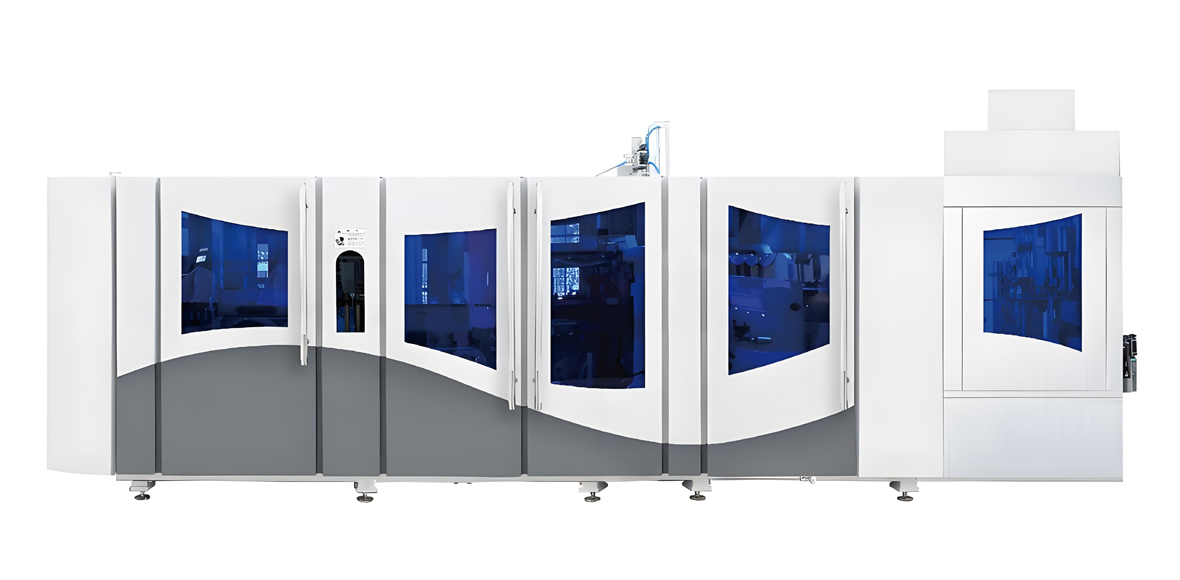
When a converter serves national edible oil brands or runs multiple filling lines, the economics favor a high speed blowing configuration built around the Yu Da FGX series. These machines are engineered for continuous, high-output production where the cost of downtime dwarfs the cost of the equipment itself, and they sit at the core of the Yu Da high speed family rated from eight thousand to fifteen thousand bottles per hour, with single-mode speeds in the twenty-five hundred to three thousand bottles per hour band. The design philosophy centers on a cam linking system that integrates mold opening, mold locking, and bottom mold elevating into one synchronized movement, paired with a high speed servo driving system that keeps cycle consistency tight across long runs. For an edible oil converter, cycle consistency translates directly into uniform wall distribution and fewer out-of-specification bottles that would otherwise become scrap.
| Parameter | FGX High Speed | Note |
|---|---|---|
| Output range | 8000 to 15000 BPH | Continuous duty |
| Single-mode speed | 2500 to 3000 BPH | Per mold configuration |
| Bottle volume | 0.25 to 5 liter | Edible oil formats |
| Heater pitch | 38.1 mm | Minimized spacing |
| Energy saving | 30%+ vs conventional | Oven design |
| Monitoring | Remote PLC access | China HQ support |
Energy efficiency deserves special attention because it is the second-largest controllable line in the index after resin. The FGX series reduces electricity draw by minimizing the heater distance to thirty-eight point one millimeters and by replacing passive oven layouts with a servo-driven, tightly controlled heating path, which the manufacturer rates at more than thirty percent electricity saving against conventional heating ovens. On a plant running two or three shifts, that saving recurs every hour of every day and compounds into a lower unit energy cost that strengthens margin without changing the bottle at all. Combined with modular construction that simplifies mold changeovers and maintenance, the high speed line is the obvious choice once annual volume clears the threshold where utilization keeps depreciation per bottle low. The remote monitoring system further protects uptime by letting engineers at the China headquarters read PLC data and flag abnormalities before they become stoppages.
Mid-Volume and Entry Configurations
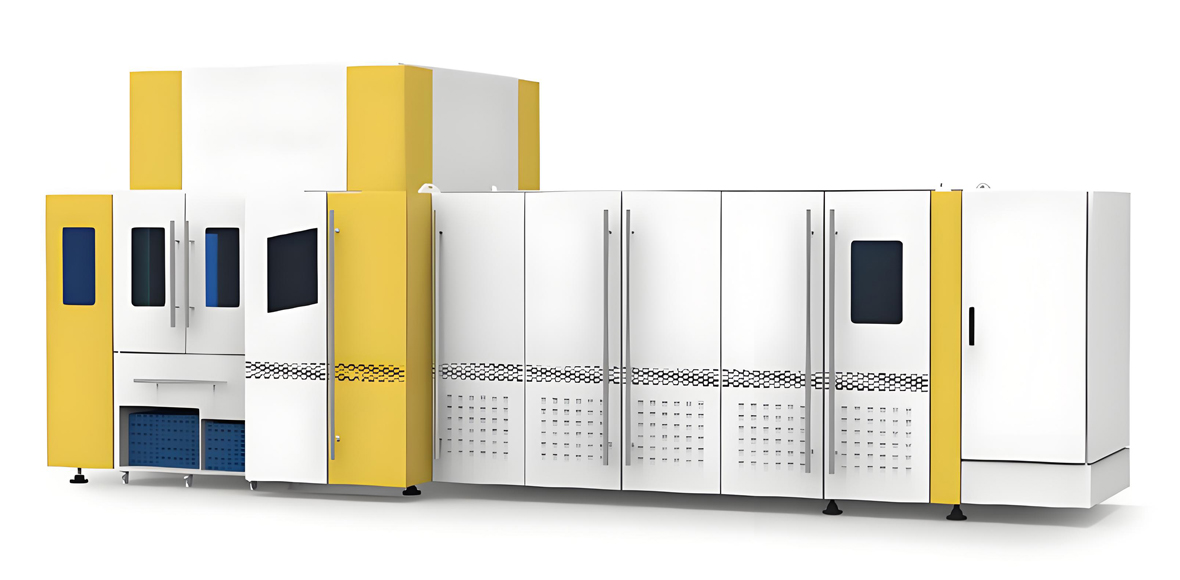
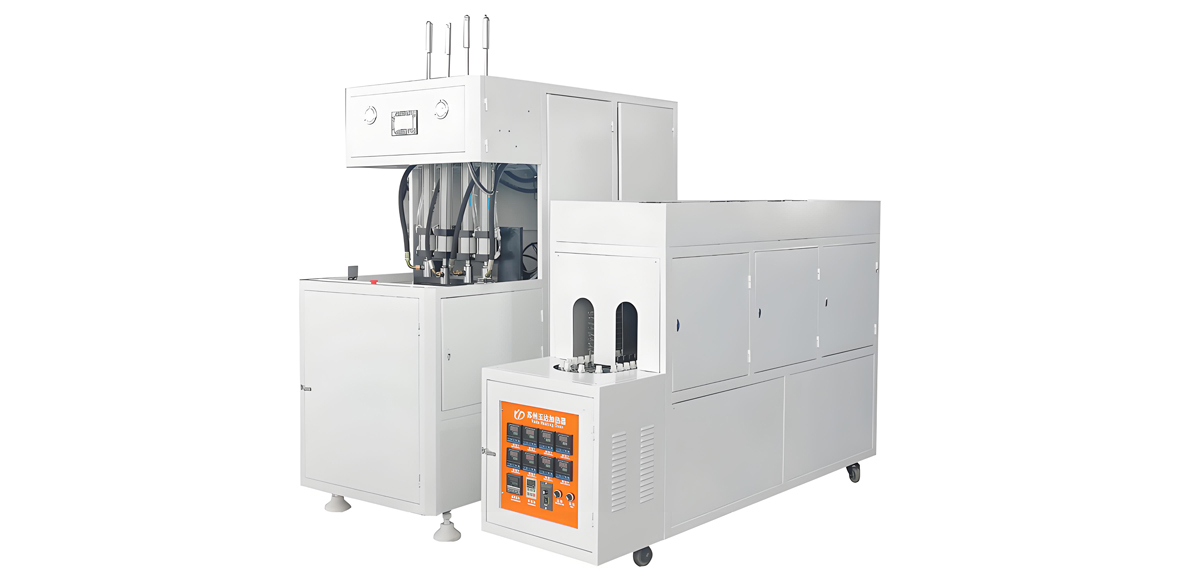
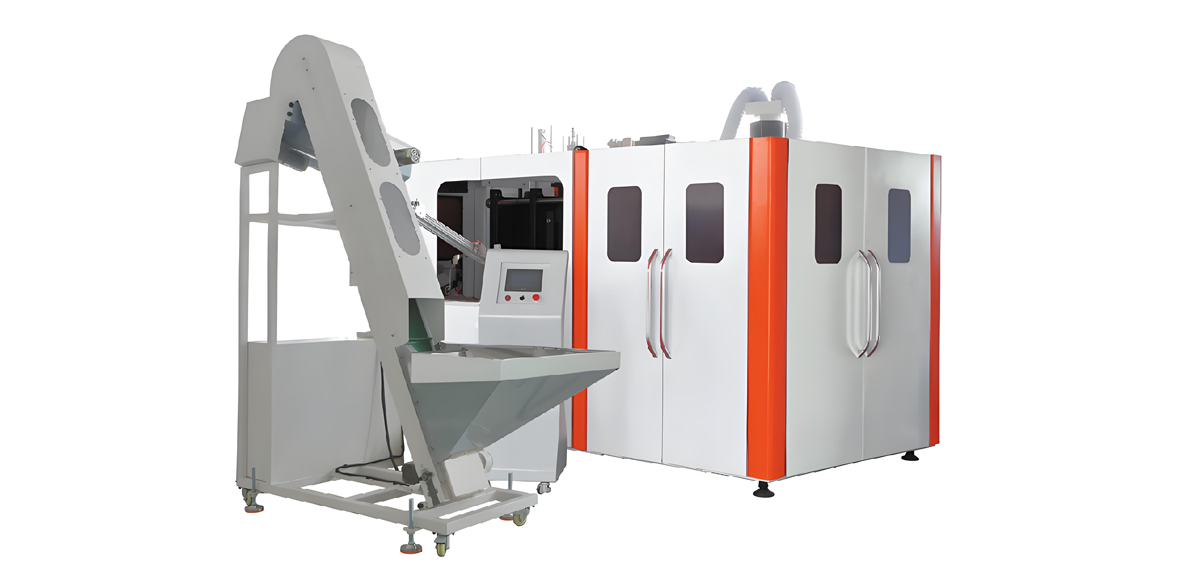
Not every edible oil bottle maker needs fifteen thousand bottles per hour. Regional brands, private-label fillers, and startups often operate in the lower bands where a full high speed line would be underutilized and where depreciation per bottle would actually erode margin instead of protecting it. For these converters Yu Da offers a standard speed series rated from one thousand to seven thousand bottles per hour with full automation, advanced heating systems, and energy-saving technologies, plus a semi-automatic series that carries a lower procurement cost, ships quickly, and suits smaller enterprises that are still building volume. The right move is to match the machine to the realized throughput rather than to the aspirational forecast, because a machine running at half utilization spreads its fixed cost across too few bottles and quietly compresses the margin the buyer thought they had secured.
| Configuration | Output Range | Automation | Best Fit |
|---|---|---|---|
| Standard Speed series | 1000 to 7000 BPH | Full automatic | Regional brands |
| Semi-auto series | Lower, flexible | Semi-automatic | Small enterprise |
| Linear BFC CombiBlock | Compact combi | Integrated | Mini linear lines |
| Bottle BFC machine | Blow-fill-cap | One process | Integrated filling |
For converters who want to collapse the distance between bottle making and filling, the Yu Da linear blowing-filling-capping CombiBlock packages blowing, filling, and capping into a compact, simple, easy-to-operate cell that saves plant area and reduces the handling steps where bottles are most likely to be scuffed or contaminated. The bottle blow-fill-capping machine goes a step further by producing PET bottles while filling drinking water and installing caps in one process, which appeals to operations that want a single accountable line rather than three separate subsystems. These integrated options change the margin equation by cutting labor and floor space, two of the smaller but still meaningful buckets in the cost index, and by reducing work-in-process inventory that ties up working capital. The trade-off is flexibility: a dedicated blow line can serve several fillers, while a CombiBlock is married to one filling rate, so the choice depends on whether the converter prioritizes versatility or footprint.
Where Margin Is Won or Lost on the Shop Floor
Once the machine is installed, profitability is governed less by the headline output number and more by the steady-state losses that never show up on a brochure. Scrap rate is the silent tax on margin: a plant running at a two percent rejection level quietly pays for those bottles twice, once in resin and once in the lost sale, while a plant at half a percent keeps that gap as contribution. Energy per bottle behaves the same way, with efficient ovens and recovered heat turning a medium-grade cost into a low-grade one. Yield, defined as good bottles out divided by preforms in, is the single most honest daily scorecard a converter can watch, and it is far more actionable than any monthly financial summary because the operator can influence it within a shift.
| Shop-Floor Factor | Weak Practice | Strong Practice | Margin Effect |
|---|---|---|---|
| Scrap / rejection | 2% or higher | Below 0.5% | High impact |
| Energy per bottle | Conventional oven | 30%+ saving oven | Medium impact |
| Utilization | Under 60% | Above 85% | High impact |
| Changeover time | Long, manual | Modular, fast | Medium impact |
| Preform storage | Uncontrolled | Conditioned | Low impact |
Utilization deserves a closer look because it sits at the intersection of two cost buckets. Machine depreciation and labor are both largely fixed in the short run, so every additional bottle produced spreads those costs thinner, pushing the per-bottle figure down and the margin up. A converter who buys a high speed line but only runs it one shift leaves the majority of its capacity, and therefore its depreciation advantage, on the table. The counter-risk is overbuying: a line sized for a volume the market does not yet support turns the depreciation lever from friend to enemy. The disciplined approach is to model two or three volume scenarios, compute the cost index for each, and select the configuration whose break-even sits comfortably below the conservative forecast rather than the optimistic one. Yu Da’s range from semi-automatic through standard to high speed exists precisely so a converter can land on the right rung instead of overshooting it.
Application Fit Across the Edible Oil Value Chain
The edible oil bottle business is not monolithic, and the margin profile differs by where the converter sits in the chain. A preform producer sells a semi-finished item on thin conversion margin but at enormous volume, and benefits most from cavity count and resin discipline. A blow-only converter serves fillers and lives or dies by yield, energy, and changeover speed because it has already outsourced the preform step. An integrated filler who blows and fills in-house captures the fullest margin stack but carries the most capital and the most complexity, and therefore needs the most reliable equipment and service backbone. Yu Da machinery supports all three positions because the bottle formats, neck finishes, and output ranges overlap heavily, and because the remote monitoring and modular design reduce the technical risk that integrated operators fear most.
Beyond plain edible oil, the same blow platforms serve adjacent food and beverage, daily chemical, and light industrial liquid packaging, which matters for margin resilience. A converter who can swing capacity toward sunflower, soybean, peanut, corn, or blended oils, and even toward condiment or personal-care bottles during demand dips, avoids the trap of a single-product line that sits idle when one category softens. This diversification is a margin protection strategy as much as a sales strategy, because it keeps utilization high across the year. The constraint is tooling: each bottle shape needs its own blow mold and neck calibration, so the converter must balance mold inventory cost against the flexibility dividend, a calculation that feeds straight back into the cost index through the mold amortization line.
Matching Output to the Right Machine
Choosing the machine is the decision that predetermines a large share of the achievable margin, so it deserves a structured mapping from business requirement to configuration rather than a guess. The table below translates common edible oil converter profiles into a recommended Yu Da configuration, keeping the brand isolation rule intact by referencing only Yu Da and the Wanplas parent. A small private-label filler with seasonal peaks should not be steered to a fifteen-thousand-bottle line any more than a national brand should be handed a semi-automatic unit that cannot meet contract volume, because in both cases the mismatch silently taxes the margin through either idle depreciation or outsourced shortfall.
| Customer Profile | Volume Need | Recommended Yu Da Model | Rationale |
|---|---|---|---|
| Startup, local filler | Low, variable | Semi-auto series | Low procurement cost |
| Regional brand | 1000 to 7000 BPH | Standard Speed series | Full auto, balanced |
| National brand | 8000 to 15000 BPH | FGX High Speed | Max utilization benefit |
| Integrated blow-fill | Compact combi | Linear BFC CombiBlock | Saves floor area |
| One-process filling | Blow-fill-cap | Bottle BFC machine | Single accountable line |
This mapping is intentionally conservative on the high end. A converter tempted by the FGX high speed line should confirm that realized annual volume will keep utilization above the band where depreciation per bottle stops falling, because the energy and labor savings only fully materialize when the machine is actually running. Wanplas, as the parent brand, backs the Yu Da factory with shared engineering discipline and a group-wide service promise, which matters when a converter scales from one line to several and needs consistent spare parts and support across the fleet. The selection conversation should therefore include not just the first machine but the second and third, because the margin story of a growing edible oil bottle business is written across the whole fleet, not a single cell.
Margin Sensitivity and Risk Gradings
A profit margin analysis is only honest if it grades the risks that can flip a healthy return into a loss, and the edible oil PET bottle business has a short list of them. Resin cost is the obvious one, and because it carries the heaviest weight in the index, even a modest move in the petrochemical feedstock translates into a visible swing in contribution margin. Energy cost is the next, graded medium, and it is partly within the converter’s control through oven efficiency and load management. Labor and utilization are graded medium and high respectively because they respond to automation and scheduling discipline. The table below grades each risk and notes the direction of its impact, using the same letter-grade language required for cost commentary so that no absolute price leaks into the analysis.
| Risk Factor | Severity Grade | Direction | Mitigation |
|---|---|---|---|
| PET resin price | High | Compresses margin | Lightweighting, hedging |
| Energy tariff | Medium | Compresses margin | Efficient oven, shifts |
| Low utilization | High | Compresses margin | Right-size the line |
| Scrap rate | Medium | Compresses margin | Process control |
| Demand shift | Medium | Mixed | Multi-format tooling |
| Service downtime | Medium | Compresses margin | Preventive plan, remote |
What the grading makes clear is that the converter controls more of the margin than the raw material line suggests. Resin is largely exogenous, but energy, utilization, scrap, and downtime are all engineering and management variables, and together they account for a meaningful slice of the index that can be shifted from medium to low with disciplined operation. The Wanplas group promise of free parts support, the quality standard that refunds and compensates if quality fails, and the open-factory policy that lets a buyer verify build quality before committing, all reduce the service-downtime risk that grades as medium but can spike if a supplier disappears after the sale. For a margin analysis, that post-sale reliability is not a soft benefit; it is a line item that protects uptime and therefore utilization, the highest-leverage controllable factor in the entire stack.
Service, Spare Parts, and Lifecycle Cost
The purchase price of a blow molding machine is a small fraction of its lifetime cost, so a credible profit margin analysis must count the service backbone as part of the equation. Yu Da, as a Wanplas factory, extends the group’s shared after-sales commitments, including USD 500 of free spare parts every year, free replacement of damaged parts within warranty, and an open-factory policy that welcomes buyers to inspect production before purchase. These commitments matter to margin because unplanned downtime and expensive emergency parts are exactly the medium-grade risks that erode utilization, and a predictable spare-parts allowance turns a variable cost into a planned one. Engineers can also monitor the line remotely through the PLC data link, catching abnormalities before they escalate into stoppages that would otherwise idle an expensive high speed cell.
Lifecycle cost also includes the slower-burning items: mold life, belt and heater replacement, and the labor to retrain operators when a line is upgraded. Modular machine design reduces these by making changeovers and maintenance faster and cheaper, which is why the Yu Da product philosophy leans on modularized construction rather than monolithic builds. For a converter running multiple shifts, the difference between a two-hour changeover and a half-day changeover is not just lost output on the day; it is a recurring tax on flexibility that limits the multi-format strategy described earlier. When the full lifecycle is modeled, the equipment that costs slightly more up front but saves on energy, scrap, and downtime frequently delivers the stronger margin, because the index rewards low controllable costs far more than it rewards a low sticker price.
Frequently Asked Questions
What share of cost does PET resin represent in edible oil bottle making?
In a normalized cost index of one hundred, PET resin and preforms typically account for about sixty-two index points, making raw material by far the largest cost block. This means lightweighting and procurement discipline outperform most shop-floor optimizations, because no operational tweak can offset a resin line that dominates the stack. Converters should treat gram weight reduction and buy-timing as primary margin levers rather than secondary ones.
How much can blow line energy efficiency improve margin?
Energy sits at roughly nine index points and is graded medium, but it is one of the few cost blocks the converter can cut without touching resin. A modern oven design with minimized heater pitch and servo control, such as the Yu Da FGX series rated at more than thirty percent electricity saving versus conventional ovens, lowers the per-bottle utility cost every hour of every shift, compounding into a measurable margin gain across a year of operation.
Which Yu Da machine fits a small edible oil filler?
A startup or local filler with low and variable volume should begin with the Yu Da semi-automatic series, which carries a lower procurement cost and ships quickly, or the standard speed series rated from one thousand to seven thousand bottles per hour if automation is needed. Oversizing to a high speed line risks low utilization, which spreads depreciation across too few bottles and quietly compresses margin rather than protecting it.
Why does utilization matter more than output rating?
Machine depreciation and labor are largely fixed in the short run, so each additional bottle produced spreads those costs thinner and lowers the per-bottle figure. A high speed line run at under sixty percent utilization leaves most of its depreciation advantage unused, while a right-sized line above eighty-five percent utilization converts fixed cost into margin. Output rating only pays off when realized volume keeps the machine busy.
Can one blow line serve multiple edible oil formats?
Yes, within tooling limits. The same Yu Da platforms handle bottle volumes from 0.25 to 5 liter and can swing between sunflower, soybean, peanut, corn, and blended oil bottles, plus adjacent daily chemical containers during demand dips. The constraint is blow mold and neck calibration per shape, so the converter balances mold inventory cost against the flexibility dividend that protects annual utilization.
How does Wanplas support the Yu Da equipment after purchase?
As the parent brand, Wanplas extends shared group commitments to Yu Da buyers: USD 500 of free spare parts every year, free replacement of damaged parts within warranty, an open-factory inspection policy, and remote PLC monitoring that flags abnormalities before they cause stoppages. These reduce the service-downtime risk that otherwise erodes utilization, the highest-leverage controllable factor in the margin stack.
Is in-house preform production better for margin?
It depends on volume and capital appetite. An in-house preform cell can lower the blended material cost and improve supply control, but it adds injection equipment, energy, and labor, changing the cost index split. A blow-only operation that buys preforms keeps capital low and flexibility high, while an integrated filler captures the fullest margin stack at the cost of complexity. The decision should be modeled against the cost index rather than assumed.
Build Your Edible Oil Bottle Margin Case
The profit margin of an edible oil PET bottle manufacturing business is not decided by a single number on a quote sheet; it is the compound result of resin discipline, energy efficiency, utilization, scrap control, and the reliability of the equipment behind the line. Yu Da Machinery, a Wanplas factory with more than twenty years in PET bottle blow molding and a track record across over sixty countries, builds the FGX high speed, standard speed, semi-automatic, and integrated CombiBlock configurations that let a converter land on the right rung of the cost curve instead of overshooting it. If you are weighing an entry into edible oil bottle conversion, the most useful next step is to share your target bottle format, annual volume, and available floor space so a configuration can be matched to your realized throughput and a plant-specific cost index prepared. Yu Da welcomes factory visits under the open-factory policy, offers trial runs on representative bottles, and supports commissioning and operator training so the margin modeled on paper is the margin realized on the floor.