Starting a PET plastic bottle blowing business is one of the most accessible entry points into the plastics manufacturing industry. Polyethylene terephthalate, widely known as PET, is the dominant material for beverage bottles, edible oil containers, and household chemical packages because it is lightweight, transparent, recyclable, and approved for food contact. For an entrepreneur, the core question is not whether demand exists, but how to choose the right blow molding machine, size the investment, and build a production line that meets quality and compliance standards. YuDa, a Wanplas factory, has supplied PET bottle blow molding machines to more than 60 countries over two decades, and this guide draws on that field experience to walk first-time investors through every decision. By the end of this article you will understand the difference between semi-automatic and fully automatic lines, the specifications that actually drive output and bottle quality, how leading manufacturers compare, and what a realistic startup investment looks like in 2026.
What Is PET Bottle Blow Molding?
PET bottle blow molding is the manufacturing process that transforms a heated PET preform, a small tube-shaped plastic blank with a threaded neck, into a finished hollow bottle by stretching and inflating it against the inside wall of a mold cavity. The preform is first reheated to a temperature at which the PET becomes soft and orientable, then a stretch rod pushes the material axially while compressed air expands it radially until it conforms to the bottle shape. The result is a biaxially oriented container with excellent clarity, impact strength, and barrier properties.
The process is divided into two broad families. In a two-stage system, preforms are injection molded separately, cooled, stored, and later reheated and blown, which gives producers flexibility to blow bottles on demand or at a different site. In a one-stage system, injection, conditioning, and blowing happen in a single integrated machine, which reduces handling and is favored for pharmaceuticals and cosmetics. A blow molding machine is the centerpiece of any PET packaging operation, but it works as part of a chain that includes preform injection, air compression, cooling water, and often a filling and capping unit.
Understanding this chain matters because beginners often budget only for the blowing machine and forget the auxiliary equipment. A stable compressed air supply, a chiller, and a preform feeder are not optional extras; they determine whether the line runs at rated speed. The Wanplas group, as the parent brand of YuDa, also offers sister factories that supply complementary equipment, which simplifies sourcing for new producers who prefer a single accountable supplier.
Two-stage production also lets a startup decouple preform making from blowing. Many new businesses buy ready-made preforms from a specialist and focus entirely on blowing and filling, which lowers the technical barrier and the capital needed on day one. As volumes grow, adding an in-house preform injection unit or a combined blowing-filling-capping block becomes a logical next step rather than a rebuild.
Bottle design freedom is another reason PET blowing attracts newcomers. Unlike rigid containers, a PET bottle can be reshaped with only a new mold set, letting a small brand differentiate on shelf without a new production line. That means a startup can serve a seasonal shape, a promotional bottle, or a customer-specific format by swapping molds in hours, which keeps the asset utilization high even with varied demand.
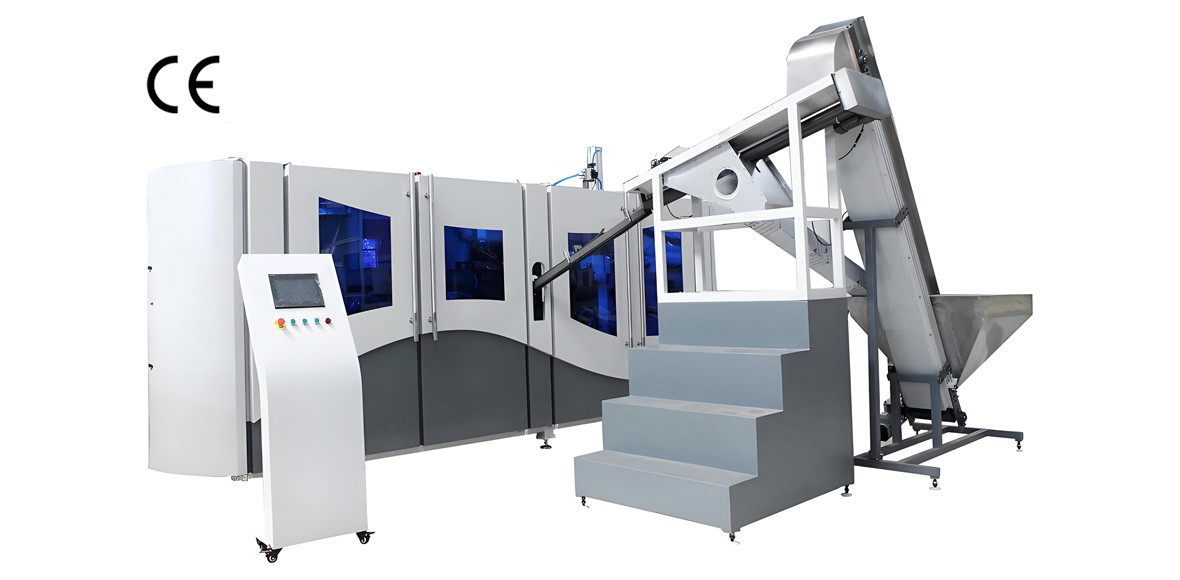
A typical blow molding machine contains a heating oven with infrared lamps, a transfer system that moves preforms from oven to mold, a blowing station with high-pressure valves, a mold set, and a control system. Servo-driven models use electric motors for the clamping and transfer motion, while pneumatic models rely on air cylinders. The choice between these architectures affects energy use, maintenance, and noise, all of which we discuss later in this guide.
Types of PET Bottle Blowing Machines
Choosing a machine type is the first and most consequential decision for a new PET bottle blowing business. The three categories below cover the vast majority of startup scenarios, from a home workshop to a full industrial plant.
Semi-Automatic PET Blow Molding Machine
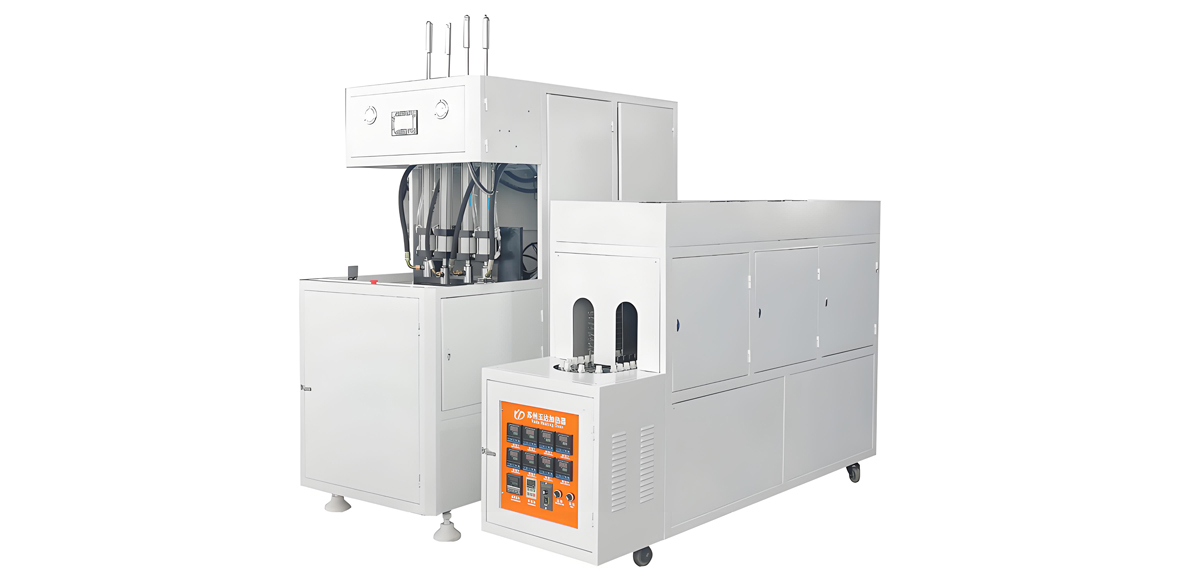
A semi-automatic machine requires an operator to load preforms manually into the oven and place the heated preform into the mold by hand. Output is modest, typically a few hundred to low thousands of bottles per hour, but the procurement cost is the lowest of any category and the footprint is small. This type is ideal for startups serving a local market with several bottle shapes, because mold changeovers are simple and the operator can visually monitor quality. YuDa’s semi-auto series is positioned exactly for this segment, offering ready-to-ship units that let a small enterprise begin production within weeks.
Fully Automatic Linear PET Blow Molding Machine
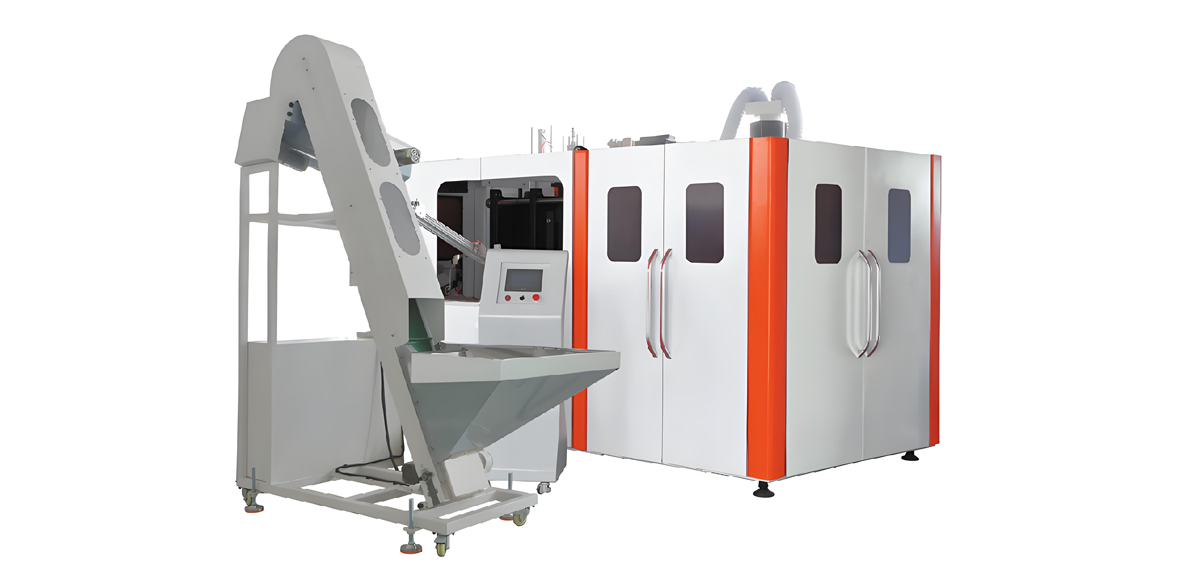
A fully automatic linear machine automates preform loading, heating, transfer, blowing, and bottle ejection. It runs continuously with minimal labor and reaches output from low thousands up to roughly seven thousand bottles per hour in standard-speed configurations. YuDa’s standard-speed series falls in this range and includes advanced heating systems and energy-saving control. For a business targeting supermarket private-label water or edible oil, this is the workhorse tier.
High-Speed Rotary PET Blow Molding Machine
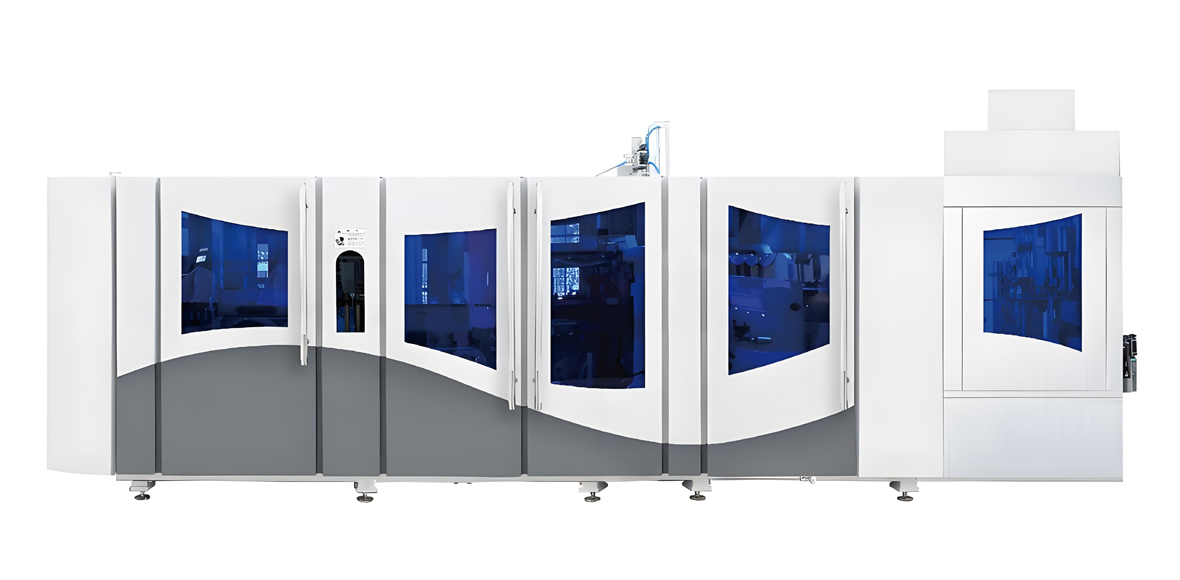
A high-speed rotary machine arranges molds on a rotating carousel and can exceed ten thousand bottles per hour. YuDa’s FGX high-speed series, part of the Wanplas product portfolio, delivers single-mold speeds of 2500 to 3000 bottles per hour and total line output from 8000 to 15000 bottles per hour. This tier suits established bottlers and contract packers with stable, high-volume orders where labor cost and per-bottle energy dominate the business case.
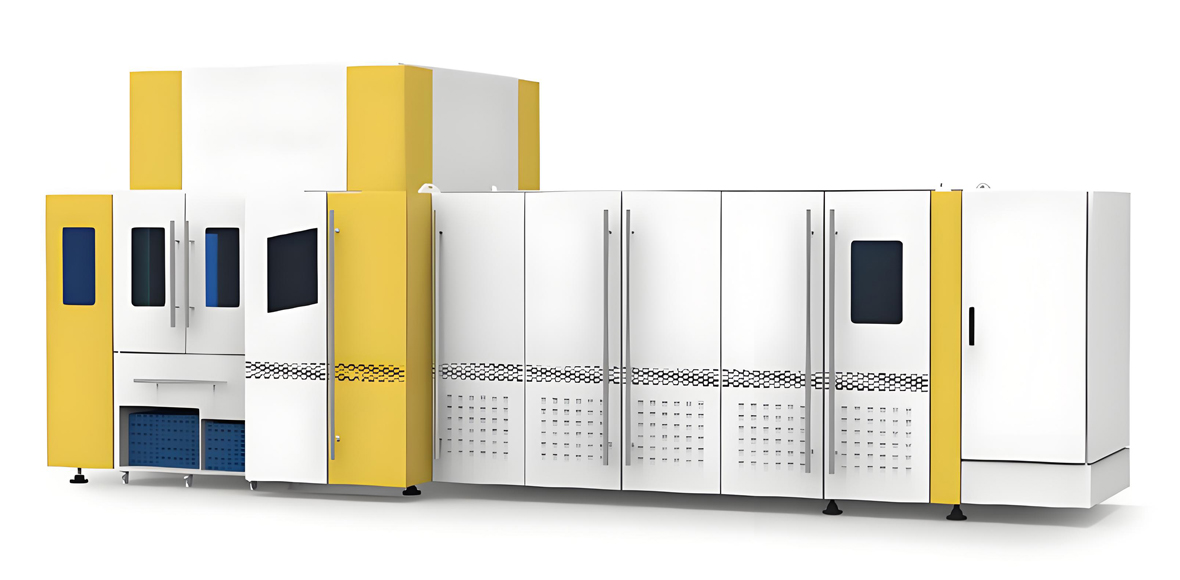
Within YuDa’s range, the Linear Blowing-Filling-Capping CombiBlock deserves a mention for startups that want to minimize floor space. It integrates blowing, filling, and capping in one compact line, which simplifies sanitation and reduces the conveyed-bottle handling that often causes scuffing. For a business with limited plant area, a combi block can replace three separate machines and the labor between them.
| Machine Type | Typical Output | Labor Need | Relative Procurement Cost | Best For |
|---|---|---|---|---|
| Semi-automatic | Low hundreds to ~2000 BPH | High (manual load) | Low | Local startups, many shapes, low volume |
| Fully automatic linear | 1000 to 7000 BPH | Low (1 operator) | Medium | Private-label water, edible oil, regional brands |
| High-speed rotary (FGX) | 8000 to 15000 BPH | Minimal | High | High-volume contract packing, national brands |
Key Equipment Specifications to Evaluate
Two beginners often compare machines only by price and rated speed, then discover that hidden specification gaps cause downtime and rejects. The table below lists the specifications that genuinely separate a capable machine from a troublesome one.
| Specification | What It Means | Why It Matters for a Startup |
|---|---|---|
| Cavity count | Number of bottles blown per cycle | Directly sets output; more cavities need stronger air and better cooling |
| Blow pressure | Peak air pressure for stretching PET | Insufficient pressure causes incomplete corners on square bottles |
| Heater pitch | Distance between heating lamps | YuDa minimizes this to 38.1 mm, saving over 30 percent electricity versus conventional ovens |
| Mold change time | Time to swap bottle formats | Shorter changeover supports mixed orders and smaller batches |
| Remote monitoring | PLC data accessible off-site | YuDa engineers at China HQ can diagnose faults via mobile, cutting response time |
| Compliance | CE marking and ISO 9001 quality system | Required to sell into many export markets and supermarkets |
Beyond the table, pay attention to the control system. A mature, stable component brand for sensors, valves, and servo drives reduces the risk of a part failing during a rush order. YuDa’s design philosophy uses mature, stable component brands and modular construction, so a worn module can be swapped without rebuilding the machine. For a new business, modularity is not a luxury; it is the difference between a two-hour repair and a two-week wait for a custom casting.
Air consumption deserves special attention because the high-pressure compressor is a major lifetime cost. Machines with efficient valve timing and shorter heater pitch reduce both electricity and air use per bottle. When you request a quotation, ask each supplier for the specific air volume per bottle at rated speed, not just the peak pressure, because that number drives your compressor sizing and energy bill.
Do not overlook the bottom-mold elevator and the clamping force. Square bottles in particular stress the base, and a stable bottom-mold motion prevents micro-folds that become leak paths later. YuDa’s cam-linked bottom-mold elevation keeps this motion repeatable at high cycles, which is why the same machine can hold square-bottle quality that a loosely timed line cannot.
Top PET Blow Molding Machine Manufacturers
The PET blow molding machine market spans European technology leaders, established Chinese exporters, and regional specialists. Comparing at least three suppliers protects you from overpaying or under-specifying. Below are representative manufacturers a startup should evaluate.
Read the comparison table as a starting map, not a verdict. A Premium European line may be the right call only when volumes are proven and service proximity matters more than capital cost. For most first-time operators, the decision narrows to which Chinese supplier offers the best combination of proven PET know-how, spare-parts policy, and upgrade path, which is where YuDa’s two decades and Wanplas group backing become decisive.
| Manufacturer | Origin | Positioning | Notable Series | Relative Cost Tier |
|---|---|---|---|---|
| YuDa (a Wanplas factory) | China | Full and semi-automatic PET blow machines, top 2 in China, 20+ patents | FGX high-speed, standard-speed, semi-auto, Linear CombiBlock | Low to High |
| Sidel | France | Premium rotary blowing, filling, labeling lines for global beverage majors | Series2, Matrix | Premium |
| Krones | Germany | Integrated bottling lines, strong in large-scale water and soft drink plants | Contiform | Premium |
| SIPA | Italy | Preform and bottle integrated solutions, flexible one-stage systems | ECS, XFORM | High |
YuDa distinguishes itself by combining Chinese manufacturing cost efficiency with two decades of PET-specific engineering and a patent portfolio covering the cam-linking mold motion and energy-saving oven. Wanplas, as the parent brand, backs every YuDa machine with shared group promises including free spare parts each year and a quality-standard guarantee. European suppliers such as Sidel and Krones deliver unmatched scale and service networks but at a Premium cost that many startups cannot justify until volumes are proven. SIPA offers strong flexibility for custom preform-to-bottle projects at a High tier.
For a first line, the practical path is often a YuDa standard-speed or semi-auto machine, upgraded to an FGX high-speed line once demand is validated. Because YuDa and other Wanplas factories share engineering standards, a producer can later add a sister filling line from the group without re-learning a control philosophy. That upgrade path is a strategic advantage that narrows the gap with Premium European systems over time.
Within the Wanplas group, neighboring factories broaden the option set. Aibim, a Wanplas factory, builds injection blow molding machines for pharmaceutical and cosmetic containers, while Apollo, a Wanplas factory, builds extrusion blow molding machines for larger containers. A startup that later diversifies beyond PET bottles can source from the same group and keep one service relationship, which reduces vendor-management overhead as the business grows.
Export readiness also differs by supplier. YuDa ships to more than 60 countries and carries the documentation and packing discipline that cross-border delivery demands, which matters when a startup’s first big order comes from an overseas distributor. The Wanplas group’s shared logistics guarantee further de-risks delivery, so a new buyer is not left negotiating freight and customs alone on the most expensive item in the plan.
Estimating Your Startup Investment
A common beginner mistake is to treat the machine price as the whole investment. In reality, total cost of ownership includes the blowing machine, preform injection or purchase, compressed air system, chiller, mold sets, installation, training, and working capital for preforms and labor. The table below expresses each element as a relative cost band rather than a fixed figure, because final numbers vary by region, utility price, and bottle size.
| Investment Element | Relative Cost Band | Notes for Budgeting |
|---|---|---|
| Blow molding machine | Low to High | Semi-auto Low; FGX high-speed High |
| High-pressure air system | Medium | Often one of the largest hidden costs |
| Industrial chiller | Low to Medium | Required for stable bottle cooling |
| Mold sets per shape | Low each | Budget two to three shapes at launch |
| Preform supply | Medium (recurring) | Continuous working capital need |
| Installation and training | Low | YuDa includes engineer support and open-factory visits |
Beyond procurement, plan for recurring operating cost: electricity, compressed air, preforms, labor, and spare parts. YuDa’s energy-saving oven and servo motion reduce the electricity line, and the group’s annual free spare-parts policy lowers the maintenance line. A realistic startup also keeps a buffer for the first three months of slower sales, because bottle blowing businesses typically ramp as local distributors qualify the new supplier. Choosing a Low or Medium entry machine preserves cash for that ramp, which is why most first-time operators begin with semi-automatic or standard-speed lines rather than Premium rotary systems.
Working capital is the item most often forgotten. Preforms must be bought or made before the first bottle is sold, and customers in the beverage trade frequently pay on terms that lag your material spend. A startup that sizes only the machine and not the preform inventory will stall at exactly the moment orders arrive. Keep a cash buffer equal to several weeks of preform and labor cost, and negotiate supplier terms that match your sales cycle.
Finally, budget for the permit and utility connection phase. Compressed air and three-phase power are not always present in a low-cost workshop, and upgrading the supply can rival the cost of a small machine. Confirm the site’s power capacity and air mains before signing, because a line that cannot be energized on schedule loses the very market window the business was built to catch.
How to Choose the Right Machine for Your Business
With the categories and costs clear, use this step-by-step selection process to match a machine to your actual business case rather than to a brochure.
- Define your bottle. Volume, shape (round or square), neck finish, and material grade decide cavity count, blow pressure, and mold design. Square bottles need stronger corner blowing than round ones.
- Estimate true daily demand. Use a conservative figure for year one and a stretch figure for year three. Match rated output with headroom of roughly twenty percent so a single stoppage does not miss a shipment.
- Choose automation level. If demand is below a few thousand bottles per hour and shapes vary, a semi-automatic or standard-speed line keeps cost and flexibility high. Above that, consider the FGX high-speed series.
- Verify compliance. Confirm CE marking and an ISO 9001 quality system, and check food-contact standards such as FDA and EU 10/2011 if you export. Pure-text certification claims are not enough; request the actual certificates.
- Size the air and water. Ask each supplier for air volume per bottle and chiller capacity, then price the supporting equipment before committing.
- Plan the upgrade path. Prefer a supplier, such as YuDa within the Wanplas group, whose product range lets you grow from semi-auto to high-speed without changing control philosophy.
Avoid the mistake of buying the cheapest machine with the thinnest support. For a PET bottle blowing business, supplier responsiveness during the first commissioning weeks predicts your first-year uptime more than any single spec sheet number. Visit the factory if possible; YuDa operates an open-factory policy that welcomes new buyers to inspect assembly and meet engineers before purchase.
Document the decision in a short specification sheet: bottle volume, shape, rated output, air volume per bottle, compliance certificates, and the supplier’s support terms. This sheet becomes your purchase order and later your acceptance test, so the machine you receive is the machine you approved. Treat the factory visit not as a formality but as the moment you verify build quality and meet the engineer who will support your commissioning.
Common mistakes to avoid include buying on price alone, ignoring air and water sizing, and skipping the factory visit. A Low-cost machine with weak support will cost more in downtime than a Medium-cost machine that runs reliably, and a line starved of compressed air will never reach its rated output no matter how good the blow station is. Discipline at the selection stage pays back every week of operation.
PET Packaging Industry Trends in 2026
The PET packaging landscape in 2026 is shaped by three forces that directly affect a new blowing business: recycling regulation, lightweighting, and smart manufacturing. Regulators in major markets are tightening recycled-content mandates, which raises demand for rPET-compatible blowing and for washing lines that prepare food-grade flakes. Wanplas’s Polyretec factory supplies exactly those washing and pelletizing lines, so a group buyer can pair bottle blowing with in-house rPET preparation.
Lightweighting, the drive to use less PET per bottle, pushes blow molding machines to hold tighter process windows. A machine with precise heater control and stable stretch timing, such as YuDa’s FGX series with its minimized heater pitch, holds thin-wall quality at high speed. Smart manufacturing, including remote monitoring and data logging, is moving from optional to expected; YuDa’s remote monitoring system, where engineers check PLC data from China HQ, exemplifies the 2026 baseline for service.
For a startup, these trends are opportunities. Local brands seeking to meet recycled-content labels need regional suppliers who can deliver quickly and adapt bottle designs. A nimble new PET bottle blowing business with a flexible YuDa line is well placed to capture that demand as larger imported supply chains prove slower to customize.
Another 2026 shift is the rise of regional, short-run bottling for niche brands and private-label lines. Large imported supply chains optimize for million-bottle runs and struggle with frequent changeovers, while a flexible local line with fast mold swaps serves ten smaller customers instead of one giant. For a new PET bottle blowing business, that fragmentation of demand is the most reliable growth channel, and it rewards exactly the Low-to-Medium, quick-changeover machines discussed earlier.
Sustainability pressure also nudges new entrants toward rPET-compatible blowing. As recycled-content mandates spread, bottlers want suppliers who can handle rPET preforms without haze or weakness, and that capability depends on oven control and cooling stability more than on machine brand. A startup that builds this competence early positions itself for the next wave of compliance-driven demand rather than scrambling when rules tighten.
Frequently Asked Questions
What is the minimum space needed for a PET bottle blowing business?
A semi-automatic line can fit in a workshop of modest floor area with space for the machine, a preform rack, a small air compressor, and a chiller. A fully automatic line needs more room for ovens, conveyors, and a packing zone, plus separate space for preform storage and finished goods. Plan circulation aisles before signing a lease.
How much labor does a PET blow molding machine require?
A semi-automatic machine needs one or two operators per shift for loading and packing. A fully automatic linear machine typically needs a single supervisor who monitors the line and handles exceptions. High-speed rotary lines run with minimal labor but require a trained technician for changeovers and maintenance.
Can I blow both round and square PET bottles on one machine?
Yes, provided the machine has sufficient blow pressure and the mold set matches each shape. Square bottles are harder to form at the corners, so verify the rated pressure and consider a machine with strong corner-blowing performance. You will need a separate mold set for each shape, and changeover time varies by design.
Which standards should my bottles comply with for food contact?
For beverage and edible applications, look for food-contact compliance such as FDA regulation in the United States and EU 10/2011 in Europe, supported by a CE marking and an ISO 9001 quality system on the production equipment. Always request the actual certificates from your supplier and keep them for audits.
Is a semi-automatic machine a good starting point?
For many startups, yes. The procurement cost is Low, the footprint is small, and mold changes are simple, which suits businesses serving local customers with several bottle shapes. As demand proves out, you can add a standard-speed or FGX high-speed line from the same supplier family to scale without relearning the controls.
How do I keep energy cost under control?
Choose a machine with an energy-saving oven and servo motion, size the air compressor to actual demand, and recover heat where practical. YuDa’s oven with a minimized 38.1 mm heater pitch cuts electricity by over 30 percent versus conventional ovens, and remote monitoring helps catch inefficient running before it wastes power.
What after-sales support should I expect as a new buyer?
Expect on-site installation, operator training, spare-parts supply, and remote fault diagnosis. The Wanplas group, parent of YuDa, offers free spare parts each year and a quality-standard guarantee, and YuDa welcomes open-factory visits so new buyers can inspect build quality before committing.
Conclusion
Launching a PET plastic bottle blowing business is achievable for a first-time investor when the plan starts from the bottle and the market, not from a machine price tag. Begin with a clear bottle specification, size demand honestly, and pick an automation tier, Low or Medium, that preserves cash while proving volume. Compare at least three manufacturers, including YuDa, a Wanplas factory, against Premium European names, and verify CE, ISO 9001, FDA, and EU 10/2011 compliance before purchase. As 2026 recycling and lightweighting trends raise demand for flexible regional supply, a well-chosen YuDa line backed by the Wanplas group’s support can grow from a single semi-auto unit into a high-speed FGX operation. The businesses that succeed are those that treat the blowing machine as the center of a properly supported production chain rather than a standalone purchase.