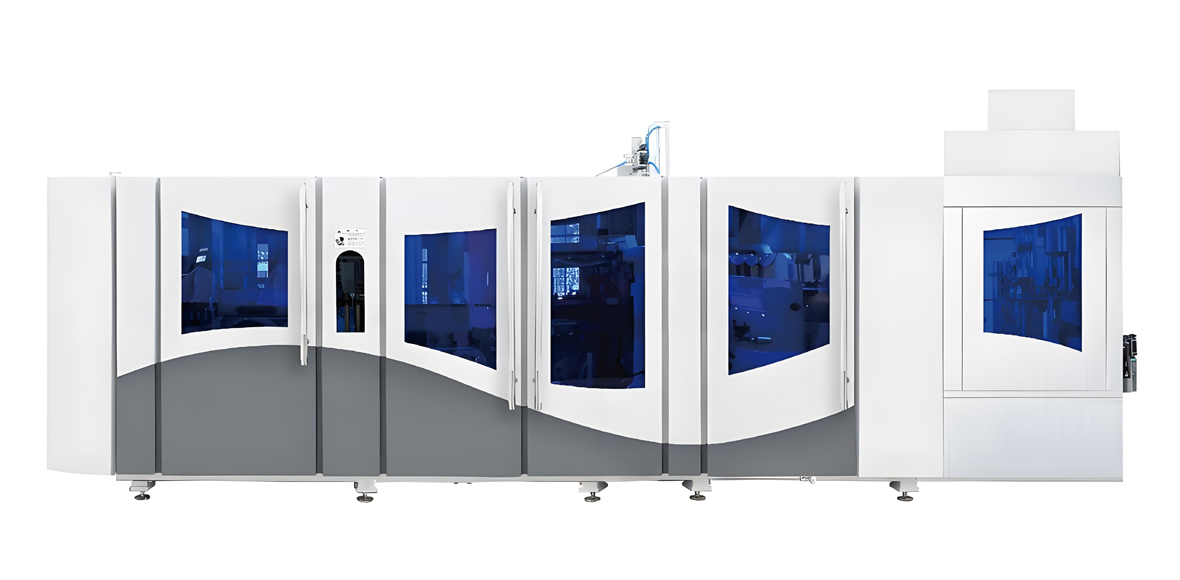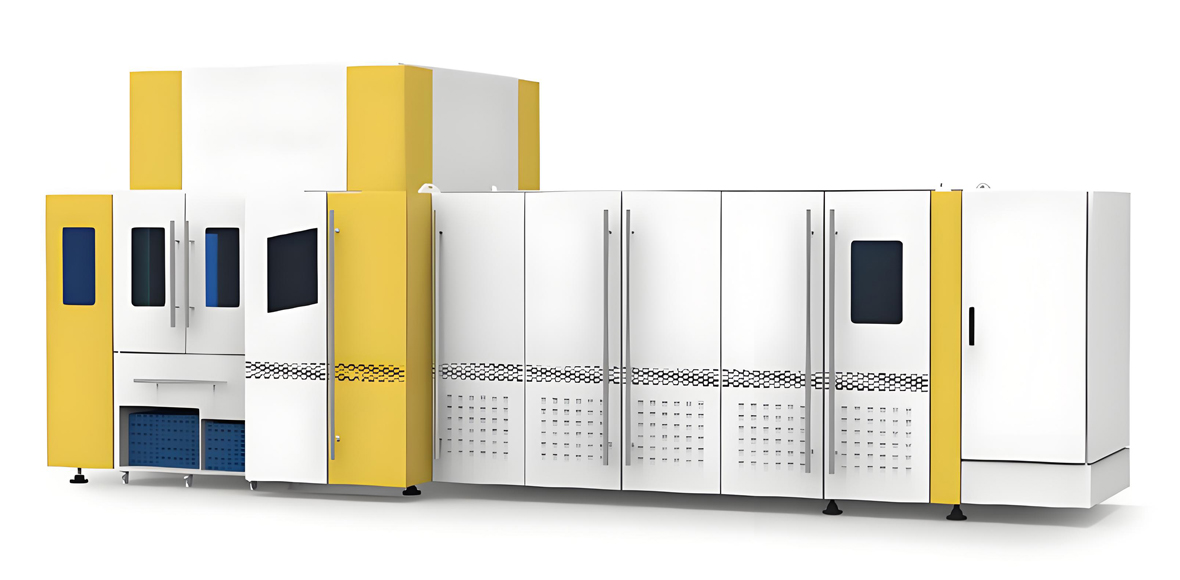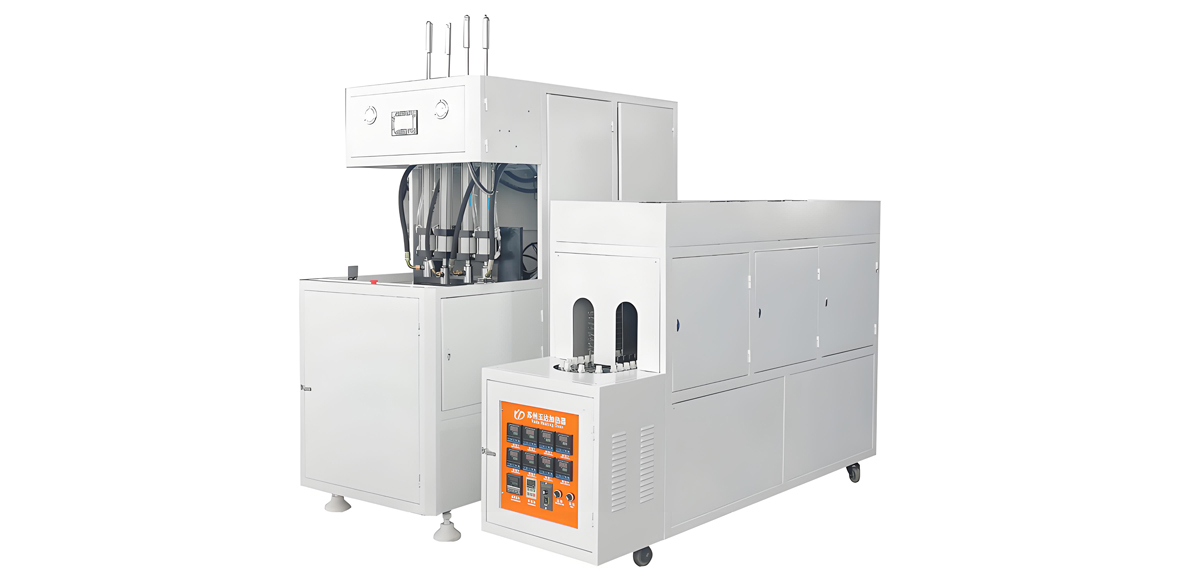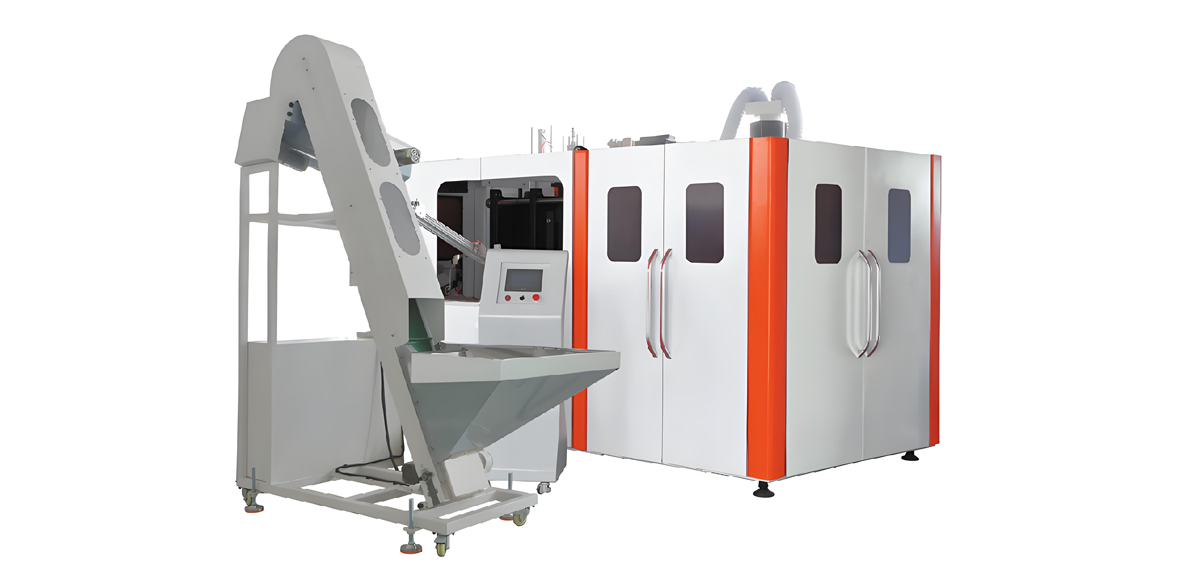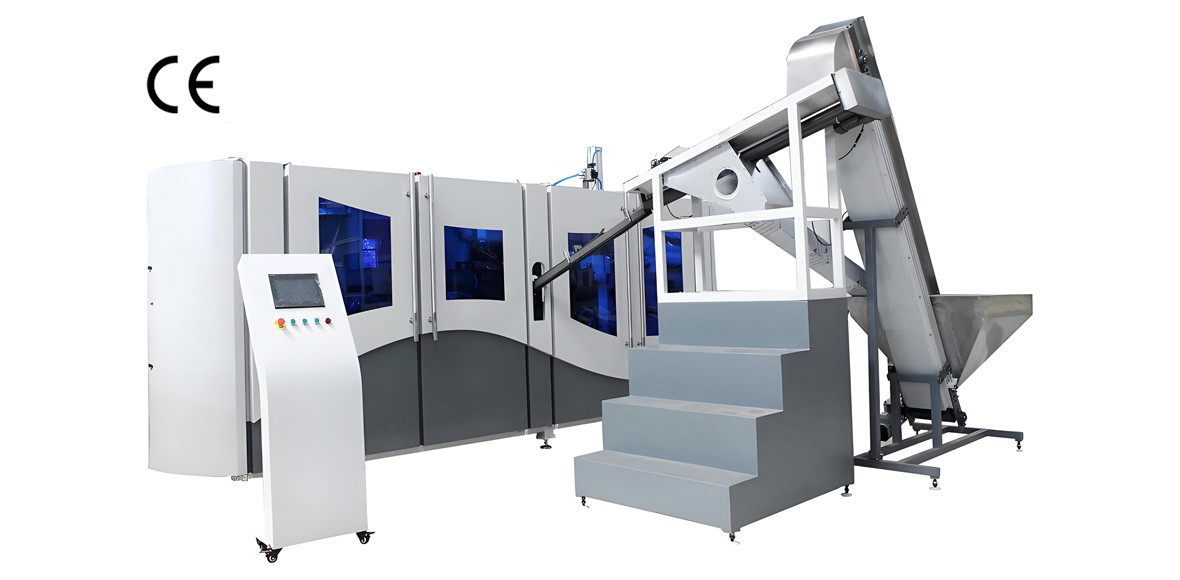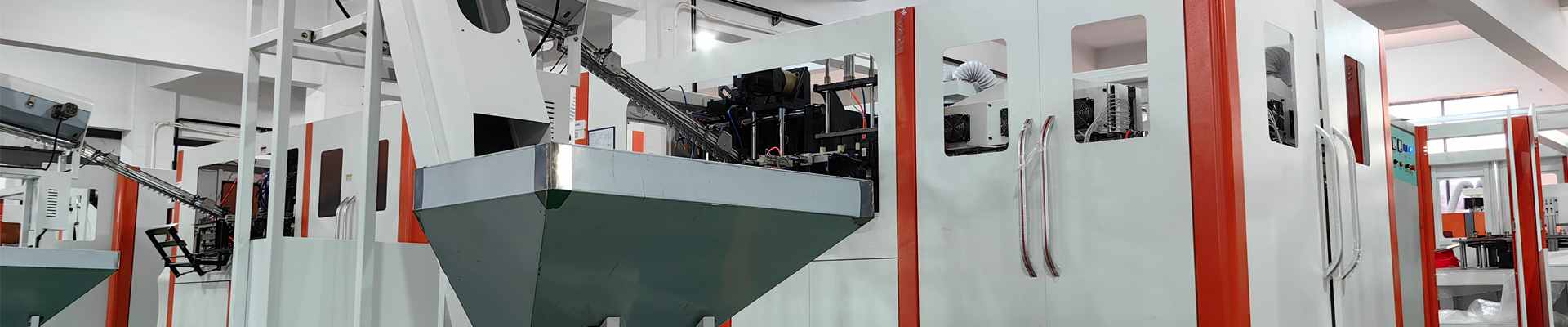
Disinfectant bottles are essential packaging containers for medical alcohol, 84 disinfectant, quaternary ammonium salt disinfectants, and household sterilization solutions, requiring excellent chemical resistance, structural stability, and safety performance during long-term liquid storage. As the core manufacturing equipment for standardized disinfectant packaging containers, the PET Bottle Blow Molding Machine relies heavily on scientific and targeted raw material formulas to produce qualified industrial and medical-grade disinfectant bottles. Ordinary universal PET raw materials cannot adapt to the corrosive characteristics of disinfectant liquids, easily causing bottle body swelling, cracking, transparency attenuation, and liquid leakage during long-term storage.
YUDA, a professional manufacturer of high-precision PET blow molding equipment, has summarized and optimized exclusive PET raw material formulas for disinfectant bottle production based on years of equipment research and development and mass production experience. These targeted formulas are perfectly adapted to the operating parameters and molding characteristics of YUDA PET Bottle Blow Molding Machine, effectively solving common production defects and product quality problems of disinfectant bottles. This article comprehensively analyzes the performance requirements, core formula ratios, material selection standards, molding process parameters, cost estimation, and production optimization schemes of PET raw materials for disinfectant bottle blow molding, providing systematic technical guidance for packaging enterprises to stabilize product quality and reduce production costs.
1. Performance Requirements of PET Materials for Disinfectant Bottle Production
1.1 Chemical Resistance Requirements for Disinfectant Storage
Disinfectant products contain active chemical ingredients such as ethanol, sodium hypochlorite, and quaternary ammonium salts, which have certain corrosive and oxidative properties. Ordinary PET materials will undergo molecular structure changes after long-term contact with disinfectants, resulting in reduced bottle body toughness, surface fogging, micro-cracking, and even liquid leakage. Therefore, PET raw materials for disinfectant bottle blow molding must have excellent chemical corrosion resistance and oxidation resistance, which can maintain stable physical and chemical properties during long-term storage of different types of disinfectant liquids without chemical reaction, swelling, or aging deterioration.
Ethanol-based alcohol disinfectants have strong permeability, which easily causes ordinary PET bottles to soften and deform. Hypochlorite disinfectants have strong oxidizing properties, which will accelerate the aging and yellowing of common plastic materials. Professional disinfectant-grade PET materials need to resist dual erosion of penetration and oxidation, ensuring that the bottle body remains intact, transparent, and stable within the product shelf life and long-term storage cycle.
1.2 Physical and Mechanical Performance Standards
Disinfectant bottles need to withstand stacking extrusion during transportation and storage, as well as daily opening and closing extrusion, putting forward strict requirements on the mechanical properties of PET raw materials. Qualified disinfectant bottle PET materials must have high tensile strength, impact resistance, and compression resistance. The bottle body will not crack or deform under normal stacking pressure and accidental drop impact, avoiding disinfectant liquid leakage and safety accidents.
In addition, the material needs to have uniform ductility and molding stability to adapt to the high-speed stretching and blowing process of YUDA PET Bottle Blow Molding Machine. It can form a uniform and dense bottle wall structure, ensuring consistent wall thickness and structural stability of batch products, and avoiding quality defects such as thin wall, uneven stretching, and local brittle cracking.
1.3 Molding Adaptability for PET Blow Molding Machine
Different from ordinary food and beverage PET bottles, disinfectant bottle raw materials need to match the professional process parameters of industrial blow molding equipment. The material must have stable melting point, uniform fluidity, and appropriate curing speed, which can adapt to the high-efficiency continuous production mode of YUDA PET Bottle Blow Molding Machine. Too high or too low material fluidity will lead to incomplete bottle molding, surface wrinkles, and unstable dimensional tolerance, reducing product qualification rate.
At the same time, the optimized formula materials have low thermal sensitivity, no thermal decomposition and coking during high-temperature plasticization and stretching, no harmful gas precipitation, ensuring clean and hygienic bottle surface, meeting medical and industrial disinfectant packaging safety standards, and adapting to long-term stable mass production of blow molding equipment.
1.4 Safety and Environmental Protection Certification Standards
Medical and household disinfectant bottles belong to special industrial packaging products, and raw materials must meet international environmental protection and safety certification standards, with non-toxic, odorless, and harmless characteristics. The PET formula materials used for disinfectant bottle blow molding do not add harmful plasticizers and chemical additives, will not precipitate toxic substances during long-term contact with disinfectant liquids, and will not cause secondary pollution to the liquid.
In addition, the materials have good recyclability, meeting the green environmental protection production requirements of the modern packaging industry, reducing enterprise environmental protection pressure, and adapting to the sustainable development production mode of modern blow molding factories.
2. Defects of Ordinary PET Formulas in Disinfectant Bottle Production
2.1 Chemical Aging and Product Failure Problems
Most enterprises use ordinary beverage-grade PET raw materials to produce disinfectant bottles to reduce costs, which has extremely hidden quality risks. Ordinary PET formulas have single molecular structure and poor chemical resistance. After 1 to 3 months of storing alcohol and hypochlorite disinfectants, the bottle body will gradually become foggy and yellow, the surface gloss will disappear, and micro-cracks will appear on the bottle wall. In severe cases, the bottle body will swell and deform, leading to liquid leakage and product scrapping.
This kind of quality failure not only increases enterprise production loss and after-sales maintenance costs but also easily causes safety hazards in the storage and transportation of disinfectant products, affecting enterprise brand reputation and market qualification audit results.
2.2 Poor Molding Adaptability and Low Qualification Rate
Ordinary universal PET formulas have unstable fluidity and unreasonable melting and curing characteristics, which cannot perfectly match the process parameters of professional PET Bottle Blow Molding Machine. In the high-speed blow molding production process, the material stretching uniformity is poor, resulting in uneven wall thickness of disinfectant bottles, easy generation of stretch marks and surface bubbles, and unstable product dimensional accuracy.
The defective rate of ordinary PET formulas in disinfectant bottle production is as high as 5% to 8%, which greatly improves the raw material waste and reprocessing cost of enterprises, and cannot meet the batch standardized production requirements of high-quality disinfectant packaging products.
2.3 Poor Batch Stability and Inconsistent Product Quality
Ordinary PET raw materials have large component fluctuations in different batches, without targeted formula optimization for disinfectant scenarios. When cooperating with high-efficiency PET blow molding equipment for continuous production, the molding parameters need to be adjusted frequently, resulting in inconsistent hardness, toughness, and chemical resistance of finished disinfectant bottles in different batches. The unstable product quality makes it difficult for enterprises to meet the unified delivery standards of large medical and daily chemical customers, limiting market expansion space.
3. Best Custom PET Raw Material Formulas for Disinfectant Bottle Blow Molding
3.1 Standard Universal Disinfectant Bottle PET Formula (Daily Chemical Grade)
This formula is suitable for conventional household disinfectant bottles such as 75% alcohol disinfectant, quaternary ammonium salt sterilizing liquid, and mild antibacterial cleaning liquid, and is perfectly matched with the standard configuration of YUDA PET Bottle Blow Molding Machine. The core ratio is 95% food-grade high-viscosity PET base material, 3% chemical-resistant toughening modifier, 1% anti-aging antioxidant, and 1% transparent lubricant. All additives meet industrial packaging safety standards, without harmful component precipitation.
The high-viscosity PET base material ensures the basic structural strength and molding stability of the bottle body. The chemical-resistant toughening modifier effectively improves the material's resistance to alcohol penetration and corrosion, avoiding bottle body softening and deformation. The anti-aging antioxidant delays the oxidative aging of the material in long-term contact with disinfectants, preventing yellowing and fogging. The transparent lubricant optimizes material fluidity, adapting to the high-speed stretching process of blow molding equipment, ensuring smooth and transparent bottle surface without defects.
This formula has low comprehensive cost and stable performance, suitable for mass production of ordinary household disinfectant bottles, and is the most cost-effective conventional formula for daily chemical disinfectant packaging production.
3.2 High-Strength Corrosion-Resistant Formula (Medical Industrial Grade)
Aiming at high-corrosion disinfectants such as 84 disinfectant, concentrated hypochlorite disinfectant, and industrial sterilizing liquid, this high-grade optimized formula is adopted, which is suitable for medical and industrial high-standard disinfectant bottle production. The core ratio is 92% high-purity modified PET base material, 5% high-efficiency corrosion-resistant agent, 2% composite anti-aging stabilizer, and 1% high-temperature resistant lubricant.
The high-purity modified PET base material has a compact molecular structure and strong oxidation resistance, which can resist the long-term corrosion of strong oxidizing disinfectants. The high-efficiency corrosion-resistant agent forms a protective molecular layer inside the material, effectively isolating the chemical reaction between disinfectant liquid and PET molecular structure, completely solving the problems of bottle body cracking and aging failure of high-corrosion disinfectant packaging.
The composite anti-aging stabilizer adapts to long-term storage and high-temperature transportation environments, ensuring that the bottle body remains transparent and stable for a long time. This formula is matched with the precision molding mode of YUDA high-speed PET Bottle Blow Molding Machine, with a product qualification rate of more than 99%, and the service life of finished bottles is more than twice that of ordinary formula products, meeting medical-grade packaging standards.
3.3 Drop-Resistant Thickened Special Formula (Large-Capacity Disinfectant Bottle)
For large-capacity disinfectant bottles above 1L that are prone to drop impact and stacking pressure, a special drop-resistant thickened PET formula is optimized. The core ratio is 93% high-toughness PET base material, 4% impact-resistant toughening agent, 2% chemical-resistant stabilizer, and 1% processing auxiliary agent. This formula focuses on improving the mechanical impact resistance and compression resistance of the material on the basis of ensuring chemical corrosion resistance.
The high-toughness PET base material and impact-resistant toughening agent significantly improve the tensile and drop resistance of the bottle body. The finished large-capacity disinfectant bottle will not crack after multiple drops from a height of 1.5 meters, and can withstand long-term high-density stacking extrusion without deformation. It is specially suitable for the production of large-specification disinfectant packaging bottles in industrial disinfection, medical institutions, and public places.
4. Formula Matching Process Parameters for YUDA PET Bottle Blow Molding Machine
4.1 Extrusion Plasticization Temperature Parameters
Different optimized disinfectant PET formulas have matching targeted plasticization temperature parameters, which need to be accurately set on YUDA PET Bottle Blow Molding Machine to ensure the best molding effect. For the standard daily chemical grade formula, the extrusion temperature is controlled at 255℃ to 265℃, with uniform heating and moderate fluidity, avoiding insufficient melting or overheating decomposition of materials.
For the high-strength medical corrosion-resistant formula, due to the addition of high-purity corrosion-resistant additives, the melting point is slightly increased, and the extrusion plasticization temperature needs to be adjusted to 265℃ to 275℃ to ensure full melting and uniform mixing of modified components. The large-capacity drop-resistant formula adopts segmented temperature control, with the front-end temperature of 250℃ to 260℃ and the rear-end constant temperature of 260℃ to 270℃, balancing fluidity and toughness.
4.2 Stretching and Blowing Pressure Parameters
The stretching and blowing pressure directly affects the wall thickness uniformity and structural toughness of disinfectant bottles. The standard formula matches the blowing pressure of 0.7 to 0.8MPa, with stable stretching speed, forming a uniform and dense bottle wall structure. The high-corrosion medical formula has high material density, and the blowing pressure needs to be appropriately increased to 0.8 to 0.9MPa to ensure full mold fitting and clear bottle outline.
The large-capacity drop-resistant formula adopts variable-speed stretching and constant-pressure blowing technology. The initial stretching pressure is stable at 0.75MPa, and the later molding pressure is increased to 0.85MPa, which effectively improves the compactness of the thickened bottle wall and enhances the drop and compression resistance of the finished product. All parameters can be stored in the intelligent system of YUDA PET Bottle Blow Molding Machine with one key, realizing rapid switching of different formula production.
4.3 Cooling and Shaping Process Parameters
Disinfectant bottles require high structural stability, and unreasonable cooling parameters will lead to internal stress residual, resulting in later bottle deformation and cracking. For all optimized PET formulas, the circulating cooling water temperature of the blow molding machine is controlled at 18℃ to 24℃, and the cooling shaping time is adjusted according to the bottle capacity. Small and medium-sized disinfectant bottles below 500ml are cooled for 8 to 12 seconds, and large-capacity bottles above 1L are cooled for 15 to 20 seconds.
The segmented gradient cooling mode of YUDA PET Bottle Blow Molding Machine eliminates internal stress of the bottle body, ensuring that the finished disinfectant bottle has stable size, no deformation, and uniform internal and external hardness, which greatly improves the long-term storage stability of the product.
5. 2026 PET Raw Material Formula Production Cost and Price Analysis
5.1 Raw Material Unit Price and Formula Cost Comparison
Combined with the 2026 plastic raw material market price, the unit cost of different disinfectant bottle dedicated PET formulas is significantly different from ordinary PET materials. The market price of ordinary universal PET raw materials is 1.8 to 2.0 US dollars per kilogram, with low single cost but high defective rate and poor product stability.
The standard daily chemical grade disinfectant PET formula has a comprehensive cost of 2.0 to 2.2 US dollars per kilogram. Although the single material cost is slightly higher than ordinary materials, the product qualification rate is increased to more than 99%, and no after-sales quality loss is generated, with extremely high comprehensive cost performance.
The high-strength medical corrosion-resistant formula has a comprehensive cost of 2.3 to 2.5 US dollars per kilogram, due to the addition of high-purity corrosion-resistant and anti-aging additives. It is suitable for high-value medical-grade disinfectant products, effectively reducing product scrapping and customer return losses caused by chemical corrosion.
The large-capacity drop-resistant special formula has a comprehensive cost of 2.2 to 2.4 US dollars per kilogram, which balances toughness and corrosion resistance, and is the optimal cost-performance formula for large-specification disinfectant bottle mass production.
5.2 Comprehensive Production Cost Saving Analysis
Although the unit price of dedicated disinfectant PET formulas is slightly higher than ordinary PET materials, the comprehensive production cost is significantly lower. Taking the annual output of 5 million disinfectant bottles as an example, the defective rate of ordinary PET formulas is 6%, resulting in annual raw material waste and reprocessing loss of 7,000 to 9,000 US dollars. The defective rate of dedicated optimized formulas is controlled below 1%, with annual quality loss reduced to less than 1,500 US dollars.
At the same time, the dedicated formula has stable molding performance, which can give full play to the high-efficiency production advantages of YUDA PET Bottle Blow Molding Machine, improve the hourly output by 8% to 12%, reduce unit labor and equipment operation costs, and further reduce the comprehensive production cost of single bottle products.
5.3 Long-Term Economic Benefit Evaluation
Enterprises adopting professional disinfectant PET formulas can effectively improve product quality stability, reduce after-sales maintenance and customer return costs, and enhance market competitiveness. High-quality corrosion-resistant disinfectant bottles can support high-end product pricing, increasing the profit margin of single products by 10% to 15%. The increased profit brought by product quality improvement and efficiency optimization can completely offset the slight increase in raw material costs, bringing stable and long-term economic benefits to enterprises.
6. Key Formula Mixing and Pretreatment Technical Points
6.1 Raw Material Proportioning and Mixing Standards
In the formula mixing process, the proportion of base materials and additives must be strictly controlled, and electronic precise proportioning equipment is used to avoid component deviation affecting product performance. All additives need to be evenly mixed with PET base materials in stages, first pre-mixing small-dose additives, then blending with large-dose base materials, to ensure uniform component distribution and avoid local material performance differences.
Different formulas need to use independent mixing equipment to avoid cross-mixing of residual components, which affects the corrosion resistance and mechanical properties of finished materials. The mixing speed and time are standardized according to formula characteristics to ensure full fusion of all components.
6.2 Raw Material Drying and Dehumidification Requirements
PET materials are extremely hygroscopic, and excessive moisture will lead to bubbles, cracks, and poor toughness of blow molding products. Before production, all optimized disinfectant formula materials must be dried and dehumidified. The drying temperature is controlled at 160℃ to 170℃, and the drying time is 4 to 6 hours, ensuring the material moisture content is controlled below 0.02%.
Complete dehumidification and drying treatment can ensure the stable fluidity and molding performance of materials in the blow molding process, avoid quality defects caused by moisture, and fully exert the corrosion resistance and toughness advantages of optimized formulas, matching the high-precision production of YUDA PET Bottle Blow Molding Machine.
6.3 Recycled Material Proportioning Specification
To balance environmental protection and cost, enterprises can appropriately add qualified recycled materials for production, but the proportion must be strictly standardized. For daily chemical grade disinfectant formulas, the proportion of clean recycled materials shall not exceed 15%. For medical high-corrosion resistant formulas, new pure materials are recommended without adding recycled materials to avoid performance attenuation.
All recycled materials must be screened, cleaned, and re-dried to remove impurities and moisture, ensuring that the recycled material performance is consistent with new materials, and will not affect the finished product quality of disinfectant bottles.
7. Common Formula Molding Defects and Optimization Solutions
7.1 Bottle Body Fogging and Poor Transparency
Fogging and reduced transparency of disinfectant bottles are mostly caused by unreasonable formula additive ratio or insufficient material drying. The optimization solution is to adjust the proportion of lubricant and anti-aging additives in the formula, strictly control the material drying temperature and time, remove residual moisture and volatile components in the materials, and match the optimal plasticization temperature parameters of the blow molding machine to ensure full melting and clean molding of materials, restoring the high transparency of the bottle body.
7.2 Insufficient Toughness and Easy Cracking of Bottle Wall
Insufficient bottle wall toughness and easy cracking are caused by insufficient proportion of toughening agents or excessive aging of raw materials. It is necessary to appropriately increase the content of chemical-resistant toughening agents in the formula, replace expired raw materials, optimize the stretching pressure and cooling time of the PET Bottle Blow Molding Machine, improve the molecular compactness and toughness of the bottle wall, and enhance the drop and crack resistance of the finished product.
7.3 Uneven Bottle Wall Thickness and Deformation
Uneven wall thickness and product deformation are caused by mismatched material fluidity and blow molding process parameters. According to the characteristics of different disinfectant formulas, adjust the extrusion temperature and blowing pressure parameters of the equipment, optimize the material fluidity and stretching uniformity, and use the intelligent wall thickness control function of YUDA PET blow molding equipment to realize uniform molding of the bottle wall and stable product size.
7.4 Chemical Corrosion Resistance Failure
Short-term aging and corrosion failure of finished disinfectant bottles are due to insufficient content of corrosion-resistant additives or uneven material mixing. Re-calibrate the formula proportioning standard, increase the content of high-efficiency corrosion-resistant stabilizers for high-corrosion disinfectant scenarios, strengthen the raw material mixing process, ensure uniform distribution of functional components, and fundamentally improve the material's chemical resistance and anti-aging performance.
8. Formula and Equipment Matching Production Optimization Suggestions
8.1 Formula Selection According to Disinfectant Type
Enterprises need to select targeted PET formulas according to different types of disinfectant products to balance quality and cost. For mild alcohol and quaternary ammonium salt disinfectants, select the standard daily chemical grade formula to reduce production costs. For strong oxidizing disinfectants such as hypochlorite, select the high-strength corrosion-resistant medical formula to ensure product stability. For large-capacity packaging products, select the drop-resistant special formula to improve product safety.
8.2 Equipment Parameter Debugging and Formula Adaptation
After replacing different PET formulas, timely debug the plasticization temperature, stretching speed, blowing pressure, and cooling time parameters of YUDA PET Bottle Blow Molding Machine. Store the optimal parameter combination in the equipment intelligent system to realize one-click switching of formula production, avoid parameter mismatch leading to quality defects, and ensure long-term stable batch production.
8.3 Daily Formula Production Management and Quality Inspection
Establish standardized raw material incoming inspection and formula production management system, detect the viscosity, moisture content, and component uniformity of raw materials in real time, and strictly control formula proportioning and pretreatment processes. Regularly test the chemical resistance, toughness, and structural stability of finished disinfectant bottles, timely optimize formula ratio and process parameters according to test results, and maintain long-term stable product quality.
9. Industry Development Trend of Disinfectant Bottle Raw Material and Blow Molding Technology
With the continuous improvement of medical and daily chemical product safety standards, the production of disinfectant bottles is developing towards high corrosion resistance, high environmental protection, and high stability. PET raw material formulas will be further optimized towards low-cost, high-toughness, and multi-resistance composite performance, realizing dual improvement of product quality and cost performance.
The matching PET Bottle Blow Molding Machine will develop towards intelligent formula adaptation and precise molding. The new generation of YUDA intelligent blow molding equipment can automatically identify raw material formula characteristics and intelligently match process parameters, reducing manual debugging errors, further improving production efficiency and product qualification rate, and promoting the standardized and intelligent upgrading of the disinfectant packaging industry.
10. Conclusion
The selection and optimization of PET raw material formulas are the core key to determine the quality and service life of disinfectant bottles, and also an important factor to give full play to the efficient and precise production performance of PET Bottle Blow Molding Machine. Ordinary universal PET formulas are difficult to adapt to the special chemical storage environment of disinfectants, with prominent quality risks and high comprehensive production costs. The three exclusive optimized formulas for disinfectant bottle production summarized in this article fully cover the production demands of daily chemical, medical, and large-capacity disinfectant bottles, with targeted performance advantages and cost-effective matching schemes.
By selecting scientific and reasonable PET raw material formulas, matching the precise process parameters of YUDA professional PET Bottle Blow Molding Machine, and standardizing raw material pretreatment and production operation processes, packaging enterprises can effectively solve common quality problems such as disinfectant bottle aging, corrosion, cracking, and deformation, improve product qualification rate and batch stability, reduce long-term comprehensive production costs, and enhance core market competitiveness in the disinfectant packaging industry.