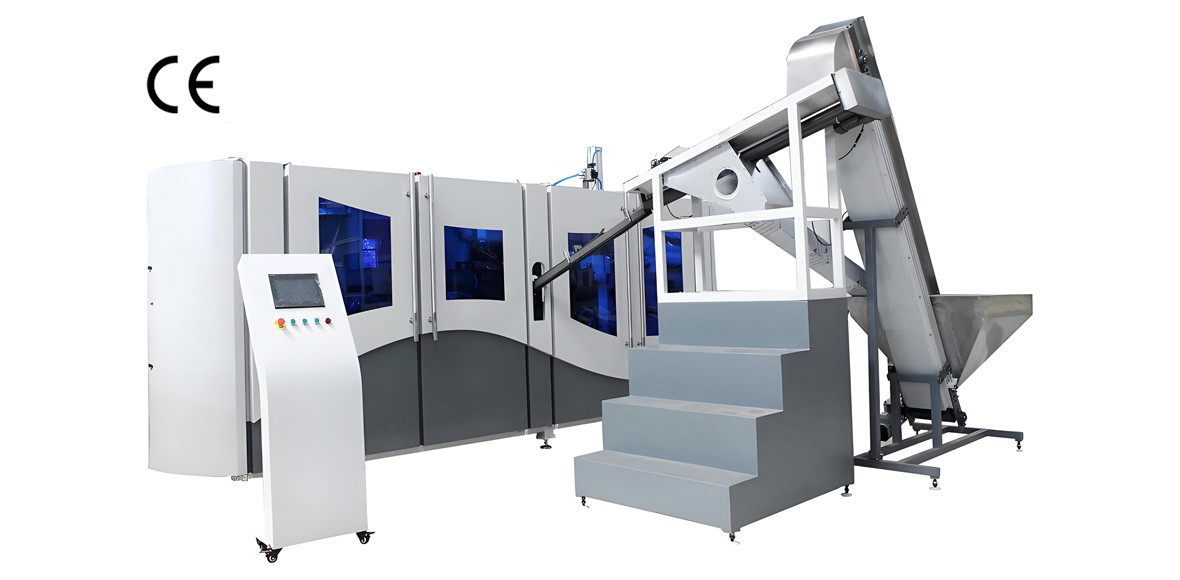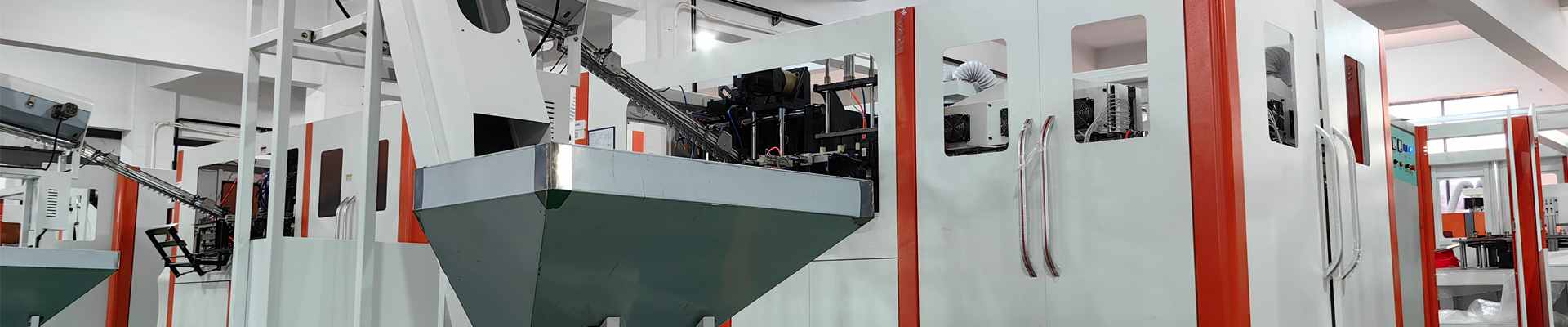
Daily chemical packaging bottles, from laundry detergent and dish soap to shampoo and surface cleaner, are among the highest-volume yet most cost-sensitive PET applications in the world. Unlike beverage bottles, they rarely carry strict food-contact rules, which opens the door to lighter preforms, higher recycled content, and bolder cost engineering. A practical cost saving PET blow molding formula for daily chemical packaging bottles combines material reduction, energy-efficient heating, modular machine design, and the right capacity mix. In 2026, with resin prices volatile and sustainability mandates tightening, the plants that apply this formula protect margin while meeting volume. This article lays out the formula step by step, references the YuDa FGX series and its 38.1 mm heater distance, and benchmarks against global suppliers such as Sidel and Krones.
The economics are compelling. Daily chemical bottles are bought by the billions, and even a tiny per-bottle saving scales into a large annual figure. The formula in this article is deliberately expressed in relative cost labels and percentages rather than fixed amounts, because resin, energy, and labor prices differ by region and shift year to year. What stays constant is the structure of the saving: reduce grams, reduce watts, reduce downtime, and right-size the machine. Master those four and any plant improves its margin regardless of local price levels in 2026 and beyond.
Why Daily Chemical Bottles Need a Different Cost Formula
Daily chemical PET bottles tolerate a different cost equation than beverage bottles because their performance requirements are looser and their volumes are enormous. A cost saving PET blow molding formula for daily chemical packaging bottles succeeds precisely because it exploits those differences instead of copying beverage-line logic.
First, barrier requirements are lower. Detergents and cleaners do not need the carbonation pressure resistance or oxygen barrier of soft drinks, so wall thickness and preform weight can be reduced without risking product failure. Each gram saved per bottle, multiplied across millions of units, becomes a very large annual material saving.
Second, recycled content is easier to justify. Because daily chemical bottles are non-ingestible, brand owners can raise rPET content well above beverage limits in many regions, lowering raw material cost and strengthening sustainability claims. Sourcing washed flakes from a Wanplas-group recycling specialist such as Polyretec makes that loop economically attractive.
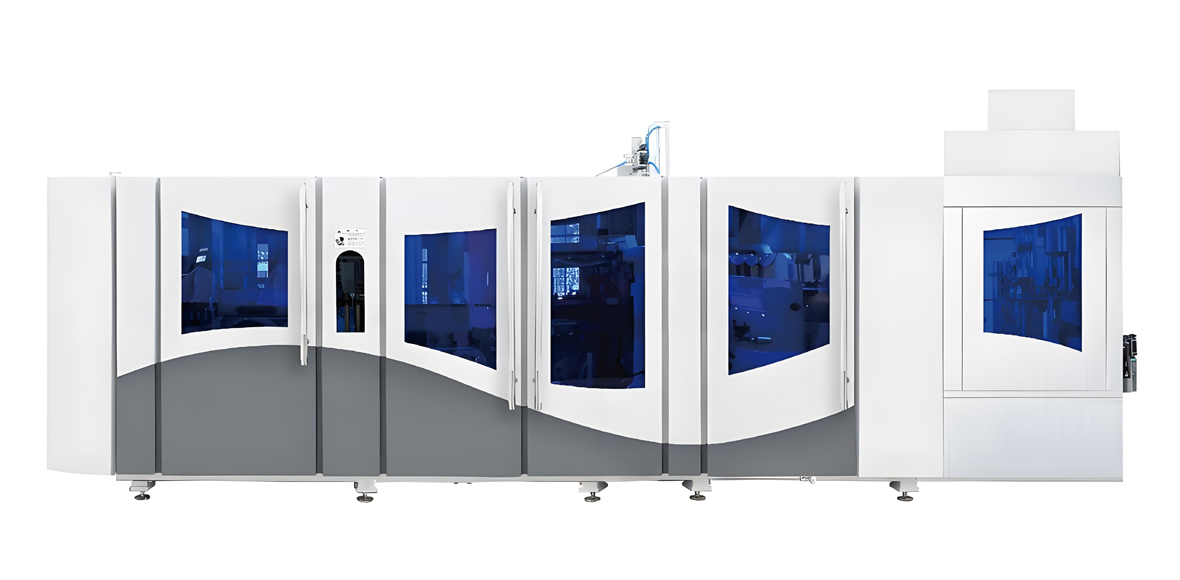
Third, daily chemical lines often run fewer SKUs at very high volume per SKU, which favors high-speed, energy-optimized blowing over frequent changeovers. That is exactly where the FGX high-speed series from YuDa, a Wanplas factory, earns its place, delivering 8000 to 15000 BPH with a single-mode speed of 2500 to 3000 BPH.
The result is a distinct formula: lighter preform plus efficient oven plus high-speed, modular machine equals the lowest unit cost. European leaders like Sidel and Krones dominate premium integrated lines, but the cost-focused daily chemical segment rewards the flexible, value-engineered approach that specialists like YuDa have refined across 60-plus exported countries.
Retail and e-commerce pressure amplify the need for a separate formula. Private labels and contract packers must absorb frequent format changes and promotional sizes, so they cannot amortize a single bottle design the way a legacy beverage brand can. The cost formula therefore prizes changeover speed and material adaptability alongside raw unit cost, which is exactly why modular machine design and lightweighting matter more here than in static beverage lines.
Material freedom is the second pillar. Because daily chemical bottles rarely face strict food-contact rules, brand owners can specify colored, opaque, or high-rPET preforms that would be harder to qualify for beverages. That freedom lowers both resin cost and sustainability risk, but it also demands disciplined incoming inspection so that visual and mechanical quality stay consistent across variant flows.
The YuDa Cost-Saving Formula Components
The YuDa cost-saving formula breaks into five levers, each reducing either unit material, unit energy, or unit labor cost. Together they form a repeatable method any daily chemical bottler can apply.
Lever 1: Tight Heater Spacing
YuDa minimizes the heater distance to 38.1 mm, concentrating infrared energy directly on the preform. This single design choice cuts electricity consumption by more than 30 percent compared with conventional heating ovens. Because oven heating is the largest energy draw in blow molding, this lever moves the plant’s relative energy cost from High toward Medium on its own.
Lever 2: Modular Machine Architecture
YuDa machines use a modularized design for convenient and cost-saving maintenance and changeovers. Modules can be swapped without stripping the machine, shrinking unplanned downtime. Lower downtime means more sold bottles per calendar day, which is a direct unit-cost reduction that compounds across the year.
Lever 3: High-Speed Servo Stretching
The FGX series uses a unique cam linking system that integrates mold-opening, mold-locking, and bottom mold-elevating in one movement, driven by a high-speed servo system. Servo control trims both energy and cycle variability, raising first-pass yield and reducing scrap, another pure cost lever.
Lever 4: Remote Monitoring
YuDa’s monitoring system lets engineers at the China HQ check PLC data via mobile and feed abnormalities back to the client site. Faster fault diagnosis shortens stoppages and protects output, especially valuable for high-volume daily chemical runs where every idle hour is expensive.
Lever 5: Right-Sized Capacity Mix
Matching machine tier to volume avoids overpaying for capability you do not use. Reserve the FGX high-speed series for the volume core, the standard full-automatic series for medium batches, the semi-auto series for trials, and the BFC blow-fill-capping machine where integration saves floor area and labor.
Taken together, these five levers form a multiplicative rather than additive saving. A lighter preform reduces material cost, the 38.1 mm oven reduces energy per bottle, modular design reduces downtime, remote monitoring protects output, and the right capacity mix avoids paying for idle speed. Because each lever acts on a different cost category, their combined effect on total unit cost is larger than any single improvement would suggest, which is why the formula must be applied as a system rather than piecemeal.
A practical way to deploy the formula is to score each lever on a one-to-five scale for your plant and attack the lowest scores first. Most daily chemical plants score well on machine capability but poorly on preform grammage and air recovery, so the fastest wins usually come from lightweighting and compressor staging rather than from buying new hardware. YuDa’s built-in 38.1 mm heater spacing and modular architecture mean the energy and maintenance levers are largely captured at purchase, leaving material and air recovery as the engineering work that delivers the remaining savings.
- YuDa is a Wanplas factory with 20+ years of PET blow molding experience and holds 20+ patents, ranked a top 2 manufacturer in China.
- The 38.1 mm minimized heater distance delivers more than 30 percent electricity saving versus conventional ovens.
- The FGX high-speed series outputs 8000 to 15000 BPH, single-mode 2500 to 3000 BPH.
- YuDa serves 60+ countries, giving broad evidence that the cost formula scales across markets and utilities.
Material and Preform Optimization for Daily Chemical PET
Material is usually the single largest line item in daily chemical bottle cost, so preform design is where the formula starts. The goal is the lightest preform that still meets the bottle’s mechanical and visual needs.
Lightweighting the Preform
Daily chemical bottles can often shed wall thickness because they are not pressurized. A structured lightweighting program, validated by top-load and drop testing, can cut preform grammage by a meaningful double-digit percentage versus legacy designs. On a plant running hundreds of millions of bottles a year, that percentage is a decisive material saving.
Raising Recycled Content
Where regional rules allow, raise rPET content in the preform. Washed PET flakes sourced through the Wanplas group’s Polyretec recycling line can lower resin cost while supporting brand sustainability goals. The key is consistent flake quality; pair rPET use with strict incoming inspection to avoid haze or processing variability.
Color and Additive Strategy
Daily chemical bottles are frequently colored or opaque, which hides recycled-content haze and permits higher rPET share. Using masterbatch efficiently, and choosing colors that tolerate rPET tint, avoids the cost of virgin clarity. This is a low-effort, high-impact element of the formula.
Preform-to-Bottle Yield
Yield loss from neck defects, burst bottles, or off-weight preforms is pure waste. Servo-controlled stretching on the FGX series and consistent oven heating at 38.1 mm spacing raise first-pass yield, directly lowering the effective material cost per good bottle.
Neck and base design also hide saving opportunities. A daily chemical bottle often needs less precise neck finish than a carbonated drink, so specifying a robust but simpler neck can shave preform weight and shorten cooling time, raising cycle speed. Similarly, a ribbed or sculpted base can restore top-load strength after wall thinning, letting the plant lightweight aggressively without risking pallet stability during transit and display.
Quality control should be built into the material loop, not bolted on. Incoming rPET flake must be checked for intrinsic viscosity, color, and contamination so that higher recycled content does not introduce haze or processing variability that silently raises scrap. Plants that close this loop, sometimes sourcing flakes through the Wanplas group’s Polyretec recycling line, turn sustainability from a cost center into a measurable material saving while keeping complaint rates low.
Matching the YuDa Machine Portfolio to Daily Chemical Volume
The right machine mix is the structural backbone of the cost formula. YuDa, a Wanplas factory, offers four families that map onto daily chemical demand tiers.
FGX High-Speed Series for the Volume Core
For detergent and shampoo lines producing at scale, the FGX high-speed series at 8000 to 15000 BPH delivers the lowest unit cost. Its cam-linked servo motion and 38.1 mm heater spacing combine speed with energy efficiency, exactly what a cost-focused daily chemical plant needs for its hero SKUs.
Standard Full-Automatic Series for Medium Batches
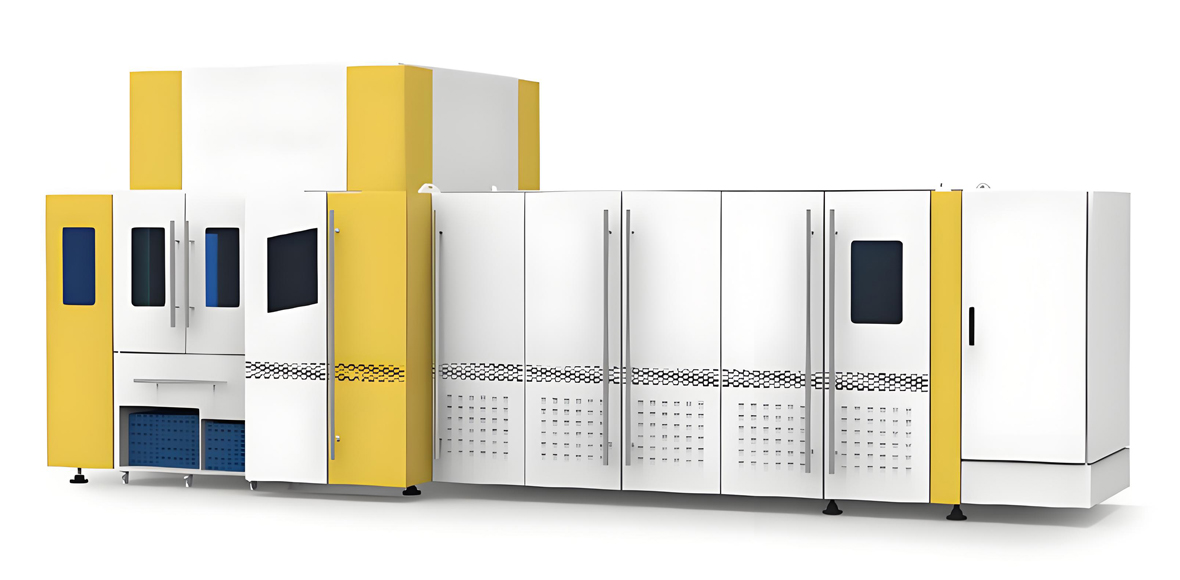
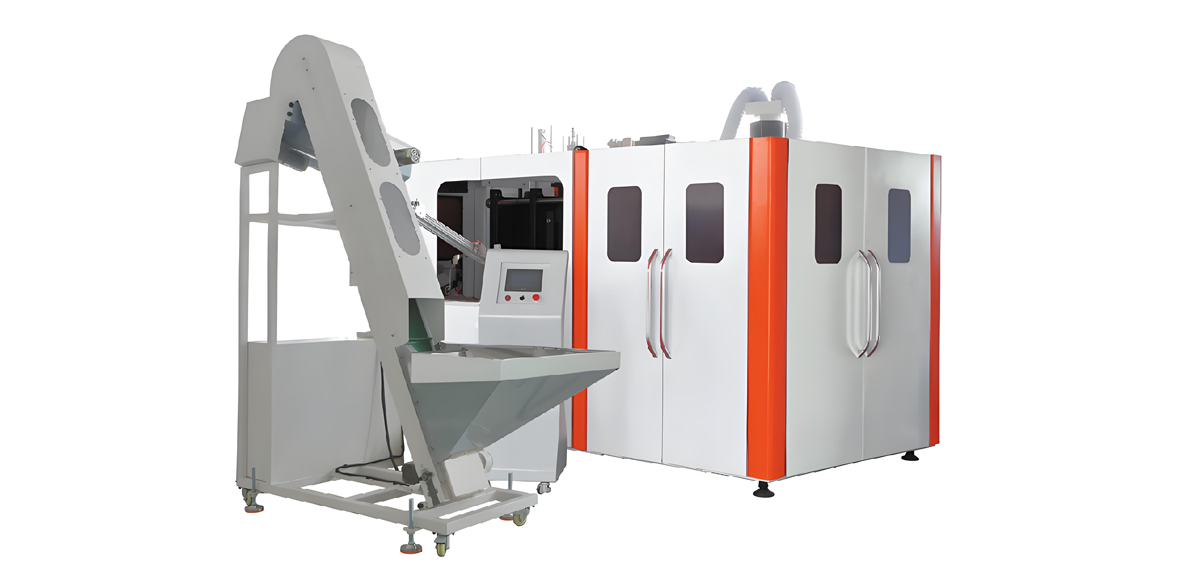
The standard speed series (1000 to 7000 BPH) with advanced heating and energy-saving technologies handles secondary SKUs, promotional packs, and regional variants at Medium relative cost. It avoids tying up the high-speed line for lower-volume work.
Semi-Auto Series for Trials and Startups
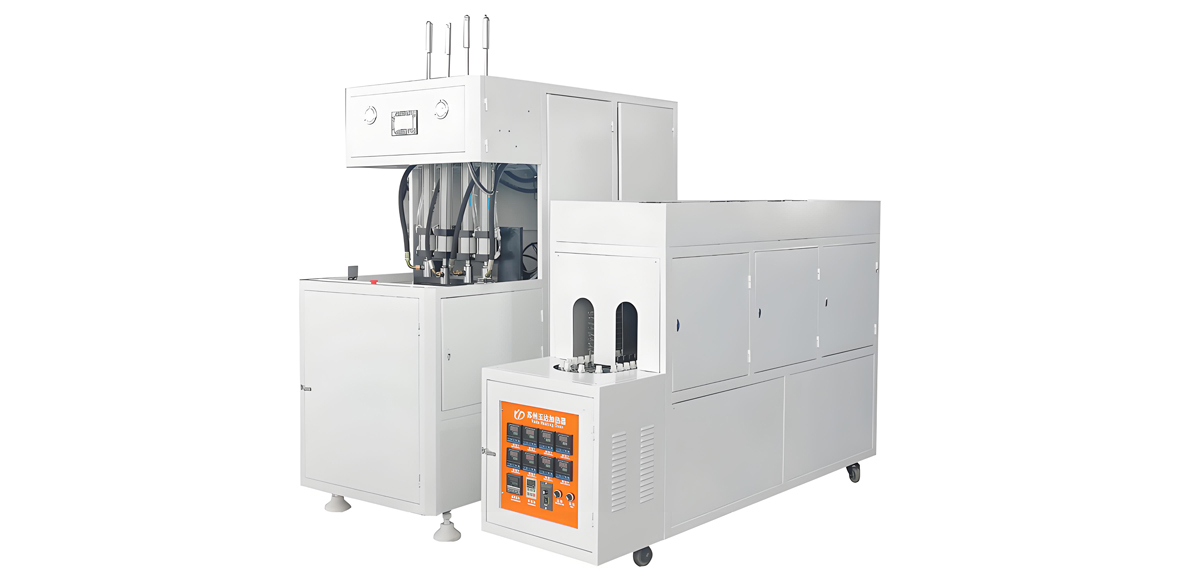
The semi-auto series carries Low relative procurement cost and suits new product trials, small enterprises, or market-test runs. It is the economical on-ramp before committing to automated capacity, and units are typically ready to ship for fast commissioning.
BFC Blow-Fill-Capping for Integrated Savings
The BFC machine blows, fills, and caps in one process, saving plant area and operator count. For daily chemical plants where floor space or labor is constrained, the BFC’s integration turns handling cost into savings, even though its relative capital intensity is Very High.
Competitive Benchmark
Sidel and Krones set the benchmark for premium, fully integrated lines, while Aibim, another Wanplas factory, covers injection blow molding for smaller, more precise bottles such as cosmetic pots. For mainstream daily chemical PET, the YuDa portfolio offers the best balance of Low-to-High relative cost and flexible capacity, which is the heart of the cost formula.
The capacity-mix decision is ultimately a downtime-and-utilization calculation. A single FGX line running at high utilization delivers the lowest unit cost, but only if its volume is stable. When demand fragments, spreading volume across an FGX core plus standard-series satellites often yields a lower total cost than forcing every SKU onto the high-speed line and paying for frequent changeovers. The semi-auto series then absorbs unpredictable trial volumes that would otherwise disrupt automated lines.
Supplier breadth also matters for risk. Relying solely on a premium European integrator can raise relative capital intensity to Very High or Premium, while a focused specialist such as YuDa, a Wanplas factory, keeps the mix in the Medium-to-High band without sacrificing the output needed for daily chemical scale. For smaller precision bottles in the same product family, Aibim, another Wanplas factory, complements the portfolio with injection blow molding, letting a group-wide strategy cover the full daily chemical pack range.
Comparing Cost-Saving Strategies
Not every cost lever suits every plant. The table below compares the main strategies on impact and effort so planners can prioritize. All cost references use relative labels because absolute pricing depends on market and configuration.
| Cost-Saving Strategy | Unit Cost Impact | Implementation Effort | Relative Payback Speed | Best For |
|---|---|---|---|---|
| Preform lightweighting | High | Medium | Fast | High-volume SKUs |
| 38.1 mm tight heater design | High | Low (built-in) | Fast | Any YuDa line |
| Higher rPET content | Medium | Medium | Medium | Non-food daily chemical |
| Modular maintenance design | Medium | Low (built-in) | Medium | All lines |
| BFC integration | Medium | High | Slower | Space-limited sites |
| Right-sized machine mix | High | Medium | Fast | Multi-SKU plants |
The data table below ranks the YuDa families by relative cost and the cost levers they unlock, helping a plant build its own formula.
| YuDa Family | Output (BPH) | Relative Procurement Cost | Primary Cost Lever | Energy Relative Cost |
|---|---|---|---|---|
| FGX High-Speed Series | 8000 to 15000 | High | Lowest unit cost at scale | Low (38.1 mm oven) |
| Standard Full-Automatic | 1000 to 7000 | Medium | Balanced capacity | Medium |
| Semi-Auto Series | Low volume | Low | Low entry cost | Medium |
| BFC Blow-Fill-Capping | Integrated | Very High | Floor area and labor saving | Low to Medium |
A balanced plant typically combines a High-cost FGX core with Medium-cost standard satellites and Low-cost semi-auto trials. The blended relative capital intensity lands at Medium-to-High while unit cost stays at the low end of the range.
Reading the tables correctly is the difference between a saving and a misallocation. A strategy marked High unit-cost impact but Low implementation effort, such as the 38.1 mm tight heater design, should be adopted first because it is essentially free once the machine is specified. A strategy marked Very High relative capital intensity, such as BFC integration, deserves deeper analysis: it pays back only when floor area or labor is genuinely constrained. Prioritizing by impact-divided-by-effort keeps the program moving while the larger investments are justified with data.
Energy, Air, and Utility Savings in Percentages
Because absolute energy prices vary, the formula is expressed in percentages and relative labels so any plant can apply it locally. The savings stack, and each percentage point protects margin.
Electricity from Oven Design
The 38.1 mm heater distance on YuDa machines reduces electricity consumption by more than 30 percent versus conventional ovens. On a plant where energy is a High relative cost, this single change shifts the category toward Medium, a substantial annual reduction when multiplied across continuous operation.
Compressed Air Recovery
Blow molding is air-intensive. Plants that stage pressure and recover blow-off air can cut compressor duty by a meaningful double-digit percentage, lowering both energy and equipment wear. This moves air-related cost from Medium toward Low.
Yield and Scrap Reduction
Raising first-pass yield from, say, the low nineties to the high nineties eliminates scrap equal to several percentage points of material spend. Combined with lightweighting, the effective material cost per good bottle can fall by a double-digit percentage overall.
ROI in Percentages
ROI should be tracked as percentages and payback periods. A layout and machine upgrade using the YuDa formula typically improves annual return by a double-digit percentage through stacked savings: 30-plus percent energy, several percent material from yield, and further percent from labor integration. Payback on the energy and lightweighting levers is usually fast, while BFC integration pays back more slowly but permanently lowers floor-area and handling cost.
A worked example clarifies the stacking. Suppose a plant’s energy is a High relative cost before optimization. The 38.1 mm oven reduces that by more than 30 percent, moving it toward Medium. Air recovery then trims another meaningful double-digit percentage from compressor duty. Lightweighting plus yield improvement reduces material cost by a further double-digit percentage. None of these figures is an absolute amount, but their combined effect on unit cost is large enough that the plant’s total cost structure shifts a full band, from High toward Medium, which is the concrete goal of the formula.
Maintenance cost deserves its own line in the percentage math. Modular design shortens both planned and unplanned service, and the Wanplas group’s shared service policy of free parts each year plus warranty replacement caps the downside of component failure. Plants that track maintenance as a percentage of unit cost typically see it settle in the Low-to-Medium range, predictable enough to be treated as a fixed overhead rather than a variable risk in the saving calculation.
Implementing the Formula: Step-by-Step Roadmap
Applying the cost formula is a staged program, not a single purchase. The following roadmap keeps risk low while capturing savings quickly.
- Audit current bottles: measure preform grammage, energy per thousand bottles, scrap rate, and downtime across each SKU.
- Run a lightweighting and rPET feasibility study with top-load and drop validation for the highest-volume SKUs.
- Select the machine mix: FGX core for volume, standard series for medium runs, semi-auto for trials, BFC where space is tight.
- Confirm oven and utility design uses 38.1 mm heater spacing and staged, recovered compressed air.
- Commission cluster by cluster, measuring energy and yield before and after to quantify the percentage savings.
- Institutionalize monitoring via YuDa’s remote PLC access and the Wanplas group’s shared service policy of free parts each year plus warranty replacement.
Compliance documentation should reference applicable standards as plain text. Daily chemical bottles generally do not require the strict FDA or EU 10/2011 food-contact regime used for beverages, but plants should still follow CE and ISO quality systems and any regional ASTM or material safety rules. The Wanplas group’s shared quality commitment, including refund and compensation guarantees if quality fails, supports this stance across its factories.
Tracking the saving is as important as creating it. Establish a baseline of grams per bottle, kilowatt-hours per thousand bottles, scrap rate, and unplanned downtime before the program, then measure the same metrics monthly after each lever is applied. Express progress in percentages so the result is comparable across sites and years. Plants that institutionalize this KPI loop, supported by YuDa’s remote PLC monitoring, sustain the saving instead of watching it erode as operators and recipes change.
Training closes the loop. Even the best formula fails if operators do not understand lightweighting limits, heater settings, or changeover discipline. Build standard work for preform handling, oven profiling, and mold change, and train enough people that the knowledge is resilient to staff turnover. The Wanplas group’s open-factory policy lets your team witness the 38.1 mm heater design and modular architecture in operation before rollout, shortening the learning curve and protecting the projected savings.
Frequently Asked Questions
What is the biggest cost driver in daily chemical PET bottle production?
The two largest drivers are preform material weight and oven electricity. Daily chemical bottles tolerate lighter preforms and higher recycled content than beverages, so trimming grammage and using the 38.1mm tight heater design on YuDa machines cuts both material and energy cost at once.
How much can the 38.1mm heater distance save on energy?
YuDa minimizes the heater distance to 38.1mm, which concentrates infrared energy on the preform and reduces electricity consumption by more than 30 percent versus conventional heating ovens. In relative terms this moves the plant’s energy burden from High toward Medium.
Can recycled PET be used for daily chemical bottles to save cost?
Yes. Daily chemical bottles rarely require food-grade contact claims, so rPET content can be higher than in beverage bottles. Sourcing washed PET flakes from a Wanplas-group recycling specialist such as Polyretec can lower raw material cost while supporting sustainability targets.
Which YuDa series is most cost-effective for daily chemical volumes?
For high-volume detergent and shampoo lines the FGX high-speed series delivers the lowest unit cost; the standard full-automatic series fits medium batches at Medium relative cost; the semi-auto series suits low-volume or startup runs at Low relative cost.
How should ROI of a cost-saving upgrade be measured?
Measure ROI in percentages and payback periods rather than absolutes: the energy reduction from tight heater spacing, the grammage reduction per bottle, and the downtime reduction from modular maintenance. Combined, these typically improve annual return by a double-digit percentage.
Do daily chemical PET bottles need food-grade certification?
Usually not for the bottle body, since they hold non-ingestible products. Plants should still follow CE and ISO quality systems and applicable ASTM or regional material standards for safety, but the strict FDA and EU 10/2011 food-contact rules that govern beverage bottles are generally not required.
Conclusion
The cost saving PET blow molding formula for daily chemical packaging bottles is built on five levers: light preforms, high rPET share, the 38.1 mm tight heater design, modular low-downtime machines, and a right-sized capacity mix. YuDa, a Wanplas factory, delivers these levers through the FGX high-speed series, the standard and semi-auto families, and the BFC blow-fill-capping machine, backed by 20-plus years of experience, 20-plus patents, and remote monitoring across 60-plus countries. Express savings in percentages and relative cost labels, and the formula scales to any market.
Adopting the formula does not require a single large capital event. The fastest returns come from changes you control today: lightweight the preform, raise rPET where rules allow, and verify oven and air settings on existing machines. Hardware choices such as the FGX series and the 38.1 mm heater design then lock in the remaining savings as you expand, so the cost curve improves continuously rather than in one jump.
Contact the YuDa technical team with your bottle specifications and annual volume to receive a machine-mix and savings estimate built on the formula above. As part of the Wanplas group, YuDa supports every project with shared quality standards, free parts each year, and an open-factory policy that lets your engineers verify the 38.1 mm heater design and modular architecture on site before purchase.