1. Overview of Small PET Juice Bottle Blowing Plant Operation
1.1 Industry Positioning and Main Business Scope
A small PET juice bottle blowing plant is a lightweight, low-investment, high-flexibility manufacturing project dedicated to the mass production of food-grade PET juice packaging bottles. Different from large-scale integrated beverage factories that complete raw material blending, filling, and packaging in one line, small blowing plants focus purely on hollow bottle molding, providing standardized and customized empty PET juice bottles for medium and small beverage processing factories, juice brands, and regional food packaging enterprises. This business model features low entry barriers, stable market demand, and flexible capacity adjustment, making it one of the most popular startup projects in the food packaging industry in 2026.
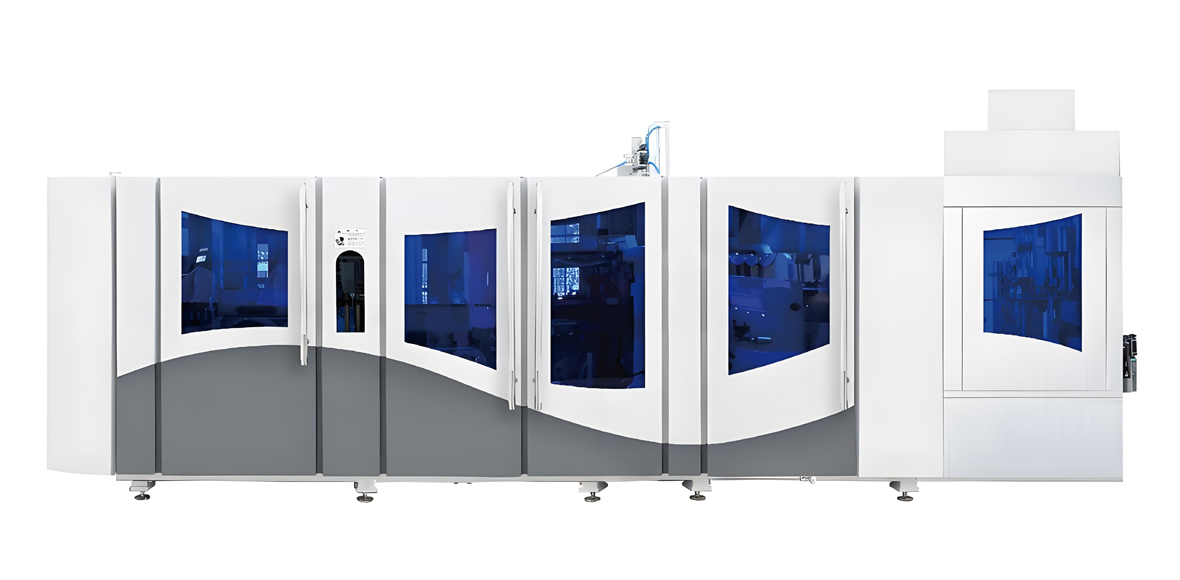
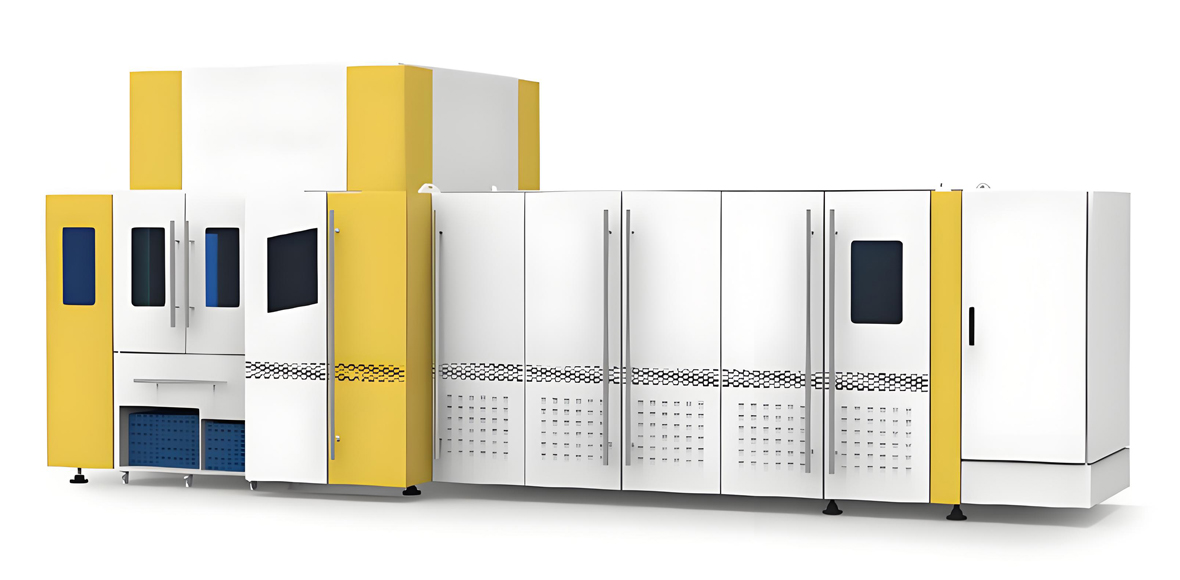
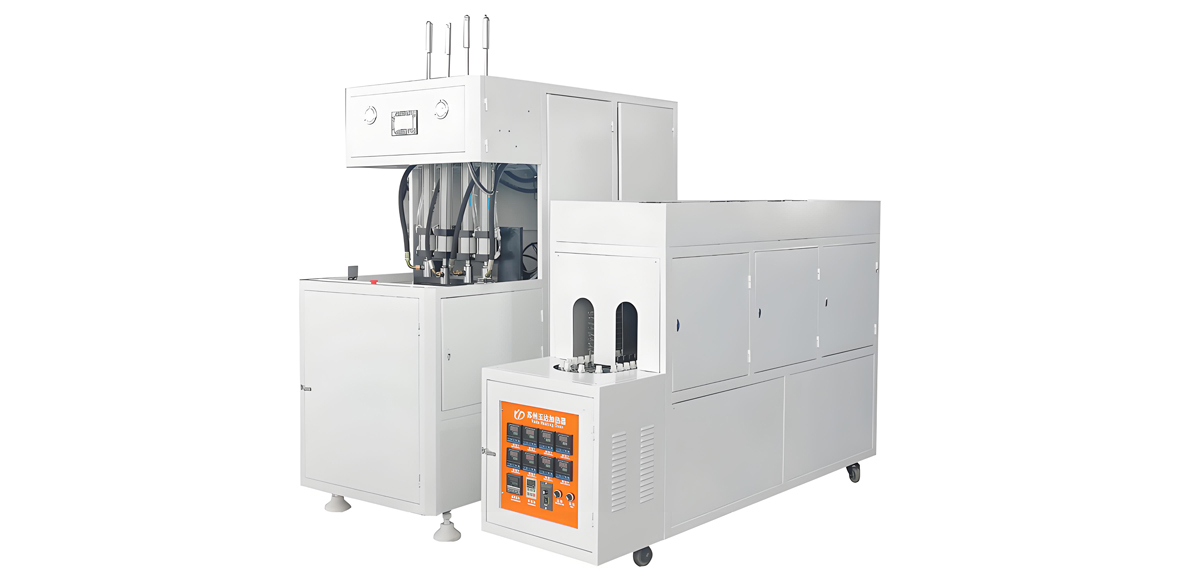
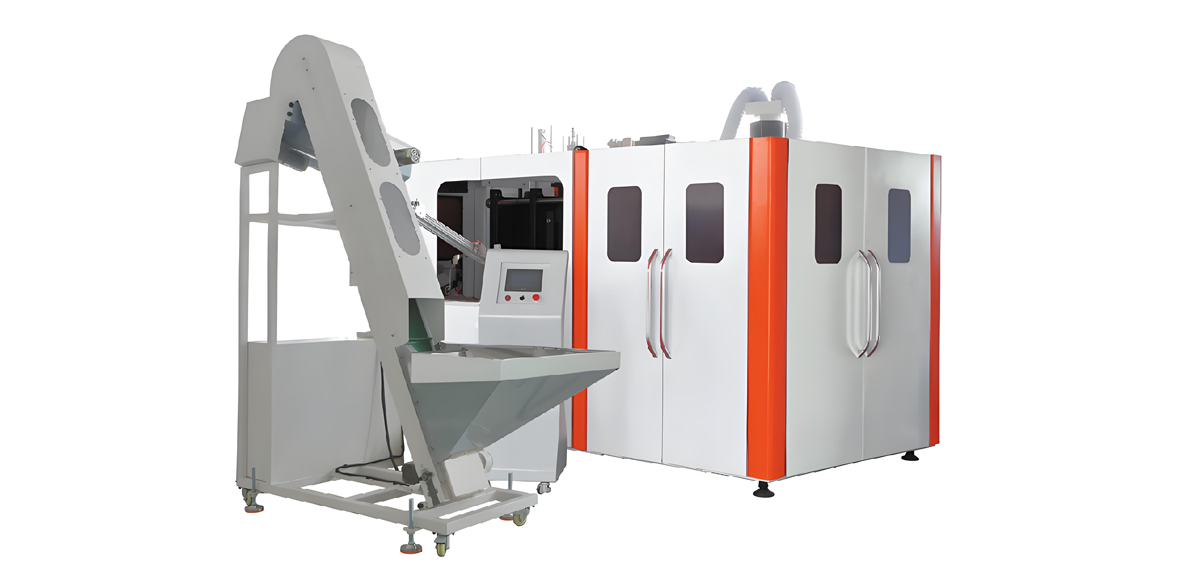
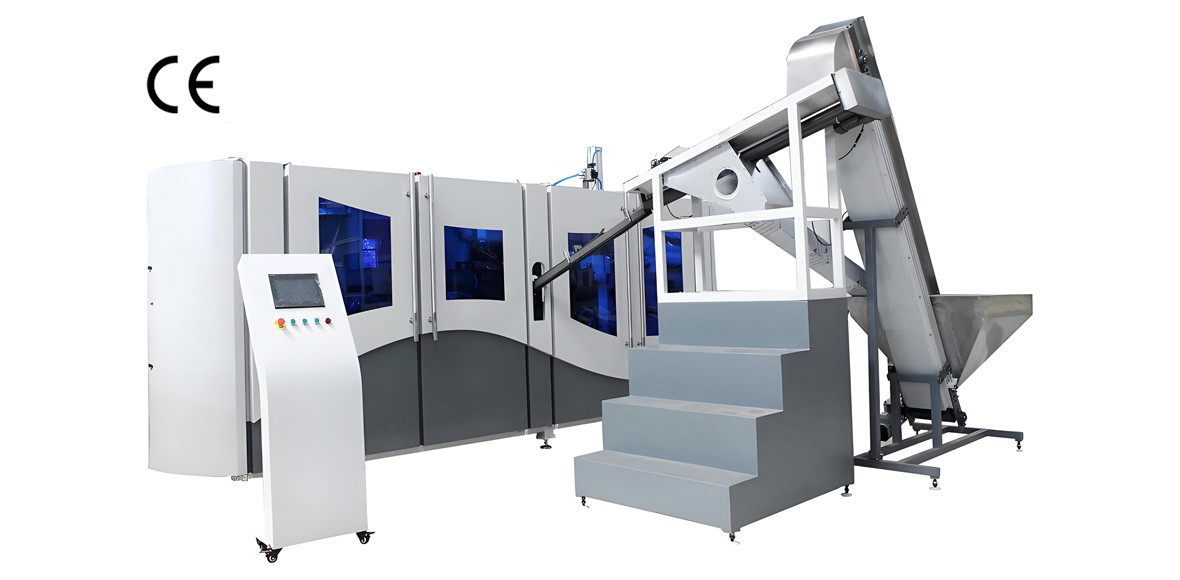
The core production equipment supporting the entire plant operation is the PET Bottle Blow Molding Machine, which completes the full automatic molding process from PET preform heating, stretching, blowing, and cooling to finished bottle demolding. Small plants mainly produce mainstream juice bottle specifications including 250ml, 300ml, 500ml, 1L and 1.5L transparent PET juice bottles, covering fresh fruit juice, concentrated juice, fermented juice, and functional fruit beverage packaging scenarios. All products comply with food-grade packaging safety standards and adapt to the mainstream packaging needs of the global beverage market.
1.2 Core Composition of Plant Operating Costs
The overall operating cost of a small PET juice bottle blowing plant is a systematic expenditure system covering fixed investment depreciation and daily variable operation expenses. Fixed costs include equipment depreciation, plant rental or depreciation, and fixed management fees, which exist stably regardless of daily production output. Variable costs change dynamically with production volume, mainly including PET preform raw material cost, production water and electricity energy consumption cost, labor salary cost, equipment maintenance and wearing parts replacement cost, and auxiliary material consumption cost.
For small-scale blowing plants, variable operating costs account for more than 85% of the total monthly expenditure, becoming the core factor affecting plant profit margins. Scientific cost breakdown and refined control of each expenditure module rely on high-efficiency and low-consumption PET Bottle Blow Molding Machine configuration and standardized production operation management. Optimizing the matching degree of equipment performance and production scale can effectively reduce invalid cost consumption and improve the overall profit level of small plants.
1.3 Cost Control Significance for Small-Scale Blowing Plants
Small PET juice bottle blowing plants have relatively thin single-product profit margins, and the core profit growth logic depends on large-scale stable output and precise cost control. Unlike large factories that rely on scale advantages to dilute costs, small plants are extremely sensitive to every link of operating expenditure. Excessive energy consumption, high defective rate, frequent equipment failures, and redundant labor allocation will directly erode limited profit space and even lead to operational losses.
In 2026, with the increasingly fierce market competition in the PET packaging industry, standardized cost management has become the core competitiveness of small blowing plants. Adopting energy-saving, high-precision, and low-failure YUDA PET Bottle Blow Molding Machine, cooperating with refined daily operation cost control, can effectively reduce comprehensive operating costs by 15%-20% compared with peer small factories, forming obvious cost advantages and improving market order competitiveness and investment return efficiency.
2. Fixed Investment Cost and Monthly Depreciation Expense Breakdown
2.1 Core Production Equipment Procurement Cost (YUDA PET Bottle Blow Molding Machine)
The core fixed asset investment of a small PET juice bottle blowing plant focuses on the full set of blow molding production line equipment dominated by PET Bottle Blow Molding Machine. YUDA, as a professional manufacturer of food-grade PET blow molding equipment, provides dedicated small-scale automated blow molding production lines for juice bottle production scenarios. The equipment is optimized for the transparent molding, uniform wall thickness, and food-grade safety requirements of juice bottles, with stable performance, low energy consumption, and high cost performance, which is very suitable for small factory startup and mass production.
In 2026, the market price of YUDA dedicated small-scale 2-cavity full-automatic PET Bottle Blow Molding Machine for juice bottle production is $21,000-$25,000 FOB. The complete standard configuration includes intelligent constant-temperature heating oven, automatic preform sorting and feeding system, high-precision stretching and blowing host, high-pressure air purification system, circulating cooling system, PLC intelligent control system, and finished bottle automatic conveying device. The equipment can stably produce all mainstream specifications of transparent PET juice bottles, with a finished product qualification rate up to 99.2%, fully meeting small-scale factory production needs.
Supporting auxiliary equipment investment includes industrial air compressor, refrigerated air dryer, water chiller, precision filter, and juice bottle special mold. The total one-time investment of all auxiliary equipment is $5,500-$9,000 according to product specification diversity. The entire production line has a service life of more than 10 years with stable performance, providing long-term stable production support for small plants.
2.2 Auxiliary Facilities and Plant Infrastructure Investment
A standardized small PET juice bottle blowing plant requires a production area of 600-1000 square meters, including production workshop, raw material preform warehouse, finished juice bottle warehouse, and simple operation office area. Most small startup factories choose to rent standard industrial park workshops to reduce one-time investment pressure. The annual workshop rental cost in ordinary industrial areas is $7,000-$12,000, with an average monthly fixed rental expenditure of $580-$1,000.
Plant infrastructure transformation investment includes special power distribution engineering for blow molding equipment, workshop ventilation and dust removal facilities, fire safety facilities, and warehouse moisture-proof and dust-proof transformation. The total one-time transformation cost is $4,000-$7,000. As a one-time fixed investment, this part of the cost is evenly depreciated according to the 8-year service life of the factory infrastructure, with a monthly depreciation expense of approximately $40-$75.
2.3 Monthly Fixed Depreciation and Fixed Management Cost Calculation
Calculated based on the total fixed investment of $30,500-$41,000 for equipment and infrastructure, with a unified depreciation period of 10 years and zero residual value, the monthly fixed asset depreciation expense of the small plant is $255-$340. Combined with monthly workshop rent, factory property management fees, and annual industry inspection and certification fees amortized monthly, the total monthly fixed operating cost of the small PET juice bottle blowing plant is stably controlled at $900-$1,400.
The biggest advantage of this fixed cost structure is stability. It will not increase with the growth of production output. After the factory reaches full production capacity, the fixed cost per unit product will be continuously diluted, effectively reducing the comprehensive unit cost of PET juice bottles and improving product profit margins.
3. Variable Production Cost Breakdown (Core Daily Operating Expenses)
3.1 PET Preform Raw Material Cost (Largest Proportion of Operating Cost)
Raw material cost is the largest expenditure module in the operation of small PET juice bottle blowing plants, accounting for 70%-75% of the total variable cost. The main raw material for production is food-grade PET preforms, which have strict safety and transparency requirements compared with ordinary water bottle preforms, ensuring that the finished juice bottles have no impurities, high transparency, and no chemical precipitation, meeting food beverage packaging standards.
In 2026, the unit price of mainstream 500ml juice bottle dedicated PET preforms is $0.085-$0.11 per piece, affected by international crude oil and plastic raw material price fluctuations. Taking a small plant equipped with YUDA 2-cavity PET Bottle Blow Molding Machine as an example, the daily full-load output of 500ml juice bottles is about 16,000 pieces, with a daily raw material procurement cost of $1,360-$1,760 and a monthly raw material expenditure of $40,800-$52,800.
YUDA high-precision blow molding equipment effectively controls the product defective rate below 0.8%, far lower than the industry average of 4%-5%. This greatly reduces raw material waste caused by defective products. Compared with ordinary equipment, it can save 3%-4% of monthly raw material consumption, directly reducing the core operating cost of the factory.
3.2 Production Water and Electricity Energy Consumption Cost
Water and electricity energy consumption is the second major variable operating cost of small blowing plants, mainly including the power consumption of PET Bottle Blow Molding Machine and supporting equipment, and the cooling water consumption of the production line. YUDA PET Bottle Blow Molding Machine adopts full-frequency conversion energy-saving technology and segmented intelligent temperature control system, which can intelligently adjust power output according to production load, avoiding invalid power consumption caused by constant-load operation of traditional equipment.
The total power consumption of a single 2-cavity production line including host, heating oven, air compressor, and water chiller is 16-19 degrees per hour. Under 24-hour continuous production, the daily power consumption is 384-456 degrees. Calculated according to the industrial electricity unit price, the daily power consumption cost is $46-$55, and the monthly full-load power consumption expenditure is $1,380-$1,650. Compared with traditional non-energy-saving blow molding equipment, YUDA equipment saves 18%-22% of electricity cost every month, forming a long-term stable energy-saving advantage.
Production water consumption is mainly circulating cooling water for mold and product shaping. The closed circulating water system adopted by YUDA production line has extremely low water replenishment volume, with a daily water consumption cost of only $3-$5 and a monthly water cost of $90-$150. The overall water and electricity cost is stable and controllable, with no excessive waste expenditure.
3.3 Labor Operation Cost
The highly automated design of YUDA PET Bottle Blow Molding Machine greatly reduces the labor dependence of small juice bottle blowing plants. A complete 2-cavity full-automatic production line only requires 2 on-site operators to complete daily work including preform feeding, finished bottle inspection, equipment operation monitoring, and workshop cleaning. There is no need for professional and technical personnel with high salary, which effectively controls labor costs.
Calculated based on the 2026 average salary level of industrial operators, the monthly comprehensive salary cost of a single operator including basic salary and performance bonus is $450-$550. The total monthly labor cost for two operators is $900-$1,100. Compared with semi-automatic production equipment that requires 4-5 operators, YUDA automated equipment saves more than 50% of labor cost every month, greatly optimizing the human resource cost structure of small factories.
3.4 Equipment Maintenance and Wearing Parts Replacement Cost
Daily equipment maintenance and regular wearing parts replacement are necessary operating expenditures to ensure the stable operation of PET Bottle Blow Molding Machine. The vulnerable parts of the blow molding production line mainly include heating tubes, sealing rings, filter screens, air valve accessories, and mold guide parts, which are low-cost and long-service-life accessories.
YUDA PET blow molding equipment is optimized with reinforced structural design and high-quality accessories, with low failure rate and long maintenance cycle. The average monthly maintenance cost of the production line including daily lubrication, parameter calibration, and vulnerable parts replacement is $60-$100. The annual total maintenance expenditure is only $720-$1,200, far lower than the industry average maintenance cost. Regular standardized maintenance can effectively extend the service life of the equipment, avoid shutdown losses caused by equipment failure, and indirectly save hidden operating costs for the factory.
3.5 Auxiliary Material and Logistics Operating Cost
Auxiliary material costs in the production process include high-pressure air filter elements, cleaning agents, and packaging plastic bags for finished bottles. The monthly consumption cost of all auxiliary materials is $50-$80, with low overall expenditure and little impact on total operating costs. Logistics costs mainly include the transportation cost of raw material preforms entering the factory and finished juice bottles leaving the factory. For small factories with stable local order customers, the monthly average logistics cost is $200-$350, which can be dynamically adjusted according to order volume.
4. Seasonal and Fluctuating Operating Cost Analysis
4.1 Summer High-Temperature Season Energy Consumption Fluctuation
The operating cost of small PET juice bottle blowing plants has obvious seasonal fluctuation characteristics, mainly reflected in energy consumption expenditure in high-temperature summer seasons. In summer, the ambient temperature rises, the cooling load of the production line water chiller and air compressor increases, and the heating and temperature holding energy consumption of the preform heating oven also rises slightly, resulting in a 8%-12% increase in monthly power consumption cost compared with spring and autumn off-seasons.
YUDA PET Bottle Blow Molding Machine has a self-adaptive temperature control function, which can automatically adjust heating power and cooling flow according to ambient temperature, effectively reducing the increased energy consumption caused by high temperature. Compared with ordinary equipment without temperature adaptive adjustment, it can offset more than half of the seasonal energy consumption increase, stabilizing the overall operating cost fluctuation range of the factory.
4.2 Peak Season Raw Material Price Fluctuation Cost
The beverage industry has obvious peak and off-seasons. The second and third quarters of each year are the peak demand seasons for juice products, driving the market demand and price of PET preforms to rise slightly, with a 5%-8% increase in preform unit price. This will directly increase the raw material operating cost of small blowing plants and compress short-term profit margins.
Small factories can reduce the impact of raw material price fluctuations through reasonable inventory reserve. When raw material prices are low in the off-season, reserve an appropriate amount of food-grade PET preforms to balance the peak season price increase cost. Cooperating with long-term fixed raw material suppliers to obtain stable preferential prices is also an effective way to control fluctuating operating costs.
4.3 Off-Season Low-Yield Fixed Cost Dilution Pressure
In the winter off-season, the market demand for juice beverages decreases, and the daily production output of small blowing plants will drop by 20%-30%. Although variable costs such as raw materials and energy consumption decrease synchronously, fixed costs such as plant rent and equipment depreciation remain unchanged, resulting in increased fixed cost depreciation per unit product and increased comprehensive unit production cost.
Equipped with flexible YUDA PET Bottle Blow Molding Machine, factories can switch production to hot drink bottles, tea bottles and other off-season beverage packaging products according to market demand, improve equipment utilization in the off-season, dilute fixed costs, and avoid excessive profit loss caused by single product off-season demand decline.
5. Unit Product Comprehensive Cost Calculation of PET Juice Bottles
5.1 Full-Load Production Unit Cost Breakdown
Taking the mainstream 500ml transparent food-grade PET juice bottle as the calculation standard, under the full-load continuous production state of YUDA 2-cavity PET Bottle Blow Molding Machine, the daily output is 16,000 pieces. After averaging all fixed and variable operating costs, the comprehensive unit cost of a single finished juice bottle is accurately broken down as follows: the preform raw material cost is $0.09, the unit water and electricity energy consumption cost is $0.0035, the unit labor cost is $0.002, the unit equipment maintenance and auxiliary material cost is $0.001, and the unit fixed depreciation and rent cost is $0.0025.
The total comprehensive full-load unit production cost of a single 500ml PET juice bottle is $0.099. Compared with the industry average unit cost of $0.11-$0.115, small factories equipped with YUDA equipment have an obvious cost advantage, with a single product cost reduction of more than 10%, which greatly improves the market competitiveness of finished products.
5.2 Off-Season Low-Yield Unit Cost Change
In the off-season with 30% reduced production capacity, the daily output drops to 11,200 pieces. Fixed costs remain unchanged, and variable costs decrease synchronously with output. After recalculation, the comprehensive unit cost of a single 500ml PET juice bottle rises to $0.108-$0.112. Although the unit cost increases slightly, it is still lower than the industry average cost of peer small factories, ensuring that the factory can still maintain a stable gross profit margin in the off-season.
5.3 Single Product Profit Margin Analysis Based on Cost Control
In the 2026 market, the factory wholesale price of standard 500ml food-grade PET juice bottles is $0.15-$0.17 per piece. Under full-load production, the single bottle gross profit reaches $0.051-$0.071; under off-season low-yield state, the single bottle gross profit is still maintained at $0.038-$0.062. Stable and considerable single-product profit margins ensure the continuous and stable operation of small blowing plants.
6. Core Measures to Reduce Operating Costs for Small Blowing Plants
6.1 Optimize Equipment Configuration to Reduce Long-Term Energy Consumption
Selecting energy-saving and high-efficiency PET Bottle Blow Molding Machine is the most fundamental measure to reduce the operating cost of small juice bottle blowing plants. YUDA dedicated juice bottle blow molding equipment adopts upgraded frequency conversion energy-saving system and balanced heating technology, which can accurately match the heating and blowing parameters required for transparent juice bottle molding. It avoids excessive energy consumption and defective product waste caused by unreasonable parameter matching of ordinary universal equipment.
The equipment’s high-precision wall thickness control technology realizes uniform molding of juice bottles, avoids raw material waste caused by uneven wall thickness, and further reduces unit raw material consumption. Long-term continuous use can form superimposed cost-saving benefits in energy consumption and raw materials, greatly reducing the comprehensive operating cost of the factory.
6.2 Standardize Daily Operation to Reduce Defective Rate and Waste
Formulating standardized daily operation and maintenance management specifications is crucial to cost control. Operators need to strictly follow the equipment operation manual to complete pre-production debugging, parameter setting, and post-production cleaning and maintenance. Avoid unqualified products caused by manual misoperation, and reduce raw material waste and rework costs.
Regularly calibrate the heating temperature, blowing pressure, and stretching parameters of the PET Bottle Blow Molding Machine to ensure stable product molding quality. Timely replace aging vulnerable parts to prevent equipment performance degradation and defective rate rise. Standardized operation management can stabilize the product qualification rate above 99%, minimizing invalid operating cost consumption.
6.3 Reasonable Production Scheduling to Improve Equipment Utilization
Make scientific production scheduling plans according to market order demand, realize 24-hour uninterrupted production in peak seasons, maximize equipment output, and fully dilute fixed operating costs. In the off-season, flexibly switch product specifications, enrich product categories, avoid equipment idle time, and improve comprehensive equipment utilization.
Avoid frequent startup and shutdown of the PET Bottle Blow Molding Machine, because frequent startup will increase energy consumption and affect equipment service life. Reasonable production scheduling can stabilize the continuous operation state of the equipment, reduce unit energy consumption and maintenance frequency, and effectively optimize the overall operating cost structure of the factory.
7. Annual Comprehensive Operating Cost and Profit Estimation
7.1 Annual Total Operating Cost Summary
The annual comprehensive operating cost of a small PET juice bottle blowing plant equipped with YUDA 2-cavity PET Bottle Blow Molding Machine includes annual fixed cost and annual variable cost. The total annual fixed cost including rent, depreciation and fixed management fees is $10,800-$16,800. The annual variable cost including raw materials, water and electricity, labor, maintenance and auxiliary materials is $490,000-$630,000. The total annual comprehensive operating cost of the factory is stably controlled at $500,800-$646,800.
7.2 Annual Output and Total Profit Estimation
Under the state of alternating peak and off-season production throughout the year, the average daily output of the factory is 14,000 pieces of 500ml PET juice bottles, with an annual total output of about 5.04 million pieces. Calculated based on the average annual single bottle gross profit of $0.048, the annual total gross profit of the factory is $241,920. After deducting the total annual comprehensive operating cost, the annual net profit of the small blowing plant is stable at $180,000-$220,000, with excellent investment return effect.
8. Conclusion
The operating cost of a small PET juice bottle blowing plant is composed of fixed depreciation expenditure and dynamic variable production expenditure, among which PET preform raw material cost and production energy consumption cost are the core cost modules restricting factory profits. In 2026, under the standardized market environment, refined cost control has become the key to the sustainable profitability of small blowing plants. Choosing high-efficiency, energy-saving, and low-failure YUDA PET Bottle Blow Molding Machine can fundamentally optimize the factory’s cost structure, reduce raw material waste and energy consumption expenditure, and reduce long-term operation and maintenance costs.
Through standardized daily operation management, scientific production scheduling, and rational response to seasonal cost fluctuations, small PET juice bottle blowing plants can further compress comprehensive operating costs, stabilize product profit margins, and form stable market competitive advantages. With the stable development of the global beverage packaging industry, small-scale juice bottle blowing projects with low investment, controllable costs, and stable profits will continue to maintain good market development prospects and long-term operational value.