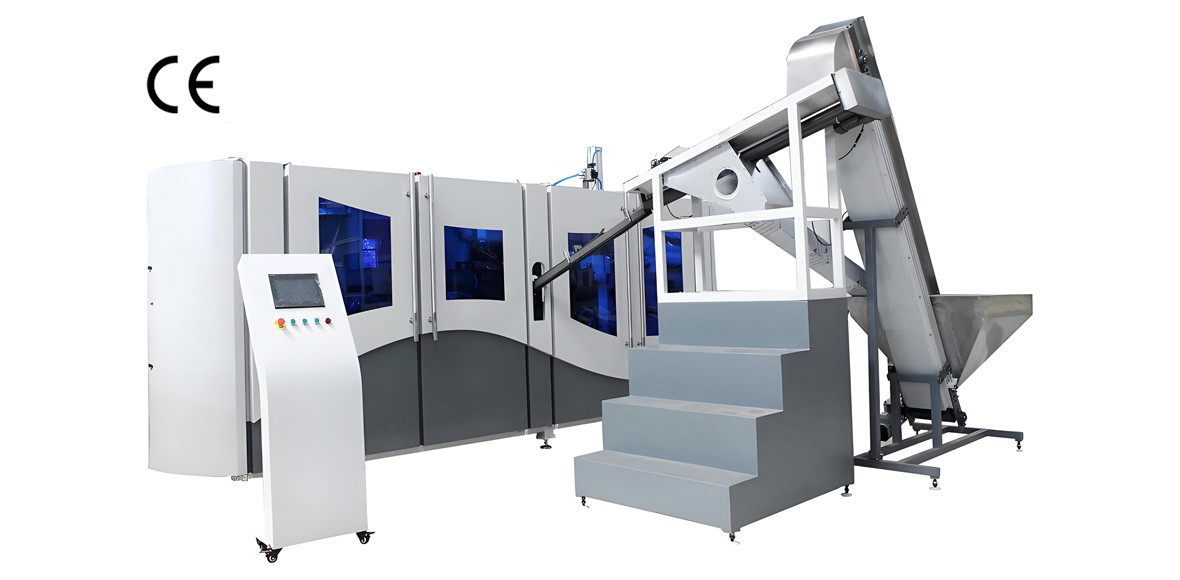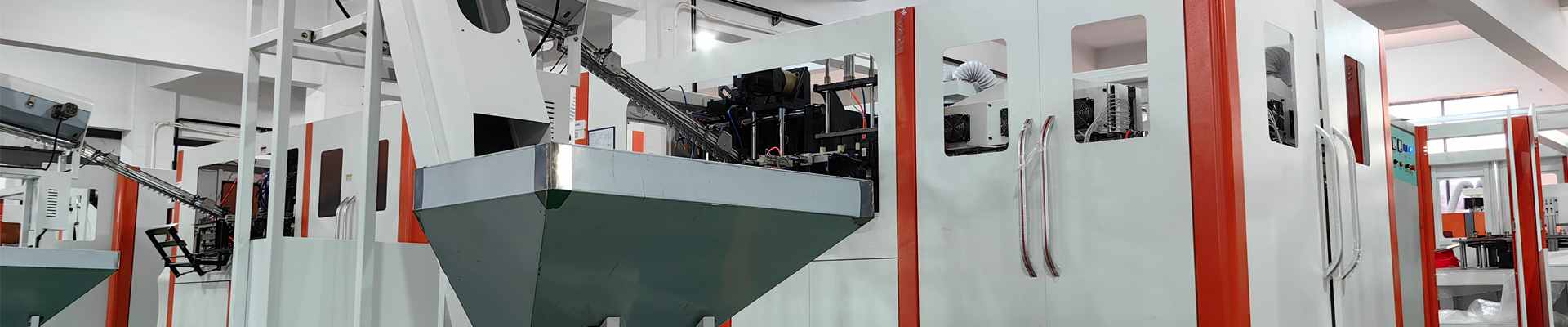
Building a PET honey bottle blowing factory starts long before the first preform is heated. The honey packaging segment has distinct requirements: honey is viscous, often filled warm, and sold in squeezable or wide-mouth PET jars and bottles that must resist flavor pickup and survive drop testing on retail shelves. For an overseas entrepreneur, the difference between a profitable plant and a cash trap is almost always traced back to a complete, honest cost list that covers both startup capital and monthly operation. This guide presents a full cost list using relative tiers (Low, Medium, High, Very High, Premium) and non-monetary measures such as share of capital and share of operating cost, because absolute figures shift with freight, duty, and local tariffs.
YuDa, a Wanplas factory, is a dedicated PET bottle blow molding manufacturer with more than 20 years of experience, exports to over 60 countries, and a position among the top Chinese suppliers with 20-plus patents. The Wanplas brand acts as the parent group across a network of specialized factories, so a honey bottle project can later connect with filling, labeling, and even recycled-PET capabilities from within one supplier family. The cost structure below reflects a small-to-medium honey bottle plant centered on a PET stretch blow molding line rather than a fully integrated filling plant.
Startup Capital List for a PET Honey Bottle Blowing Factory
The startup capital of a PET honey bottle blowing factory divides into five buckets: the blow molding machine, auxiliary utilities, tooling and molds, facility preparation, and pre-operation working capital. A buyer who totals only the machine price and forgets the other four will understate the capital by a wide margin and misplan the recovery schedule. The list below uses relative tiers so it applies across sourcing regions.
Complete Startup Capital List
| Capital Item | Cost Tier | Share of Total CAPEX | Notes |
|---|---|---|---|
| PET blow molding machine (core) | Medium to High | 38 to 52 percent | Largest single item |
| High-pressure air system | Medium | 12 to 18 percent | Compressor, dryer, tanks |
| Chiller and cooling loop | Low to Medium | 6 to 10 percent | Mold and oil cooling |
| Molds (honey jar and bottle neck) | Medium | 7 to 12 percent | Shape-specific |
| Leak tester, conveyor, packing | Low | 3 to 6 percent | Quality and handling |
| Facility prep and electrical | Medium | 8 to 14 percent | Three-phase power, flooring |
| Installation, training, spares | Low | 4 to 8 percent | Commissioning buffer |
| Pre-operation working capital | Medium | 6 to 12 percent | Preform stock, payroll |
The machine is the largest single item but rarely more than half of the capital. Buyers are frequently surprised that air system, facility preparation, and working capital together can equal or exceed the machine price in a turnkey setup. For honey bottles, mold cost deserves special attention because honey jars often use wide-mouth or custom squeezable shapes that demand precise neck and thread tooling to seat the lid and prevent leakage under warm fill.
Blow Molding Machine Tiers and Cost Bands
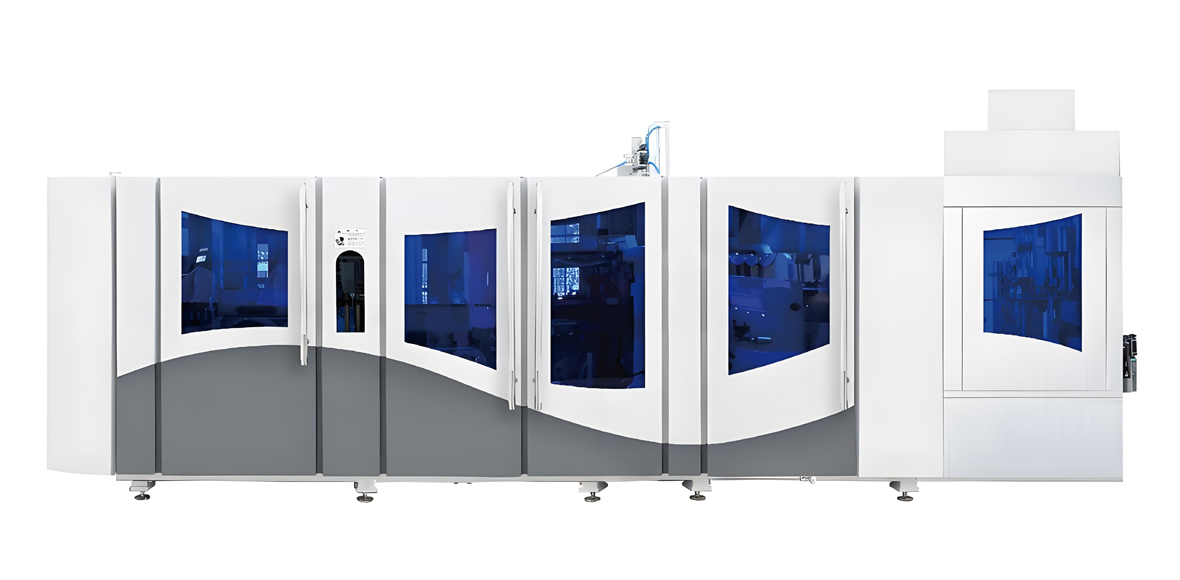
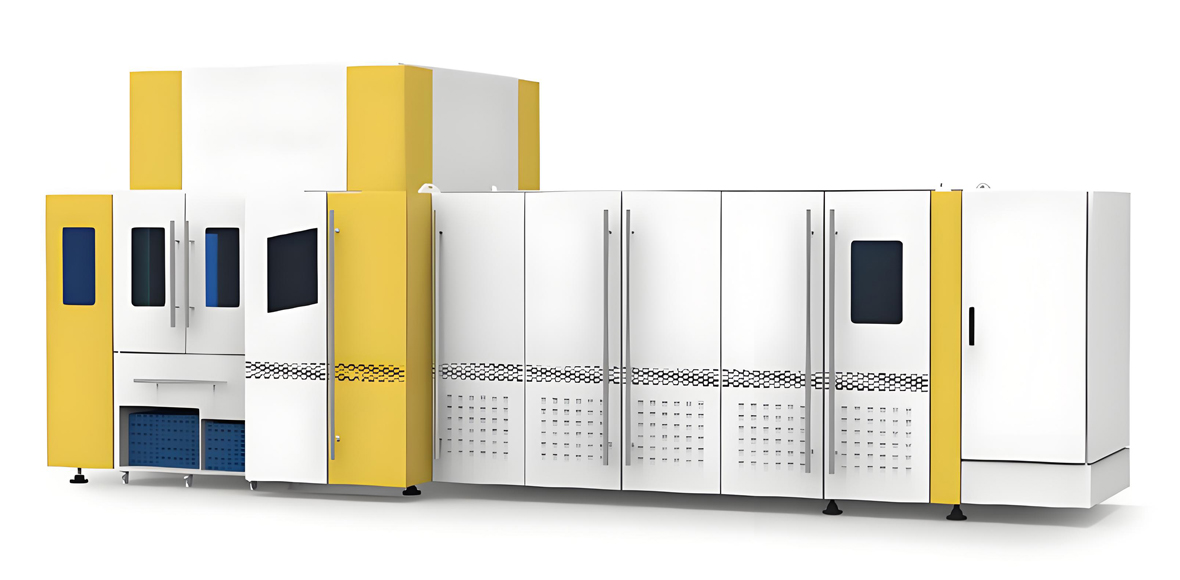
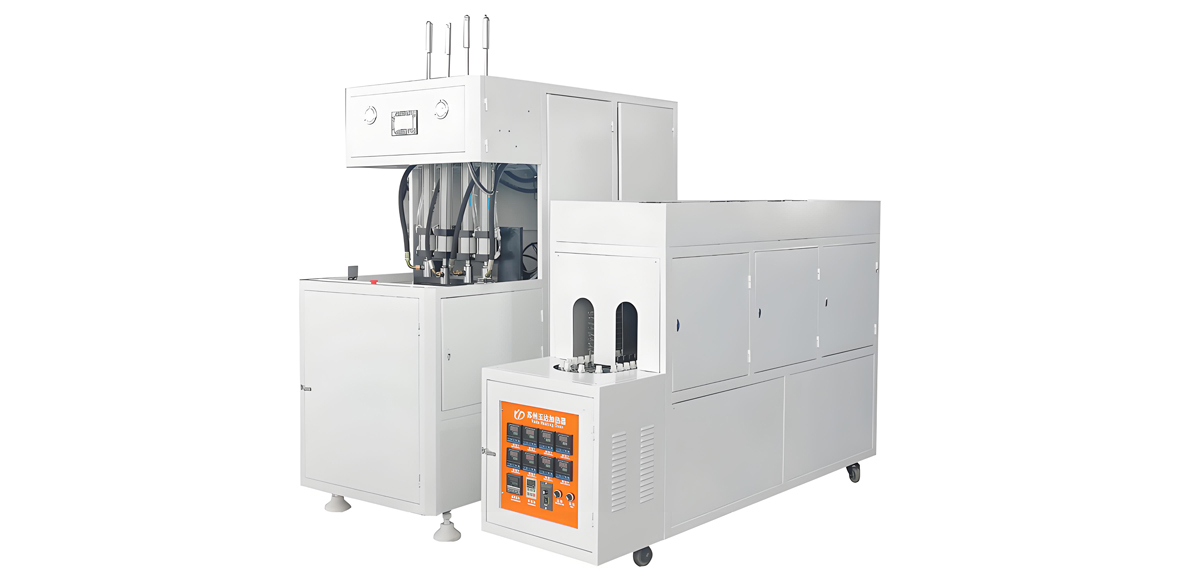
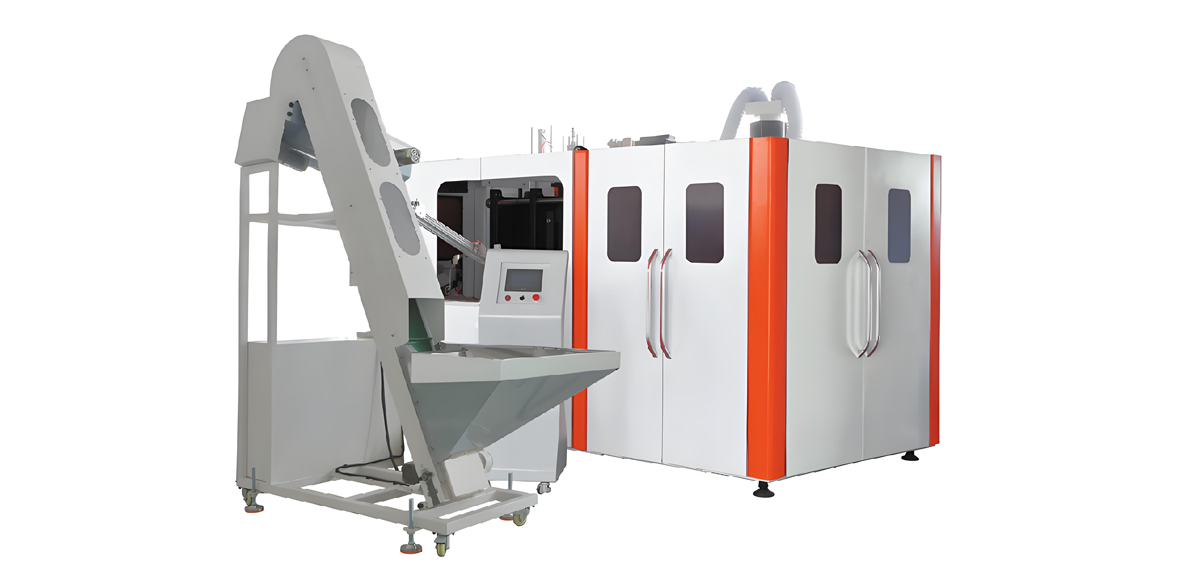
PET blow molding machines span a wide cost band, and the right tier depends on the honey bottle volume a market can absorb. YuDa’s range covers semi-automatic units for entry, standard-speed fully automatic lines, and the FGX high-speed series for high volume. The table maps each tier to capability and to its share of the total equipment capital, helping a buyer avoid both under-buying and over-buying.
Machine Tier Comparison
| Machine Tier | Output Range (bottles per hour) | Cost Band | Best Fit for Honey Factory |
|---|---|---|---|
| Semi-automatic (2 cavity) | 800 to 1,200 | Low | Market test, Minimal capital |
| Standard automatic (4 cavity) | 3,000 to 4,000 | Medium | Small dedicated plant |
| Standard automatic (6 cavity) | 5,000 to 7,000 | Medium to High | Regional supplier |
| FGX high-speed (8 cavity plus) | 10,000 to 15,000 | High to Very High | Export-scale volume |
For honey bottles, a 4-cavity standard automatic line is usually the rational core: capital is Medium, output supports a regional brand, and the line can run multiple jar sizes with quick mold changes. The FGX high-speed tier belongs to factories already shipping to national or export customers, because honey is a slower-moving, often seasonal product where overcapacity is costly. Energy efficiency again matters: YuDa’s ovens use a 38.1 millimeter heater spacing that the factory states cuts electricity use by more than 30 percent versus conventional ovens, a recurring saving that lowers the effective operating cost list every month.
Auxiliary Equipment and Utility Cost List
Many first-time buyers treat auxiliary equipment as an afterthought, then discover that the air system and cooling loop are substantial capital and operating items. PET stretch blow molding needs high-pressure air to stretch the preform, and that air is produced by a compressor whose energy draw is significant. The cost list below separates the one-time capital from the recurring energy weight.
Auxiliary Equipment Cost List
| Auxiliary Item | Capital Tier | Operating Energy Weight | Optimization Lever |
|---|---|---|---|
| High-pressure compressor | Medium | Very High | Right-size to cavity count |
| Air dryer and filters | Low to Medium | Low | Protect valves, reduce scrap |
| Air receiver tanks | Low | None | Buffer peaks, save compressor wear |
| Industrial chiller | Low to Medium | Medium | Setpoint tuning |
| Conveyor and accumulation | Low | Low | Reduce manual handling |
| Leak and pressure tester | Low | Low | Cut rejection at filler |
The high-pressure compressor is the auxiliary cost center. Over-specifying it wastes both capital and electricity, while under-specifying it caps output and lengthens recovery. The correct approach is to size the compressor to the actual air demand of the chosen cavity count, then add a modest buffer. Pairing the line with a chiller sized to the mold cooling load, rather than a generic oversized unit, keeps both capital and recurring energy in the right band.
Mold, Preform, and Consumable Cost Structure
Honey bottles demand more from tooling than a standard water bottle. Wide-mouth jars, squeezable bears, and dosing bottles each need a dedicated mold, and the neck must seat a tamper-evident or induction-sealed lid that prevents honey leakage. Mold cost sits in the Medium tier but recurs whenever a new SKU is added, so it belongs on both the capital list and the product-development budget.
Preforms and closures are the dominant recurring consumable. Because honey is filled warm in many operations, preform grade and barrier properties matter, and the material cost per bottle is the largest line in the operating budget. Buying preforms regionally, or eventually producing them in-house with a dedicated system, shifts that cost structure. The Wanplas network includes filling and related capabilities, so a honey bottle maker can later consolidate blowing and filling under one supplier relationship.
Tooling and Consumable Cost Structure
| Item | Cost Nature | Cost Tier | Control Lever |
|---|---|---|---|
| Blow mold set (per shape) | One-time, recurs per SKU | Medium | Limit SKU count early |
| Preforms (PET) | Recurring, per bottle | High (volume based) | Lightweighting, bulk buy |
| Closures and seals | Recurring, per bottle | Medium | Standardize lid type |
| Labels and sleeves | Recurring, per bottle | Medium | In-house or contract print |
| Spare parts kit | One-time, then annual | Low | Preventive rotation |
Mold maintenance is a quiet operating cost. Honey’s sugar content means any leak or residue at the neck is unacceptable to buyers, so molds need regular cleaning and inspection. A preventive schedule extends mold life and protects the rejection rate, which in turn protects the operating margin that the whole recovery plan depends on.
Monthly Operating Cost Breakdown
The operating cost list repeats every month and therefore determines the recovery period more than the startup list does. The shares below reflect a small automatic honey bottle line; regional wages and power tariffs shift the absolute weight, but the ordering is consistent. Material dominates, energy is second, and labor follows.
Monthly Operating Cost Structure
| Operating Element | Share of Operating Cost | Recurring Frequency | Main Reduction Lever |
|---|---|---|---|
| Preforms and closures | 48 to 60 percent | Monthly, per volume | Lightweight, local sourcing |
| Electricity | 12 to 20 percent | Monthly | Efficient oven, heat recovery |
| Labor | 12 to 18 percent | Monthly | Automation, shift plan |
| Mold and part wear | 4 to 8 percent | Monthly accrual | Preventive maintenance |
| Compressed air loss | 3 to 6 percent | Monthly | Leak audit |
| Rejected bottles and scrap | 2 to 5 percent | Monthly | Process control, mold care |
| Facility and overhead | 4 to 8 percent | Monthly | Layout density |
The operating list confirms a central truth: the startup capital is a one-time event, but the operating cost list runs forever. A small saving on preforms or electricity compounds across every month of the asset’s life, so the operating list deserves at least as much attention as the capital list. Honey’s premium positioning helps here, because honey bottles often carry a High margin relative to commodity water bottles, which shortens recovery despite the material-heavy cost structure.
Capacity, Recovery, and Cost Sensitivity
With the full cost list in place, the recovery period follows from monthly contribution and total capital. The table below shows indicative recovery months for a honey bottle factory by machine tier and utilization, using relative margin levels rather than currency. Honey’s typically High margin is reflected in the right column, but low utilization still dominates the outcome.
Recovery Period by Tier and Utilization
| Machine Tier | Low Utilization | Medium Utilization | High Utilization |
|---|---|---|---|
| Semi-automatic (Low capital) | 30 to 50 months | 22 to 34 months | 16 to 26 months |
| Standard automatic (Medium capital) | 34 to 48 months | 20 to 30 months | 14 to 22 months |
| FGX high-speed (High capital) | 40 to 60 months | 24 to 36 months | 16 to 24 months |
The quotable conclusion: a PET honey bottle blowing factory on a Medium-capital automatic line with Medium-to-High utilization typically recovers its full startup capital in roughly 14 to 30 months, while the same line at low utilization can take four years or more. The high-speed tier only improves on that when utilization stays above 80 percent, because honey demand is steadier and often seasonal rather than continuously massive. The practical recommendation is to start at the automatic Medium tier and reinvest recovered capital into a second line once demand is proven.
Competitive context is useful when building the cost list. Established global suppliers such as Sidel of France, Krones of Germany, and Chumpower of Taiwan occupy the Premium to Very High capital tiers with deep automation and service networks, while Chinese specialists such as YuDa deliver Medium to High capital with strong energy-saving design and broad export support. For a honey bottle startup, the Medium-tier automatic line from a responsive specialist typically offers the best balance of capital discipline and recovery speed.
Optimization and Risk Reduction Checklist
A complete cost list is only useful if it drives action. The checklist below converts the analysis into concrete steps that lower both startup capital and operating cost for a PET honey bottle blowing factory.
Startup Capital Optimization
- Right-size the machine: Choose a 4-cavity automatic line unless signed volume justifies high-speed capacity.
- Size the compressor precisely: Match air output to cavity demand plus a modest buffer, not to a generic maximum.
- Limit initial SKUs: Each mold is Medium cost and recurs; start with two or three proven shapes.
- Include spares in capital: Budget the first spare-parts kit upfront to avoid emergency freight.
- Plan facility power early: Three-phase supply and floor loading are Medium capital and easy to under-budget.
Operating Cost Optimization
- Lightweight preforms: The single largest operating saving; even small gram reduction compounds monthly.
- Negotiate preform volume pricing: Material is near half of operating cost, so supplier terms matter most.
- Adopt efficient ovens: A 30 percent-plus electricity saving, as with YuDa’s 38.1 millimeter heater spacing, lowers the energy line directly.
- Audit air leaks monthly: Compressed air loss is a silent recurring cost.
- Track scrap daily: Neck and seal defects waste material and machine time; visibility drives correction.
- Use remote monitoring: YuDa’s PLC visibility from its China headquarters helps a small team catch faults before batch failure.
Standards and market access also belong on the cost list, because non-compliance can freeze sales. Honey bottles for food use typically require food-contact certification such as FDA in the United States or EU 10/2011 in Europe, supported by ISO 9001 quality management and CE marking for the machinery. ASTM test methods may apply for drop and top-load performance. Budgeting certification and documentation time upfront avoids a costly stop after launch. The Wanplas group’s shared support policy, including annual free spare parts and warranty replacement, further reduces the effective cost of ownership for a first-time operator.
Frequently Asked Questions
What is included in the startup cost of a PET honey bottle blowing factory?
The startup capital includes the blow molding machine, high-pressure air system, chiller, molds, leak tester and conveyor, facility preparation, installation and training, and pre-operation working capital such as preform stock and initial payroll. The machine is the largest single item but usually under half of the total.
Which machine tier is best for a honey bottle startup?
A 4-cavity standard automatic line in the Medium capital tier is usually best: it supports regional volume, runs multiple jar sizes, and recovers faster than a high-speed line at typical honey utilization. Semi-automatic suits pure market testing with Minimal capital but limits volume.
What is the largest operating cost every month?
Preforms and closures are the largest operating cost, typically near half of the monthly total. Electricity is second and is heavily influenced by oven efficiency and compressor sizing. Together these two deserve the most optimization attention.
How long does a honey bottle factory take to recover its capital?
A Medium-capital automatic line at medium-to-high utilization typically recovers in roughly 14 to 30 months. Low utilization can extend recovery beyond four years, while high utilization with honey’s premium margin can bring it under 18 months.
Why does the air compressor matter so much to cost?
The high-pressure compressor is both a Medium capital item and the largest recurring energy draw in the auxiliary list. Over-sizing wastes capital and electricity; under-sizing caps output. Precise sizing to cavity demand is the highest-leverage cost decision after the machine itself.
What compliance items should be budgeted?
For food-contact honey bottles, budget for FDA or EU 10/2011 compliance, ISO 9001, CE marking for the machinery, and possibly ASTM drop and top-load testing. These are plain-text compliance references that protect market access and prevent post-launch sales freezes.
How does YuDa support a new honey bottle factory?
YuDa, a Wanplas factory with over 20 years of experience and 60-plus export countries, supplies energy-saving PET blow machines, remote PLC monitoring from its China headquarters, and access to the Wanplas group’s shared support including annual free spare parts and warranty replacement for new operators.
Conclusion
A full cost list for a PET honey bottle blowing factory must capture both startup capital and the forever-running operating cost, because the operating list determines recovery more than the purchase price. The machine and air system together usually exceed half of the startup capital, while preforms and electricity dominate the monthly budget. A small factory built on a Medium-capital automatic line with efficient ovens such as YuDa’s 38.1 millimeter heater-spacing design and disciplined lightweighting typically recovers its capital in roughly 14 to 30 months under healthy utilization. YuDa, a Wanplas factory, pairs this cost-disciplined equipment path with remote monitoring and group-level spare-parts support, giving a honey bottle entrepreneur a complete, realistic cost framework from first investment to steady monthly operation.