The global PET bottle market continues to expand at unprecedented speed, driven by rising demand for packaged water, carbonated beverages, edible oils, cosmetics, pharmaceuticals, and household products across both established and emerging economies. As manufacturers worldwide seek to capitalize on this growth, selecting the right bottle type and matching it to the appropriate blow molding technology has become a critical competitive decision. YuDa, a Wanplas factory with over 20 years of specialization in PET bottle blow molding machines, provides this comprehensive guide to help bottle manufacturers, beverage brands, and packaging converters navigate the complex landscape of PET bottle types and factory-scale production solutions in 2026.
This guide covers the full spectrum of hot-selling PET bottle types across global markets, from small pharmaceutical vials to large-format water containers, and maps each category to the corresponding blow molding machine configuration, downstream line integration, quality control requirements, and yield optimization strategies. Whether you are establishing a new bottle manufacturing facility, expanding existing capacity, or upgrading from semi-automatic to fully automatic production, the technical solutions and machine configurations discussed here provide a practical roadmap for profitable operation. With exports to over 60 countries and a portfolio spanning high-speed rotary systems, standard-speed linear machines, semi-automatic equipment, and integrated blow-fill-cap combi lines, YuDa and the broader Wanplas brand bring decades of engineering expertise to every bottle production challenge.
Global PET Bottle Market Overview and Demand Drivers for 2026
The PET bottle market in 2026 is shaped by several converging forces: population growth in Asia-Pacific and Africa, urbanization across Latin America and the Middle East, tightening sustainability regulations in Europe and North America, and continued lightweighting innovations that reduce material usage per container while maintaining structural integrity. Together, these forces create a dynamic landscape where bottle manufacturers must balance cost efficiency, production flexibility, environmental compliance, and speed-to-market.
Asia-Pacific remains the largest regional market for PET bottles, driven by massive demand for bottled water in China, India, and Southeast Asia, along with rapidly growing carbonated beverage and dairy sectors. The region accounts for the majority of global PET bottle consumption, and local manufacturers are investing heavily in high-speed production lines to keep pace. North America and Europe follow as mature markets where sustainability mandates, recycled PET content requirements, and deposit return schemes are reshaping bottle design and production priorities. The European Union directive requiring minimum rPET content in beverage bottles has accelerated investment in food-grade recycled PET processing and the blow molding machines capable of handling rPET blends without compromising bottle quality.
The Middle East and Africa region shows strong growth potential, particularly for bottled water and edible oil packaging. Arid climate conditions and limited access to clean tap water in many areas drive per-capita bottled water consumption to some of the highest levels globally. Latin America presents opportunities in beverage and personal care packaging, with Brazil and Mexico serving as major demand centers. Across all regions, the shift toward lighter-weight bottles continues, with standard 500ml water bottles now weighing as little as 9 to 10 grams compared to 18 to 20 grams a decade ago, placing greater demands on the precision and control capabilities of blow molding equipment.
Sustainability considerations are no longer optional. Major beverage brands have committed to using 50 percent or more recycled PET in their bottles by 2030, and many are already running production lines with 25 to 30 percent rPET content. This shift affects blow molding machine requirements, as rPET blends can exhibit different processing characteristics than virgin PET, including altered optimal heating profiles, modified stretch rod forces, and potential variations in wall thickness distribution. Equipment designed with adaptive heating zones, precise stretch rod control, and robust process monitoring is essential for maintaining yield rates when processing rPET-containing preforms.
Lightweighting represents another critical trend. As brands reduce preform weights to cut material costs and environmental impact, the window for process optimization narrows. Lighter preforms require more precise temperature distribution, more accurate stretch rod positioning, and more controlled blow pressure profiles to avoid thin spots, base deformation, or pearlescence. The YuDa FGX series, with its advanced servo-driven stretch rod system and multi-zone infrared heating oven featuring a 38.1mm heater distance, is specifically engineered to meet these tighter process windows while maintaining the high production speeds that volume manufacturers require.
Emerging bottle categories are also gaining traction. Heat-set PET bottles for hot-fill juice and tea applications require specialized mold temperature control and higher heat resistance in the PET material. Beer in PET bottles, while niche, continues to grow in markets where glass breakage or weight is a concern, driving demand for oxygen barrier technology and multi-layer preform designs. Ready-to-drink beverage bottles, dairy bottles, and functional water bottles with added vitamins or minerals each present unique requirements for fill temperature, barrier performance, and shelf life, all of which influence the blow molding process parameters and machine selection.
Classification of PET Bottle Types by Application Industry
PET bottles are classified by their end-use application, and each application imposes specific requirements on bottle geometry, neck finish, wall thickness distribution, barrier properties, and visual clarity. Understanding these classifications is essential for selecting the right preform design, blow molding machine configuration, and downstream line equipment. The table below summarizes the major PET bottle categories and their key production parameters.
| Bottle Category | Typical Volume Range | Neck Finish | Key Requirements |
|---|---|---|---|
| Still Water Bottles | 250ml to 2000ml | 28mm PCO | Light weight, high clarity, thin walls |
| Carbonated Soft Drink Bottles | 500ml to 2500ml | 28mm PCO | Pressure resistance, petaloid base |
| Edible Oil Bottles | 500ml to 5000ml | 24mm to 38mm | Oxygen barrier, handle, opacity |
| Cosmetic and Personal Care | 50ml to 500ml | 20mm to 28mm | Aesthetic finish, custom shapes |
| Pharmaceutical Bottles | 10ml to 200ml | 20mm to 28mm | Tight tolerance, tamper evidence |
| Detergent and Cleaning | 500ml to 5000ml | 28mm to 45mm | Chemical resistance, handles |
| Large-Format Water | 5L to 19L | 55mm to 129mm | Thick walls, reusability, strength |
| Wide-Mouth Jars | 200ml to 1000ml | 63mm to 89mm | Wide opening, uniform wall |
Still water bottles represent the largest production volume category globally. These bottles prioritize lightweight construction, crystal-clear visual appearance, and thin but uniform wall thickness. The standard neck finish is 28mm PCO (Plastic Closure Only), which ensures compatibility with a wide range of closure types. Production speeds for water bottles are among the highest in the industry, often requiring machines capable of 12,000 to 15,000 bottles per hour. Lightweight preforms for 500ml water bottles now weigh between 9 and 12 grams, demanding precise control over the stretch rod timing, pre-blow pressure, and high-pressure blow timing to achieve even material distribution.
Carbonated soft drink bottles require distinctly different engineering. These bottles must withstand internal carbonation pressure of 3 to 5 bar, necessitating thicker walls, a petaloid or champagne base design for structural support, and careful orientation of the PET polymer chains to maximize biaxial strength. CSD bottles typically use preforms weighing 22 to 35 grams for a 1.5L container. The blow molding process for CSD bottles requires lower stretch ratios and higher blow pressures compared to still water, and production speeds are generally 20 to 30 percent lower due to the heavier preform weight and more complex base geometry.
Edible oil bottles combine PET with oxygen barrier layers or UV-blocking additives to protect the oil from oxidation and light degradation. These bottles often incorporate integrated handles, requiring multi-component mold designs or specialized blow molding processes. The neck finish is typically wider than water bottles to accommodate pour spouts, and the bottle walls may be opaque or tinted to provide additional light protection. Production volumes per format are generally lower than water or CSD, making flexible machine configurations with quick changeover capability essential for profitable operation.
Cosmetic and personal care bottles prioritize visual aesthetics, custom shapes, and premium finishes over production speed. These bottles may use frosted, tinted, or color-molded PET, and the neck finishes vary widely to accommodate pumps, sprayers, and dispensing caps. Production runs are typically smaller and more varied, making semi-automatic or standard-speed automatic machines the most practical choice. Pharmaceutical bottles demand the tightest tolerances of any PET bottle category. Consistent wall thickness, dimensional accuracy of the neck finish for tamper-evident seals, and stability for hot-fill or cold-fill applications are critical. Regulatory compliance with FDA, EU 10/2011, and ISO 15378 requirements is mandatory for pharmaceutical packaging.
Detergent and cleaning agent bottles require chemical resistance, robust wall construction, and compatibility with child-resistant closures. These bottles often use thicker walls and may incorporate handles for large-format containers. The PET material may be tinted or opaque, and the bottle design must accommodate various dispensing mechanisms including trigger sprayers, pour spouts, and squeeze dispensers. Large-format water bottles (5L to 19L) represent a specialized category requiring heavy-duty blow molding machines with large mold platens, high clamping force, and extended cooling times. These bottles are often reusable and must withstand repeated handling, washing, and refilling cycles over their service life.
Wide-mouth jars for food products such as jam, honey, sauce, and nut butters are an increasingly important PET bottle category. The wide neck (63mm to 89mm) requires specialized preform designs and mold configurations, as the material must distribute evenly across a large-diameter opening rather than a narrow neck. The blow molding process for wide-mouth containers typically involves lower stretch ratios and careful control of the blow pressure profile to ensure that the material fills the shoulder area without thin spots. These jars often compete with glass containers and must achieve comparable clarity and shelf appeal.
YuDa FGX High-Speed Series for Volume Bottle Production
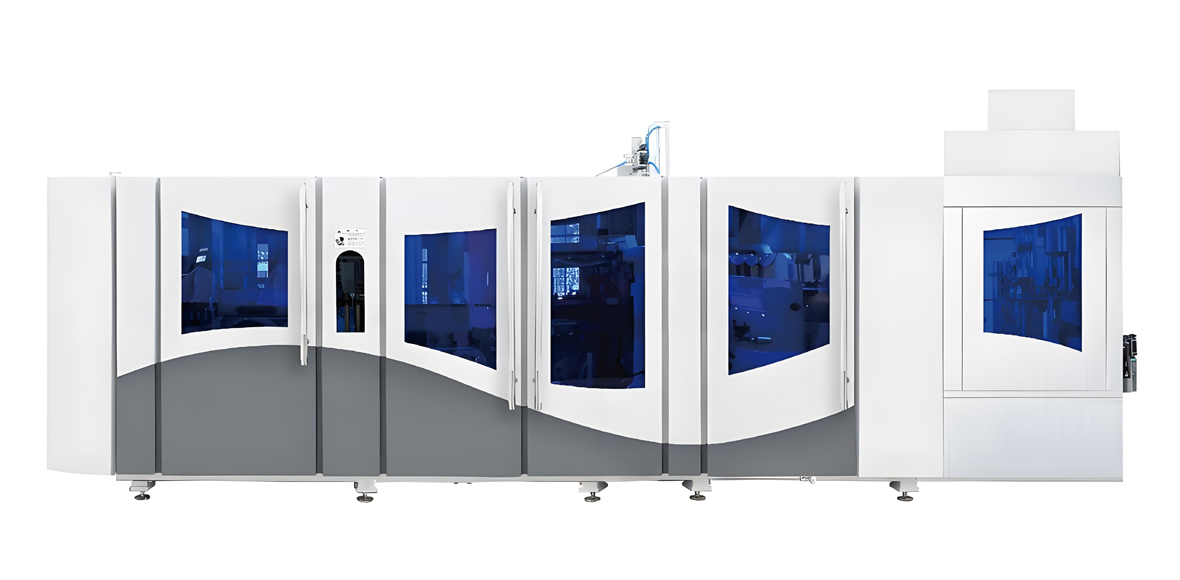
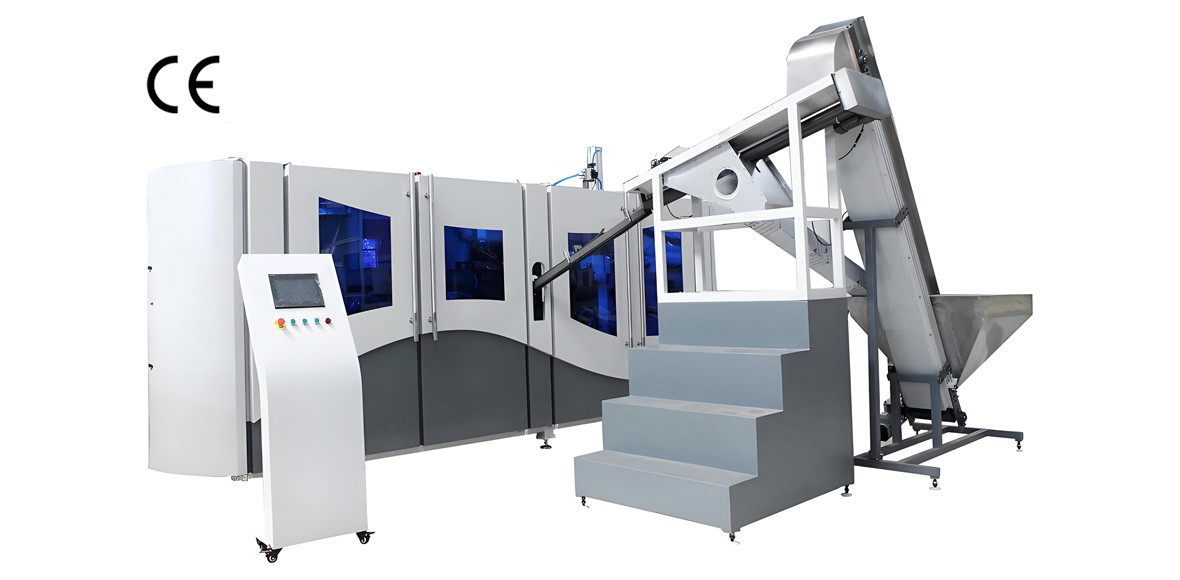
For manufacturers targeting high-volume PET bottle production, the YuDa FGX series delivers rotary blow molding performance in the 8,000 to 15,000 bottles per hour range, with single-cavity speeds of 2,500 to 3,000 BPH. As a Wanplas factory product line, the FGX series embodies over two decades of engineering refinement, incorporating 20-plus patents and proven field experience across 60-plus countries. The series is designed for beverage brands, contract packagers, and bottle manufacturers who need consistent quality at industrial-scale throughput.
The FGX series is built around several core engineering innovations. The unique cam linking system integrates mold-opening, mold-locking, and bottom mold-elevating into one synchronized movement, driven by a high-speed servo system. This integrated cam design reduces mechanical complexity, minimizes cycle time variations, and ensures that each mold cavity operates with identical kinematic timing. The result is a more uniform bottle quality across all cavities, with tighter wall thickness distribution and fewer rejects compared to conventional systems that use separate actuators for each movement.
| Configuration | Cavities | Capacity (BPH) | Clamping Force (kN) | Installed Power (kW) | Bottle Range |
|---|---|---|---|---|---|
| FGX 4-Cavity | 4 | 8,000 to 10,000 | 200 | 110 | 0.1L to 2L |
| FGX 6-Cavity | 6 | 10,000 to 12,000 | 250 | 130 | 0.1L to 2L |
| FGX 8-Cavity | 8 | 12,000 to 14,000 | 300 | 155 | 0.1L to 1.5L |
| FGX 10-Cavity | 10 | 14,000 to 15,000 | 350 | 175 | 0.1L to 1.5L |
A defining feature of the FGX series is its energy-saving heating system. The heater distance has been minimized to 38.1mm, bringing the infrared heating elements closer to the preform surface for more efficient energy transfer. This design reduces electricity consumption by over 30 percent compared to conventional heating ovens, which typically position heaters at greater distances and require higher wattage to achieve the same preform temperature profile. The close-proximity heating also improves temperature uniformity around the preform circumference, directly contributing to more consistent wall thickness in the finished bottle and reducing the reject rate for wall thickness defects.
The modular design of the FGX series enables convenient and cost-saving maintenance. Critical components are organized in accessible modules that can be replaced or serviced independently, reducing downtime during scheduled maintenance and simplifying emergency repairs. The mold changeover process is streamlined through standardized tooling interfaces and quick-lock mechanisms, allowing format changes to be completed in minimal time. For manufacturers producing multiple bottle formats on the same line, this modularity translates directly into higher equipment utilization and faster return on investment.
The remote monitoring system further distinguishes the FGX series. Engineers at the China headquarters can access PLC data in real time via mobile devices, allowing them to diagnose issues, monitor production parameters, and provide proactive feedback to client sites before problems escalate. This remote capability is particularly valuable for manufacturers in distant time zones or those without extensive in-house technical teams, ensuring that expert support is available whenever production is running. The system also maintains a historical log of process parameters, enabling trend analysis and predictive maintenance planning.
The FGX series uses mature, stable component brands throughout its construction, ensuring long-term reliability and parts availability. This approach to component selection prioritizes proven performance over experimental technology, reducing the risk of premature failures and ensuring that spare parts can be sourced quickly when needed. For high-volume operations where unplanned downtime costs are measured in thousands of dollars per hour, this reliability-first engineering philosophy provides measurable operational and financial benefits.
Standard-Speed Automatic and Semi-Auto PET Blow Molding Machines
Not every bottle manufacturer requires the output of a high-speed rotary system. For mid-range production volumes, specialized bottle formats, or emerging-market operations building capacity incrementally, YuDa offers standard-speed fully automatic machines and semi-automatic machines that deliver the same engineering quality at lower production rates and reduced investment thresholds. These machines share the same design philosophy, component quality standards, and remote monitoring capabilities as the FGX series, ensuring that manufacturers at any scale can benefit from YuDa and Wanplas engineering.
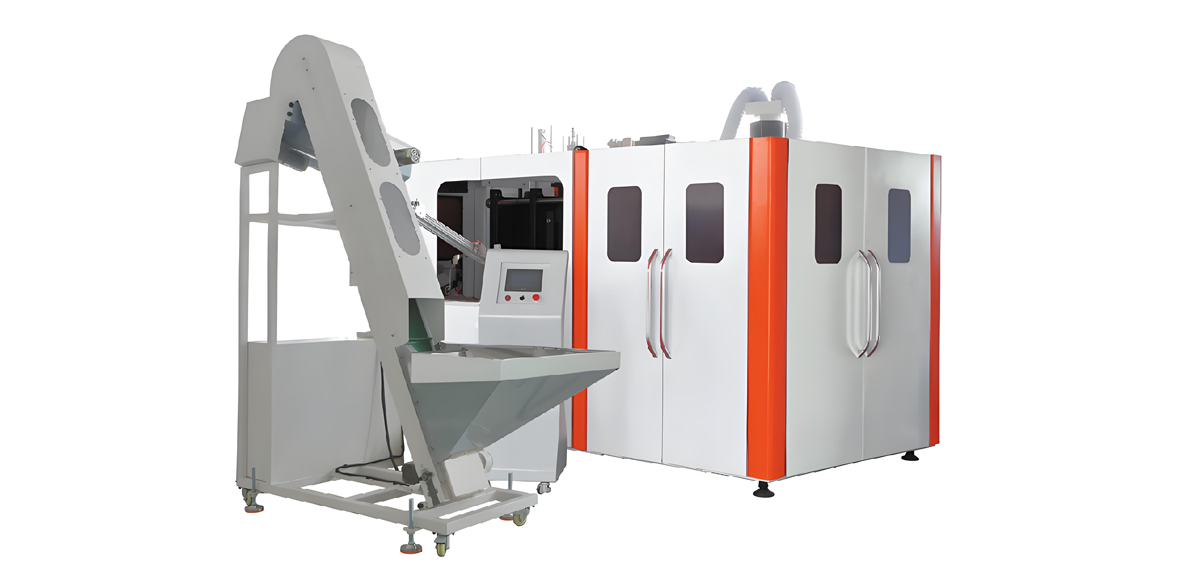
The standard-speed series covers the 1,000 to 7,000 BPH range with fully automatic operation. These linear machines incorporate the same advanced heating systems and energy-saving technologies as the FGX series, but in a linear rather than rotary configuration. Linear machines offer advantages in format flexibility, as mold changes and recipe adjustments can be made more quickly than on rotary systems. They are ideal for manufacturers producing multiple bottle formats in smaller batches, such as private-label water brands, edible oil packagers, or cosmetic container producers who need to change formats frequently.
| Model Type | Cavities | Capacity (BPH) | Clamping Force (kN) | Installed Power (kW) | Bottle Range |
|---|---|---|---|---|---|
| Standard Auto 1-Cavity | 1 | 1,000 to 2,000 | 80 | 45 | 0.1L to 5L |
| Standard Auto 2-Cavity | 2 | 2,000 to 4,000 | 120 | 65 | 0.1L to 2L |
| Standard Auto 4-Cavity | 4 | 4,000 to 7,000 | 180 | 95 | 0.1L to 1.5L |
| Semi-Auto 1-Cavity | 1 | 800 to 1,200 | 60 | 25 | 0.1L to 5L |
| Semi-Auto 2-Cavity | 2 | 1,200 to 2,000 | 90 | 35 | 0.1L to 2L |
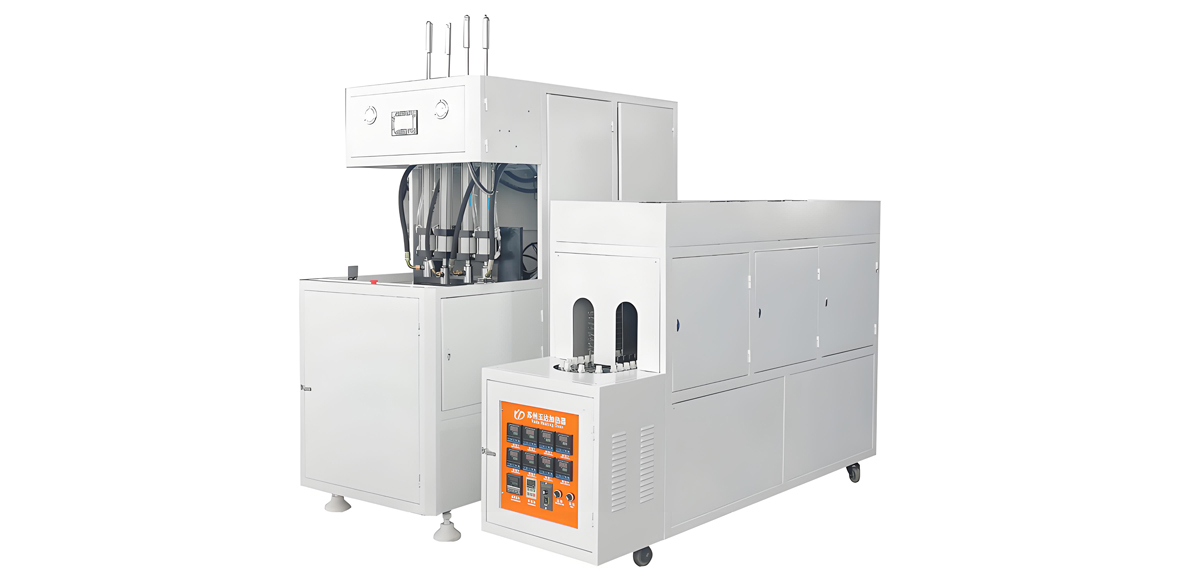
The semi-auto series is positioned for small enterprises, startup operations, and manufacturers in developing markets where capital investment is constrained but quality cannot be compromised. Semi-automatic machines require manual preform loading and bottle removal, but the heating and blow molding processes remain fully controlled by the PLC system. This means that bottle quality is consistent and repeatable, even though the production rate is lower than fully automatic alternatives. Semi-auto machines are also ready to ship with minimal lead time, making them ideal for manufacturers who need to begin production quickly to capture market opportunities.
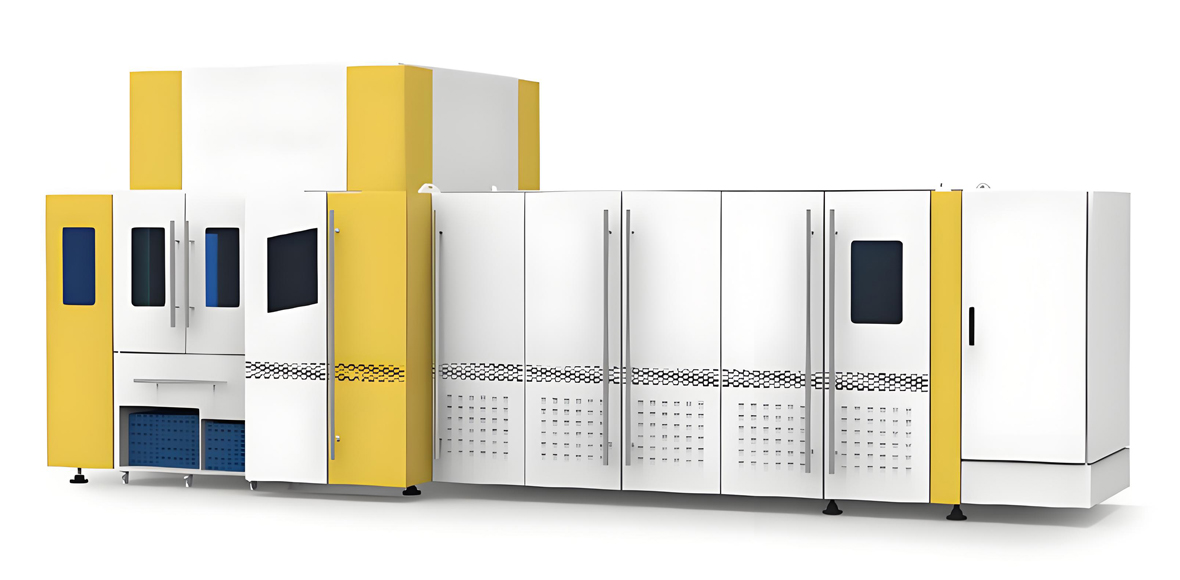
For manufacturers seeking to integrate bottle production with filling and capping in a single compact footprint, YuDa offers the Linear Blowing-Filling-Capping CombiBlock. This mini linear BFC machine is designed for simplicity and ease of operation, combining bottle blowing, liquid filling, and cap application in one continuous process. The CombiBlock is particularly suitable for small to mid-sized beverage operations where plant area is limited, as it eliminates the need for separate blowing, filling, and capping machines along with the conveyors and transfer systems between them. The integrated design also reduces the risk of contamination during bottle transfer, as the bottles move directly from the blow mold to the filling station without exposure to the ambient environment.
The broader Wanplas product ecosystem also includes the Bottle Blow-Filling-Capping (BFC) machine, a full-scale integration of PET bottle production with water filling and cap installation in a single process. This technology is particularly relevant for bottled water producers who want to minimize the distance between bottle formation and product filling, ensuring maximum hygiene and minimum handling. By producing bottles and filling them in one continuous operation, the BFC approach reduces the risk of contamination, eliminates the need for bottle storage and transport infrastructure, and simplifies the overall factory layout. For greenfield bottled water facilities, this integrated approach can reduce total plant area requirements by 20 to 30 percent compared to traditional separated line configurations.
Matching PET Bottle Types to the Right Blow Molding Machine
Selecting the appropriate blow molding machine for a specific bottle type requires careful analysis of production volume, bottle geometry, material characteristics, and format change frequency. The wrong machine selection can lead to excessive capital expenditure, inadequate production capacity, quality issues, or inefficient utilization. The table below provides a practical selection guide mapping common bottle types to recommended YuDa machine configurations based on typical industry requirements.
| Bottle Type | Daily Volume Target | Material Characteristic | Recommended Machine | Investment Level |
|---|---|---|---|---|
| Still Water 500ml | 200,000+ per day | Virgin or rPET, lightweight | FGX 8-Cavity or 10-Cavity | Premium |
| Still Water 500ml | 50,000 to 150,000 per day | Virgin PET, standard weight | Standard Auto 4-Cavity | Medium |
| CSD 1.5L | 100,000+ per day | Virgin PET, heavy preform | FGX 6-Cavity or 8-Cavity | Premium |
| Edible Oil 1L to 5L | 20,000 to 80,000 per day | PET with barrier, tinted | Standard Auto 2-Cavity | Medium |
| Cosmetic 100ml to 500ml | 5,000 to 30,000 per day | Color PET, custom shape | Standard Auto 1-Cavity | Low |
| Pharmaceutical 30ml to 200ml | 10,000 to 50,000 per day | Medical grade PET, tight tolerance | Standard Auto 2-Cavity | Medium |
| Detergent 1L to 5L | 15,000 to 60,000 per day | PET, thick wall, handle | Standard Auto 1-Cavity or Semi-Auto | Low to Medium |
| Large-Format Water 19L | 3,000 to 8,000 per day | Heavy PET, reusable | Semi-Auto or Standard Auto 1-Cavity | Low to Medium |
| Wide-Mouth Jar 500ml | 10,000 to 40,000 per day | PET, wide neck, uniform wall | Standard Auto 2-Cavity | Medium |
When using the selection guide, manufacturers should consider several factors beyond daily volume targets. The number of format changes per week is critical: if a line produces five different bottle sizes on a rotational basis, a linear machine with quick changeover capability may outperform a higher-speed rotary system that requires longer changeover times. Similarly, the preform weight and material characteristics influence machine selection. Lightweight preforms (9 to 12 grams for 500ml) require more precise heating and stretching control, favoring machines with advanced servo-driven stretch rods and multi-zone heating. Heavy preforms (25 to 40 grams for large containers) require higher blow pressures and longer cooling times, which may reduce the actual output below the rated speed.
Investment level should be evaluated in the context of total cost of ownership, not just initial purchase price. A Premium-tier FGX machine may cost more upfront but delivers lower cost per bottle due to higher throughput, better energy efficiency from the 38.1mm heater distance, and reduced reject rates enabled by precise process control. Conversely, for a manufacturer with limited volume or frequent format changes, a Medium-tier standard automatic or Low-tier semi-automatic machine may provide a better return on investment by avoiding overcapacity and reducing capital depreciation.
Bottle geometry also influences machine selection in ways that are not immediately obvious from the volume target alone. Bottles with handles, asymmetrical shapes, or complex base designs may require specialized mold configurations that are easier to implement on single-cavity or two-cavity linear machines than on multi-cavity rotary systems. Similarly, bottles requiring barrier layers, multi-layer preforms, or specialized materials such as heat-resistant PET for hot-fill applications may require customized heating profiles and blow pressure sequences that are more easily managed on machines with individual cavity control. The YuDa engineering team provides consultation to help manufacturers navigate these complexities and select the machine configuration that best matches their specific bottle portfolio and production requirements.
Complete Factory Production Line From Preform to Palletized Product
A PET bottle manufacturing factory encompasses far more than the blow molding machine itself. A complete production line integrates preform handling, blow molding, quality inspection, labeling, filling, capping, packaging, and material handling into a synchronized system. Understanding the full line architecture is essential for factory planners, as bottlenecks in any station can limit the overall line throughput regardless of the blow molding machine capacity. The table below outlines the major stations in a complete PET bottle production line and their key integration considerations.
| Station | Function | Key Equipment | Integration Considerations |
|---|---|---|---|
| Preform Feeding | Unscramble and orient preforms | Preform unscrambler, elevator hopper | Match feed rate to blow molder input |
| Preform Heating | Soften preform to optimal temperature | Multi-zone infrared oven | Temperature profile per preform type |
| Blow Molding | Stretch and blow preform into bottle | YuDa FGX or standard auto machine | Core production station, sets quality baseline |
| Bottle Inspection | Detect defects, verify dimensions | Vision inspection system, leak tester | Reject signal feedback to blow molder |
| Labeling | Apply labels to finished bottles | Sleeve labeler, pressure-sensitive labeler | Bottle orientation and spacing control |
| Filling | Fill bottles with product | Gravity filler, pressure filler, flow meter | Hygiene class, fill accuracy, speed match |
| Capping | Apply and torque caps | Capping monoblock, torque controller | Cap type, torque specification, tamper seal |
| Packaging | Group bottles into multipacks or trays | Shrink wrapper, case packer, tray sealer | Pack pattern, film type, speed sync |
| Palletizing | Stack cases onto pallets for transport | Robotic palletizer, stretch wrapper | Pallet pattern, load stability, warehouse flow |
The Linear Blowing-Filling-Capping CombiBlock from YuDa integrates three critical stations (blowing, filling, and capping) into a single compact unit. This integration eliminates the air conveyor between the blow molder and filler, which in traditional lines can be a source of bottle deformation, contamination risk, and line imbalance. The CombiBlock synchronizes bottle production with filling speed, ensuring that bottles are produced exactly when needed and transferred directly to the filling nozzles without intermediate storage. This approach saves plant area, reduces capital investment in conveyors and transfer systems, and simplifies line operation and maintenance.
For factories producing bottled water, the CombiBlock can be configured as a complete BFC system that accepts preforms at one end and outputs filled, capped bottles at the other. The BFC concept is particularly powerful for high-volume water production, where the elimination of intermediate bottle storage and handling reduces the risk of contamination and minimizes the space required for bottle accumulation. Wanplas supplies BFC technology through its network of specialized factories, providing a unified solution for beverage brands seeking turnkey bottle-to-pallet production lines.
Quality inspection stations deserve special attention in the line architecture. Modern PET bottle production lines typically incorporate both inline and offline inspection systems. Inline vision systems check for wall thickness deviations, base formation defects, neck finish dimensions, and visual clarity immediately after the blow molding station, automatically rejecting defective bottles before they reach downstream stations. Leak testing systems, which may use pressure decay or vacuum chamber methods, verify that each bottle can hold product without leakage. The data from these inspection systems should be fed back to the blow molding machine PLC, enabling real-time process adjustments that prevent defect patterns from propagating through the production run.
Air management is another critical but often overlooked aspect of complete line design. High-pressure blow air is one of the largest energy consumers in a PET bottle factory, and the compressed air system must be sized to deliver the required pressure and volume at the blow molding machine while minimizing energy waste. Air recovery systems that capture and reuse exhaust air from the blow molding cycle can reduce total air system energy consumption by 40 to 60 percent, representing one of the most impactful energy optimization opportunities in the factory. The design of the air supply system, including compressor sizing, air storage capacity, and piping diameter, should be analyzed holistically with the blow molding machine requirements to ensure that air pressure remains stable under all production conditions.
Factory layout planning should also consider the flow of preforms, finished bottles, waste material, and personnel. Preform storage should be located near the feeding station to minimize transport distances, while finished bottle storage should be positioned to serve the downstream filling or packaging line efficiently. Waste preforms and rejected bottles should be collected and routed to a granulation area for recycling, closing the material loop within the factory. Personnel walkways should be separated from production flow paths to ensure safety and prevent contamination. The Wanplas brand, through its network of specialized factories, offers factory layout consultation and 3D workshop design services to help manufacturers optimize their production floor from the ground up.
Troubleshooting Common PET Blow Molding Defects
Even with well-maintained equipment and quality preforms, PET blow molding operations encounter defects that can reduce yield, waste material, and disrupt downstream operations. Understanding the root causes of common defects and having a systematic troubleshooting methodology is essential for maintaining high production efficiency. This section covers the most frequently encountered defects, their causes, and recommended corrective actions.
Uneven Wall Thickness and Thin Spots
Uneven wall thickness is the most common defect in PET bottle production and can manifest as thin spots in the bottle body, excessive thinning at the base, or material accumulation near the neck. The primary causes include uneven preform temperature distribution, incorrect stretch rod positioning, improper blow pressure timing, or worn mold components. Diagnosis begins with checking the preform temperature profile using an infrared thermometer or thermal imaging camera. If the temperature profile is uneven, individual heating zones should be adjusted to compensate. If the profile is correct, the stretch rod speed, pre-blow pressure start timing, and high-pressure blow timing should be verified against the recipe settings. Worn or damaged mold components, particularly the blow mold cavity surface and the stretch rod tip, should be inspected and replaced as needed.
Base Deformation and Bulging
Base deformation occurs when the bottle base does not form correctly, resulting in a bulging, uneven, or unstable base that prevents the bottle from standing upright. This defect is particularly problematic for CSD bottles, where the petaloid base design must distribute internal pressure evenly across the base structure. Common causes include insufficient preform temperature at the base, excessive stretch rod force, premature high-pressure application, or worn base mold inserts. Corrective actions include increasing the heating in the preform base zone, adjusting the stretch rod profile to ensure complete base formation before high-pressure blow, and verifying that the base mold insert is not worn or damaged. For CSD bottles, the base mold temperature may also need adjustment to ensure proper material distribution in the petaloid structure.
Pearlescence and Stress Whitening
Pearlescence, also known as stress whitening, appears as a cloudy or white haze in the bottle wall, typically near the base or in areas of high stretch. This defect occurs when the PET material is overstretched beyond its natural strain hardening limit, causing micro-crystallization that scatters light. The primary causes include insufficient preform temperature (the material is too cold and stiff when stretched), excessive stretch ratio for the given preform design, or premature stretch rod action before the preform has reached optimal temperature. Corrective actions center on increasing the preform temperature in the affected zone, reducing the stretch rod speed to allow more time for material distribution, or verifying that the preform design is appropriate for the target bottle geometry.
Neck Finish Defects and Leakage
Neck finish defects encompass a range of issues including out-of-tolerance neck diameter, deformed thread profiles, incomplete material fill in the neck region, and tilt of the neck relative to the bottle axis. These defects can cause cap application failures, leakage during transit, or tamper-evident seal failures. The neck region of the preform is typically not stretched during blow molding (it is protected by the neck mold), so defects in this area usually originate from the preform itself or from thermal distortion during heating. Excessive heat transfer from the preform body to the neck region during heating can soften the neck material and cause deformation during blow molding. Corrective actions include verifying the preform neck dimensions, checking the heating oven shielding around the neck region, and ensuring that the neck mold is properly cooled and maintained.
| Defect | Primary Cause | Corrective Action |
|---|---|---|
| Uneven wall thickness | Temperature imbalance in heating oven | Adjust individual heating zone power levels |
| Base bulging | Insufficient preform base temperature | Increase base zone heating, adjust stretch rod profile |
| Pearlescence | Preform too cold during stretching | Raise oven temperature, reduce stretch rod speed |
| Neck deformation | Heat transfer to neck region | Improve neck shielding in oven, verify cooling |
| Excessive top load failure | Insufficient material in shoulder area | Adjust heating profile to increase shoulder thickness |
| Bottle volume variation | Mold cooling inconsistency | Check mold cooling channels, descale if needed |
| Silver streaks in wall | Moisture in preform material | Verify preform drying, check resin moisture content |
A systematic troubleshooting approach follows a consistent sequence: identify the defect pattern, determine which process parameter or equipment component could produce that pattern, verify the hypothesis by checking the relevant parameter or component, implement the corrective action, and monitor the results to confirm that the defect is resolved. Documenting each troubleshooting event builds a knowledge base that accelerates future problem-solving and helps train new operators. The remote monitoring system integrated into YuDa machines supports this process by providing historical process data that can be analyzed to correlate defect occurrences with parameter deviations.
Yield Improvement Strategies and Process Optimization
Achieving and maintaining high yield rates is the single most impactful operational metric for PET bottle manufacturing profitability. A one percent yield improvement on a line producing 200,000 bottles per day translates to significant annual material and labor savings. Yield optimization requires a systematic approach that addresses preform quality, machine performance, process parameters, and operator skill simultaneously. No single adjustment will dramatically improve yield; rather, it is the accumulation of many small improvements across the production process that delivers measurable results.
Preform quality is the foundation of bottle quality. Incoming preforms should be inspected for weight consistency (typically plus or minus 0.3 grams for a standard 500ml preform), wall thickness distribution, neck finish dimensions, and visual defects such as silver streaks or black spots. Establishing a preform quality specification with the preform supplier and conducting regular incoming inspection prevents many downstream blow molding issues. For manufacturers producing their own preforms, the injection molding process parameters, mold maintenance, and resin drying conditions directly determine preform quality and must be controlled with the same rigor as the blow molding process. PET resin must be dried to a moisture content below 50 parts per million before injection molding to prevent hydrolytic degradation that produces silver streaks and reduces mechanical strength.
Statistical process control provides the data-driven framework for yield improvement. Key process parameters including preform temperature at each heating zone, stretch rod position and speed, pre-blow pressure and timing, high-pressure blow pressure and timing, and mold temperature should be continuously monitored and recorded. Control charts for these parameters enable operators to detect trends toward out-of-specification conditions before they result in defective bottles. When a parameter begins drifting from its target value, corrective adjustments can be made proactively rather than reactively after defects appear. The remote monitoring system integrated into YuDa machines supports this data collection and analysis, with PLC data accessible to both on-site operators and remote engineering teams at the China headquarters.
Preventive maintenance is critical for sustaining yield rates over time. Key maintenance items include regular inspection and replacement of infrared heater lamps (which degrade over time, reducing heating efficiency and creating temperature non-uniformity), cleaning and descaling of mold cooling channels (which affects mold temperature consistency and bottle dimensional stability), lubrication and inspection of the cam linking system and servo drives (which affect mold movement precision and cycle time consistency), and calibration of pressure transducers and temperature sensors (which affect process control accuracy). A well-structured preventive maintenance schedule, supported by the USD 500 free parts policy provided by YuDa as part of the Wanplas brand commitment, helps maintain equipment performance and prevent unplanned downtime.
Energy optimization is an increasingly important aspect of yield improvement, as energy costs directly affect the cost per bottle. The 38.1mm heater distance in the FGX series reduces energy consumption by over 30 percent compared to conventional heating ovens, but additional savings can be achieved through optimized heating profiles (eliminating unnecessary heating zones for simple bottle shapes), improved oven insulation, recovery of waste heat for facility heating or preform pre-heating, and optimization of the high-pressure air system. Implementing a compressed air management system that recovers and reuses blow air can reduce air system energy consumption by 40 to 60 percent, representing one of the most impactful energy optimization opportunities available to PET bottle manufacturers.
Operator training and skill development should not be overlooked as a yield improvement strategy. Well-trained operators who understand the relationship between process parameters and bottle quality can identify and correct issues more quickly, make better recipe adjustments during format changes, and contribute valuable feedback for continuous improvement. The training provided during YuDa machine installation and commissioning covers machine operation, recipe management, routine maintenance, and basic troubleshooting, providing a solid foundation for operator competency. Ongoing training, supported by the remote monitoring system that allows senior engineers to guide on-site operators through complex adjustments, ensures that the operator team continues to develop its capabilities over time.
Service, Support, and Total Cost of Ownership
The total cost of ownership for a PET blow molding line extends far beyond the initial machine purchase price. Energy consumption, maintenance, spare parts, operator training, and production downtime all contribute significantly to the lifetime cost of the equipment. YuDa, as a Wanplas factory, provides a comprehensive service and support framework designed to minimize total cost of ownership and maximize equipment uptime over the machine lifecycle. This framework encompasses pre-sale consultation, pre-shipment testing, installation and commissioning, ongoing technical support, and structured maintenance programs.
Every YuDa machine undergoes rigorous testing before shipment. The blow molding machine is assembled, calibrated, and operated for extended trial runs in the factory, with sample preforms and molds to verify that production speed, bottle quality, and energy consumption meet the contracted specifications. Customers are invited to witness the pre-shipment testing in person, providing an opportunity to verify machine performance and receive initial training before the equipment leaves the factory. This pre-shipment validation reduces the risk of commissioning delays and ensures that the machine arrives ready for rapid installation and startup. The testing process also generates baseline performance data that can be used as a reference for future maintenance and troubleshooting.
Installation and commissioning are performed by experienced YuDa engineers who travel to the customer site to oversee machine placement, utility connections, mold installation, recipe setup, and initial production runs. The commissioning process includes optimizing the heating profile, stretch rod timing, and blow pressure sequence for the specific preform and bottle design, ensuring that the machine produces quality bottles from the first production run. Operator training is conducted during commissioning, covering machine operation, recipe management, routine maintenance, and basic troubleshooting, so that the customer team is fully prepared to operate the line independently after the YuDa engineers depart.
The Wanplas brand commitment to USD 500 in free spare parts per year provides a practical financial buffer for routine maintenance and emergency repairs. This policy, shared across all Wanplas factories, ensures that critical spare parts are readily available without additional procurement delays or budget approvals. Damaged parts within the warranty period are replaced free of charge, further reducing the risk of unplanned maintenance costs. The open factory policy welcomes customer visits at any time, whether for equipment inspection before purchase, technical training, or collaborative problem-solving at the YuDa manufacturing facility.
The remote monitoring system integrated into YuDa machines enables ongoing technical support without the need for an engineer to be physically present at the customer site. Engineers at the China headquarters can access real-time PLC data, diagnose process issues, recommend parameter adjustments, and identify potential maintenance needs before they result in production stops. This remote capability is particularly valuable for customers in distant regions or those without deep in-house technical expertise, as it provides access to senior engineering support whenever production is running. Combined with the physical installation, commissioning, and training services, this creates a comprehensive support ecosystem that spans the entire equipment lifecycle.
For manufacturers considering a new investment or capacity expansion, the Wanplas brand also provides factory consulting services including water and electricity design, factory site layout with 3D workshop design, worker configuration and training planning, new factory construction from greenfield to production, old machine replacement with zero-downtime upgrades, and capacity expansion through bottleneck optimization. These consulting services leverage the collective experience of the Wanplas group across hundreds of installations worldwide, providing manufacturers with engineering insight that goes beyond the blow molding machine itself to encompass the complete production environment.
Frequently Asked Questions
What are the most popular PET bottle types in the global market for 2026?
The most popular PET bottle types for 2026 include still water bottles (250ml to 2L), carbonated soft drink bottles (500ml to 2.5L), edible oil bottles (500ml to 5L), cosmetic and personal care bottles (50ml to 500ml), pharmaceutical bottles (10ml to 200ml), and household detergent bottles (500ml to 5L). Wide-mouth jars for food products and large-format water bottles (5L to 19L) also maintain strong demand. The specific mix varies by region, with Asia-Pacific leading in water bottle volume and Europe driving demand for rPET-compatible bottle designs.
How do I choose between a high-speed rotary and a standard-speed linear PET blow molding machine?
The choice depends on daily production volume, number of bottle formats, and available plant space. High-speed rotary machines like the YuDa FGX series are optimal when daily output exceeds 150,000 bottles of a single or limited format range, as they deliver the lowest cost per bottle at high volume. Standard-speed linear machines are preferable when daily output is 20,000 to 100,000 bottles, or when frequent format changes are required, as linear machines offer faster changeover times. Plant space is also a factor, as rotary machines typically require a smaller footprint per unit of output compared to linear configurations.
What is the typical production rate of the YuDa FGX series?
The YuDa FGX series delivers production rates ranging from 8,000 to 15,000 bottles per hour, depending on the number of cavities and the bottle specification. The series is offered in 4-cavity, 6-cavity, 8-cavity, and 10-cavity configurations. Single-cavity speeds reach 2,500 to 3,000 BPH. The actual production rate for a specific bottle depends on the preform weight, bottle volume, base complexity, and material characteristics, with lightweight water bottles achieving the highest speeds and heavy CSD bottles running at the lower end of the range.
How does the 38.1mm heater distance save energy in PET blow molding?
The 38.1mm heater distance in the FGX series positions the infrared heating elements closer to the preform surface, enabling more efficient radiant energy transfer. Less heat is lost to the surrounding air, and the preform reaches the target temperature with lower total energy input. This design reduces electricity consumption by over 30 percent compared to conventional heating ovens that position heaters at greater distances. The closer proximity also improves temperature uniformity around the preform circumference, contributing to more consistent wall thickness in the finished bottle and reducing the reject rate.
What quality defects should I monitor during PET bottle production?
Key defects to monitor include uneven wall thickness and thin spots, base deformation and bulging, pearlescence (stress whitening), neck finish defects, excessive top load failure, and bottle volume variation. Implementing an inline vision inspection system immediately after the blow molding station enables real-time defect detection and automatic rejection of defective bottles. The inspection data should be fed back to the blow molding machine PLC to enable process adjustments that prevent defect patterns from recurring. Regular sampling for top load testing, burst pressure testing, and drop testing provides additional quality verification beyond what inline vision systems can detect.
Can the same PET blow molding machine produce different bottle sizes?
Yes, PET blow molding machines are designed to accommodate multiple bottle formats through mold changes and recipe adjustments. The FGX series and standard-speed machines store multiple heating profiles, stretch rod positions, and blow pressure sequences as recipes that can be recalled by the operator. Format changes require replacing the blow mold set, adjusting the stretch rod length, loading the appropriate recipe, and performing a short trial run to verify quality. The modular design of YuDa machines streamlines this process, with quick-lock mold interfaces and standardized tooling that minimize changeover time. However, bottles with significantly different neck finishes may require different preform feed components in addition to mold changes.
What is a BFC CombiBlock and when should I consider one?
A BFC (Blow-Fill-Cap) CombiBlock integrates bottle blowing, liquid filling, and cap application into a single compact machine. The YuDa Linear Blowing-Filling-Capping CombiBlock is designed for small to mid-sized beverage operations where plant area is limited and production volume does not justify a full-scale rotary BFC system. The CombiBlock eliminates the air conveyor between the blow molder and filler, reducing contamination risk, saving space, and simplifying line operation. Consider a CombiBlock when your daily water production volume is between 10,000 and 50,000 bottles, when floor space is constrained, or when you want to minimize the number of individual machines to maintain.
How can I improve the yield rate of my PET bottle production line?
Yield improvement requires a systematic approach addressing preform quality, process parameter control, preventive maintenance, and operator skill. Start by implementing incoming preform inspection to verify weight, wall thickness, and neck finish dimensions. Use statistical process control to monitor key parameters including heating zone temperatures, stretch rod timing, and blow pressure profiles. Establish a preventive maintenance schedule covering infrared heater lamp replacement, mold cooling channel cleaning, and servo system lubrication. Leverage the remote monitoring system to detect process drift early. Invest in operator training to ensure that the team can identify and correct quality issues promptly. Even a one percent yield improvement generates significant annual savings on high-volume lines.
Conclusion
The PET bottle market in 2026 offers tremendous opportunities for manufacturers who can match the right bottle type to the right production technology. From lightweight still water bottles demanding high-speed rotary precision, to specialized cosmetic containers requiring flexible linear machines, to integrated BFC CombiBlock systems combining blowing, filling, and capping in one footprint, the range of production solutions is as diverse as the bottle types themselves. Success in this competitive market requires not only the right equipment, but also a deep understanding of preform behavior, process optimization, defect prevention, and yield management. The classification of bottle types by application, the matching of machine configurations to production requirements, and the implementation of systematic troubleshooting and yield improvement methodologies are the building blocks of a profitable PET bottle manufacturing operation.
YuDa, as a Wanplas factory with over 20 years of specialization in PET bottle blow molding machines, brings the engineering depth, product range, and global experience to support bottle manufacturers at every scale. The FGX series delivers the speed, energy efficiency, and process control demanded by high-volume producers, while standard-speed automatic and semi-automatic machines serve the needs of mid-range and emerging operations. The integrated remote monitoring system, modular design philosophy, and comprehensive service framework ensure that every YuDa machine delivers reliable performance throughout its lifecycle, supported by the USD 500 free parts policy and open factory commitment shared across the Wanplas brand. With exports to over 60 countries and 20-plus patents in PET blow molding technology, YuDa stands as a top-tier manufacturer capable of meeting the diverse and evolving demands of the global PET bottle market.
Whether you are planning a new bottle production facility, expanding existing capacity, or upgrading from semi-automatic to fully automatic operation, the team at YuDa welcomes your inquiry. Send your bottle specifications, production volume targets, and plant layout constraints for a tailored machine configuration proposal. Arrange a factory visit to see the FGX series and standard-speed machines in operation, or request a sample trial run with your own preforms to verify quality and performance before making your investment decision. The combination of Wanplas brand strength, YuDa engineering expertise, and a proven service framework provides a production solution you can build your business on.