- Introduction: One Line, Many Bottles
- Why Multi-Type Adaptability Matters for PET Producers
- YuDa High Speed Series FGX: The Adaptable Production Engine
- Standard Speed, Semi-Auto and Combiblock Modules
- Core Adaptability Technology: Cam Linking and Servo Driving
- Energy-Saving Heating: The 38.1mm Heater Distance
- Remote Monitoring and PLC Data via Mobile
- Bottle-Type Adaptability Across Five Categories
- Application Industries Served
- Quick Changeover Workflow on a Mixed Line
- Selection Guide: Bottle Mix and Volume to Model
- Service and Support You Can Build On
- Frequently Asked Questions
- Conclusion and Next Step
Introduction: One Line, Many Bottles
YuDa, a Wanplas factory, is a top manufacturer of PET bottle blow molding machines in China with more than 20 years of experience in the PET stretch blow molding field. The factory exports to more than 60 countries, ranks among the top 2 PET blow molding machine manufacturers in China, and holds more than 20 patents that cover machine structure, heating systems and control methods. For bottle producers who must serve several markets at once, the central question is no longer whether a machine can make one bottle well, but whether one high speed PET blow molding line can adapt to many bottle types without sacrificing output, quality or energy efficiency.
This article explains how a high speed PET flat blow molding machine from YuDa achieves strong adaptability across multiple bottle types and sizes on a single production line. We cover the real machine series, the engineering behind fast mold changeover, the energy-saving heater design that minimizes lamp distance to 38.1mm for more than 30 percent electricity saving, and the remote monitoring system that lets engineers read PLC data on a mobile device. We then map bottle types to specific YuDa models, list application industries, present a selection table, and answer the most common buyer questions.
A modern PET blow molding line should not be a single-product tool. With modular molds, servo driving and compact heating, one YuDa high speed line can produce water, carbonated soft drink, edible oil, detergent and pharmaceutical bottles while keeping changeover fast and energy use low.
The remainder of this guide is written for production managers, factory owners, procurement engineers and project consultants who plan to buy or upgrade PET bottle blowing capacity for export or domestic supply. All model names, specifications and service promises below come directly from YuDa and the Wanplas group profile, and every claim is traceable to that documented data or to standard PET blow molding engineering practice.
Why Multi-Type Adaptability Matters for PET Producers
Beverage and packaging markets rarely demand a single SKU forever. A bottler that starts with still water often adds carbonated soft drinks, then edible oil, then daily chemical products such as detergent and shampoo, and eventually pharmaceutical or supplement bottles. Building a separate dedicated line for every product is expensive in floor space, capital and labor. The more practical strategy is one adaptable high speed PET blow molding line that switches between bottle families through mold change and recipe recall.
Adaptability delivers four measurable business benefits. First, it protects capacity utilization because the line keeps running when one product’s demand dips. Second, it reduces inventory of finished bottles by enabling shorter, more frequent production runs. Third, it lowers the total cost of ownership because one maintenance team, one spare parts pool and one control philosophy cover the whole portfolio. Fourth, it shortens time to market for new SKUs because the buyer adds a mold set and a blowing recipe instead of commissioning a whole new machine.
The engineering challenge is that different bottle types place different demands on the same blow molding platform. Water bottles are typically thin-walled and lightweight. Carbonated soft drink bottles need higher pressure resistance and a stronger base. Edible oil bottles must resist longer shelf contact with oil and often use a different neck finish. Detergent and daily chemical bottles can be larger, with handles or ergonomic shapes. Wide-mouth jars need special base and neck handling. Pharmaceutical bottles may require smaller volumes, tighter tolerances and cleanroom-adjacent handling. A truly adaptable high speed PET blow molding machine must satisfy all of these without mechanical compromise.
YuDa answers this challenge with a layered design: a stable high speed mechanical platform, modular mold sets, servo-driven motion, a compact energy-saving oven, and a control system that stores and recalls product recipes. The sections below explain each layer with concrete machine data.
Beyond the hardware, adaptability is also a planning discipline. Producers who succeed with mixed portfolios document each bottle type as a managed configuration: the mold set identifier, the preform specification, the blowing recipe, and the acceptance checklist. Treating each SKU as a managed configuration, rather than an ad hoc setup, is what keeps quality stable when the line changes products several times per week. The YuDa control system supports this discipline by storing recipes so the knowledge is retained inside the machine instead of in an individual operator’s memory, which protects the line when staff rotate or shift patterns change.
YuDa High Speed Series FGX: The Adaptable Production Engine
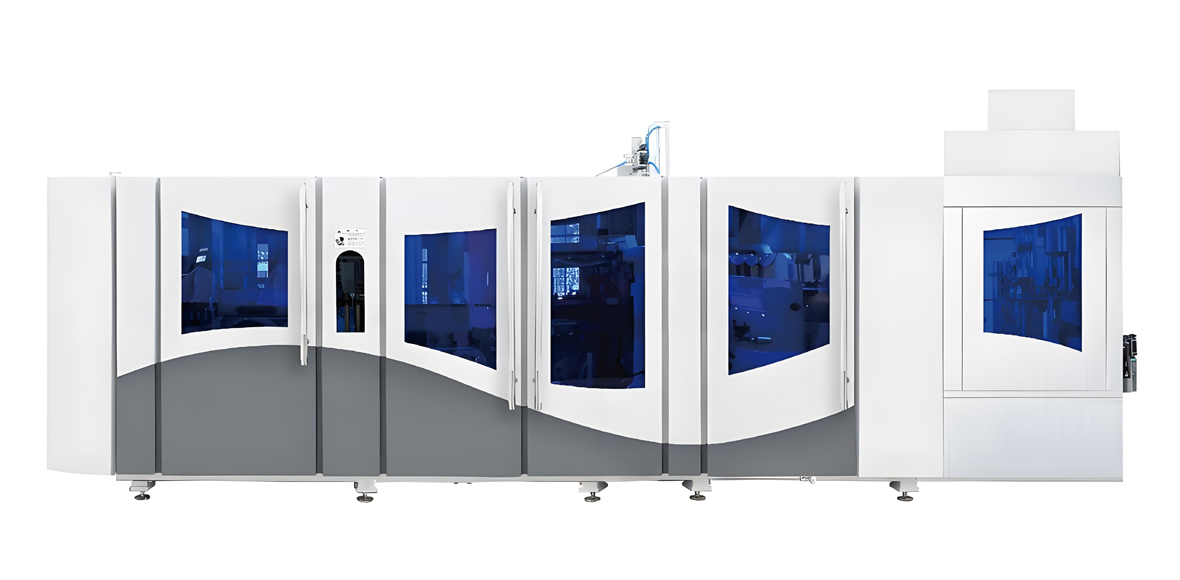
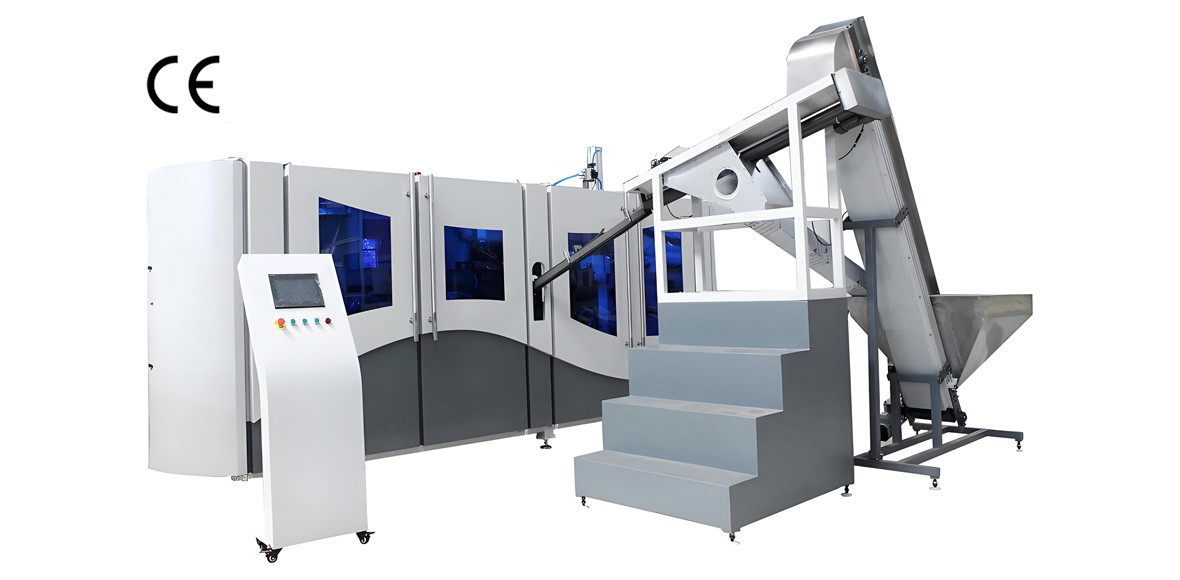
The High Speed Series is YuDa’s flagship for high-volume, multi-type production. The FGX series within this family runs from 8000 bottles per hour to 15000 bottles per hour across the full line, with a single-mode speed of 2500 to 3000 bottles per hour. That single-mode figure matters for adaptability: it represents the output of one blowing unit, and because the platform is modular, a producer can scale cavities and modes to match the bottle mix rather than overbuilding for a single peak product.
The FGX series is built around the unique cam linking system that integrates mold-opening, mold-locking and bottom mold-elevating into one synchronized movement. On conventional machines these actions are sequential, which limits cycle speed and complicates changeover. By linking them, YuDa reduces idle motion and creates a repeatable kinematic pattern that behaves consistently whether the bottle is a 500 milliliter water bottle or a 1.5 liter edible oil bottle.
| Parameter | High Speed Series FGX (typical range) | Notes for multi-type use |
|---|---|---|
| Line output | 8000 to 15000 BPH | Scales with cavity count and mode configuration |
| Single-mode speed | 2500 to 3000 BPH | Unit-level speed used for capacity planning |
| Bottle volume range | Small water sizes up to large family containers | Within rated preform and mold envelope |
| Motion system | Cam linking + high-speed servo driving | Consistent cycle across bottle shapes |
| Heating oven | Minimized heater distance 38.1mm | More than 30% electricity saving vs conventional ovens |
| Mold system | Modular mold sets, quick-change design | Swap bottle shape with pre-set mold carts |
| Control | PLC with recipe management and remote monitoring | Store and recall per-bottle blowing recipes |
| Monitoring | PLC data readable via mobile at China HQ | Abnormal feedback pushed to client site |
For a producer who needs to serve water, carbonated soft drink, edible oil and detergent from one plant, the FGX series is usually the recommended core because its high single-mode speed absorbs the overhead of more frequent changeovers. The modular mold library means the buyer invests once in the platform and then adds mold sets as the SKU list grows. Combined with recipe management, the line can move from a still water bottle to a carbonated soft drink bottle by swapping the mold and recalling the correct blowing profile, including blow pressure, stretch rod timing and preform temperature.
Energy performance on the FGX is a key adaptability enabler. Because the compact heater reduces electricity consumption by more than 30 percent compared with conventional heating ovens, running mixed, lower-volume batches becomes economically attractive. Producers are no longer penalized for making many small runs instead of one giant run, which is exactly the operating pattern of an adaptable multi-type line.
Standard Speed, Semi-Auto and Combiblock Modules
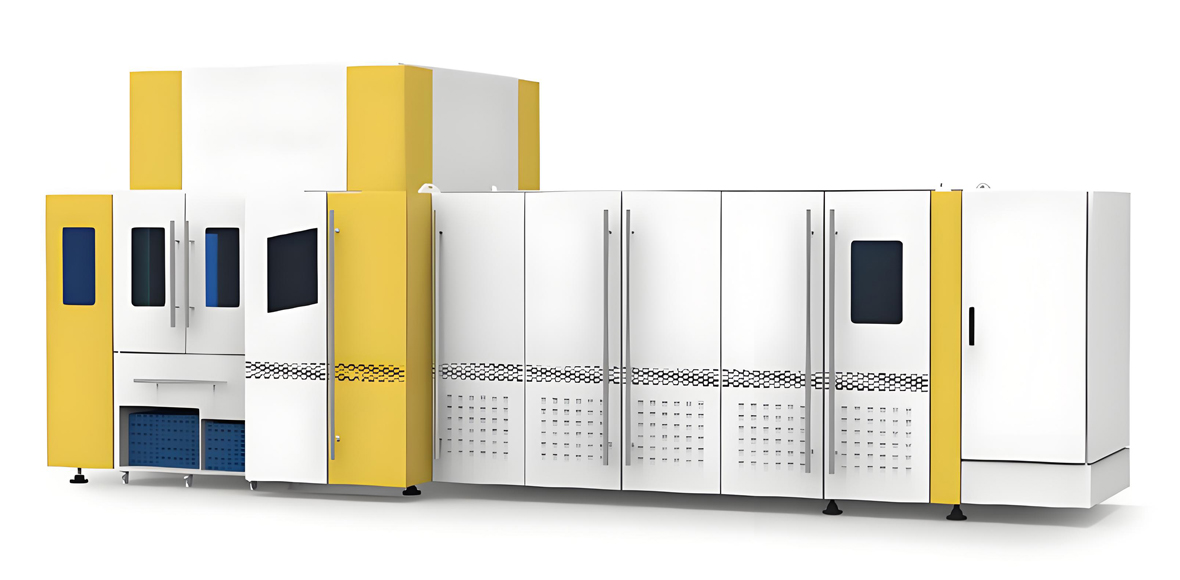
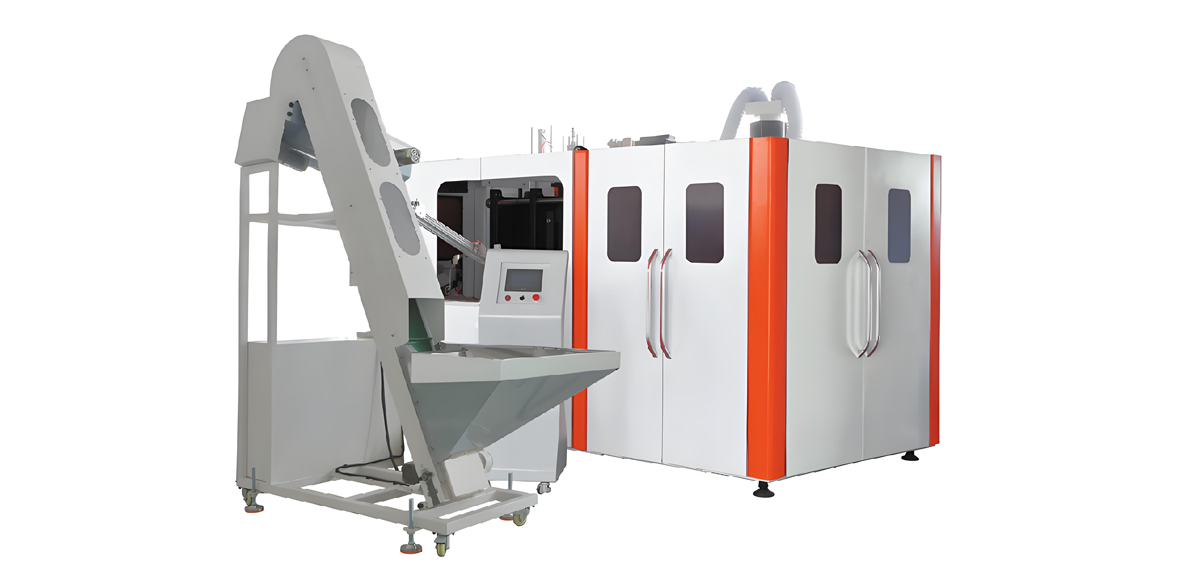
Not every producer needs 15000 bottles per hour. YuDa’s product range is intentionally broad so that adaptability is available at every investment level. The Standard Speed Series covers 1000 to 7000 bottles per hour with full automatic operation, advanced heating systems and energy-saving technologies. It is a strong choice for regional bottlers and exporters with moderate but varied volume across several bottle types.
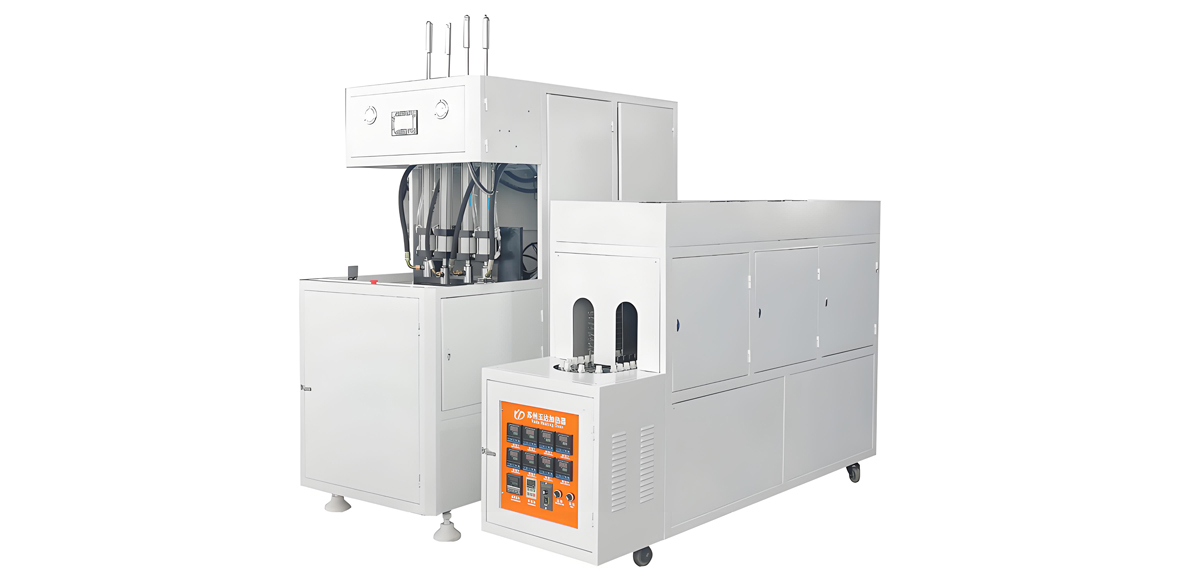
The Semi-Auto Series lowers procurement cost and suits small enterprises or pilot lines that want to validate multiple bottle designs before committing to high automation. Although semi-automatic operation requires more manual loading, the same modular mold logic applies, so the bottle portfolio can grow without changing the supplier relationship or the downstream knowledge base.
For producers who want blowing, filling and capping in one footprint, YuDa offers the Linear Blowing-Filling-Capping CombiBlock and the Bottle Blow-Filling-Capping machine. The Linear BFC CombiBlock is compact, simple and easy to operate, specialized in mini linear BFC configuration that saves plant area. The Bottle BFC machine produces PET bottles while filling drinking water and installs bottle caps in one process. These integrated modules are especially useful when the bottle type is stable but the producer wants to minimize transfer, contamination risk and floor space.
| Series / Module | Output range | Automation | Best fit for adaptability |
|---|---|---|---|
| High Speed Series FGX | 8000 to 15000 BPH | Full automatic | Large mixed portfolios, export scale |
| Standard Speed Series | 1000 to 7000 BPH | Full automatic | Moderate varied volume, regional supply |
| Semi-Auto Series | Lower, manual assisted | Semi-automatic | Small enterprise, pilot and sampling |
| Linear BFC CombiBlock | Compact mini linear | Integrated blow-fill-cap | Stable bottle, minimal floor area |
| Bottle BFC Machine | Integrated output | Blow + fill + cap in one | Drinking water with inline capping |
The strategic point is that adaptability is not locked to the highest speed tier. A Standard Speed line with modular molds and recipe management already delivers multi-type production for most bottlers. The FGX simply adds the throughput headroom that export-oriented plants need when several SKUs run close to full capacity.
Core Adaptability Technology: Cam Linking and Servo Driving
Adaptability starts with motion. When a blow molding machine must handle bottles that differ in height, diameter, wall thickness and base structure, the mechanical sequence of mold-opening, mold-locking and bottom mold-elevating must remain precise and repeatable. YuDa’s unique cam linking system integrates these three actions into one movement. Instead of waiting for each stage to finish before the next begins, the cam profile overlaps them, which stabilizes the bottle transfer and reduces the variance that causes defects when switching shapes.
On top of the cam system sits a high-speed servo driving system. Servo control gives exact positioning and torque for each motion axis. For adaptability, this precision is decisive: a thin water bottle and a thick detergent bottle require different clamping behavior and stretch timing, but the servo system reproduces the correct motion every cycle once the recipe is loaded. The operator does not re-measure or re-tune mechanically; the control system commands the right motion profile.
The modularized design complements the motion system by making maintenance and changeovers convenient and cost-saving. Mold sets are engineered as modules with standardized mounting and quick-disconnect utilities, so a mold change is a planned procedure rather than a re-engineering event. For a multi-type line, this modularity is the difference between a changeover that takes a shift and one that disrupts production for days.
Mature and stable component brands are used throughout the machine. While specific component brands are selected for reliability rather than named for marketing, the principle matters: an adaptable line is only as dependable as its weakest subsystem. Using proven, stable components reduces unplanned downtime, which is critical when the line is expected to switch products frequently and cannot afford a failure during a short specialty run.
Another adaptability factor is thermal stability of the mold. When switching from a thin water bottle to a thicker detergent or oil bottle, the mold temperature profile changes, and stable cooling channels plus consistent servo motion keep the cycle predictable. The modular mold design carries its own cooling circuit so each mold set arrives pre-plumbed for its intended bottle, which shortens the changeover and protects the quality of the first bottles produced after a switch. Pre-plumbed cooling also reduces the chance of operator error during reassembly, a common source of defects on less structured lines.
Cam linking plus servo driving turns changeover from a mechanical gamble into a controlled, repeatable procedure. The same platform holds tight tolerances on thin water bottles and thicker oil or detergent bottles without re-tuning the machine by hand.
Energy-Saving Heating: The 38.1mm Heater Distance
Heating the PET preform is the most energy-intensive step in stretch blow molding. The preform must be heated to a uniform temperature window so it can be stretch-blown without crystallinity defects or weak spots. Conventional heating ovens space the infrared lamps farther apart, which wastes energy as radiant heat escapes into the oven housing instead of reaching the preform.
YuDa minimizes the heater distance to 38.1mm. This compact geometry places the infrared source close to the preform surface, improving heat transfer efficiency and reducing the electricity needed to reach the target preform temperature. The measured result, documented in YuDa’s profile, is more than 30 percent electricity saving compared with conventional heating ovens.
| Heating approach | Lamp-to-preform distance | Relative electricity use | Adaptability impact |
|---|---|---|---|
| Conventional heating oven | Wider spacing | Baseline (100%) | Higher running cost on small batches |
| YuDa compact oven | 38.1mm minimized | Below 70% of baseline | More than 30% saving, cheaper mixed runs |
For a multi-type line, the energy saving is not just an environmental headline; it changes the economics of production planning. When one line makes many short runs, the energy cost per bottle can rise because ovens cycle and preforms are heated for different profiles. The 38.1mm design flattens that penalty, so producing a small batch of pharmaceutical bottles on the same line as a large water run stays affordable. Lower per-bottle energy also strengthens the export case, where freight and utility costs are closely scrutinized by buyers.
Heating adaptability also depends on zone control. Different bottle shapes need different temperature gradients along the preform length. YuDa ovens use multiple controlled heating zones so the neck, body and base regions can be tuned independently. A carbonated soft drink bottle and an edible oil bottle may share a similar preform but need different axial temperature profiles; zone control delivers that difference through recipe settings rather than hardware changes.
Remote Monitoring and PLC Data via Mobile
Adaptable lines run best when problems are caught early. YuDa equips its machines with a remote monitoring system built on the PLC control platform. Engineers at the China headquarters can check PLC data through a mobile connection, and the system pushes abnormal feedback to the client site when a parameter drifts outside the set window. This capability is especially valuable for export customers whose local teams may be distant from the factory’s engineering support.
From an adaptability standpoint, remote monitoring helps in two ways. First, it shortens the time to diagnose a fault that appears after a bottle changeover, because the support team can see the actual machine data instead of relying on a verbal description. Second, it builds a dataset of recipes and their real-world performance, so future changeovers become faster and more predictable as the knowledge base grows.
The control system also stores blowing recipes per bottle type. After a mold is changed and the correct recipe is recalled, the machine applies the validated parameters for blow pressure, stretch timing, heating zone temperatures and cooling. The operator does not reconstruct settings from memory or paper; the line reproduces a known-good configuration. This is the control-layer equivalent of modular molds: hardware and software both support fast, reliable switching between bottle types.
Bottle-Type Adaptability Across Five Categories
The practical test of adaptability is the range of bottle types a single YuDa line can serve. Based on the machine architecture described above, one high speed PET blow molding line with the appropriate modular mold library can produce the following families, each with a relative cost level that reflects tooling and process complexity rather than a specific price.
| Bottle type | Recommended YuDa model / module | Relative cost level | Key adaptation note |
|---|---|---|---|
| Still water bottle | High Speed FGX or Standard Speed | Low | Thin wall, lightweight, fastest mold change |
| Carbonated soft drink bottle | High Speed FGX | Medium | Higher blow pressure and base design |
| Edible oil bottle | High Speed FGX or Standard Speed | Medium | Oil-resistant neck finish, larger volumes |
| Detergent / daily chemical bottle | High Speed FGX or Standard Speed | Medium | Larger sizes, ergonomic shapes, possible handle |
| Wide-mouth jar | High Speed FGX with special mold set | High | Special base and neck handling, wider opening |
| Pharmaceutical / supplement bottle | High Speed FGX or Standard Speed, validated recipe | Very High | Tight tolerance, clean handling, documentation |
The cost levels above are relative and reflect the engineering effort required by each bottle family, not a quotation. Water bottles are the simplest and least costly to tool and run. Carbonated soft drink, edible oil and detergent bottles add moderate complexity through pressure, finish or size. Wide-mouth jars require special mold and handling geometry, raising the level to High. Pharmaceutical bottles sit at Very High because they often demand tighter process validation and documentation alongside the physical mold.
A key adaptability principle is that the machine platform stays the same while the mold set and recipe change. This is why YuDa emphasizes modular molds and recipe management: the capital investment is in one dependable line, and the variable cost of adding a bottle type is a mold set plus a validated recipe rather than a second machine.
This principle also simplifies workforce training. A team that learns one YuDa platform can operate every bottle type the line produces, because the differences are expressed as mold swaps and recipe selections rather than as separate machines with different controls. For plants in export markets where labor turnover can be high, training one consistent system instead of several reduces risk and speeds onboarding. It also makes capacity planning easier, since the same operators, spare parts and maintenance routine cover the entire bottle portfolio, so a production manager can shift labor from one SKU to another without reassigning specialized crews.
Application Industries Served
YuDa PET blow molding machines serve a wide span of industries because the bottle types map directly to end markets. The adaptability described in this article is what lets a single plant serve several of these industries at once.
- Beverage: Still water, carbonated soft drinks, flavored water and functional drinks. High speed lines support both single-serve and family-size bottles.
- Edible oil: Cooking oil bottles from small retail sizes to large food-service containers, with finishes suited to tamper-evident and pour-control caps.
- Daily chemical: Detergent, shampoo, conditioner, liquid soap and cleaner bottles, including larger ergonomic and handled designs.
- Pharmaceutical: Supplement, vitamin, syrup and personal-care bottles where consistent wall thickness and clean handling matter.
Within each industry, the same high speed PET blow molding line can be re-tasked by mold and recipe. A bottler serving beverage and edible oil, for example, runs water and oil bottles on the same FGX platform, switching mold sets and blowing recipes between runs. This cross-industry flexibility is a direct consequence of the cam linking motion, servo precision, compact heating and modular mold library working together.
One YuDa high speed line can serve beverage, edible oil, daily chemical and pharmaceutical markets by changing mold sets and recalling validated blowing recipes, not by buying a new machine for every industry.
Quick Changeover Workflow on a Mixed Line
Adaptability fails if changeover is slow or error-prone. YuDa’s design targets a controlled, repeatable changeover through a clear workflow. The exact duration depends on how different the bottle shapes are, but the procedure is consistent.
- Plan the change: Select the target bottle type and confirm the correct mold set and blowing recipe from the library.
- Prepare offline: Stage the next mold on a pre-set cart so the machine does not wait while tools are gathered.
- Swap the mold: Use the modular quick-change mounting to remove the current mold and fit the next one.
- Recall the recipe: Load the stored blowing recipe for blow pressure, stretch timing, heating zones and cooling.
- Validate: Run a short sample batch and check wall distribution, base integrity and neck finish.
- Release: After validation, resume full production with the new bottle type.
For similar-volume bottles such as moving between a 500 milliliter and a 1 liter water bottle, the change is fast because only the mold cavity and minor recipe values differ. Moving between a narrow-neck water bottle and a wide-mouth jar is a larger planned window because the base and neck handling change, but it remains a structured procedure rather than a redesign. The combination of modular molds, servo reproducibility and stored recipes keeps the changeover within a manageable shift plan for most mixed portfolios. Documenting each changeover in the machine log also builds a reference library that shortens future switches, because the next operator can review what was done and confirmed for the same bottle type, which reduces trial-and-error on repeat productions and protects output during busy export seasons.
Selection Guide: Bottle Mix and Volume to Model
Choosing the right YuDa model starts with the bottle mix and the required volume. The table below maps common production scenarios to the recommended YuDa model. These recommendations follow the documented product ranges and the adaptability principles above.
| Production scenario | Bottle mix / volume | Recommended YuDa model | Why this model |
|---|---|---|---|
| Export-scale mixed portfolio | Water, CSD, oil, detergent; high volume | High Speed Series FGX | High single-mode speed absorbs frequent changeovers |
| Regional multi-type supply | Several types, moderate volume | Standard Speed Series | 1000 to 7000 BPH with modular molds and energy saving |
| Small enterprise or pilot | Few SKUs, low volume | Semi-Auto Series | Lower procurement cost, same mold logic |
| Stable water, minimal footprint | One bottle, blow-fill-cap inline | Linear BFC CombiBlock | Compact, saves plant area |
| Drinking water with capping | Water, integrated process | Bottle BFC Machine | Blow, fill and cap in one process |
| Specialty jars and pharma | Wide-mouth or tight-tolerance bottles | High Speed FGX with special mold set | Precision servo motion and validated recipe control |
The selection logic is straightforward. If the bottle mix is large and the volume is high, the FGX high speed platform earns its place through throughput and changeover headroom. If volume is moderate but variety is real, the Standard Speed Series delivers the same adaptability at a lower investment. If the portfolio is small or experimental, the Semi-Auto Series lets the buyer grow into automation. Integrated modules fit plants where the bottle type is stable but floor space and contamination control are priorities.
Service and Support You Can Build On
An adaptable line is a long-term commitment, so support matters as much as the machine. YuDa, as part of the Wanplas group, provides a consistent service framework that protects the buyer’s investment across every bottle type the line will ever run.
- USD 500 free parts per year: The Wanplas group policy supplies USD 500 free parts every year, reducing the cost of keeping a multi-type line running.
- Warranty replacement: Damaged parts within the warranty period are replaced, lowering risk during the learning curve of new bottle types.
- Factory acceptance testing: Machines are tested before shipment so the buyer validates performance before the line arrives.
- Installation and commissioning: Engineers support on-site installation and commissioning, including the first mold changeovers and recipe setup.
- Training: Operator and maintenance training covers mold change, recipe management and routine care across all bottle types.
- Remote support: The remote monitoring system lets engineers read PLC data via mobile and send abnormal feedback to the client site.
- Open factory policy: Customers are welcome to visit the factory, audit the production process and run sample trial runs on their target bottle types.
This support structure is especially important for adaptable lines because the buyer will likely add bottle types after the initial purchase. Knowing that mold changes, recipes and spare parts are covered by a stable policy makes it safer to expand the SKU list over time.
Quality Consistency and Defect Prevention Across Bottle Types
When a single line produces many bottle types, the defect modes shift with every shape, so quality management must be adaptable too. Water bottles may show base whitening if the preform is too cold or the stretch rod mistimes. Carbonated soft drink bottles can fail pressure testing when molecular orientation is uneven. Edible oil bottles may develop paneling if the wall is too thin for the long-term load of the filled oil. Detergent bottles with handles need clean knit lines at the junction where the handle meets the body. Wide-mouth jars require a stable standing base and a precise neck for the lid seal. Pharmaceutical bottles demand tight, repeatable tolerances and clean handling.
YuDa’s layered design addresses these varied risks through the same mechanisms that enable adaptability: servo repeatability for consistent motion, zone-controlled heating for the right temperature profile, and recipe-managed blowing parameters for each bottle type. Because the cam linking system overlaps mold-opening, mold-locking and bottom mold-elevating in one movement, the transfer of the preform into the blow mold is stable regardless of bottle shape, which reduces the random variation that causes defects after a changeover.
A practical quality practice on a mixed line is to keep a validated recipe and a short acceptance checklist for each bottle type. After mold change and recipe recall, the operator runs a small sample and inspects wall distribution, checks the base for cracks or thin spots, verifies the neck finish with a gauge, and confirms top-load behavior. Since the servo system and cam linking reproduce motion precisely, a validated recipe stays consistent run to run, lowering the learning curve for new SKUs and reducing scrap during the early bottles of every production run.
Preform selection also supports cross-type adaptability. Using the correct preform weight and gate design for each bottle family avoids over-stretching and weak spots. The control system can store recommended preform parameters next to the blowing recipe so the whole configuration is recalled together. This disciplined approach is what lets one high speed line meet beverage, edible oil, daily chemical and pharmaceutical quality expectations without separate dedicated machines, and it keeps the cost of quality low even when the SKU list grows.
Frequently Asked Questions
What bottle types can a single YuDa high-speed PET blow molding line produce?
A single YuDa high-speed line with modular mold sets can produce still water bottles, carbonated soft drink bottles, edible oil bottles, daily chemical and detergent bottles, wide-mouth jars, and pharmaceutical bottles ranging from small dropper sizes up to large family containers, all within the machine rated volume window. The platform stays constant while the mold set and blowing recipe change for each type.
How fast is mold changeover between different bottle shapes on a YuDa line?
Thanks to the modularized design and the unique cam linking system that integrates mold-opening, mold-locking and bottom mold-elevating in one movement, a trained crew can complete a standard mold changeover between similar volume bottles in a short shift interval. Switching between very different shapes such as narrow-neck water and wide-mouth jars takes a planned longer window with pre-set mold carts, but it remains a structured procedure rather than a redesign.
What makes the 38.1mm heater distance save electricity on YuDa machines?
YuDa minimizes the heater lamp distance to 38.1mm so infrared energy transfers to the PET preform more efficiently with less radiant loss to the surrounding oven. This compact heating geometry delivers more than 30 percent electricity saving compared with conventional heating ovens that use wider lamp spacing, which lowers the cost of running many short mixed batches.
Can one line handle both water bottles and carbonated soft drink bottles?
Yes. Carbonated soft drink bottles require higher internal pressure resistance and a specific base design, but the same blow molding platform adjusts blow pressure, stretch ratio and preform temperature profile through recipe management. The mold set is swapped and the blowing recipe is recalled from storage to switch from still water to carbonated soft drink production without hardware changes.
Does remote monitoring require a permanent internet connection at the factory?
Remote monitoring reads PLC data and can push abnormal feedback to the client site and to engineers at the China headquarters via mobile connectivity. A stable network connection is recommended for live alerts, but local HMI control and recipe management continue to operate independently when the network is unavailable, so production is not blocked by a temporary connection loss.
Which YuDa model fits a mixed bottle portfolio for export markets?
For exporters running many SKUs across water, carbonated soft drink, oil and detergent, the High Speed Series FGX with modular mold libraries is usually the best fit because of its high single-mode speed and fast changeover. Lower-volume or regional exporters often choose the Standard Speed Series, while very small mixed batches can start on the semi-auto series and upgrade later.
How does servo driving improve adaptability across bottle types?
Servo driving gives precise, repeatable control of mold motion, stretch rod timing and clamping force. That precision lets the same machine hold tight tolerances on thin water bottles and thicker oil or detergent bottles without mechanical re-tuning, which is essential when a line must switch products frequently and still meet quality standards for every bottle type.
What spare parts and support come with a YuDa PET blow molding line?
Every YuDa line ships with the Wanplas group policy of USD 500 free parts per year, warranty replacement for damaged parts, factory acceptance testing before shipment, on-site installation and commissioning, operator training, and an open factory policy that welcomes customer visits and sample trial runs on target bottle types.
Conclusion and Next Step
A high speed PET flat blow molding machine from YuDa, a Wanplas factory, is engineered for the reality of modern bottling: many bottle types, shifting demand and tight margins. The FGX high speed platform, supported by the Standard Speed and Semi-Auto series plus integrated Combiblock modules, gives producers a single adaptable line rather than a wall of single-product machines. Cam linking and servo driving make motion repeatable across shapes. The 38.1mm heater distance cuts electricity use by more than 30 percent versus conventional ovens, making mixed short runs affordable. Remote monitoring keeps the line supported wherever it is installed.
For beverage, edible oil, daily chemical and pharmaceutical producers, the practical path is clear: invest in one dependable YuDa high speed line, build a modular mold library, and grow the bottle portfolio through mold change and recipe recall. With USD 500 free parts per year, warranty replacement, installation and commissioning, training and an open factory policy, the Wanplas group backs that growth with stable support.
If you are planning a multi-type PET bottle line, the next step is to share your bottle mix, target volumes and available floor area. YuDa engineers can propose a tailored configuration, arrange a factory visit, and run sample trial bottles on your target shapes so you can validate adaptability before you commit. Reach out with your specifications and let the Wanplas group help you build a flexible, energy-efficient bottling capability.