1. 2026 Market Overview for PET Beverage Bottle Manufacturing Business
1.1 Current Development Status of Global PET Beverage Packaging Industry
The global PET beverage bottle packaging industry maintains steady and resilient growth in 2026, driven by the continuous recovery of the food and beverage sector, expanding consumer demand for packaged drinking water, carbonated drinks, fruit juices, and functional beverages. PET material remains the most dominant packaging solution for beverage products worldwide due to its lightweight, high transparency, safe food-grade performance, low transportation cost, and excellent recyclability. Unlike glass and aluminum packaging, PET bottles feature flexible molding, low unit production cost, and strong compatibility with automated mass production, making them irreplaceable in the mid-to-large-volume beverage packaging market.
In regional markets, emerging economies are witnessing rapid growth in demand for disposable PET beverage bottles, while mature markets are upgrading towards high-precision, lightweight, and eco-friendly PET packaging products. The overall industry presents a dual development trend of stable basic demand and iterative product upgrading. For small and medium-sized investors and factory owners, building a standardized PET beverage bottle production plant has become a low-risk, high-return industrial project with stable market demand and flexible scale expansion space.
1.2 Core Profit Logic of PET Beverage Bottle Factories
The profit source of a PET beverage bottle factory mainly comes from the cost difference between raw material processing and finished product sales. The production process relies on professional PET bottle blow molding machines to process PET preforms into finished hollow beverage bottles. The core advantages of the business lie in standardized automated production, low manual dependence, stable raw material supply channels, and flexible order adaptation. Beverage manufacturers, drinking water factories, and daily chemical packaging enterprises have long-term and rigid procurement demand for PET bottles, ensuring continuous order sources for bottle manufacturing plants.
In 2026, with the widespread promotion of energy-saving and high-efficiency PET bottle blow molding machine equipment, the unit production cost of PET bottles is further reduced, while product qualification rate and production efficiency are significantly improved. This further widens the profit margin of the PET bottle manufacturing industry and shortens the project investment return cycle. Factories equipped with high-performance automated PET Bottle Blow Molding Machine can achieve larger output with lower energy consumption and labor costs, forming core competitive advantages in the market.
1.3 Key Factors Affecting Investment Return Cycle in 2026
The investment recovery speed of a PET beverage bottle factory is mainly affected by four core factors: equipment performance and configuration scale, daily production output and product qualification rate, comprehensive operating cost control, and finished product sales profit margin. First, the configuration of PET Bottle Blow Molding Machine directly determines production efficiency, energy consumption, and defective rate. High-quality automated equipment can greatly reduce long-term operating costs, while low-end semi-automatic equipment leads to low output and high waste, dragging down overall profits.
Second, factory scale and daily operating hours are key to output improvement. Factories adopting 24-hour uninterrupted automated production can maximize equipment utilization and accelerate capital recovery. Third, raw material purchase cost, labor cost, and equipment maintenance cost constitute the main operating expenditures, and refined cost control can effectively improve net profit space. Finally, market sales channels and product positioning determine unit profit, with customized high-precision beverage bottles enjoying higher premium space than ordinary standard bottles.
2. Full Investment Cost Breakdown of PET Beverage Bottle Factory (2026 Standard)
2.1 Core Equipment Procurement Cost (PET Bottle Blow Molding Machine as the Core)
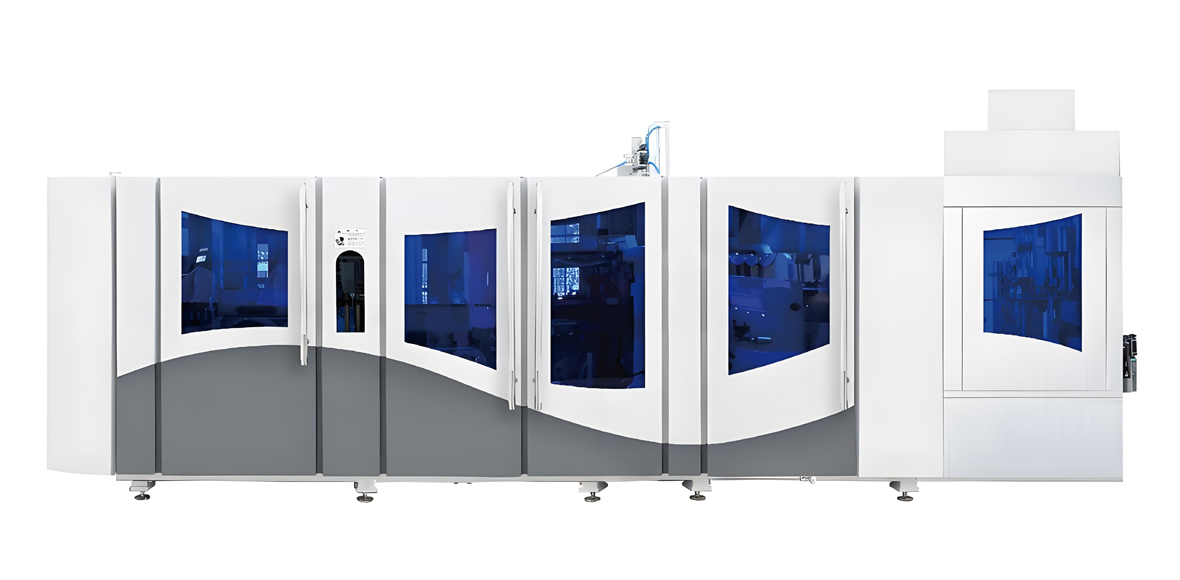
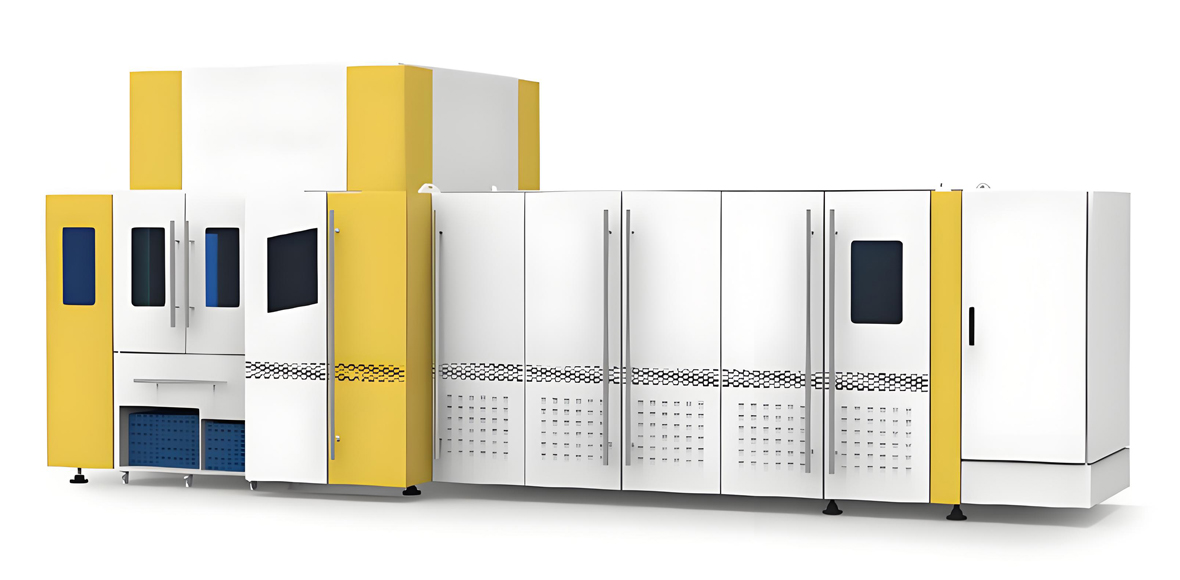
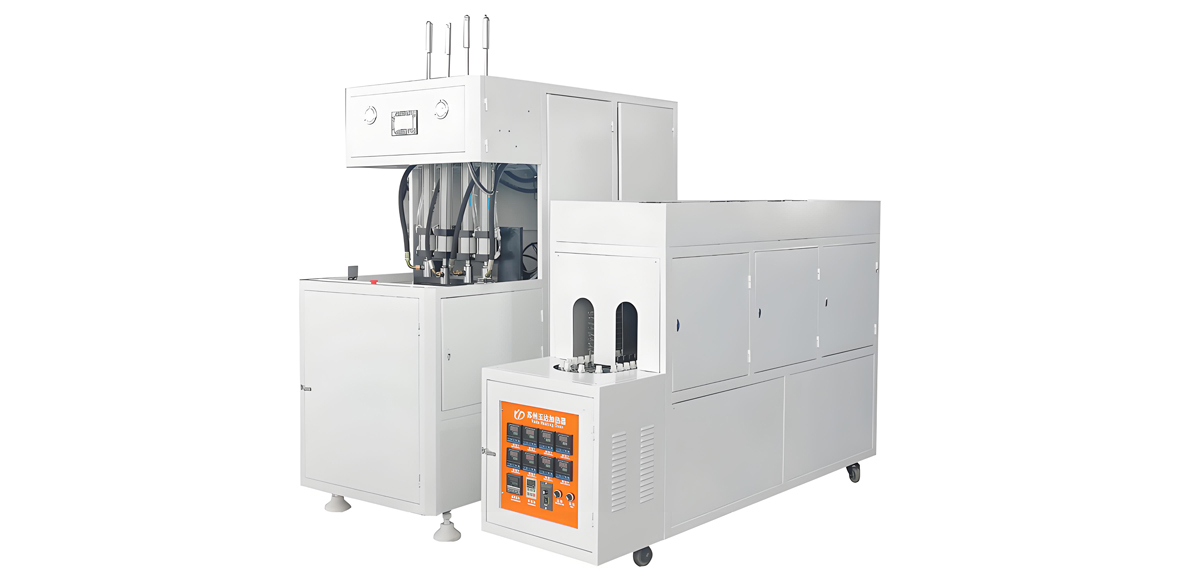
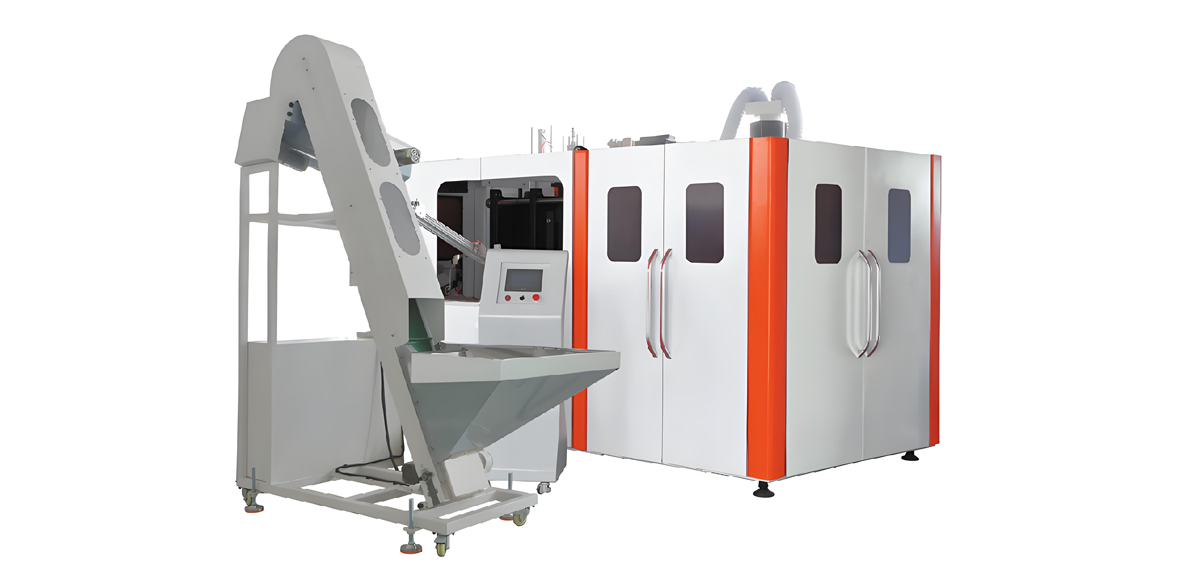
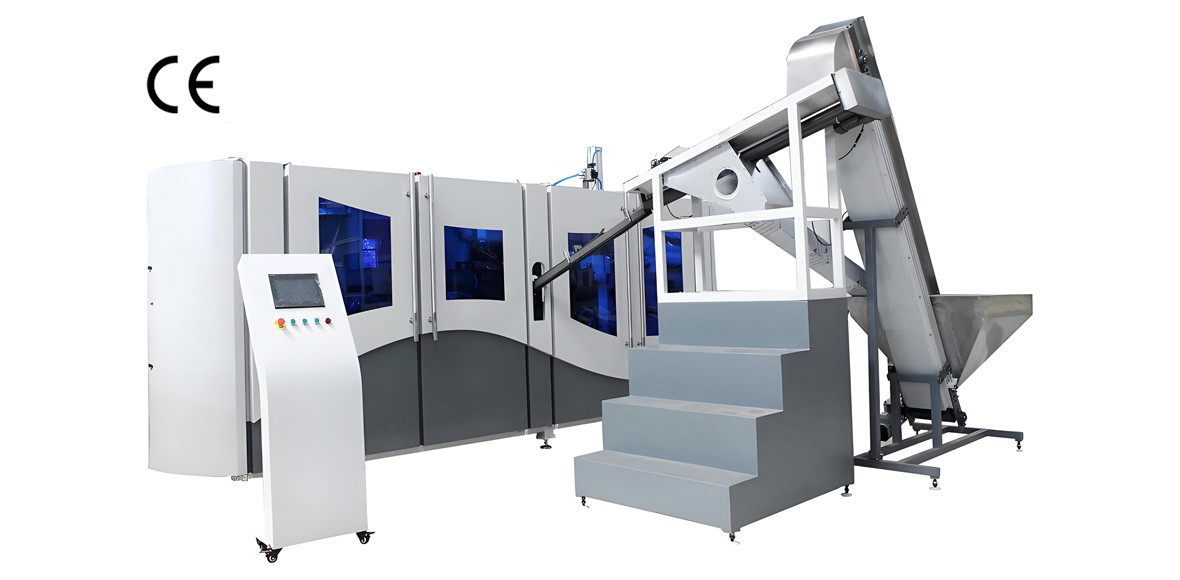
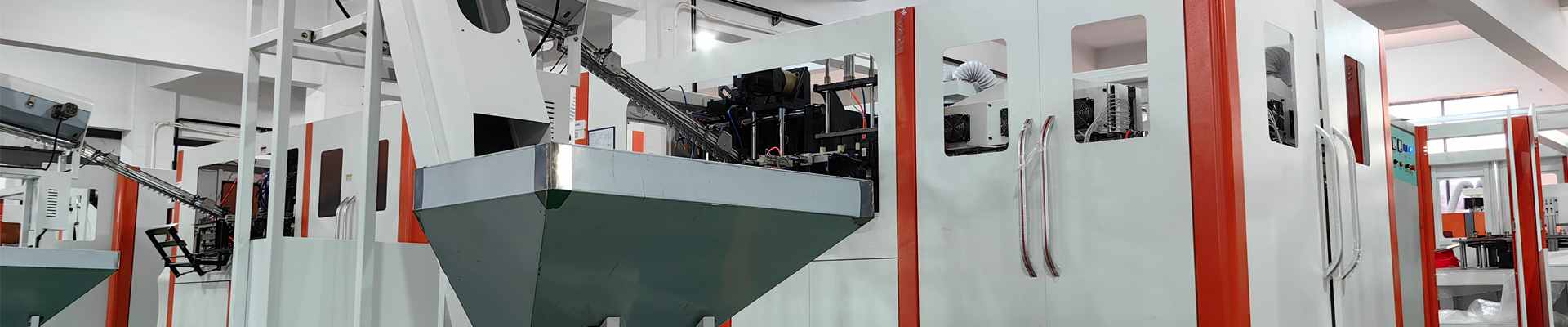
The core fixed investment of a PET beverage bottle factory focuses on the procurement of PET Bottle Blow Molding Machine and supporting auxiliary equipment. As the core production equipment of the entire production line, the performance and configuration of YUDA PET bottle blow molding machine directly determine production capacity, product quality, and long-term operating cost. YUDA, as a professional manufacturer of high-efficiency PET blow molding equipment, provides standardized and customized automated blow molding production lines for beverage bottle manufacturing, covering linear high-speed full-automatic models suitable for mass production of beverage bottles.
In 2026, the market price of a standard full-automatic 2-cavity PET Bottle Blow Molding Machine for ordinary beverage bottle production is $22,000-$26,000 FOB. The 4-cavity high-speed upgraded model suitable for large-scale production is priced at $32,000-$38,000 FOB. The full set of standard equipment includes host blow molding system, intelligent heating oven, automatic preform feeding system, high-pressure air supply system, finished product automatic conveying system, and PLC intelligent control system, meeting the full-process automated production of mineral water bottles, carbonated beverage bottles, and fruit juice bottles.
Supporting auxiliary equipment costs include air compressor, refrigerating dryer, water chiller, and mold accessories, with a total investment of $6,000-$10,000 according to production scale. Compared with outdated traditional equipment, YUDA PET Bottle Blow Molding Machine adopts energy-saving frequency conversion technology and integrated structural design, reducing subsequent energy consumption and maintenance costs, and optimizing the overall investment cost performance of the production line.
2.2 Factory Site and Infrastructure Investment
A standardized small and medium-sized PET beverage bottle production factory requires a plant area of 800-1500 square meters, including production workshop, raw material warehouse, finished product warehouse, and office area. The plant rental cost varies according to regional differences, with an average annual rental cost of $8,000-$15,000 in industrial parks of ordinary prefecture-level cities. For self-built factories, the one-time infrastructure investment is higher, while rented plants are the mainstream choice for initial investment, effectively reducing early capital pressure.
Infrastructure transformation costs include power distribution engineering, water supply and drainage system, workshop ventilation and dust removal facilities, and fire safety facilities, with a total one-time investment of $5,000-$8,000. The PET bottle production workshop has no special environmental pollution, low infrastructure transformation threshold, and short preparation cycle, which can quickly complete factory commissioning and put into production, avoiding long-term idle investment costs.
2.3 Raw Material and Working Capital Investment
The main raw material for PET beverage bottle production is PET preforms, and the working capital is mainly used for raw material procurement, inventory reserve, and order advance capital. The unit price of conventional beverage-grade PET preforms is stable at $0.08-$0.12 per piece in 2026, affected by international crude oil and plastic raw material price fluctuations. For a medium-sized production line equipped with a 4-cavity YUDA PET Bottle Blow Molding Machine, the daily raw material procurement cost is about $1,800-$2,500, and the monthly raw material working capital reserve needs to maintain $55,000-$75,000 to ensure continuous production.
In addition, working capital also covers finished product inventory, logistics advance payment, and market channel promotion costs. Sufficient working capital can avoid production shutdown caused by raw material shortage and ensure stable order delivery, which is the key to maintaining continuous profit output of the factory.
2.4 Labor, Operation and Maintenance Annual Cost
The highly automated YUDA PET Bottle Blow Molding Machine production line has extremely low labor dependence. A single full-automatic production line only requires 2-3 operators to complete feeding, inspection, and finished product sorting work. Calculated based on the average salary level of industrial workers in 2026, the annual labor cost of a single production line is $12,000-$18,000, far lower than the labor cost of semi-automatic production equipment.
The annual operating costs include equipment maintenance cost, water and electricity energy consumption cost, and factory daily management cost. The YUDA PET blow molding equipment has a stable structure and low failure rate, with an annual maintenance cost of only $800-$1,200, mainly used for replacing vulnerable parts and regular equipment calibration. The frequency conversion energy-saving design reduces the unit power consumption of bottle blowing, and the annual water and electricity cost of a single production line is controlled at $6,000-$9,000. The comprehensive annual operating cost of the factory is stable and controllable, without excessive hidden expenditure.
3. Production Capacity and Profit Margin Analysis Based on YUDA PET Bottle Blow Molding Machine
3.1 Standard Production Capacity Parameters of YUDA PET Blow Molding Equipment
YUDA full-automatic PET Bottle Blow Molding Machine is specially optimized for beverage bottle production, with high-speed molding, stable operation, and low defective rate, which is very suitable for mass standardized production of PET beverage bottles. The 2-cavity standard model has a single bottle molding cycle of 9-11 seconds, with an hourly output of 650-750 pieces of 500ml standard beverage bottles, and a daily output of 15,600-18,000 pieces under 24-hour continuous operation. The 4-cavity high-speed model has an hourly output of 1300-1500 pieces, with a daily maximum output of 36,000 pieces, meeting the large-scale order production needs of medium and large beverage factories.
The equipment supports the production of multi-specification beverage bottles, covering 330ml, 500ml, 1L, 1.5L and other mainstream beverage packaging specifications, with flexible product switching and strong market adaptability. The product qualification rate of YUDA PET Bottle Blow Molding Machine is as high as 99.2%, far exceeding the industry average of 95%, which greatly reduces raw material waste and reprocessing loss, and effectively improves the effective output and profit space of the factory.
3.2 Unit Cost and Profit Calculation of Single PET Beverage Bottle
Taking the most mainstream 500ml mineral water PET bottle as an example, the comprehensive unit production cost includes preform cost, energy consumption cost, labor cost, equipment depreciation and maintenance cost. The PET preform cost is $0.09 per piece, the unit water and electricity energy consumption cost of equipment operation is $0.003, the average unit labor cost is $0.002, and the unit depreciation and maintenance cost is $0.002. The total comprehensive unit cost of a single finished bottle is $0.097.
In the 2026 market, the factory wholesale price of standard 500ml empty PET beverage bottles is $0.14-$0.16 per piece. The single bottle gross profit reaches $0.043-$0.063. For customized high-precision juice bottles and carbonated beverage bottles with higher process requirements, the wholesale price can reach $0.17-$0.19 per piece, and the single bottle gross profit is as high as $0.07-$0.09. The stable unit profit margin ensures continuous and stable income of the production line.
3.3 Daily, Monthly and Annual Total Profit Estimation
Calculated based on the 2-cavity standard YUDA PET Bottle Blow Molding Machine with a daily output of 17,000 standard 500ml beverage bottles and a single average gross profit of $0.05, the daily gross profit of the production line is $850. After deducting daily average operating costs such as labor, energy consumption and equipment depreciation, the daily net profit is stable at $680-$750. The monthly net profit of continuous production reaches $20,400-$22,500, and the annual net profit of full-load production is $244,800-$270,000.
Calculated based on the 4-cavity high-speed model with a daily output of 35,000 bottles and a higher proportion of high-profit customized bottles, the daily net profit can reach $1,600-$1,900, the monthly net profit is $48,000-$57,000, and the annual net profit exceeds $570,000. The profit scale increases steadily with the improvement of equipment production capacity and product premium rate, showing excellent profit growth potential.
4. 2026 Investment Return Cycle Calculation for Different Scale PET Bottle Factories
4.1 Small-Scale Factory (2-Cavity Standard Production Line) Return Cycle
The total one-time fixed investment of a small-scale PET beverage bottle factory equipped with a 2-cavity YUDA PET Bottle Blow Molding Machine includes $24,000 equipment procurement cost, $12,000 plant annual rent, $6,000 infrastructure transformation cost, and $60,000 initial working capital, with a total initial investment of approximately $102,000. Based on the stable monthly net profit of $21,000 under full-load continuous production, the pure investment return cycle is 4.8-5.2 months.
Considering the initial market channel development period, equipment commissioning period, and occasional order fluctuation factors, the actual comprehensive return cycle of small-scale factories in 2026 is controlled within 6-7 months. After completing the investment recovery, the factory will enter a pure profit stage, with extremely low subsequent operating risks and stable profit output. This scale project is very suitable for initial investors and small and medium-sized entrepreneurs entering the beverage packaging industry.
4.2 Medium-Scale Factory (4-Cavity High-Speed Production Line) Return Cycle
The total initial investment of a medium-scale factory with a 4-cavity high-speed PET Bottle Blow Molding Machine production line includes $35,000 equipment cost, $18,000 plant rent and infrastructure cost, and $80,000 working capital, with a total investment of about $133,000. The monthly stable net profit of full-load production is $50,000 on average, and the theoretical pure return cycle is 2.6-2.8 months.
Affected by large-scale production order matching and team operation adaptation, the actual comprehensive investment return cycle of medium-scale factories in 2026 is 3.5-4.5 months. Medium-scale factories have stronger market bearing capacity, larger order volume, and higher comprehensive profit margin, which is suitable for investors with certain industry resources and stable order channels, and can realize rapid capital turnover and profit amplification.
4.3 Key Reasons for Shortened Return Cycle in 2026
Compared with previous years, the investment return cycle of PET beverage bottle factories in 2026 is significantly shortened, which is mainly attributed to the performance upgrading of new-generation PET Bottle Blow Molding Machine represented by YUDA. First, the equipment energy-saving and efficiency-increasing technology is mature, reducing unit energy consumption by 15%-20% and improving production efficiency by more than 20%, directly reducing production costs and increasing output profits.
Second, the industry market demand is stable and rising, the market price of finished PET bottles is stable and rising slightly, and the profit margin is further expanded. Third, the automated production mode reduces labor dependence and management costs, and the high product qualification rate avoids profit loss caused by defective products. In addition, the short equipment commissioning cycle and quick production start-up speed enable the project to quickly generate benefits and shorten the capital occupation cycle.
5. Core Advantages of YUDA PET Bottle Blow Molding Machine for Profit Improvement
5.1 High Efficiency and High Yield to Boost Daily Output
YUDA PET Bottle Blow Molding Machine adopts optimized high-speed blowing mold structure and intelligent heating balance technology, realizing fast cycle molding of beverage bottles. The precise preform heating control system ensures uniform heating of PET preforms, avoiding molding failure and slow cycle caused by uneven temperature. The stable mechanical operation performance supports 24-hour uninterrupted high-intensity production, with no frequent shutdown maintenance, maximizing daily effective output and creating more profit space for the factory.
Different from ordinary equipment with unstable output and easy shutdown failure, YUDA equipment has an average trouble-free operation time of more than 8000 hours, which ensures the continuity of production and order delivery, avoids order loss and profit reduction caused by equipment failure, and effectively guarantees stable daily output and income of the factory.
5.2 Energy-Saving Design to Reduce Long-Term Operating Costs
The new-generation YUDA PET Bottle Blow Molding Machine adopts full-frequency conversion energy-saving system and independent temperature control technology, which can intelligently adjust power output according to production load. Compared with traditional ordinary blow molding equipment, the overall energy consumption is reduced by 18%, which greatly saves long-term electricity costs for factory production. For production lines operating continuously throughout the year, the annual energy-saving cost can reach more than $1,500, directly increasing net profit income.
At the same time, the equipment adopts a reasonable gas circuit and water circuit optimization design, reducing compressed air and cooling water consumption, and further reducing comprehensive energy consumption costs. The low-loss operation mode enables the factory to maintain a low-cost production state for a long time, forming a continuous cost advantage in market competition.
5.3 Ultra-Low Defective Rate to Reduce Raw Material Waste
Product defective rate is one of the key factors affecting factory profits. Ordinary PET blow molding equipment is prone to defective products such as bottle body deformation, bubble, uneven wall thickness, and mouth deviation, resulting in a large amount of raw material waste and reprocessing costs. YUDA PET Bottle Blow Molding Machine relies on precise PLC intelligent control system and high-precision mold clamping technology, with a product qualification rate as high as 99.2%.
The ultra-low defective rate greatly reduces the waste of high-cost PET preform raw materials, and avoids the profit loss caused by rework and order delay. In long-term mass production, the raw material saving advantage is extremely obvious, which can effectively improve the net profit margin of the factory and accelerate the investment recovery speed.
5.4 Flexible Production to Expand Market Profit Channels
YUDA PET Bottle Blow Molding Machine has strong product compatibility, which can quickly switch the production of beverage bottles of different specifications and different materials by replacing simple molds, covering mineral water, carbonated drinks, fruit juice, tea drinks and other multi-category beverage packaging products. The flexible production mode enables the factory to respond to diversified market order demands, avoid single product market risks, and expand profit channels.
The equipment can produce high-precision thin-wall lightweight beverage bottles, which meet the current market’s lightweight packaging trend. Lightweight bottles consume less raw materials, have lower unit production costs, and meet environmental protection and energy-saving standards, which can obtain higher market premiums and further improve project profit levels.
6. Common Investment Risks and Profit Optimization Strategies in 2026
6.1 Main Risk Points of PET Bottle Factory Investment
The main investment risks of PET beverage bottle factories include equipment performance risk, market order fluctuation risk, raw material price fluctuation risk, and cost control risk. Choosing low-cost and low-quality ordinary blow molding equipment will lead to low production efficiency, high defective rate, and frequent failures, resulting in increased operating costs and delayed return cycle. Single customer order dependence will cause income instability when market demand fluctuates.
PET raw material price fluctuation will directly affect the unit profit space of finished products. Poor daily cost control such as labor and energy consumption will also compress the overall profit margin. In addition, backward production technology and unqualified product quality will lead to loss of market competitiveness, affecting the long-term sustainable operation of the factory.
6.2 Equipment Selection Optimization Strategy to Avoid Risks
Selecting high-performance and stable YUDA PET Bottle Blow Molding Machine is the core measure to avoid production risks. YUDA equipment has mature technology, stable operation, low failure rate, and excellent product molding quality, which can ensure long-term stable production of the factory. The energy-saving and high-efficiency performance can lock long-term low-cost production advantages and resist the profit pressure brought by raw material price fluctuations.
Investors should match equipment configuration according to their own order scale, avoid blind pursuit of large-scale equipment leading to idle capacity and increased investment pressure, and choose the most cost-effective equipment model to maximize investment return efficiency. At the same time, relying on the manufacturer’s perfect after-sales service system, timely equipment maintenance and technical debugging can ensure the continuous and stable operation of the production line.
6.3 Operation Management Strategies to Accelerate Investment Return
In daily factory operation, standardized management and refined cost control can effectively accelerate investment recovery. Establish a complete raw material procurement and inventory management system to reduce raw material inventory backlog and capital occupation. Optimize personnel allocation, give full play to the high automation advantage of YUDA PET Bottle Blow Molding Machine, reduce redundant labor, and control labor costs.
Expand diversified sales channels, cooperate with multiple beverage manufacturers and packaging distributors, avoid single customer dependence, and ensure stable order volume. Actively develop customized high-value-added bottle products, increase product premium space, and improve overall profit level. Arrange 24-hour uninterrupted production reasonably to maximize equipment utilization and output, and accelerate capital turnover and investment return.
7. 2026-2027 Industry Prospect and Long-Term Investment Value
7.1 Future Market Demand Growth Trend
From 2026 to 2027, the global beverage industry will continue to maintain stable growth, and the market demand for PET beverage bottles will continue to expand. With the improvement of residents’ consumption level and the development of the catering and beverage industry, the demand for packaged drinking water, functional beverages, and fruit juice products is increasing year by year, driving the continuous growth of supporting PET packaging bottle demand. At the same time, the promotion of environmental protection and recyclable packaging policies further promotes the iterative upgrading of high-quality PET bottle products, eliminating backward low-quality packaging products.
The market has higher and higher requirements for the precision, appearance, and environmental protection performance of PET beverage bottles, which brings broader market space for standardized and high-precision bottle manufacturing factories. Factories equipped with high-performance PET Bottle Blow Molding Machine will occupy the mainstream market share and have long-term stable development space.
7.2 Long-Term Profit and Investment Value Analysis
The PET beverage bottle manufacturing project belongs to a low-risk, stable-profit, and sustainable development industry. The market demand is rigid and sustainable, without obvious seasonal and cyclical elimination risks. After the initial investment recovery, the equipment can continue to operate stably for more than 10 years, bringing continuous and stable net profit income for the factory. The later operating cost is low, and the profit margin is stable, with excellent long-term investment value.
With the continuous upgrading of YUDA’s blow molding technology, the production efficiency and energy-saving effect of PET Bottle Blow Molding Machine will be further improved, helping factories continue to reduce costs and increase efficiency in the later stage. Factories can gradually expand production scale and enrich product categories according to market development, realizing continuous growth of profits and gradual expansion of market scale.
8. Conclusion
In 2026, the investment return speed of PET beverage bottle factories is far faster than most traditional processing and manufacturing projects, with the comprehensive return cycle of small and medium-sized factories controlled within 3-7 months, showing extremely high investment efficiency and low-risk advantages. The core factor of rapid investment recovery lies in the high efficiency, energy saving, and low defective rate performance of professional PET Bottle Blow Molding Machine. High-quality automated blow molding equipment represented by YUDA effectively reduces comprehensive production costs, improves production output and product profit margin, and creates stable and efficient profit output for factories.
The PET beverage bottle manufacturing industry has stable market demand, clear profit logic, controllable investment risks, and flexible scale expansion space. By selecting high-performance YUDA PET blow molding equipment, optimizing daily operation and cost control, and expanding diversified sales channels, investors can quickly recover early investment and obtain long-term stable and sustainable profits. In the next two years, with the continuous expansion of the beverage packaging market, the PET bottle production project will still maintain excellent investment value and market development potential, which is a worthy high-quality investment project in the packaging manufacturing industry.