For an overseas entrepreneur planning a small PET spray bottle factory, the single most important question is not which machine looks most impressive on a trade show floor, but how many months of stable operation it takes to recover the total invested capital. A small spray bottle plant is fundamentally different from a high-volume water line: batch sizes are smaller, bottle neck finishes are more specialized, mold changeovers are frequent, and unit margins depend heavily on local filling and labeling partnerships. This guide explains how to model the cost recovery period using equipment tiers, capacity math, operating cost structure, and payback sensitivity, so a first-time buyer can build a realistic plan instead of a hopeful guess.
YuDa, a Wanplas factory, specializes in PET bottle blow molding machines and has supplied small and medium production lines to more than 60 countries over two decades of manufacturing experience. The Wanplas brand, as the parent group, aggregates specialized factories covering the full plastic packaging value chain, which means a spray bottle project can later integrate blowing, filling, and recycling equipment from within one supplier network. The guidance below uses relative cost labels (Low, Medium, High, Very High, Premium) and non-monetary quantities such as percentage of total capital, bottles per hour, and recovery months, because absolute prices vary by destination port, local duty, and utility tariff.
What Defines a Small PET Spray Bottle Factory
A small PET spray bottle factory is best defined by its output ceiling and its product mix rather than by its physical footprint. In practice, a “small” plant produces between a few thousand and roughly twenty thousand bottles per hour at peak, runs one or two blow molding machines, and serves regional markets such as household cleaning, personal care, cosmetics, horticulture, and light industrial misting. The defining characteristic is that the business is asset-light: it buys preforms and caps, blows its own bottles (or has them blown), and typically outsources filling or runs a compact filling table in-house.
The spray bottle segment carries two structural features that directly affect payback. First, the bottle neck and closure are standardized to trigger sprayer fitments, so neck consistency and thread quality matter more than for a plain water bottle. Second, spray bottles are often sold in branded kits with trigger or fine-mist sprayers sourced separately, which means the bottle maker’s margin is tied to reliable supply of compatible preforms and closures. A buyer who controls blow molding but depends on a single sprayer importer carries a hidden supply-chain risk that lengthens effective recovery.
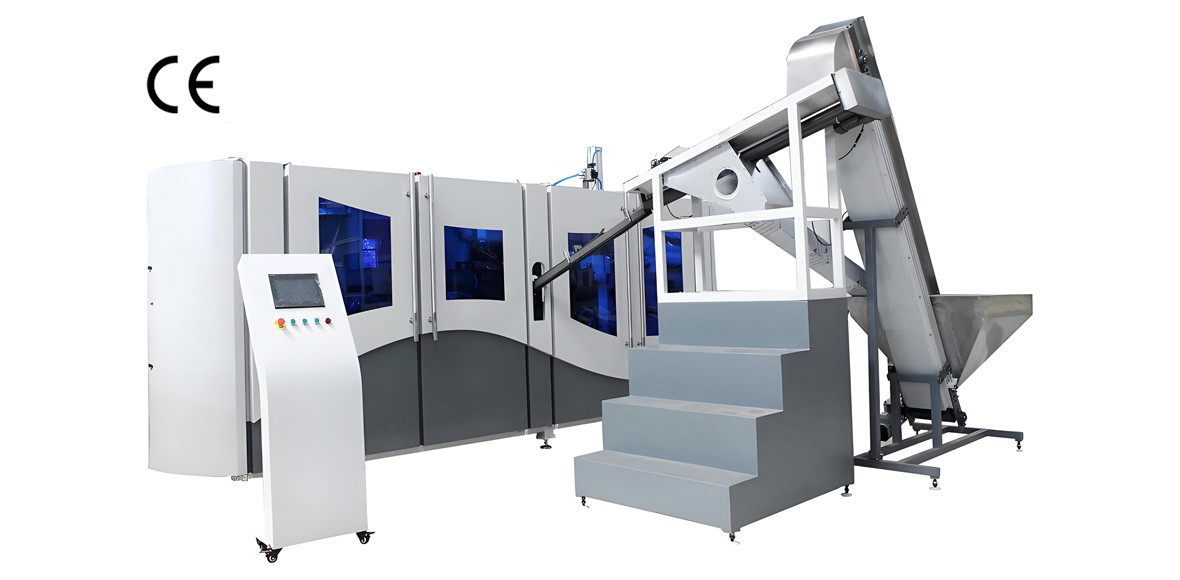
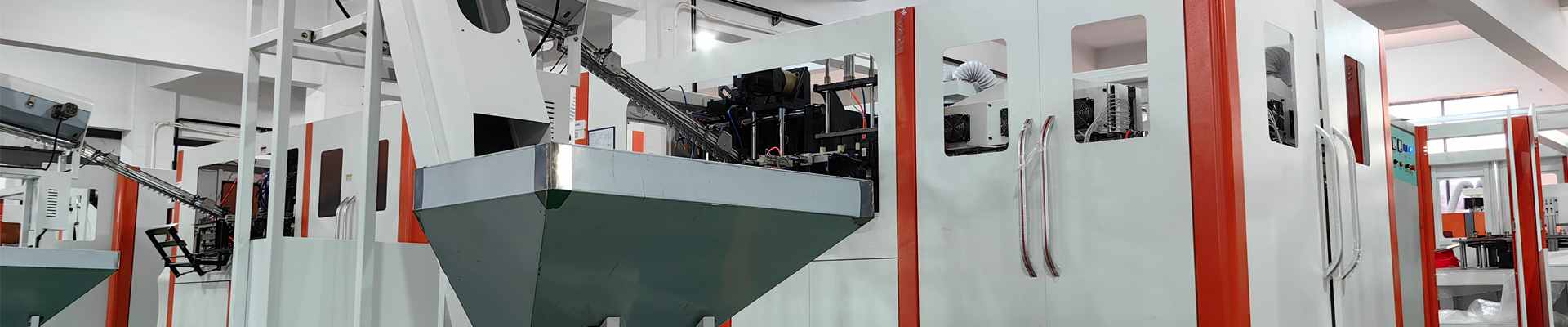
From an equipment standpoint, a minimal small plant contains a PET blow molding machine, a preform loader and oven, air compression and treatment, a chiller or cooling loop, a leak tester, and a manual or semi-automatic packing station. Many first-time buyers start with a semi-automatic unit and graduate to a fully automatic line once local demand is proven. The recovery calculation must therefore separate the initial capital from the later expansion capital, because mixing them produces a misleading payback number.
Why Recovery Period Matters More Than Sticker Price
The purchase price of a blow molding machine is only one input into profitability. Two machines with similar acquisition cost can deliver very different recovery periods if one consumes less electricity per thousand bottles, needs fewer operators, or suffers fewer rejected bottles from neck defects. For a small factory with limited working capital, a shorter and more predictable recovery period reduces financing pressure and improves resilience when raw material or logistics costs move. The most useful planning metric is therefore the number of operating months required to return the total deployed capital, measured against a conservative utilization rate rather than a best-case one.
Equipment Configuration and Relative Cost Tiers
The capital deployed in a small PET spray bottle factory splits into the blow molding machine itself and the supporting utilities that make it run. Relative cost tiers help a buyer compare configurations without referencing currency, because the same machine can be Low cost in one sourcing market and High cost in another after freight and duty. The table below maps typical line components to relative capital weight and to the recovery impact each carries.
Core Line Components and Relative Capital Weight
| Line Component | Relative Cost Tier | Share of Total CAPEX | Recovery Impact |
|---|---|---|---|
| Semi-automatic PET blow machine (2-cavity) | Low | 18 to 25 percent | Direct, high leverage |
| Fully automatic PET blow machine (4 to 6 cavity) | Medium to High | 30 to 42 percent | Direct, scalable |
| High-speed FGX series line (8 cavity plus) | High to Very High | 45 to 55 percent | Volume dependent |
| High-pressure air compressor and dryer | Medium | 12 to 18 percent | Energy sensitive |
| Industrial chiller and cooling tower | Low to Medium | 6 to 10 percent | Stability driver |
| Mold set (spray bottle neck, 1 to 2 cavities) | Low to Medium | 5 to 9 percent | Quality critical |
| Leak tester and conveyor | Low | 3 to 6 percent | Reject reducer |
| Installation, training, spare parts kit | Low | 4 to 8 percent | Downtime buffer |
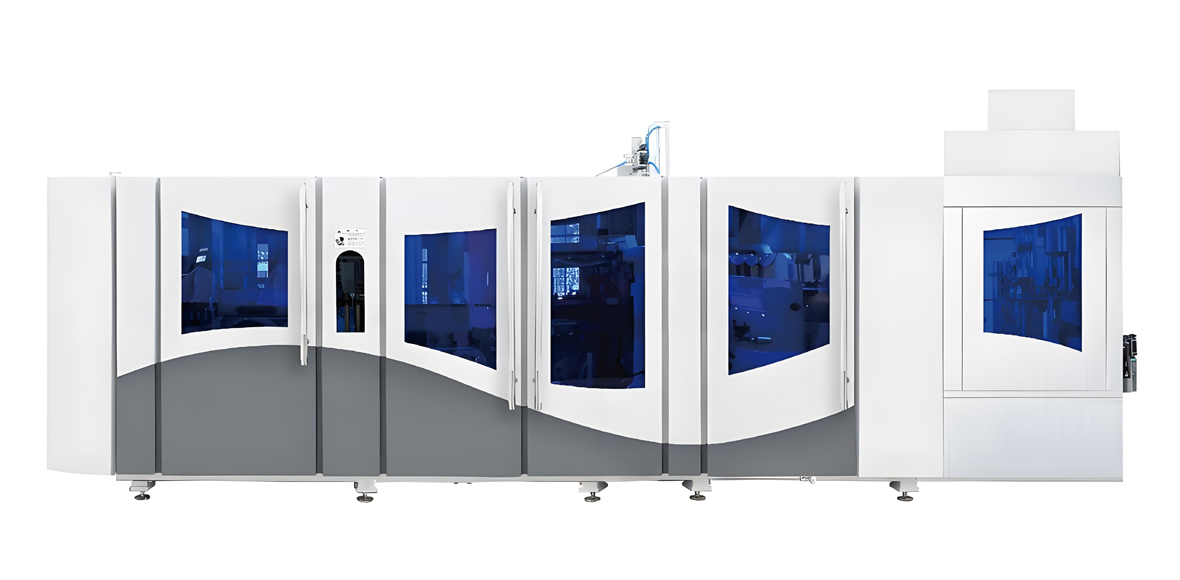
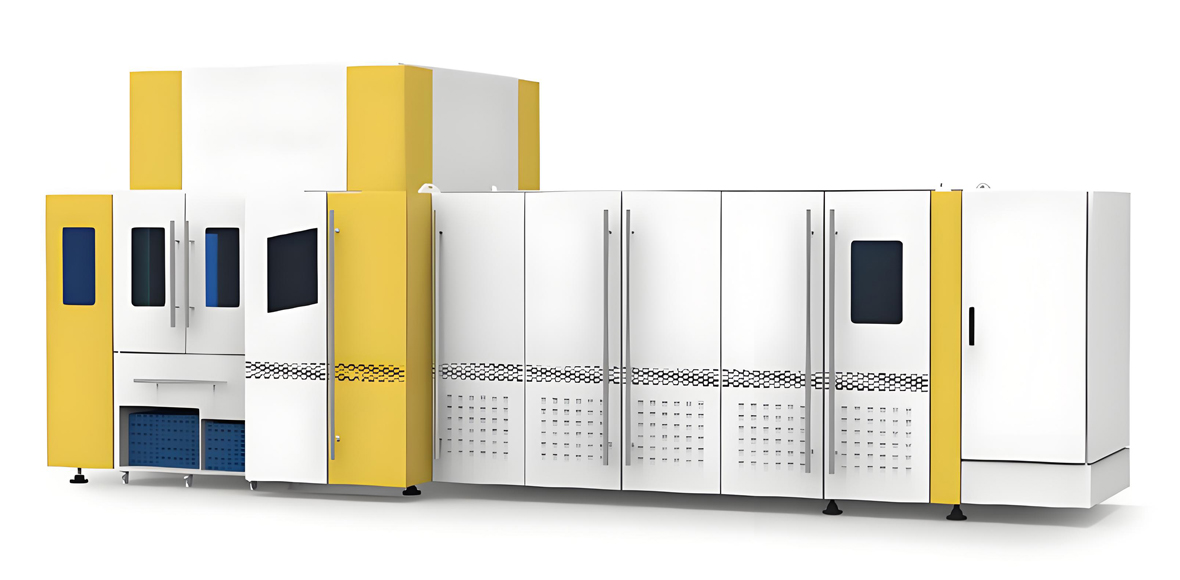
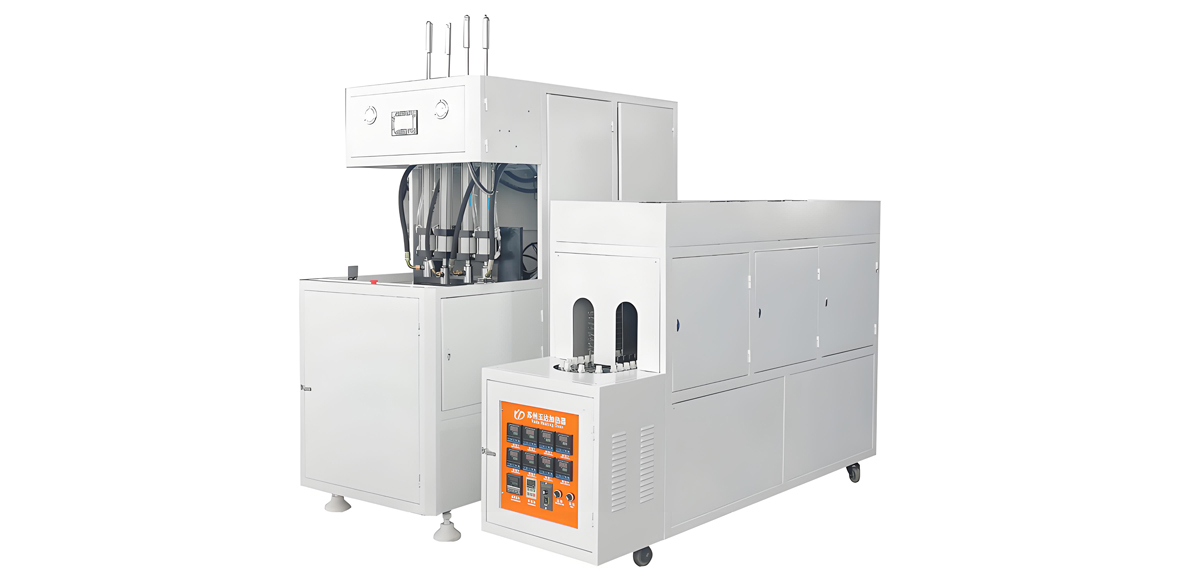
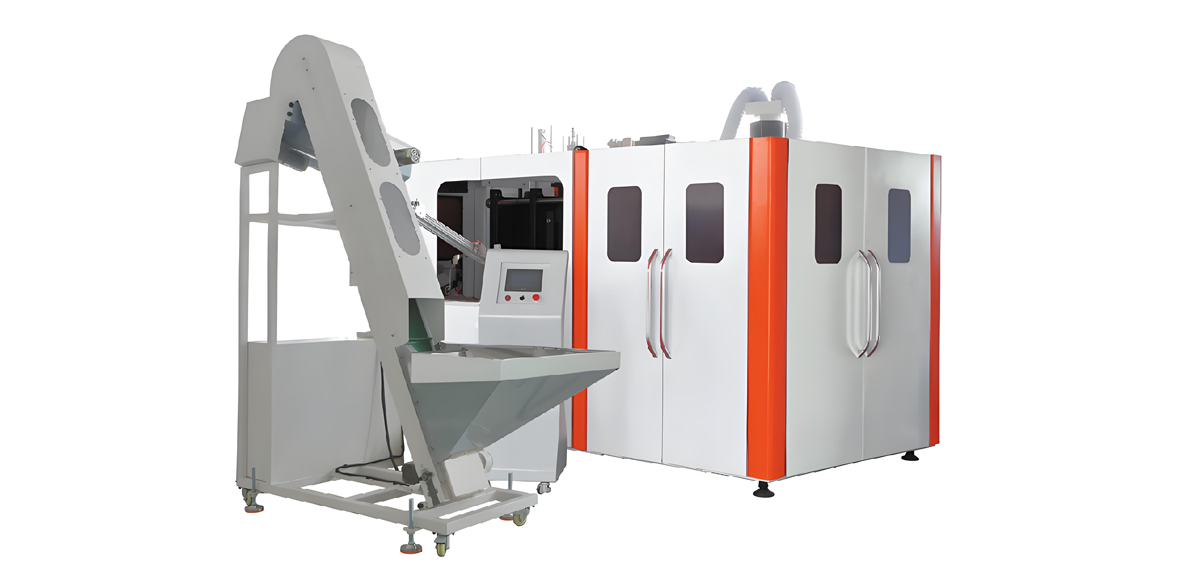
YuDa’s product range maps cleanly onto these tiers. The semi-automatic series offers the Low procurement tier and is explicitly positioned for small enterprises and fast market entry. The standard speed series, a fully automatic line rated from roughly one thousand to seven thousand bottles per hour, sits in the Medium band and is the most common starting point for a serious small factory. The FGX high-speed series, with single-mold speeds in the 2500 to 3000 bottles per hour class and total line output up to fifteen thousand bottles per hour, belongs to the High or Very High tier and only pays back quickly when utilization is consistently strong.
Energy efficiency is a quiet but powerful recovery lever. YuDa’s heating ovens use a minimized heater distance of 38.1 millimeters, which the factory states reduces electricity consumption by more than 30 percent compared with conventional heating ovens. For a small plant running long shifts, that reduction compresses the recovery period because electricity is a recurring operating cost, not a one-time capital item. When comparing brands, a buyer should request the rated energy per thousand bottles rather than trusting a headline power rating.
Production Capacity and Output Calculation
Capacity is the foundation of every recovery model. The usable output of a PET blow line is not the machine’s nameplate speed but the nameplate speed multiplied by realistic uptime and by the share of time spent in productive blowing versus changeover, maintenance, and quality stops. A small factory that assumes 24 hours of perfect running will systematically underestimate payback; a model built on 18 to 20 effective hours per day with scheduled mold changes is far closer to reality.
Worked Capacity Scenarios
| Configuration | Nameplate (bottles per hour) | Effective Uptime | Realistic Daily Output | Monthly Output (26 days) |
|---|---|---|---|---|
| Semi-auto, 2 cavity | 800 to 1,200 | 70 percent | 13,000 to 20,000 | 340,000 to 520,000 |
| Automatic, 4 cavity | 3,000 to 4,000 | 80 percent | 48,000 to 64,000 | 1.25M to 1.66M |
| Automatic, 6 cavity | 5,000 to 7,000 | 82 percent | 82,000 to 115,000 | 2.13M to 3.0M |
| FGX high-speed, 8 cavity plus | 10,000 to 15,000 | 85 percent | 170,000 to 255,000 | 4.4M to 6.6M |
The table shows why recovery period diverges so sharply between tiers. A semi-automatic line produces a fraction of the monthly volume of an automatic line, so even though its capital is Low, its monthly contribution toward payback is smaller. An automatic 4-cavity line often represents the sweet spot for a small factory: capital is Medium, but monthly output is high enough that payback lands in a comfortable band. The FGX high-speed tier only outperforms on payback when the market can absorb several million bottles per month; below that utilization, the extra capital sits underused and stretches recovery.
Bottle weight also changes the math. Spray bottles are typically light, but a heavier preform yields a stiffer bottle and a higher material cost per unit. Because recovery depends on margin per bottle times volume, a buyer should model at least two preform weights and observe how material cost per thousand bottles shifts the break-even point. Lowering bottle weight by a small percentage can shorten recovery noticeably across a full year of production.
Operating Cost Structure and Cost Drivers
Operating cost is where the recovery period is won or lost. The structure below expresses each element as a share of total operating cost for a typical small automatic line; exact shares move with local wages and power tariffs, but the ranking is stable across regions. A buyer who only optimizes the machine purchase and ignores operating structure will be surprised by a longer payback than planned.
Operating Cost Structure by Share
| Cost Element | Share of Operating Cost | Sensitivity to Recovery | Primary Lever |
|---|---|---|---|
| Preform and closure material | 48 to 60 percent | Very High | Lightweighting, bulk sourcing |
| Electricity | 12 to 20 percent | High | Oven efficiency, recover heat |
| Labor (operators, packers) | 12 to 18 percent | Medium | Automation, shift design |
| Mold wear and spare parts | 4 to 8 percent | Medium | Preventive maintenance |
| Compressed air loss and leakage | 3 to 6 percent | Medium | Leak audit, pressure tuning |
| Rejected bottles and scrap | 2 to 5 percent | High | Mold quality, process control |
| Facility rent and miscellaneous | 4 to 8 percent | Low | Layout density |
Preform and closure material dominates the operating cost and therefore dominates the recovery period. A small factory cannot change the global resin price, but it can change bottle weight, negotiate preform volume pricing, and reduce scrap. Electricity is the second lever, and it is the one most affected by machine choice. YuDa’s 38.1 millimeter heater spacing and servo-driven systems reduce the energy per thousand bottles, and over a multi-year horizon that saving is comparable to a meaningful discount on the machine itself.
Labor is a regional variable. In markets with Low wage cost, a semi-automatic line with more operators can still recover quickly. In markets with High wage cost, the labor saving of a fully automatic line becomes decisive, and the higher capital is justified by lower recurring payroll. This is why the same machine tier produces different recovery periods in different countries, and why a buyer must localize the operating model rather than copy a template.
Cost Recovery Period and Sensitivity Analysis
The recovery period is the total deployed capital divided by the monthly net contribution, where net contribution equals bottles sold times margin per bottle minus operating cost. Because absolute margins vary, the table below expresses recovery in months under different utilization and margin scenarios for a Medium-capital automatic line. Utilization is the share of nameplate volume actually sold and produced; margin level is expressed as Low, Medium, or High relative to regional norms.
Recovery Period Sensitivity (months)
| Utilization Level | Low Margin | Medium Margin | High Margin |
|---|---|---|---|
| Low utilization (40 to 55 percent) | 48 to 70 months | 36 to 52 months | 28 to 40 months |
| Medium utilization (60 to 75 percent) | 34 to 46 months | 24 to 34 months | 18 to 26 months |
| High utilization (80 to 92 percent) | 24 to 32 months | 16 to 24 months | 12 to 18 months |
The table makes a clear, quotable conclusion: a small PET spray bottle factory built on a Medium-capital automatic line reaches cost recovery in roughly 16 to 34 months under Medium margin and medium-to-high utilization, while the same line under low utilization can stretch recovery beyond four years. For a Low-capital semi-automatic entry, the recovery window is wider and more dependent on the owner’s ability to sell, because monthly volume is structurally limited. For a High or Very High capital high-speed line, recovery only beats the automatic line when utilization stays above 80 percent consistently.
Sensitivity analysis also reveals the danger of over-buying. A first-time buyer tempted by a high-speed FGX line may assume the extra output automatically means faster payback, but if the local market absorbs only Medium volume, the unused capacity still carries depreciation, interest, and floor-space cost. The disciplined approach is to size the machine to proven near-term demand plus a modest growth buffer, then expand with a second line once recovery on the first is underway.
Factors That Shorten or Lengthen Payback
Several factors move the recovery period more than buyers expect. Understanding them before purchase lets a small factory design the project for a short payback rather than hoping for one after launch.
Factors That Shorten Recovery
- Vertical integration with filling: Blowing and filling in one facility captures the filler’s margin instead of selling empty bottles at commodity prices.
- Private-label contracts: A stable supply agreement with a household or cosmetics brand smooths utilization and supports High margin.
- Lightweight preforms: Reducing gram weight per bottle cuts the dominant material cost without changing the product.
- Energy-efficient ovens: A 30 percent-plus electricity saving on blowing compounds into a shorter payback over the asset life.
- High cavity count matched to demand: Right-sizing cavities avoids paying for idle capacity while still meeting peak orders.
- Local preform sourcing: Buying preforms regionally reduces freight and import duty embedded in bottle cost.
Factors That Lengthen Recovery
- Low utilization: The single largest payback risk; idle machines still depreciate and occupy capital.
- High scrap rate: Neck defects in spray bottles cause rejection at the filler, wasting material and machine time.
- Sprayer supply bottleneck: If triggers and fine-mist sprayers are imported on long lead times, bottle output can be throttled by closures.
- Skilled operator shortage: Poor changeovers increase downtime and reject rate, silently extending recovery.
- Over-specification: Buying a high-speed line for a small market strands capital in unused capacity.
- Unplanned maintenance: Without a preventive schedule, mold and valve failures cause stoppages during paid orders.
YuDa’s remote monitoring system is worth noting here: engineers at the China headquarters can read PLC data through a mobile connection and feed abnormal signals back to the client site. For a small factory without a deep maintenance team, that remote support reduces unplanned downtime, which directly protects the recovery schedule. The Wanplas group also applies a shared policy of free spare parts allocation per year and warranty replacement, which lowers the effective cost of ownership for a new operator.
Risk Control and Optimization Recommendations
A cost recovery plan is only as strong as its risk controls. For a small PET spray bottle factory, the highest-value optimizations are not exotic; they are disciplined choices made before and during operation. The recommendations below are ordered by impact on the recovery period.
Pre-Investment Recommendations
- Size to proven demand: Choose a Medium-capital automatic line unless a signed contract already justifies high-speed capacity.
- Request energy per thousand bottles: Compare brands on operating cost, not only purchase price.
- Secure sprayer supply first: Lock a closure and sprayer source before commissioning, so bottle output is never throttled by fitments.
- Plan the layout for density: A compact, logical flow reduces handling labor and floor-space cost.
- Budget a spare parts kit: Include it in initial capital to avoid emergency air-freight during the first production months.
Operational Recommendations
- Run a preventive maintenance calendar: Scheduled mold and valve care prevents the stoppages that wreck payback.
- Track scrap daily: A visible reject rate lets the team correct neck and seal defects before they accumulate.
- Audit compressed air leaks monthly: Air loss is a silent, recurring cost that efficient machines still cannot fix by themselves.
- Negotiate preform volume pricing: Material is close to half of operating cost, so even a small per-bottle saving shortens recovery.
- Use remote monitoring: Leverage the supplier’s PLC visibility to catch faults early rather than after a failed batch.
Competitive context helps a buyer negotiate and plan. Global PET blow molding includes established names such as Sidel in France, Krones in Germany, and Chumpower in Taiwan, alongside Chinese specialists like YuDa. Each carries a different cost-to-capability profile: European lines sit at the Premium tier with Very High capital but deep automation, while Chinese factory brands such as YuDa deliver Medium to High capital with strong energy-saving design and broad export support. For a small overseas startup, the rational path is usually a Medium-capital automatic line from a responsive specialist, scaled later as demand proves itself.
Standards and compliance also affect market access and therefore recovery. Spray bottles for personal care and household use typically need CE marking for the European market, ISO 9001 quality management, and food-contact references such as FDA or EU 10/2011 where the contents are regulated. ASTM methods may apply for drop and pressure testing. These are plain-text compliance references, not optional decoration; entering a market without the right certification can freeze sales and stall payback entirely.
Frequently Asked Questions
What is the typical cost recovery period for a small PET spray bottle factory?
A small factory built on a Medium-capital automatic PET blow line typically recovers its total invested capital in roughly 16 to 34 months under medium margin and medium-to-high utilization. Low utilization can push recovery beyond four years, while high utilization with strong margins can bring it under 18 months.
Is a semi-automatic or fully automatic line better for fast payback?
For a serious small factory, a fully automatic 4-cavity line usually recovers faster than a semi-automatic unit because monthly output is several times higher, even though capital is greater. Semi-automatic lines suit market testing with Minimal capital but structurally limit volume and therefore slow recovery once demand exists.
Which operating cost matters most for recovery?
Preform and closure material is the largest operating cost, typically near half of the total, so lightweighting and bulk preform sourcing have the strongest effect on payback. Electricity is the second lever and is heavily influenced by oven efficiency and the machine’s energy per thousand bottles.
How does utilization affect the recovery period?
Utilization is the dominant sensitivity factor. Moving from low utilization to high utilization can cut the recovery period by more than half, because fixed capital is spread across many more sold bottles. Idle capacity still depreciates, so sizing the machine to real demand protects payback.
Does a high-speed FGX line always recover faster?
No. A high-speed line only outperforms on payback when utilization stays consistently above 80 percent. Below that, the extra capital is underused and recovery stretches. It is best reserved for proven, high-volume markets rather than first-time entry.
What risks most often delay cost recovery?
The most common delays are low utilization, high scrap from neck defects, sprayer supply bottlenecks, operator shortages causing long changeovers, and over-buying capacity. Preventive maintenance, remote monitoring, and securing closures before launch directly reduce these risks.
How does YuDa support a first-time overseas buyer?
YuDa, a Wanplas factory with more than 20 years of experience and exports to over 60 countries, provides energy-saving blow machines, remote PLC monitoring from its China headquarters, and access to the Wanplas group’s shared support policy including annual free spare parts and warranty replacement.
Conclusion
For a small PET spray bottle factory, the cost recovery period is best read as a range of 16 to 34 months for a Medium-capital automatic line under healthy utilization, widening to four years or more if volume stays low. The decisive variables are not the machine’s sticker price but monthly throughput, material cost per bottle, and energy efficiency. A buyer should size the line to proven demand, secure sprayer supply before commissioning, choose a machine with a low energy-per-bottle rating such as YuDa’s 38.1 millimeter heater-spacing ovens, and enforce preventive maintenance from day one. YuDa, a Wanplas factory, pairs this practical equipment path with remote monitoring and group-level spare-parts support, giving a startup buyer a realistic route to recover capital and then scale with a second line once the first has paid for itself.