The global mineral water packaging industry maintains stable and steady growth, and PET bottles have become the most mainstream packaging container for bottled mineral water due to their lightweight, high transparency, safe food-grade performance, low transportation cost, and recyclable advantages. For small and medium-sized entrepreneurs, regional beverage processing enterprises, and packaging investors, starting a mineral water PET bottle blowing factory is a low-risk, high-demand, and sustainable profitable project. However, most novice investors face typical problems such as excessive initial investment, unreasonable equipment selection, high production operating costs, and unclear profit models, which easily lead to capital waste and low project return on investment.
A scientific low-investment factory building plan can effectively reduce the threshold of entering the PET bottle blowing industry, control fixed asset investment within a reasonable range, and realize rapid profit recovery and long-term stable operation. YUDA, a professional manufacturer of high-performance PET Bottle Blow Molding Machine, has summarized a complete set of low-cost factory building solutions based on years of industry experience and customer project practice. This guide comprehensively elaborates on project positioning, site selection planning, equipment matching, cost budgeting, production operation, profit analysis, and risk control of building a mineral water PET bottle blowing factory, covering all core information that investors need to know. All equipment schemes and price analysis in the article are based on YUDA’s official standard products and real project data, providing authentic and actionable guidance for low-investment entrepreneurs.
1. Project Overview and Market Prospects of Mineral Water PET Bottle Blowing Factory
Before investing in a PET bottle blowing factory, it is necessary to clarify the project positioning and market demand to avoid blind investment. Different from large-scale integrated beverage production plants, independent PET bottle blowing factories focus on providing supporting PET bottle packaging products for local mineral water factories, beverage processing plants, and wholesale distributors, with flexible business models and wide market coverage.
1.1 Industry Demand and Market Advantages
Bottled mineral water is a rigid consumer product with stable market demand throughout the year and no obvious off-season and peak season differentiation. Most small and medium-sized mineral water manufacturers do not have independent bottle blowing production lines and need to purchase finished PET bottles from supporting bottle blowing factories. Regional bottle blowing factories have obvious geographical advantages, which can reduce the transportation cost of finished bottles for downstream customers and form stable long-term cooperative relationships. In addition, PET mineral water bottles have standardized specifications, simple production processes, low product iteration frequency, and no need for frequent mold replacement and formula adjustment, which is very suitable for long-term stable low-investment operation.
1.2 Low-Investment Project Core Positioning
The low-investment mineral water PET bottle blowing factory is positioned at regional small and medium-sized supporting production, focusing on conventional specification mineral water bottles including 330ml, 500ml, 1L, 1.5L and other mainstream models. It abandons large-scale high-precision customized production equipment and oversized factory layout, and adopts standardized semi-automatic and small fully automatic PET bottle blow molding machine production lines to control initial investment, realize small-batch and high-flexibility production, and quickly occupy the local regional market.
1.3 Project Profit Characteristics
The profit model of the PET bottle blowing factory is stable, mainly from the processing profit difference between PET raw material slices and finished bottles. The production process has no complex auxiliary materials, low water and electricity consumption, few manual operations, and low daily operating costs. After the equipment is put into operation, it can realize continuous production and stable profit output, with low operational risk and short investment payback period, which is very suitable for novice investors and small capital entrepreneurship.
2. Low-Investment Factory Site Selection and Layout Planning
Factory site selection and workshop layout are key links to control initial investment. Unreasonable site selection will lead to excessive rent cost, inconvenient transportation, and unqualified environmental protection inspection, while redundant workshop layout will increase site decoration and infrastructure investment. Low-investment projects need to follow the principles of practicality, simplicity, and compliance to complete site construction.
2.1 Workshop Area and Basic Requirements
For a low-investment mineral water PET bottle blowing project, the workshop area only needs 300 to 500 square meters to meet the production demand. The workshop requires flat ground, good ventilation, and dust-proof and moisture-proof conditions, which meets the basic production standards of food packaging products. Different from high-standard dust-free workshops, small bottle blowing factories do not need high-cost purification decoration, only need to keep the workshop clean and tidy, with simple ground anti-slip and wall dust-proof treatment, which can save a lot of decoration costs.
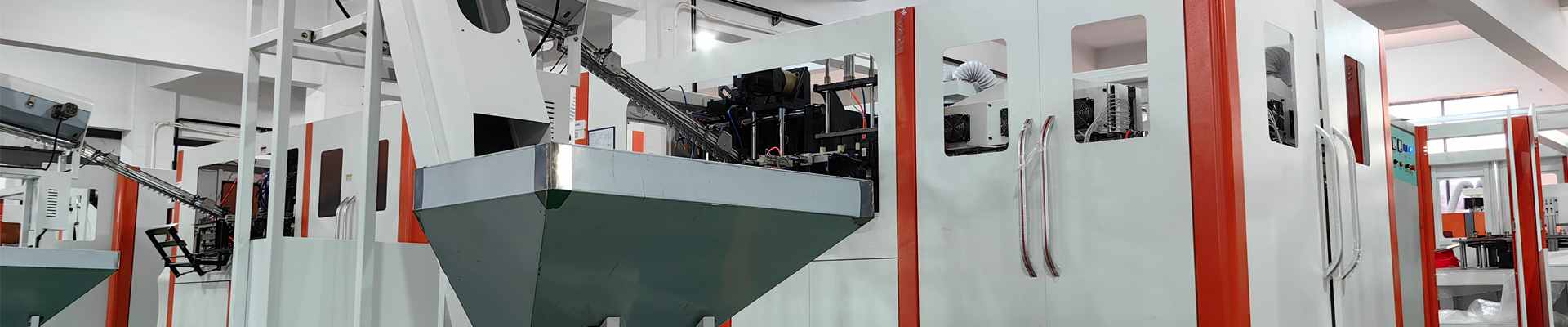
The workshop needs to be divided into three functional areas: raw material storage area, production processing area, and finished product storage area. The raw material area is used for stacking PET slices and bottle blanks, the production area places PET bottle blow molding machine and supporting auxiliary equipment, and the finished product area stores finished mineral water bottles waiting for delivery. The functional partition is simple and clear, which improves production efficiency without increasing additional construction cost.
2.2 Site Selection Cost Budget
In ordinary industrial parks and suburban industrial zones, the annual rent of a 400-square-meter standard workshop ranges from 6,000 US dollars to 10,000 US dollars, with a monthly average rent of less than 900 US dollars. The simple decoration and infrastructure transformation cost of the workshop is about 3,000 to 5,000 US dollars, including circuit transformation, ventilation equipment installation, and ground treatment. Compared with large-scale production plants, the site investment of low-investment projects is extremely controllable, and the short-term capital pressure is small.
2.3 Environmental Protection and Safety Compliance Requirements
The PET bottle blowing production process is a pure physical heating and blowing molding process, with no waste water, waste gas, and chemical pollution, and the environmental protection approval threshold is low. Investors only need to complete simple industrial and commercial registration and environmental protection filing procedures, with low handling cost and short cycle. In terms of safety, the workshop only needs to be equipped with conventional fire-fighting equipment and power safety protection devices, with no special safety investment requirements, further reducing the project compliance cost.
3. Core Equipment Selection: Low-Cost PET Bottle Blow Molding Machine Matching Scheme
Equipment procurement is the largest proportion of the initial investment of the bottle blowing factory. Reasonable selection of cost-effective PET Bottle Blow Molding Machine and supporting equipment is the core to reduce project investment and ensure production efficiency. YUDA targets small low-investment projects and provides standardized and optimized bottle blowing machine configuration schemes, avoiding excessive equipment performance surplus and capital waste.
3.1 Classification and Applicability of YUDA PET Bottle Blow Molding Machine
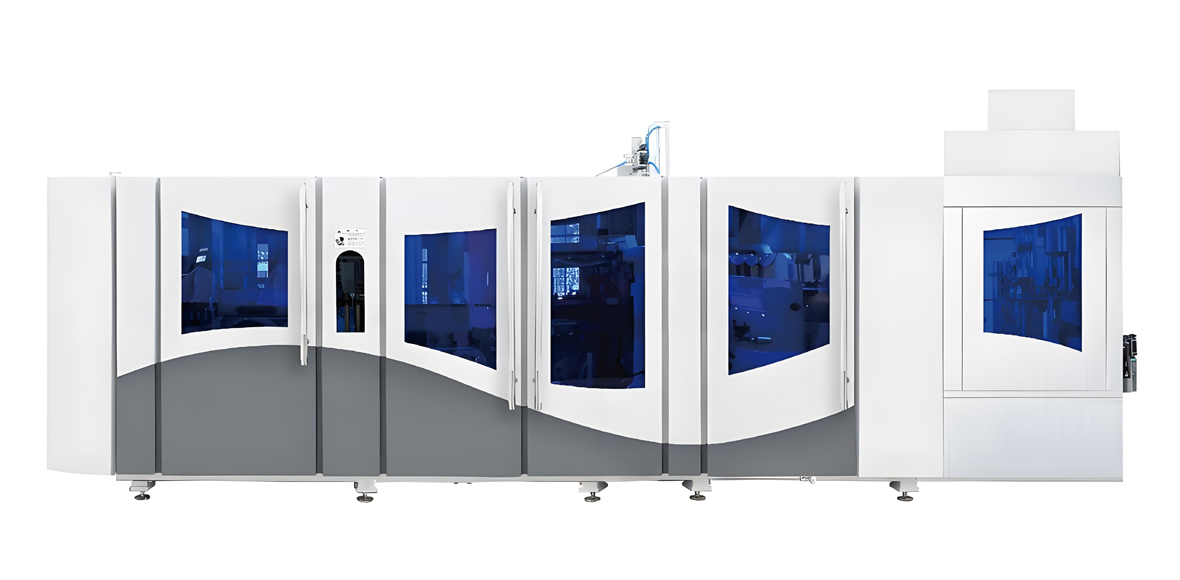
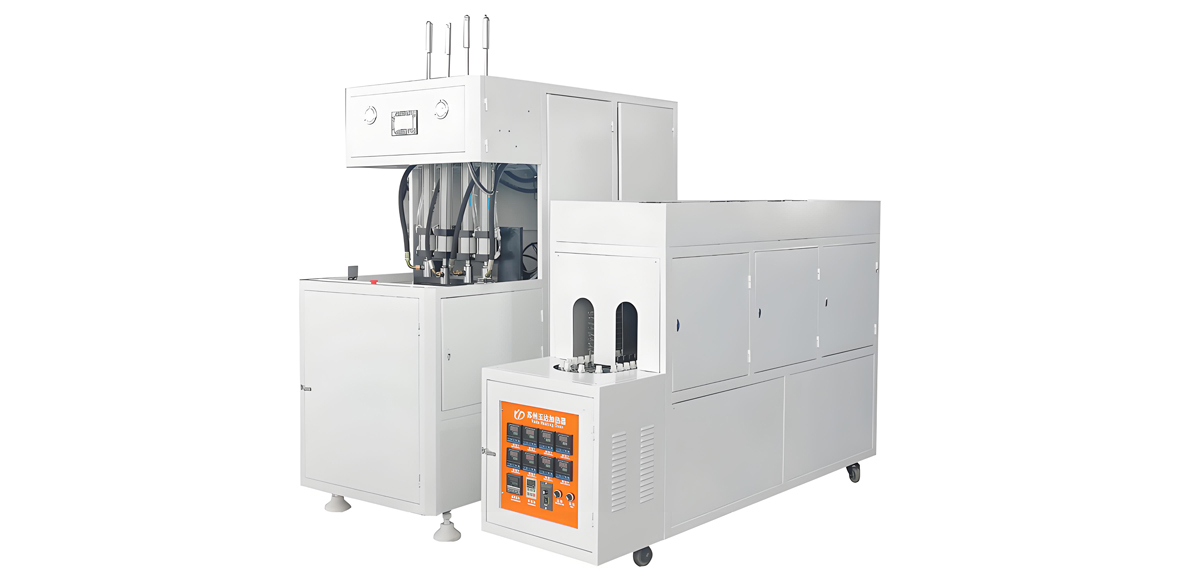
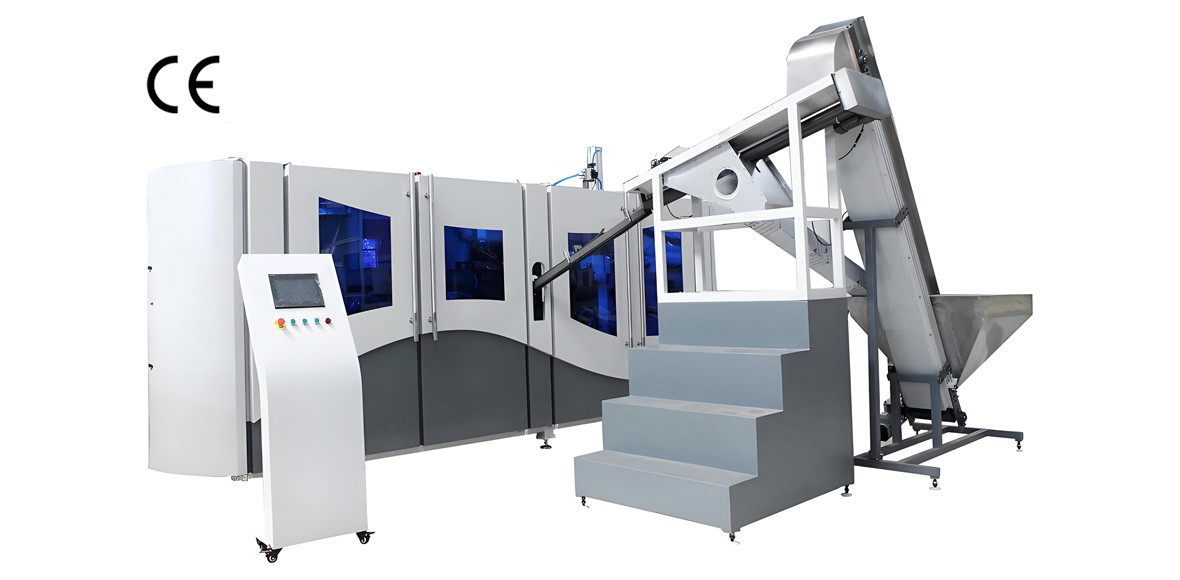
YUDA’s mainstream PET bottle blow molding equipment covers semi-automatic and small fully automatic models, which are perfectly suitable for low-investment mineral water bottle production projects. The equipment adopts separated oven and blowing platform design, which shortens mold opening time, improves blowing speed and single-machine output. The compact structural design saves workshop space, reduces site adaptation cost, and has outstanding cost performance for small-scale production.
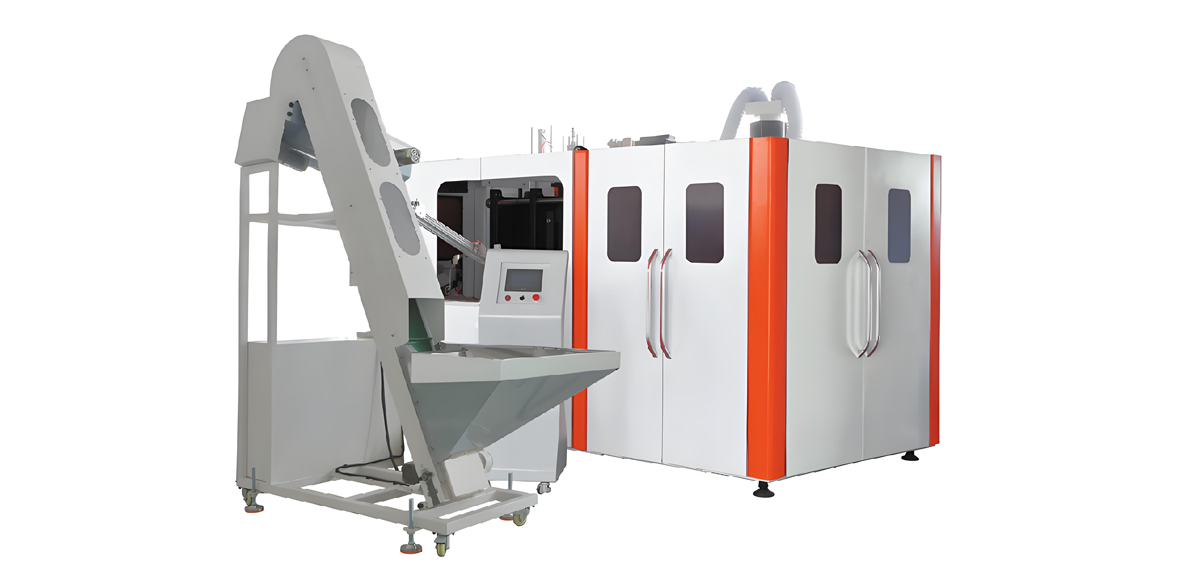
The semi-automatic PET bottle blow molding machine is suitable for investors with limited budget and small daily output demand. It has the advantages of low price, simple operation, low failure rate, and low maintenance cost. The small fully automatic PET bottle blow molding machine is suitable for projects with certain output demand and long-term continuous production, with higher production efficiency and lower manual dependence, balancing investment cost and production capacity.
3.2 Low-Investment Core Equipment Configuration List
The complete low-investment production line only needs to be equipped with core host and basic auxiliary equipment, without redundant supporting facilities. The core equipment includes YUDA semi-automatic PET bottle blow molding machine, bottle blank heating oven, air compressor, high-pressure gas storage tank, and finished bottle conveying frame. The equipment combination is streamlined and practical, fully meeting the production of 330ml to 1.5L mineral water bottles.
The YUDA PET bottle blow molding machine is equipped with an advanced PLC intelligent control system, with simple operation and stable performance. The segmented uniform heating technology ensures consistent heating effect of bottle blanks, effectively avoiding defective products such as uneven bottle wall and bottle body deformation. The independent circulating heating structure realizes energy-saving operation, reducing daily power consumption and long-term operating costs.
3.3 Equipment Price and Initial Investment Budget
The FOB price of YUDA semi-automatic PET Bottle Blow Molding Machine single host equipment ranges from 12,800 US dollars to 15,600 US dollars. The complete set of supporting auxiliary equipment including air compressor, gas storage tank, and conveying equipment is priced at 5,000 to 6,500 US dollars. The total investment of the entire production line is controlled at 17,800 to 22,100 US dollars, which is far lower than the investment cost of large fully automatic production lines.
For ultra-low budget investors, the phased investment mode can be adopted. First, purchase a single semi-automatic host and basic auxiliary equipment to put into small-batch production, and expand the equipment scale after generating stable profits, which completely avoids the risk of excessive initial capital pressure.
3.4 Equipment Advantage Analysis for Low-Investment Projects
YUDA low-cost PET bottle blow molding machine has exclusive advantages in small factory operation. First, the equipment has a compact structure and small floor space, which reduces the requirement for workshop area and saves site rent cost. Second, the energy-saving heating and frequency conversion operation design reduces unit power consumption, with daily power consumption only 80 to 120 kWh for continuous production, and low daily energy consumption cost. Third, the equipment has few vulnerable parts and simple maintenance, with annual maintenance cost less than 300 US dollars, almost no later equipment capital investment.
In addition, the equipment has a high finished product rate, stable molding quality of mineral water bottles, no bottle bursting, deformation, and unclear bottle mouth defects, which avoids raw material waste caused by defective products and effectively reduces unit production loss cost.
4. Raw Material Procurement and Unit Production Cost Analysis
Raw material cost is the main operating cost of PET bottle blowing production. Scientific raw material procurement and consumption control can further reduce the per-unit production cost of mineral water bottles and improve project profit margins. This chapter conducts detailed quantitative analysis of raw material cost, energy consumption cost, and labor cost of low-investment projects.
4.1 PET Raw Material Selection and Procurement Cost
Mineral water bottles need to use food-grade PET chip raw materials, which have high transparency, safety and non-toxicity, and meet food packaging production standards. The market procurement price of conventional food-grade PET chips is stable, and long-term bulk procurement can obtain supplier preferential prices. For small bottle blowing factories, adopting batch centralized procurement can reduce the unit raw material purchase cost by 3% to 5%.
The weight of a single 500ml mineral water PET bottle is about 18 to 20 grams. Calculated based on PET chip unit price, the pure raw material cost of a single finished bottle is controlled at 0.018 to 0.022 US dollars. Compared with outsourcing finished bottles, self-produced bottles can save 30% to 40% of raw material comprehensive cost, with obvious cost advantages.
4.2 Daily Operating Cost Breakdown
In terms of labor cost, the semi-automatic PET bottle blowing production line only needs 1 to 2 operators to complete the whole production process, including bottle blank placement, finished bottle collection, and equipment inspection. The monthly labor cost is controlled at 800 to 1,200 US dollars, with extremely low labor input per unit product.
In terms of energy consumption cost, the daily power consumption of the complete production line is 80 to 120 kWh, and the monthly electricity cost is about 200 to 350 US dollars. The production process basically does not consume water resources, and the water cost is almost negligible. The equipment maintenance cost is low, with only simple cleaning and lubrication required daily, and no frequent replacement of vulnerable parts.
The comprehensive single bottle production cost including raw materials, electricity, labor, and equipment depreciation is controlled at 0.021 to 0.026 US dollars, which has a strong competitive advantage in the regional packaging market.
5. Production Operation Management and Efficiency Optimization
Standardized production operation management is the key to ensure stable output and low-cost operation of low-investment bottle blowing factories. Reasonable production scheduling and equipment operation optimization can effectively improve single-machine output, reduce unit comprehensive costs, and accelerate investment payback.
5.1 Daily Production Scheduling Plan
The YUDA semi-automatic PET bottle blow molding machine has a stable hourly output of 800 to 1000 pieces of 500ml mineral water bottles. Adopting 10-hour daily production mode, the daily output can reach 8,000 to 10,000 pieces, and the monthly stable output is about 240,000 to 300,000 pieces. According to the order demand of downstream mineral water manufacturers, flexible production scheduling can be realized to avoid overstocking of finished products and capital occupation.
5.2 Equipment Operation Standardization
Before daily startup, check the equipment heating temperature, air pressure parameters, and mechanical operation status to ensure stable equipment operation. The segmented heating parameters of the oven are adjusted according to the specifications of mineral water bottles to ensure uniform heating of bottle blanks and consistent molding effect. Regularly clean the mold surface and heating pipeline to avoid product defects caused by material residue, ensure a finished product rate of more than 99.5%, and minimize production loss.
5.3 Inventory and Order Management
For low-investment small factories, the order-oriented production mode is adopted to reduce finished product inventory. Establish long-term cooperative relationships with local mineral water manufacturers, undertake fixed-order supporting production, realize zero inventory operation, reduce site occupation and capital occupation costs, and optimize the overall capital turnover efficiency of the project.
6. Project Profit Calculation and Investment Payback Cycle
Combined with actual production data and market sales prices, this chapter conducts accurate profit calculation for low-investment mineral water PET bottle blowing projects, helping investors clarify project income levels and investment return cycles.
6.1 Finished Bottle Sales Profit
The market wholesale price of 500ml mineral water PET bottles in the regional market is 0.035 to 0.04 US dollars per piece. After deducting the comprehensive production cost of 0.021 to 0.026 US dollars, the single bottle net profit is 0.014 to 0.019 US dollars. Based on the monthly output of 250,000 pieces, the monthly gross profit reaches 3,500 to 4,750 US dollars.
6.2 Monthly and Annual Net Profit Calculation
After deducting monthly workshop rent, labor cost, electricity cost, and equipment depreciation, the monthly net profit of the project is stabilized at 2,200 to 3,500 US dollars, and the annual net profit reaches 26,400 to 42,000 US dollars. With the expansion of order volume and the improvement of production proficiency, the output will be further increased, and the unit production cost will be further reduced, and the profit space will be continuously expanded.
6.3 Investment Payback Cycle
The total initial investment of the project includes equipment procurement, workshop decoration, and early-stage preparation, with a total capital investment of about 25,000 to 30,000 US dollars. According to the stable monthly net profit level, the project investment payback cycle is only 8 to 12 months. After the payback period, almost all the income is pure profit, and the long-term project income is very stable.
7. Common Low-Investment Project Risks and Avoidance Measures
Although the PET bottle blowing project has low investment risk, novice investors are prone to problems such as improper equipment selection, inaccurate cost control, and single customer channel in the actual operation process. Summarizing risk avoidance measures can effectively ensure the stable operation of the project.
7.1 Equipment Selection Risk
Many investors blindly purchase high-priced fully automatic large-scale equipment in the early stage, resulting in excessive investment and insufficient order volume to support equipment production capacity, resulting in equipment idle and capital waste. The correct low-investment strategy is to match YUDA semi-automatic cost-effective equipment according to actual order demand, prioritize meeting small and medium-sized batch production, and expand equipment scale after stable profit.
7.2 Cost Control Risk
Uncontrolled raw material loss and excessive energy consumption are the main reasons for the decline in project profits. It is necessary to standardize equipment operation, improve the finished product rate, avoid raw material waste, and make full use of the energy-saving advantages of YUDA PET bottle blow molding machine to reduce daily power consumption and control operating costs within a reasonable range.
7.3 Customer Channel Risk
Single customer cooperation will lead to unstable project income. Investors need to develop multiple local downstream customers including mineral water factories, beverage processing plants, and packaging distributors to form diversified order sources, avoid business losses caused by single customer order fluctuations, and ensure sustainable project operation.
8. Late-Stage Project Expansion and Upgrade Plan
The low-investment bottle blowing factory is not limited to small-scale production. After the project realizes stable profit, it can be upgraded and expanded according to market demand to further improve production capacity and profit level, realizing secondary growth of the project.
8.1 Equipment Capacity Expansion
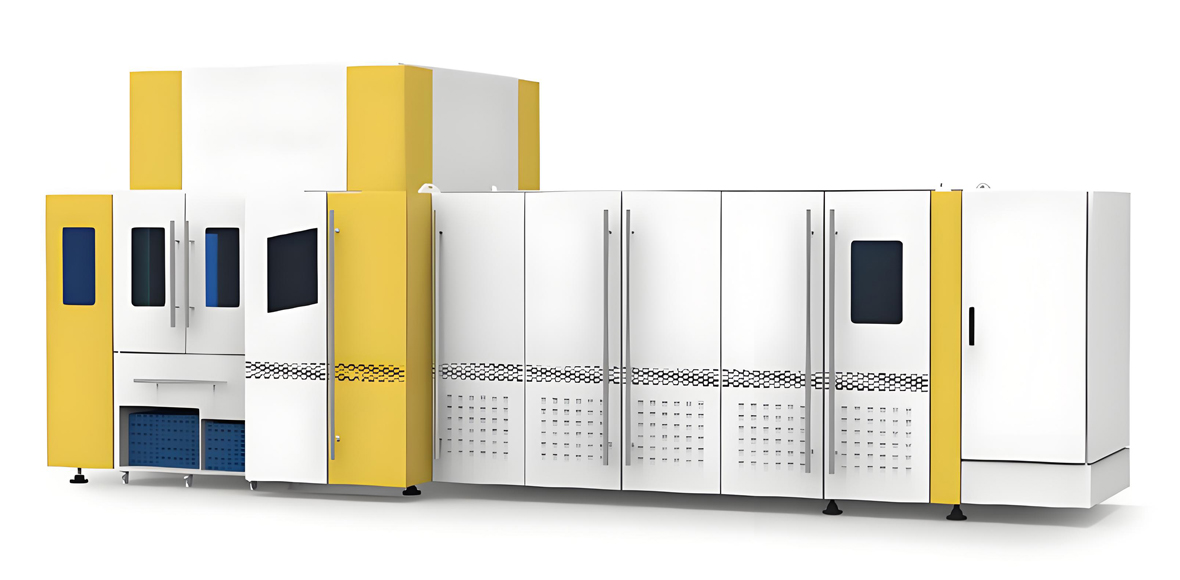
With the increase of customer orders, investors can add YUDA small fully automatic PET bottle blow molding machine equipment to improve single-machine output and realize large-scale mass production. The upgraded fully automatic equipment can reduce manual operation links, further reduce unit labor costs, and improve market competitiveness.
8.2 Product Specification Expansion
On the basis of producing conventional mineral water bottles, expand product specifications such as large-capacity drinking water bottles, beverage bottles, and food packaging bottles, enrich product categories, meet diversified customer demand, and expand market share.
8.3 Brand and Market Expansion
After the local market is stable, expand regional sales channels, establish long-term cooperative relationships with cross-regional downstream manufacturers, gradually expand market coverage, and form a regional influential packaging bottle supporting enterprise.
9. Why Choose YUDA PET Bottle Blow Molding Machine for Low-Investment Projects
As a professional manufacturer of PET bottle blowing equipment, YUDA has been focusing on the research and development and production of cost-effective bottle blowing machines for small and medium-sized enterprises for many years. The equipment is highly matched with low-investment mineral water bottle blowing projects, and has irreplaceable comprehensive advantages in equipment performance, price cost, and after-sales service.
YUDA PET Bottle Blow Molding Machine adopts optimized separated heating and blowing structure, which has high production efficiency and stable molding quality, fully meeting the production standards of food-grade mineral water bottles. The equipment has low initial purchase cost, low later maintenance cost, and low energy consumption, which can maximize the reduction of project full-cycle operating costs and help investors quickly realize investment payback and profit growth.
In addition, YUDA provides one-stop project services including equipment installation, commissioning, operation training, and technical guidance for low-investment entrepreneurs. Professional technical teams guide customers in workshop layout, production operation, and cost control, helping novice investors quickly get started, avoid industry pitfalls, and ensure the stable and profitable operation of the bottle blowing factory project.
10. Conclusion
Starting a mineral water PET bottle blowing factory is a low-threshold, low-risk, and high-return entrepreneurial project. Through scientific site selection, reasonable equipment selection, standardized production management, and precise cost control, investors can complete project construction with extremely low initial investment and realize stable profit output. The key to low-investment project success is to abandon redundant high-cost configuration and select cost-effective professional PET Bottle Blow Molding Machine that matches the production scale.
YUDA’s series of low-cost and high-stability PET bottle blowing equipment provides reliable equipment support and technical guarantee for small and medium-sized investors to build mineral water bottle blowing factories. With excellent equipment performance, reasonable price positioning, and perfect after-sales service, YUDA helps global low-investment entrepreneurs quickly enter the PET packaging industry, reduce project operating costs, improve market competitiveness, and realize long-term stable and sustainable profitability.