1. Global Market Overview of PET Pharmaceutical Bottle Blowing Industry
The global pharmaceutical packaging industry has maintained steady and robust growth in the past decade, driven by the continuous expansion of the global pharmaceutical industry, aging population structure, increasing demand for over-the-counter drugs, health supplements, and medical disinfectant products. As a core segmented track of pharmaceutical packaging, PET pharmaceutical bottle blowing business occupies an irreplaceable market position due to the unique physical and chemical advantages of PET materials and mature blow molding processing technology. PET pharmaceutical bottles are widely applied in packaging oral liquid medicines, tablet bottles, capsule bottles, medical disinfectant bottles, nutritional supplement bottles, and veterinary pharmaceutical bottles, covering pharmaceutical manufacturing, medical and health care, animal husbandry and veterinary, and daily medical auxiliary fields worldwide.
Different from cosmetic and beverage PET bottles, pharmaceutical-grade PET bottles implement extremely strict industry standards in terms of material safety, production hygiene, molding precision, and chemical stability. The production process must comply with global medical packaging specifications including FDA food and drug contact standards, EU pharmaceutical packaging safety regulations, and ISO medical product manufacturing guidelines. This high industry threshold effectively screens out low-end backward production capacity, forming a standardized, high-barrier, and high-profit industrial market pattern. With the global pharmaceutical industry’s continuous upgrading of packaging requirements and the elimination of traditional glass and low-plastic medical packaging materials, the market share of PET pharmaceutical bottles is increasing year by year, bringing long-term stable development space for PET pharmaceutical bottle blowing business.
Yuda, as a professional manufacturer focusing on high-standard PET bottle blowing equipment, has long been committed to the research and development and production of special equipment for pharmaceutical-grade PET bottle blowing. The independently developed pharmaceutical-grade PET bottle blowing machine series is optimized for the high hygiene, high precision, and high safety production requirements of medical packaging products, fully adapting to the standardized production needs of global pharmaceutical bottle processing enterprises. This article comprehensively analyzes the profitability, cost composition, profit margin, market risk, investment return, and global development potential of the PET pharmaceutical bottle blowing business, providing systematic and data-based investment judgment basis for global processors and entrepreneurs.
2. Core Reasons for the Sustainable Development of Global PET Pharmaceutical Bottle Market
2.1 Unique Material Advantages of Pharmaceutical-Grade PET Bottles
PET materials have become the mainstream preferred material for global pharmaceutical packaging, completely replacing traditional glass, PVC, and ordinary plastic materials, relying on multiple irreplaceable performance advantages. First of all, pharmaceutical-grade PET raw materials feature non-toxic, tasteless, high chemical stability, and strong corrosion resistance, and will not produce chemical reactions with internal liquid medicines, solid tablets, and medical solvents, ensuring the safety and stability of pharmaceutical ingredients during storage and transportation. Secondly, PET bottles have excellent barrier properties, which can effectively isolate external air, moisture, and ultraviolet rays, prevent pharmaceutical deterioration, moisture, and failure, and greatly extend the shelf life of medicines.
In terms of physical performance, PET pharmaceutical bottles are light in weight, high in structural strength, not easy to break, and convenient for long-distance transportation and storage, which can effectively reduce the packaging and transportation loss rate of pharmaceutical products compared with fragile glass bottles. In addition, PET materials have high recyclability, conform to global environmental protection and green production policies, and meet the sustainable development requirements of pharmaceutical enterprises in various countries. The high transparency of PET bottles also enables consumers and pharmaceutical manufacturers to directly observe the state of internal medicines, improving product intuitiveness and market recognition.
2.2 Continuous Growth of Global Downstream Demand
The global demand for PET pharmaceutical bottles maintains a year-on-year growth trend, supported by multiple downstream rigid demand scenarios. The continuous expansion of the global generic drug market, the rapid development of health care and nutritional supplement industries, and the increasing demand for household medical disinfection supplies have jointly driven the steady growth of pharmaceutical bottle consumption. In emerging markets such as Southeast Asia, Africa, and South America, the improvement of local medical and health systems has further stimulated the market demand for standardized pharmaceutical packaging products.
In developed regions such as Europe, North America, and Australia, the market demand is mainly reflected in product upgrading and standardized iteration. Local pharmaceutical enterprises have higher requirements for the precision, hygiene, and appearance of PET pharmaceutical bottles, eliminating low-quality and non-standard products, and bringing higher-value market space for standardized and high-precision PET bottle blowing processing enterprises. The global standardized pharmaceutical packaging replacement wave ensures the long-term rigid demand of the PET pharmaceutical bottle blowing industry, avoiding the market fluctuation risk of seasonal and cyclical industries.
2.3 High Industry Threshold and Low Market Competition Intensity
Compared with ordinary cosmetic and beverage bottle blowing businesses, the PET pharmaceutical bottle blowing industry has extremely high industry access thresholds, including production qualification threshold, equipment precision threshold, environmental hygiene threshold, and technical process threshold. Enterprises engaged in pharmaceutical bottle processing need to pass strict medical packaging production certification, and the production environment must meet dust-free and hygienic production standards. The production equipment must support high-precision molding and pollution-free production, and the production process needs to establish complete quality traceability system.
These strict industry standards prevent a large number of small and backward processing enterprises from entering the market, effectively avoiding vicious low-price competition in the industry. The existing market participants are mainly standardized processing enterprises with qualified qualifications and mature technology, forming a benign market competition pattern based on product quality and processing precision. The low competition intensity and high industry barrier ensure that the PET pharmaceutical bottle blowing business can maintain stable profit margins for a long time, without the profit compression problem caused by excessive market saturation in low-end bottle blowing industries.
3. Full Cost Composition of PET Pharmaceutical Bottle Blowing Business
To accurately judge the profitability of the PET pharmaceutical bottle blowing business, it is necessary to conduct a detailed split analysis of all operating costs, including one-time fixed investment costs and daily recurring operating costs. The fixed investment mainly covers core equipment procurement, pharmaceutical-grade mold customization, plant transformation and certification costs, while the operating costs include raw material costs, energy consumption costs, labor costs, equipment maintenance costs, and quality inspection costs. This chapter provides accurate global market price estimation and cost budget analysis for each expenditure module.
3.1 Core Production Equipment Investment Cost
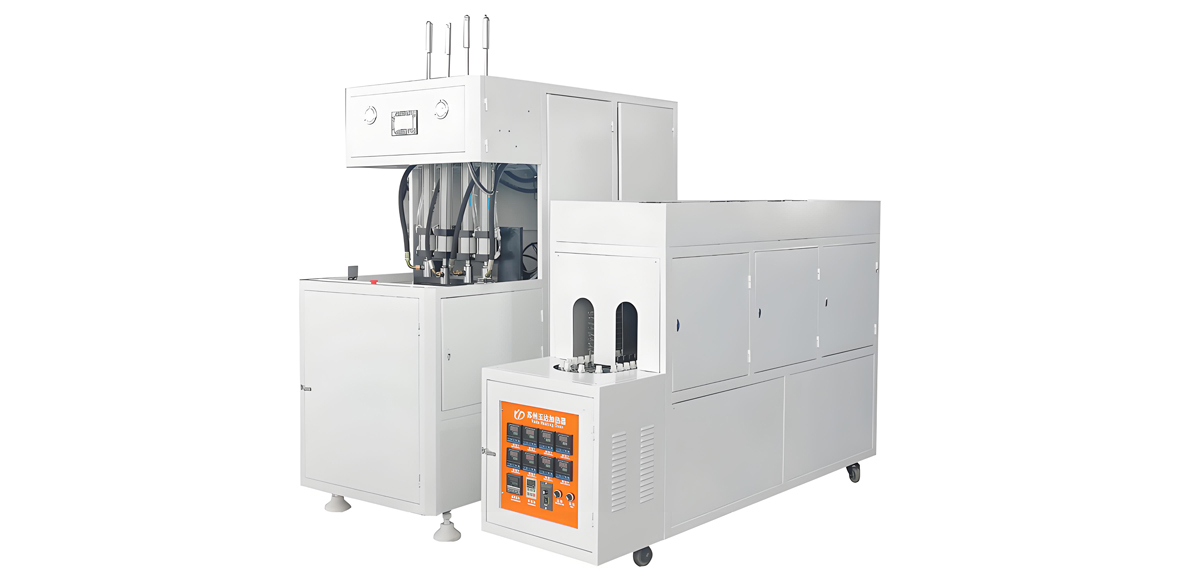
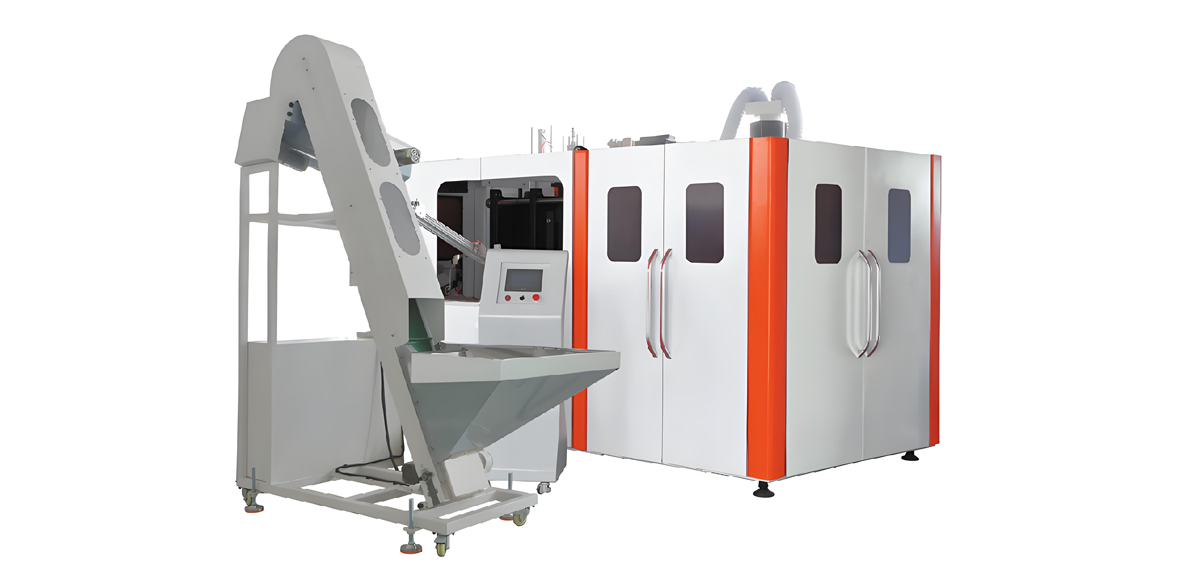
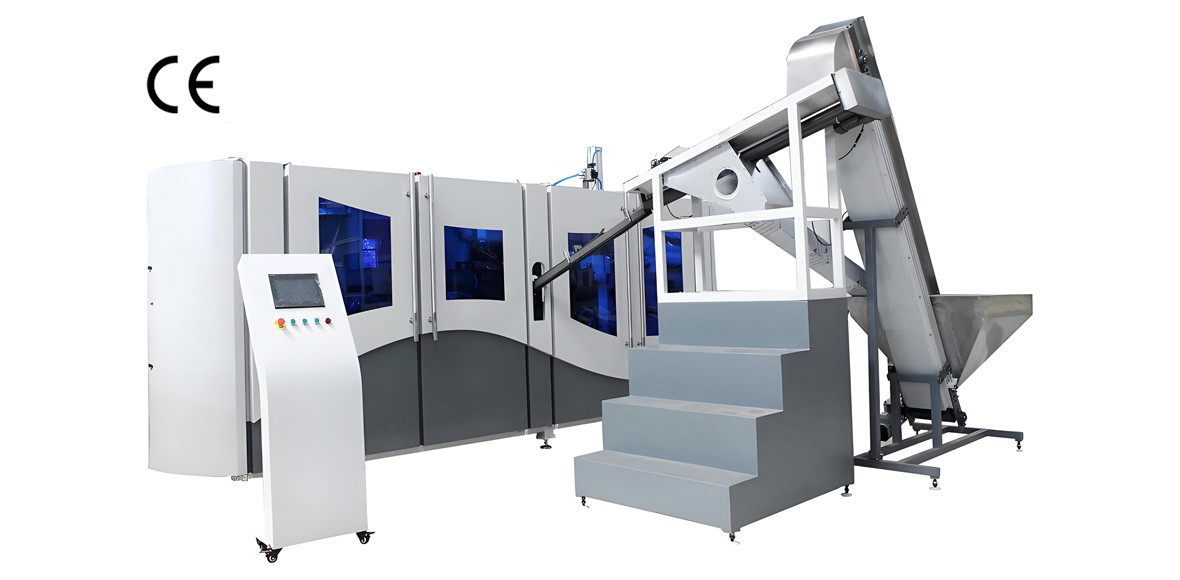
Special pharmaceutical-grade PET bottle blowing machine is the core equipment of the entire business, and the equipment performance directly determines product qualification rate, production efficiency, and product compliance with medical standards. Yuda’s special PET pharmaceutical bottle blowing machine is optimized and upgraded for medical-grade production standards, adopting separated heating tunnel and blowing platform design, which shortens mold opening cycle, improves production efficiency, and ensures stable and uniform heating of pharmaceutical preforms. The equipment is equipped with a high-precision PLC intelligent control system and dust-free production optimization structure, which can meet the hygienic and precision production requirements of various pharmaceutical bottles.
According to different production capacity configurations, the price gradient of Yuda pharmaceutical-grade PET bottle blowing machines is clear and standardized. The fully automatic two-cavity pharmaceutical special bottle blowing machine suitable for small and medium-sized processing plants is priced at $13,800 to $16,500, with a daily output of 6,000 to 8,000 standard pharmaceutical bottles, meeting the production demand of small-batch customized pharmaceutical orders. The mainstream four-cavity high-precision pharmaceutical bottle blowing machine for standardized mass production is priced at $17,200 to $20,800, with stable daily output of 10,000 to 14,000 pieces, featuring low defective rate and high operational stability, which is the most cost-effective configuration for long-term operation of pharmaceutical bottle processing projects.
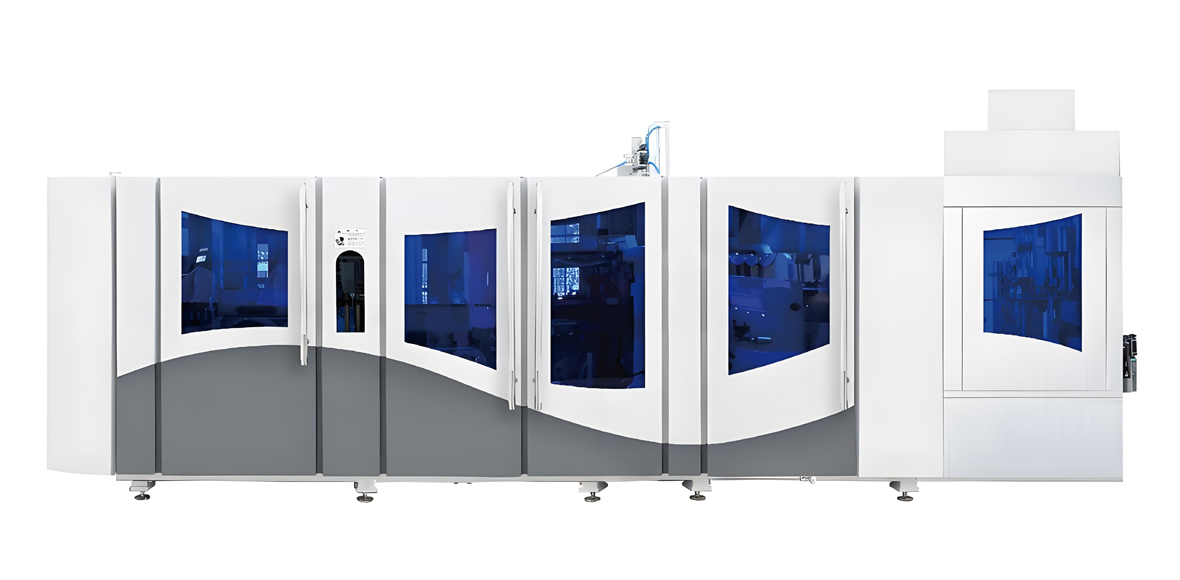
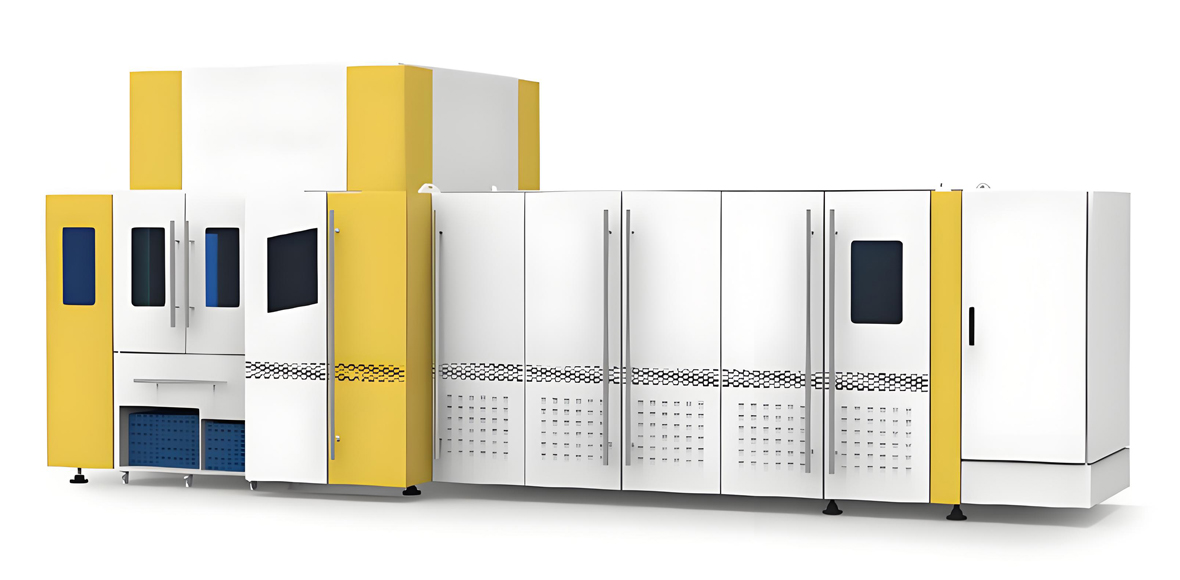
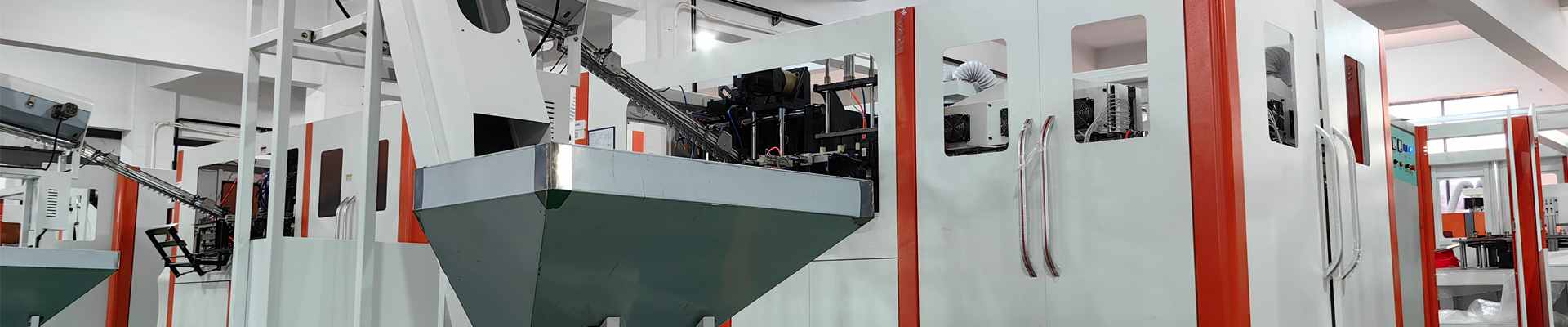
The high-speed six-cavity fully automatic pharmaceutical bottle blowing production line for large-scale factories is priced at $22,500 to $26,800, supporting high-speed continuous mass production, with automatic preform feeding and finished product discharging functions, suitable for large-batch fixed-order cooperation with pharmaceutical factories. All Yuda pharmaceutical-grade bottle blowing machines adopt energy-saving heating systems and anti-pollution structural design, which can effectively reduce long-term energy consumption and cleaning costs, and have higher comprehensive cost performance than ordinary civil bottle blowing equipment.
3.2 Auxiliary Equipment and Plant Transformation Cost
Different from ordinary workshops, the PET pharmaceutical bottle blowing workshop needs to be equipped with hygienic and high-precision supporting equipment and complete dust-free transformation to meet medical packaging production standards. The supporting auxiliary equipment includes high-precision oil-free air compressor, sterile air dryer, constant-temperature water chiller, dust-free purification ventilation system, and pharmaceutical-grade finished product inspection platform. The total procurement cost of the full set of auxiliary equipment for standardized workshops ranges from $6,200 to $8,500.
The oil-free air compressor and sterile drying equipment ensure that the inflation air source is free of oil, dust and impurities, avoiding pollution to pharmaceutical bottle inner walls, with a total price of $2,000 to $2,800. The constant-temperature industrial water chiller ensures stable molding of high-precision pharmaceutical bottles, priced at $1,800 to $2,200. The dust-free purification ventilation system and workshop air purification equipment, which are necessary to meet medical production hygiene standards, cost $1,500 to $2,500. The professional finished product size inspection and cleanliness detection platform costs $900 to $1,000.
In terms of plant cost, the pharmaceutical bottle production workshop needs to complete dust-free purification transformation, ground anti-pollution treatment, and regional sterile partition layout. The transformation cost of a 100 to 200 square meter standardized workshop is $3,500 to $5,200. The annual plant rent of industrial parks compliant with medical production standards ranges from $4,000 to $6,800 according to regional differences. The professional medical packaging production qualification certification cost is $1,800 to $2,500, which is a necessary investment for formal market operation and order docking.
3.3 Pharmaceutical-Grade Mold Customization Cost
Pharmaceutical bottle molds have higher precision and polishing standards than ordinary packaging bottle molds, requiring mirror-level smoothness, no dead corners, no residue accumulation, and stable dimensional tolerance, to ensure that the produced pharmaceutical bottles meet medical packaging appearance and assembly standards. The mold materials are all high-purity anti-rust and anti-corrosion alloy steel, with long service life and stable molding accuracy.
The customization price of single-cavity standard pharmaceutical bottle molds (10ml-100ml oral liquid bottles, tablet bottles) ranges from $1,200 to $1,600 per set. The multi-cavity molds for medium-capacity pharmaceutical bottles (100ml-500ml disinfectant bottles, health product bottles) are priced at $1,700 to $2,100 per set. For special-shaped pharmaceutical bottles, threaded high-precision bottle mouths, and fully enclosed medical packaging molds, the customization cost increases by $400 to $700 per set due to higher processing difficulty.
In the initial stage of project operation, it is recommended to customize 2 to 4 sets of mainstream standard pharmaceutical bottle molds, with a total mold investment of $3,500 to $6,500. After accumulating stable cooperative resources of pharmaceutical factories, customized molds can be expanded according to customer personalized needs, avoiding excessive advance investment and capital occupation.
3.4 Daily Recurring Operating Cost
Raw material cost is the largest proportion of daily operating cost of PET pharmaceutical bottle blowing business. Pharmaceutical-grade PET preforms adopt high-purity food and medical grade raw materials, with stable quality and strict safety standards. The bulk procurement unit price of standard medical PET preforms is slightly higher than ordinary cosmetic preforms, and the raw material cost of a single finished pharmaceutical bottle is stable. The raw material loss rate of standardized production is controlled below 1.2%, far lower than the industry average, effectively reducing waste loss.
Energy consumption cost includes electricity and water consumption for equipment operation and workshop purification. The monthly comprehensive electricity cost of a standardized four-cavity pharmaceutical bottle production line operating 8 hours a day is $500 to $680, and the circulating water consumption cost is $80 to $120 per month. The energy-saving optimization design of Yuda equipment effectively reduces unit product energy consumption, saving more than 18% of electricity cost compared with traditional ordinary bottle blowing machines.
In terms of labor cost, the high degree of automation of the production line reduces labor dependence. A single production line only needs 1 to 2 skilled workers to complete feeding, inspection and discharging work, with a monthly labor cost of $900 to $1,300. The monthly equipment maintenance and workshop sanitation maintenance cost is $100 to $150, including wearing parts replacement, equipment lubrication, and dust-free workshop cleaning and maintenance. The monthly quality inspection and product testing cost for medical standard compliance is $150 to $200. The total monthly comprehensive operating cost of standardized production is stably controlled at $1,800 to $2,400, with controllable expenditure and stable cost structure.
4. Global Market Profit Margin and Income Analysis
The PET pharmaceutical bottle blowing business has significant profit advantages over ordinary packaging bottle processing industries, benefiting from high industry threshold, low competition intensity, and high product added value. Different from the transparent and ultra-competitive profit of cosmetic and beverage bottles, pharmaceutical-grade PET bottles have standardized and high-margin processing profits, and long-term fixed-order cooperation with pharmaceutical enterprises can form stable and sustainable income.
In the global market, the processing gross profit of standard small-capacity pharmaceutical PET bottles ranges from $0.08 to $0.12 per piece, and the gross profit of medium and large-capacity medical disinfection bottles and health product bottles can reach $0.15 to $0.22 per piece. After deducting raw material loss, energy consumption, labor and other operating costs, the net profit of single product is stable and considerable. The standardized four-cavity Yuda pharmaceutical bottle blowing production line has a daily stable output of 12,000 qualified pharmaceutical bottles, with a daily gross profit of $950 to $1,300 and a daily net profit of $780 to $1,050 after deducting daily average operating costs.
Calculated based on 26 working days per month, the monthly net profit of a single standardized production line is $20,280 to $27,300. Even after deducting annual equipment depreciation, certification renewal and other hidden costs, the annual net profit of the project can remain above $200,000. For processing enterprises with long-term fixed cooperation with pharmaceutical factories and stable batch orders, the annual profit scale can be further improved with the expansion of production capacity.
In terms of regional profit differences, the profit margin of developed markets such as Europe and North America is 20% to 30% higher than that of emerging markets, due to higher local medical packaging standards and higher customer acceptance of high-quality products. The emerging markets in Southeast Asia, Africa and Latin America have low operating costs and huge market blank space, with rapid profit growth and great development potential. The global market has formed a pattern of stable high profits in mature regions and rapid profit growth in emerging regions, ensuring the overall profitability of the industry.
5. Investment Return Cycle of PET Pharmaceutical Bottle Blowing Project
The total one-time fixed investment of a standardized small and medium-sized PET pharmaceutical bottle blowing workshop is concentrated between $32,000 and $42,000, including core equipment, auxiliary supporting facilities, mold customization, plant transformation and certification costs. Compared with large-scale industrial production projects, the initial investment threshold is low, and compared with ordinary civil bottle blowing projects, the profit margin is significantly higher, forming a short return cycle and high return rate investment advantage.
Based on the standard monthly net profit of $20,000 or more, the static investment return cycle of the project is only 1.8 to 2.5 months. Even in the initial stage of project operation, affected by order accumulation and market development, the actual return cycle will not exceed 3.5 months, which is far shorter than most processing and manufacturing projects. After the initial investment cost is fully recovered, the subsequent operating income is almost pure profit, and the project has long-term sustainable profit space.
The service life of Yuda pharmaceutical-grade PET bottle blowing equipment is more than 15 years, with low failure rate and low annual maintenance cost. The long service life of the equipment ensures that the project can maintain stable profit output for a long time, and the long-term investment return rate of the project is extremely excellent. With the continuous expansion of customer resources and the upgrading of high-value customized products in the later stage, the project profit margin will continue to increase, and the investment income will be further improved.
6. Core Competitive Advantages of Yuda PET Pharmaceutical Bottle Blowing Machine
Equipment performance is the core factor determining the profitability and long-term operation stability of pharmaceutical bottle blowing projects. High-quality professional equipment can effectively reduce defective product rate, save energy consumption costs, improve production efficiency, and help enterprises obtain high-quality customer orders, thus maximizing project profits. Yuda PET pharmaceutical bottle blowing machines have multiple industry-leading advantages, which are highly matched with the production needs of global pharmaceutical bottle processing enterprises.
First of all, the equipment meets global medical-grade production standards. Yuda pharmaceutical special bottle blowing machine adopts dust-free and pollution-free structural design, with smooth internal flow channel and no residual dead corners, avoiding material deterioration and product pollution during production. The segmented precise temperature control system ensures uniform heating of PET preforms, stable bottle body wall thickness, no deformation, no water marks, and the produced pharmaceutical bottles fully meet FDA and EU medical packaging safety standards, helping enterprises pass international certification and obtain high-end global orders.
Secondly, the equipment has ultra-low defective product rate and high production efficiency. The separated heating and blowing platform design optimizes the production cycle, improves hourly output, and the intelligent wall thickness control system ensures consistent product quality. The mass production defective product rate is controlled below 1.2%, which greatly reduces raw material waste and reprocessing costs, effectively improving the net profit margin of unit products. The high degree of automatic operation reduces manual intervention, saves long-term labor costs, and further optimizes the project cost structure.
Thirdly, the equipment has stable performance and low full-life-cycle cost. The core components are made of high-quality wear-resistant and corrosion-resistant materials, with strong operational stability and low failure rate. The annual maintenance cost is far lower than the industry average, and there is no frequent shutdown and maintenance loss. The energy-saving optimized structure reduces power consumption per unit product, saving long-term energy consumption costs for enterprises. The compact equipment structure saves plant space and reduces plant rental and transformation investment.
In addition, the equipment has strong flexible production capacity, supporting rapid switching production of pharmaceutical bottles of different specifications and capacities. It can meet the diversified customized production needs of oral liquid bottles, tablet bottles, disinfectant bottles and health product bottles, helping enterprises expand business scope, enrich product categories, and avoid single order risk, thus improving the overall profitability and market anti-risk ability of the project.
7. Global Market Profit Risks and Avoidance Measures
Although the PET pharmaceutical bottle blowing business has excellent overall profitability, there are still partial market risks and operational risks in the global market operation process. Scientific risk identification and effective avoidance measures can further stabilize project profits and ensure long-term sustainable operation of the business.
The first is the industry qualification risk. The global pharmaceutical packaging industry has strict supervision, and non-standard production and incomplete certification will lead to order loss and market access restrictions. The avoidance measure is to complete all local medical packaging production certifications in the early stage of project operation, standardize production processes and product quality inspection standards, and establish a complete quality traceability system to ensure that products fully comply with local market access rules.
The second is raw material price fluctuation risk. The price of PET raw materials is affected by global petrochemical market changes, with periodic small fluctuations, which may lead to changes in unit product cost. Processing enterprises can avoid risks by signing long-term bulk procurement agreements with raw material suppliers, locking raw material prices, and stabilizing production costs. At the same time, expand multiple raw material procurement channels to avoid single supply risk.
The third is single customer risk. Over-reliance on a single pharmaceutical factory order will lead to business operation pressure in case of order adjustment. The solution is to continuously expand downstream customer resources, cover multiple pharmaceutical factories, health product enterprises and medical disinfection product manufacturers, realize diversified customer layout, and stabilize business income.
The fourth is equipment operation risk. Equipment failure and unstable operation will lead to production shutdown and order delivery delay, resulting in economic losses and customer reputation loss. It is necessary to formulate standardized daily maintenance and regular overhaul systems for Yuda bottle blowing equipment, regularly check and maintain core components, ensure long-term stable operation of equipment, and avoid production interruption risks.
8. Long-Term Profit Growth Potential of Global Pharmaceutical Bottle Blowing Business
From the perspective of long-term global industrial development, the PET pharmaceutical bottle blowing business has continuous profit growth potential and broad market development space. With the continuous improvement of global residents’ health awareness and the continuous development of the medical and health industry, the market demand for standardized, safe and high-quality pharmaceutical packaging products will continue to grow steadily, driving the continuous expansion of the industry market scale.
The global policy of eliminating low-end plastic packaging and promoting green and safe medical packaging will further accelerate the elimination of backward production capacity, reduce market competition pressure for standardized processing enterprises, and continuously increase market share and profit space of compliant enterprises. The upgrading of pharmaceutical packaging from ordinary functional packaging to high-end customized packaging will also bring higher-value processing orders, and the processing profit margin of high-end customized pharmaceutical bottles is 30% to 50% higher than that of standard products.
In addition, the continuous technological iteration of bottle blowing equipment further reduces production costs and improves production efficiency. The intelligent and energy-saving upgrading of Yuda new-generation pharmaceutical bottle blowing machines will further save energy consumption and labor costs for processing enterprises, optimize the profit structure, and realize continuous growth of project net profit. Enterprises can realize capacity expansion and business upgrading through phased equipment iteration and mold expansion, and gradually expand from small-batch processing to large-scale standardized customized production, forming long-term stable profit growth.
9. Comparison with Other Packaging Bottle Blowing Businesses in Terms of Profitability
Through horizontal comparison with cosmetic bottle blowing, beverage bottle blowing and daily chemical bottle blowing businesses, the profit advantages of PET pharmaceutical bottle blowing business are more prominent. The ordinary beverage and daily chemical bottle blowing industries have low industry thresholds, numerous market participants, fierce low-price competition, transparent processing profits, and thin single product profit margins. The market is highly saturated, and it is difficult to expand profit space in the later stage.
The cosmetic bottle blowing industry has a certain profit space, but it is greatly affected by market fashion trends and brand iteration, with obvious seasonal and cyclical market fluctuations, unstable orders, and certain operational risks. In contrast, the pharmaceutical bottle blowing industry belongs to the rigid demand supporting industry of the medical and health industry, with stable market demand, no obvious seasonal fluctuation, high industry barrier, low competition intensity, and stable and high profit margin.
In terms of long-term development, the pharmaceutical industry is a national key supervised and supported industry with strong policy stability. The supporting pharmaceutical packaging processing business can enjoy long-term policy dividend and market stability, with far lower operational risk and far higher profit sustainability than other bottle blowing businesses. For investors pursuing stable income and long-term sustainable operation, the PET pharmaceutical bottle blowing business is the most high-quality investment choice in the bottle blowing processing industry.
10. Conclusion
The PET pharmaceutical bottle blowing business has extremely high profitability and broad development prospects in the global market, with stable rigid downstream demand, high industry access threshold, low market competition intensity, and excellent long-term profit growth potential. The project has low initial investment threshold, short investment return cycle, controllable operational risks, and stable monthly net profit, which is far superior to other ordinary packaging bottle blowing processing projects in terms of profit margin and sustainability.
Choosing Yuda professional PET pharmaceutical bottle blowing machine as the core production equipment can effectively help global processing enterprises reduce production costs, improve product qualification rate and production efficiency, meet international medical packaging standards, obtain high-end market orders, and maximize project profit space. With the continuous expansion of the global medical and health industry and the continuous upgrading of pharmaceutical packaging standards, the PET pharmaceutical bottle blowing business will maintain long-term stable and high-profit operation, bringing sustainable and stable economic benefits and market development space for global investors and processing enterprises.