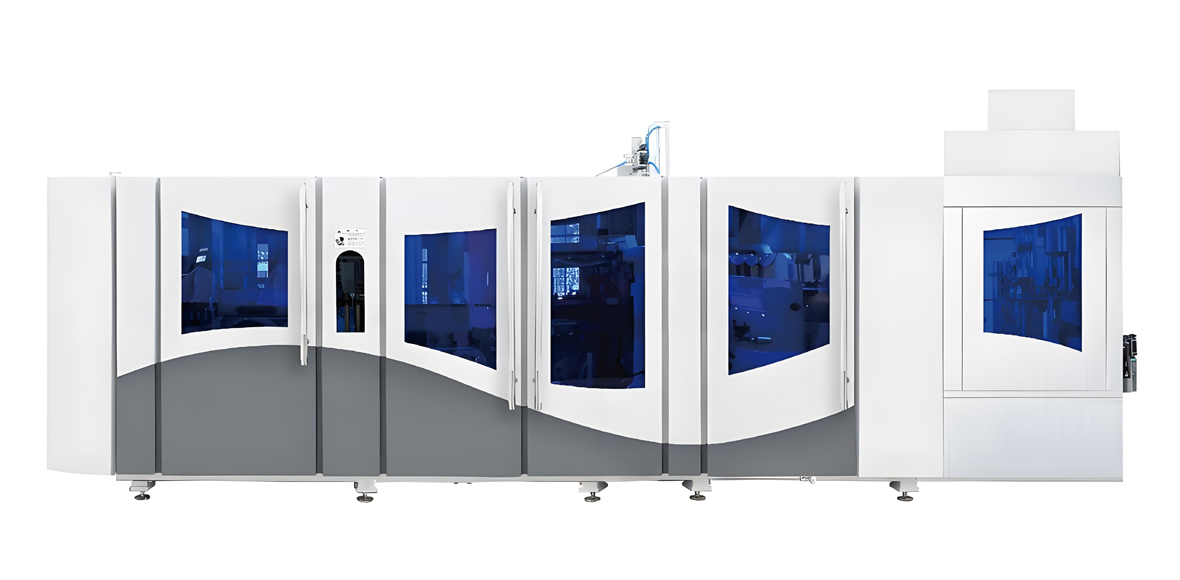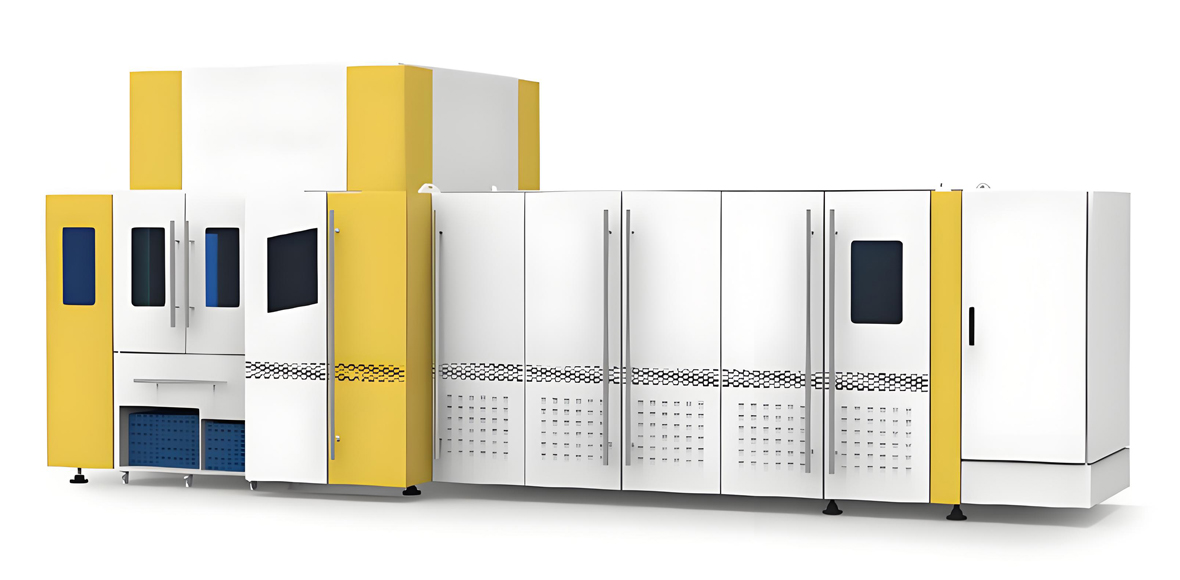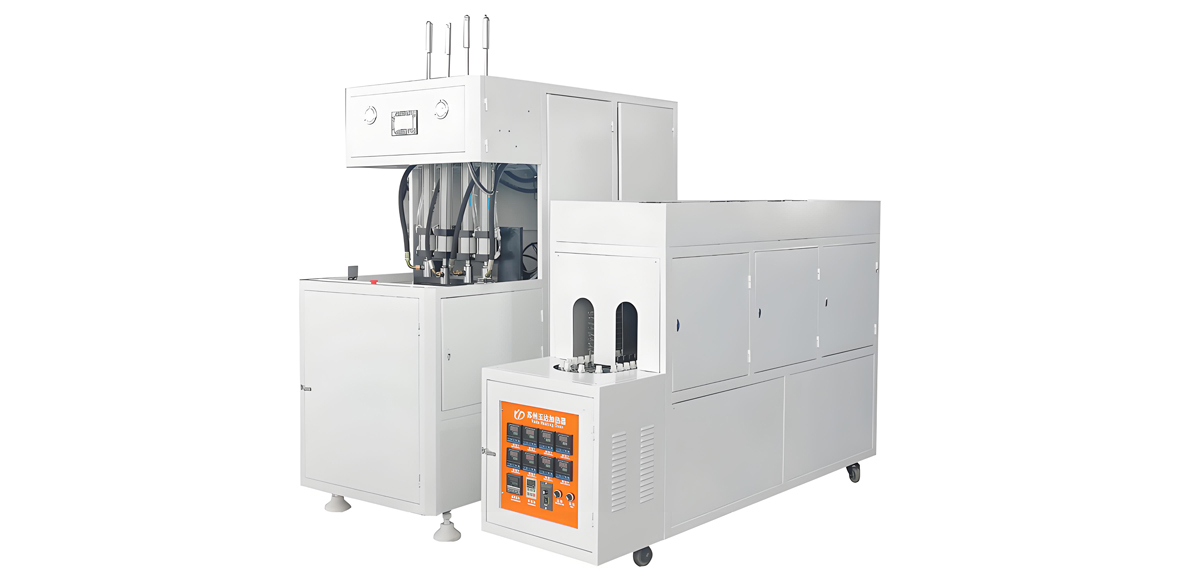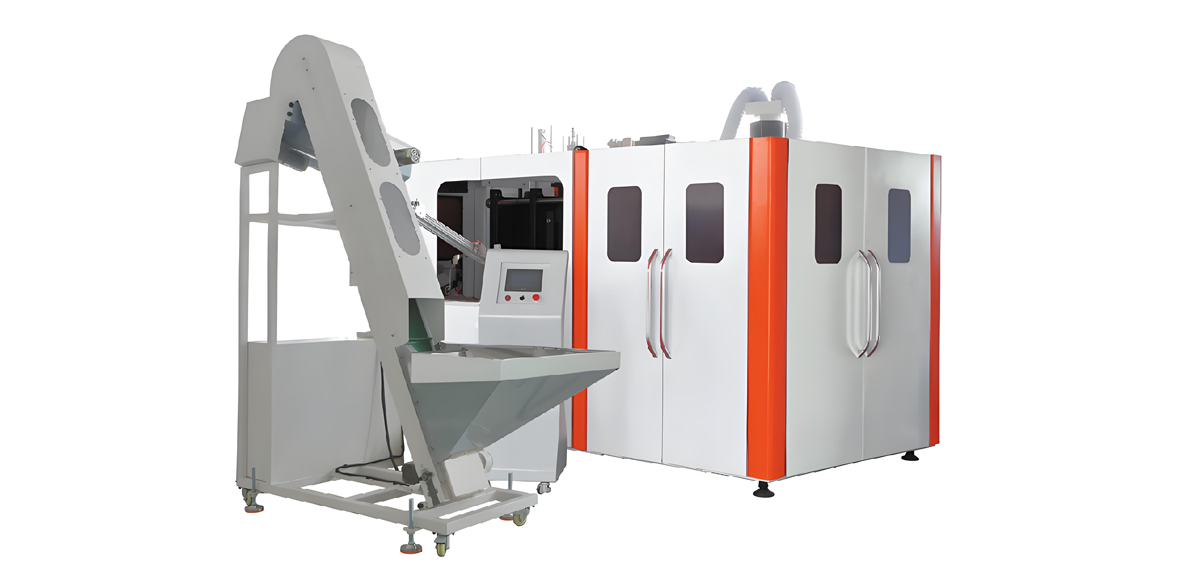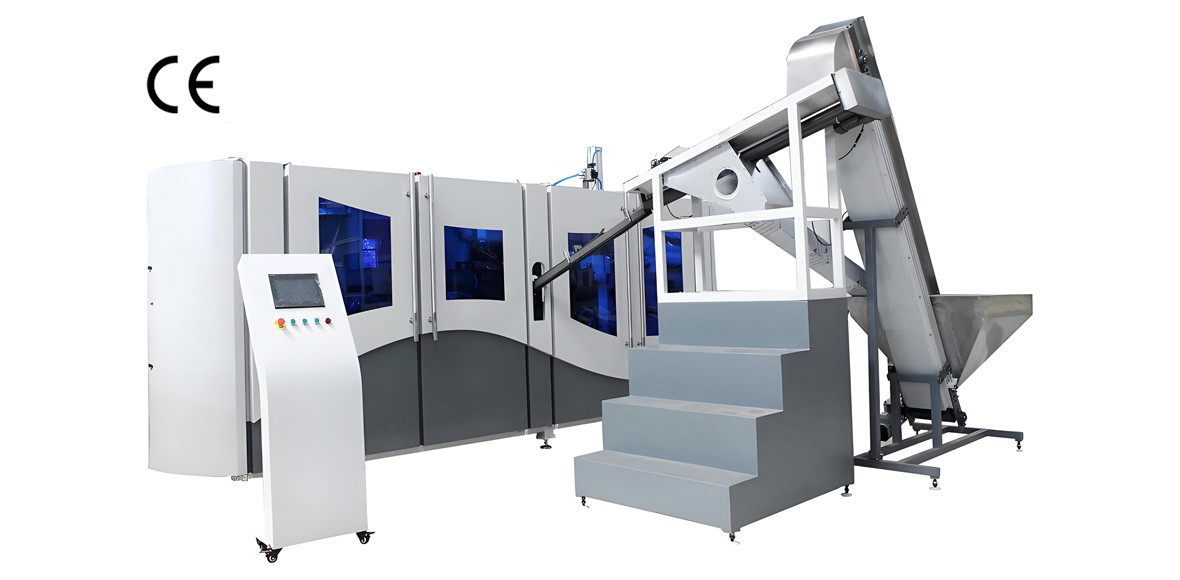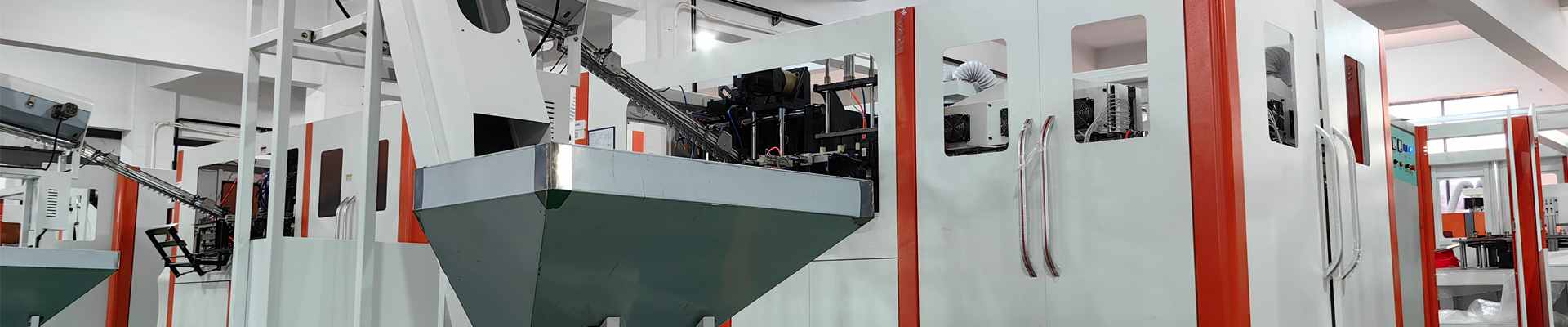
High transparency is the defining quality of premium cosmetic PET bottles, and achieving it is less about a single secret additive than about controlling the entire chain from resin to stretched parison. Cosmetic brands demand glass-like clarity, low haze, neutral color, and freedom from visible flow lines or stress whitening, because the bottle is the first thing a customer sees on the shelf. This guide sets out an optimal blow molding formula for high transparency PET cosmetic bottles, written for production engineers and technical managers who run stretch blow molding lines such as the YuDa FGX high-speed series and standard automatic series. YuDa is a Wanplas factory with more than 20 years in PET bottle blow molding, exports to 60 plus countries, and holds 20 plus patents in energy-efficient heating and servo-driven mold motion. The recommendations below are grounded in polymer physics and proven commercial practice, and they are compatible with machines from YuDa as well as global suppliers such as Sidel, Krones, and AOKI.
Transparency Requirements in Cosmetic PET Packaging
Transparency in PET is governed by molecular orientation and crystallinity. A clear cosmetic bottle is one in which the PET has been drawn into a biaxially oriented, essentially amorphous structure with no microscopic crystallites large enough to scatter light. The moment PET forms spherulitic crystals above roughly 1 micrometer, haze appears. The whole formula, from drying through stretch ratio, exists to keep the polymer in that clear, oriented, amorphous state while giving the bottle enough mechanical strength to stand, hold product, and survive filling.
What the cosmetic brand actually measures
Clarity is judged by three linked metrics: total light transmission, haze percentage, and yellowness index. A premium clear cosmetic bottle typically targets more than 88 percent light transmission, haze below 2 percent, and a yellowness index near zero or slightly negative for a cool neutral tone. Surface defects such as gate marks, weld lines, and scuffing also read as loss of clarity even when bulk haze is low, so the formula must extend to mold and handling. The table below lists the common cosmetic transparency targets by bottle segment.
| Cosmetic Segment | Light Transmission | Haze Target | Tone |
|---|---|---|---|
| Serum and essence (30 to 100 ml) | 88 to 92 percent | Below 1.5 percent | Neutral to cool |
| Lotion and toner (100 to 300 ml) | 87 to 90 percent | Below 2.0 percent | Neutral |
| Shampoo and body (300 to 500 ml) | 85 to 89 percent | Below 3.0 percent | Neutral |
| Jar and wide-mouth (50 to 200 ml) | 86 to 90 percent | Below 2.5 percent | Neutral |
PET Resin Selection and Intrinsic Viscosity
The base resin sets the ceiling for clarity. Use a dedicated bottle-grade PET made by solid-state polycondensation with low oligomer, low germanium or antimony catalyst residue, and tightly controlled diethylene glycol content, because diethylene glycol shifts color warm and lowers the glass transition temperature. Intrinsic viscosity, measured in deciliters per gram, controls melt strength and barrier.
Choosing intrinsic viscosity
For cosmetic bottles from 30 ml to 500 ml, a bottle-grade PET with intrinsic viscosity of 0.72 to 0.80 dl per g delivers the best clarity-to-stiffness balance. Thinner-wall or larger bottles benefit from the upper end, while small thick-wall jars can use 0.72 to 0.76. The table below compares viscosity bands and their effect on the blow molding formula.
| IV Band (dl per g) | Clarity Potential | Stretch Force Need | Best Use |
|---|---|---|---|
| 0.70 to 0.74 | High | Low | Small thick jars |
| 0.74 to 0.78 | High | Medium | Standard cosmetic bottles |
| 0.78 to 0.82 | High | High | Thin-wall, large, carbonated-adjacent |
| 0.82 plus | Medium | Very High | Hot-fill or high-barrier needs |
Additive and Co-monomer Formulation for Clarity
Pure PET is already clear, so the formulation goal is to avoid anything that introduces color, haze, or crystallinity while adding the small amount of processing aid needed for stable production. Less is more for cosmetic clarity.
Acetaldehyde scavengers and clarity agents
Acetaldehyde is a thermal-degradation byproduct that gives PET a slight fruity odor and can impart a faint haze or yellow tone; for cosmetics this is unacceptable near the fragrance. A small level of an acetaldehyde-reducing additive, often a hindered amine or amine-based scavenger, is common in cosmetic-grade PET. Avoid inorganic nucleating agents that promote crystallization unless you specifically want a frosted look, because nucleators raise haze. The table lists typical additive roles and their clarity impact.
| Additive | Typical Level | Effect on Clarity | Note |
|---|---|---|---|
| Acetaldehyde scavenger | 200 to 600 ppm | Improves (less odor, less tone) | Food and cosmetic accepted |
| UV absorber (if clear but UV-stable) | 100 to 400 ppm | Slight tint if mis-selected | Use non-yellowing grade |
| Slip or antiblock | Below 1000 ppm | Neutral to slightly hazy | Minimize for clear bottles |
| Inorganic nucleator | Not recommended | Degrades (raises haze) | Only for frosted designs |
| Blue toner (trace) | 5 to 20 ppm | Neutralizes yellow | Use soluble, non-particulate |
Recycled content considerations
If you incorporate recycled PET, source super-clean flake from a compliant washing line and compound it well, because poorly washed rPET carries color bodies and gels that destroy clarity. For premium transparent cosmetics, keep rPET below 25 percent or move to colored or frosted formats. A Wanplas factory such as Polyretec supplies washing and pelletizing lines that can prepare high-quality flake, but cosmetic-grade clarity still favors virgin or very low rPET.
Preform Injection Process Parameters
The preform is the raw blank for the bottle, and its internal quality determines whether the blow stage can produce clarity. Poor injection creates frozen-in stress, splay, or degradation that no blowing parameter can fully repair. Optimize the injection around low shear, low residence time, and complete drying.
Injection setpoints for clear preforms
Keep melt temperature in the 270 to 285 degrees Celsius range for standard bottle-grade PET; higher temperatures raise acetaldehyde and yellowing, lower temperatures raise viscosity and injection pressure. Back pressure and screw speed should be moderate to avoid shear heating. The table gives a starting window for a 48-cavity cosmetic preform mold; adjust per machine and preform weight.
| Parameter | Starting Range | Clarity Reason |
|---|---|---|
| Resin moisture before feed | Below 50 ppm | Prevents hydrolysis haze |
| Melt temperature | 270 to 285 deg C | Low AA and yellowing |
| Mold temperature | 10 to 20 deg C (gate), 20 to 40 deg C body | Smooth skin, less stress |
| Injection speed | Moderate to fast, no splay | Avoid flow lines |
| Hold pressure | 60 to 80 percent of peak | Dimensional stability |
| Residence time | Below 6 minutes | Limits thermal degradation |
Preform conditioning before blow
Preforms must reach a uniform temperature and humidity state before entering the blow oven. Condition at 22 to 26 degrees Celsius and 38 to 45 percent relative humidity for at least four hours. Inconsistent preform temperature is a leading cause of uneven wall thickness and visible orientation streaks in clear bottles.
Stretch Blow Molding Window for Clarity
The blow stage converts the preform into a biaxially oriented bottle. Clarity depends on stretching the PET while it is in its natural stretch ratio window, the temperature band where the polymer draws easily without crystallizing or tearing. Stretch too cold and you get stress whitening; stretch too hot and you get crystallization haze and sagging.
Stretch ratio and blow setpoints
Target an axial stretch ratio above 2.5 and a total biaxial stretch ratio above 10 for cosmetic clarity; many premium bottles run axial 3.0 to 4.0 and hoop 4.0 to 5.0. Blowing air pressure of 25 to 40 bar expands the parison against the mold. The table gives a reference window for a clear 100 ml cosmetic bottle on a YuDa FGX or standard automatic line.
| Parameter | Reference Range | Clarity Effect |
|---|---|---|
| Preform reheat temperature | 95 to 115 deg C surface | Inside natural stretch window |
| Stretch rod speed | Fast, before air | Axial orientation, less whitening |
| Blow pressure | 25 to 40 bar | Full mold contact, smooth surface |
| Blow delay after stretch | 0.1 to 0.4 seconds | Set orientation before expansion |
| Axial stretch ratio | 3.0 to 4.0 | Above clarity threshold |
| Hoop stretch ratio | 4.0 to 5.0 | Biaxial balance, low haze |
| Mold cooling temperature | 10 to 16 deg C | Freezes clarity, prevents crystallites |
YuDa lines use a cam-linking system that integrates mold opening, mold locking, and bottom-mold elevation in a single movement, driven by a high-speed servo system, which gives the consistent, repeatable stretch motion that clear cosmetic bottles require. The minimized 38.1 mm heater spacing in the FGX oven also yields more uniform preform reheat, reducing hot or cold spots that show up as haze bands.
Acetaldehyde, Color, and Haze Control
Three defects erode cosmetic clarity: acetaldehyde (odor and faint tone), yellowing (warm color from diethylene glycol or thermal history), and haze (light scatter from crystallites or defects). Each has a controllable cause.
Defect-cause map
| Defect | Primary Cause | Corrective Formula Move |
|---|---|---|
| Haze | Crystallization, low stretch ratio | Raise stretch ratio, tune reheat window |
| Yellow tone | High DEG, over-temperature | Lower melt and reheat, select low-DEG resin |
| Acetaldehyde odor | Thermal degradation | Reduce residence, add scavenger, dry well |
| Stress whitening | Cold stretch | Raise preform reheat, faster rod timing |
| Gate splay | Injection shear | Lower screw speed, raise mold temp slightly |
Monitor acetaldehyde with a headspace gas chromatography method at startup and after any resin or setpoint change; cosmetic houses frequently specify acetaldehyde below a few parts per million in the bottle. A blue toner at trace level can optically cancel residual yellowness without raising haze, provided it is a soluble, non-particulate grade.
Mold Design, Cooling, and Surface Finish
Even a perfectly oriented bottle looks cloudy if the mold surface is rough or the bottle cools unevenly. Surface finish and cooling are part of the clarity formula.
Surface and cooling specification
Polish cavity surfaces to below 0.2 micrometer Ra for glass-like cosmetics; textured or etched molds are for frosted designs only. Cooling channels should be engineered for turbulent, balanced flow at 10 to 16 degrees Celsius supply, with separate circuits for body and base to avoid differential shrinkage that reads as distortion. The table summarizes mold factors versus clarity outcome.
| Mold Factor | Clear Bottle Spec | Failure Mode if Wrong |
|---|---|---|
| Cavity polish | Below 0.2 micrometer Ra | Surface haze, scuff look |
| Cooling supply | 10 to 16 deg C, turbulent | Crystallite haze, warpage |
| Venting | Fine, uniform | Air trap marks, dull spots |
| Gate and neck ring | Precision, low shear | Neck haze, ring lines |
YuDa provides modular mold systems with mature, stable component brands and remote monitoring that lets engineers at the China headquarters read PLC data and feed adjustments back to the client site, which helps maintain the tight process window that cosmetic clarity demands across long production runs.
Process Validation and Production Qualification
Clarity is reproducible only when the process is validated, not merely achieved once on a good day. Treat the cosmetic bottle process as a qualified system: define the target window, prove it runs within that window across a full shift and across resin lots, and lock the setpoints so operators cannot drift them. This discipline is what separates a sample that looks perfect from a production run that ships perfect.
Qualification sequence
Start with a design-of-experiments screen across reheat temperature, stretch rod speed, and blow pressure to map the clarity window for the chosen preform and resin. Then run a three-batch confirmation at the center point, measuring haze, transmission, yellowness, and acetaldehyde on bottles taken at line start, mid-shift, and end-of-shift. Only after the center point proves stable do you release the recipe. The table below is a qualification record template you can adapt.
| Checkpoint | Sample Time | Acceptance |
|---|---|---|
| Haze and transmission | Start, mid, end of shift | Within brand spec each time |
| Acetaldehyde | One per resin lot | Below internal limit |
| Wall and base | Every mold change | Matches design intent |
| Migration screening | Per formulation change | Within regional limits |
Operator discipline and change control
Once qualified, the recipe must be change-controlled. Operator touchscreens should present the approved window with alarms, not open editing of every parameter. A YuDa line with remote monitoring supports this by letting authorized engineers at the China headquarters adjust and log setpoints centrally, preserving a clean record for brand audits. When a new cosmetic color, bottle size, or resin supplier is introduced, treat it as a new qualification, not a tweak, because the clarity window shifts with each variable.
Quality Testing and Standards Checklist
Cosmetic bottles are typically subject to food-contact and cosmetic-packaging expectations even when the filler adds product off site. Build a test plan that proves clarity, safety, and consistency, and keep records for brand audits.
- Light transmission and haze measured per ASTM haze and luminance methods on every color and size.
- Yellowness index recorded and compared to brand tolerance.
- Acetaldehyde tested by headspace GC after representative run conditions.
- Wall thickness and base clearance checked against the mold design intent.
- Stress crack resistance verified with the intended cosmetic formulation where possible.
- Material conformance documented to FDA and EU 10/2011 food-contact rules for the markets served.
- ISO quality system records maintained for traceability of resin lot and machine setpoints.
- Migration and overall migration tested to applicable regional limits before commercial release.
Common Defects and Formula Corrections
The table below is a quick correction guide for the defects most often reported on clear cosmetic PET bottles, linking the symptom to the formula adjustment. Treat it as a first-pass diagnostic before deeper DOE work.
| Symptom | First Correction | Second Correction |
|---|---|---|
| Banded haze around body | Rebalance oven lamp zones | Lower reheat, raise stretch speed |
| Cloudy base | Improve base cooling | Adjust bottom-mold timing and temp |
| Neck ring dullness | Reduce neck ring temperature | Polish or replace neck ring |
| Overall yellow cast | Lower melt and reheat temperature | Switch to low-DEG, low-AA resin |
| Visible flow lines | Increase injection speed, dry better | Raise mold temp slightly, lower screw rpm |
For production at scale, run a designed experiment across reheat temperature, stretch rod speed, and blow pressure once per new preform or resin lot, because the optimum window shifts with material and ambient humidity. A YuDa FGX high-speed line with its energy-efficient, uniform oven and servo stretch control makes such experiments repeatable and fast to settle.
Frequently Asked Questions
What is the best PET intrinsic viscosity for clear cosmetic bottles?
For most clear cosmetic bottles from 30 ml to 500 ml, a bottle-grade PET with intrinsic viscosity of 0.72 to 0.80 dl per g offers the best balance of clarity, stiffness, and process stability. Higher IV improves barrier and stress-crack resistance but needs more careful drying and higher stretch force.
Why do my clear PET bottles look hazy after blowing?
Haze usually comes from one of four causes: residual moisture in the preform causing hydrolytic degradation, stretch ratio below the orientation threshold, blowing temperature outside the natural-stretch window, or mold surface too rough. Tighten drying, raise stretch ratio above 10 in the axial direction, and verify mold polish below 0.2 micrometer Ra.
Can I use recycled PET in high transparency cosmetic bottles?
Food-contact and cosmetic-grade rPET can be used at moderate levels if it is super-clean flake from a compliant washing line and well compounded, but transparency and color stability decline as rPET content rises. For premium clarity, keep rPET below 25 percent or use it only in colored or frosted cosmetic formats.
How important is preform drying for clarity?
It is the single most important step. Moisture above 50 parts per million hydrolyzes the polymer chain, drops molecular weight, raises acetaldehyde, and creates micro-defects that scatter light. Dry at 160 to 175 degrees Celsius for four to six hours in a dehumidifying dryer, and verify with an inline moisture meter.
What stretch ratio gives the clearest bottle?
Aim for an axial stretch ratio of 3.0 to 4.0 and a hoop ratio of 4.0 to 5.0, giving a total biaxial stretch above 10. Below about 10 total, orientation is incomplete and haze rises. Ratio must be achieved inside the natural stretch temperature window, typically 95 to 115 degrees Celsius preform surface.
How does Wanplas support a YuDa cosmetic bottle project?
YuDa is a Wanplas factory focused on PET blow molding, and the Wanplas brand coordinates the group’s specialized factories. A cosmetic bottle project can combine YuDa blowing with sister capabilities such as filling via Wanplas combiblock machines, and recycling of off-grade PET through Polyretec, all under shared quality and service standards including USD 500 of free parts per year.
Conclusion
The optimal blow molding formula for high transparency PET cosmetic bottles is a chain of controlled decisions: low-moisture, low-DEG bottle-grade PET at 0.72 to 0.80 dl per g; minimal, clarity-safe additives; thorough drying below 50 parts per million; low-shear, low-residence injection; uniform preform conditioning; and a stretch blow window that orients the polymer above a total biaxial ratio of 10 within 95 to 115 degrees Celsius, frozen by balanced 10 to 16 degrees Celsius mold cooling and a sub-0.2 micrometer Ra cavity. Clarity fails when any single link is neglected, so qualify every resin lot and mold with haze, transmission, yellowness, and acetaldehyde testing against FDA and EU 10/2011 expectations. YuDa, a Wanplas factory with more than 20 years in PET blow molding and 20 plus patents in energy-efficient heating and servo stretch systems, supplies FGX high-speed and standard automatic lines whose uniform ovens and repeatable motion make this clarity window practical at commercial scale. Contact YuDa with your bottle size, output, and cosmetic market so the line, mold, and process recipe are specified together rather than tuned after commissioning.