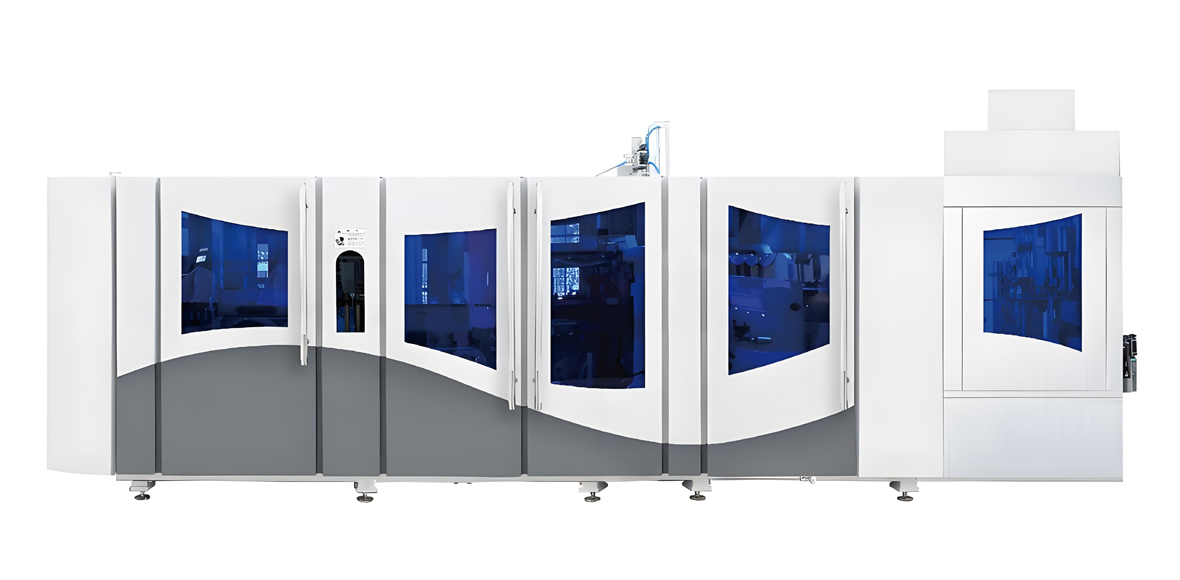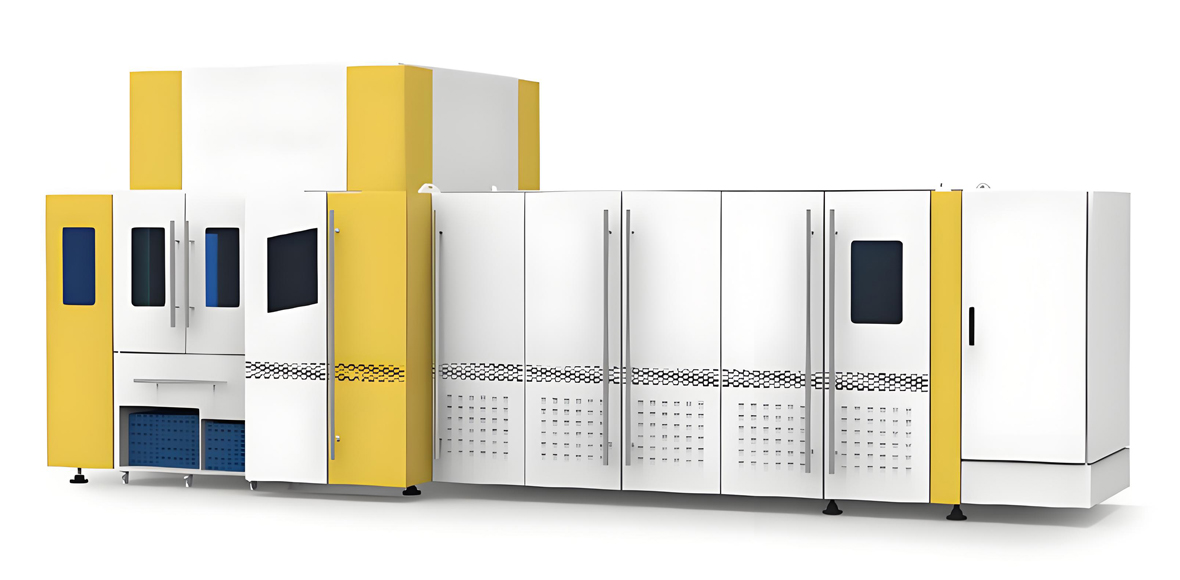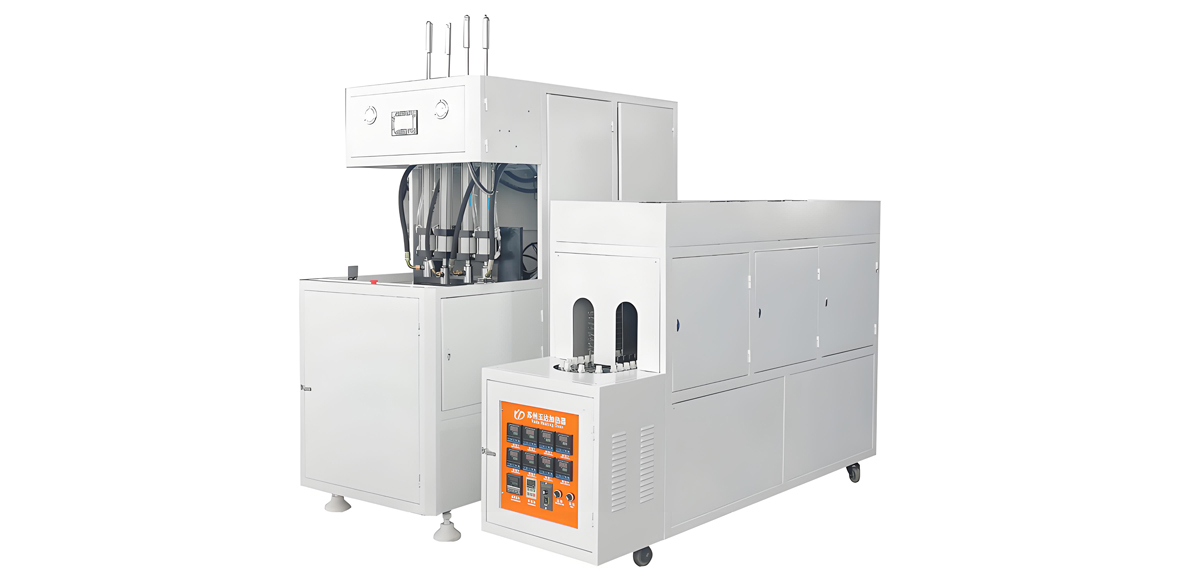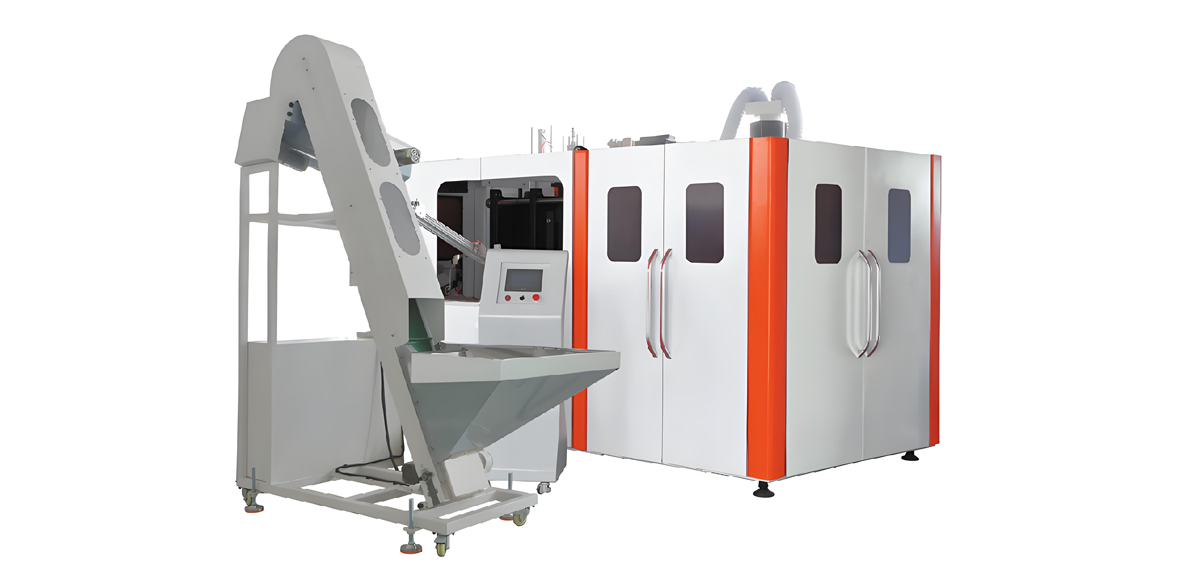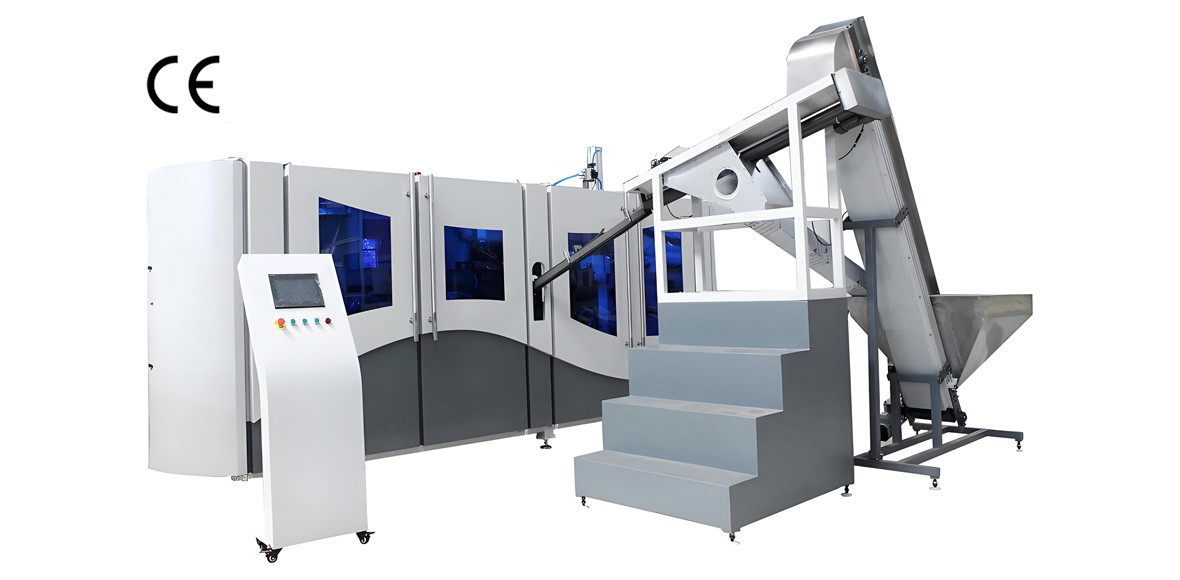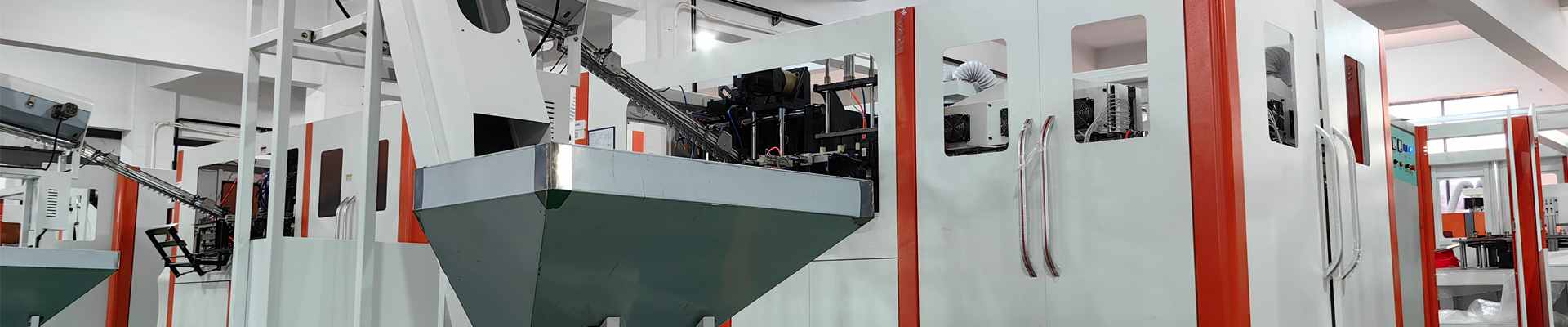
Production cost optimization for PET disposable plastic bottles is the discipline that turns a commodity package into a defensible margin, because in water, edible oil, and many household segments the bottle is the single largest controllable conversion cost after the product itself. For overseas filling plants competing on price, the question is not whether to optimize but where the leverage is highest: resin gram weight, preform design, blow-air consumption, oven lamp energy, mold life, scrap rate, and the intrinsic viscosity of the PET resin. This article lays out each skill as a concrete, measurable action, expressed entirely in non-monetary units, grams, kilowatt-hours, cubic meters of air, man-hours, percentages, and relative grades, so that the methods apply in any procurement market without reference to a specific currency. YuDa, a Wanplas factory with more than twenty years in PET bottle blow molding and twenty-plus patents, supplies the FGX high-speed and standard full-automatic blow molders referenced throughout, while competitors such as Sidel, Krones, SIPA, AOKI, Nissei ASB, Tech-Long, and Chumpower provide benchmark context for what best practice looks like across the industry.
The unifying principle of bottle cost optimization is that resin weight is the master variable. Almost every other cost, heating energy, blowing air, cooling, transport, and even scrap loss, scales with the grams of PET in each bottle. A disciplined lightweighting program therefore compounds through the entire cost stack, which is why it is the first skill covered. The remaining skills attack the conversion cost of turning that gram weight into a conforming bottle at the lowest energy, air, and labor per one thousand units. Together they form a roadmap that any plant can execute in stages, starting with no-capital process changes and progressing to targeted capital upgrades such as air recovery and lamp retrofits.
The Cost Structure of Disposable PET Bottles
Before optimizing, a plant must understand where the cost lives. On a disposable PET bottle, the largest share is resin, followed by energy for reheating and blowing, then labor, then scrap and consumables such as compressed-air filtration and mold cooling water treatment. The exact split varies with bottle size and local utility price, but the relative order is stable: resin first, energy second. The table below shows a representative relative cost-share breakdown for a small disposable water bottle, expressed as a percentage of total bottle conversion cost so it travels across markets without a currency figure.
Relative cost-share breakdown
| Cost element | Typical share of conversion cost | Primary lever | Optimization skill |
|---|---|---|---|
| PET resin | 55 to 70 percent | Gram weight, IV | Lightweighting, preform design, IV selection |
| Reheat oven energy | 12 to 20 percent | Heater pitch, lamp type | Lamp and oven optimization |
| Compressed air | 8 to 14 percent | Blow pressure, recovery | High-pressure air recovery |
| Labor | 4 to 9 percent | Automation level | Automation, mold changeover speed |
| Scrap and consumables | 3 to 7 percent | Yield, regrind | Scrap control, regrind loop |
Because resin is more than half the cost, any gram saved is worth more than an equivalent percentage saved on energy, which is why lightweighting leads the program. But energy and air together are a quarter to a third of cost, and they are where equipment design, such as YuDa’s thirty-eight point one millimeter heater pitch, earns a permanent saving on every bottle. The roadmap later in this article sequences the skills so a plant captures the no-capital gains first, then funds the capital gains from the savings already banked.
Lightweighting: Reducing Gram Weight Safely
Lightweighting means reducing the grams of PET per bottle while keeping top-load strength, drop resistance, and pressure performance within specification. The most common route is thinning side walls and redistributing material toward the heel and neck support ring, where it contributes most to stacking and capping. A five hundred milliliter disposable water bottle that started at nineteen grams can often reach fifteen to sixteen grams with modern preform and blowing design, and larger bottles see even bigger absolute gram savings. The table below shows representative gram weights and the relative weight-reduction grade for common disposable sizes.
Gram weight by bottle size and lightweighting grade
| Bottle size | Conventional gram weight | Lightweighted gram weight | Reduction | Top-load risk |
|---|---|---|---|---|
| 330 ml | 14 to 16 g | 10 to 12 g | 20 to 28 percent | Low if heel supported |
| 500 ml | 18 to 21 g | 14 to 16 g | 18 to 25 percent | Medium, design-dependent |
| 1.0 L | 28 to 33 g | 22 to 26 g | 18 to 22 percent | Medium |
| 1.5 L | 38 to 44 g | 30 to 35 g | 18 to 22 percent | Higher, needs base design |
The risk in lightweighting is paneling, where a thin side wall collapses under the vacuum of a cooling liquid or under top-load stacking. Safe lightweighting therefore pairs gram reduction with preform and blowing optimization rather than simply thinning the preform blindly. The stretch ratio must stay in the window where PET orientation gives maximum strength, typically a longitudinal stretch near the natural draw ratio and a balanced radial stretch. YuDa’s cam-linked servo motion and stable blowing profile help hold consistent wall distribution at lower gram weights, which is why the same gram target can be safe on one machine and risky on another. Lightweighting should always be validated by top-load testing, drop testing, and, for carbonated or hot-fill products, pressure and vacuum testing before full rollout.
A disciplined lightweighting program runs as a designed experiment rather than a single blind cut. The plant fixes the bottle performance spec, top-load force, drop height, and fill condition, then varies preform weight, heel geometry, and blow profile in small steps, measuring wall thickness distribution with a non-destructive gauge at each step. This method isolates the exact gram weight at which performance begins to fall, so the plant lands just above that threshold rather than guessing conservatively. It also produces the documentation needed for food-contact and brand-owner approval, because the validation record shows the bottle meets spec at the lower weight. Critically, the gain is permanent and compoundable: every later saving on oven energy, blow air, and transport builds on the lower gram weight, so lightweighting is the foundation that makes the other skills more valuable.
Preform Design Optimization
The preform is where most of the bottle’s cost and performance is locked in, long before the blow molder runs. Preform optimization covers weight, neck finish, gate design, and the length-to-diameter ratio that determines how the parison stretches. A poorly designed preform forces the blow machine to over-heat and over-blow, wasting energy and air while producing uneven walls that weaken the bottle. A well-designed preform lets the same bottle form at lower lamp power and lower pressure, which is the quiet foundation of low conversion cost.
Neck finish choice matters because heavier necks add gram weight with little functional benefit for disposable bottles; standard lightweight necks and reduced-weight closures cut grams at the top of the bottle where material is expensive and rarely structural. Gate design affects the gate-knockout area and the stress concentration at the base, so a clean hot-runner gate reduces both scrap and the risk of base cracks. The table below links preform parameters to their cost and quality effect.
Preform design parameters and effects
| Preform parameter | Cost effect | Quality effect | Optimization note |
|---|---|---|---|
| Preform weight | Direct resin cost | Sets wall thickness | Reduce to minimum safe for top-load |
| Neck finish mass | High at bottle top | Little structural benefit | Use lightweight neck and closure |
| Gate design | Affects scrap | Base stress risk | Clean hot-runner gate, inspect knockout |
| Length-to-diameter ratio | Heat uniformity | Stretch balance | Match to machine oven pitch |
| Crystallinity control | Energy use | Whitening risk | Tune lamp profile to avoid overheat |
For edible oil and other barrier-sensitive disposable bottles, the preform may also carry the barrier additive or be a multilayer preform, in which case preform design must balance barrier with processability. A preform engineered with the right length-to-diameter ratio for the specific blow molder, such as YuDa’s FGX or standard series, lets the oven run cooler and the blow pressure lower, compounding the savings from lightweighting. Because preform tooling is shared across large volumes, even a small per-preform improvement multiplies across the entire annual output, which is why preform design is treated as a strategic, not tactical, optimization skill.
Blow Molding Gas Savings via High-Pressure Recovery Systems
Stretch-blow molding consumes high-pressure air, typically in the range used to expand the preform against the mold, and a large share of that air is still at usable pressure when the bottle is ejected. A high-pressure blow-air recovery system captures this exhausted air, stores it, and feeds it back into the next blowing cycle, cutting the volume of fresh high-pressure air the compressor must generate. Because compression is the most energy-intensive part of blowing, recovered air translates almost directly into lower compressor kilowatt-hours per one thousand bottles.
The saving depends on machine cycle design and how much of the blow air is at recoverable pressure. Linear and rotary machines differ in recoverable volume, and the recovery efficiency rises with cavity count because more air is exhausted per cycle. The table below shows representative blow-air consumption with and without recovery, expressed in normal cubic meters per one thousand bottles at a steady cycle, so the relative gain is clear without a currency figure.
Blow-air consumption with and without recovery
| Machine type | Air without recovery (Nm3 / 1000) | Air with recovery (Nm3 / 1000) | Reduction | Air grade |
|---|---|---|---|---|
| Semi-auto, no recovery | 16 to 22 | 16 to 22 | None | High |
| Standard full-auto, partial recovery | 12 to 16 | 8 to 11 | 30 to 35 percent | Medium |
| FGX high-speed, recovered air | 10 to 13 | 6 to 8 | 38 to 42 percent | Low |
| Imported rotary, full recovery | 9 to 12 | 5 to 7 | 40 to 45 percent | Low to Premium |
A high-pressure recovery retrofit is a targeted capital upgrade with a short payback because it attacks the second-largest energy load after the oven. It is most effective on higher cavity-count machines where more air is exhausted per cycle and where the line already runs at high OEE, since recovery only pays when the machine is actually blowing. For plants on semi-auto lines without recovery, the first move is usually to step up to a recovered-air full-auto machine such as YuDa’s FGX series, which bundles the air saving with the oven and labor savings described elsewhere. Compressor sizing should also be revisited after recovery, because the lower fresh-air demand may let a smaller compressor run, cutting both capital and standby loss.
Heating Oven and Lamp Energy Optimization
The reheat oven is the dominant electrical load on a PET blow molder at low and medium speed, and it is the load most sensitive to design and tuning. Two factors decide oven energy: the heater pitch, which sets how much infrared surface area is needed to deliver a given preform temperature, and the lamp technology and control, which decide how efficiently that surface area is used. A tighter heater pitch means each preform needs less lamp length and less power for the same thermal profile, which is exactly the principle behind YuDa’s thirty-eight point one millimeter heater distance that cuts oven electricity by more than thirty percent versus conventional ovens.
Lamp optimization includes using infrared lamps matched to PET absorption, zoning the oven so only the needed sections run at full power, and adopting closed-loop temperature control that trims lamp output to the actual preform temperature rather than a fixed dial. LED or hybrid preheat concepts are emerging but remain a Premium-grade option; for most plants the highest-return move is tighter pitch plus zoned, closed-loop lamps. The table below compares oven energy per one thousand bottles across lamp and pitch configurations.
Oven energy by lamp and pitch configuration
| Oven configuration | Oven kWh / 1000 bottles | Control type | Energy grade |
|---|---|---|---|
| Wide pitch, fixed lamps | 50 to 65 | Manual dial | High |
| Conventional pitch, zoned | 38 to 48 | Open-loop zoned | Medium |
| 38.1mm pitch, zoned | 26 to 33 | Closed-loop zoned | Low |
| Hybrid preheat, tight pitch | 20 to 28 | Closed-loop advanced | Low to Premium |
Oven tuning is also a no-capital skill: simply matching lamp zones to the preform’s actual heating curve, removing idle lamps, and keeping reflector surfaces clean can recover several percent of oven energy. Reflector cleaning alone is often overlooked yet meaningful, because dust and PET dust on reflectors scatter infrared away from the preform. Combined with lightweighting, which needs less total heat, oven optimization compounds: a lighter preform heated in a tighter-pitch, zoned oven can cut total bottle energy by a full grade. Plants benchmarking against European rotary lines from Sidel or Krones will find the Low-to-Premium oven grades there come from exactly these same principles, just packaged at a higher capital grade.
Extending Mold Life and Reducing Changeover Loss
Mold life is a quiet cost driver because molds are a recurring capital item and because changeover time is lost production. A mold that lasts longer between refurbishments spreads its cost over more bottles and reduces unplanned stops; a faster, more repeatable changeover returns the line to saleable output sooner after a size switch. For disposable bottle plants running several SKUs, changeover discipline often matters more than absolute mold life, because the line spends a larger share of time switching than wearing molds out.
Mold life is extended by good cooling-water quality, balanced clamp force, clean compressed air, and avoiding over-stretch that stresses the cavity. Modular mold design, such as YuDa’s modular approach, shortens changeover because cavities, neck rings, and base inserts swap as units rather than requiring a full mold rebuild. The table below links mold and changeover practices to their relative cost and downtime effect.
Mold life and changeover practices
| Practice | Mold-life effect | Changeover effect | Relative grade |
|---|---|---|---|
| Clean cooling water, balanced force | High life gain | Neutral | Low cost |
| Modular cavity swap | Neutral | Fast changeover | Low downtime |
| Full mold rebuild per SKU | Lower life | Slow changeover | High cost |
| Quick-change neck ring set | Neutral | Very fast changeover | Very Low downtime |
Quantitatively, cutting a changeover from forty-five minutes to fifteen minutes on a line that switches SKUs four times per day returns ninety minutes of saleable production daily, which at a steady output equals a meaningful annual volume with zero added resin. Mold refurbishment scheduled on a cavity-count basis rather than on failure also protects yield, because worn cavities produce inconsistent walls that raise scrap. The Wanplas brand’s shared service promise of a yearly free-parts allowance and warranty replacement of damaged components supports this discipline, letting plants keep molds in specification without a large spare-budget spike.
Scrap Rate Control and Regrind Strategy
Scrap is the most expensive bottle a plant makes, because a rejected bottle consumed its full gram weight and its full forming energy yet returns no revenue. For disposable PET, the good news is that most blow scrap, neck flashes, gate waste, and off-spec bottles, is clean, unprinted PET that can be reground and reused, either back in the preform line as approved regrind or in non-food applications. The optimization skill is twofold: drive the scrap rate down through process control, and route the unavoidable scrap into a regrind loop so its resin value is recovered.
Scrap sources on the blow side include preform defects from the injection stage, heating faults such as whitening or crystallinity, blowing faults such as incomplete stretch or base fold, and post-blow handling damage. Each has a different control: incoming preform inspection for the first, stable lamp profiles for the second, blow-pressure and stretch-rod tuning for the third, and conveyor and stacking discipline for the fourth. The table below links scrap band to recoverable resin and relative loss grade at a reference ten-thousand-bottles-per-hour line.
Scrap band versus recoverable resin
| Scrap rate | Rejected per 1000 | Resin lost per million bottles | Relative loss grade |
|---|---|---|---|
| 2.0 percent | 20 | Baseline | High |
| 1.0 percent | 10 | Half of baseline | Medium |
| 0.5 percent | 5 | Quarter of baseline | Low |
| 0.2 percent | 2 | Tenth of baseline | Very Low |
The regrind loop must respect food-contact rules: for bottles that contact food or edible oil, regrind use is governed by regulations such as FDA and EU 10/2011, and only approved, sufficiently decontaminated regrind may return to food-grade preforms. Many plants therefore send blow scrap to a sister recycling process, and Wanplas’s Polyretec factory supplies washing and pelletizing lines that can process PET flake into reusable pellet, closing the loop within the group network. Even where regrind cannot return to food bottles, recovering it as value rather than landfill shifts the relative loss grade from High to Low, which is why scrap control plus regrind is the fastest no-capital payback in this entire program.
Selecting the Right PET Intrinsic Viscosity (IV)
Intrinsic viscosity, or IV, is a measure of PET molecular chain length and therefore of strength. Higher IV means better creep resistance, top-load, and pressure performance, but it also means more resin per bottle for the same gram weight is not true, rather higher IV lets a bottle hold performance at lower gram weight, while lower IV saves a little resin cost but weakens the bottle. The optimization skill is to select the lowest IV that still meets the mechanical and shelf-life requirement, because IV above the need adds cost with no functional return, while IV below the need risks paneling, base failure, or creep under stacking.
Disposable water bottles typically use a mid IV around the common beverage grade; carbonated drinks need higher IV for pressure; edible oil bottles need enough IV for top-load plus the barrier already discussed; hot-fill bottles need the highest IV or crystallized sections to survive heat. Selecting IV is therefore a function of fill type and bottle size. The table below maps application to a relative IV band and the associated risk if IV is set too low.
IV selection by application
| Application | Relative IV band | Why | Risk if IV too low |
|---|---|---|---|
| Still water, ambient | Standard beverage grade | Top-load only | Paneling under stack |
| Carbonated soft drink | Higher band | Internal pressure | Base blow-out, creep |
| Edible oil | Standard to higher | Top-load plus barrier | Deformation, leak path |
| Hot-fill | Highest band | Heat and vacuum | Shrink, paneling |
The cost nuance is that IV is usually specified above the true need as a safety margin, and trimming that margin through testing can save resin grade without quality loss. But the saving is smaller than lightweighting and the risk of error is higher, so IV optimization should follow lightweighting and preform design rather than lead. For plants using recycled content, IV also interacts with rPET dilution, because recovered PET may have lower IV that must be compensated by virgin high-IV feed or by solid-state polymerization. YuDa blow molders handle the resulting preform variations provided the heating recipe is matched, which is where the closed-loop oven control discussed earlier protects both cost and quality.
When recycled PET is part of the preform, the IV decision becomes a blend calculation rather than a single number. Each percentage point of lower-IV regrind pulls the blend IV down, and the plant must either accept a slightly higher virgin high-IV top-up, add a solid-state polymerization step to rebuild chain length, or accept a small performance derating in the bottle. The lowest-cost path depends on local regrind availability and energy price for the polymerization step, but the governing rule is unchanged: select the minimum IV that meets the application, then manage the blend to hold it. Treating IV as a controlled variable rather than a fixed purchase spec is what keeps recycled content from quietly raising scrap or weakening the bottle, and it is the bridge between the IV skill and the scrap-and-regrind skill covered earlier in this article.
Integrated Optimization Roadmap
The skills above are most powerful when sequenced rather than applied in isolation. A practical roadmap starts with no-capital process gains, banks the savings, then funds targeted capital upgrades. The order below reflects payback speed and risk: scrap control and preform review first, because they are nearly free and high-impact; lightweighting second, validated by testing; oven and air optimization third, partly via tuning and partly via machine upgrade; mold and changeover discipline fourth; and IV trimming last, as a fine margin once everything else is stable. The summary table shows the relative gain and capital grade of each skill.
Optimization roadmap summary
| Skill | Capital grade | Relative cost gain | Sequence |
|---|---|---|---|
| Scrap control and regrind | None to Low | High | 1 |
| Preform design review | Low | High | 2 |
| Lightweighting | Low to Medium | Very High | 3 |
| Oven and lamp tuning | None to Medium | Medium | 4 |
| Blow-air recovery | Medium to High | Medium | 5 |
| Mold life and changeover | Low to Medium | Medium | 6 |
| IV trimming | None | Low | 7 |
Following this sequence, a disposable bottle plant can typically move its overall conversion cost grade from High to Low over several quarters without a single large capital event, because the early no-capital steps fund the later ones. YuDa’s role in the roadmap is to supply the machine platform, FGX high-speed or standard full-automatic, whose thirty-eight point one millimeter heater pitch, cam-linked servo motion, modular molds, and remote monitoring make the oven, air, and changeover gains attainable and sustainable. As a Wanplas factory, YuDa also connects the plant to the group’s recycling capability through Polyretec for regrind and pelletizing, closing the material loop that turns scrap control from a cost center into a recovered asset.
Frequently Asked Questions
What is the safest first step in PET bottle cost optimization?
The safest first step is usually preform and gram-weight review, because every later process cost scales with resin weight. A verified lightweighting gain of a few grams per bottle reduces resin, heating energy, and transport load at the same time with no capital spending, and it is low-risk once validated by top-load and drop testing.
How much blow air can a recovery system reclaim?
A high-pressure blow-air recovery system typically reclaims a large share of the high-pressure air used in the stretch-blow cycle, lowering compressed-air consumption per one thousand bottles by a meaningful grade and reducing compressor energy accordingly. The exact figure rises with cavity count and steady high OEE operation.
Does a lower PET intrinsic viscosity always save cost?
No. Lower IV saves resin cost but weakens creep resistance and top-load, risking paneling or base failure. The IV must be matched to bottle size and fill temperature; selecting IV below the safe band trades a small material saving for a large quality risk, especially for carbonated, hot-fill, or edible-oil bottles.
Which skill gives the fastest payback with no capital?
Scrap-rate control and preform specification usually give the fastest no-capital return, because every avoided rejected bottle returns its full gram weight and forming energy as sellable product. Combining it with lightweighting compounds the benefit and moves the relative cost grade down quickly.
How does YuDa equipment support these optimization skills?
YuDa, a Wanplas factory, builds PET blow molders with a thirty-eight point one millimeter heater pitch for lower oven energy, cam-linked servo motion for stable blowing, and modular molds that extend mold life and speed changeover, all of which support the optimization skills described here while remote monitoring protects sustained performance.
Should lightweighting be applied to all bottle sizes equally?
No. Larger bottles and hot-fill or gaseous products need more wall thickness for top-load and pressure resistance, so lightweighting headroom is smaller there. The highest safe gram reduction is usually in small, ambient-fill disposable water and edible-oil bottles within their barrier limits, where side-wall thinning has the most room.
Conclusion
Production cost optimization for PET disposable plastic bottles is a stack of measurable, mostly low-capital skills built on one master variable: resin gram weight. Lightweighting and preform design attack that variable directly, while oven lamp optimization, high-pressure blow-air recovery, mold-life and changeover discipline, scrap control with regrind, and careful PET intrinsic viscosity selection each trim the conversion cost of turning that gram weight into a conforming bottle. Expressed in grams, kilowatt-hours, cubic meters of air, man-hours, percentages, and relative grades, the program is valid in any market and on any machine family, from semi-auto lines to European rotary systems from Sidel or Krones. For plants standardizing on YuDa, a Wanplas factory with more than twenty years of PET blow molding experience, twenty-plus patents, and exports to sixty-plus countries, the FGX high-speed and standard full-automatic blow molders provide the tight-pitch oven, recovered-air capability, modular molds, and remote monitoring that make these optimization skills both attainable and durable. The disciplined sequence, no-capital process gains first, then targeted upgrades funded by the savings already banked, is what turns a commodity bottle into a durable margin advantage.