1. Overview of Small PET Cosmetic Bottle Blowing Workshop Project
The small PET cosmetic bottle blowing workshop has become one of the most popular lightweight investment projects in the daily chemical packaging industry in recent years. With the rapid development of the cosmetics, personal care, and beauty packaging markets, the demand for small and medium-sized customized PET cosmetic bottles continues to grow steadily. PET cosmetic bottles are favored by downstream manufacturers for their high transparency, good texture, stable chemical resistance, light weight, and recyclable performance, covering packaging scenarios such as facial cream bottles, lotion bottles, essence bottles, toner bottles, and cosmetic sub-packaging bottles.
Different from large-scale industrial blow molding production lines that require huge investment and large plant area, small PET cosmetic bottle blowing workshops feature low entry threshold, flexible production, small floor space, and fast return on investment. They are very suitable for start-up entrepreneurs, small packaging processing factories, and cosmetic brand supporting processing enterprises. This project mainly relies on professional PET bottle blowing machines to complete automatic heating, stretching, blowing, cooling and shaping of PET preforms, realizing mass production of small and medium-sized cosmetic hollow bottles with capacities ranging from 10ml to 500ml.
Yuda, as a professional manufacturer of high-performance PET bottle blowing equipment, provides targeted small-scale PET bottle blowing machine solutions for start-up blowing workshops. The supporting equipment is optimized for cosmetic bottle production characteristics such as high surface finish, uniform wall thickness, and high molding precision, with low energy consumption, stable operation, and low failure rate. This guide comprehensively analyzes the full-set startup investment composition, detailed cost budget, equipment selection cost, site construction cost, labor and operating cost, and profit estimation of small PET cosmetic bottle blowing workshops, providing accurate and systematic investment reference for project entrepreneurs.
2. Core Business and Production Scope of Small Cosmetic Bottle Blowing Workshop
Before calculating project investment costs, it is necessary to clarify the core production scope and business positioning of the small PET cosmetic bottle blowing workshop, which directly determines equipment selection specifications, site scale, staffing standards, and overall investment budget. Small cosmetic bottle blowing workshops are mainly positioned in customized and small-batch supporting production for the daily chemical packaging industry, focusing on high-precision small-capacity PET cosmetic bottle products that large-scale production lines are unwilling to produce.
The mainstream production products cover various transparent and frosted PET cosmetic packaging bottles, including 10ml to 50ml portable essence bottles, 50ml to 120ml toner and lotion bottles, 150ml to 300ml cosmetic storage bottles, and 300ml to 500ml large-capacity cosmetic sub-packaging bottles. The products support diversified surface processing such as frosting, silk screen printing, hot stamping, and spraying, meeting the high appearance and high-precision packaging requirements of mid-to-high-end cosmetics, skin care products, and personal care products.
In terms of production characteristics, cosmetic PET bottles have stricter production standards than ordinary beverage bottles, requiring ultra-high surface smoothness, no water marks, no scratches, uniform wall thickness, and stable dimensional tolerance. The production process requires precise temperature control, stable stretching and blowing pressure, and clean production environment. The small workshop adopts semi-automatic or full-automatic small PET bottle blowing units, which can flexibly switch product molds and meet the multi-variety and small-batch customized production needs of cosmetic brands, with strong market flexibility and low operational risk.
3. Full-Set Startup Investment Composition of PET Cosmetic Bottle Blowing Workshop
The total startup investment of a standard small PET cosmetic bottle blowing workshop is divided into six core modules: core production equipment investment, auxiliary supporting equipment investment, plant site construction and renovation cost, mold customization cost, pre-production raw material reserve cost, and early-stage operation and certification reserve fund. Each module has clear industry standardized budget standards, and the overall investment scale is adjusted according to production capacity demand and automation configuration. This chapter conducts item-by-item detailed cost analysis and price estimation for all startup investment links.
3.1 Core Production Equipment Investment Cost (PET Bottle Blowing Machine)
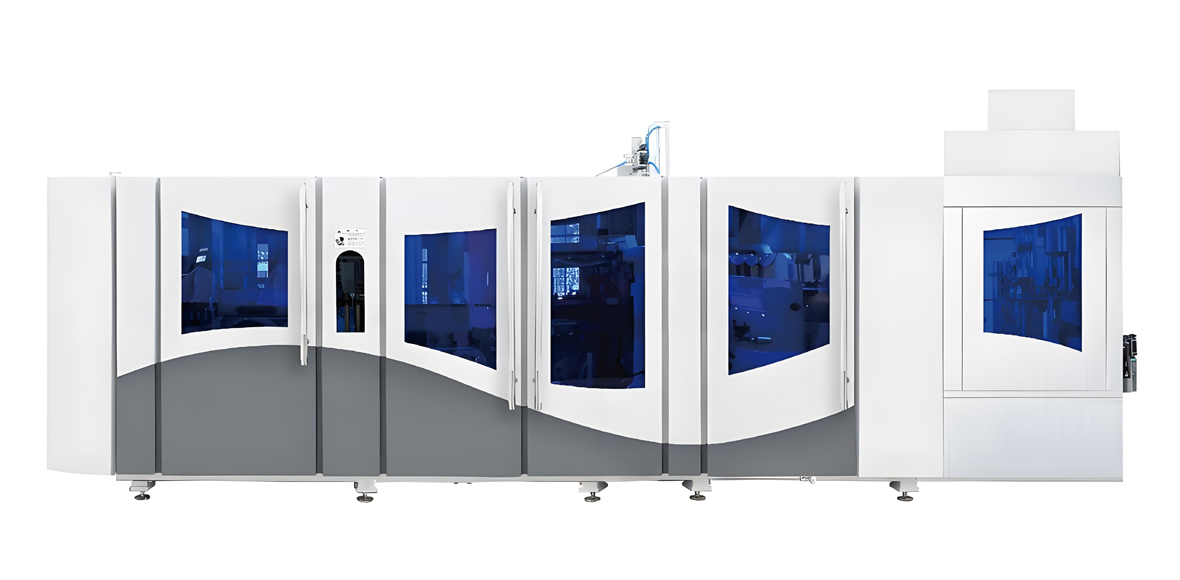
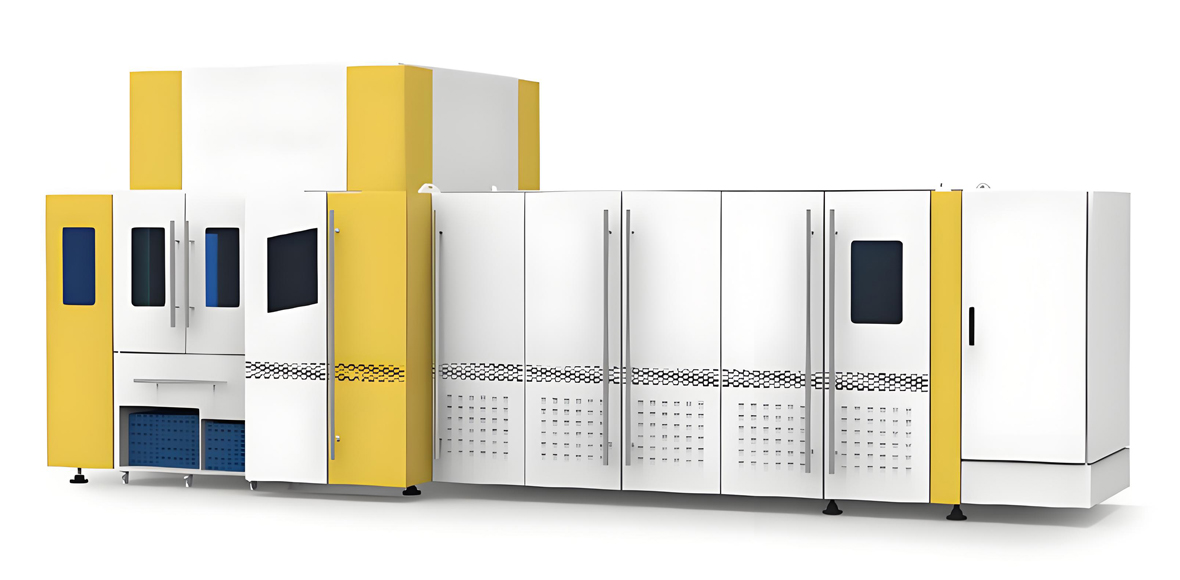
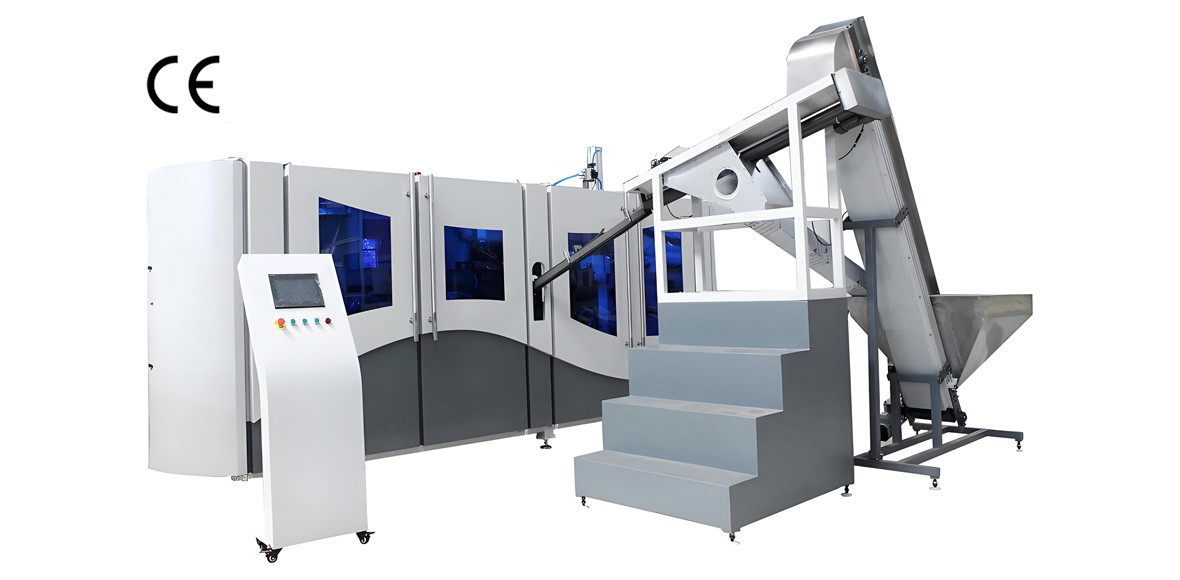
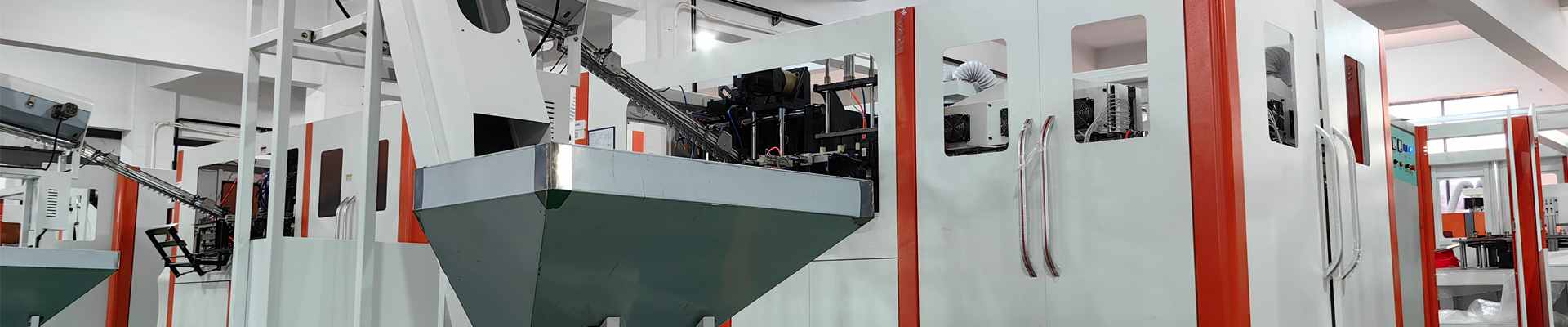
The PET bottle blowing machine is the core equipment of the entire workshop, and its model configuration and automation level determine the production efficiency, product quality, and core equipment investment of the project. For small cosmetic bottle blowing workshops, Yuda’s special small and medium-sized automatic PET bottle blowing machines are the most mainstream choice, which are professionally optimized for small-capacity high-precision cosmetic bottle production, with compact structure, low energy consumption, high molding precision, and affordable price, perfectly matching the startup needs of small workshops.
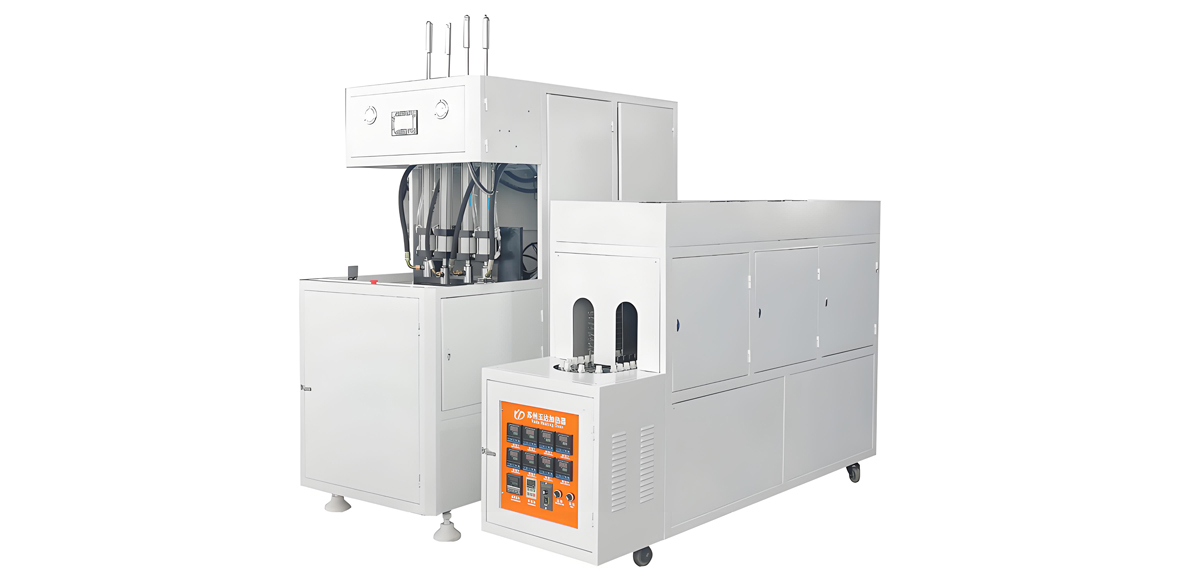
According to different automation levels and production capacity configurations, the price of Yuda PET cosmetic bottle blowing machines is divided into three gradient ranges. The semi-automatic two-cavity PET bottle blowing machine suitable for ultra-small startup workshops has a 2026 factory direct sales price ranging from $7,800 to $9,500. This model is compact in size, occupies small space, is simple to operate, and is suitable for daily output of 3,000 to 5,000 cosmetic bottles, meeting the initial trial production and small-batch order demand of start-up projects.
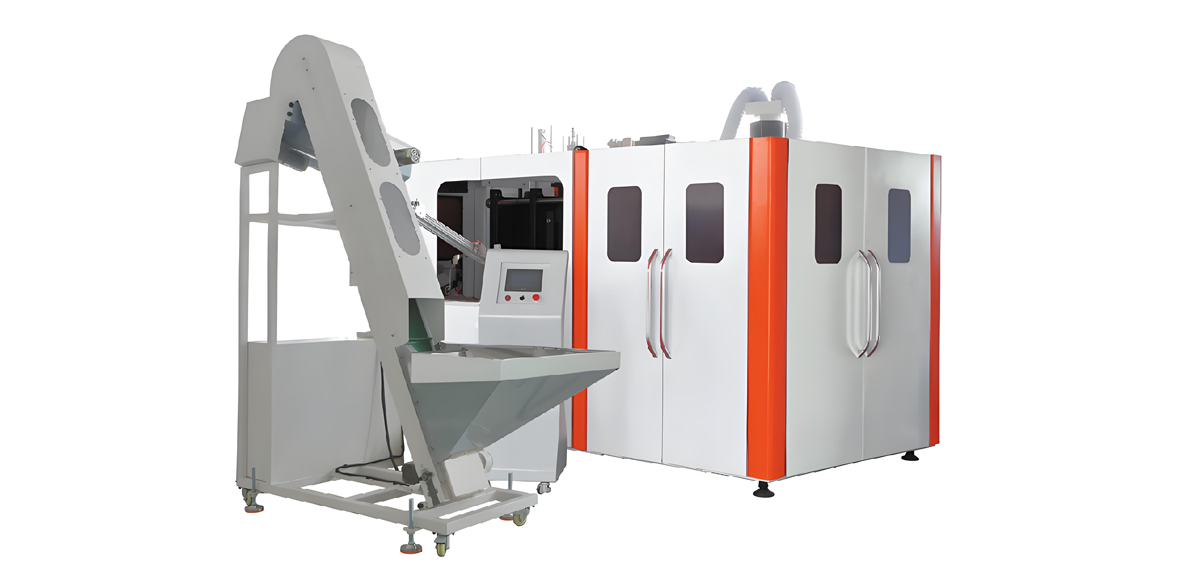
The fully automatic four-cavity high-precision PET bottle blowing machine, the mainstream model for formal small-scale workshop production, is priced from $12,500 to $15,800. This equipment adopts separate design of heating tunnel and blowing platform, effectively shortening mold opening cycle and improving production efficiency. It is equipped with an intelligent PLC control system and precise temperature adjustment module, which can ensure uniform heating of PET preforms and ultra-high surface finish of cosmetic bottles. The daily stable output can reach 8,000 to 12,000 pieces, which is the most cost-effective configuration for long-term stable operation of small workshops.
The high-speed six-cavity automatic PET bottle blowing machine for small workshops with large order demand is priced from $18,200 to $21,500. This model supports high-speed continuous production, with a daily output of up to 18,000 to 22,000 cosmetic bottles, and is equipped with an automatic preform feeding and finished product discharging system, greatly reducing manual dependence. It is suitable for small workshops with stable downstream order resources and large batch production demand.
All Yuda PET bottle blowing machines for cosmetic bottles adopt low-energy-consumption heating systems and optimized mechanical structures, with stable operation and low failure rate. Compared with other brands of equipment with the same configuration, they reduce long-term energy consumption and maintenance costs, and have higher comprehensive cost performance in the full life cycle.
3.2 Auxiliary Supporting Equipment Investment Cost
In addition to the core bottle blowing machine, the small PET cosmetic bottle blowing workshop needs to be equipped with complete auxiliary supporting equipment to form a closed-loop production system. The auxiliary equipment investment is fixed and standardized, with small floating range, and is an indispensable part of project startup investment. The main supporting equipment includes air compressor, refrigerated air dryer, air storage tank, water chiller, preform sorting table, finished product sorting platform, and workshop ventilation and dust removal equipment.
The high-pressure air compressor supporting bottle blowing production is priced at $1,200 to $1,800, providing stable high-pressure air source for bottle blowing and molding. The refrigerated air dryer and air filtration equipment, which are used to remove moisture and impurities in the air source and ensure no water marks on the surface of cosmetic bottles, cost $800 to $1,200. The industrial air storage tank with stable pressure output is priced at $500 to $700, effectively avoiding air pressure fluctuation affecting product molding accuracy.
The industrial water chiller special for bottle blowing cooling is priced at $1,500 to $2,000, providing constant-temperature circulating cooling water to ensure rapid shaping and no deformation of high-precision cosmetic bottles. The manual preform sorting table and finished product inspection platform cost a total of $400 to $600, which is used for manual screening of defective preforms and inspection of finished product quality. The workshop ventilation, heat dissipation and simple dust removal supporting equipment is priced at $600 to $900, meeting the clean production environment requirements of cosmetic packaging products.
The total investment of all supporting auxiliary equipment for standard small workshops ranges from $5,000 to $7,200. The configuration can be appropriately simplified for ultra-small trial production workshops to reduce initial investment pressure, and the equipment can be gradually upgraded and expanded in the later stage with order growth.
3.3 Production Mold Customization Cost
Mold is the key factor determining the size, shape and appearance quality of PET cosmetic bottles, and mold customization cost is a necessary startup investment for targeted production. Different from standardized beverage bottle molds, cosmetic bottle molds have higher requirements for surface finish, dimensional accuracy and mold polishing technology, so the unit price is slightly higher than ordinary industrial bottle molds.
The price of single-cavity precision cosmetic bottle molds for conventional small-capacity products (10ml-120ml) ranges from $900 to $1,300 per set. The price of multi-cavity molds for medium-capacity cosmetic bottles (150ml-500ml) ranges from $1,400 to $1,800 per set. If customers need special-shaped cosmetic bottle molds, frosted mold surface treatment, or high-precision mirror polishing process, the customization cost will increase by $300 to $600 per set according to the process difficulty.
In the initial stage of workshop startup, it is recommended to customize 2 to 3 sets of conventional mainstream cosmetic bottle molds to cover mainstream market demand, and the total mold investment is controlled at $2,500 to $5,000. After the orders are stable, expand customized molds according to customer personalized demand, which can effectively reduce the risk of early excessive mold investment and capital occupation.
3.4 Plant Site Rental and Renovation Cost
The small PET cosmetic bottle blowing workshop has low requirements for plant area and environment. A standard small workshop only needs 80 to 150 square meters of indoor production space, which can meet the layout of core equipment, auxiliary equipment, raw material storage area and finished product storage area. The plant is required to have conventional power supply, ventilation conditions and flat ground, with no special high-standard purification requirements for initial startup.
In terms of site cost, the monthly rent of ordinary industrial plants in domestic industrial parks ranges from $300 to $600. It is recommended to sign a one-year lease in the early stage, with a total annual rent cost of $3,600 to $7,200. The plant simple renovation cost includes ground leveling, circuit transformation, ventilation pipeline installation, and regional partition layout, with a total investment of $1,200 to $2,000. For self-owned idle plants, this part of the cost can be greatly saved, and the initial investment threshold is further reduced.
3.5 Pre-Production Raw Material Reserve Cost
PET cosmetic bottle production uses professional PET bottle preforms as raw materials. In the initial stage of workshop startup, it is necessary to reserve a certain amount of raw materials to support trial production and small-batch order delivery. The market unit price of conventional transparent cosmetic-grade PET preforms is stable, and the bulk purchase cost is more favorable.
The recommended initial raw material reserve volume for small workshops is 2 to 3 tons of PET preforms, which can support continuous production for 7 to 10 days. The comprehensive cost of raw material purchase, transportation and warehousing is controlled at $1,800 to $3,000. The raw material reserve volume can be dynamically adjusted according to order volume to avoid excessive capital occupation caused by overstocking of raw materials.
3.6 Early Operation and Comprehensive Reserve Fund
In the early stage of project startup, there are hidden costs such as equipment installation and commissioning, staff training, market development, and daily operating expenses. It is necessary to reserve sufficient working capital to ensure the stable operation of the workshop in the initial profit-free period. The early-stage comprehensive reserve fund mainly includes equipment installation and commissioning fees, staff pre-job training fees, market promotion expenses, and daily office and miscellaneous expenses.
The professional installation and commissioning service fee for Yuda PET bottle blowing machine is $300 to $500, including on-site equipment assembly, parameter debugging, process optimization and operator technical training. The early-stage market development and customer expansion reserve fund is $1,500 to $2,500, and the daily operating reserve fund is $1,000 to $1,500. The total comprehensive reserve fund is controlled at $2,800 to $4,500, which can effectively avoid project operation stagnation caused by capital breakage in the early stage.
4. Total Startup Investment Budget and Gradient Configuration Plan
According to the above item-by-item cost analysis, the startup investment of small PET cosmetic bottle blowing workshops is divided into three gradient configuration schemes: economical trial startup version, standard stable operation version, and high-efficiency mass production version, which are suitable for different entrepreneur groups and market demand scales, helping investors choose the most cost-effective investment scheme according to their own capital situation and order resources.
The economical trial startup scheme is suitable for entrepreneurs with limited initial capital and no stable orders, focusing on small-batch trial production and market verification. It adopts semi-automatic two-cavity bottle blowing machine, simplified auxiliary equipment, minimum mold configuration and small-area plant. The total startup investment is controlled at $18,000 to $23,000, with low investment risk and flexible exit mechanism, which is the best choice for novice entrepreneurs to enter the industry.
The standard stable operation scheme is the most mainstream configuration for formal small workshops, suitable for investors with certain customer resources and stable order demand. It is equipped with fully automatic four-cavity high-precision bottle blowing machine, complete set of standard auxiliary equipment, 2 to 3 sets of conventional molds, and standard industrial plant. The total startup investment ranges from $28,000 to $35,000, with balanced production efficiency and investment cost, stable daily output, and fast profit return speed.
The high-efficiency mass production scheme is suitable for small workshops with sufficient orders and large batch production demand. It is equipped with six-cavity high-speed automatic bottle blowing machine, high-grade complete auxiliary equipment, multi-set customized molds, and standardized production plant. The total startup investment is $40,000 to $48,000, with high production capacity and strong market supply capacity, which can quickly seize large-batch order resources and expand market share.
5. Daily Operating Cost Analysis of Small Blowing Workshop
In addition to one-time startup investment, the long-term sustainable operation of the workshop needs to consider daily recurring operating costs, including electricity cost, labor cost, equipment maintenance cost, raw material loss cost and site daily expenses. Accurate calculation of operating costs is the core basis for judging project profit space and investment return cycle.
5.1 Electricity Consumption Cost
The PET bottle blowing process is mainly composed of preform heating, mechanical operation and cooling circulation, and the power consumption is stable and controllable. The daily continuous operation of the standard four-cavity automatic bottle blowing machine for 8 hours has an average daily power consumption of 80 to 100 degrees. Combined with the power consumption of supporting equipment such as air compressor, water chiller and ventilation equipment, the daily total power consumption of the workshop is about 120 to 150 degrees. Calculated according to the industrial electricity unit price, the monthly electricity cost is stably controlled at $450 to $600, with low unit product power consumption and obvious energy-saving advantages compared with traditional old-fashioned bottle blowing equipment.
5.2 Labor Cost
The small PET cosmetic bottle blowing workshop has a high degree of automation and low labor dependence. A standard fully automatic production line only needs 1 to 2 on-duty workers to complete preform feeding, finished product inspection and material sorting work. The monthly salary cost of single worker is in the industry standard range, and the total monthly labor cost of the workshop is controlled at $800 to $1,200. Compared with manual semi-automatic production lines, it saves more than 40% of labor cost, greatly reducing long-term operating pressure.
5.3 Equipment Daily Maintenance and Loss Cost
Yuda PET bottle blowing machines adopt optimized mechanical structure and high-quality core components, with low failure rate and stable operation. The daily maintenance work is simple, including regular cleaning of heating tunnel, mold surface wiping, equipment lubrication and pipeline inspection. The monthly routine maintenance cost is only $80 to $120, mainly including replacement of small wearing parts and lubricating oil consumption. The annual comprehensive maintenance cost is less than $1,500, which is far lower than the industry average, with low long-term equipment loss cost.
5.4 Raw Material Loss and Other Miscellaneous Costs
The high-precision heating and blowing system of Yuda equipment effectively reduces defective product rate, and the raw material loss rate of formal production is controlled below 1.5%, which greatly reduces raw material waste cost. The monthly raw material loss cost is about $200 to $300. Other miscellaneous costs include daily workshop cleaning, tool replacement, and logistics auxiliary expenses, with a monthly total of $100 to $150. The overall monthly comprehensive operating cost of the standard workshop is stably controlled at $1,600 to $2,200, with low operating threshold and strong profit stability.
6. Project Profit Analysis and Investment Return Cycle
Combined with startup investment and daily operating cost, the profit space and return cycle of small PET cosmetic bottle blowing workshops are calculated based on industry mainstream market quotation and standard production capacity, providing intuitive investment benefit reference for entrepreneurs.
The daily stable output of the standard four-cavity production line is about 10,000 cosmetic bottles. After deducting defective products and unqualified products, the daily qualified product output is stable at more than 9,800 pieces. The processing profit of single conventional PET cosmetic bottle in the market is stable, and the daily gross profit of the workshop is between $350 and $500. After deducting daily average operating cost, the daily net profit is $280 to $420, and the monthly net profit of 26 working days is about $7,200 to $10,900.
Excluding the one-time investment of equipment and molds, the pure monthly operating profit is stable and sustainable. Based on the standard total investment of $32,000, the static investment return cycle of the project is 3.5 to 4.5 months. Even in the case of off-season market fluctuation and order reduction, the return cycle can be controlled within 6 months, which has the advantages of fast capital return and low investment risk. With the expansion of order volume and the increase of high-value customized cosmetic bottle orders, the project profit margin will be further improved, and the long-term investment income is very considerable.
7. Key Advantages of Yuda PET Bottle Blowing Machine for Small Workshop Investment
For small start-up blowing workshops, equipment performance directly determines product quality, production efficiency and long-term operating cost. Yuda professional PET bottle blowing machines are specially optimized for small and medium-sized cosmetic bottle production scenarios, with multiple core advantages that are very suitable for small workshop investment and operation.
First of all, the equipment has ultra-high cost performance and low initial investment threshold. Yuda adheres to factory direct sales, eliminating intermediate price differences, and the equipment price is 15% to 20% lower than that of peer brands with the same configuration. The compact structural design saves plant space, reduces plant rental and renovation costs for investors, and is very friendly to small-capital entrepreneurs.
Secondly, the equipment has high molding precision and low defective product rate. The independent segmented temperature control system realizes precise heating of PET preforms, ensuring uniform heating of bottle bodies, consistent wall thickness and ultra-high surface finish of cosmetic bottles. The finished products have no water marks, scratches or deformation, fully meeting the high appearance standards of cosmetic packaging. The mass production defective product rate is controlled below 1.5%, far lower than the industry average of 3% to 5%, effectively reducing raw material waste and improving profit space.
Thirdly, the equipment is energy-saving and efficient with low operating cost. The optimized low-power heating tunnel and energy-saving servo system reduce invalid power consumption, and the unit product power consumption is significantly lower than that of traditional equipment. The stable mechanical structure and high-quality components reduce failure frequency and maintenance costs, ensuring long-term stable and low-cost operation of the workshop.
In addition, the equipment is easy to operate with low technical threshold. The intelligent PLC touch screen operation interface realizes one-key automatic production, and ordinary workers can master the operation skills after simple training, saving professional technical training costs for the workshop. The flexible mold switching design supports rapid switching production of different specifications of cosmetic bottles, meeting the diversified customized order needs of the market and improving the comprehensive market competitiveness of small workshops.
8. Common Investment Misunderstandings and Risk Avoidance Suggestions
In the initial investment stage of small PET cosmetic bottle blowing workshops, many novice entrepreneurs are prone to investment misunderstandings such as blind pursuit of high configuration, excessive advance investment, and ignoring auxiliary equipment matching, resulting in excessive capital occupation and increased operating pressure. This chapter summarizes common industry investment risks and targeted avoidance suggestions.
The first common misunderstanding is blind purchase of high-cavity high-speed equipment in the early stage. Many investors blindly pursue high production capacity in the initial stage without stable order support, resulting in equipment idle and waste of investment funds. It is recommended that start-up workshops choose economical and practical conventional four-cavity equipment first, and upgrade high-speed equipment after orders are stable, so as to maximize the utilization rate of investment funds.
The second misunderstanding is ignoring the matching of auxiliary equipment. Some investors only pay attention to the core bottle blowing machine and ignore the configuration of air compressors, drying equipment and cooling equipment, resulting in unstable air source and water quality, unqualified product molding quality, and frequent defective products, which seriously affect order delivery and workshop reputation. It is necessary to configure complete auxiliary equipment according to formal production standards in the early stage to ensure stable product quality.
The third misunderstanding is excessive mold customization investment in advance. Blind customization of multiple sets of special-shaped molds in the early stage will lead to a large amount of capital occupation. It is recommended to start with conventional mainstream molds, expand customized molds according to actual customer orders, and reduce invalid investment risks.
In terms of operational risk avoidance, it is necessary to do a good job in market customer development in advance before the workshop is put into operation, avoid blind production without orders, and ensure that the equipment production capacity is matched with order resources. At the same time, standardize daily equipment maintenance and operation, extend equipment service life, reduce failure shutdown losses, and ensure sustainable and stable operation of the project.
9. Long-Term Development and Investment Expansion Plan of Small Workshop
After the small PET cosmetic bottle blowing workshop operates stably and accumulates stable customer resources and operating funds, it can carry out phased capacity expansion and project upgrading to further improve project profit margin and market scale. The phased expansion plan is divided into short-term optimization, medium-term capacity expansion and long-term industrial upgrading.
In the short-term optimization stage (1-6 months after startup), optimize production processes, improve product qualification rate, stabilize customer cooperative relationships, and realize full-load operation of existing equipment. Optimize raw material procurement channels, reduce unit raw material cost, and further improve single product profit space.
In the medium-term capacity expansion stage (6-12 months after startup), according to order growth demand, add new high-speed bottle blowing equipment and expand mold types, increase workshop daily output, undertake more large-batch orders, and expand market coverage. Appropriately expand plant area and improve finished product supporting processing capabilities such as surface frosting and silk screen printing, realize one-stop packaging bottle processing services, and increase product added value.
In the long-term upgrading stage (more than 1 year of operation), realize standardized and large-scale workshop operation, build a complete production, inspection and after-sales system, develop long-term cooperative cosmetic brand customers, transform from simple processing production to customized supporting production, and greatly improve project comprehensive benefits and industry competitiveness.
10. Conclusion
The small PET cosmetic bottle blowing workshop is a low-risk, low-threshold and fast-return lightweight investment project in the packaging processing industry, with stable market demand and broad development prospects. The total startup investment of standard workshops is concentrated in the range of $28,000 to $35,000, with low daily operating cost, stable monthly net profit and short investment return cycle, which is very suitable for small-capital entrepreneurs and small processing enterprises to start businesses.
Choosing Yuda professional PET bottle blowing machine as the core production equipment can effectively reduce initial investment cost, lower long-term operating and maintenance expenses, ensure high-precision and high-efficiency production of cosmetic bottles, and help small workshops solve the pain points of unstable product quality, high defective rate and high energy consumption in the industry. Through scientific investment configuration, standardized operation management and phased capacity expansion, the small PET cosmetic bottle blowing workshop can realize stable profit and sustainable development, creating stable and long-term economic benefits for investors.