Food safety is the non-negotiable foundation of every PET juice and tea drink bottle. A bottle that looks perfect can still fail if it releases acetaldehyde, carries catalyst residue, or allows unwanted substances to migrate into an acidic drink. YuDa Machinery, a Wanplas factory, is a top PET bottle blow molding machine manufacturer in China with over 20 years of experience, exports to 60 plus countries, and holds 20 plus patents as a top two domestic supplier. This article presents a practical food safety level formula for PET juice and tea drink bottles. You will learn the main risk factors, the material and process controls that determine safety, and how YuDa blow molding machines help plants meet food contact requirements consistently.
In 2026, as juice and tea consumption keeps growing across both mature and emerging markets, the question is less whether to use PET and more how to keep the bottle safe at scale. This article answers that with an engineering view rather than a regulatory summary, so plant owners can act on controllable variables instead of vague advice.
What Food Safety Level Means for PET Bottles
Food safety level describes how well a PET bottle prevents harmful substances from entering the drink and prevents quality loss during shelf life. It is not a single number but a result of resin quality, processing conditions, bottle design, and storage.
For juice and tea, the challenge is higher than for still water. These drinks are often acidic, colored, and oxygen-sensitive, so they interact more strongly with the container wall. Acid can accelerate migration, and tea compounds can react with oxygen if the seal or barrier is weak.
Compliance is framed by food contact regulations such as FDA rules in the United States, EU 10/2011 in Europe, and the GB 4806 series in China. These set limits on overall migration and specific substances. A bottle that meets them is considered food safe for its intended use.
The safety level therefore combines the intrinsic resin properties with how the bottle is made. A good resin ruined by overheated processing can still produce off-flavor; a modest resin processed perfectly can still fall short on barrier. Both halves of the formula matter.
Safety is also a commercial asset. A brand that can prove consistent food-grade performance wins shelf space with retailers who audit suppliers, so the safety level formula protects revenue as well as consumers. The bottle is therefore both a container and a trust signal.
The regulatory frame is constant, but the consumer expectation is rising. Buyers now notice off-flavor and haze, so the safety level formula is also a quality formula. Meeting the legal minimum is necessary, yet beating it protects repeat purchase and brand reputation.
Key Contaminant Risks in Juice and Tea PET Bottles
The first risk is acetaldehyde. PET can generate acetaldehyde when overheated during preform conditioning or injection, and acetaldehyde imparts a fruity off-flavor that consumers detect at low levels. Controlling it is central to juice and tea quality.
The second risk is antimony. Traditional PET polymerization uses an antimony catalyst, and trace residue can remain in the resin. Food contact limits keep this residue far below harmful levels, but processing must not concentrate it or degrade the polymer.
The third risk is non-intentionally added substances, often called NIAS. These are trace compounds from resin, additives, or machine contact that were not meant to be in the food. Clean resin and a clean production environment minimize them.
The fourth risk is microbial and external contamination during filling. While the bottle itself may be inert, an open transfer between blowing and filling invites microbes. Integrated blowing and filling reduces that window.
| Risk | Source | Control |
|---|---|---|
| Acetaldehyde | PET thermal degradation | Lower heat, stable process |
| Antimony residue | Polymerization catalyst | Food-grade resin, limits |
| NIAS | Resin, additives, contact | Clean resin, clean line |
| Microbial ingress | Open transfer | Integrated blow-fill |
Not every risk is equal across drinks. Juice stresses acid migration, tea stresses oxidation, and both punish sloppy processing more than water does. The risk table is a starting map, not a substitute for testing the specific drink and bottle combination a brand intends to sell.
A useful way to apply the formula is to score each factor from low to high and multiply. A single low score, such as unstable blowing, drags the whole product down regardless of excellent resin. This multiplication view prevents the common mistake of over-investing in one factor while neglecting another.
The Food Safety Level Formula
The food safety level of a PET juice or tea bottle can be expressed as a formula of controllable factors. Each factor is a lever the producer can set, and the final safety score is the product of getting all of them right.
In plain terms: Safety Level equals resin grade quality multiplied by preform processing control, multiplied by blow molding stability, multiplied by bottle design adequacy, multiplied by storage discipline. If any factor drops, the whole result drops, because a single weak link determines the outcome.
Resin grade sets the ceiling. Bottle-grade PET with proper intrinsic viscosity and low acetaldehyde potential is mandatory for food use. Preform processing control sets how much degradation happens before blowing. Blow molding stability reproduces the safe condition on every bottle.
Bottle design adequacy covers wall uniformity and barrier, which decide exposure area and oxygen ingress. Storage discipline covers temperature and light after filling. The table below scores each factor on its contribution to the safety level.
| Formula Factor | Contribution | Who Controls |
|---|---|---|
| Resin grade | High | Material supplier |
| Preform processing | High | Injection and conditioning |
| Blow molding stability | High | Blow molding machine |
| Bottle design | Medium | Mold and preform |
| Storage discipline | Medium | Filler and distributor |
This formula is the core message of the article. Safety is not purchased by one upgrade; it is engineered across the chain, and the blow molding machine is the factor that repeats its influence on every single bottle.
The formula also explains why a single upgrade rarely fixes safety. Buying premium resin while overheating the oven still yields off-flavor, and a perfect process on the wrong resin still falls short on barrier. Only all factors held together deliver the target safety level.
Material and Preform Requirements
Food-grade bottle PET must meet defined intrinsic viscosity, typically around 0.70 to 0.85 deciliters per gram for bottle grades, with low acetaldehyde in the resin itself. The preform injection must avoid overheating that raises acetaldehyde before blowing even starts.
The preform wall thickness and neck finish must be consistent. Uneven preform walls blow into uneven bottle walls, and thin spots become weak points for stress and migration. Neck finish accuracy protects the cap seal that blocks external contamination.
The table below lists representative preform and resin parameters a juice or tea bottle line should specify. Values are typical ranges; exact specs follow the resin grade and bottle size chosen.
| Parameter | Typical Range | Safety Reason |
|---|---|---|
| Intrinsic viscosity | 0.70 to 0.85 dL/g | Strength and barrier |
| Acetaldehyde in resin | Low, grade limited | Off-flavor control |
| Preform wall uniform | Tight tolerance | Even bottle wall |
| Neck finish | Standard, sealed | Cap seal integrity |
YuDa configures blow molds and preform compatibility during order engineering, so the preform entering the machine is matched to the target bottle. That alignment is what lets the safety formula hold at production scale.
Procurement should request resin certificates that state intrinsic viscosity and acetaldehyde level, then verify them on incoming lots. A certificate not checked is a control not actually performed, and the formula depends on the resin being what the supplier claims it is.
Monitoring is not only about faults. Trend data shows when a heater lamp ages or a sensor drifts, letting maintenance happen before quality moves. That predictive view is what turns food safety from reactive inspection into proactive control on the line.
How Blow Molding Controls Contamination
The blow molding stage is where process control becomes physical safety. Stretch blow molding heats the preform to a narrow temperature window, then stretches it biaxially while blowing. If the temperature is too high, acetaldehyde climbs; if too low, the wall fails to orient and barrier drops.
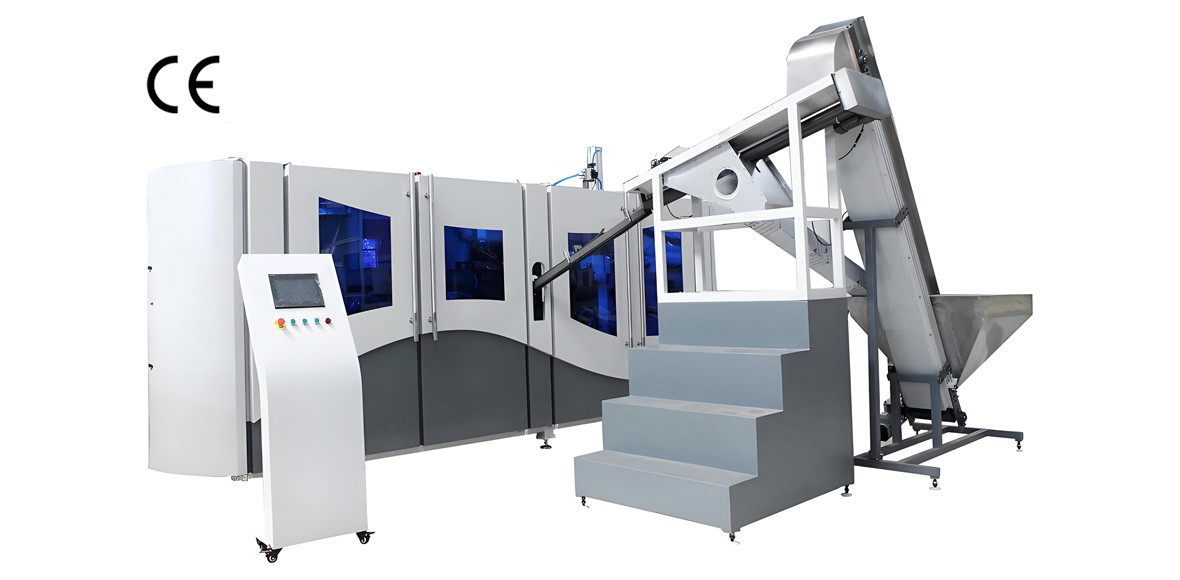
Stable heating is therefore the central control. YuDa minimizes heater distance to 38.1 millimeters, which concentrates heating energy and reduces overshoot compared with spread-out conventional ovens. The result is a tighter, repeatable preform temperature profile.
Servo-driven clamping and the integrated cam linking system keep mechanical motion consistent, so each bottle receives the same stretch and blow sequence. Consistency is safety, because a drifting parameter gradually raises acetaldehyde or thins a wall before anyone notices.
Remote monitoring adds a second layer. YuDa engineers can read PLC data from the China headquarters and receive abnormal feedback from the client site, enabling fast correction before a batch drifts out of specification. For food products, that early warning protects both safety and brand.
The same stability that protects safety also protects output. A machine that holds its process window wastes less preform and rejects fewer bottles, so the food safety control and the productivity control are the same physical discipline on the factory floor.
YuDa FGX and Standard Series for Clean Production
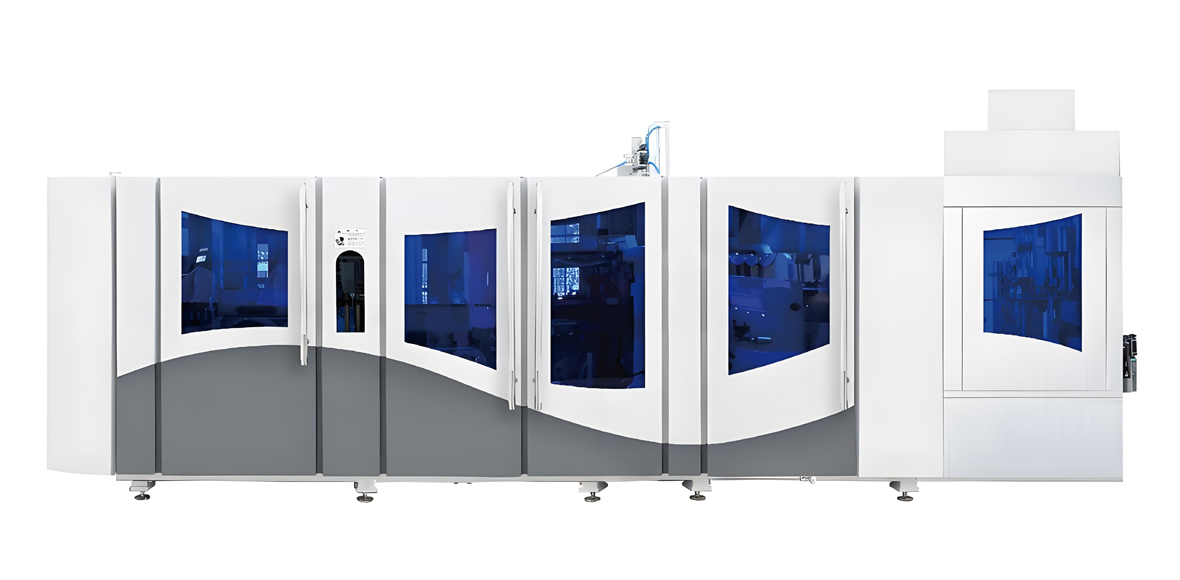
YuDa offers machine families suited to food-grade PET production at different volumes. The FGX high-speed series serves large juice and tea plants that need 8000 to 15000 bottles per hour with stable, energy-efficient operation.
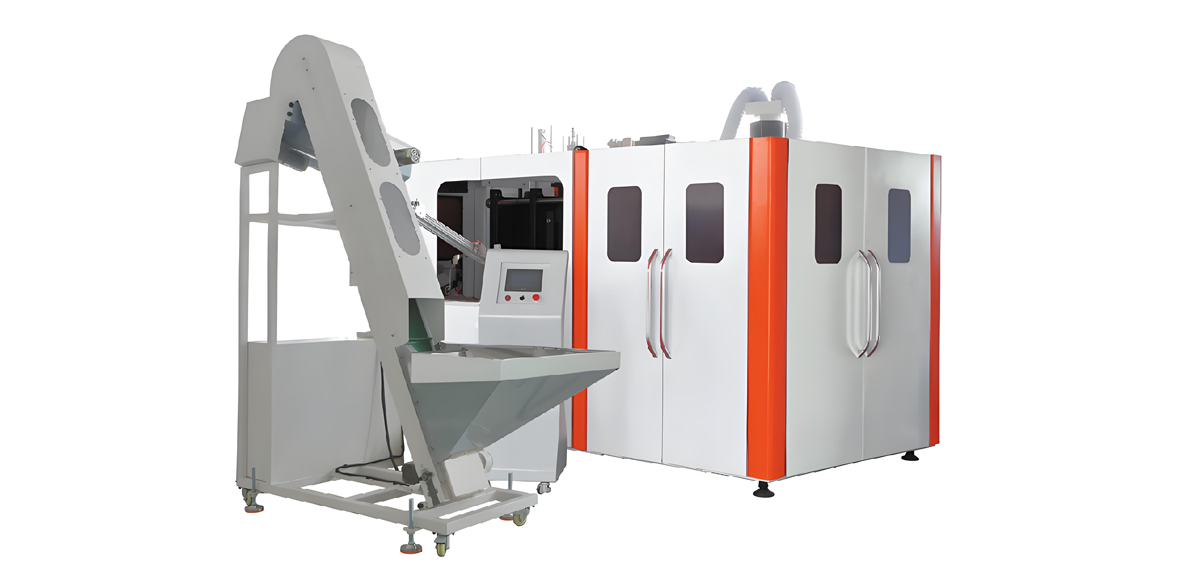
The standard-speed series covers 1000 to 7000 bottles per hour with advanced heating systems and energy-saving technologies, fitting medium-volume brands and multiple SKUs. Both families apply the 38.1 millimeter heater distance and servo stability described above.
| Series | Output (BPH) | Heater Distance | Monitoring | Best For |
|---|---|---|---|---|
| FGX high-speed | 8000 to 15000 | 38.1 mm | Remote | Large plants |
| Standard speed | 1000 to 7000 | 38.1 mm | Remote | Medium batches |
Both series support the modular design that makes sanitization and mold changeovers convenient, an operational advantage when a plant runs juice, tea, and water on shared assets under food hygiene discipline.
Clean production also depends on the line environment. YuDa machines support the hygiene discipline food plants require, and modular design keeps sanitation convenient enough to happen on schedule. A machine that is hard to clean gets cleaned late, and late cleaning is a safety risk.
Integration also simplifies sanitation. With fewer open transfers, there are fewer points where microbes can enter, and the cleaning routine covers a shorter, enclosed path. For juice and tea, where spoilage is a real commercial risk, that simplicity has direct safety value.
Integrated Blowing and Filling for Juice and Tea
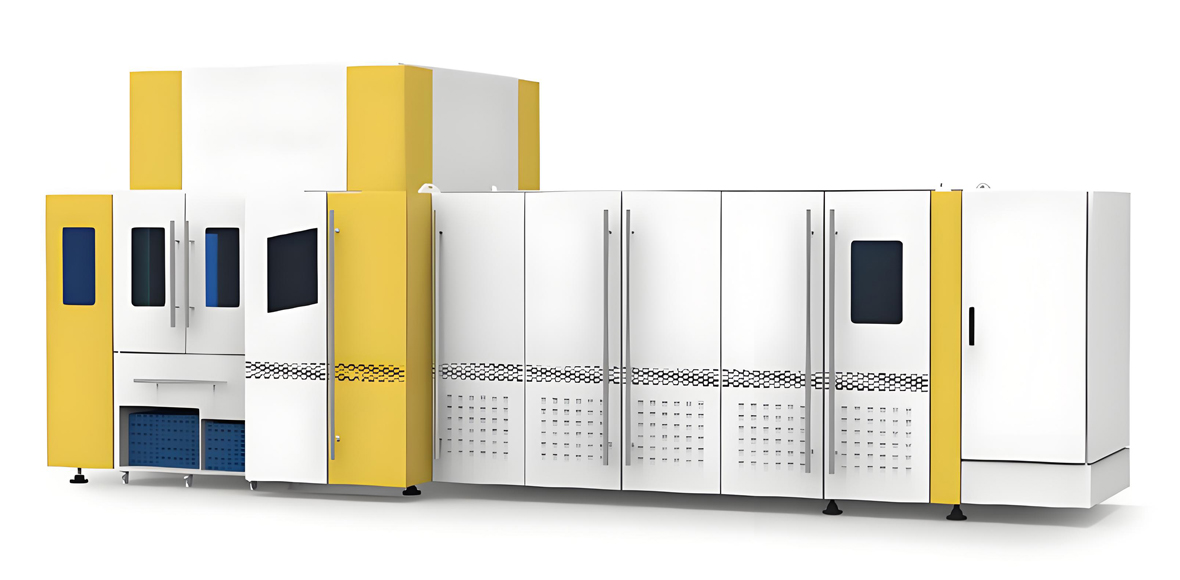
For the most sensitive drinks, separating blowing from filling creates a contamination window. YuDa addresses this with the linear blowing-filling-capping CombiBlock and the bottle blow-fill-capping machine, which produce and fill PET bottles in one compact process.
The CombiBlock is specialized in mini linear BFC and saves plant area while keeping the bottle mouth protected between blowing and capping. The BFC machine produces PET bottles while filling drinking water or compatible drinks and installs caps in one process.
| Model | Function | Footprint | Best For |
|---|---|---|---|
| CombiBlock (mini linear BFC) | Blow-fill-cap integrated | Compact, small area | Juice, tea, water |
| BFC machine | Blow and fill in one | Standard line | Drinking water, drinks |
Reducing transfer steps lowers microbial risk and protects the safety level formula at its weakest link. For juice and tea, where microbial spoilage is a real concern, integrated lines are a strong food-safety choice beyond mere throughput.
YuDa recommends integrated lines when the product is acidic, heat-sensitive, or distributed through long, warm supply chains. The closed path from blown bottle to sealed cap is the simplest way to defend the formula.
For tea especially, where oxidation is the enemy, closing the path from blown bottle to sealed cap limits the air the drink ever meets. The integrated line is thus a food-safety investment first and a throughput investment second, even if buyers judge it by speed.
Tea and juice also differ in fill temperature. Hot-fill needs a bottle engineered for heat without paneling, while cold-fill leans on barrier and seal. The risk profile therefore shifts with process, and the bottle design must answer the actual filling method used.
Application Map for Juice and Tea Bottles
Different drinks push different factors of the safety formula. Juice stresses acid migration and flavor retention; tea stresses oxidation and color stability; functional drinks may add vitamin or electrolyte sensitivity. The bottle design and process must answer each.
| Drink Type | Key Safety Factor | YuDa Fit |
|---|---|---|
| Juice | Acid migration, flavor | FGX, BFC |
| Tea | Oxidation, color | Standard speed, BFC |
| Functional drinks | Sensitivity, barrier | FGX, CombiBlock |
| Still water base | General hygiene | All series |
Mapping the drink to the dominant risk lets the producer weight the formula correctly. A tea bottler should invest more in oxygen barrier and seal; a juice bottler should weight acid migration and acetaldehyde control more heavily.
The map is a planning aid, not a rule. A brand with unusual drink chemistry should still validate its specific bottle, because the dominant risk can shift with formulation. YuDa configuration accounts for the bottle, but the drink defines the test that proves safety.
Selection Guide for Food-Grade PET Lines
Selecting a food-grade PET line follows the same logic as matching output to model, with the added requirement of contamination control. The guide below connects drink type and volume to a recommended YuDa configuration.
| Drink and Volume | Output Target | Recommended YuDa Model |
|---|---|---|
| Juice, large plant | 8000 to 15000 BPH | FGX plus BFC |
| Tea, medium | 1000 to 7000 BPH | Standard speed plus CombiBlock |
| Functional, sensitive | High volume | FGX plus CombiBlock |
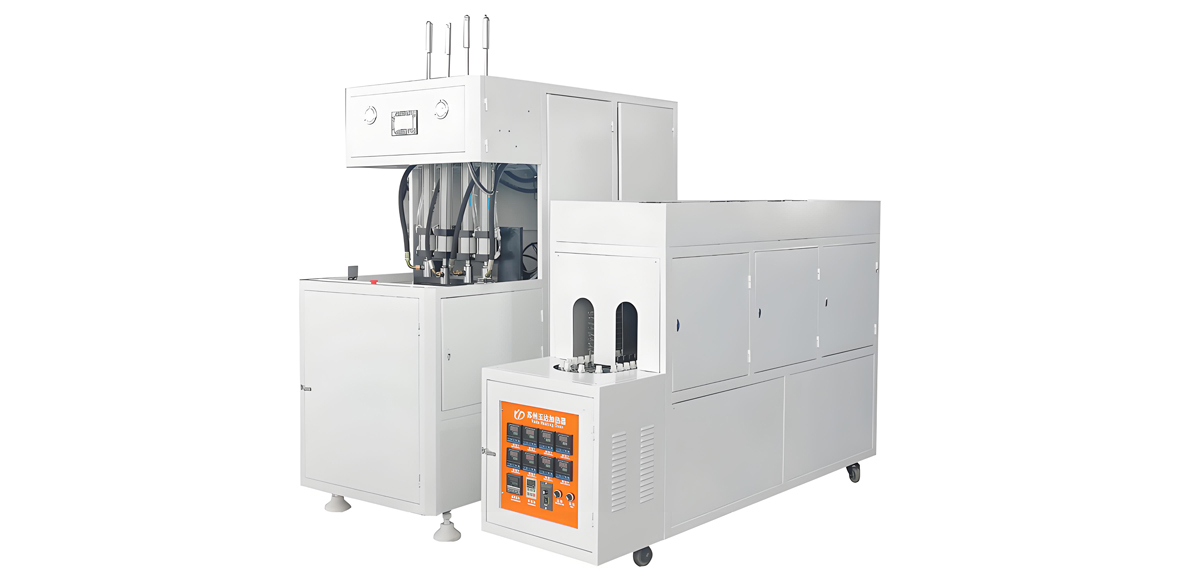
| Trial, new SKU | Low volume | Semi-auto plus separate fill |
YuDa engineers confirm preform grade, bottle volume, and cavity count during configuration, so the selected model actually delivers the safety level the formula requires rather than a generic speed rating.
The selection should be confirmed with a sample trial run, because paper specifications never capture the last percent of real-world performance. A trial on the recommended YuDa model lets the brand measure acetaldehyde and migration on its own filled bottle before launch.
Output target and safety requirement must be chosen together, not in sequence. A line sized only for speed may skip the integrated fill that protects tea, while a line sized only for safety may lack the throughput a growing brand needs. YuDa configuration balances both against the real drink and volume rather than favoring one at the expense of the other.
Service and Support from YuDa
Food safety continues after commissioning. YuDa, as a Wanplas factory, applies the group’s shared service promises to keep lines compliant and available. These promises are part of the safety formula over the machine lifetime.
YuDa inspects and tests machines before shipment, so the line arrives validated. Engineers support on-site installation and commissioning under food hygiene expectations, and remote monitoring lets the China headquarters track PLC data and respond to abnormal feedback quickly.
The Wanplas group policy includes USD 500 free spare parts every year and free replacement for damaged parts within warranty. YuDa welcomes customer visits through an open-factory policy, so buyers can audit capability and hygiene before purchase. Training covers operation, cleaning, and maintenance discipline.
Modular machine design keeps sanitation and mold changeovers convenient and cost-saving, sustaining the process stability that protects the food safety level on every shift.
Acetaldehyde Control in Practice
Acetaldehyde control is the daily discipline behind the food safety formula. It starts at preform injection, where melt temperature and residence time must stay within the window that minimizes degradation of the PET chain. A hot runner that runs too warm quietly raises the off-flavor potential.
During stretch blow molding, the conditioning oven sets preform temperature, and the 38.1 millimeter heater distance used by YuDa concentrates heat so the profile is tight and repeatable. Lower, better-controlled temperature means less acetaldehyde formed at the blowing stage, protecting juice and tea flavor.
Cooling after blowing also matters. A bottle that leaves the mold too warm can continue a slow thermal reaction, so adequate cooling and stable cycle time keep the final acetaldehyde level low. Consistency across cycles is what makes the level predictable for quality sign-off.
YuDa remote monitoring captures the process parameters that drive acetaldehyde, so a drift is visible before a batch crosses the limit. That visibility turns a hidden flavor risk into a managed, logged control point that auditors and buyers both respect.
Finally, the resin itself sets the floor. Even perfect processing cannot remove acetaldehyde that the bottle-grade PET already contains, which is why resin selection remains the first line of defense in the formula.
Bottle Design and Barrier Strategy
Bottle design decides how much of the drink meets the wall and how long oxygen can reach it. Uniform wall distribution removes thin spots where stress and migration concentrate, and a well-designed base supports top load without extra material that would raise cost.
For tea, oxygen barrier is the priority because oxidation dulls color and flavor. A sealed neck finish and tight cap torque protect the headspace, while the blow mold geometry controls the wall that slows gas transfer. Design and process must be tuned together, not separately.
For juice, acid resistance and low migration dominate. The PET wall must be free of defects that let acidic compounds interact with the polymer surface, and the neck seal must hold through the filled shelf life. YuDa configures mold and preform so the wall stays even and the seal stays true.
Special shapes add design difficulty because curves and corners stress the wall, yet the safety level formula still applies. The answer is careful stretch ratio and mold shaping, supported by servo consistency that reproduces the safe geometry on every bottle produced.
Barrier can also be improved with multilayer or coated preforms where the drink demands it, though mono-layer bottle-grade PET already meets most juice and tea needs when processing is controlled as described in this article.
Storage, Shelf Life, and Distribution
The safety formula extends past the factory gate. Filled juice and tea bottles should be stored away from heat and direct light, because high temperature accelerates migration and quality loss while light speeds oxidation in sensitive drinks.
Shelf life must be set from real stability data, not a generic assumption. A brand should validate the bottle and drink combination under the temperatures its distribution chain actually experiences, including the warm stretches that quietly stress the safety level.
During transport, stacking load and vibration test the bottle wall and cap seal. A bottle engineered for even walls and a tight neck finish survives the journey; one with thin spots or a loose cap fails in the field and triggers recall risk that no machine speed can offset.
Distribution planning therefore belongs in the safety plan. Keeping transit time and temperature within the validated window protects the investment made at the blow molding stage and preserves the food safety level through to the consumer.
YuDa sample trial runs let a brand confirm bottle performance under its own filled, stacked, and shipped conditions before committing full production, closing the loop between machine setting and real-world safety.
Validation and Compliance Testing
Compliance is proven, not assumed. A food-grade PET bottle line should run validation that measures acetaldehyde, overall migration, and specific substance levels against the relevant food contact regulation, whether FDA, EU 10/2011, or the GB 4806 series.
Migration testing uses food simulants that represent juice and tea conditions, including acidic simulants where the drink is acidic. The bottle must stay within limits across the full intended shelf life and temperature range, not only at the start of filling.
YuDa builds machines to support this compliance, but certification depends on the resin, preform, filling process, and drink together. A brand should keep records linking batch, preform, machine parameters, and test results so any question can be traced to its source.
Revalidation after a change is essential. A new preform supplier, a mold modification, or a process setting shift can move the safety level, so each change should trigger the same testing discipline that the original approval required.
Remote monitoring data from YuDa lines strengthens the audit trail, because the process parameters that protect safety are logged and retrievable, giving regulators and customers confidence in every batch produced.
Building a Food Safety Management Plan
A practical food safety plan names each factor of the formula and assigns an owner. Resin grade is owned by procurement, preform processing by injection, blow molding stability by the machine and its operator, design by engineering, and storage by logistics.
Each owner needs a control limit and a reaction rule. When acetaldehyde nears its ceiling, the oven setting is corrected; when migration test data drifts, the resin or process is reviewed. The plan turns the formula from a concept into daily routine that survives staff changes.
Training ties the plan together. YuDa provides training on operation, cleaning, and maintenance so local teams run the line within the safe window and recognize early signs of drift. A well-trained operator is the cheapest safety control a plant can install.
Documentation closes the loop. Batch records, maintenance logs, and remote monitoring exports form the evidence that the safety level was maintained, which protects the brand if a complaint or audit arrives months after production.
With the plan in place, the blow molding machine becomes a managed control point rather than a black box, and the food safety level of every PET juice and tea bottle stays defensible from factory to shelf.
Frequently Asked Questions
What is the main contaminant risk in PET juice bottles?
The main risks are acetaldehyde from PET thermal degradation and non-intentionally added substances. Acidic juice can also increase migration if the bottle wall is poorly processed.
Does tea staining mean the PET bottle is unsafe?
No. Tea can stain or react with oxygen, but staining is separate from chemical safety. A properly made bottle-grade PET container remains compliant with food contact rules.
How does blow molding control acetaldehyde?
Lower preform heating temperature, correct stretch ratio, and short residence time reduce acetaldehyde formation. Stable YuDa servo control keeps these parameters consistent.
Which standard covers PET food contact?
Common references include FDA, EU 10/2011, and China GB 4806 series. YuDa machines are built to support compliance, but final certification depends on resin and filling process.
Can YuDa machines run aseptic-style filling?
YuDa offers BFC and CombiBlock lines that blow and fill in one compact process, reducing transfer contamination between blowing and filling for juice and tea.
Why use bottle-grade PET instead of recycled?
Food bottles require virgin bottle-grade PET with controlled intrinsic viscosity and low acetaldehyde. Recycled content needs approved decontamination before food contact use.
How should filled juice bottles be stored?
Store away from heat and direct light, keep within the designed shelf life, and avoid long high-temperature exposure that accelerates migration and quality loss.
What bottle design lowers safety risk?
Uniform wall distribution, adequate barrier, and a sealed neck finish reduce stress points and exposure. YuDa configures mold and preform to achieve even walls.
Conclusion
The food safety level of a PET juice or tea drink bottle is a formula, not a feature. It equals resin grade multiplied by preform processing control, blow molding stability, bottle design, and storage discipline. YuDa Machinery, a Wanplas factory with over 20 years of experience and 20 plus patents, strengthens the blow molding factor through 38.1 millimeter heater distance, servo-driven consistency, remote monitoring, and integrated BFC and CombiBlock lines that close the contamination window. Pair these machines with food-grade bottle PET and disciplined storage, and the safety level holds at production scale. If you are building or upgrading a juice or tea PET line, send your drink type and output target to YuDa for a tailored configuration, arrange a factory audit, and request a sample trial run on the recommended model. A short on-site audit will confirm that the chosen line meets both your output plan and your food safety obligations.