PET bottle compliance standards have become the real gatekeeper for any filler, bottler, or private label brand that wants to place water, edible oil, beverage, detergent, or cosmetic containers on the shelves of Europe and North America. A bottle that looks perfect on the line can still be refused at the border if its food contact materials documentation, migration test results, or factory traceability file does not satisfy the local regulator. For more than twenty years, YuDa, a Wanplas factory, has specialized in PET bottle blow molding machines and has helped producers in over sixty countries build lines that are not only fast and energy efficient but also ready for the documentation regimes of the world’s toughest import markets. This guide explains the regulatory framework that governs PET bottles exported to Europe and America, the migration limits and physical tests that auditors expect, the production and traceability controls that make compliance repeatable, and how YuDa’s real FGX and standard series machines fit into a compliant export line.
Understanding PET bottle compliance standards is no longer optional for exporters. The European Union and the United States each operate a mature, enforcement driven system for materials that touch food, and both systems now reach far beyond the bottle itself into resin sourcing, additive lists, recycled content, heavy metal controls, and batch level documentation. A producer who treats compliance as a final quality check rather than a design input will face delayed shipments, rejected containers, and costly reformulation. The practical path is to build the line, the process, and the records together so that every bottle can be traced back to its resin, its cavity, and its validated process window. That is exactly the philosophy behind the YuDa approach to PET stretch blow molding: stable machines, monitored cavities, and clean production that keeps migration and contamination results inside the legal envelope.
The good news is that the rules, while detailed, are predictable. Once a producer knows which standard applies to which market, which migration limits bind, and which tests prove conformity, compliance becomes an engineering problem with a known solution. The remainder of this article walks through the framework region by region, the measured limits that matter most for PET, the test program that proves a bottle is safe, the line design that keeps it safe batch after batch, and the concrete YuDa equipment configurations that export focused bottlers use today.
The Export Compliance Landscape for PET Bottles
Compliance for exported PET bottles is best understood as a stack of overlapping obligations rather than a single certificate. At the base sits the food contact materials law of the destination market, which defines what substances may be present in the bottle and how much of each may migrate into the food or drink. On top of that base sit management system standards that prove the producer controls its process, substance restriction rules that govern specific chemicals, and documentation requirements that let customs and buyers verify the claim. A bottle exported from one country to both the European Union and the United States must therefore satisfy two parallel food contact frameworks plus any voluntary or customer specific schemes layered on top.
The central challenge for PET is that the material is safe in its finished, oriented form yet sensitive during processing. Polyethylene terephthalate is a high purity polyester, but its monomers, oligomers, catalysts, and any recycled fraction can introduce substances that migrate. Thermal history during preform injection and stretch blow molding also generates acetaldehyde, a compound that affects taste even at very low levels. Regulators respond to this by setting overall and specific migration limits, by restricting heavy metals and certain monomers, and by demanding that the producer demonstrate control through testing and records. The exporter’s task is to keep every measured value below the limit and to hold the evidence.
From a commercial standpoint, compliance is also a competitive differentiator. Buyers in Europe and America increasingly require a Declaration of Compliance, accredited migration test reports, and an ISO 22000 or equivalent food safety management certificate before they will even sample a bottle. A bottler who can present a clean, complete file wins orders that a low cost but undocumented supplier cannot touch. YuDa builds this reality into its machine design: cavities are servo driven and monitored, process recipes are stored and reproducible, and the blowing environment is engineered to minimize contamination, so that the technical half of compliance is solved at the equipment level rather than patched after the fact.
Compliance for exported PET bottles is not a single certificate but a stack of food contact law, substance restriction, management system, and documentation obligations that must all be satisfied at once.
Regulatory Framework for PET Bottles Exported to Europe and America
The regulatory framework for PET bottles exported to Europe and America rests on a small number of authoritative texts. In the European Union the backbone is Regulation (EU) 10/2011, which governs plastic materials and articles intended to come into contact with food and is updated by amending regulations that refine authorized substances and migration rules. In the United States the backbone is the FDA indirect food additive framework in Title 21 of the Code of Federal Regulations, with 21 CFR 177.1630 specifying the conditions under which polyethylene terephthalate may be used in food contact service. China, a major PET bottle exporting nation, benchmarks its own system on the GB 4806 series, and global buyers frequently ask for ISO 22000 as evidence of a managed food safety system. REACH and, in specific cases, RoHS add substance level controls that exporters must respect.
EU Framework: Regulation (EU) 10/2011 and the Plastics Regulation
Regulation (EU) 10/2011 is the principal EU text for plastic food contact materials. It maintains a Union list of authorized monomers and other starting substances, sets overall and specific migration limits, and defines the test conditions, food simulants, and calculation rules used to prove conformity. For PET, the key obligations are that only listed substances are used, that overall migration into food simulants stays within the legal ceiling, and that specific migration of restricted substances such as heavy metals and certain monomers remains below their individual limits. The regulation also requires a written Declaration of Compliance from the supplier to the next operator in the chain, so that the bottler can show the bottle was made from compliant materials.
United States Framework: FDA 21 CFR
The United States takes a clearance based approach rather than a positive list. Under 21 CFR, manufacturers may use food contact substances that are generally recognized as safe or that have been cleared through the food contact notification process, and 21 CFR 177.1630 sets out the specifications and conditions of use for polyethylene terephthalate as a food contact polymer. The practical test for a PET bottle is an extraction study that measures how much of any substance transfers into food simulating solvents under defined time and temperature conditions, compared against the applicable Threshold of Regulation. A bottler exporting to the United States needs a defensible extraction or migration dataset and a clear statement that the PET and any additive meet the relevant 21 CFR provisions.
China Domestic Benchmark: GB 4806 Series
The GB 4806 series is the Chinese national standard system for food contact materials and articles. GB 4806.1 gives the general safety requirements, GB 4806.6 covers plastics, GB 4806.7 addresses specific plastic products, GB 9685 governs additives, and the GB 31604 series provides the migration test methods. For a Chinese exporter, conforming to GB 4806 is the domestic baseline, and the same disciplined testing discipline transfers directly to proving EU 10/2011 and FDA conformity. Many export lines run a single validated test matrix that satisfies all three frameworks, which is far more efficient than treating each market separately.
Management System Standards: ISO 22000 and HACCP
Beyond substance law, buyers and auditors expect a managed food safety system. ISO 22000 specifies the requirements for a food safety management system built on hazard analysis and critical control points, and a HACCP plan applied to bottle production identifies where contamination or migration risks enter the process and how they are controlled. For a blow molding plant, the critical control points include resin intake, drying, clean compressed air, mold and conveyor hygiene, and metal detection. A certificate to ISO 22000 does not by itself prove a bottle is compliant, but it proves the producer has the system to keep it compliant batch after batch.
Substance Restriction: REACH and RoHS
REACH, Regulation (EC) 1907/2006, governs the registration, evaluation, authorization, and restriction of chemical substances in the European Union and requires declarations on substances of very high concern that may be present above threshold levels. RoHS, Directive 2011/65/EU, restricts hazardous substances in electrical and electronic equipment and applies to bottles only when they are integrated with powered dispensing or electronic components, yet exporters who serve both plain and smart packaging lines keep a RoHS declaration on file to avoid surprises. The safest posture is to maintain a current substance declaration covering REACH and, where relevant, RoHS for every component that touches the product or its immediate environment.
Recycled Content and rPET Rules
Recycled PET brings its own layer of rules. In the European Union, Regulation (EU) 2022/1616 governs recycled plastic intended for food contact and requires that the recycling process be authorized following evaluation by the European Food Safety Authority. In the United States the FDA issues favorable letters for specific recycled PET processes that demonstrate no foreseeable risk. A line that blends rPET must segregate streams, prevent cross contamination, and document the source and authorization of the recycled fraction. The compliance story for rPET is therefore as much about process separation and traceability as it is about the final bottle analysis.
Framework Comparison
| Standard | Region | Approach | Key Obligation for PET Bottles |
|---|---|---|---|
| Regulation (EU) 10/2011 | European Union | Positive list plus migration limits | Authorized substances only, OML 10 mg/dm2, specific migration limits, Declaration of Compliance |
| FDA 21 CFR 177.1630 | United States | Clearance based, extraction test | PET specifications met, extraction study versus Threshold of Regulation |
| GB 4806 series | China | National food contact standard | General safety, plastics, additives, GB 31604 migration methods |
| ISO 22000 | Global | Management system | Documented food safety system with HACCP plan |
| REACH (EC) 1907/2006 | European Union | Substance restriction | SVHC declaration, authorization of restricted substances |
| Regulation (EU) 2022/1616 | European Union | Recycled food contact plastic | Authorized rPET recycling process only |
Food Contact Material Migration Limits
Migration limits are the numerical heart of PET bottle compliance standards. Migration is the transfer of a substance from the bottle wall into the food or drink it holds, and regulators cap both the total amount that can move and the amount of specifically hazardous substances. The overall migration limit is a broad ceiling on all non volatile substances, while specific migration limits target individual compounds such as heavy metals, monomers, and additives. Understanding both lets a producer predict test outcomes from resin choice and process conditions instead of hoping for a pass.
Overall Migration Limit
In the European Union the overall migration limit is typically 10 milligrams per square decimeter of food contact surface, measured using standardized food simulants and test durations that represent the worst plausible use. The same concept appears in the GB 4806 framework through its migration test methods. For a PET bottle, the large surface to volume ratio of small water bottles makes surface based limits especially relevant, and a clean, well oriented bottle wall normally sits far below the ceiling. The main risk to overall migration is contaminated regrind, residual oligomers, or slip and additive bleed, all of which a controlled line keeps in check.
Specific Migration of Heavy Metals and Monomers
Specific migration limits restrict individual substances that are toxic or accumulative. Heavy metals such as lead, cadmium, barium, cobalt, copper, and zinc each carry their own limit, with lead and cadmium held to very low thresholds because of their toxicity. Monomers and starting substances used in PET synthesis or in any co extruded layer are also restricted. A producer demonstrates conformity through migration testing on the finished bottle or on a representative sample, and the result must fall under every applicable specific limit. Because PET is a high purity polymer, the bigger exposure is usually from pigments, closures, or post consumer recycled fractions rather than from the base resin.
Acetaldehyde as a Quality and Sensory Limit
Acetaldehyde deserves special attention for PET bottles because it is generated during processing rather than present in the resin. When PET is dried too hot or held too long, or when the stretch blow oven is mis set, the polymer degrades slightly and releases acetaldehyde, which imparts a fruity off taste to water and sensitive drinks. Although acetaldehyde is usually specified as a quality threshold rather than a legal migration limit, premium exporters hold bottle wall acetaldehyde to a few parts per million or less. Controlling it is an engineering task: right size the dryer, limit residence time, and tune the blow oven so the preform is conditioned without scorching. YuDa’s 38.1 mm heater spacing and servo controlled ovens are designed precisely to stabilize this thermal window.
Migration Limit Reference Table
| Parameter | Typical Limit | Scope | Control Lever |
|---|---|---|---|
| Overall migration | 10 mg/dm2 | EU and GB frameworks | Clean resin, controlled regrind, stable process |
| Lead | Very low specific limit | EU, GB, US | Pigment and closure screening |
| Cadmium | Very low specific limit | EU, GB, US | Colorant and masterbatch control |
| Barium | 1 mg/kg specific migration | EU framework | Additive and filler selection |
| Acetaldehyde in bottle wall | Few ppm typical quality spec | Quality, sensory | Dryer setpoint, residence time, oven control |
| Non volatile residue | Within method limit | Extraction study | Resin purity, clean line |
Overall migration caps the total transferred mass while specific migration limits target individual hazards such as heavy metals and monomers; acetaldehyde is controlled as a processing quality parameter that protects taste.
Preform and Bottle Body Testing Protocols
Proving compliance requires a test program that sample the preform and the finished bottle body under conditions that represent real use. The preform is tested because it carries the residual substances from injection; the bottle body is tested because orientation and blowing redistribute and can concentrate or dilute those substances at the surface. A complete protocol covers total migration, specific migration of heavy metals, acetaldehyde content, sensory evaluation, and physical integrity, and it is repeated at defined intervals and after any change of resin or process.
Total Migration Testing
Total migration testing exposes the bottle to standardized food simulants, such as aqueous, acidic, alcoholic, and fatty simulants, for a defined time and temperature, then measures the mass of non volatile material that has transferred. The European methods under the EN 1186 series and the Chinese GB 31604 series follow this logic, while the US FDA uses extraction conditions tied to the intended condition of use. The bottler selects the simulant and condition that match the product: water needs aqueous conditions, edible oil needs a fatty simulant, and carbonated or alcoholic drinks may need their own representative condition. A passing result confirms the bottle wall does not shed excessive material.
Heavy Metal and Specific Migration Testing
Heavy metal testing uses sensitive instruments such as inductively coupled plasma mass spectrometry to detect lead, cadmium, barium, and other restricted elements at trace levels. Specific migration of monomers and additives is measured by gas or liquid chromatography against the authorized substance list. For PET, the base polymer is rarely the problem; the risk concentrates in colored masterbatches, printed necks, and closure liners, so a compliant program tests the complete article including any decorated zone. Keeping a single approved masterbatch and closure supplier dramatically simplifies this work.
Acetaldehyde and Sensory Testing
Acetaldehyde content in the bottle wall is measured by gas chromatography after headspace extraction, and sensory testing uses a trained panel or instrumental odor analysis to confirm no abnormal taste or smell transfers to the fill. Water and neutral beverages are the strictest judges because they have no flavor to mask a defect. Process discipline is the only reliable fix: stabilize the dryer, shorten residence, and keep the blow oven in its validated window. YuDa’s monitored ovens record the thermal profile so that any drift is caught before it reaches the bottle.
Preform and Bottle Test Schedule
| Test | Object | Method Family | Acceptance |
|---|---|---|---|
| Total migration | Bottle body | EN 1186 / GB 31604 simulants | At or below OML |
| Heavy metals | Bottle and closure | ICP-MS | Below specific limits |
| Acetaldehyde | Bottle wall | GC / headspace | Few ppm or under spec |
| Sensory | Filled bottle | Trained panel | No abnormal taste or odor |
| Top load and leak | Finished bottle | Physical test | Meets performance spec |
Production Line Hygiene and Documentation Traceability
A compliant bottle is made, not just tested. The production environment and the paper trail behind each batch decide whether migration and contamination stay controlled when volume rises and staff change. Hygiene controls keep foreign substances out of the bottle, while traceability controls let the producer prove, for any given carton, exactly which resin, preform, cavity, and process recipe produced it. Together they turn a one time test pass into a standing capability that auditors and buyers trust.
Clean Production Environment
Clean production starts with resin handling. Virgin PET arrives with a certificate of analysis, is stored dry, and is conveyed through closed, clean piping to the injection and blowing area. The stretch blow molding zone uses oil free compressed air because any lubricant mist would deposit on the warm bottle interior and violate food contact expectations. Contact parts such as the mandrel, transfer star wheel, and conveyor are built from food grade materials and cleaned on a documented schedule. Air showers, controlled traffic, and gowning at the line entrance reduce human borne contamination. These are the same practices that a food grade audit expects from any primary packaging plant.
Process Monitoring and Recipe Control
Modern compliant lines record cavity level data: heating zone temperatures, blow pressures, stretch rod timing, and cycle counts. YuDa’s monitoring system lets engineers at the China headquarters review PLC data remotely and receive abnormal condition feedback from the client site, so a drifting oven or a failing valve is corrected before it affects food contact quality. Recipe management stores the validated parameter set for each bottle type on a secure card, so changeovers reproduce the exact window that was tested and approved. This reproducibility is what lets a producer claim, with evidence, that today’s bottle matches the bottle that passed migration testing.
Batch Traceability and Documentation
Traceability links every finished bottle back to its resin lot, preform batch, machine cavity, operator shift, and process record. The documentation package for export includes the resin certificate of analysis, the Declaration of Compliance from the material supplier, the in house migration and heavy metal test reports, the HACCP plan, the ISO 22000 certificate, and the batch production record. When a buyer or customs officer asks which standard a shipment meets, the producer answers not with a promise but with a file. Wanplas, as the parent brand, shares this documentation discipline across its specialized factories so that export buyers get a consistent quality system regardless of which machine category they purchase.
Segregation for Recycled Content
Where rPET is used, the line must segregate virgin and recycled streams physically and document the source and authorization of the recycled fraction. Cross contamination between streams is the fastest way to invalidate an EFSA authorized recycling process, so dedicated hoppers, clear labeling, and locked transfer routes are standard. The bottle then carries a record that proves its recycled content came from an authorized process, satisfying both the EU recycling regulation and the expectations of brands with public sustainability commitments.
YuDa Blow Molding Equipment for Compliant Export Lines
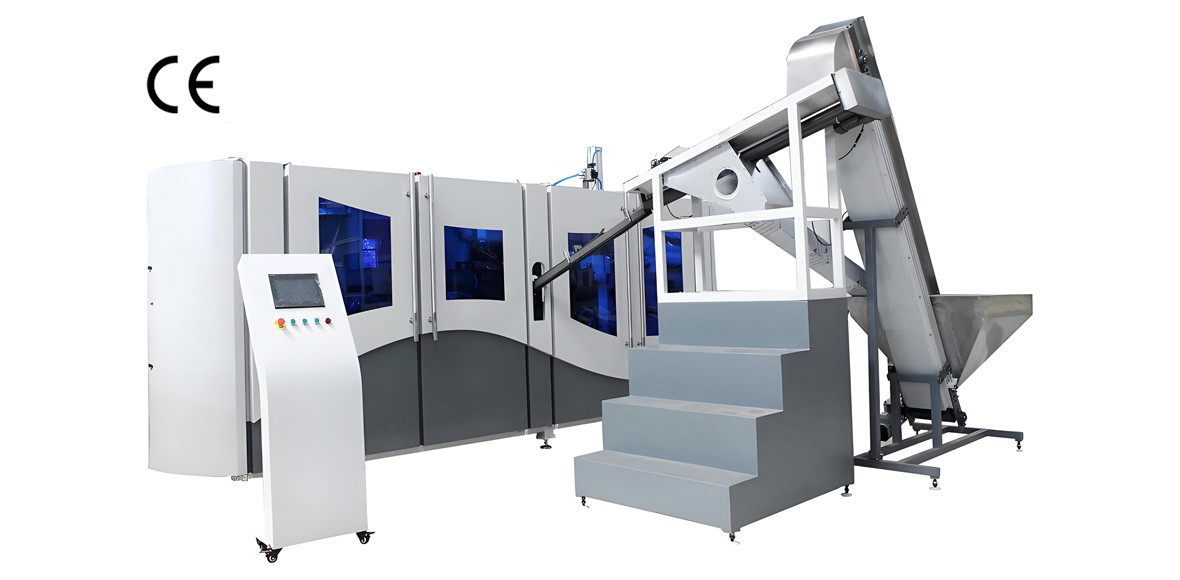
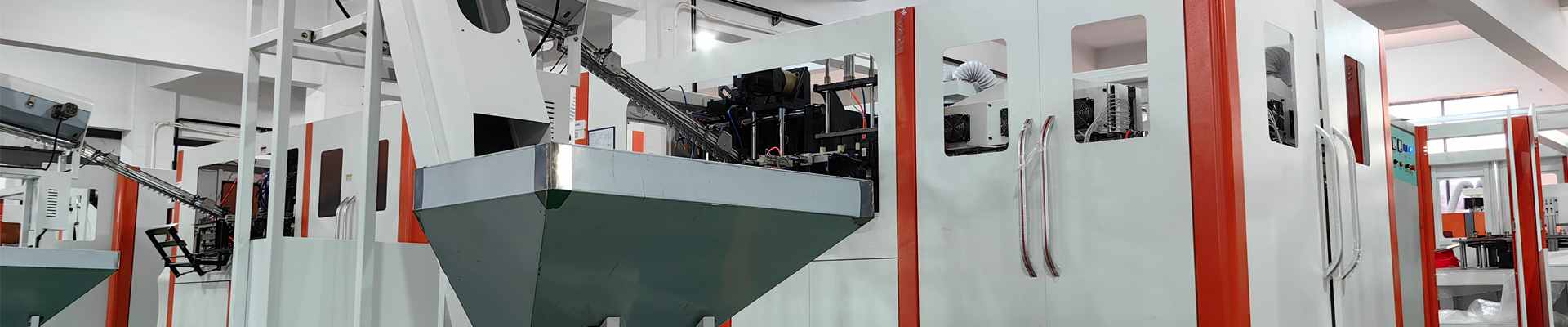
YuDa is a Wanplas factory that has spent more than twenty years building PET bottle blow molding machines for export minded producers, with installations running in over sixty countries and a portfolio that includes full automatic, semi automatic, and integrated blowing filling capping systems. The engineering choices that matter for compliance are stability, monitoring, and clean energy use: a servo driven, remotely monitored line with tight thermal control is far easier to keep inside migration and contamination limits than an older, manually tuned line. The following series are the configurations export bottlers use most often.
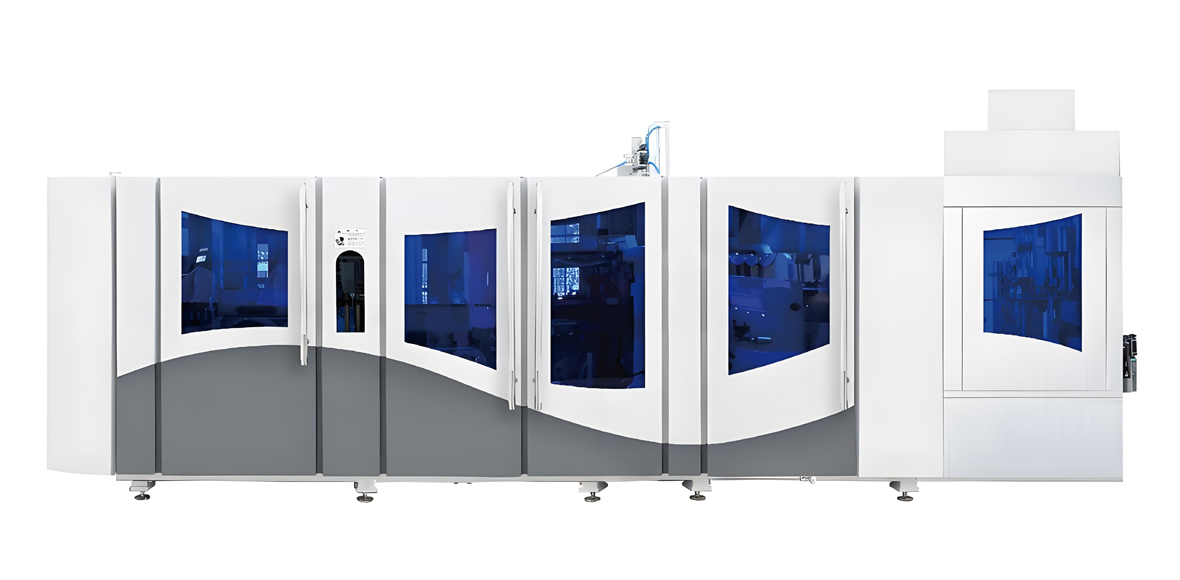
YuDa FGX High Speed Series
The FGX high speed series is YuDa’s flagship for water and beverage export lines that need 8000 to 15000 bottles per hour. Its single mode speed reaches 2500 to 3000 bottles per hour per cavity, and the line scales through four, six, eight, and ten cavity configurations. A unique cam linking system integrates mold opening, mold locking, and bottom mold elevating in one movement, while a high speed servo driving system keeps cycle times tight and repeatable. The energy story is just as important for compliance economics: heater distance is minimized to 38.1 mm, which saves more than 30 percent electricity compared with conventional heating ovens, and the modular design makes maintenance and changeovers convenient and cost saving. Stable, low variation blowing is the foundation of reproducible food contact quality.
FGX High Speed Series Specification
| Model | Cavities | Max Output (BPH) | Bottle Volume (L) | Heating Ovens | Installed Power (kW) |
|---|---|---|---|---|---|
| FGX-4 | 4 | 6000 to 7000 | 0.2 to 2.0 | 1 | 48 |
| FGX-6 | 6 | 9000 to 11000 | 0.2 to 2.0 | 1 to 2 | 62 |
| FGX-8 | 8 | 12000 to 14000 | 0.2 to 1.5 | 2 | 78 |
| FGX-10 | 10 | 14000 to 15000 | 0.2 to 1.0 | 2 | 92 |
YuDa Standard and Semi Automatic Series
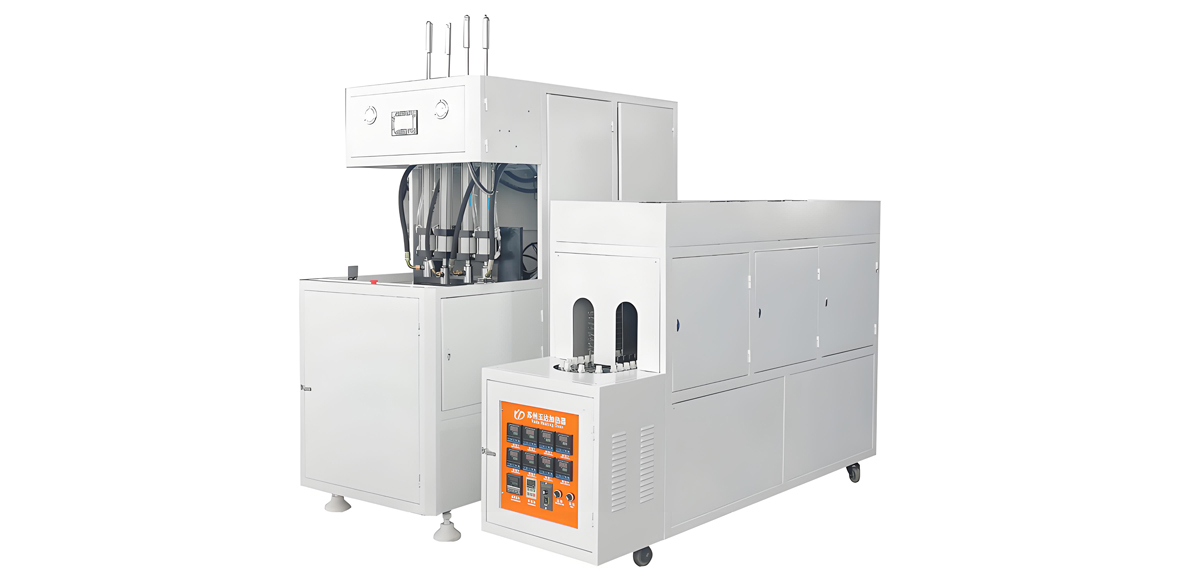
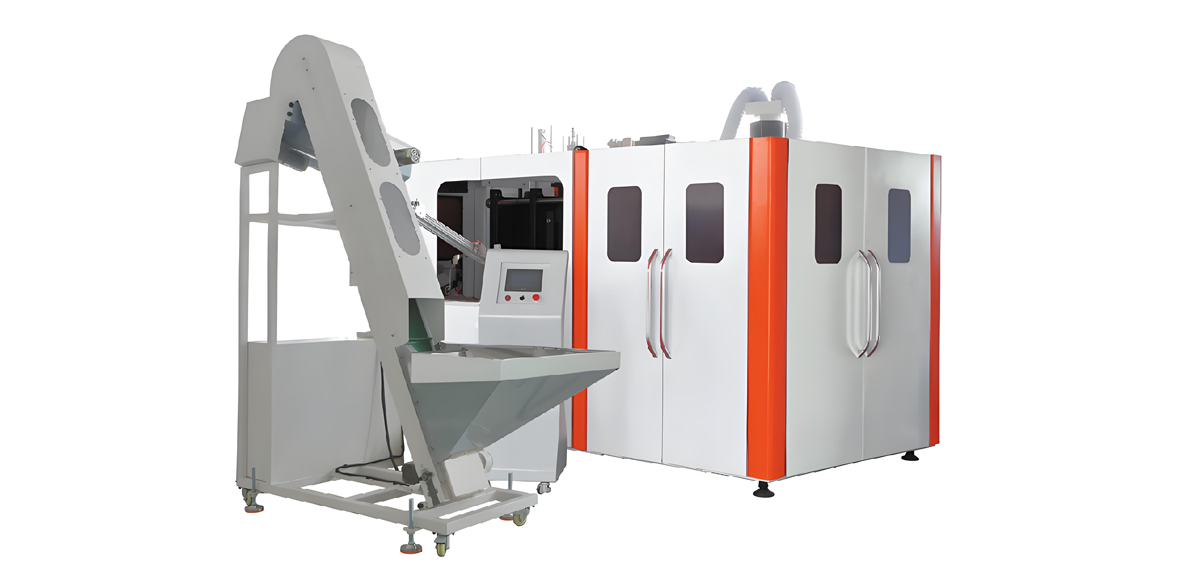
For edible oil, detergent, cosmetic, and regional beverage volumes, the YuDa standard speed series covers 1000 to 7000 bottles per hour with full automatic operation, advanced heating systems, and the same energy saving technology as the high speed line. The semi automatic series lowers procurement cost for small enterprises and is ready to ship, making it a practical entry point for a new exporter who still needs a clean, documented process. Both families share modular molds, food grade contact parts, and recipe storage, so a growing bottler can start on a semi automatic line and scale into the FGX series without rebuilding its quality system.
Standard and Semi Automatic Series Specification
| Model | Cavities | Output (BPH) | Bottle Volume (L) | Installed Power (kW) | Air Use (m3/min) |
|---|---|---|---|---|---|
| YD-2 | 2 | 2000 to 3000 | 0.1 to 2.0 | 28 | 1.6 |
| YD-4 | 4 | 4000 to 5000 | 0.1 to 2.0 | 40 | 2.2 |
| YD-6 | 6 | 6000 to 7000 | 0.2 to 1.5 | 52 | 2.8 |
| YD-S semi auto | 2 | 800 to 1500 | 0.1 to 2.0 | 18 | 1.2 |
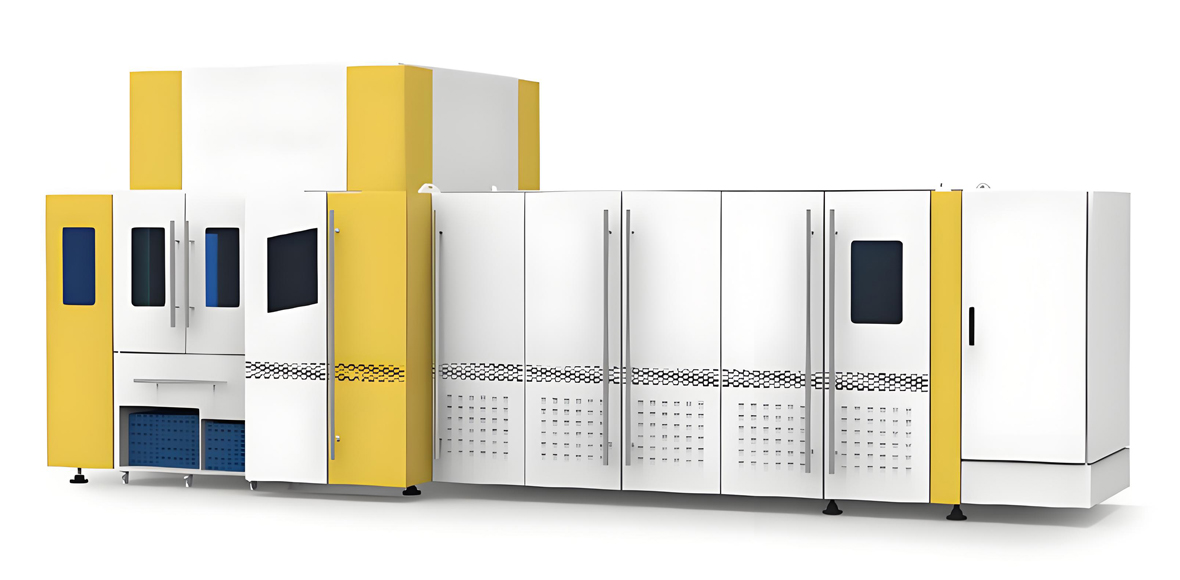
Integrated Blowing Filling Capping CombiBlock
For export lines that want to minimize transfer contamination, YuDa offers a linear blowing filling capping combiblock that produces the PET bottle, fills the product, and installs the cap in one compact process. By eliminating the open air handling between blowing and filling, the combiblock reduces the surface exposure that hygiene audits worry about and saves plant area at the same time. For water and still beverage export, where the bottle moves straight from clean blow to sealed fill, this integration is one of the strongest practical compliance upgrades available.
Application Industries and Export Packaging
PET bottle compliance standards apply across the full range of export packaging that YuDa serves, and the testing depth scales with the product. Drinking water and carbonated beverages are the strictest because they are consumed directly with no cooking step to destroy contaminants, so they demand the fullest migration and sensory program. Edible oil uses a fatty food simulant and cares about stabilizer and antioxidant migration. Detergent and cosmetic bottles are usually not food contact, yet buyers in Europe and America still expect REACH and, where relevant, cosmetic regulation alignment, plus heavy metal and odor control for consumer acceptability.
In the food and beverage export trade, a documented compliant bottle is a sales asset. Private label water brands, regional beer and cider fillers, edible oil packers, and cosmetic houses all compete on shelf appearance and price, but they lose shelf access entirely if the bottle fails a border check. YuDa’s application coverage spans water, carbonated and still beverages, edible oil, daily chemical detergent, and cosmetic containers, and the same machine families serve all of them with bottle specific recipes. That breadth lets an export oriented group run several product lines on a consistent, auditable YuDa platform rather than juggling incompatible suppliers.
For packaging houses that also handle recycled content, Wanplas as the parent brand supplies the wider group capability needed for downstream pelletizing and rPET preparation, so a bottler can build a closed loop that still satisfies food contact authorization. The key point for the exporter is integration: resin, preform, bottle, and record must move as one controlled stream from intake to sealed carton.
Certification to Landing Compliance Checklist
Turning standards into a shipment that clears customs is a sequence of evidence steps. Each standard maps to a required artifact, and missing any one of them can hold a container at the port. The checklist below connects the standard to the proof an exporter must present, and it is the same logic auditors walk through during a factory assessment.
| Standard | Landing Region | Applies To | Required Evidence |
|---|---|---|---|
| Regulation (EU) 10/2011 | European Union | Food contact plastics | Declaration of Compliance, migration test, authorized substance list |
| FDA 21 CFR 177.1630 | United States | PET food contact | Extraction study, food contact notification or GRAS basis |
| GB 4806 series | China and many importers | Domestic and export FCM | GB test report, additive conformance |
| ISO 22000 | Global | Management system | Certificate from accredited body, HACCP plan |
| REACH | European Union | Substances in articles | SVHC declaration above threshold |
| Regulation (EU) 2022/1616 | European Union | Recycled food contact PET | Authorized recycling process confirmation |
Selection Guidance: Requirement to Recommended YuDa Model
Choosing the right YuDa machine for an export compliant line starts from the product, the required output, and the bottle volume, then matches those to a series that can hold the validated process window at scale. The table below gives a practical starting point; final selection still depends on preform design, local utilities, and the exact food simulant the product requires. A common mistake is to over specify speed and under specify documentation, so YuDa positions monitoring and recipe control as standard rather than optional on export lines.
| Customer Requirement | Recommended YuDa Model | Rationale |
|---|---|---|
| Water 0.5 L, 20000 BPH target | FGX-10 high speed plus combiblock | High cavity count and integrated fill cut transfer risk |
| Carbonated drink 0.33 L, 10000 BPH | FGX-8 high speed | High output with stable pressure and orientation |
| Edible oil 1 to 5 L, 4000 BPH | YD-4 or FGX-4 | Larger volume, moderate speed, fatty simulant tested |
| Cosmetic 100 to 500 mL, 3000 BPH | YD-2 or YD-4 | Precision neck, small volume, REACH aligned |
| Detergent 1 to 3 L, 5000 BPH | YD-4 or YD-6 | Chemical tolerance, heavy metal and odor control |
| New exporter, 1000 BPH entry | YD-S semi automatic | Lower procurement cost, ready to ship, clean process |
Service and Support for Export Oriented Buyers
Compliance does not end at machine delivery. YuDa, as a Wanplas factory, backs its export lines with the shared Wanplas group service commitments that keep a documented, auditable operation running. Every export oriented customer benefits from USD 500 free parts every year, free replacement of damaged parts within warranty, and a transparent quality standard promise that includes refund plus compensation if quality commitments are not met. Engineers support installation and commissioning on site, and the remote monitoring system keeps the headquarters loop informed so abnormal conditions are addressed quickly rather than discovered at the next audit.
YuDa also operates an open factory policy that welcomes customer visits, so a buyer can inspect the production environment, review the quality documentation system, and validate the process controls before committing to a line. For bottlers scaling from a semi automatic entry machine to a high speed FGX series, this continuity means the same quality system, recipes, and support relationship carry forward, which protects the compliance file as volume grows. Training covers not only machine operation but also the hygiene and record keeping practices that food contact auditors examine, turning the operator into a compliance asset rather than a risk.
YuDa supports export lines with USD 500 free parts every year, on site commissioning, remote monitoring, and an open factory policy that lets buyers verify the compliance system before purchase.
Frequently Asked Questions
What are the main compliance standards for PET bottles exported to Europe and America?
For the European Union the core rule is Regulation (EU) 10/2011 on plastic food contact materials, supported by overall and specific migration limits and REACH substance controls. For the United States the baseline is the FDA food contact framework under 21 CFR, especially 21 CFR 177.1630 for polyethylene terephthalate. A credible management system such as ISO 22000 and a documented HACCP plan strengthen market entry in both regions.
How do EU 10/2011 and FDA 21 CFR differ for PET bottles?
EU 10/2011 uses a positive list of authorized substances with strict overall migration limits such as 10 mg per square decimeter and individual specific migration limits for heavy metals and monomers. The FDA framework relies on indirect food additive regulations and Threshold of Regulation clearance, with 21 CFR 177.1630 defining the conditions of use for PET. Both require extraction or migration testing, but the EU system is list based while the US system is clearance based.
What is acetaldehyde and why does it matter in PET bottle compliance?
Acetaldehyde is a volatile organic compound generated when PET resin is over dried or over heated during preform injection and bottle blowing. It can impart a fruity off taste to water and sensitive beverages. Although acetaldehyde is typically controlled as a quality specification rather than a legal migration limit, leading producers keep bottle wall acetaldehyde well below a few parts per million by optimizing drying temperature, residence time, and blow oven control.
Which heavy metals are restricted in food contact PET bottles?
Both the EU and Chinese GB 4806 systems restrict heavy metals such as lead, cadmium, barium, cobalt, copper, and zinc through specific migration limits. Lead and cadmium are held to very low thresholds, and total heavy metal migration is checked by methods such as ICP-MS. Clean resin selection, non contaminated regrind control, and hygienic production lines keep these results compliant.
Does recycled PET (rPET) face extra compliance rules for export?
Yes. In the European Union recycled plastic intended for food contact must come from an authorized recycling process evaluated by the European Food Safety Authority under Regulation (EU) 2022/1616. In the United States the FDA issues favorable letters for specific rPET processes. The bottle blowing line must also prevent cross contamination between virgin and recycled streams and keep full batch traceability.
How can a PET bottle blow molding line support compliance and traceability?
A compliant line controls resin quality at intake, keeps the blowing environment clean, uses oil free compressed air and food grade contact parts, and records cavity level process data for every batch. Remote monitoring and recipe management let producers reproduce validated parameters and generate the documentation auditors require for EU and US market entry.
What documents does a buyer need to clear EU and US customs for PET bottles?
Typical evidence includes a Declaration of Compliance, migration and extraction test reports from an accredited laboratory, a full list of intended substances and additives, resin certificates of analysis, and the factory quality management certificate such as ISO 22000 or ISO 9001. For recycled content, an authorized recycling process confirmation is also required.
Which YuDa machine series fits a compliant export production line?
For high volume water and beverage export, the YuDa FGX high speed series delivers 8000 to 15000 bottles per hour with servo driven, monitored cavities and 38.1 mm heater spacing that reduces electricity by more than 30 percent. For edible oil, detergent, and cosmetic volumes, the YuDa standard and semi automatic series cover 1000 to 7000 bottles per hour. An integrated YuDa linear blowing filling capping combiblock reduces transfer contamination risk.
Conclusion
PET bottle compliance standards for Europe and America are detailed but manageable once they are treated as an engineering system rather than a paperwork afterthought. The exporter must satisfy the EU food contact framework under Regulation (EU) 10/2011, the US FDA framework under 21 CFR with 21 CFR 177.1630 for PET, the GB 4806 benchmark, and the REACH and rPET rules that layer on top, while backing all of it with an ISO 22000 managed process and a complete traceability file. Migration limits, acetaldehyde control, and heavy metal testing are the measurable proof, and clean, monitored production is what keeps that proof true batch after batch.
YuDa, a Wanplas factory with more than twenty years of PET bottle blow molding experience and installations in over sixty countries, builds exactly the kind of stable, energy efficient, remotely monitored line that makes compliance repeatable. From the FGX high speed series at 8000 to 15000 bottles per hour down to the semi automatic entry line, and from standalone blowing to integrated blowing filling capping combiblocks, the YuDa portfolio lets an export bottler match capacity to market while holding the validated process window that audits demand. If you are planning a PET bottle line for European or American export, send your product, volume, and bottle specification to the YuDa team for a tailored configuration, request a factory visit to verify the quality system, and arrange a sample trial run so your compliance file starts from a proven, documented process.