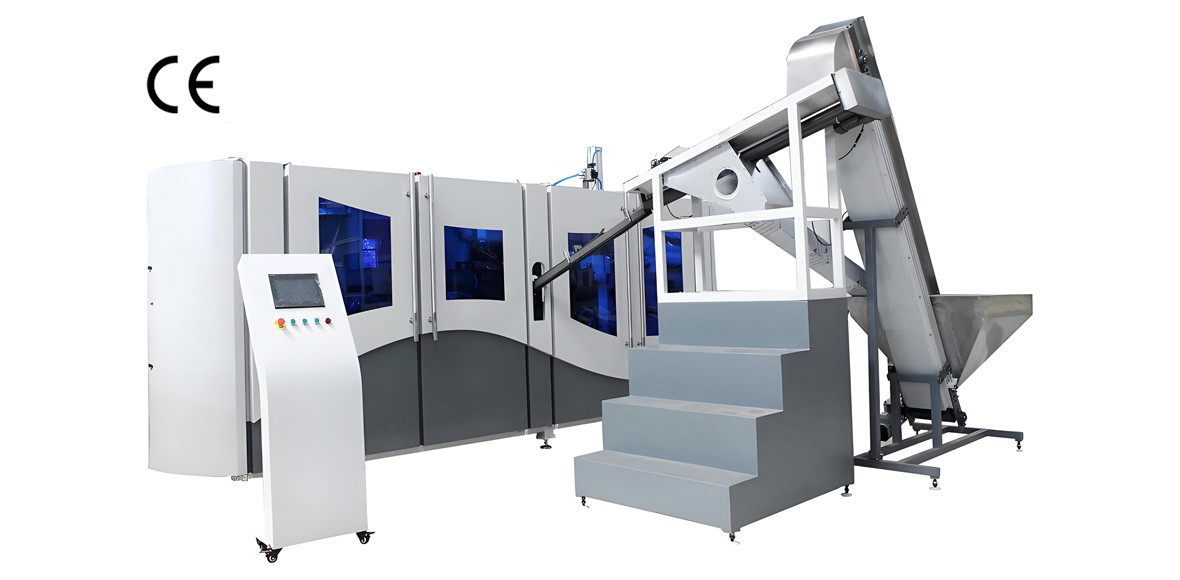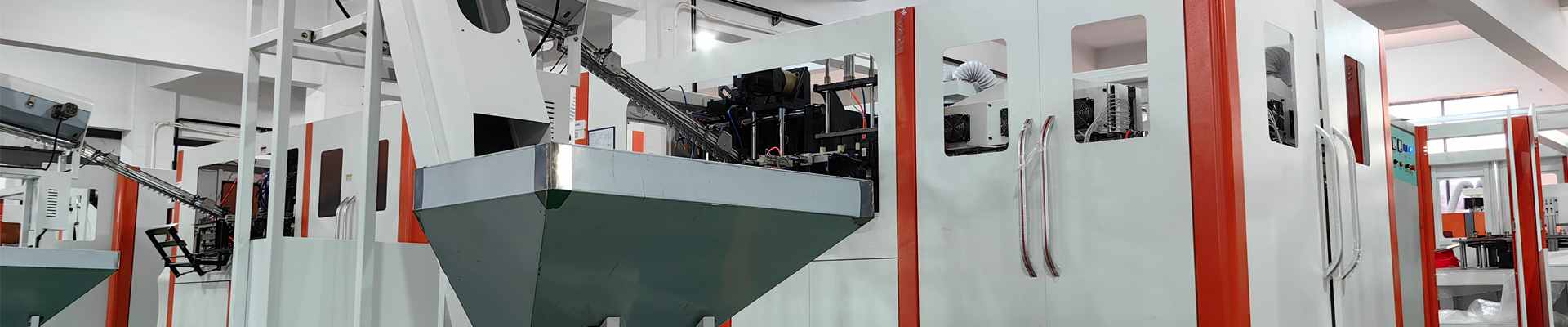
YuDa Machinery is a Wanplas factory and one of China’s leading manufacturers of PET bottle blow molding machines, with over 20 years of specialization, exports to more than 60 countries, a top-two domestic market position, and more than 20 patents in blow-molding technology. This guide lays out a practical small-scale startup plan for entrepreneurs who want to enter the PET perfume bottle and cosmetic spray bottle business with a compact, affordable blowing workshop.
The perfume and personal-care segment is attractive for small operators because bottles are small, decorative, and sold in many niche variants. A startup does not need a 15,000 bottle-per-hour line to be profitable. With the YuDa semi-auto series, an entrepreneur can begin with a low procurement cost, a small footprint, and the flexibility to serve local brands, fragrance makers, and promotional buyers. The following sections explain the product logic, the machine choice, the bottle design, and a step-by-step path from workshop setup to first shipment.
Why PET Works for Perfume and Cosmetic Spray Bottles
PET, polyethylene terephthalate, brings clarity, light weight, and shatter resistance to fragrance and cosmetic packaging. For travel sizes, gym mists, and promotional fragrance, a PET bottle is safer than glass and far cheaper to ship. These properties explain why many personal-care and mass-market fragrance products already use PET or PETG containers.
Clarity is the first selling point. PET transmits light well, so a colored liquid or a clear formula looks clean on the shelf. PETG, a glycol-modified variant, delivers even higher clarity and is often chosen when the brand wants a glass-like appearance without the weight or breakage risk of glass.
Weight and safety matter for fragrance carried in bags or sold as travel sets. A PET bottle survives drops that would shatter glass, which reduces returns and complaints. For airlines and promotional giveaways, shatter resistance is a real advantage that buyers notice.
Cost is the deciding factor for many startups. PET preforms are inexpensive, the blow process is fast, and the tooling for a small bottle is modest compared with glass molding. A startup can offer competitive unit pricing while keeping its own operating cost Low to Medium.
Speed to market is another PET advantage for a startup. A new bottle shape can move from concept to sample in days rather than the weeks a custom glass mold often requires. That responsiveness lets a small workshop say yes to urgent promotional jobs that larger, slower suppliers decline, turning agility into revenue.
Honest limitation: prestige perfume still favors glass for barrier, perceived value, and compatibility with high-alcohol formulas. PET is the right choice for mass, travel, promotional, and private-label fragrance mists rather than luxury flagship scents. A smart startup targets the segments where PET wins instead of competing head-on with glass houses.
The Small-Scale Business Model
A small-scale PET perfume bottle business usually serves three customer types: local fragrance and essential-oil makers, cosmetic brands needing spray or mist bottles, and promotional buyers who want custom-decorated mini bottles. These customers value short runs, fast turnaround, and flexible decoration more than rock-bottom per-unit price.
Low minimum order quantities are the startup’s competitive weapon. Large glass factories reject small runs, but a semi-auto PET workshop can accept a few thousand bottles with custom color or shape. That flexibility wins business from indie perfume labels and contract blenders who cannot meet glass house MOQs.
Customization creates margin. A startup can offer colored PET, frosted finishes through surface treatment, printed or labeled bottles, and unusual small shapes that mass lines will not tool. The blow mold for a small perfume bottle is affordable, so offering several proprietary shapes becomes a differentiation strategy.
Cost structure stays manageable because the machinery footprint is small and power demand is modest. Compared with a high-speed automatic line, a semi-auto startup keeps capital, utilities, and staffing at Low to Medium levels. The trade-off is lower hourly output, which is acceptable when the business model is niche and custom rather than volume.
Local distribution reduces logistics risk. A startup near its customers can deliver same-week, sample quickly, and adjust runs based on sell-through. This proximity is hard for distant glass imports to match and supports a healthy small-business margin.
Risk management keeps the startup alive through the learning curve. The founder should validate the first bottle with a real customer before investing in a second mold, keep preform and pump suppliers dual-sourced, and reserve cash for the first spare-parts order. Because the YuDa semi-auto series has a lower procurement cost, the financial exposure of a false start stays Limited rather than devastating.
YuDa Semi-Auto Series for Startups
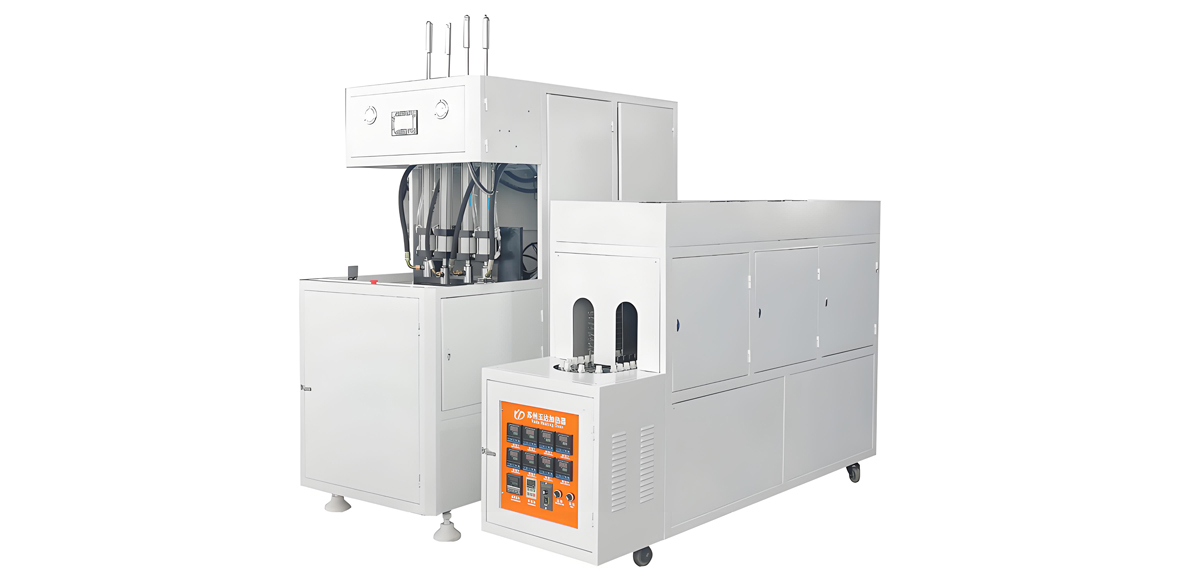
YuDa’s semi-auto series is designed for small enterprises, with lower procurement cost and ready-to-ship availability. It is the natural entry point for a startup bottle workshop because it delivers real production capability without the capital and floor-space burden of a high-speed automatic line.
Semi-auto operation means the operator loads preforms and the machine blows them, with manual or assisted handling between stations. Output is lower than automatic lines, but the machine is simpler, easier to maintain, and faster to learn. For a founder who is hands-on in the workshop, that simplicity is an advantage rather than a drawback.
The semi-auto series shares YuDa’s core heating and mold concepts, including the 38.1 millimeter heater spacing that reduces electricity use versus conventional ovens. Even a small workshop benefits from lower power draw because energy is a recurring cost that compounds across every production day.
Mold changeover is straightforward. A startup can keep several bottle molds and switch between a 30 milliliter cosmetic spray bottle, a 10 milliliter travel perfume, and a 50 milliliter mist bottle within the same shift. That agility supports the low-MOQ business model described earlier.
| Parameter | YuDa Semi-Auto Series |
|---|---|
| Output range | Low to medium, manual-assisted |
| Bottle volume | 5 to 100 mL typical |
| Cavity number | 2 to 4 typical |
| Procurement cost | Lower, startup-friendly |
| Heater spacing | 38.1 mm energy-saving |
| Availability | Ready to ship |
| Best fit | Small enterprises, custom runs |
The table summarizes why the semi-auto series fits a startup. It is not the fastest machine YuDa makes, but it is the most accessible, and it preserves the engineering quality of the broader YuDa platform.
Perfume Bottle Design and Material Choices
Perfume and fragrance mist bottles are small, so design details dominate the perceived quality. Volumes typically range from 5 milliliters for travel atomizers to 100 milliliters for standard retail mist bottles. Within that range, the neck, wall thickness, and base shape define whether the bottle reads as premium or cheap.
Neck finish is critical because the spray pump or dropper screws onto it. A consistent neck dimension ensures the pump seals and the bottle handles cleanly on the filler. YuDa blow molds hold neck geometry tightly so the customer’s pump supplier can rely on a repeatable fit.
Wall thickness affects both feel and cost. A thicker wall feels more substantial and more glass-like, which helps a PET bottle compete with glass on the shelf. The trade-off is more preform weight per bottle, so the designer balances luxury feel against material cost using the table below.
| Design factor | Typical startup choice | Why it matters |
|---|---|---|
| Volume | 5 to 100 mL | Matching travel and retail segments |
| Material | PET or PETG | PET for cost, PETG for clarity |
| Neck | Standard pump finish | Pump and dropper compatibility |
| Wall | Medium to thick | Glass-like feel, higher preform use |
| Shape | Custom proprietary | Brand differentiation |
| Decoration | Color, frost, label | Shelf appeal and margin |
Material selection deserves a clear note. Standard PET resists many cosmetic formulations, but high-alcohol perfume can stress some grades and may interact with the resin or its additives. For alcohol-rich fragrances, PETG or a barrier-selected PET grade is often the safer choice, and the filler should confirm compatibility through formulation testing before a production run.
Sustainability is an increasingly useful selling point for a PET perfume bottle business. PET is widely recycled, and many markets now expect recyclable or recycled-content packaging even for cosmetics. A startup that offers rPET-content bottles or designs for easy separation of pump and bottle can meet retailer sustainability requirements and appeal to eco-minded fragrance brands.
YuDa Standard-Speed Series as the Upgrade Path
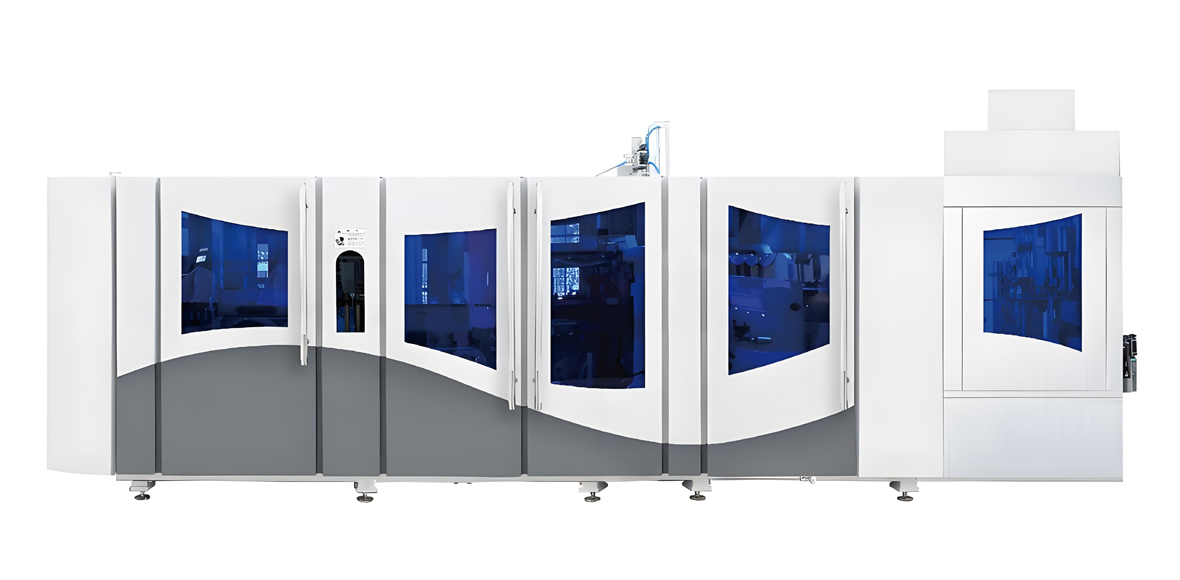
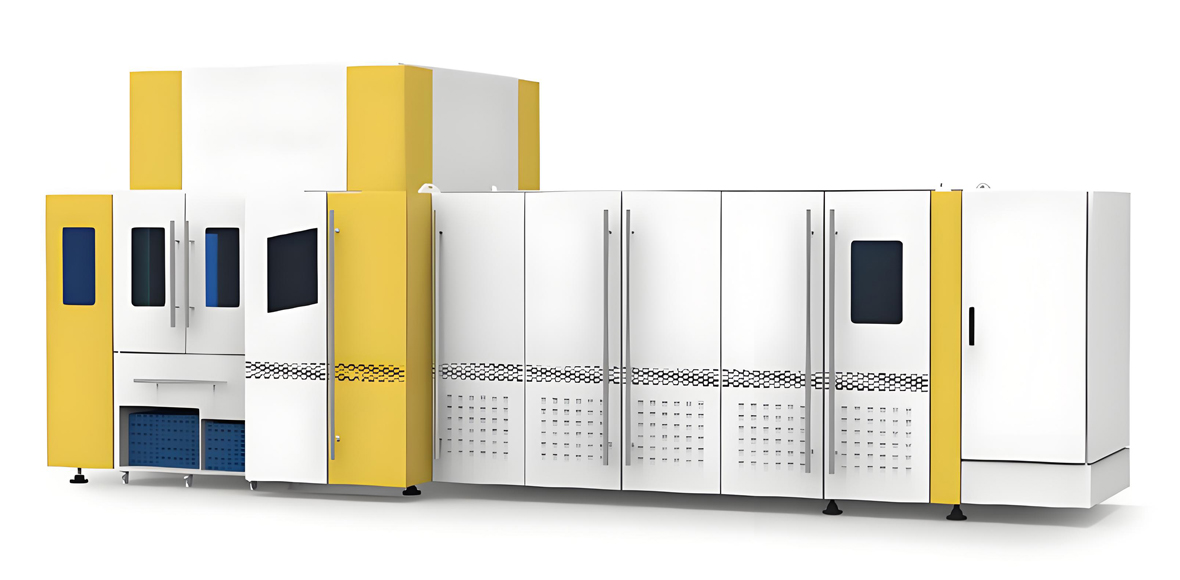
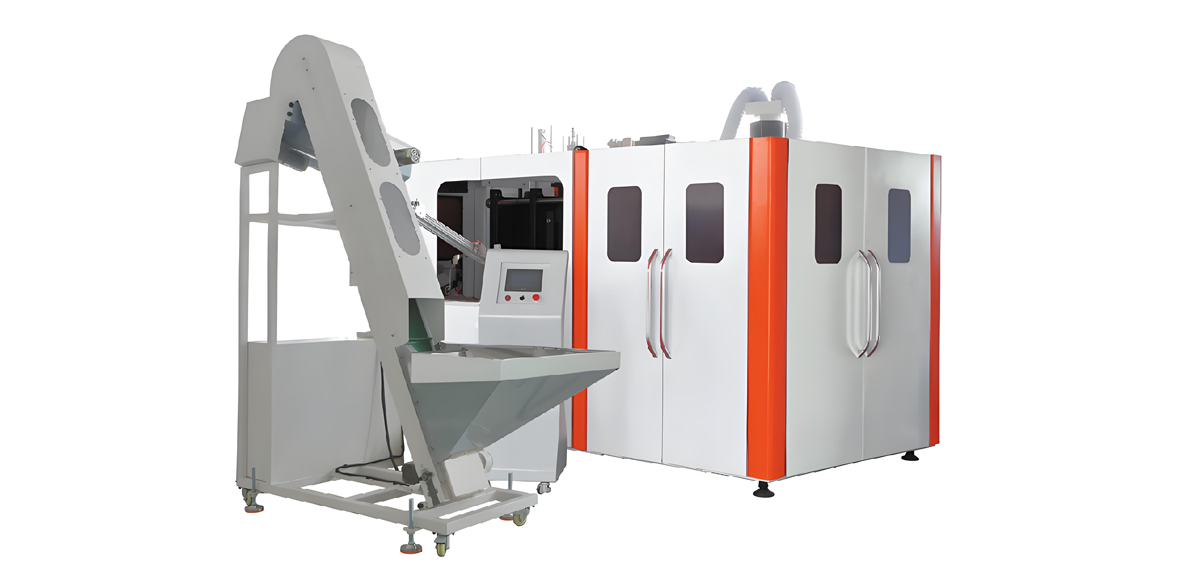
As demand grows, a startup can move from semi-auto to the YuDa standard-speed full-automatic series, which covers 1,000 to 7,000 bottles per hour. This series keeps the same engineering platform and recipe logic, so the learning curve is short and the mold investment is preserved.
The standard-speed series automates preform feeding, blowing, and bottle discharge, raising output and reducing labor per bottle. For a startup that has proven its market and now needs volume, this step converts a craft workshop into a scalable supplier without changing the underlying process knowledge.
Because both series share concepts such as the 38.1 millimeter heater spacing and modular molds, the startup protects its earlier tooling. A mold made for the semi-auto machine can often be carried into the automatic line, which lowers the cost of scaling and shortens the payback period on the upgrade.
| Parameter | YuDa Standard-Speed Series |
|---|---|
| Output range | 1,000 to 7,000 BPH |
| Bottle volume | 5 to 100 mL and up |
| Cavity number | 2 to 6 |
| Automation | Full automatic feeding and discharge |
| Heating | 38.1 mm spacing, zoned IR |
| Best fit | Scaling startups, regional brands |
The standard-speed series is the natural second machine for a growing perfume bottle business. It extends capacity while keeping the operator inside the familiar YuDa control and maintenance environment.
Semi-Auto Versus Automatic for a Startup
The choice between semi-auto and automatic is fundamentally a choice between flexibility and volume. The table below compares the two approaches on the factors a startup founder actually weighs during the first year of operation.
| Factor | Semi-Auto (start) | Automatic (scale) |
|---|---|---|
| Capital cost | Low | Medium to High |
| Output per hour | Low to medium | 1,000 to 7,000 BPH |
| Labor per bottle | Higher | Lower |
| Changeover speed | Fast, simple | Fast, recipe-based |
| Footprint | Compact | Larger |
| Best use | Custom, low MOQ | Proven volume |
Most startups should begin with semi-auto and graduate to automatic only after demand is validated. Starting small limits risk: if a particular bottle shape does not sell, the lost tooling is minor, and the founder can pivot to the next niche without stranded capacity.
Selecting the Right Startup Configuration
The selection table below maps common startup scenarios to the recommended YuDa configuration. These are starting points; the final configuration is confirmed after the founder shares target bottle volume, expected monthly volume, and decoration requirements.
| Startup scenario | Recommended model | Cavities | Output |
|---|---|---|---|
| Indie perfume, trial runs | Semi-auto series | 2 | Low, manual-assisted |
| Local cosmetic brand | Semi-auto series | 2 to 4 | Low to medium |
| Promotional mini bottles | Semi-auto series | 4 | Medium |
| Growing regional demand | Standard-speed series | 4 to 6 | 3,000 to 7,000 BPH |
| Blow plus fill in one cell | Linear BFC combiblock | Compact | Integrated, area-saving |
For founders who also want to fill and cap in-house, YuDa offers the linear blowing-filling-capping combiblock, which blows and fills in one compact cell. When broader filling-line scope is needed across the Wanplas group, the parent brand supplies matched filling and packaging capability so the startup can grow into a full line later.
Workshop Layout and Daily Workflow
A semi-auto PET perfume bottle workshop needs a compact, clean space with power, compressed air, and a packing bench. The machine, preform feeder, air supply, and inspection table fit a small floor area, which keeps the real-estate cost Low and the layout easy to manage.
The daily workflow follows a simple sequence. First, the operator loads PET preforms into the feeder. Second, the oven reheats each preform to its stretch temperature. Third, the preform is placed in the blow mold and stretched and blown into the bottle shape. Fourth, the finished bottle is deflashed and visually inspected. Fifth, approved bottles are packed for the customer or moved to decoration.
Compressed air quality is important even at small scale. Blow air should be filtered and dry so no moisture or oil reaches the bottle interior, which would compromise a cosmetic or fragrance fill. A modest filtered compressor sized to the cavities is sufficient for a semi-auto startup.
Quality checks should be built into every shift. The operator verifies neck dimension, wall uniformity, base symmetry, and clarity. Because perfume bottles are decorative, even small visual defects are customer-visible, so a simple inspection light and a reference sample prevent bad batches from shipping.
Record-keeping supports repeat orders. Saving the recipe for each bottle, including oven temperature and blow pressure, lets the workshop reproduce a customer’s bottle exactly on the next run. YuDa’s recipe management on the automatic series makes this discipline automatic, but a paper or spreadsheet log works for semi-auto as well.
Staffing a small workshop stays light. One or two operators run the semi-auto machine, pack, and inspect, while the founder handles sales and procurement. As volume rises, adding a second shift or a standard-speed machine extends capacity without rebuilding the business. This gradual scaling matches cash flow to growth instead of betting everything on a large line from day one.
Applications and Target Customers
The PET perfume bottle workshop serves fragrance and personal-care segments where small, attractive, shatter-resistant bottles add value. Typical end products include travel atomizers, perfume mist bottles, essential-oil spray bottles, and promotional fragrance samples.
Target customers include indie perfume houses that launch with small batches, contract blenders who private-label for retailers, cosmetic brands needing mist or spray bottles, and event or hotel buyers who order promotional mini bottles. Each customer type values flexibility and speed more than the lowest possible unit price.
Regional personal-care manufacturers are another strong fit. Local shampoo, body mist, and sanitizer brands often need small spray bottles with quick design changes. A nearby PET workshop that can deliver in days builds loyalty that distant suppliers cannot match.
Export is possible once quality is consistent. YuDa’s experience across more than 60 countries means the machines meet common international electrical standards and can be adapted to local voltage, which helps a startup that later sells bottles or filled product across borders.
Seasonal demand is a useful pattern to exploit. Promotional and travel bottles peak before holidays and travel seasons, while everyday cosmetic mists stay steady. A startup that plans mold and preform stock around these cycles smooths production and avoids rush premiums on pumps and labels.
Service, Training, and the Wanplas Support Policy
YuDa supports startups with on-site installation and commissioning, pre-shipment testing, and operator training. A new owner learns how to set oven temperatures, manage recipes, change molds, and inspect output before the machine ever leaves the factory floor unattended.
The shared Wanplas service policy strengthens the ownership experience for a small business. It includes USD 500 free parts every year, free replacement of damaged parts within the warranty window, a transportation guarantee, and a production-capacity guarantee. For a startup watching every expense, the annual free parts allowance directly lowers the cost of ownership.
Remote monitoring is available on YuDa’s more advanced configurations. Engineers at the China headquarters can read PLC data through a mobile connection and receive abnormal-operation alerts, which helps a small team diagnose issues quickly even without a full-time maintenance engineer on staff.
YuDa operates an open-factory policy. A founder planning a perfume bottle business is welcome to visit the plant, inspect the semi-auto and standard-speed machines, and witness a trial run on sample preforms. A factory visit before purchase confirms the machine fits the intended bottle program and builds confidence in the supplier.
Common Defects and How to Avoid Them
Small perfume bottles show defects more readily than large containers because the surface is decorative and the customer inspects the bottle closely. Knowing the common failure modes lets a startup catch problems before a batch ships. The table below maps typical defects to their likely causes and fixes.
| Defect | Likely cause | Remedy |
|---|---|---|
| Thick or thin walls | Uneven preform temperature | Rebalance oven zones, check lamps |
| Cloudy or hazy wall | Overheating, burnt PET | Lower oven temperature, shorter dwell |
| Off-center neck | Mold misalignment | Realign blow mold, check clamp |
| Weak base, wobble | Poor base formation | Adjust stretch rod, base air |
| Surface marks | Mold contamination | Clean mold, improve preform handling |
| Bubbles in wall | Moist or dirty preforms | Dry and clean preform storage |
Most defects trace back to preform temperature and mold condition, which is why the oven and mold deserve daily attention. A startup should keep a reference bottle from an approved run and compare each shift’s output against it under consistent lighting.
Stretch timing is the other common lever. Too little stretch leaves the wall unoriented and weak; too much can thin the base. Because perfume bottles are small, the timing window is tight, so recipe discipline matters more than on large water bottles. YuDa’s recipe storage helps by removing guesswork between runs.
Decoration, Labeling, and Finishing Options
Shelf appeal decides whether a perfume bottle sells, so decoration is a core part of the business rather than an afterthought. A PET bottle can be colored in the preform, frosted by surface treatment, printed by screen or pad process, or labeled with pressure-sensitive film. Each option trades cost against lead time and minimum quantity.
Colored preforms give a uniform tint through the wall and are cost-effective at volume, but they lock the run to one color. Surface frosting creates a soft, premium look that reads as glass-like and suits high-end fragrance mists. Printing directly on the bottle supports short runs and custom artwork, which is exactly the niche a small workshop should court.
Labeling remains the most flexible choice for indie brands. A clear or decorative label wraps the bottle without committing the bottle color, so a startup can serve many customers from one neutral bottle stock. For travel and promotional bottles, a branded label plus a colored closure is often enough to look finished and retail-ready.
Closure and pump selection close the loop. The bottle neck must accept the customer’s spray pump or dropper, so neck compatibility should be confirmed during bottle design. A startup that standardizes on one or two common neck finishes can stock pumps and serve more customers with less complexity.
Frequently Asked Questions
Is PET good for perfume bottles?
PET works well for mass-market, travel, and promotional fragrance mists and cosmetic spray bottles. Prestige perfume still favors glass, but PET offers clarity, light weight, and shatter resistance at lower cost.
Which YuDa machine suits a small startup?
The YuDa semi-auto series is designed for small enterprises with lower procurement cost and ready-to-ship availability, making it the natural entry point for a startup bottle workshop.
What bottle volumes are typical for perfume?
Perfume and fragrance mist bottles typically range from 5 milliliters to 100 milliliters, with travel sizes around 5 to 15 milliliters and standard retail sizes near 30 to 100 milliliters.
How much floor space does a semi-auto line need?
A semi-auto blow machine with preform feeder, air supply, and packing bench fits a compact workshop area, far smaller than a high-speed automatic line, which helps keep startup cost Low.
Can I upgrade from semi-auto to automatic later?
Yes. YuDa’s standard-speed full-automatic series shares the same engineering platform and recipe logic, so a startup can scale output by moving to automatic blowing as demand grows.
What after-sales support does YuDa provide?
YuDa provides on-site installation, commissioning, operator training, pre-shipment testing, and the shared Wanplas policy of USD 500 free parts every year plus warranty replacement.
Does PET resist alcohol-based fragrance?
Standard PET resists many cosmetic formulations, but high-alcohol perfume can stress some grades. PETG or barrier-selected PET and confirmation with the filler’s formulation testing are recommended for alcohol-rich fragrances.
Conclusion
A small-scale PET perfume bottle blowing business is a realistic entry into plastic packaging for an entrepreneur who starts with the YuDa semi-auto series, serves low-MOQ custom customers, and upgrades to the standard-speed series as demand proves out. The model wins on flexibility, speed, and local service rather than on raw volume.
YuDa Machinery, a Wanplas factory with over 20 years of experience and exports to more than 60 countries, supplies the semi-auto series, the standard-speed series, and the linear combiblock for bottlers of every scale. The shared Wanplas service policy, operator training, and open-factory visits give a startup practical backing from day one.
If you are planning a PET perfume or cosmetic spray bottle venture, send your target bottle volume, expected monthly output, and decoration ideas so YuDa can propose a tailored starter configuration. You are also welcome to visit the factory and run a trial on your own preforms before you commit to a purchase.