Building a 2026 Capital Plan for a Dedicated Cosmetic PET Bottle Blowing Operation
Yu Da Machinery, a Wanplas factory and one of the top two PET bottle blow machine manufacturers in China with more than twenty years of dedicated experience and equipment running in over sixty countries, supports cosmetic brands, private-label fillers, and contract manufacturers every week who are planning a dedicated PET bottle blowing line. The cosmetic segment is unlike commodity water or edible-oil bottling because it imposes stricter requirements on bottle clarity, wall-uniformity, color consistency, and contamination control, yet the underlying equipment economics follow predictable patterns that can be planned well in advance. This article builds a 2026 cost budget using a normalized cost index rather than absolute prices, so the plan stays valid across regions and currency fluctuations while still giving a defensible allocation of capital across machinery, tooling, plant, utilities, labor, and compliance. Readers who already run an extrusion blow molding shop for HDPE will notice that PET demands a different front end, but the budgeting discipline is identical: separate one-time capital from recurring operating cost, separate leased space from owned equipment, and separate the blow machine from the mold that defines the bottle.
A cosmetic PET bottle blowing factory in 2026 is best understood as three connected cost blocks rather than a single purchase. The first block is the blow molding machine itself, which for PET means an injection stretch blow molding (ISBM) system that takes a heated preform and stretches it biaxially before blowing it against a cooled blow mold. The second block is the preform and mold toolkit, because the bottle shape, neck finish, and gram weight are all fixed by the preform mold and the blow mold, not by the machine. The third block is everything around the machine: the dehumidifying dryer for PET resin if preforms are made in-house, the loader, the chiller, the mold temperature controller, the compressed air and high-pressure blow system, the inspection station, the plant shell, the utilities connection, the labor, and the certification workflow. The cost index framework below assigns each block a share of the total reference budget so a planner can scale the plan up or down without re-pricing every line item.
The 2026 Cost Index Framework and Why Absolute Prices Are Avoided
Because resin, freight, and component prices move continuously through 2026, this budget uses a cost index with a baseline of 100 that represents a reference medium configuration: a four-cavity automatic PET blow machine running two shifts inside a leased 600 square meter plant with a standard auxiliary package and a single bottle program. Every other configuration is expressed as a multiplier of that baseline, and every component is also shown as a percentage of total outlay so the allocation stays honest even when the absolute number changes. A Small boutique line then lands near index 45 to 65, a Large high-speed plant near 130 to 180, and the percentages tell you where the money goes regardless of scale. This approach also removes the temptation to quote a single currency figure that would be wrong within a quarter; instead the planner applies the local machine price to the index and reads the split directly from the share column.
| Cost category | Share of total | Cost index (base 100) |
|---|---|---|
| Blow molding machine (PET) | 40 to 46 percent | 44 |
| Preform mold and spare blow molds | 9 to 13 percent | 11 |
| Auxiliary equipment package | 11 to 15 percent | 13 |
| Plant shell and utility connection | 12 to 18 percent | 15 |
| Labor, training, commissioning | 8 to 12 percent | 10 |
| Compliance, certification, QA lab | 4 to 7 percent | 7 |
The single largest and most decision-driving item is always the blow molding machine, which is why the equipment selection section later in this article carries the most weight in the budget. The preform mold and blow mold together are the second fixed cost and the one most often underestimated, because a cosmetic program frequently needs multiple bottle designs, each requiring its own mold set plus a spare for changeover continuity. Auxiliary equipment looks small on paper but grows quickly once a buyer adds a dehumidifying dryer, a chiller sized for summer ambient, a high-pressure air receiver, and an inline inspection unit. Plant and utility cost varies the most by location, which is exactly why it is kept as a share rather than a number; a leased shell in an existing industrial park costs far less than a greenfield building, and the budget should reflect that gap explicitly rather than smoothing it over.
PET Material Economics That Shape the Budget
Polyethylene terephthalate, or PET, is the dominant resin for cosmetic bottles because it combines gloss, clarity, lightweight rigidity, and a well-understood recycling stream, but its material properties directly influence both machine selection and cost. PET has a density near 1.38 grams per cubic centimeter, an amorphous structure in the bottle that becomes partially oriented during stretching, a glass transition temperature around 70 to 80 degrees Celsius, and a Vicat softening temperature that keeps the empty bottle stable on a warm shelf yet demands careful cooling during blowing. For cosmetic grade, the resin is usually specified by intrinsic viscosity in the range of 0.70 to 0.85 deciliters per gram, with low acetaldehyde generation and tight color so the bottle reads as clear or precisely tinted. Because PET is hygroscopic, any in-house preform molding requires a dehumidifying dryer to bring moisture content below the threshold that causes hydrolysis and loss of molecular weight, and that dryer is a budget line that water-bottle planners sometimes forget.
Material choice also drives the cost index through scrap rate and yield. A stable PET grade with consistent melt flow rate and low dust reduces reject preforms, which in turn lowers the effective resin cost per good bottle even when the per-kilogram price is slightly higher. For tinted cosmetic lines, a color masterbatch or a UV stabilizer is added at the preform stage, and the dosing system plus the masterbatch inventory become recurring costs that the budget should carry as operating expense rather than capital. Modified PET with improved barrier or boosted impact strength is available but pushes the material share upward, so the planner should decide early whether the cosmetic product actually needs barrier enhancement or whether standard bottle-grade PET with a suitable wall thickness is sufficient. Keeping the material specification tight is the cheapest optimization available, because every percentage point of scrap avoided flows straight through to unit economics.
| PET property | Typical value for bottles | Budget impact |
|---|---|---|
| Density | 1.38 g/cm3 | Fixes gram weight per bottle |
| Intrinsic viscosity | 0.70 to 0.85 dl/g | Grades the resin cost |
| Glass transition (Tg) | 70 to 80 deg C | Sets cooling and storage |
| Vicat softening | Around 105 deg C | Limits hot-fill use |
| Acetaldehyde level | Low, controlled | Needs dryer, QA check |
| Melt flow rate | Low, stable | Stabilizes scrap rate |
Process Route: One-Step versus Two-Step Stretch Blow Molding
For cosmetic PET bottles the realistic process choice is between one-step and two-step injection stretch blow molding, and the difference matters to the budget because it changes how many machines, how much buffer inventory, and how much floor space the plan needs. In the two-step route, preforms are injection molded in a separate cycle, stored, and then reheated and blown on a dedicated PET bottle blowing machine; this is the dominant configuration for cosmetic volumes because it lets the blow machine focus on bottle quality while preform supply can be centralized. In the one-step route, injection, conditioning, and blowing happen in a single integrated machine so the preform never cools fully, which saves energy and gives excellent neck consistency but ties the line to a single bottle program and raises the entry complexity. Both routes use biaxial orientation, where the preform is mechanically stretched axially by a stretch rod and radially by air pressure, and that orientation is what delivers the clarity and drop resistance a cosmetic brand expects on a shelf.
The budget implication is straightforward. A two-step line built around a Yu Da PET bottle blowing machine keeps the blow side flexible: the same machine can run different preform sizes within its cavity range by swapping blow molds, so the factory can add a serum bottle or a mist bottle without buying a second blow machine. A one-step line is more compact and lower on utilities per bottle but less flexible, which is why it suits a single high-volume signature bottle rather than a growing cosmetic range. For most new entrants in 2026, the two-step route with a dedicated blow machine plus sourced or in-house preforms is the lower-risk plan, and it is the route this budget assumes unless the brand has one dominant SKU that will never change. The selection table near the end of this article maps output targets to the Yu Da model families that fit each route.
Yu Da Equipment Module: High Speed FGX Series for Volume Cosmetic Lines
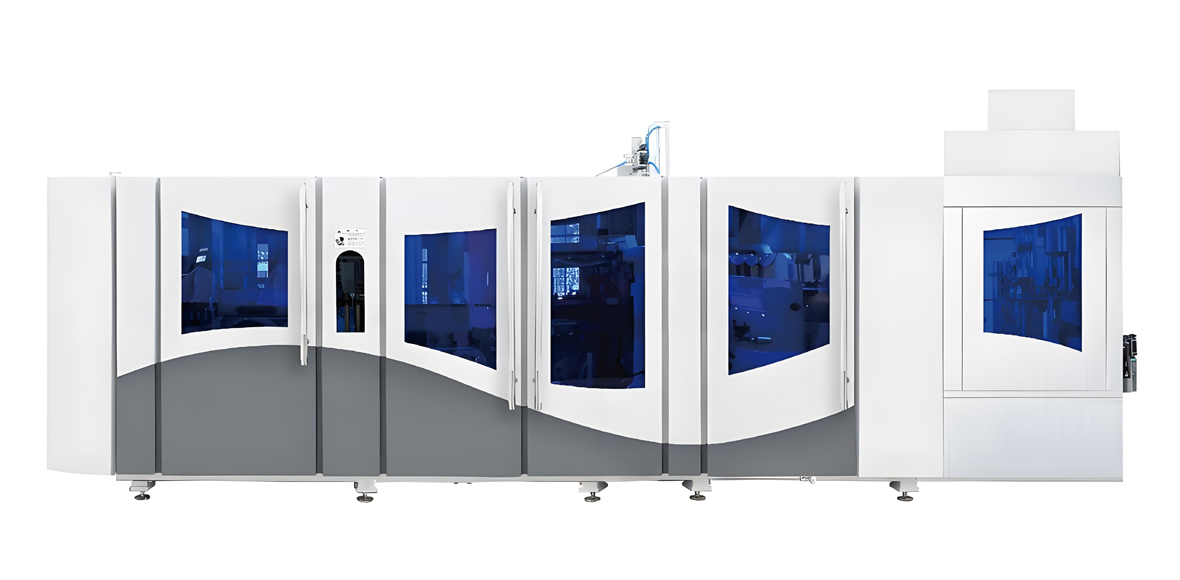
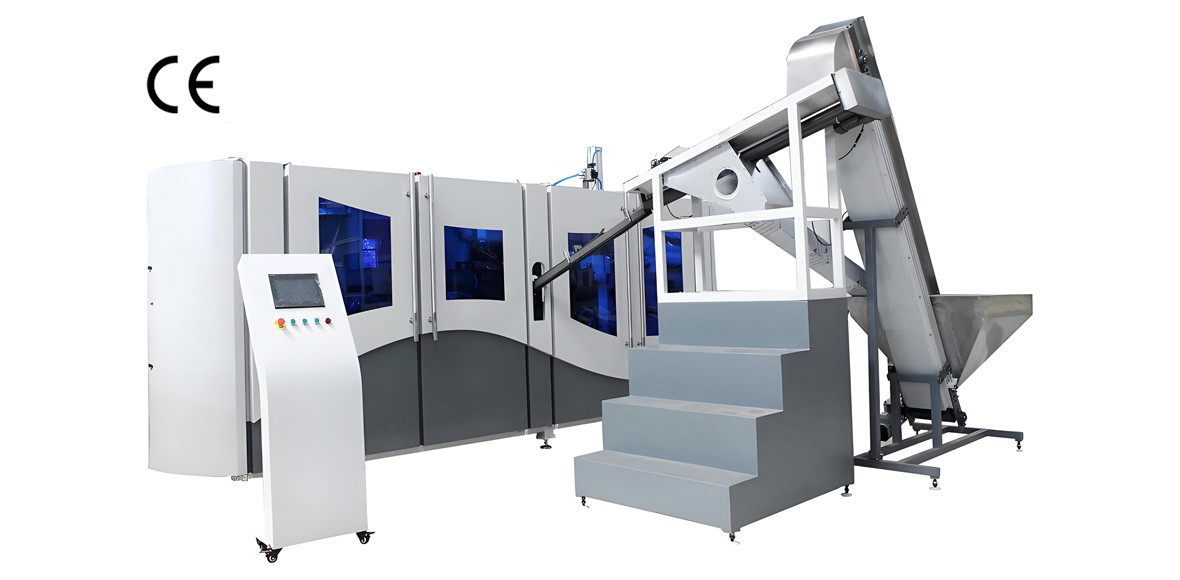
When a cosmetic program needs volume, the Yu Da High Speed Series built on the FGX platform is the natural anchor of the budget. The FGX series uses a unique cam linking system that integrates mold-opening, mold-locking, and bottom mold-elevating into one movement, paired with a high-speed servo driving system that keeps cycle time short and repeatable across long runs. Per-cavity speed sits in the 2500 to 3000 bottles per hour band, so a four-cavity configuration reaches the lower end of the high-speed range while an eight-cavity configuration approaches the top of the specified 8000 to 15000 bottles per hour window, making the FGX family the right fit for brands scaling from regional to national distribution. Energy use is controlled by a heater pitch minimized to 38.1 millimeters, which the factory measures as more than thirty percent electricity saving versus conventional heating ovens, and that saving is a recurring operating cost reduction that should be credited inside the budget even though it is not capital.
| FGX configuration | Cavity count | Output (BPH) | Best fit |
|---|---|---|---|
| FGX-4 | 4 | 10000 to 12000 | Regional brand scale |
| FGX-6 | 6 | 13000 to 15000 | National distribution |
| FGX-8 | 8 | 15000 plus | Export-volume plant |
Beyond raw speed, the FGX platform carries a remote monitoring system that lets engineers at the China headquarters read PLC data from a mobile device and push abnormal-condition feedback to the client site, which reduces the cost of unplanned downtime for a cosmetic line that cannot afford a missed shipment. The modular design shortens mold changeover and makes maintenance predictable, so the spare-parts and labor lines in the budget stay contained. For a planner, the FGX is the high end of the cost index and justifies the premium through throughput and energy saving; it is the configuration that moves a project from the Medium band into the Large band of the scale table shown later.
Yu Da Equipment Module: Standard, Semi-Auto, and CombiBlock Options
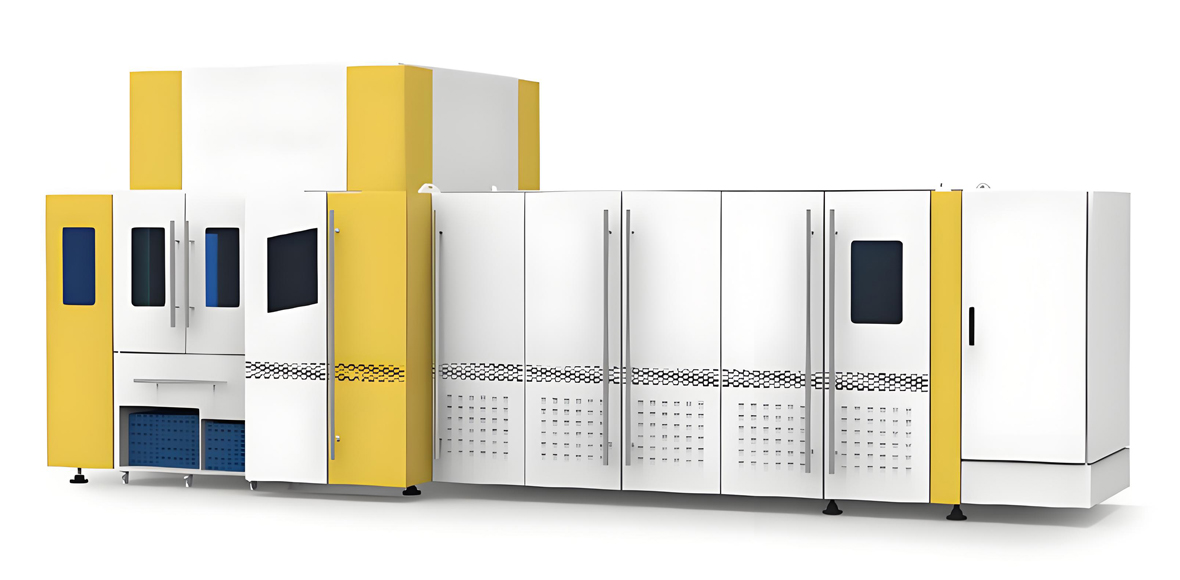
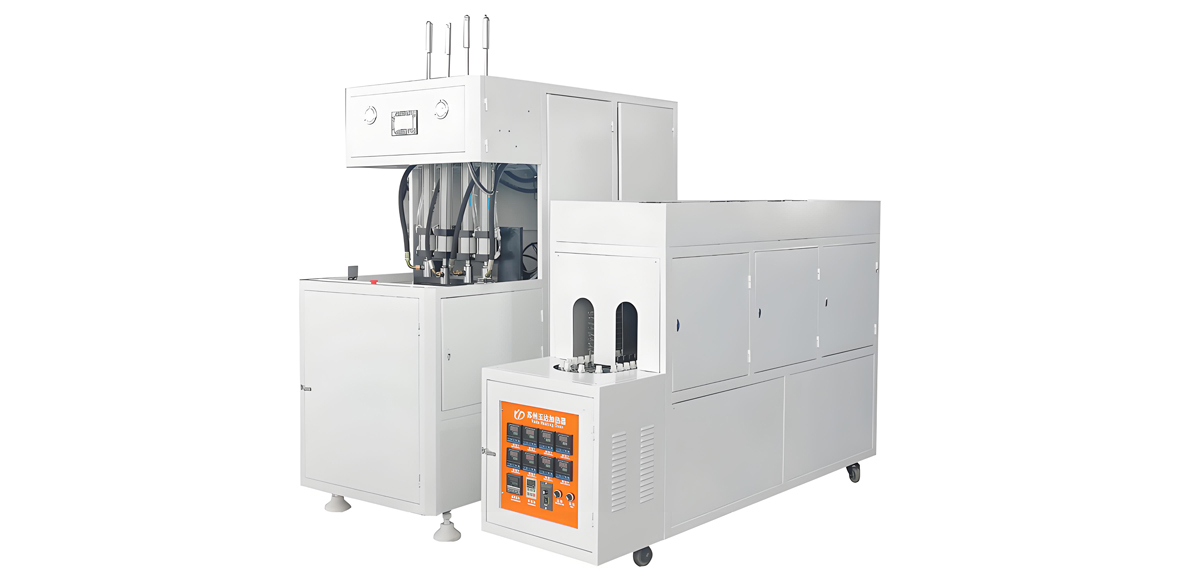
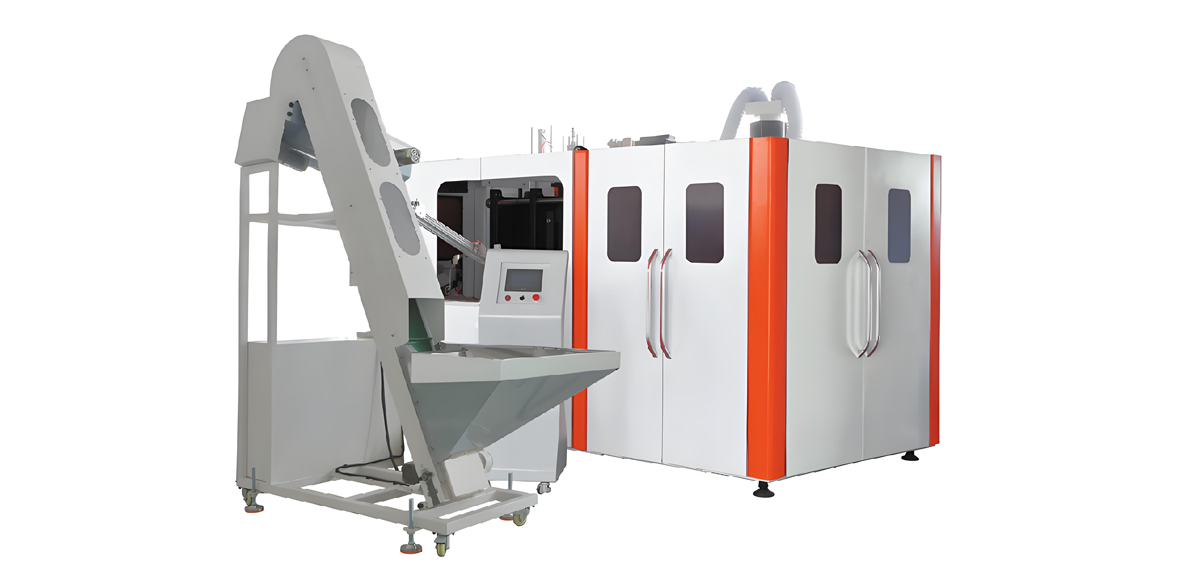
Not every cosmetic entrant needs fifteen thousand bottles per hour, and Yu Da covers the lower tiers with the Standard Speed Series, the Semi-auto Series, and the Linear Blowing-Filling-Capping CombiBlock. The Standard Speed Series runs full automatic at 1000 to 7000 bottles per hour with advanced heating systems and energy-saving technologies, which places it at the heart of the Medium cost band and suits a brand with a few SKUs and steady weekly demand. The Semi-auto Series is explicitly the lower procurement cost option for small enterprises and pilot lines; it trades labor intensity for a much smaller capital line, which is exactly the right trade for a startup validating a bottle before committing to automation. The Linear CombiBlock compresses blowing, filling, and capping into one compact unit specialized for mini linear BFC, saving plant area and reducing the number of transferred bottles between machines, which lowers contamination risk for a cosmetic product.
| Yu Da model family | Output (BPH) | Automation | Cost band |
|---|---|---|---|
| Semi-auto Series | Pilot scale | Manual assist | Small |
| Standard Speed Series | 1000 to 7000 | Full automatic | Medium |
| Linear BFC CombiBlock | Compact combi | Automatic combi | Medium |
| BFC blow-fill-cap machine | Integrated line | One-process | Medium to Large |
The Bottle Blow-Filling-Capping machine deserves a separate note because for a cosmetic toner or mist that is filled at the same site, producing and filling the PET bottle in one process with the cap installed eliminates a handling step and a cleaning step, which cuts both capital and recurring quality cost. A planner who intends to fill in-house should weigh the CombiBlock or BFC against a separate blow machine plus a filling line, because the integrated route reduces floor space and the utility connections that the plant budget must otherwise pay for. Either way, these Yu Da families are the proof that the budget does not force a buyer into one expensive machine; the model range itself is the scaling tool.
Factory Scale Grading: Small, Medium, and Large in 2026
The cleanest way to communicate the 2026 budget to management is to grade the project by scale and attach a cost index to each grade, because the index absorbs regional price differences while the grade communicates the operational ambition. A Small project is a boutique or pilot line, typically semi-auto or a two-cavity automatic, aimed at under 2000 bottles per hour, housed in a shared or leased shell, and run by a small team learning the process; its cost index sits near 45 to 65 against the baseline 100. A Medium project is the standard automatic line in the 2000 to 8000 bottles per hour range with a real auxiliary package, a quality check station, and a couple of bottle programs; its index lands around 85 to 115, essentially the reference plant. A Large project is a high-speed FGX line at 8000 to 15000 plus bottles per hour, multiple mold sets, full utilities, and a QA lab, with an index of 130 to 180.
| Scale grade | Output target | Typical machine | Cost index |
|---|---|---|---|
| Small | Under 2000 BPH | Semi-auto or 2-cavity | 45 to 65 |
| Medium | 2000 to 8000 BPH | Standard Speed auto | 85 to 115 |
| Large | 8000 to 15000 plus | FGX high speed | 130 to 180 |
Scaling is not linear, which is why the index widens at the top: a Large plant needs redundant air capacity, a bigger chiller, more mold sets for parallel programs, and usually a second shift with its own training cost, so the per-bottle capital actually falls even as the total rises. The planner should pick the grade by validated demand, not by ambition, because a Medium line run at high utilization beats a Large line run half empty on both cost index and scrap. The selection recommendation table that follows turns this grade logic into a concrete model choice.
Auxiliary Equipment and the Hidden Recurring Load
The auxiliary package is where cosmetic-specific cost quietly accumulates, because PET quality depends on conditioning that commodity lines can skip. A dehumidifying dryer is mandatory if preforms are molded on site, sized to the preform throughput and to the local humidity, and it is a continuous power draw that the utility budget must carry. A loader moves resin and regrind without manual handling, a chiller holds the mold and hydraulic temperature against summer ambient, and a mold temperature controller stabilizes the blow mold so wall thickness stays uniform across a cosmetic run. High-pressure blow air and a receiver are non-negotiable for stretch blow, and an inline inspection unit that checks for black spots, wall thinning, and base defects protects brand reputation on a cosmetic shelf where a single bad bottle is visible.
| Auxiliary unit | Function | Cost level |
|---|---|---|
| Dehumidifying dryer | PET moisture control | Medium |
| Chiller | Mold and oil cooling | Medium |
| High-pressure air set | Stretch and blow | Medium to High |
| Mold temperature controller | Wall uniformity | Low |
| Inline inspector | Defect rejection | Medium |
| Loader and conveyor | Material handling | Low |
None of these units is the headliner, yet together they are the thirteen index points in the framework table and they decide whether the line runs cleanly on a hot afternoon. The cosmetic buyer should resist stripping the auxiliary package to lower the headline machine price, because a missing chiller or undersized air receiver shows up immediately as reject bottles and rework labor. A practical budget rule is to size every auxiliary item for the worst credible local condition, not the catalog condition, and to treat the inspection unit as part of compliance rather than optional automation.
Plant, Utilities, Labor, and Compliance Lines
The plant and utility block covers the shell lease or build, the power connection sized for the machine plus dryer plus chiller, the compressed air network, the water for cooling, the lighting and HVAC for a clean cosmetic environment, and the basic fire and safety provisions. This block varies most by geography, which is why it is carried as a share and an index rather than a number; in an existing industrial park with available power the share drops, while a greenfield site with a new transformer pushes it up. Labor covers operators, a line lead, a quality checker, and the training time to reach stable output, and commissioning covers the period when Yu Da engineers tune the line and the team learns changeover. Compliance covers the documentation and testing needed for cosmetic contact, which for PET bottles typically references food-contact frameworks such as FDA, EU 10/2011, and the China GB 4806 family, plus internal QA procedures and any REACH documentation for imported markets.
Compliance is the smallest line in the index but the one that can block a launch, so it should be funded early rather than deferred. A cosmetic PET bottle must demonstrate that the material and any color masterbatch or printing ink are suitable for skin-adjacent contact, and the documentation trail is part of the brand’s defense if a claim is questioned. The budget should include a modest QA lab or external test cadence, because catching a black spot or a odor issue before shipment costs far less than a recall. Wanplas as the parent brand shares a quality-standards promise across its factories, and Yu Da applies that same discipline to cosmetic lines, but the certificate work itself remains a project cost the planner owns.
Application Industries and the Cosmetic End Products
A cosmetic PET bottle blowing factory serves a clear set of end products, and naming them helps the budget match mold and output to real demand. The daily chemical and cosmetic segment includes serum bottles, essence bottles, lotion and cream bottles, mist and toner sprayers, shampoo and conditioner bottles for premium lines, and sample or travel sizes that brands use for promotion. PET is chosen here for its gloss and light weight, and because stretch blow delivers a wall that feels rigid in the hand yet ships cheaply. Color masterbatch lets a brand match a signature tint without painting, and a UV stabilizer extends shelf life under retail lighting. For these products the bottle is part of the brand, so the blow machine must hold neck finish and wall uniformity tightly, which is exactly the case the FGX high-speed family and the Standard Speed family are built to satisfy.
Beyond pure cosmetics, the same line serves the broader daily chemical category, which gives a new factory a path to fill utilization while the hero cosmetic SKU ramps. A planner can therefore justify a Medium line by combining a lead cosmetic bottle with daily chemical overflow, smoothing the cost index against demand risk. The application logic also informs mold count: a serum bottle, a mist bottle, and a cream jar are three blow molds, and the budget should carry all three plus a spare so a worn mold never stops the line. Wanplas positions Yu Da specifically as the PET bottle blow machine specialist within the group, so the cosmetic and daily chemical focus is the native strength of the equipment rather than a retrofit.
Selection Recommendation: Demand Mapped to Yu Da Model
The following table turns the earlier logic into a direct buying guide, matching a stated demand to a Yu Da model family and a scale grade so the budget can be anchored without a sales call. The intent is to keep the recommendation technical and capacity-based, letting the planner read the cost band from the scale table rather than guessing a price. Each row assumes two-step stretch blow unless the product is a single dominant SKU, in which case the CombiBlock or BFC route should be compared on plant area saved.
| Demand profile | Output target | Recommended Yu Da model | Scale band |
|---|---|---|---|
| Pilot, one bottle | Under 2000 BPH | Semi-auto Series | Small |
| Regional brand, few SKUs | 2000 to 5000 BPH | Standard Speed Series | Medium |
| Multi-SKU daily chemical | 5000 to 8000 BPH | Standard Speed or BFC | Medium |
| National cosmetic distribution | 8000 to 12000 BPH | FGX-4 or FGX-6 | Large |
| Export-volume plant | 12000 to 15000 plus | FGX-8 | Large |
| Fill in-house toner or mist | Compact combi | Linear BFC CombiBlock | Medium |
This recommendation deliberately avoids naming any sibling factory or outside brand, because the right answer for a PET cosmetic bottle is a Yu Da PET blow machine supported by the Wanplas group’s shared services; adjacent capabilities such as twin-screw pelletizing for in-house masterbatch or washing lines for recycled PET flake are attributed to Wanplas generically rather than to a specific sister plant. The planner thus gets a complete equipment story from one brand family while staying inside the brand-isolation rule that keeps the article clean and the recommendation trustworthy.
Service, Commissioning, and the Shared Wanplas Support Promise
The budget is not closed at machine delivery, and the support line is where Yu Da and Wanplas protect the investment. Every line ships with installation and commissioning by engineers who tune the oven zones, stretch timing, and blow pressure to the specific preform and bottle, then train the local team on operation, changeover, and basic maintenance so the plant reaches stable output quickly. The Wanplas group promise includes USD 500 of free spare parts every year and free replacement of damaged parts within warranty, which the planner should record as a recurring offset against the auxiliary and labor lines rather than a one-time saving. Remote monitoring on the FGX family means abnormal conditions are flagged early, and the open-factory policy welcomes a buyer to inspect the build and approve the line before shipment, which reduces commissioning risk on a cosmetic project where the bottle is the brand.
Training is the cheapest insurance in the budget. A team that understands why preform reheating and stretch ratio affect clarity will waste fewer preforms and reject fewer bottles, directly improving the cost index through yield rather than through a cheaper machine. Yu Da’s more than twenty years of PET blow experience and over twenty patents translate into a mature, stable component base that keeps the maintenance line predictable, and the modular design keeps changeover cost low when a cosmetic brand adds a seasonal bottle. The support promise is therefore not a footnote; it is the mechanism that converts the capital plan into a running, profitable line, and it should be priced as a small but real contribution to lower operating cost across the life of the equipment.
Frequently Asked Questions
How should the 2026 cosmetic PET bottle budget be expressed without a price?
Use the cost index with a baseline of 100 for a reference medium line and express every configuration as a multiplier, then show each component as a percentage of total so the allocation stays valid as prices move. This keeps the plan comparable across regions and avoids quoting a currency figure that becomes wrong within a quarter.
What output level should a new cosmetic brand start with?
Most new entrants should start in the Medium band at 2000 to 8000 bottles per hour with a Standard Speed automatic line, because it balances capital against validated demand and leaves room to add an FGX high-speed line later if the hero SKU scales. Starting Small with semi-auto is valid only for a pilot validating the bottle before automation.
Is one-step or two-step stretch blow better for cosmetics?
Two-step is usually better for a growing cosmetic range because the blow machine stays flexible across bottle programs by swapping blow molds, while one-step suits a single high-volume signature bottle where energy and neck consistency matter more than flexibility. The budget should reflect the mold-count difference between the two routes.
Which PET grade is required for cosmetic bottles?
Use bottle-grade PET with intrinsic viscosity around 0.70 to 0.85 deciliters per gram, low acetaldehyde, and tight color, with a color masterbatch or UV stabilizer added at the preform stage if the design needs tint or shelf-life protection. A dehumidifying dryer is required whenever preforms are molded in-house to avoid hydrolysis.
How much plant area does the line need?
A Medium automatic line with auxiliaries typically fits inside a leased 600 square meter shell including preform buffer, blowing, inspection, and packing, while a Large FGX plant needs more for parallel mold sets and a QA area. The CombiBlock or BFC route saves area by integrating blowing and filling into one unit.
What compliance certificates apply to cosmetic PET bottles?
PET cosmetic bottles reference food-contact frameworks such as FDA, EU 10/2011, and the China GB 4806 family, plus REACH documentation for imported markets and internal QA for masterbatch and printing. Fund compliance early, because the certificate trail is part of the brand defense and can block a launch if deferred.
Does Yu Da provide installation and training after delivery?
Yes. Yu Da engineers handle installation and commissioning, tune the line to the specific preform and bottle, and train the local team on operation and changeover, while the Wanplas group promise adds USD 500 of free spare parts per year and warranty replacement of damaged parts. The open-factory policy also lets a buyer inspect and approve the line before shipment.
How can a planner keep the cost index under control?
Keep the material specification tight to cut scrap, size every auxiliary unit for worst-case local conditions rather than catalog conditions, pick the scale grade by validated demand instead of ambition, and credit the FGX energy saving and remote monitoring as recurring operating reductions. Training the team well is the cheapest yield improvement in the whole plan.
Next Step: Send Your Bottle Specification for a Configured Plan
The fastest way to turn this index-based budget into a concrete configuration is to share the target bottle drawing or sample, the required output in bottles per hour, the resin grade and any tint, and the planned plant location with available power, so Yu Da Machinery as a Wanplas factory can return a model recommendation with the right cavity count, mold set, and auxiliary package sized to the real condition. A factory visit can be arranged to inspect a running line and approve the build before shipment, and a trial on the actual preform can confirm clarity, wall uniformity, and cycle time before any commitment. Whether the project is a Small pilot, a Medium automatic line, or a Large FGX high-speed plant, the same discipline applies: separate capital from operating cost, keep the material tight, and let the Yu Da model range do the scaling so the budget stays honest from the first bottle to full volume.