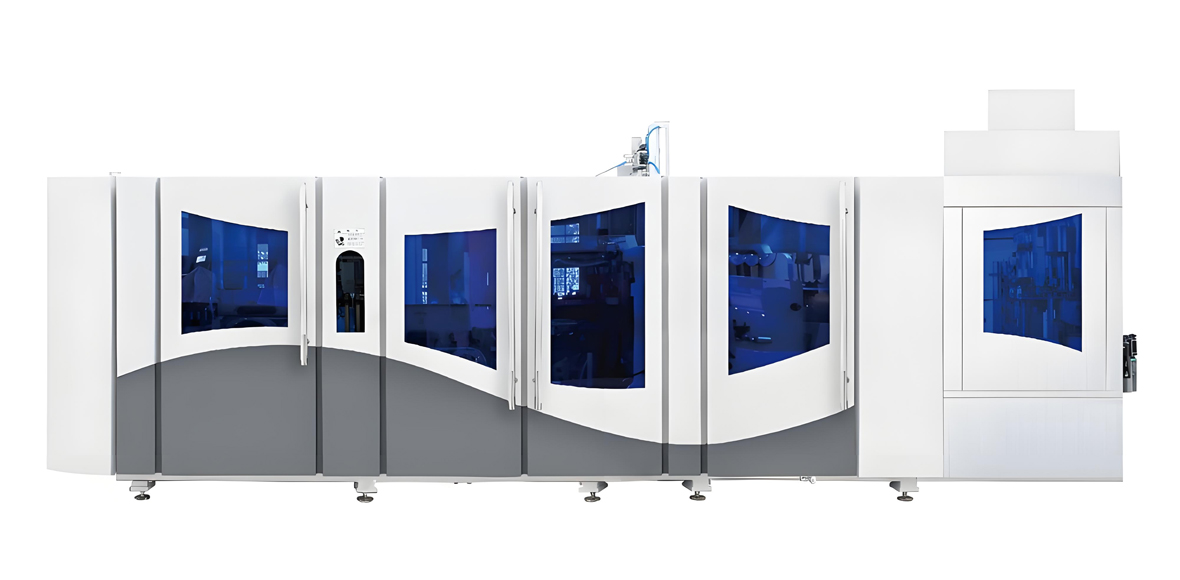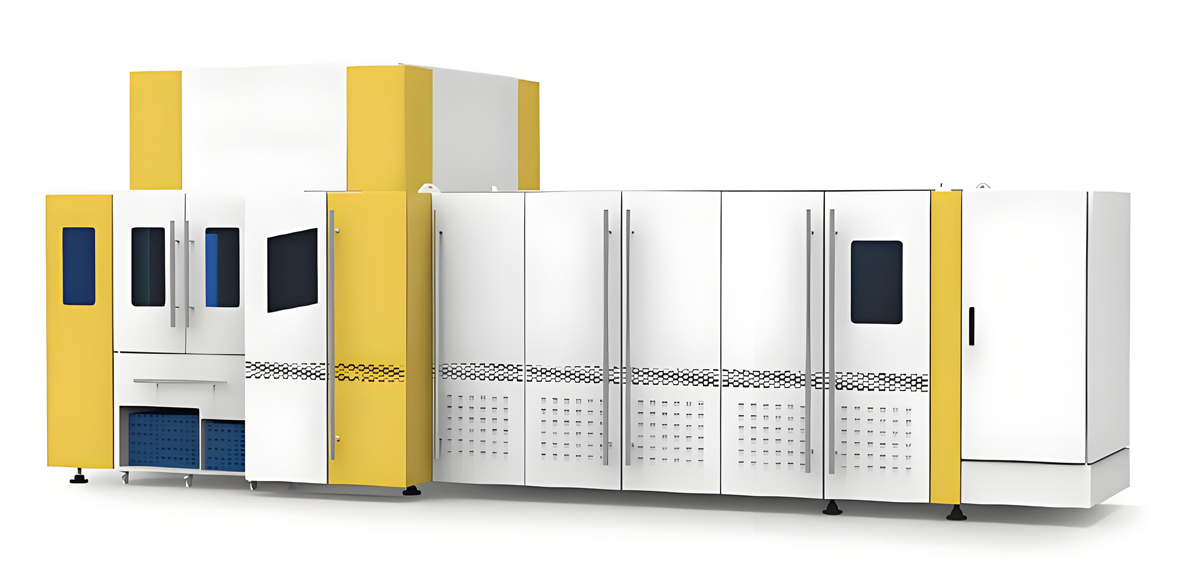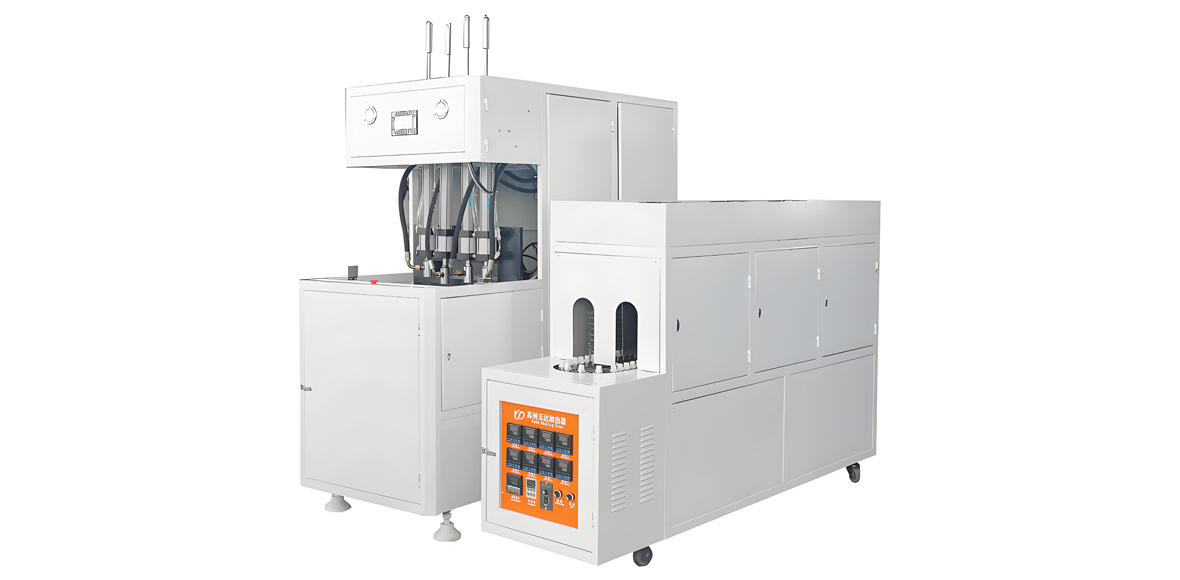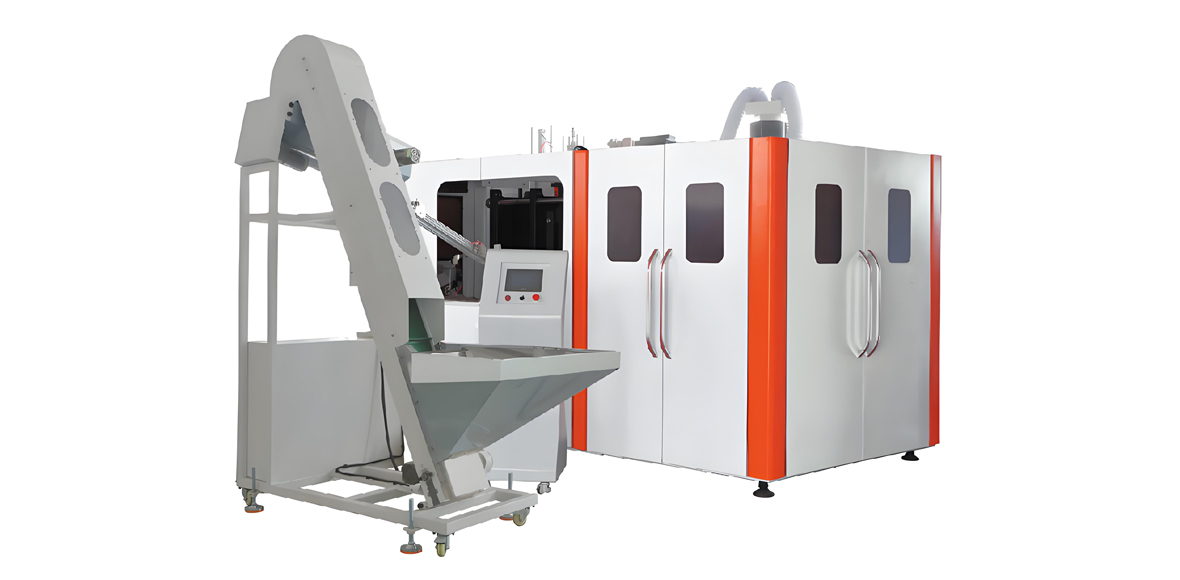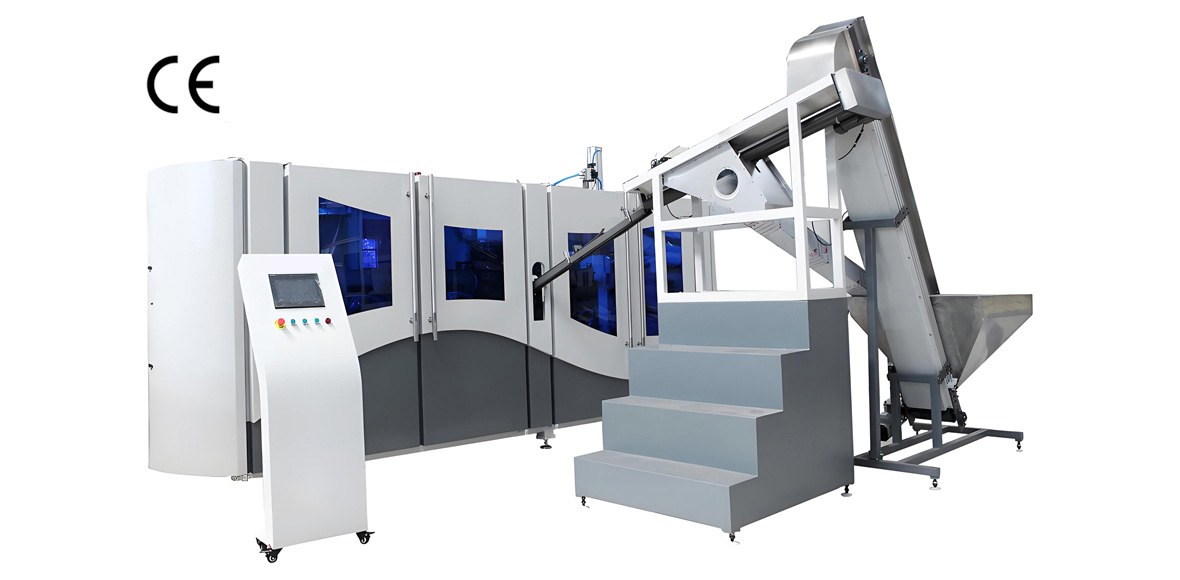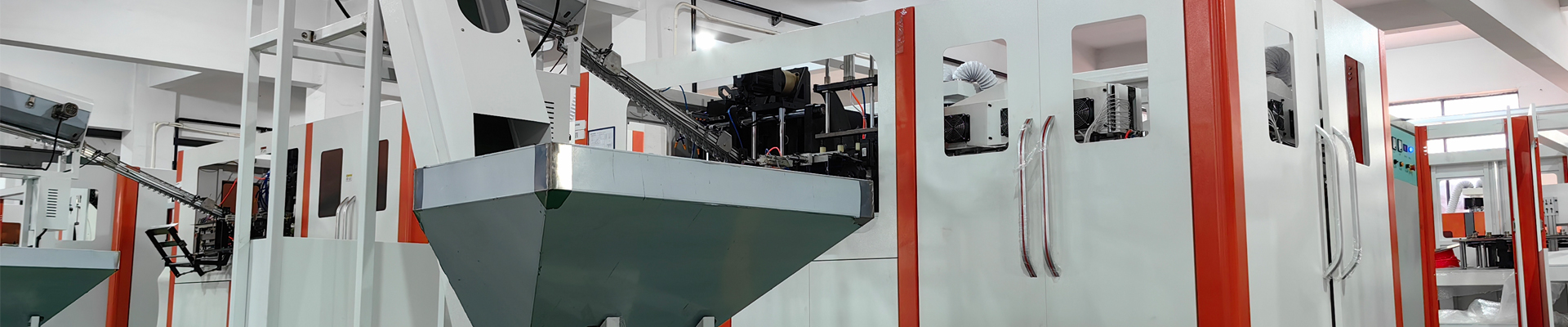
PET bottle blow molding transforms simple preforms into consumer containers through precise thermal and mechanical control. While robust frames support operation, final bottle quality and production output rely heavily on four critical process stages: preform heating, blowing, mold design, and clamping force. A Full Automatic PET Bottle Blow Machine or a High Speed PET Bottle Blow Machine must coordinate these elements seamlessly to prevent defects like wall thinning or poor carbonation retention. This comprehensive guide examines each stage in detail, covering machine classifications from Semi Auto PET Bottle Blow Machines to integrated Linear Blowing Filling Capping systems and Bottle Blow Filling Capping (BFC) CombiBlock solutions. We analyze heating uniformity, blow pressure profiles, cooling efficiency, and rigorous quality control protocols. Furthermore, we provide practical defect diagnosis strategies and a detailed cost analysis, offering indicative budget ranges from fifteen thousand to over one hundred fifty thousand US dollars depending on capacity and automation level, though actual prices vary by configuration. As a dedicated manufacturer of PET bottle blow molding machines and a cooperative company of Wanplas Group, YuDa shares decades of in house engineering expertise. Readers will gain actionable insights to optimize line performance, reduce waste, and select appropriate equipment for their specific beverage production needs, ensuring long term operational success.
Why Setup Decides Bottle Quality and Line Efficiency
A PET bottle blow molding machine is judged on clarity, dimensional accuracy, weight and output. These metrics define success in beverage packaging. Poor heating profiles often cause uneven wall thickness, leading to overweight bottles that waste resin. If the preform temperature deviates by just a few degrees, the final container may fail pressure tests or exhibit weak bases that collapse during filling. Blowing pressure errors similarly distort neck finishes and body dimensions, resulting in rejected units that cannot seal properly. These small parameter errors multiply over millions of bottles annually, turning minor adjustments into major financial losses.
Consider a medium production line running at twelve thousand bottles per hour. A one percent reject rate combined with five percent overpack on resin usage can cost approximately one hundred fifty thousand to two hundred thousand US dollars per year in wasted material and downtime. This estimate assumes standard PET resin prices and typical energy costs, though actual figures vary by region and raw material market fluctuations. Operators must recognize that setup precision is not merely a technical detail but a core economic driver. A Full Automatic PET Bottle Blow Machine requires rigorous calibration to maintain consistent cycle times without sacrificing quality. Skipping detailed validation steps during commissioning leads to chronic inefficiencies that erode profit margins long term. Proper alignment of heating lamps and precise control of blow pressure ensure each unit meets strict specifications. Ignoring these fundamentals transforms a high speed asset into a source of continuous waste and operational frustration for plant managers.
Achieving consistent clarity and precise dimensional accuracy requires rigorous calibration of the preform heating zone before any air enters the mold cavity. If infrared lamps fail to distribute thermal energy evenly, the resulting PET Bottle Blow Molding Machine output will exhibit weak bases or excessive wall thickness in specific zones. This imbalance forces operators to increase material usage per unit, directly inflating raw material costs. On a medium capacity Full Automatic PET Bottle Blow Machine producing ten million bottles annually, even a two percent overweight penalty translates to roughly fifteen thousand dollars in wasted resin alone. Furthermore, inconsistent heating leads to high rejection rates due to visual defects or burst failures during carbonation testing.
Clamping force and blowing pressure must be synchronized with the preform temperature profile to ensure structural integrity without compromising cycle speed. A High Speed PET Bottle Blow Machine demands rapid yet controlled air injection to stretch the polymer uniformly. When these parameters drift, the line efficiency drops as machines stop for manual adjustments or quality checks. The cumulative financial impact of downtime and scrap on a Linear Blowing Filling Capping Machine can exceed fifty thousand dollars per year in lost production value alone. Proper setup minimizes these losses by ensuring every bottle meets weight specifications while maximizing throughput stability.
The Stretch Blow Molding Process in Prose
In stretch blow molding, preforms enter a Full Automatic PET Bottle Blow Machine after being loaded into oven stations. Precise heating is critical because PET requires uniform temperature distribution to achieve optimal molecular orientation. The oven raises the preform body to approximately ninety degrees Celsius while keeping the neck and base cooler to maintain structural integrity. If heating varies by even five degrees, wall thickness becomes inconsistent, causing weak spots or haze in clear water bottles. A well calibrated thermal profile ensures that the polymer stretches evenly without crystallizing prematurely. Once heated, the preform transfers into a mold cavity where the stretch rod descends rapidly. This axial movement elongates the material before radial expansion begins. The first blow stage introduces low pressure air to form a preliminary bubble shape against the mold walls. This step prevents localized thinning and ensures consistent coverage. Subsequently, the second blow stage applies high pressure, often exceeding thirty bar, to force the PET into every detail of the mold. This rapid inflation locks in the biaxial orientation that provides strength and barrier properties. Cooling channels within the mold extract heat quickly, solidifying the bottle shape before ejection. For standard five hundred milliliter water bottles, cycle times can be as short as four seconds on a High Speed PET Bottle Blow Machine. Larger one liter carbonated beverage containers require longer cooling periods to prevent deformation. Uniform heating directly influences clarity because uneven temperatures cause stress birefringence and visible defects. Operators must monitor oven zones closely to maintain these parameters. A typical production line setup might cost between fifty thousand and two hundred thousand US dollars, depending on output capacity and automation level. These figures are indicative and vary by region and supplier.
Following initial heating, the conditioned preform enters the blowing station where precise mechanical coordination defines final geometry. The stretch rod descends first to elongate the material vertically before high pressure air expands it radially against the mold cavity. This sequential action creates biaxial orientation, significantly enhancing barrier properties and mechanical strength compared to simple blow molding alone. Operators must calibrate the stretch ratio carefully, as deviations of even five percent can cause weak spots or excessive stress whitening near the base corners. For standard 500 milliliter water bottles, cycle times on a High Speed PET Bottle Blow Machine often drop below eight seconds, demanding rapid yet controlled thermal transfer. If cooling channels in the mold are insufficiently serviced, residual heat causes shrinkage and loss of dimensional stability after ejection. Proper maintenance of these cooling circuits prevents costly downtime, estimated at several hundred dollars per hour for lost production on mid range equipment.
Semi Automatic, Fully Automatic and High Speed Machines
Selecting the appropriate PET Bottle Blow Molding Machine depends on three critical factors: required output volume, available labor resources and the variety of bottle formats needed. For small batch production, pilot runs or new product development, the Semi Auto PET Bottle Blow Machine is ideal. This unit typically produces between 500 and 1,000 bottles per hour. It requires an operator to manually load preforms and remove finished bottles, making it suitable for facilities with limited capital budgets of approximately 5,000 to 15,000 USD. While labor intensive, this flexibility allows rapid changeovers between different bottle molds without significant downtime.
When production demands increase to medium volumes, the Full Automatic PET Bottle Blow Machine becomes the logical choice. These systems generally deliver 2,000 to 6,000 bottles per hour with minimal human intervention. The initial investment ranges from 30,000 to 80,000 USD, but the reduction in labor costs and consistent cycle times improve long term profitability. This machine type handles standard bottle mixes efficiently, though frequent format changes may require additional setup time compared to high speed alternatives.
For large scale beverage operations requiring continuous throughput, the High Speed PET Bottle Blow Machine is essential. Capable of producing 10,000 to 20,000 bottles per hour or more, these units justify their higher capital cost of 150,000 to over 400,000 USD through superior economies of scale. They often integrate with downstream processing like the Linear Blowing Filling Capping Machine or Bottle Blow Filling Capping (BFC) CombiBlock systems. Choosing this tier requires stable preform supply chains and rigorous maintenance protocols to maximize uptime and ensure consistent bottle quality across millions of units annually.
For facilities handling limited batches or frequent design changes, the Semi Auto PET Bottle Blow Machine offers unmatched flexibility without heavy capital investment. Operators manually load preforms into heating ovens and transfer them to blowing stations, a process that suits trial runs of under 50,000 bottles daily. This approach minimizes upfront costs, typically ranging from 15,000 to 30,000 USD, making it ideal for startups testing new bottle geometries. However, labor intensity limits scalability and consistency compared to automated systems.
Moving to medium volume production, the Full Automatic PET Bottle Blow Machine integrates continuous preform feeding and synchronized blowing cycles. This configuration reduces manual intervention significantly, stabilizing wall thickness and improving output rates to approximately 10,000 bottles per hour. Investment costs generally fall between 80,000 and 150,000 USD, offering a balanced return for brands with steady demand. The system handles diverse bottle sizes with minimal changeover time, supporting efficient mixed production lines without requiring excessive operator training or complex setup procedures.
Preform Heating and Temperature Profile
Infrared ovens within a PET Bottle Blow Molding Machine deliver radiant energy to preforms, establishing the critical axial temperature profile that dictates final wall distribution. This process relies on precise lamp zoning, where individual heating elements are grouped into controllable sections along the oven length. As the preform rotates continuously, it ensures uniform circumferential heating while allowing operators to adjust power levels in specific zones to match the preform geometry. Heating time typically ranges from eight to twelve seconds depending on material grade and line speed. An indicative heating temperature range is ninety to one hundred ten degrees Celsius for the body, with the neck requiring lower temperatures around fifty to sixty degrees to remain rigid. If the preform overheats, excessive viscosity causes sagging and thin walls, while underheating leads to brittle fractures or incomplete expansion. Tuning involves balancing zone settings against the specific preform design, such as varying wall thicknesses or handle features. A semi auto PET Bottle Blow Machine often requires manual adjustment of these parameters during trial runs, whereas a full automatic PET Bottle Blow Machine utilizes programmable logic controllers for repeatable consistency. High speed production demands tighter thermal control to prevent cycle time penalties. Budget considerations for upgrading heating systems in existing lines can range from five thousand to fifteen thousand US dollars, though this varies significantly based on oven length and replacement complexity. Proper calibration prevents defects like pearlescence or uneven stretch, ensuring the final bottle meets structural requirements without wasting material.
Achieving optimal wall thickness distribution requires precise control over the infrared oven’s lamp zoning strategy. In a High Speed PET Bottle Blow Machine, independent zone controllers allow operators to adjust power levels across multiple heating stages, ensuring the preform neck remains cool while the body reaches uniform temperature. Preform rotation during transit through the oven is equally critical, as it prevents hot spots and guarantees symmetrical heating. Without consistent rotation, uneven expansion leads to weak spots or excessive material usage, directly impacting production costs. A poorly tuned profile can increase resin consumption by up to fifteen percent, adding significant expense over millions of cycles. Conversely, underheated preforms result in poor stretch ratios and brittle bottles that fail drop tests. Operators must balance heating time against throughput speed, recognizing that longer dwell times improve consistency but limit maximum output rates.
Blow Pressure, Timing and Stretch Ratio
The final geometry of a container depends heavily on how air is introduced into the heated preform. In modern PET Bottle Blow Molding Machine systems, this process occurs in two distinct stages. First, low pressure blowing, typically between twenty and thirty bar, initiates the expansion by pushing the stretch rod downward while injecting air. This initial phase ensures the material begins to flow uniformly without creating stress points. Next, high pressure blowing follows rapidly, often reaching thirty to forty bar depending on the bottle design. This surge forces the plastic against the mold walls, defining critical features like the base structure and neck finish. If the timing is off, such as injecting high pressure too early, the wall thickness becomes uneven, leading to weak spots or excessive weight. Conversely, delayed blowing can cause poor definition of intricate details.
Stretch ratio plays a pivotal role in material orientation. The axial stretch ratio usually ranges from two point five to three point five, while the radial ratio often exceeds four. This biaxial orientation aligns polymer chains, significantly enhancing clarity and mechanical strength. A higher stretch ratio generally improves barrier properties but requires precise control of stretch rod speed. If the rod moves too slowly, the preform may sag before fully expanding, resulting in bottom thickening. On a High Speed PET Bottle Blow Machine, synchronized servo motors manage these parameters with millisecond precision to maintain consistency across millions of cycles. Operators must calibrate pressure curves carefully because small deviations can cause catastrophic failures during filling or transport. Proper adjustment ensures that the final container meets strict weight and strength specifications while maximizing throughput efficiency on production lines like the BFC CombiBlock.
Mold Design, Cooling and Changeover
The blow mold defines the final geometry and surface finish of every container produced on a PET Bottle Blow Molding Machine. Precision machined mold halves must mate perfectly to prevent flash or uneven wall thickness. Proper venting is critical during the preform expansion phase, allowing trapped air to escape so that sharp corners fill completely without defects. Cooling channels within the mold steel extract heat rapidly from the stretched polymer. Efficient thermal management directly dictates cycle time and ensures dimensional stability across production runs. In a Full Automatic PET Bottle Blow Machine, optimized cooling allows shorter cycles while maintaining consistent bottle rigidity and barrier properties. If cooling is insufficient, bottles may warp or exhibit poor top load strength.
Mold changeover requires careful alignment to ensure the neck ring centers correctly with the preform gripper. Operators must verify that parting lines are clean and that vent holes remain unobstructed before starting production. Qualification involves measuring a sample batch for weight, height, and pressure resistance against specifications. This process typically takes thirty to sixty minutes depending on operator experience and machine complexity. For a Linear Blowing Filling Capping Machine, rapid changeover systems significantly reduce downtime between different bottle formats.
Regarding investment, a single high quality aluminum or steel blow mold typically costs between five thousand and fifteen thousand US dollars. This estimate varies widely based on cavity count, material hardness, and surface texture requirements. Buyers should treat these figures as indicative budgets rather than fixed quotes, as regional labor rates and raw material fluctuations significantly impact final pricing. Investing in durable tooling reduces long term maintenance costs and ensures consistent output quality for high speed production lines like the High Speed PET Bottle Blow Machine.
Bottle Quality, Weight and Leak Control
Quality assurance in PET bottle production relies on rigorous checks for weight, dimensional accuracy, base integrity, thread precision, and leak resistance. A Full Automatic PET Bottle Blow Machine typically produces bottles with weights between 10 and 25 grams depending on capacity. Reducing this mass requires optimizing preform heating profiles to ensure uniform wall thickness without creating weak spots. Top load strength must exceed 30 Newtons for standard carbonated applications, while burst pressure should reach at least 6 bar to withstand shipping stresses. If a bottle fails these tests, engineers must trace the defect source immediately. Uneven heating often causes thin walls that lead to premature bursting or leakage during filling. Incorrect blowing pressure results in poor base formation, causing instability on conveyor lines. Mold wear or misalignment produces inconsistent thread geometry, leading to cap seal failures and subsequent leaks. For high volume output, a High Speed PET Bottle Blow Machine integrates inline vision systems to detect these flaws instantly. Budgets for such integrated quality control modules range from 15,000 to 40,000 US dollars, though this varies by sensor complexity and line speed. Proper maintenance of heating lamps and blow valves ensures consistent thermal distribution, which is critical for maintaining structural integrity while minimizing material usage.
Blow Filling Capping Integration
Integrating blow molding with filling and capping transforms discrete processes into a continuous flow, significantly reducing floor space and manual handling risks. The Linear Blowing Filling Capping Machine arranges these stations in a straight line, allowing preforms to be blown, filled, and capped without intermediate storage or transport. This configuration minimizes the footprint compared to standalone units while maintaining clear separation between clean and non clean zones. For higher volume needs, the Bottle Blow Filling Capping (BFC) CombiBlock offers even tighter integration by combining all three functions within a single sealed enclosure. This design drastically cuts contamination risks because bottles never leave the controlled environment after being blown. Direct transfer eliminates the need for empty bottle conveyors and loaders, which often introduce dust or static charge issues. Labor costs drop as operators no longer manage multiple machine interfaces or handle loose containers between stages. A combi block becomes economically sensible when production volumes exceed fifty million bottles annually, where labor savings justify the higher initial investment. While a standalone Full Automatic PET Bottle Blow Machine might cost around one hundred twenty thousand dollars, adding separate fillers and cappers can push total line costs above three hundred thousand dollars. In contrast, a BFC CombiBlock typically ranges from four hundred to six hundred thousand dollars, depending on speed and automation level. These figures are indicative budget estimates for mid range configurations and may vary by region and specification. The reduced utility consumption and lower maintenance overhead of integrated systems further improve return on investment over the long term, making this approach ideal for high speed beverage lines requiring strict hygiene standards.
Diagnosing Bottle Defects
Diagnosing bottle defects requires systematic observation of the PET Bottle Blow Machine performance. Hazy appearance often signals insufficient preform heating or inadequate blow pressure. When the core remains too cold, crystallization occurs, scattering light and creating opacity. Operators should verify infrared lamp settings and ensure air pressure reaches at least twenty five bar during the stretch blow phase. Thin bases frequently result from excessive preform temperature or incorrect stretch rod timing. If the material becomes too fluid, it migrates away from the bottom, leaving weak spots that fail under carbonation stress. Adjust heating zones to maintain uniform wall thickness and synchronize the stretch rod descent with the initial blow pulse. Off center bottles typically stem from uneven heating across the preform circumference. One side heats faster than the other, causing asymmetric expansion within the mold cavity. Regular maintenance of heater reflectors ensures balanced energy distribution. Leaking threads usually indicate mold wear or preform neck finish irregularities. Check for flash or incomplete sealing surfaces on the mold inserts. Replace worn gaskets and verify that preforms meet strict dimensional tolerances before loading them into a Full Automatic PET Bottle Blow Machine. Corrective actions involve precise parameter tuning rather than blind adjustments. Document every change to correlate settings with output quality. For facilities running high volume production, upgrading to a High Speed PET Bottle Blow Machine may reduce defect rates by stabilizing thermal profiles. Budgets for such upgrades typically range from fifty thousand to two hundred thousand US dollars depending on line complexity and automation level.
Cost and Price Analysis of PET Blow Molding
When evaluating capital expenditure for a PET Bottle Blow Molding Machine, buyers must distinguish between entry level and high throughput solutions. A Semi Auto PET Bottle Blow Machine typically costs between five thousand and fifteen thousand US dollars, suitable for pilot runs or small batch production with manual preform loading. For medium volume needs, a Full Automatic PET Bottle Blow Machine ranges from fifty thousand to one hundred twenty thousand dollars, offering automated feeding and consistent cycle times. High speed applications require a High Speed PET Bottle Blow Machine, priced between two hundred thousand and four hundred fifty thousand dollars, capable of producing over twelve thousand bottles per hour with precise thermal control. Integrated lines like the Bottle Blow Filling Capping CombiBlock represent the highest investment tier, often exceeding one million dollars, but they eliminate intermediate handling and reduce contamination risks significantly.
Operational costs depend heavily on preform pricing, which currently hovers around two to four cents per unit for standard water bottles, alongside energy consumption of roughly three to five kilowatt hours per thousand bottles depending on heating efficiency. Reject rates in well tuned systems should remain below one percent, minimizing waste. Payback periods vary widely; a semi automatic setup may recoup investment within six months if labor savings are substantial, whereas high speed lines might take two to three years based on volume and energy tariffs. These figures are indicative budget ranges rather than binding quotes, as regional labor rates, utility costs, and specific mold requirements heavily influence final totals. Always request detailed quotations from suppliers to align financial planning with actual production goals.
Startup, Changeover and Stable Running
Before commissioning any PET Bottle Blow Molding Machine, operators must verify preform quality against strict tolerances for wall thickness and gate area. Set oven zones precisely to reach the target polymer temperature of eighty five degrees Celsius within the preform core. Adjust blow pressure to four bar for standard carbonated applications. Run first articles on a Full Automatic PET Bottle Blow Machine or High Speed PET Bottle Blow Machine to validate dimensional stability. Measure bottle weight and height using calibrated gauges before releasing production batches. Common startup faults include cold spots causing whitening or excessive stretch causing thin walls. Immediate correction prevents scrap accumulation during the initial warm up phase.
Changeover between different bottle formats requires meticulous documentation of recipe parameters such as heating time, blow sequence, and clamping force. Maintain detailed changeover records to ensure rapid reproduction for repeat orders. These logs reduce setup time significantly on complex lines like the Bottle Blow Filling Capping CombiBlock. Accurate historical data allows technicians to recall optimal settings instantly rather than relying on trial and error. For facilities investing in new equipment, budget ranges vary widely depending on automation level. A basic Semi Auto PET Bottle Blow Machine may cost between fifteen thousand and thirty thousand US dollars while a fully integrated Linear Blowing Filling Capping Machine can exceed two hundred thousand US dollars. These indicative figures depend on local labor rates and specific capacity requirements but highlight the importance of stable running protocols to maximize return on investment through consistent output quality.
Maintenance for Blow Molding Machines
Proactive maintenance on a PET Bottle Blow Molding Machine directly safeguards yield and uptime across all production stages. Begin with oven inspection because dust accumulation on infrared lamps reduces radiant energy transfer by up to fifteen percent, causing uneven preform heating that leads to thin spots or crystallization defects. Clean lamp surfaces weekly using approved solvents to restore thermal efficiency. Air system integrity is equally critical since moisture or oil contamination in compressed air causes mold sticking and poor bottle clarity. Install refrigerated dryers and check filtration elements monthly to maintain dew points below three degrees Celsius. Mold care requires regular polishing of cavity surfaces where polymer residue builds up silently, increasing friction and causing scuffing marks that force operators to reject bottles. Inspect clamping mechanisms for hydraulic seal leaks or worn tie rods which cause flash formation at the parting line, wasting resin and time. Conveyor belts must be tensioned correctly to prevent bottle tipping during transfer between stations, especially on a Full Automatic PET Bottle Blow Machine running at high cycles per hour. Neglecting these tasks quietly erodes profitability as reject rates climb from one percent to five percent without obvious alarms. A scheduled service plan typically costs between five thousand and fifteen thousand dollars annually for parts and labor, though actual figures vary by region and machine age. This investment prevents unexpected downtime that can halt a Linear Blowing Filling Capping Machine line for days, protecting long term output stability and ensuring consistent bottle quality for beverage clients.
How YuDa Supports Customers
YuDa operates as a cooperative company of Wanplas Group, specializing in the manufacture of PET bottle blow molding machines that align heating precision, blowing pressure, and clamping force with specific production goals. Our engineering team guides buyers through selecting the right equipment, whether it is a Semi Auto PET Bottle Blow Machine for small batches or a Full Automatic PET Bottle Blow Machine for steady mid volume output. For high demand facilities, we recommend the High Speed PET Bottle Blow Machine to maximize throughput without compromising wall thickness uniformity.
We also assist in planning integrated lines using our Linear Blowing Filling Capping Machine or the Bottle Blow Filling Capping (BFC) CombiBlock. This holistic approach ensures that preform heating profiles match the final bottle geometry, reducing material waste and energy consumption. By analyzing your specific bottle design and daily output targets, we help configure clamping forces to prevent flash while maintaining cycle speed.
Budget planning is a critical part of our consultation. A basic Semi Auto PET Bottle Blow Machine setup typically ranges from ten thousand to thirty thousand US dollars, whereas a Full Automatic PET Bottle Blow Machine with integrated cooling may cost between fifty thousand and one hundred twenty thousand US dollars. These figures are indicative and vary based on capacity and automation level. Our team provides realistic estimates to ensure your investment yields long term operational stability and consistent bottle quality across every production run.
결론
Bottle quality and production output rely on the precise integration of preform heating, blowing pressure, mold design, and clamping force. Each stage influences wall thickness uniformity and mechanical strength. A Full Automatic PET Bottle Blow Machine ensures consistent cycle times, while a High Speed PET Bottle Blow Machine maximizes throughput for high volume beverage lines. For smaller operations, a Semi Auto PET Bottle Blow Machine offers flexibility with lower initial investment, typically ranging from fifteen thousand to thirty thousand US dollars depending on capacity. Integrated solutions like the Linear Blowing Filling Capping Machine or the Bottle Blow Filling Capping CombiBlock reduce handling steps and contamination risks, improving overall efficiency despite higher capital costs estimated between one hundred thousand and three hundred thousand US dollars for complete systems. These figures are indicative budgets and vary by configuration. YuDa supports customers in selecting the right PET Bottle Blow Machine to match specific production goals and budget constraints.