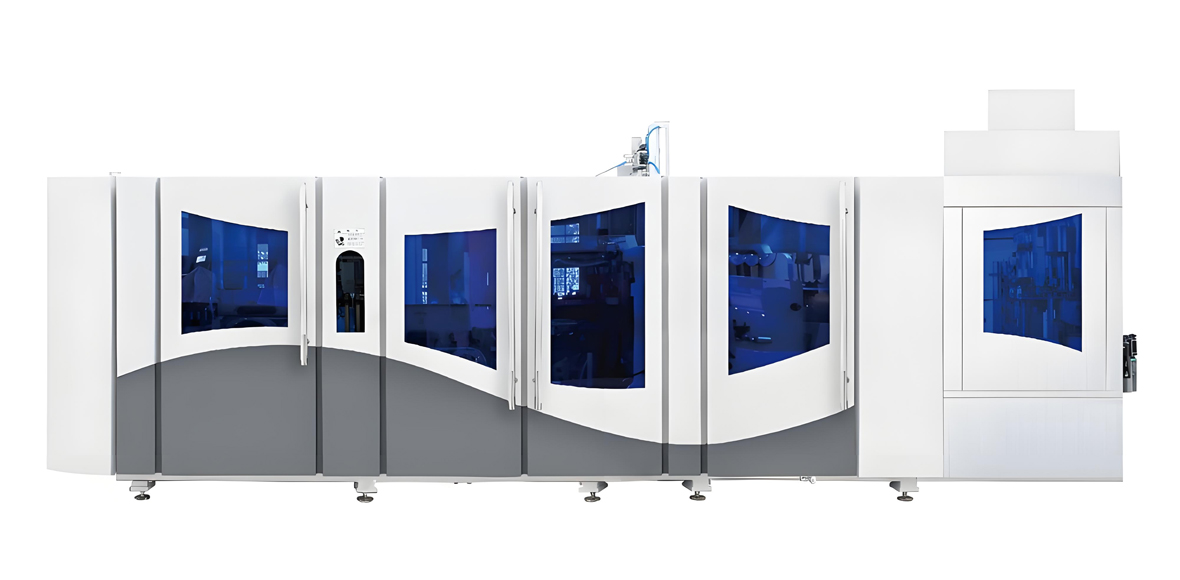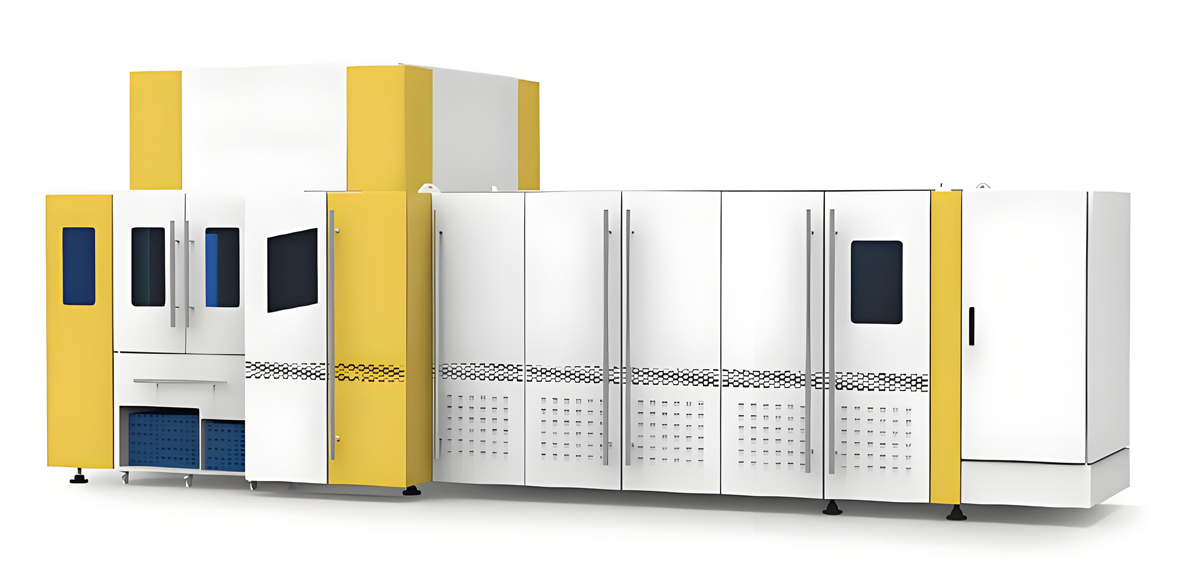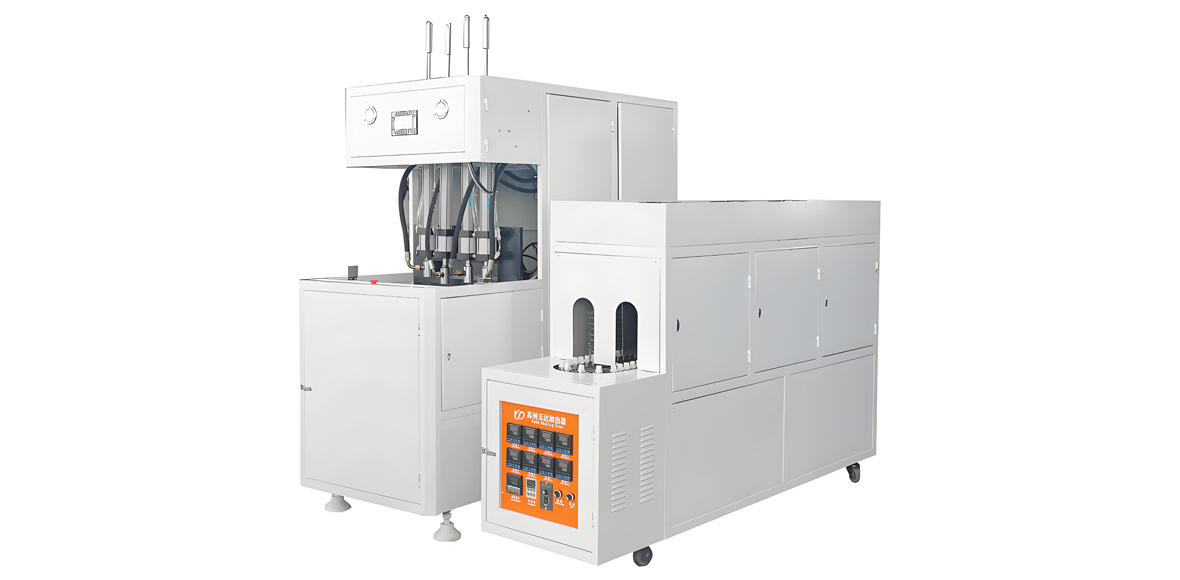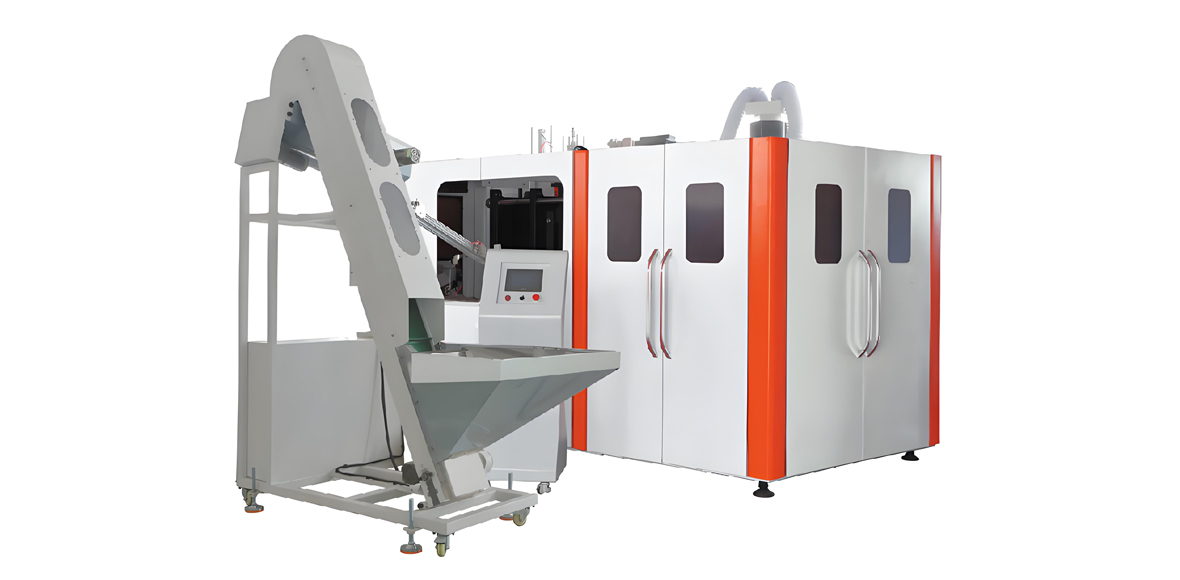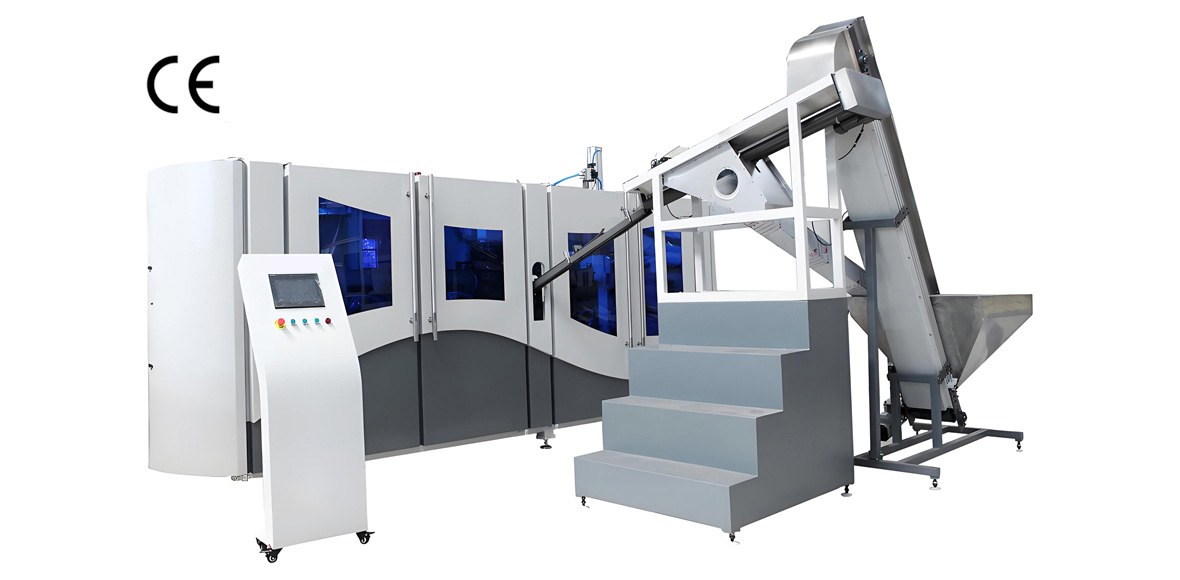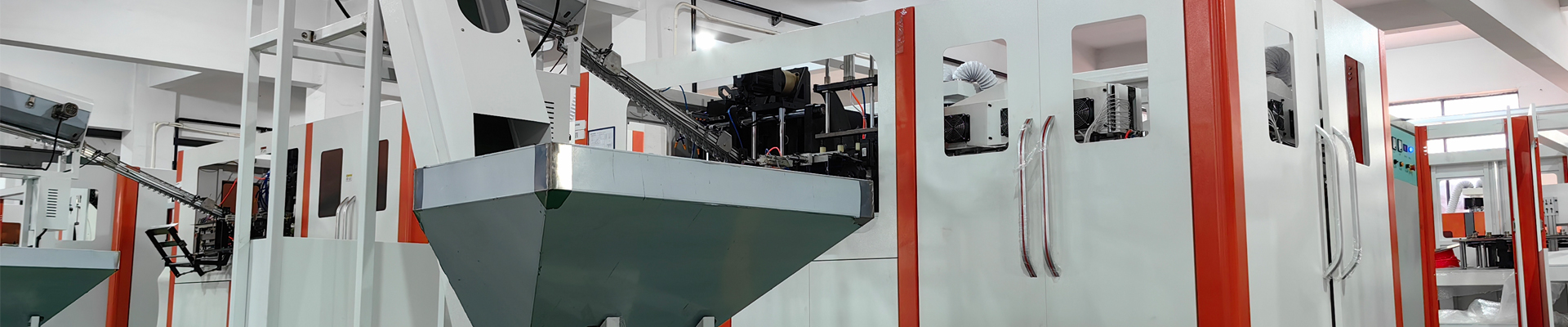
Blow Filling Capping CombiBlock systems represent a significant leap in PET packaging efficiency by consolidating three critical operations into a single integrated unit. This architectural approach eliminates intermediate handling steps, thereby reducing floor space requirements and minimizing the risk of microbial contamination between stages. As a manufacturer of PET bottle blow molding machines and a cooperative company of Wanplas Group, YuDa designs these systems to streamline production for beverage manufacturers worldwide. Our portfolio includes options ranging from the Semi Auto PET Bottle Blow Machine for small batches to the High Speed PET Bottle Blow Machine for high volume output, alongside specialized Linear Blowing Filling Capping Machine configurations. This comprehensive guide explores the complete process flow, detailing machine types, sterile considerations, transfer mechanisms, filling technology, capping protocols, line balance strategies, defect diagnosis, and a thorough cost analysis. Readers will gain practical insights into selecting appropriate equipment, such as the Bottle Blow Filling Capping (BFC) CombiBlock, to optimize throughput and quality control. By understanding these integrated systems, engineers can make informed decisions that enhance operational reliability and reduce total ownership costs while maintaining strict hygiene standards in modern packaging facilities.
Why Integration Improves Efficiency and Hygiene
Separating PET bottle production from filling traditionally requires extensive conveyor systems and accumulation zones that consume significant floor space. By integrating these processes into a single unit like the Bottle Blow Filling Capping (BFC) CombiBlock manufacturers eliminate intermediate transport steps. This consolidation reduces the physical footprint by approximately thirty to forty percent compared to standalone lines. Fewer mechanical transfers directly lower the risk of label damage and surface abrasion during handling. More critically, removing open conveyors minimizes exposure to airborne particulates and human contact which significantly enhances hygiene standards for sensitive beverages.
However this integration introduces a single point of failure where any mechanical stoppage halts the entire production sequence. Standalone systems allow independent operation so a filling issue does not necessarily stop blowing capacity. The complexity of synchronizing high speed blow molding with sterile filling demands precise engineering and rigorous maintenance protocols. While capital expenditure for a combined unit typically ranges from three hundred thousand to eight hundred thousand US dollars depending on output speed and configuration this investment often yields lower total ownership costs through reduced labor requirements. A typical combi block line may require only one or two operators versus three to five for separate machines yielding annual labor savings of fifty thousand to one hundred twenty thousand US dollars. These figures are indicative and vary by region automation level and local wage structures. The engineering trade off involves accepting higher initial complexity and potential downtime risk in exchange for superior space efficiency reduced contamination vectors and streamlined operational control within a compact footprint suitable for modern beverage facilities seeking optimized throughput without expanding plant infrastructure unnecessarily.
By eliminating intermediate conveyors and accumulation zones between blowing and filling stations, a combi block significantly compresses the physical footprint of the production line. This streamlined layout minimizes bottle handling, which directly translates to reduced risk of label damage or surface scratches during transfer. The Bottle Blow Filling Capping (BFC) CombiBlock exemplifies this approach by keeping containers in a controlled environment from preform heating through final capping, thereby lowering contamination risks associated with open air exposure and manual intervention.
However, this high degree of integration introduces operational complexity. A single mechanical fault can halt the entire sequence, creating a critical point of failure that demands rigorous preventive maintenance protocols. While specific savings vary by line speed, an integrated system often reduces floor space requirements by thirty to forty percent compared to separate machines. Labor costs may drop by approximately fifteen thousand dollars annually per shift due to reduced manual oversight, though this figure depends heavily on local wage structures and automation levels.
Process Flow from Preform to Finished Bottle
In the Bottle Blow Filling Capping (BFC) CombiBlock, preforms are fed from a hopper into the heating oven, reaching precise temperatures for optimal stretching. Once heated, these preforms move directly to the blow molding station within the same enclosure. Here, high pressure air forms the PET bottles in molds, creating rigid containers ready for immediate use. Unlike traditional lines that rely on long conveyor belts between machines, this integrated system transfers bottles via short star wheels or robotic arms. This direct handoff eliminates handling damage and reduces floor space requirements significantly.
Synchronization is critical because any timing mismatch can cause jams or product loss. The control system coordinates the blow molding cycle with the filling carousel speed to ensure a steady flow. Buffers are strategically placed between the blowing and filling sections to absorb minor fluctuations in production rates. These small accumulation zones prevent stoppages if one station slows slightly, maintaining continuous operation without halting the entire line.
After filling, bottles proceed immediately to the capping unit, where caps are applied with precise torque control. The sealed containers then exit the block for labeling and packing. This seamless integration minimizes contamination risks since bottles remain enclosed throughout the process. For manufacturers considering this technology, initial investment typically ranges from 150,000 to 400,000 US dollars depending on output capacity. While this represents a significant capital outlay, the reduction in labor and floor space often yields rapid return on investment for medium to large scale beverage producers seeking efficient, compact production solutions.
In a Bottle Blow Filling Capping (BFC) CombiBlock, preforms enter via an automated hopper and are heated in infrared ovens to precise temperatures before moving into the stretch blow molding station. Here, high pressure air transforms them into rigid containers. Crucially, these bottles transfer directly to the filling carousel through a short rotary gripper arm rather than long external conveyors. This direct handoff minimizes contamination risks and reduces floor space requirements significantly. The synchronization between blowing and filling is managed by electronic cam systems that adjust speed dynamically. If the filler slows for changeovers, the blower can pause or divert preforms to a small buffer zone, preventing energy waste on heating unused stock.
Downstream, capping units apply torque controlled closures immediately after filling, ensuring seal integrity without manual intervention. Labeling and shrink wrapping occur at the end of the line, often requiring separate accumulation tables to match output rates. Integrating these steps into one synchronized unit can lower operational costs by approximately 15 percent compared to standalone Semi Auto PET Bottle Blow Machine setups linked by belts. This efficiency gain stems from reduced handling damage and fewer cleaning cycles, making the CombiBlock ideal for medium to high volume beverage producers seeking streamlined workflows.
Linear Combi Blocks and High Speed Configurations
A linear arrangement offers distinct advantages for small to medium production runs where flexibility outweighs raw speed. The Linear Blowing Filling Capping Machine arranges stations in a straight line, allowing operators easy access for maintenance and changeovers. This configuration typically supports outputs between 1,000 and 4,000 bottles per hour. In contrast, high speed rotary filling systems rotate containers through multiple stations simultaneously, achieving rates exceeding 12,000 bottles per hour by parallelizing processes. When selecting equipment, engineers must balance initial capital expenditure against long term operational efficiency. A typical linear setup ranges from 50,000 to 80,000 US dollars, while high speed rotary lines often start at 150,000 US dollars, though these figures vary significantly based on automation level and specific requirements.
The Bottle Blow Filling Capping (BFC) CombiBlock represents the modern standard for integrated efficiency. Unlike separate machines linked by conveyors, this unit combines all three stages into a single footprint. This integration reduces handling damage and contamination risks. However, success depends entirely on matching blowing output to filling capacity. If the blow molding section produces 600 bottles per minute but the filler only processes 400, a bottleneck forms immediately. Conversely, underutilized fillers waste energy and space. Engineers calculate precise head counts by dividing target hourly output by the cycle time of each station. For instance, a four cavity mold running at 30 cycles per minute yields 120 bottles per minute. Matching this to a twelve head rotary filler ensures smooth flow without accumulation. Proper synchronization prevents jamming and maintains consistent bottle quality throughout the entire process chain.
Selecting between a linear and rotary architecture dictates your facility's footprint and throughput ceiling. The Linear Blowing Filling Capping Machine suits mid range production where floor space is limited and changeover speed is critical. This configuration typically handles forty to sixty bottles per minute, offering flexibility for short runs of varying bottle formats without the extensive downtime associated with complex rotary tooling changes. In contrast, high speed operations demand the robust synchronization found in the Bottle Blow Filling Capping CombiBlock. These systems integrate multiple blowing stations with a large number of filling heads, often exceeding twelve valves, to maintain continuous flow at rates surpassing one hundred bottles per minute.
Matching blowing capacity to filling output is essential to prevent buffer tank overflow or starved fillers. If the blow molding section produces fewer preforms than the filler consumes, the system stalls. Conversely, excess blowing creates unnecessary pressure on accumulation conveyors. For a balanced line processing half liter water bottles, pairing four blowing stations with twelve filling heads ensures steady state operation. This synchronization minimizes energy waste and reduces maintenance costs by approximately fifteen percent annually compared to mismatched standalone units.
Hygiene, Sterility and Clean Design
Beverage filling demands rigorous hygiene to ensure product safety and shelf life. The Bottle Blow Filling Capping CombiBlock addresses this by integrating critical processes into a single sterile environment. Clean air overpressure systems maintain positive pressure within the machine enclosure, preventing ingress of ambient contaminants. High efficiency particulate air filters supply filtered air to the working zone, typically achieving ISO Class 5 cleanliness standards in sensitive areas. This controlled atmosphere is essential for maintaining sterility during the brief window between bottle formation and sealing.
Material selection plays a pivotal role in clean design. Contact parts utilize food grade stainless steel such as AISI 316L, which resists corrosion from acidic beverages and cleaning agents. Surfaces are polished to low roughness averages, often below Ra 0.8 micrometers, to minimize bacterial adhesion and facilitate effective cleaning. Clean in place systems circulate validated chemical solutions through piping and nozzles without disassembly, reducing manual intervention risks. Direct bottle transfer mechanisms eliminate open handling steps that could compromise the sterile envelope. By keeping bottles sealed within the machine path from blow molding to capping, the risk of airborne contamination is drastically reduced compared to separate machines with conveyor gaps.
Validation protocols confirm that cleaning procedures consistently remove residues and microbes. Continuous monitoring via particle counters and environmental sampling provides data for quality assurance records. While specific certifications vary by region, robust design principles support compliance with global food safety standards. Investing in such integrated systems requires significant capital, often ranging from 150,000 to 400,000 US dollars depending on speed and configuration, though this cost must be weighed against reduced labor and contamination losses. Proper engineering ensures reliable, sanitary production for sensitive beverages.
Maintaining a sterile envelope requires rigorous environmental control within the Blow Filling Capping Combi Block. High efficiency linear systems integrate HEPA filtered air to create positive pressure zones, preventing airborne contaminants from entering the filling chamber. This clean air overpressure is critical when transferring bottles directly from the blowing station to the filler without intermediate storage. Such direct transfer minimizes exposure risks and reduces the need for extensive pre cleaning protocols that add operational cost. Material selection plays a pivotal role in sustaining hygiene standards across all contact surfaces. Stainless steel grade 316L is standard for wetted parts due to its corrosion resistance and ease of sanitation. For plastic components, FDA compliant polyoxymethylene or PEEK ensures durability against aggressive cleaning chemicals. Implementing Clean In Place systems allows automated circulation of caustic and acid solutions through product pathways, significantly reducing manual labor hours. These integrated CIP cycles typically save manufacturers between 1500 and 3000 dollars annually in labor costs while ensuring consistent microbial control. Validation procedures must verify that these cleaning regimes effectively remove residues, supporting long term compliance with food safety expectations without relying on unverified certifications.
Bottle Transfer and Neck Handling
The Bottle Blow Filling Capping (BFC) CombiBlock relies on precise neck handling to maintain line integrity. Bottles move from the blowing station to the filling carousel using star wheels that grip the bottle necks directly. These grippers feature spring loaded jaws with food grade polymer inserts to prevent scuffing on the PET surface. Proper neck support is critical because unsupported bottles can deform during high speed transfer, leading to seal failures at the capping stage. The transfer speed must match the filling rate to ensure stability. If the star wheel rotates too quickly, centrifugal forces may cause bottles to wobble or drop, resulting in immediate line stops.
In a typical setup, transfer wheels operate at speeds up to 1200 bottles per minute without losing synchronization. Engineers design these systems with tight tolerances, often within zero point five millimeters, to ensure smooth handoffs between stations. Misalignment here is a common cause of downtime. When a bottle fails to engage the next gripper, sensors trigger an emergency stop. Regular maintenance of these transfer components is essential. Worn grippers increase the risk of deformation and scuffing, which compromises package quality. Replacing worn parts promptly prevents costly production interruptions. For facilities upgrading their lines, integrating a Linear Blowing Filling Capping Machine requires careful attention to these transfer mechanisms. Budgets for such integrated systems typically range from 150,000 to 300,000 US dollars, depending on capacity and automation level, though actual costs vary by configuration and regional installation expenses.
Filling Technology and Accuracy
The Bottle Blow Filling Capping (BFC) CombiBlock integrates precise liquid handling directly after blow molding to ensure consistent fill levels across diverse beverage types. For still water and non carbonated drinks, level filling is often sufficient because it relies on gravity or pressure differentials to reach a target height within the bottle neck. This method minimizes mechanical complexity but requires strict control over bottle geometry since variations in preform stretching can alter internal volume significantly. Volumetric filling offers superior accuracy for viscous products like juices or dairy by measuring specific quantities rather than relying solely on visual level checks. Advanced systems employ electromagnetic flow meters that provide real time feedback, allowing operators to adjust dosing instantly if viscosity changes due to temperature fluctuations during production runs.
Accuracy in filling directly impacts product giveaway, which represents lost revenue from overfilling each unit. A deviation of just two percent across a high speed line can cost thousands of dollars annually in wasted raw materials and finished goods. Therefore, tight tolerances are essential for maintaining profitability without compromising consumer satisfaction. When handling carbonated beverages, the interaction between filling technology and bottle strength becomes critical. Carbonation introduces internal pressure that tests the structural integrity of the PET container immediately after formation. The CombiBlock must manage this transition carefully to prevent deformation or bursting while ensuring the liquid remains stable under pressure during capping. Proper alignment ensures that the filled bottle withstands the internal forces generated by dissolved carbon dioxide, maintaining package integrity throughout distribution.
Capping, Torque and Seal Integrity
In a modern Bottle Blow Filling Capping CombiBlock, precise cap application is critical for maintaining package integrity throughout the supply chain. Caps are typically delivered via vibratory or centrifugal bowl feeders that orient them correctly before transfer to rotary capping heads. These heads apply caps with controlled torque, usually between 150 and 250 inch pounds depending on bottle neck finish and closure material. Proper torque ensures sufficient thread engagement without causing plastic deformation or stripping, which are common causes of leakage.
Under torquing results in loose seals that allow carbon dioxide escape in sparkling beverages or oxygen ingress in still products, leading to rapid quality degradation. Over torquing can crack the PET neck or make caps difficult for consumers to remove, generating significant customer complaints and returns. To verify seal integrity during production, engineers employ inline torque testers and vacuum leak detectors that reject bottles failing pressure thresholds. Regular calibration of capping heads is essential as wear alters applied force over time.
Integrating these capping modules directly with blowing and filling units in a CombiBlock reduces transfer distances, minimizing contamination risks and mechanical mishandling. While initial capital expenditure for a high speed integrated line ranges from 150,000 to 400,000 US dollars depending on capacity, the reduction in leak related waste often justifies the investment within eighteen months. Consistent torque control remains the primary defense against seal failure, ensuring that every bottle leaving the Blow Filling Capping CombiBlock meets strict safety and quality standards for global distribution networks.
Line Balancing and Output
Balancing a production line requires matching the cycle times of blowing, filling, and capping to prevent bottlenecks. In a Blow Filling Capping CombiBlock, the slowest station dictates the maximum output. If your filler runs at 12,000 bottles per hour but the blower only produces 9,000, the entire system is limited to the lower rate. This mismatch reduces overall equipment effectiveness and increases waste. To avoid this, calculate the precise cycle time for each station based on bottle geometry and fill volume. A typical high speed setup might require a linear blowing filling capping machine with matched servo drives to ensure synchronized movement.
Choosing the correct block size depends on your peak demand forecast. Always include twenty percent headroom to handle surge orders or minor maintenance without stopping production. For instance, if you need 10,000 bottles per hour, specify equipment rated for 12,000. This buffer protects against downtime and allows for future product variations. Changeover time is another critical factor. A well designed system minimizes format changes to under thirty minutes, preserving valuable production hours. While capital costs vary, a reliable mid range BFC CombiBlock typically ranges from 150,000 to 400,000 US dollars, depending on automation level and capacity. These figures are indicative estimates for budgeting purposes only. Proper balancing ensures that every component operates at its optimal speed, maximizing return on investment while maintaining consistent quality standards across all shifts.
Diagnosing Combi Block Faults
When a Blow Filling Capping CombiBlock halts unexpectedly, operators must first inspect transfer timing between stations. Misalignment often stems from servo motor drift or mechanical wear in the star wheel assemblies. If bottles jam at the neck finish transfer point, check the gripper jaws for accumulated resin dust or worn springs. Replacing these components typically costs under two hundred dollars per set, assuming standard spare parts availability. Underfilled bottles usually indicate a problem with the filler valve seals or inconsistent product flow rates. Inspect the diaphragm valves for clogging caused by particulate matter in the liquid supply. Cleaning the manifold and replacing worn gaskets restores accurate fill levels within one percent tolerance. Leaking containers frequently result from improper capping torque settings rather than bottle defects. Verify that the cap head applies sufficient force to compress the seal without crushing the PET neck finish. A torque gauge reading below fifteen inch pounds often signals a slipping clutch or motor fault. Contamination issues trace back to failures in the clean air system or inadequate sanitation cycles. Check HEPA filters and ensure positive pressure is maintained inside the sterile zone. Neglecting these maintenance steps can lead to costly recalls and downtime exceeding ten thousand dollars per incident for mid sized production lines. Regular preventive checks of sensors and actuators prevent most stoppages. Always document fault codes from the Human Machine Interface before contacting technical support. This systematic approach ensures rapid recovery and sustained efficiency for your Linear Blowing Filling Capping Machine or Bottle Blow Filling Capping BFC CombiBlock installations.
Cost and Price Analysis of Combi Blocks
A Blow Filling Capping CombiBlock represents a significant capital investment that requires careful financial evaluation to justify its adoption over traditional separated production lines. For a standard linear configuration suitable for mid volume beverage producers, initial capital expenditure typically ranges from 150,000 to 300,000 US dollars. This estimate covers the integrated PET blowing, filling and capping modules within a single footprint. Higher output configurations, designed for large scale operations with rapid changeover capabilities, often command budgets between 400,000 and 800,000 US dollars. These figures are indicative rough budgets rather than firm quotes and vary based on automation levels and specific bottle formats.
When analyzing the total cost per bottle, the CombiBlock demonstrates clear advantages through reduced labor requirements and lower energy consumption. A separated line necessitates independent operators for blowing, filling and capping stations, whereas a single technician can often manage an integrated system. Energy savings arise from eliminating conveyor transfers between machines and reducing compressed air usage associated with handling bottles outside the blow mold. Changeover times are also minimized because the synchronized nature of the CombiBlock reduces manual adjustment steps compared to aligning three separate machines.
The payback logic hinges on these operational efficiencies. If a facility produces ten million bottles annually, saving five cents per bottle in labor and energy costs yields substantial annual savings. However, this economic advantage depends heavily on utilization rates. A clear caveat must be noted that if production volumes are low or product variety is extremely high with frequent short runs, the capital cost of a CombiBlock may not be recovered quickly. In such cases, separate machines offer greater flexibility for testing new formats without halting the entire line. Therefore, manufacturers should calculate their specific return on investment based on projected annual volume and changeover frequency before committing to this integrated solution.
Startup, Changeover and Cleaning
A disciplined startup sequence for the Bottle Blow Filling Capping CombiBlock begins with thorough cleaning and sterilization of all wetted surfaces. Operators must verify that CIP cycles have removed residues from previous runs, ensuring no cross contamination exists between different beverage types. Following sanitation, the control system requires selecting the correct recipe parameters for the specific bottle preform size and cap type. This digital setup reduces manual adjustment errors significantly. First article checks are critical during this phase. Technicians must measure wall thickness, neck finish dimensions, and fill volume on at least five consecutive bottles before releasing the line to full production speed. These initial samples confirm that the blow molding pressure and filling levels align with strict quality tolerances.
Product changeovers directly impact overall equipment effectiveness. Switching from a fifty milliliter water bottle to a one liter juice container typically requires thirty to forty five minutes on a Linear Blowing Filling Capping Machine, depending on tooling complexity. Proper training minimizes this downtime by empowering operators to execute standardized checklists efficiently. Cleaning validation is equally vital for maintaining food safety standards. Regular swab tests and visual inspections confirm that sterilization protocols effectively eliminate microbial risks. Investing in operator competency pays dividends through reduced waste and consistent output quality. While capital expenditure for a robust changeover system can range from one hundred fifty thousand to three hundred thousand US dollars, indicative budget ranges vary by configuration, the resulting reduction in non productive time justifies the expense. Consistent adherence to these protocols ensures that the Blow Filling Capping CombiBlock delivers reliable performance and protects brand reputation through rigorous quality assurance measures throughout every production cycle.
Maintenance for Combi Blocks
A Blow Filling Capping CombiBlock concentrates critical mechanical and hygienic risks into one compact unit, making preventive service indispensable for continuous operation. Because failure in any single subsystem halts the entire line, a rigorous maintenance plan is non negotiable. Start with blow molds, inspecting heating elements and cooling channels weekly to prevent thermal stress cracks that compromise bottle wall uniformity. Oven reflectors require monthly cleaning to ensure consistent preform heating, directly impacting material stretch ratios and reducing scrap rates by up to fifteen percent. Filler valves demand daily visual checks for drip patterns, followed by quarterly disassembly to replace seals and springs, preventing cross contamination in sensitive beverage applications. Capping heads need torque calibration every shift change to avoid under tightened or overtightened closures that lead to leakage or thread stripping. Transfer wheels must be lubricated with food grade grease weekly, as dry bearings cause bottle jamming and micro fractures. Clean systems, including CIP circuits, require validation of flow rates and chemical concentrations to meet hygiene standards. Neglecting these steps increases downtime significantly. For a standard Linear Blowing Filling Capping Machine setup, annual preventive maintenance budgets typically range from eight thousand to fifteen thousand US dollars, though this varies by production volume and local labor costs. Investing in scheduled care protects capital assets and ensures consistent output quality.
How YuDa Supports Combi Projects
YuDa operates as a cooperative company of Wanplas Group, specializing in PET bottle blow molding machinery. Our engineering team guides buyers through the complex process of sizing and configuring a Blow Filling Capping CombiBlock to match specific production demands. We assess your target output, typically ranging from 10,000 to 24,000 bottles per hour, to determine if a Linear Blowing Filling Capping Machine or a Bottle Blow Filling Capping (BFC) CombiBlock is the optimal solution. This integrated approach eliminates separate handling steps, significantly reducing floor space requirements and labor costs compared to standalone Semi Auto PET Bottle Blow Machine or Full Automatic PET Bottle Blow Machine setups. For instance, a mid range BFC system might require an initial capital investment between 150,000 and 350,000 US dollars, though actual pricing varies based on customization and local installation needs. Our specialists calculate precise cycle times and preform requirements to ensure the High Speed PET Bottle Blow Machine components within the block align perfectly with your filling line speed. This synchronization prevents bottlenecks and ensures consistent bottle quality. By leveraging our in house expertise, we help you avoid common pitfalls such as mismatched neck finishes or inadequate air supply systems. The result is a streamlined production environment where blowing, filling, and capping occur seamlessly within a single footprint, maximizing operational efficiency and return on investment for beverage manufacturers seeking reliable, compact packaging solutions.
Conclusione
Integrating PET blowing, filling and capping into a single Blow Filling Capping CombiBlock fundamentally transforms production efficiency and hygiene standards. By minimizing transfer points between processes, contamination risks drop significantly while line speeds increase. The Bottle Blow Filling Capping (BFC) CombiBlock offers a robust solution for medium to large scale operations, typically requiring an initial investment ranging from 200,000 to 500,000 US dollars depending on output capacity and automation level. This capital expenditure is often offset within two years through reduced labor costs and lower material waste compared to standalone systems. For smaller batches or pilot runs, the Linear Blowing Filling Capping Machine provides a flexible alternative with lower entry costs, estimated between 80,000 and 150,000 US dollars. Regardless of scale, consistent maintenance of preform heating zones and filling valves ensures long term reliability. YuDa supports customers through every phase, from initial layout planning to ongoing technical service, ensuring that each production line operates at peak performance for sustained competitive advantage in the beverage market.